

Roofing Considerations for High‑Elevation and Snow‑Load Areas

Roofing Considerations for High‑Elevation and Snow‑Load Areas
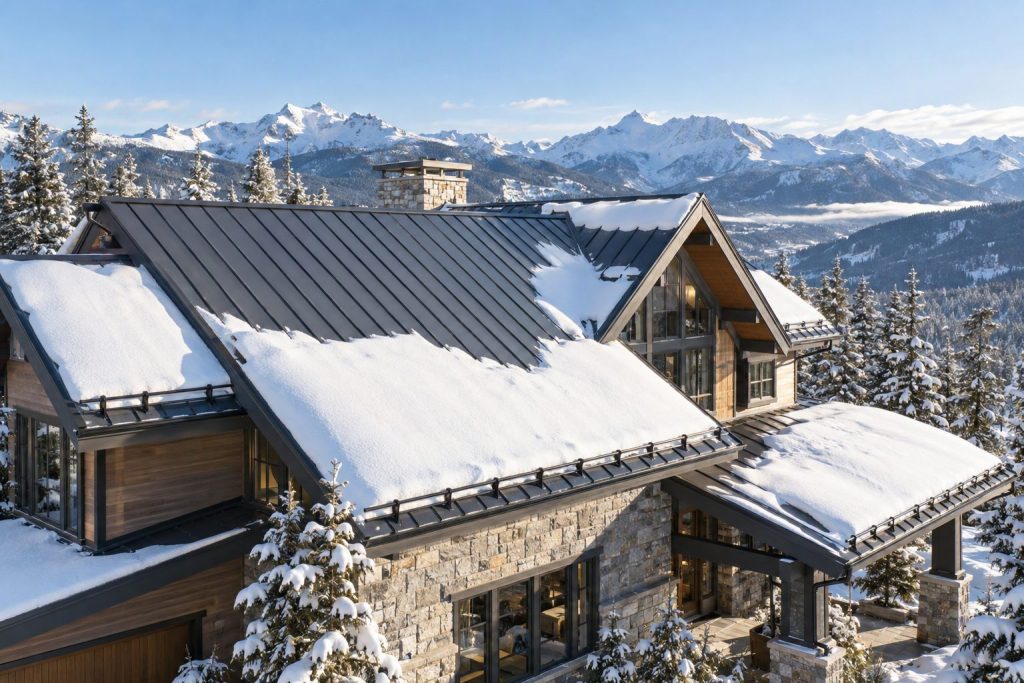
Homes and buildings in high‑elevation regions face roofing challenges that go far beyond standard weather exposure. Heavy snowfall, ice buildup, intense ultraviolet radiation, temperature swings, and high winds can all take a toll on a roof system. Whether you own a mountain home, a cabin, a commercial property, or a residence in a snow-prone area, choosing the right roofing materials and design features is essential for long-term protection.
At Reimagine Roofing, we help property owners select roofing systems built to withstand demanding mountain climates. If you’re planning a roof replacement, building a new home, or evaluating storm damage, understanding how elevation and snow load impact your roof can help you make a smarter investment.
Understanding Snow Load and Why It Matters
Snow load refers to the weight of snow and ice that accumulates on a roof. While fresh snowfall may appear lightweight, several layers of packed snow can add significant stress to a structure.
The amount of snow load a roof can experience depends on factors such as:
- Annual snowfall totals
- Roof slope and design
- Elevation
- Wind exposure
- Temperature fluctuations
- Ice accumulation
In mountain and high‑elevation environments, snow can remain on rooftops for weeks or months. As it compacts and absorbs moisture, the weight increases substantially, placing continuous stress on roofing materials, decking, trusses, and supporting structures.
Failure to account for local snow loads can lead to:
- Roof sagging
- Structural deformation
- Water intrusion
- Ice dam formation
- Premature roof failure
- Costly repairs
A roof designed specifically for high-snow conditions provides significantly greater reliability and long-term performance.
How High Elevation Impacts Roofing Systems
Many homeowners focus on snowfall, but elevation itself creates additional roofing challenges.
Increased UV Exposure
As elevation increases, the atmosphere becomes thinner, resulting in greater exposure to solar radiation.
High-altitude roofs experience:
- Faster material degradation
- Increased thermal expansion and contraction
- Premature aging of some roofing products
- Fading and breakdown of roofing surfaces
Materials selected for mountain climates should offer strong UV resistance to maintain performance for decades.
Extreme Temperature Swings
Mountain communities often experience dramatic temperature fluctuations between day and night.
These rapid changes create ongoing expansion and contraction cycles that can affect:
- Shingles
- Flashing
- Pipe penetrations
- Sealants
- Fasteners
Over time, thermal movement may cause cracking, loosening, or separation within the roofing system if materials are not designed for these conditions.
High Winds
Higher elevations frequently encounter stronger winds due to terrain exposure.
Wind can:
- Lift roofing materials
- Drive snow beneath roof coverings
- Damage flashing
- Increase wear on ridges and edges
A roofing system in these areas should be engineered for both snow and wind resistance.
Choosing the Right Roofing Material for Snow‑Load Areas
Selecting the proper roofing material is one of the most important decisions for mountain homes and snow-prone environments.
Metal Roofing
Metal roofing remains one of the most effective solutions for high‑elevation climates.
Benefits include:
- Excellent snow shedding capabilities
- Superior resistance to freeze-thaw cycles
- Long lifespan of 40–70+ years
- Strong wind performance
- Reduced risk of ice dam formation
- Excellent durability under UV exposure
Standing seam metal roofing is particularly effective because smooth panels encourage snow to slide off before excessive accumulation occurs.
Many property owners in mountain regions consider metal roofing the gold standard for long-term performance.
Architectural Asphalt Shingles
Modern architectural shingles can also perform well in snowy environments when properly installed.
Advantages include:
- Cost-effective installation
- Wide variety of styles
- Good wind ratings
- Proven weather resistance
However, snow tends to remain longer on asphalt roofs than on metal systems, making proper ventilation and insulation especially important.
Synthetic Roofing Products
Premium synthetic roofing systems continue to gain popularity in mountain communities.
Benefits may include:
- Lightweight construction
- Impact resistance
- Freeze-thaw durability
- Enhanced UV protection
- Reduced maintenance requirements
Certain synthetic slate and shake products provide the appearance of natural materials with improved performance in severe climates.
Why Roof Pitch Matters in Snow Country
Roof pitch plays a major role in snow management.
Steeper roofs generally:
- Shed snow more efficiently
- Reduce snow accumulation
- Limit standing moisture
- Lower the risk of structural overload
Low-slope roofs can trap snow for extended periods, increasing the likelihood of:
- Snow accumulation
- Ice dams
- Ponding water
- Structural stress
When designing a roof replacement or new construction project in a snowy region, pitch should always be considered alongside local climate conditions and building codes.
Ice Dams: A Major Threat to Mountain Homes
Ice dams are one of the most common winter roofing problems in cold-weather climates.
An ice dam occurs when:
- Heat escapes from the home.
- Snow on the roof melts.
- Melted water flows downward.
- Water refreezes near colder roof edges.
- Ice forms a barrier that traps additional water.
The trapped water can back up underneath roofing materials and enter the home.
Potential consequences include:
- Interior leaks
- Mold growth
- Insulation damage
- Ceiling stains
- Structural deterioration
Preventing ice dams requires a comprehensive roofing approach that includes proper ventilation, insulation, underlayment, and drainage design.
The Importance of Roof Ventilation
Ventilation is often overlooked but is one of the most critical components of a roofing system in snow-load regions.
A properly ventilated attic helps:
- Maintain consistent roof temperatures
- Reduce ice dam formation
- Control moisture buildup
- Improve energy efficiency
- Extend roof lifespan
Balanced intake and exhaust ventilation helps create continuous airflow that protects both the roof structure and the living space below.
Poor ventilation can shorten the life of even the highest-quality roofing materials.
Snow Retention Systems: When They Are Needed
While snow shedding is beneficial, uncontrolled snow slides can create safety hazards.
Snow retention systems may be recommended for:
- Entryways
- Walkways
- Driveways
- Decks
- Commercial entrances
Common solutions include:
The Snow Guards
Snow guards hold accumulated snow in place and allow it to melt gradually.
Snow Fences
These systems prevent large sections of snow and ice from sliding off the roof at once.
Engineered Retention Systems
Many commercial buildings and large residential properties use engineered snow-management systems specifically designed for expected snow loads.
Proper placement and design are essential to ensure effectiveness.
Roof Underlayment Matters More Than Many Homeowners Realize
Roofing materials are only the first line of defense.
High-quality underlayment provides critical protection against:
- Wind-driven snow
- Ice infiltration
- Water intrusion
- Freeze-thaw cycles
In high-elevation environments, enhanced waterproofing underlayment often provides a valuable layer of security beneath the visible roofing material.
This extra protection becomes especially important during prolonged winter weather events.
Why Professional Roof Inspections Are Essential
Snow, ice, and seasonal weather extremes make regular roof inspections particularly important.
Annual inspections can identify:
- Damaged flashing
- Loose fasteners
- Ventilation issues
- Ice dam vulnerabilities
- Water infiltration points
- Structural concerns
- Aging roofing materials
Early detection often prevents minor problems from becoming major repair projects.
A professional inspection is especially important before winter weather arrives and after severe snowstorms.
Signs Your Roof May Be Struggling With Snow Load
Property owners should watch for warning signs such as:
- Sagging rooflines
- Interior ceiling cracks
- Doors or windows sticking
- Persistent ice dams
- Water stains on ceilings
- Excessive snow accumulation
- Missing roofing materials
- Visible structural movement
If you notice any of these conditions, scheduling a professional roof evaluation is recommended as soon as possible.
Energy Efficiency Benefits of a Snow‑Ready Roof
An optimized roof system doesn’t just protect your property.
It can also improve:
- Heating efficiency
- Indoor comfort
- Moisture control
- Ventilation performance
- Long-term operating costs
Modern roofing systems that combine quality insulation, ventilation, and durable materials often deliver significant energy-saving benefits throughout the year.
Planning a Roof Replacement in High‑Elevation Areas
Before investing in a new roof, property owners should evaluate:
Local Snow Load Requirements
Building codes vary significantly based on elevation and expected snowfall.
Material Performance
Choose products specifically rated for severe winter conditions.
Ventilation Strategy
Ventilation should be designed as part of the overall roofing system rather than as an afterthought.
Ice Protection
Ice and water shields can significantly improve moisture protection.
Structural Capacity
Older homes may require structural evaluation before installing certain roofing systems.
Working with experienced roofing professionals helps ensure every component is designed for long-term performance.
Why Homeowners Trust Reimagine Roofing
At Reimagine Roofing, we understand the demands that snow, ice, wind, and elevation place on roofing systems. Our team evaluates every property individually to recommend roofing solutions that match local weather conditions, structural requirements, and long-term performance goals.
Whether you’re considering metal roofing, replacing an aging roof, addressing winter storm damage, or preparing your home for years of mountain weather, we provide expert guidance and quality craftsmanship every step of the way.
Schedule Your Roof Inspection Today
If your property is located in a high‑elevation or heavy snow‑load area, don’t wait for winter weather to expose hidden roofing problems.
Contact Reimagine Roofing today to schedule a professional roof inspection. Our experienced team can assess your roof’s condition, identify potential vulnerabilities, and recommend solutions designed for long-lasting protection.
Ready to explore your options?
FAQs
What is the best roofing material for heavy snow areas?
Standing seam metal roofing is often considered one of the best choices because it sheds snow efficiently, resists moisture damage, and offers excellent longevity.
Can snow damage my roof?
Yes. Excessive snow accumulation can place significant weight on a roof, potentially causing structural stress, leaks, or collapse if the roof is not designed for local snow loads.
How do I prevent ice dams on my roof?
Proper attic insulation, balanced ventilation, and ice-and-water protection underlayment are among the most effective preventative measures.
How often should roofs in snowy climates be inspected?
Most roofing professionals recommend annual inspections and additional evaluations after severe winter storms.
Does elevation affect roof lifespan?
Yes. Higher elevations experience increased UV exposure, stronger winds, and wider temperature fluctuations, all of which can accelerate roof aging if materials are not selected appropriately.
Popular Posts


