

Best Roofing Materials for Hot, Dry Climates in New Mexico

Best Roofing Materials for Hot, Dry Climates in New Mexico
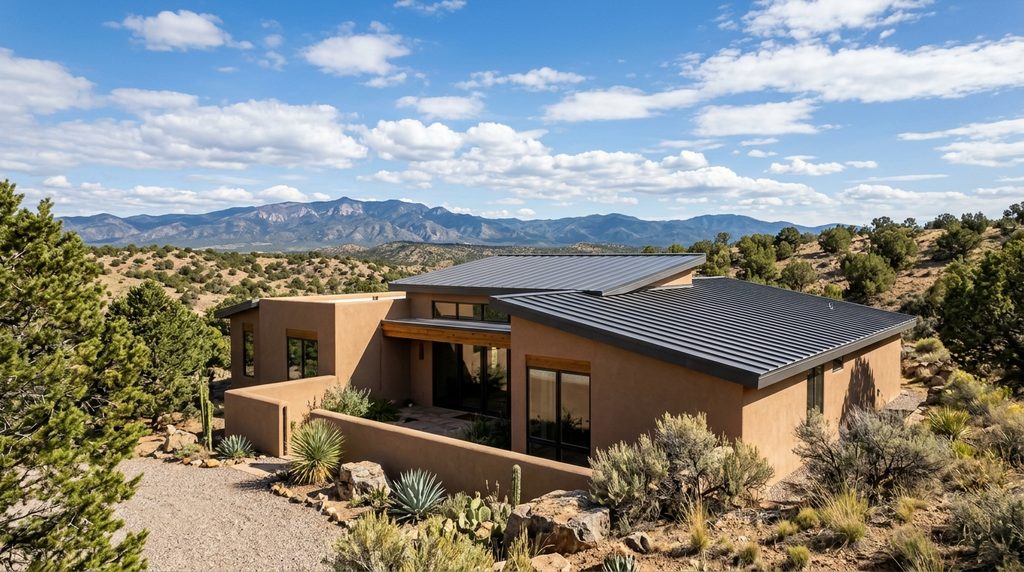
New Mexico homeowners face some of the toughest roofing conditions in the country. Intense UV exposure, extreme summer temperatures, low humidity, occasional monsoon storms, high desert winds, and significant temperature swings between day and night all place unique demands on roofing systems. Choosing the right roofing material is not just about appearance. It directly impacts energy efficiency, long-term durability, maintenance costs, and overall home value.
Whether you own a home in Albuquerque, Rio Rancho, Santa Fe, Las Cruces, or any surrounding community, understanding which roofing materials perform best in New Mexico’s desert climate can help you make a smart, long-lasting investment.
At Reimagine Roofing, we help homeowners select roofing systems specifically designed to withstand the harsh Southwestern environment. In this guide, we’ll explore the best roofing materials for hot, dry climates, the pros and cons of each option, and what factors you should consider before making a roofing decision.
Why New Mexico’s Climate Demands Special Roofing Considerations
Before comparing materials, it’s important to understand the environmental challenges New Mexico roofs endure year after year.
Intense UV Radiation
New Mexico receives some of the highest levels of solar radiation in the United States. Constant ultraviolet exposure can accelerate the aging process of many roofing materials, causing fading, cracking, brittleness, and premature deterioration.
High Summer Temperatures
Roof surface temperatures can exceed 150°F during peak summer months. Materials must be capable of handling extreme heat without warping, curling, or losing structural integrity.
Large Temperature Swings
In many areas of New Mexico, temperatures can vary by 30 to 40 degrees between daytime and nighttime. Repeated expansion and contraction cycles place stress on roofing systems.
Wind Events
High winds are common throughout the state, particularly during spring and monsoon seasons. Roofing materials must be securely installed and rated for wind resistance.
Monsoon Storms and Hail
While New Mexico is generally dry, sudden summer storms can bring heavy rain, hail, and strong winds that test roof performance.
Because of these conditions, not every roofing material performs equally well. Let’s examine the best options for New Mexico homeowners.
1. Metal Roofing
Why Metal Roofs Excel in Hot Climates
Metal roofing is one of the best-performing roofing systems available for New Mexico homes. Modern metal roofs are engineered to reflect solar radiation rather than absorb it.
Reflective coatings help reduce heat transfer into the home, lowering cooling demands during the hottest months of the year.
Benefits of Metal Roofing
- Excellent heat reflection
- Outstanding UV resistance
- Long lifespan of 40 to 70 years
- Low maintenance requirements
- High wind resistance
- Fire-resistant properties
- Strong performance during monsoon storms
Potential Drawbacks
- Higher upfront investment
- May require specialized installation
- Can be noisier during heavy rain without proper insulation
Best Metal Roofing Types
For homes throughout New Mexico, popular options include:
- Standing seam metal roofing
- Stone-coated steel roofing
- Aluminum roofing systems
- Galvalume steel roofing
Light-colored finishes often deliver superior energy efficiency by maximizing solar reflectivity.
2. Clay Tile Roofing
A Traditional Choice for Southwestern Homes
Clay tile roofing has been a defining architectural feature throughout the Southwest for centuries. Many New Mexico homeowners choose clay tiles due to their classic appearance and exceptional heat resistance.
Benefits of Clay Tile
- Exceptional durability
- Outstanding performance in hot weather
- Naturally resistant to UV degradation
- Distinct Southwestern aesthetic
- Lifespan can exceed 50 years
- Excellent fire resistance
Energy Efficiency
Clay tiles create natural ventilation beneath the roofing surface. This air space helps reduce heat transfer to the home’s interior.
Potential Drawbacks
- Heavier than most roofing materials
- May require additional structural support
- Higher installation costs
- Can crack from severe impacts
For homeowners seeking authentic Southwestern curb appeal and long-term performance, clay tile remains a top choice.
3. Concrete Tile Roofing
Durable and Cost-Effective
Concrete tiles provide many of the benefits of clay tile while often coming at a more affordable price point.
Modern concrete tiles are available in numerous styles designed to replicate:
- Traditional clay tile
- Wood shake
- Slate roofing
Benefits of Concrete Tile
- Excellent durability
- Strong UV resistance
- Long lifespan
- Fire-resistant
- Energy-efficient performance
- Resistant to insect damage and rot
Potential Drawbacks
- Heavy weight
- Professional installation required
- May need periodic maintenance
Concrete tiles perform particularly well in desert climates because they tolerate intense sunlight and high temperatures without significant degradation.
4. Architectural Asphalt Shingles
The Most Popular Residential Roofing Option
Architectural asphalt shingles remain one of the most common roofing materials throughout New Mexico because of their affordability and versatility.
However, not all asphalt shingles are created equal.
Choosing the Right Asphalt Shingles
For hot climates, homeowners should consider:
- Cool roof shingles
- Energy-efficient reflective shingles
- Impact-resistant shingles
- Premium architectural shingles
Benefits
- Lower installation cost
- Wide variety of colors and styles
- Easier repairs
- Moderate lifespan of 20 to 30 years
- Good performance with proper ventilation
Potential Drawbacks
- More susceptible to UV damage than metal or tile
- Shorter lifespan in extreme climates
- May require replacement sooner than premium materials
Quality installation and attic ventilation play a significant role in maximizing the lifespan of asphalt roofing systems.
5. Synthetic Roofing Materials
Advanced Roofing Technology
Synthetic roofing products have grown increasingly popular among New Mexico homeowners seeking durability and energy efficiency.
These materials are designed to replicate:
- Slate
- Cedar shake
- Clay tile
While offering enhanced durability and lower weight.
Benefits
- Lightweight construction
- UV-resistant formulations
- Impact resistance
- Lower maintenance
- Energy-efficient options available
- Attractive appearance
Potential Drawbacks
- Product quality varies by manufacturer
- Mid-to-premium pricing range
When installed correctly, synthetic roofing systems can provide excellent performance in desert climates.
Roofing Colors Matter More Than You Think
Many homeowners focus solely on roofing materials while overlooking color selection.
In New Mexico’s climate, roofing color can significantly influence energy performance.
Lighter Colors Reflect Heat
Examples include:
- Beige
- Light gray
- Tan
- White
- Soft earth tones
These colors reflect a greater percentage of solar energy.
Darker Colors Absorb Heat
Black and dark brown roofing systems tend to absorb more heat, increasing attic temperatures and cooling demands.
For maximum energy efficiency, many homeowners choose lighter roofing colors that complement Southwestern architecture while reducing indoor temperatures.
The Importance of Proper Roof Ventilation
Even the best roofing material will underperform if the attic lacks proper ventilation.
Proper airflow helps:
- Reduce attic heat buildup
- Improve HVAC efficiency
- Prevent moisture accumulation
- Extend roofing lifespan
- Enhance indoor comfort
Common ventilation systems include:
- Ridge vents
- Soffit vents
- Gable vents
- Powered attic ventilation
Roofing material selection should always be paired with a ventilation assessment.
Cool Roofing Technology for New Mexico Homes
Many modern roofing systems now qualify as “cool roofs.”
Cool roofing products utilize reflective coatings and advanced materials that reduce heat absorption.
Benefits include:
- Lower energy bills
- Improved indoor comfort
- Reduced HVAC strain
- Enhanced roof longevity
- Better performance during extreme heat
Cool roof technologies are available for:
- Metal roofing
- Asphalt shingles
- Tile roofing
- Flat roofing systems
Homeowners focused on energy savings should discuss cool roof options during the roof selection process.
How Long Will Different Roofing Materials Last in New Mexico?
| Roofing Material | Average Lifespan |
|---|---|
| Metal Roofing | 40-70 Years |
| Clay Tile | 50-100+ Years |
| Concrete Tile | 40-60 Years |
| Architectural Asphalt Shingles | 20-30 Years |
| Synthetic Roofing | 30-50 Years |
Actual lifespan depends on:
- Installation quality
- Ventilation
- Maintenance
- Storm exposure
- Product quality
Professional workmanship often has as much impact on roof longevity as the material itself.
Factors to Consider When Selecting a Roofing Material
Budget
Some systems have higher upfront costs but lower lifetime ownership expenses.
Energy Efficiency Goals
Homeowners planning to reduce cooling costs should prioritize reflective roofing options.
Home Style
Certain materials better complement traditional Southwestern architecture.
Weight Requirements
Tile roofing systems may require structural evaluation before installation.
Long-Term Plans
If you intend to remain in your home for decades, investing in a longer-lasting roofing material may provide greater overall value.
Signs It May Be Time to Replace Your Roof
If you’re unsure whether your current roof should be repaired or replaced, look for these warning signs:
- Cracked or missing shingles
- Curling roofing materials
- Granule loss
- Interior water stains
- Frequent leaks
- Storm damage
- Excessive roof age
- Rising cooling costs
A professional inspection can determine the condition of your roof and identify the most cost-effective solution.
Why Professional Installation Matters
Even premium roofing materials can fail prematurely when improperly installed.
Professional installation ensures:
- Manufacturer specifications are followed
- Proper ventilation is incorporated
- Flashing systems are correctly installed
- Wind-resistance requirements are met
- Warranties remain valid
Partnering with an experienced roofing contractor helps maximize the return on your roofing investment.
Choose the Right Roof for New Mexico’s Climate
Selecting the best roofing material for a hot, dry climate involves balancing durability, energy efficiency, aesthetics, and long-term value. For many New Mexico homeowners, metal roofing, clay tile, concrete tile, premium asphalt shingles, and synthetic roofing materials all offer excellent solutions when professionally installed.
The right choice depends on your home’s structure, budget, energy goals, and future plans. A professional roof evaluation can help determine which roofing system will provide the greatest performance and protection for your property.
Schedule a Roof Inspection with Reimagine Roofing
If you’re considering a roof replacement or want expert guidance on the best roofing materials for your New Mexico home, the team at Reimagine Roofing is here to help.
Our experienced roofing professionals can inspect your roof, explain your options, and recommend solutions designed specifically for New Mexico’s demanding climate.
Contact Reimagine Roofing today to schedule your professional roof inspection and discover the best roofing system for your home. For fast, convenient pricing, be sure to use our online quote tool and get started on your roofing project today.
Popular Posts


