The 10 Most Common Roof Leak Sources (and How Pros Find Them Fast)
The 10 Most Common Roof Leak Sources (and How Pros Find Them Fast)
The 10 Most Common Roof Leak Sources (and How Pros Find Them Fast)
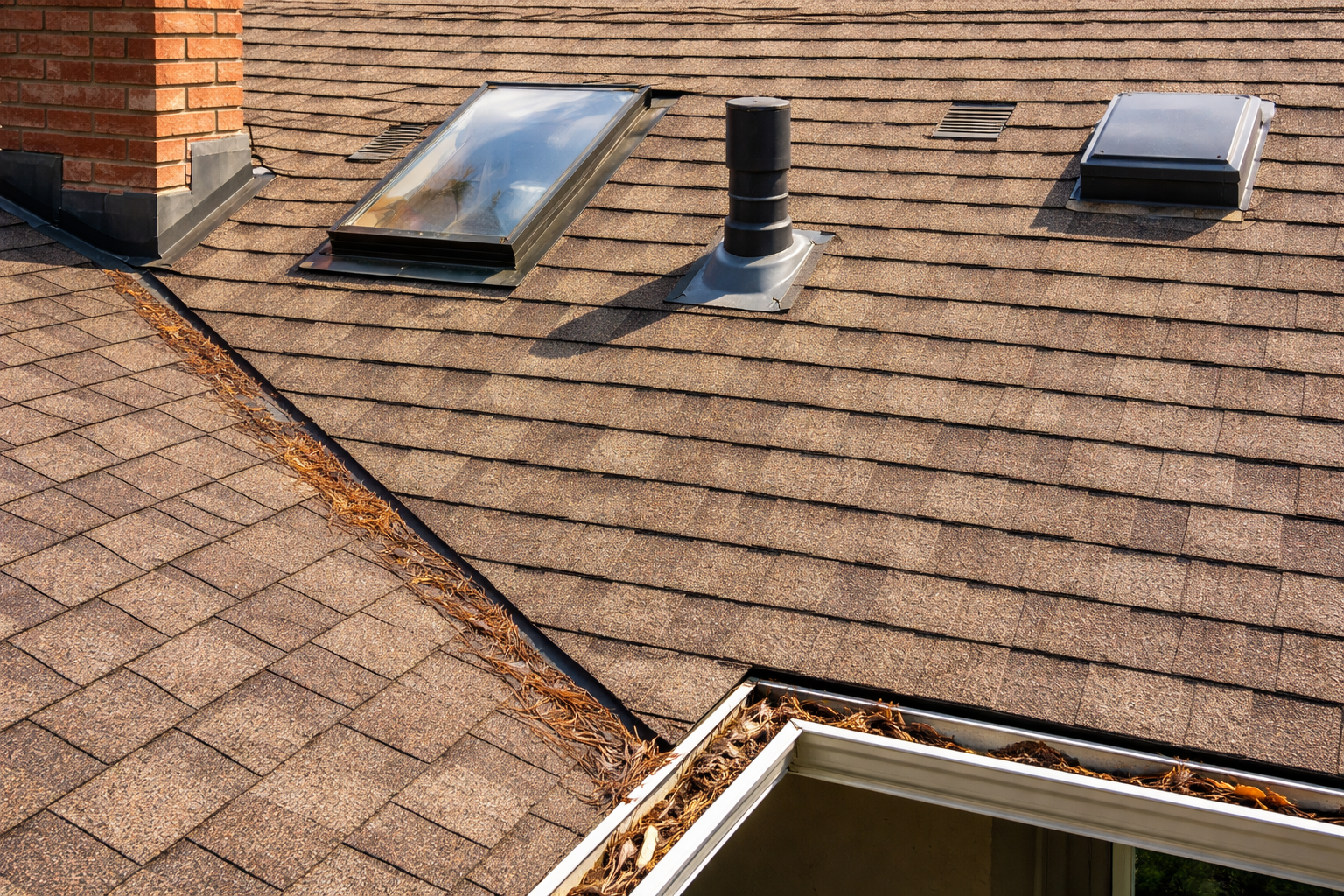
A roof leak can start as a faint water stain and turn into damaged drywall, warped wood, mold growth, and a much bigger repair bill—fast. The tricky part? The spot where you see water inside your home is often not where the leak is entering. Water can travel along rafters, under underlayment, and across decking before it finally drips into your ceiling.
That’s why professional roofers don’t “guess and patch.” They diagnose. They trace the source. Pinpointing the leaking area is crucial—sometimes the signs are pretty obvious, like visible wet spots or holes, but other times it takes more investigation to find exactly where the water is getting in. They inspect the full roofing system—shingles, metal panels, flashing, vents, skylights, and valleys—to find the real entry point.
In this guide, we’ll cover the 10 most common roof leak sources, what causes them, and exactly how pros find them quickly. There are a few things most homeowners should know about roof leak sources before tackling repairs. We’ll also include local leak triggers in Reimagine Roofing’s service areas—Arizona, New Mexico, Utah, Florida, and New Jersey—because climate plays a huge role in how and why leaks happen.
Common roof leak sources include damaged shingles, failing flashing, clogged gutters, improperly sealed valleys, worn skylight seals, and vent boot issues.
If you suspect a roof leak right now, don’t wait for the next storm.
✅ Reimagine Roofing offers free roof inspections and fast quotes—often within 24 hours.
Why Roof Leaks Are So Hard to Find (and Why DIY Fixes Often Fail)
It’s normal to want a quick fix—especially when you see water indoors. But here’s what makes roof leaks tricky:
- Water travels. It follows the path of least resistance.
- Leaks can be intermittent. Wind direction and rain intensity change every storm.
- The roof system is layered. The leak may be under shingles but above decking, or at flashing, or in a seam.
- Normal wear and tear from weather and aging. Over time, exposure to the elements naturally degrades roofing materials, making leaks more likely.
- Multiple issues can overlap. A small flashing gap plus clogged gutters can create a big interior leak.
Every roofing system has a finite lifespan, typically 20–25 years for asphalt shingles, and leaks become more likely as the roof ages.
Professional roofers combine visual inspection with system-specific knowledge, and in many cases, they use tools like:
- moisture meters
- infrared imaging
- test hoses / controlled water testing
- attic inspection for staining and mold
- drone inspections for hard-to-reach areas
The 10 Most Common Roof Leak Sources (and What They Look Like)
1) Flashing Failures Around Chimneys, Walls, and Roof Intersections
What it is: Flashing is the metal (or membrane) designed to seal transitions where roofing materials meet vertical surfaces.
Why it leaks:
- cracked or deteriorated sealant
- loose or missing counterflashing
- rusted metal
- improper installation (common on older roofs)
- not installed correctly, which can allow water intrusion and structural damage
- thermal expansion causing separation
Leak clues:
- stains near the fireplace wall
- dampness along interior chimney framing
- water during wind-driven rain
How pros find it fast:Roofers check:
- step flashing along sides
- counterflashing at the chimney
- mortar cracks and seal integrity
- nail pops or gaps at seams
You should replace damaged flashing to prevent leaks around chimneys, vents, or skylights.
✅ Pro tip: A “gooped” chimney with tar or caulk usually means someone tried to fix flashing the wrong way. It’s often a temporary cover-up—not a real repair.
2) Pipe Boot Cracks and Plumbing Vent Leaks
What it is: Plumbing vents stick through the roof and are sealed with a rubber or neoprene boot.
Why it leaks:
- sun exposure dries and cracks rubber (common in AZ, NM, UT)
- boot lifts or separates from the base
- metal boot rusts
- shingles around it wear out
Leak clues:
- water stains around bathrooms or laundry rooms
- dripping appears after steady rain, not necessarily heavy storms
How pros find it fast:
Roofers look for:
- cracked rubber collars
- rust rings
- gaps between boot and pipe
- lifted nails around the flange
✅ Pipe boots are one of the most common—and easiest—leak sources to repair when caught early.
3) Valley Leaks (Where Two Roof Planes Meet)
What it is: Roof valleys are the channels where two slopes meet, directing water off the roof. Roof valleys are critical areas for water accumulation and leaks, especially if not properly waterproofed.
Why it leaks:
- debris buildup (leaves, pine needles)
- improper valley flashing
- worn shingles at the valley edges
- underlayment failure
- ice dams (NJ, parts of UT)
Leak clues:
- stains forming in a straight line down the ceiling
- leak after extended rain
- water appears in multiple rooms along the valley path
How pros find it fast:
Pros inspect:
- valley metal or woven shingles
- exposed nails
- lifted edges
- trapped debris
- underlayment condition near seams
Valleys are among the most common areas to check for leaks, along with corners, roof joints, skylights, and chimneys.
✅ Valleys handle more water than almost any other roof area—so even small defects can leak big.
4) Roof Vent Leaks (Bathroom Vents, Attic Vents, Turtle Vents)
What it is: Roof vents allow airflow but create penetrations—prime leak locations.
Why it leaks:
- cracked vent housing
- broken vent flashing
- flashing issues
- improper nailing
- sealant failure
- wind-driven rain forcing water under a poorly sealed base
Leak clues:
- staining near ceiling fans or vent areas
- musty attic odor
- damp insulation near vent pipe paths
How pros find it fast:
Roofers check:
- vent flange integrity
- shingle overlap patterns
- nail placement
- fastener sealing
- vent box cracks
To prevent leaks, use roofing cement to seal any gaps around flashing.
5) Skylight Leaks (Not Always the Skylight’s Fault)
What it is: Skylights are popular roof features—but they’re among the most misunderstood roof leak sources. Along with other roof features like valleys and chimneys, skylights can be a key entry point for water intrusion.
Why it leaks:
- improper flashing system
- failed gaskets
- clogged weep holes
- condensation mistaken for roof leak
- shingles around skylight aging faster
- worn skylight seals
Leak clues:
- water or fogging between glass panes
- bubbling paint around the skylight shaft
- leaks in certain wind directions
How pros find it fast:Pros:
- differentiate leak vs. condensation
- inspect step flashing + head flashing
- check skylight frame seals
- verify ice and water shield around the opening
✅ Important: Many “skylight leaks” are actually flashing leaks, which can often be repaired without replacing the entire skylight.
6) Shingle Damage: Missing, Cracked, or Lifted Shingles
What it is: Shingles are the first line of defense, but they’re vulnerable to wind, heat, and impact. Damaged shingles and missing or damaged shingles are key issues that can compromise your roof and lead to leaks.
Why it leaks:
- wind uplift breaks adhesive bonds
- hail bruises shingles (UT, NM, NJ)
- thermal cycling causes cracking (AZ, NM)
- granule loss exposes asphalt
- new shingles are needed after damage to restore roof integrity
Leak clues:
- visible missing shingles
- leaks after storms
- shingle debris in yard or gutters
How pros find it fast:
Roofers look for:
- creased shingles
- exposed nail heads
- fastener blow-through
- granule loss patterns
- hail impact bruises (often subtle)
Damaged shingles can include missing, cracked, curled, or granule-worn shingles that expose the underlayment to water. When fixing shingles, you should remove old roofing nails and replace them with new ones to prevent leaks.
✅ In hurricane-prone Florida, shingle blow-off and lifted tabs after high winds are extremely common.
7) Underlayment Failure (The “Hidden” Leak Source)
What it is: Underlayment is the protective layer between the roof covering and the deck.
Why it leaks:
- aging or UV exposure during installation
- tears from foot traffic
- poor overlap and fastening
- prolonged ponding water
- extreme heat deterioration (AZ, NM, UT)
Leak clues:
- leaks even when shingles look intact
- slow seepage during long rains
- multiple small leaks across one roof plane
How pros find it fast:Pros:
- inspect attic for widespread staining
- identify decking moisture patterns
- inspect roof decking for water stains, rot, or discoloration
- evaluate roof slope + drainage issues
- use thermal or moisture scanning to locate saturated areas
✅ Underlayment issues often require more than a patch, especially if the roof is older or improperly installed.
8) Gutter Problems and Fascia Backflow
What it is: Gutters don’t just protect landscaping—they protect your roof edge, fascia, and soffit. Keeping gutters clear is essential to avoid leaks.
Why it leaks:
- clogged gutters back water under shingles
- sagging gutters overflow behind fascia
- missing drip edge allows capillary action
- water pools at roof edge and works under the system
Leak clues:
- water stains near exterior walls
- soffit rot
- leaks near the perimeter of the home
- icicles/ice damming (NJ, UT)
How pros find it fast:
Roofers check:
- gutter slope and overflow patterns
- drip edge installation
- fascia and soffit rot
- shingle edge condition
- evidence of ice damming or water staining
✅ If you’re in New Jersey, ice dams combined with gutter blockages are a top winter leak trigger.
9) Flat Roof and Low-Slope Membrane Failures
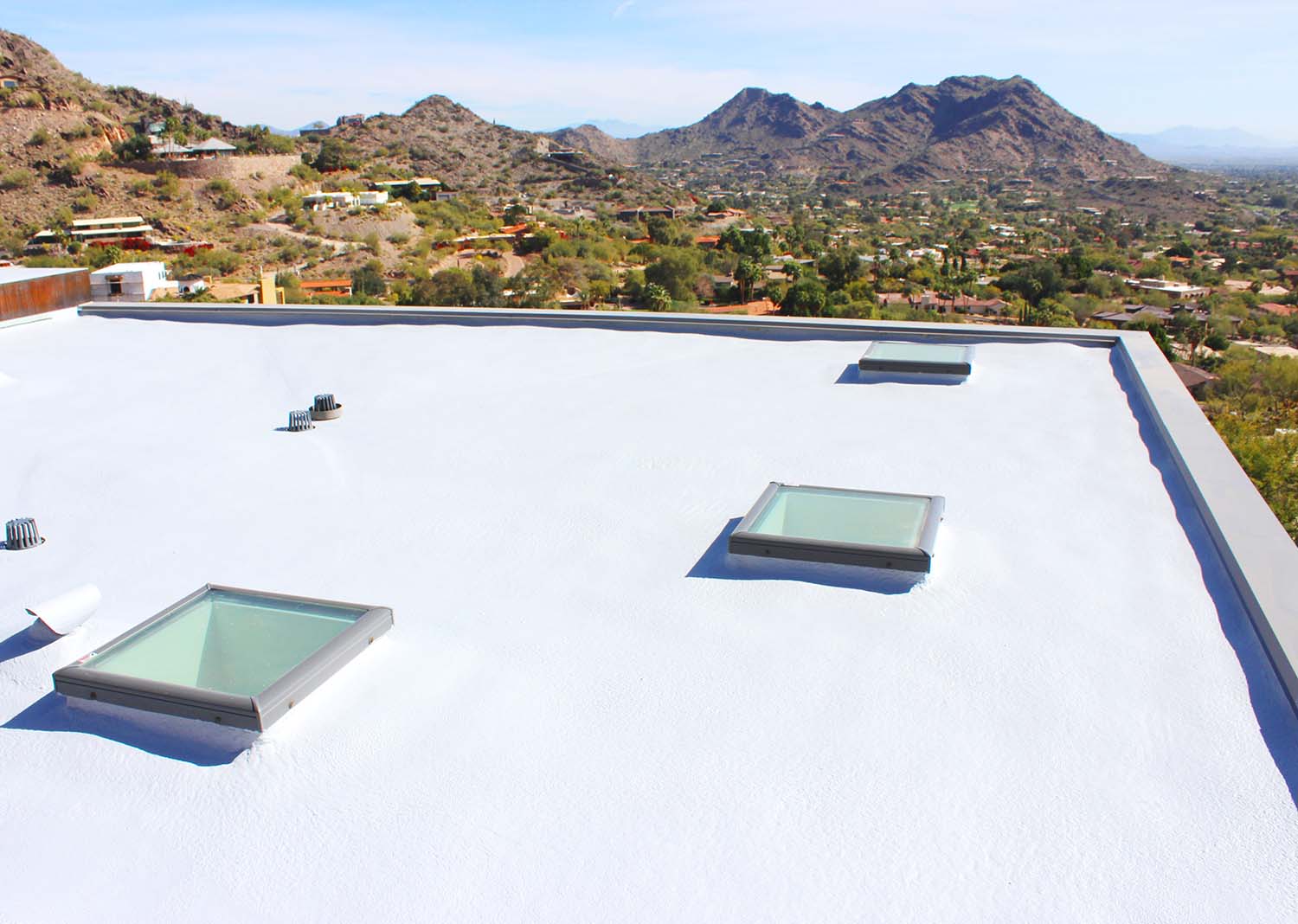
What it is: Many homes have flat or low-slope areas over porches, additions, or modern designs. The type of roofing material used on these flat roofs can influence both the risk of leaks and the best repair methods.
Why it leaks:
- seam separation
- ponding water
- punctures from debris
- flashing failures at transitions
- blistering from trapped moisture
Leak clues:
- leaks show up after days of rain
- water marks on exterior walls below flat sections
- soft spots underfoot
How pros find it fast:
Pros examine:
- membrane seams
- termination bars and edge metal
- scuppers/drains
- ponding zones
- moisture saturation using a meter
✅ Flat roofs require specialized materials and methods—shingle-style repairs usually fail.
10) Nail Pops and Fastener Failures
What it is: Over time, nails can back out due to wood expansion/contraction and movement.
Why it leaks:
- improper nail placement
- improperly driven nails
- decking movement
- heat cycling
- wind uplift loosening fasteners
- corrosion in coastal environments (parts of FL, NJ)
Leak clues:
- small, persistent drips
- leaks near one roof plane
- interior stains without obvious shingle damage
How pros find it fast:
Roofers inspect:
- raised shingle heads
- exposed nails
- rust stains
- pattern of fastener blow-through
✅ Nail pop leaks are “small but sneaky.” If your roof is older, you may have many.
How Roofing Pros Find Leaks Fast (The Professional Leak-Tracking Process)
When Reimagine Roofing inspects a leak, the goal is to find the actual source, not just the symptom. Here’s what a professional leak diagnosis typically looks like: A professional roofer has the expertise and specialized tools to accurately identify roof leak sources, assess the extent of damage, and perform repairs safely and effectively.
If you cannot access the attic, you may need to call a roofer to investigate the roof directly.
Step 1: Ask the Right Questions
A good roofer asks:
- When did the leak start?
- Does it happen only during wind, heavy rain, or melting snow?
- Which rooms are affected?
- Has the roof been repaired before?
This helps narrow down the likely source type and roof zones.
Step 2: Interior Inspection
Pros inspect:
- ceilings and walls for water trails and wet spots
- attic for decking stains, mold, and water damage such as dark spots or moisture trails
- attic floor for puddles, since water typically creates a puddle on the attic floor until it finds a way to escape
- insulation for saturation
- HVAC and bathroom venting (to rule out condensation)
They often use a flashlight to check for dark or shiny spots that indicate moisture in the attic.
Step 3: Exterior Roof Inspection
This includes:
- all penetrations (vents, pipes, skylights)
- flashing systems
- valleys and roof edges
- shingles/panels and fasteners
- gutters and drainage
- entry points such as missing or damaged shingles
When inspecting the roof exterior, check for obvious damage, including missing or damaged shingles, siding issues around chimneys or walls, and gaps in siding that could allow water intrusion. Visual signs of roof damage also include missing granules from shingles and rusted flashing around vents and chimneys.
Step 4: Moisture Scans and Controlled Water Testing (When Needed)
If the leak is elusive, professionals may:
- use moisture meters to map wet areas
- use infrared imaging to detect temperature differentials
- run a controlled water test starting from the lowest likely point, often using a garden hose to perform a water spray test. This involves soaking suspected areas of the roof with the garden hose while someone monitors inside for new wet spots. A water spray test can help identify the source of a roof leak by revealing where water enters.
✅ This “start low, work up” method prevents false positives and helps pinpoint the entry location. As you find wet spots, follow them uphill to the highest point of moisture—this is often where the leak actually originates, since water typically travels downhill from the source.
Localized Leak Triggers in Reimagine Roofing Service Areas
Roof leaks aren’t one-size-fits-all. Different climates create different failure points, and storm damage is a common cause of roof leaks in many regions. Here’s how leak patterns vary in Reimagine Roofing’s service regions:
Arizona Roof Leak Causes (Phoenix, Tucson, Mesa, Scottsdale, and Surrounding Areas)
Top causes in AZ:
- UV-damaged pipe boots
- cracked sealant at flashing
- underlayment breakdown from extreme heat
- monsoon wind-driven rain forcing water under lifted shingles
What to watch for:
- brittle shingles
- cracked rubber vents
- flashing separation caused by thermal expansion
✅ If your roof is older than 10–12 years in Arizona, annual inspections are a smart preventative move.
New Mexico Roof Leak Causes (Albuquerque, Rio Rancho, Santa Fe, and Nearby)
Top causes in NM:
- wind uplift and shingle lifting
- hail bruising and granule loss
- pipe boot failure from dry sun
- flashing loosened by temperature swings
What to watch for:
- loose ridge caps
- exposed nails after high winds
- hail impact marks around vents and ridges
✅ Post-storm inspections can catch damage before leaks start.
Utah Roof Leak Causes (Salt Lake City, Provo, Ogden, and Surrounding)
Top causes in UT:
- ice dams and freeze-thaw cycles (Utah’s cold climates contribute to ice dam formation)
- cracked flashing and sealant
- valley leaks from snowmelt
- hail impacts weakening shingles
In cold climates, ice dams can form when melting snow refreezes at the edges of the roof, forcing water under the shingles.
What to watch for:
- attic condensation that mimics leaks
- roof edge dripping in winter
- stains appearing in late winter/early spring
✅ Proper attic ventilation and insulation can reduce ice dams and winter leak risk.
Florida Roof Leak Causes (Orlando, Tampa, Jacksonville, Miami, and Surrounding)
Top causes in FL:
- storm-driven rain and hurricane winds
- lifted shingles and broken seals
- fastener corrosion near coastal zones
- flat-roof membrane seam failures
What to watch for:
- leaks during wind-blown rain
- leaks that become more noticeable after heavy rains
- missing shingles after storms
- ceiling stains that spread quickly in humidity
✅ In Florida, even a small leak can become a mold issue quickly—fast response matters.
New Jersey Roof Leak Causes (North NJ, Central NJ, South NJ, and Shore Areas)
Top causes in NJ:
- ice dams and gutter backflow
- flashing failures during freeze-thaw
- shingle aging and granule loss
- wind-driven rain and nor’easters
What to watch for:
- leaks near roof edges in winter
- water stains after melting snow
- attic mold and poor ventilation issues
✅ A winter leak in NJ often starts as an ice dam problem—and it will likely happen again unless corrected.
How to Reduce Your Roof Leak Risk (Maintenance That Actually Works)
Even if you can’t control the weather, you can control the roof’s weak points.
Annual Roof Inspection
A professional inspection catches:
- vent boot cracking
- flashing separation
- early shingle failure
- gutter issues
- underlayment wear
Best timing:
- after storm season (FL, AZ monsoon areas)
- before winter (UT, NJ)
- once a year in high-UV climates (AZ, NM)
Keep Gutters Clear
Clean gutters at least:
- twice per year
- more often if you have heavy tree coverage
Fix Small Issues Before They Spread
Prompt roof repairs can prevent larger problems. Replacing a pipe boot or sealing flashing is inexpensive compared to:
- new decking
- insulation replacement
- mold remediation
- drywall repairs
You can perform minor repairs, such as sealing flashing or replacing a few shingles, as a DIY approach.
Signs You Need a Professional Roof Leak Inspection Now
Call for an inspection ASAP if you notice:
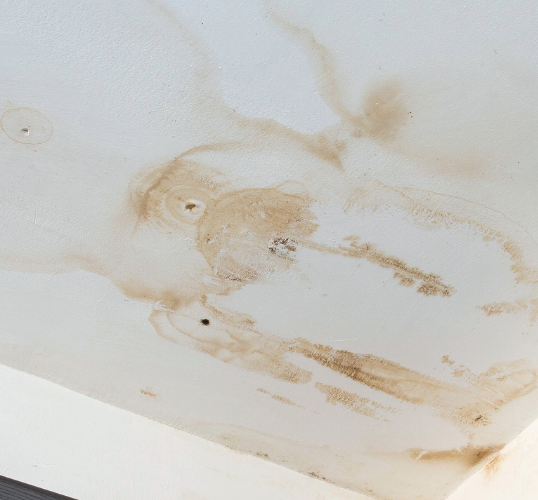
- brown stains on ceilings or walls
- bubbling paint or sagging drywall
- wet insulation in the attic
- musty odors or visible mold
- dripping during rain
- shingles missing after wind
- granules collecting in gutters
- light visible through roof boards in attic
- other signs such as subtle water stains, mold growth, or unexplained dampness
If the roof feels unstable, you should call a professional roofer for a safety inspection before entering the attic.
✅ If your roof is leaking, the sooner you act, the smaller the repair tends to be.
What Happens During a Reimagine Roofing Leak Inspection?
At Reimagine Roofing, our process is designed to be fast, accurate, and homeowner-friendly:
- Full-system roof inspection
- Interior + attic leak tracing (when attic access is available, as this is crucial for thorough leak detection and may affect our inspection approach)
- Photo documentation
- Clear explanation of what’s happening
- Repair recommendations and options
- Fast quote turnaround—often within 24 hours
We don’t believe in “mystery repairs” or vague explanations. You’ll know:
- where the leak is coming from
- why it happened
- what it takes to fix it the right way
- how to prevent it from recurring
FAQs: Roof Leaks and Leak Detection
Is a small roof leak really a big deal?
Yes. Even tiny leaks can:
- rot decking and framing
- create mold growth
- ruin insulation performance
- cause electrical hazards
Can I just patch the inside ceiling?
No. That only hides the symptom. The roof entry point still exists and will continue damaging the structure.
How long does it take to find a roof leak?
Many leaks can be diagnosed within a standard inspection, but difficult leaks (especially intermittent ones) may require controlled testing.
Should I replace my roof if it leaks?
Not always. Many leaks come from localized failures like flashing, vents, or small shingle damage. A professional inspection will tell you if a repair is enough or if the roof is near the end of its lifespan.
Do skylights always need replacement when they leak?
Often no. Flashing repairs or resealing may solve the issue—unless the skylight itself has failed.
Stop Roof Leaks Fast — Schedule a Free Inspection with Reimagine Roofing
Roof leaks don’t fix themselves, and they almost always get worse with time. Whether you’re dealing with a small stain or an active drip, the best move is to get a professional inspection and real diagnosis.
✅ Free roof inspection
✅ Fast quotes—often within 24 hours
✅ Trusted local service in Arizona, New Mexico, Utah, Florida, and New Jersey
✅ Repairs and replacements done right the first time
Schedule your inspection and get peace of mind—before the next storm hits.
Popular Posts