The Most Common Causes of Premature Roof Failure in Arizona and How to Fix It

The Most Common Causes of Premature Roof Failure in Arizona and How to Fix It
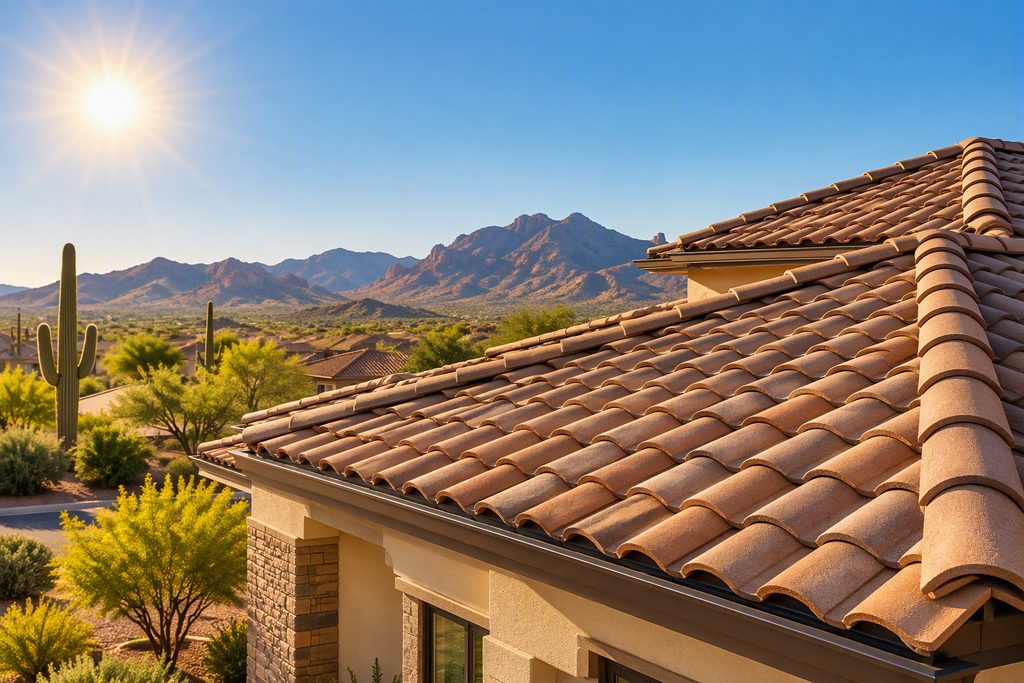
Arizona homeowners face some of the harshest roofing conditions in the country. Between relentless UV exposure, extreme summer temperatures, monsoon storms, high winds, dust, and occasional hail, roofs in Arizona endure stress year-round. While a quality roofing system can last decades, many roofs fail long before they should due to preventable issues.
Premature roof failure is more than an inconvenience. It can lead to costly interior water damage, reduced energy efficiency, mold growth, structural deterioration, and expensive emergency repairs. Understanding what causes roofs to fail early can help property owners protect their investment and avoid unexpected replacement costs.
At Reimagine Roofing, we help Arizona homeowners identify roofing problems before they become major expenses. If you’re concerned about your roof’s condition, schedule a professional roof inspection and use our convenient online quote tool to explore your options.
Why Roofs Fail Earlier in Arizona Than Other States
Many roofing products are tested under normal environmental conditions. Arizona is anything but normal when it comes to weather.
In cities across the state, roofing systems may experience:
- Temperatures exceeding 110°F during summer
- Intense UV radiation nearly year-round
- Monsoon storms with heavy rain
- Powerful wind gusts
- Dust storms and debris impacts
- Rapid temperature fluctuations between day and night
- Occasional hail events
These conditions accelerate aging, especially when roofs are poorly installed or improperly maintained.
1. UV Radiation Damage
One of the leading causes of premature roof failure in Arizona is prolonged ultraviolet exposure.
The Arizona sun continuously breaks down roofing materials at a molecular level. Over time, UV radiation causes:
- Cracking
- Curling shingles
- Fading
- Loss of protective granules
- Brittleness
- Membrane degradation
Even high-quality roofing materials eventually suffer under continuous UV exposure.
Signs of UV Damage
Look for symptoms such as:
- Discolored roofing material
- Cracked shingles
- Granule accumulation in gutters
- Curled edges
- Brittle roofing surfaces
How to Fix It
Solutions include:
- Applying roof coatings designed for Arizona climates
- Replacing damaged sections
- Installing reflective roofing systems
- Upgrading to UV-resistant materials
Modern cool roof systems can significantly reduce heat absorption while extending roof lifespan.
2. Poor Roof Installation
Even the best roofing materials can fail prematurely if installed incorrectly.
Unfortunately, installation errors remain one of the most common reasons roofs fail years before expected.
Common mistakes include:
- Improper nail placement
- Inadequate flashing installation
- Poor ventilation design
- Incorrect underlayment use
- Insufficient water barriers
- Improper sealant application
A poorly installed roof may begin experiencing leaks in just a few years.
Warning Signs
Watch for:
- Missing shingles
- Frequent leaks
- Sagging sections
- Flashing separation
- Uneven roof appearance
How to Fix It
The solution depends on the severity:
- Minor installation flaws can often be repaired.
- Widespread installation problems may require partial replacement.
- Severe workmanship issues may warrant a complete reroof.
Professional inspections can determine the extent of the damage and identify hidden installation defects.
3. Inadequate Attic Ventilation
Many Arizona homeowners overlook ventilation, yet it plays a critical role in roof longevity.
Without proper airflow, attic temperatures can soar well above outdoor temperatures. In extreme situations, attic areas may exceed 150°F.
Excess heat causes:
- Shingle deterioration
- Wood warping
- Moisture accumulation
- Premature aging of roofing materials
- Increased energy bills
Signs of Poor Ventilation
Indicators include:
- Excessively hot attic spaces
- High cooling costs
- Mold growth
- Curled shingles
- Rusted attic components
How to Fix It
A roofing professional may recommend:
- Ridge vents
- Soffit vents
- Solar-powered attic fans
- Improved insulation
- Ventilation balancing systems
Proper ventilation can add years to your roof’s service life.
4. Monsoon Storm Damage
Arizona’s monsoon season places significant stress on roofing systems.
Heavy rain combined with high winds can expose weaknesses that normally go unnoticed.
Common monsoon-related issues include:
- Lifted shingles
- Flashing damage
- Water intrusion
- Debris impact damage
- Punctures from falling branches
Many homeowners discover roofing problems only after a significant monsoon event.
Signs After a Storm
Check for:
- Water stains on ceilings
- Missing shingles
- Damp insulation
- Debris accumulation
- Sagging areas
How to Fix It
Schedule a professional roof inspection after major storms.
Early repairs typically cost far less than waiting until leaks develop.
5. Wind Damage
Arizona frequently experiences strong winds, especially during monsoon season.
Wind uplift creates pressure that can loosen roofing components and expose underlying materials.
Common Wind Damage
- Torn shingles
- Loose flashing
- Detached roof tiles
- Damaged ridge caps
- Exposed underlayment
How to Fix It
Prompt action is critical.
Roofers can:
- Re-secure loose materials
- Replace missing components
- Reinforce vulnerable areas
- Upgrade fastening systems
Preventative maintenance often minimizes future wind-related problems.
6. Roof Tile Movement and Breakage
Tile roofs are popular throughout Arizona because of their durability and aesthetic appeal.
However, tiles can crack, slip, or break over time.
Causes include:
- Thermal expansion
- Foot traffic
- Wind events
- Falling debris
- Aging underlayment
A tile roof may look intact while hidden components underneath deteriorate.
Warning Signs
Look for:
- Cracked tiles
- Missing tiles
- Visible gaps
- Water stains inside the home
How to Fix It
Solutions may include:
- Replacing broken tiles
- Repairing underlayment
- Refastening displaced tiles
- Conducting a full tile roof evaluation
7. Aging Underlayment
Underlayment serves as a critical moisture barrier beneath shingles or tiles.
In Arizona, underlayment often wears out before visible roofing materials.
As it ages, it can:
- Crack
- Dry out
- Lose waterproofing abilities
- Allow moisture intrusion
Signs of Underlayment Failure
Common indicators include:
- Interior leaks
- Water stains
- Damp insulation
- Moisture in attics
How to Fix It
Depending on roof type and condition, roofers may recommend:
- Partial replacement
- Sectional repairs
- Full underlayment replacement
Inspections can identify deterioration before major water damage occurs.
8. Lack of Routine Maintenance
Many roofs fail simply because small issues go ignored.
Minor damage often develops into major repairs when left untreated.
Examples include:
- Loose flashing
- Small leaks
- Missing shingles
- Blocked drainage systems
- Cracked sealants
Benefits of Maintenance
Regular inspections help:
- Extend roof life
- Reduce repair costs
- Improve energy efficiency
- Identify hidden issues early
How to Fix It
Schedule professional inspections:
- Annually
- After major storms
- Before selling a property
- When roof age exceeds 10 years
Preventative maintenance almost always costs less than emergency repairs.
9. Improper Drainage
Although Arizona is known for dry weather, heavy rains can arrive suddenly during monsoon season.
Poor drainage causes water to pool on roofing surfaces.
Problems include:
- Structural stress
- Mold growth
- Material deterioration
- Leak formation
Signs of Drainage Issues
Look for:
- Standing water
- Overflowing gutters
- Water marks
- Sagging sections
How to Fix It
A roofing professional may recommend:
- Gutter cleaning
- Drainage upgrades
- Roof slope corrections
- Scupper repairs
Proper drainage helps protect both the roof and foundation.
10. Hail Damage
While hail is less frequent than in some states, Arizona does experience damaging hailstorms.
Even relatively small hailstones can:
- Crack tiles
- Dent metal panels
- Damage shingles
- Compromise protective coatings
Signs of Hail Damage
Watch for:
- Dents
- Impact marks
- Cracked roofing materials
- Granule loss
How to Fix It
Prompt inspection is essential since hail damage isn’t always visible from the ground.
Professional documentation also helps support insurance claims when applicable.
Best Roofing Materials for Arizona Homes
Choosing the right roofing material can significantly reduce the risk of premature failure.
Popular Arizona options include:
Tile Roofing
Benefits:
- Excellent heat resistance
- Long lifespan
- Strong UV protection
- Attractive appearance
Metal Roofing
Benefits:
- Energy efficient
- Durable against wind
- Fire resistant
- Low maintenance
Architectural Shingles
Benefits:
- Affordable
- Attractive
- Improved durability compared to traditional shingles
Cool Roof Systems
Benefits:
- Reflect sunlight
- Lower attic temperatures
- Improve energy efficiency
- Extend roof lifespan
A roofing expert can help determine which system best suits your home’s location, architecture, and budget.
How Often Should Arizona Roofs Be Inspected?
For most Arizona homeowners, inspections should occur:
- Once annually
- After major monsoon storms
- After hail events
- Before buying or selling a home
- When the roof approaches 10 years of age
Regular inspections often identify small issues before they become expensive repairs.
Protect Your Arizona Roof Before Small Problems Become Major Expenses
Premature roof failure rarely happens without warning. In most cases, there are early signs that can be identified through routine inspections and professional evaluations. Whether the cause is UV exposure, storm damage, poor ventilation, underlayment deterioration, installation defects, or normal aging, early intervention can dramatically extend the life of your roof and save thousands of dollars in future repair costs.
At Reimagine Roofing, we specialize in helping Arizona homeowners protect their homes from the unique challenges of the desert climate. Our experienced team provides comprehensive roof inspections, honest recommendations, high-quality repairs, and full roof replacement solutions tailored to Arizona conditions.
If you’re concerned about the condition of your roof, don’t wait for a leak to appear.
Let us help you maximize the life of your roof and protect your investment for years to come.
Popular Posts