Top Signs Your Roof Won’t Survive the Next Monsoon Storm
Top Signs Your Roof Won’t Survive the Next Monsoon Storm
Top Signs Your Roof Won’t Survive the Next Monsoon Storm in Phoenix or Albuquerque
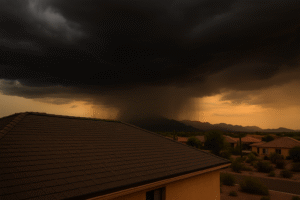
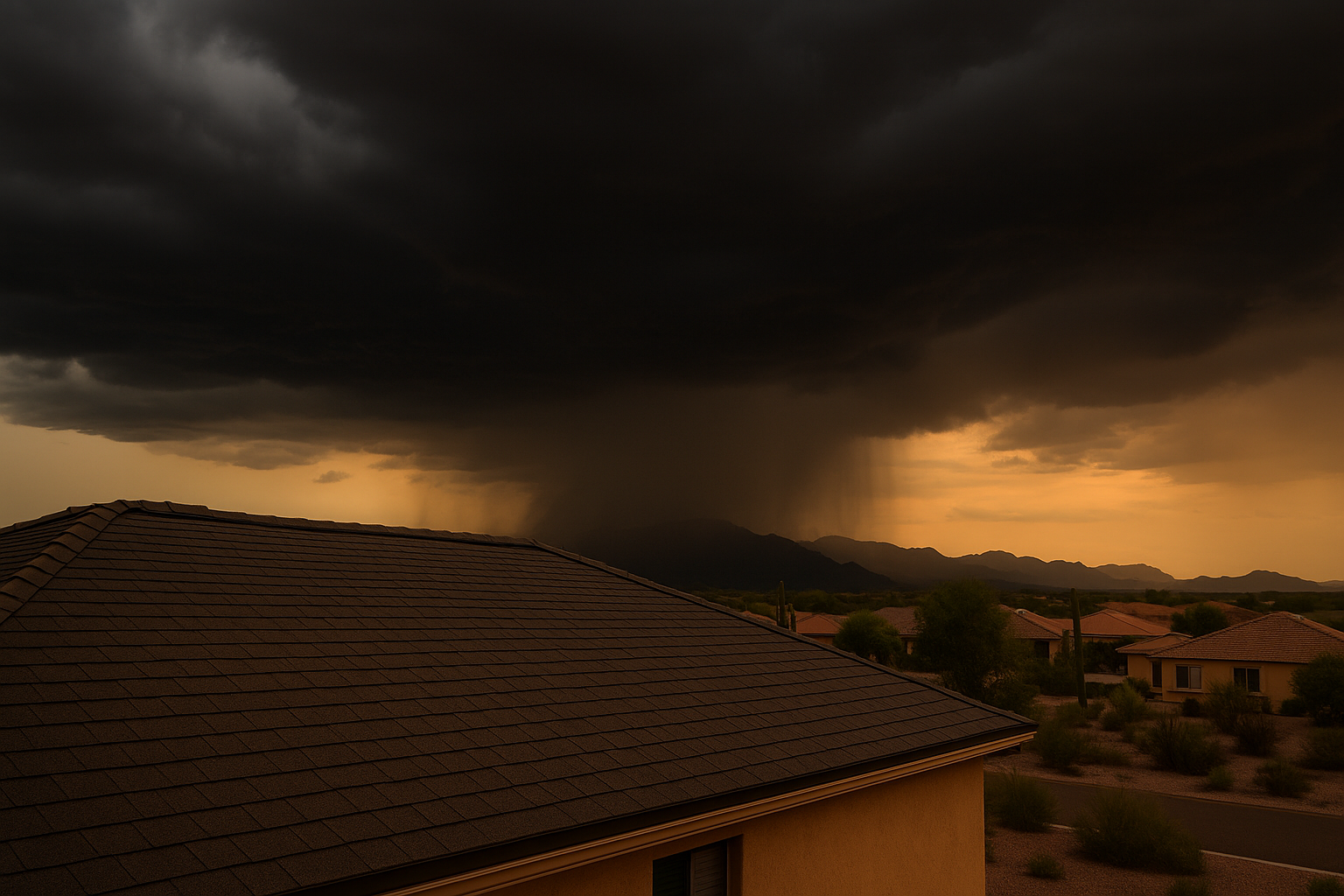
When the skies darken and the first thunder rolls across the desert, every homeowner in Phoenix, Arizona—the largest city in Arizona—and Albuquerque, New Mexico, a major city in the state, knows what’s coming — the Southwest monsoon season. These urban environments are especially vulnerable as intense storms sweep through the region. From June through September, this region experiences intense storms that bring torrential rains, high winds, hail, and dust storms that can test even the strongest roofing systems.
If your roof isn’t ready, a single monsoon storm could lead to costly leaks, water damage, or even structural failure. In this in-depth guide, the experts at Reimagine Roofing reveal the top signs your roof might not survive the next monsoon storm, how to prevent damage, and when to call for a professional inspection before disaster strikes.
Understanding Monsoon Season in the Southwest
What Makes These Storms So Dangerous?
Unlike typical rain showers, monsoon storms in Phoenix and Albuquerque form quickly, combining intense heat, moisture, and pressure changes that create sudden downpours and microbursts. These storms can dump two to four inches of rain in just a few hours, causing flash flooding, roof leaks, and wind-driven water intrusion.
The biggest threats to your roof include:
- Uplift from strong winds (60+ mph gusts are common)
- Heavy rainfall that overwhelms roof drainage systems
- Hail impacts that crack shingles and underlayment
- Debris and tree branches that damage roofing materials
If your roof is older, already weakened, or improperly maintained, monsoon season can quickly turn small vulnerabilities into major repairs.
Sign #1: Cracked, Curled, or Missing Shingles
Your shingles are the first line of defense against monsoon rain and wind. When they’re cracked, curled, or missing altogether, water has a direct path into your roof decking and attic.
What to Look For:
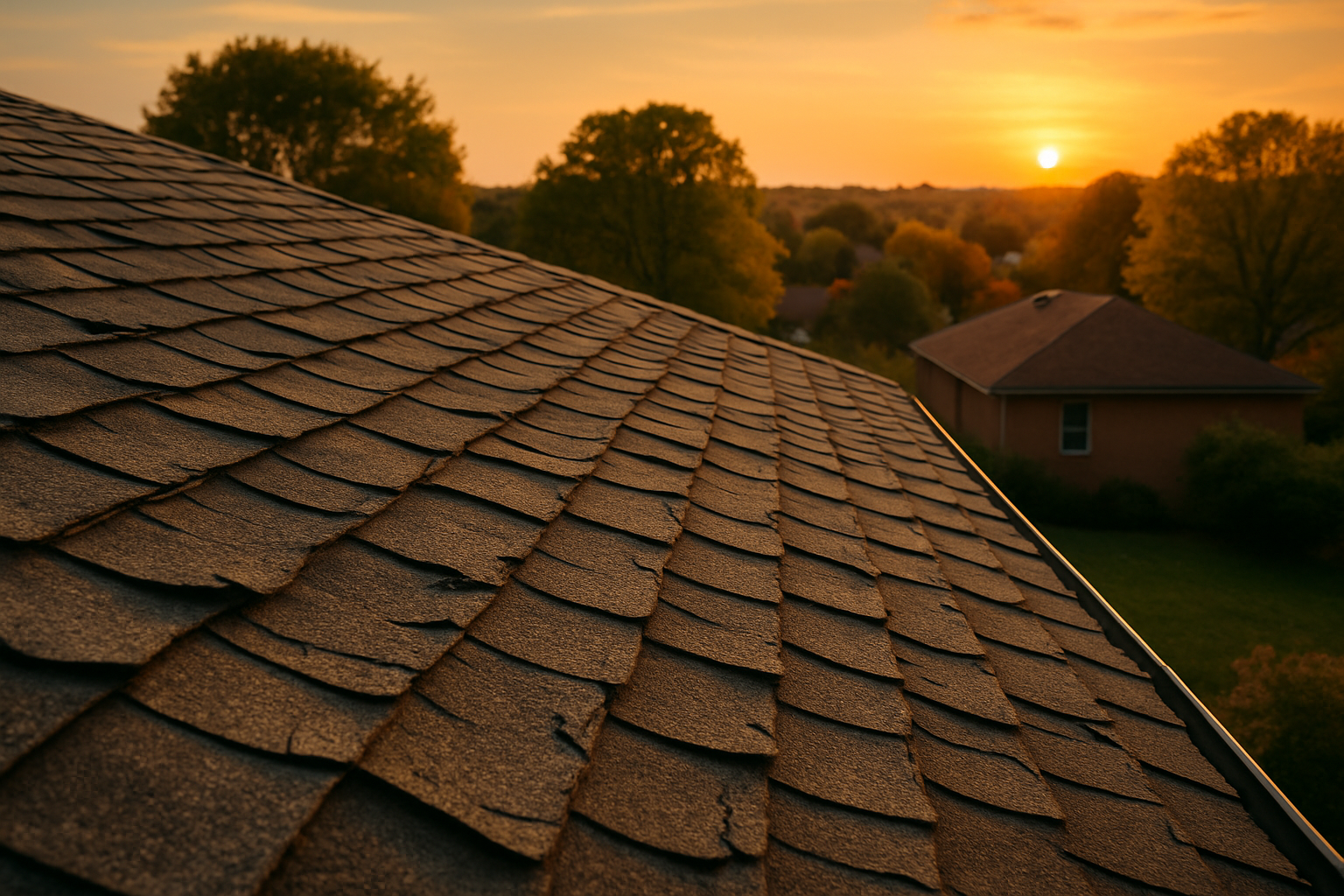
- Edges curling upward or corners lifting (a sign of heat fatigue from Arizona sun exposure).
- Bald spots where granules have worn away, exposing asphalt.
- Loose or missing shingles after recent wind or dust storms.
Why It Matters:
Wind gusts during monsoons can catch lifted shingles like sails, tearing them off completely. Even one missing shingle can expose your underlayment, allowing rain to seep through and rot the roof structure.
Pro Tip: Reimagine Roofing offers storm-resistant shingles rated for high wind uplift and heat reflection — ideal for Phoenix and Albuquerque homes facing desert monsoon extremes.
Sign #2: Sagging Roof Lines
If your roof appears uneven, warped, or sagging, that’s a major red flag. Sagging indicates structural weakness, often caused by:
- Long-term water infiltration
- Compromised decking
- Damaged trusses or rafters
How Monsoon Rain Makes It Worse:
When rain pools on a sagging area, the added weight can cause partial collapse. Even small sags trap water, accelerating deterioration.
Don’t wait for the next storm — sagging roofs rarely get better on their own. They require immediate professional attention to prevent catastrophic failure.
Sign #3: Water Stains or Ceiling Discoloration
Water stains on ceilings or walls are the most visible sign of a hidden roof leak. During monsoon season, these leaks spread fast.
What to Watch For:
- Yellow or brown stains on interior drywall
- Peeling paint or bubbling textures
- Musty smells in the attic or near vents
Even if the stains dry up between storms, that doesn’t mean the problem’s gone. It often means the water is trapped in insulation or structural beams, slowly weakening your home from within.
Professional Tip:
A Reimagine Roofing leak detection inspection uses infrared imaging to trace moisture paths invisible to the naked eye — stopping leaks before they escalate.
Sign #4: Loose or Exposed Flashing
Flashing — those thin metal strips around chimneys, vents, and skylights — are critical for keeping rainwater out of roof seams. Over time, Phoenix’s intense UV radiation or Albuquerque’s freeze-thaw cycles can crack caulking and lift flashing edges.
Warning Signs:
- Gaps between flashing and roof surface
- Rust or corrosion on metal flashing
- Debris collecting around vents or chimneys
If left unchecked, water can seep under the flashing, damaging roof decking and creating mold growth in hidden areas.
Sign #5: Damaged or Clogged Gutters and Downspouts
During a monsoon storm, your gutters work overtime to divert gallons of water away from your roof and foundation. If they’re clogged with dirt or leaves, they’ll overflow — sending water straight under your shingles or siding.
Key Indicators:
- Overflowing gutters during rain
- Sagging or detached sections
- Erosion or puddles near the foundation
Quick Fix:
Clean your gutters before monsoon season and install gutter guards to keep out debris. Reimagine Roofing can also inspect your fascia and drip edge to ensure water flows properly off your roof.
Sign #6: Granules in Your Gutters
When asphalt shingles start aging or deteriorating from UV exposure, they shed protective granules that often end up in your gutters or downspouts.
Why It’s a Problem:
Without granules, shingles lose their UV protection and become brittle, allowing water to penetrate more easily. During monsoon downpours, these weakened shingles can crack under pressure, accelerating roof failure.
Check your gutters for small, sand-like granules — if you see them, it’s time for a professional assessment.
Sign #7: Soft or Spongy Spots on the Roof
Walking on your roof and feeling a soft, springy sensation means moisture has already compromised the underlying decking. In dry climates, this damage often goes unnoticed until a monsoon storm exposes the weakness.
Causes:
- Long-term leaks
- Poor ventilation causing trapped moisture
- Rotting wood beneath shingles
This condition can rapidly worsen during heavy rains, turning soft spots into holes or collapsed sections.
Sign #8: Poor Attic Ventilation
Ventilation might not seem connected to storm protection — but it’s crucial. A poorly ventilated attic traps heat and moisture, weakening roofing materials from below. When monsoon humidity rises, condensation can build up under the roof deck, promoting mold and rot.
Signs of Ventilation Issues:
- Excessive attic heat even at night
- Rusted nails or damp insulation
- Persistent musty odors
Reimagine Roofing specialists often find that ventilation upgrades extend roof lifespan by 30% or more, especially in hot, humid monsoon conditions.
Sign #9: Visible Sunlight Through Roof Boards
If you can see daylight streaming through attic boards or joints, that means gaps exist where rainwater and pests can enter. During a monsoon, those tiny cracks can channel water across rafters and into your walls.
Even small openings compromise your home’s weatherproofing. Seal gaps promptly and have a roofing expert evaluate the underlying damage.
Sign #10: Age of Your Roof
In Phoenix and Albuquerque, most asphalt shingle roofs last 15–25 years depending on material quality and maintenance. If your roof is nearing or past that age — especially without annual inspections — it’s time to plan for replacement.
Warning Signs of End-of-Life Roofs:
- Curling edges
- Granule loss
- Widespread cracking or sagging
Older roofs also struggle with thermal cycling, where extreme daytime heat and cool desert nights cause expansion and contraction, leading to cracks that invite monsoon leaks.
Pro Tip: Reimagine Roofing offers modern, reflective roofing materials that reduce heat absorption, resist storm damage, and can last up to 50 years.
How Monsoon Storms Destroy Weak Roofs
Monsoon damage isn’t always immediate — often, it’s cumulative stress that builds year after year:
- High Winds: Lift loose shingles, exposing underlayment.
- Driving Rain: Forces water under shingles and flashing.
- Hail Impact: Breaks the protective granule coating.
- Debris Impact: Tree branches puncture or tear shingles.
- Pooling Water: Finds small cracks and seeps into decking.
Even if your roof “survives” one season, micro-damage from wind and rain can shorten its lifespan by years.
Preventive Maintenance Before Monsoon Season
Before the first storm hits, schedule a professional roof inspection. Reimagine Roofing’s expert team identifies and repairs hidden vulnerabilities that could cause catastrophic failure later.
What to Include in a Pre-Monsoon Roof Check:
- Replace missing or cracked shingles
- Seal flashing around chimneys and vents
- Clear gutters and check drainage paths
- Inspect attic for leaks or daylight
- Test ventilation and insulation levels
Bonus Tip:
Install impact-resistant shingles and synthetic underlayment — both designed to withstand monsoon conditions better than traditional roofing.
The Cost of Waiting Too Long
Many homeowners wait until leaks appear before calling for help — but by then, the damage may have spread. Water intrusion can cost 5–10 times more to repair than preventive maintenance.
A small leak that costs $200 to fix before monsoon season can turn into a $5,000–$15,000 roof replacement after repeated storms.
Roof Insurance and Monsoon Damage
Most homeowner insurance policies cover monsoon-related damage, but not pre-existing wear or neglect. If your roof is visibly aging or damaged, insurers may deny claims after a storm.
Having documented pre-storm inspections from a licensed contractor like Reimagine Roofing strengthens your coverage and ensures smoother claims if you ever need repairs.
How Reimagine Roofing Protects Your Home
When it comes to monsoon protection, Reimagine Roofing doesn’t just patch problems — we upgrade your entire roofing system for long-term performance.
Our Services Include:
- Free, no-obligation roof inspections
- Drone and infrared moisture scanning
- Emergency storm repair services
- Wind and impact-resistant shingle options
- Custom roof drainage and gutter solutions
- Fast quotes — delivered in under 24 hours
Our technicians are trained to recognize Southwest-specific issues like sun fatigue, thermal cracking, and underlayment deterioration that many national contractors overlook.
Real-Life Example: A Monsoon Roof Rescue in Phoenix
Last summer, a homeowner in North Phoenix called Reimagine Roofing after noticing ceiling stains following a microburst storm. Our inspection revealed:
- Missing shingles along the ridge
- Clogged gutters overflowing onto fascia
- Cracked flashing around a skylight
Our team performed a same-day emergency patch, followed by full restoration with reflective, storm-rated shingles. The result? No leaks, reduced attic heat, and a cooler, more efficient home ready for the next monsoon.
Why Timing Is Everything
Once monsoon season starts, roofing contractors book up quickly with emergency repairs. Don’t wait until your ceiling starts dripping — schedule your inspection before the first storm warning.
In Phoenix and Albuquerque, early preparation means:
- Lower costs
- Shorter scheduling times
- Priority service if emergency weather hits
Environmentally Smart Roofing for the Desert Southwest
Reimagine Roofing is also committed to sustainability. Our energy-efficient roofing systems:
- Reflect solar radiation
- Reduce air conditioning demand by up to 20%
- Use recyclable materials with low VOC adhesives
By protecting your home and the planet, we help you stay comfortable while lowering your carbon footprint — even in the most extreme weather.
Protect Your Roof Before the Next Storm Hits
Every year, monsoon season causes millions in roof damage across Arizona and New Mexico. Don’t become part of that statistic.
Schedule your FREE Monsoon Roof Inspection today with Reimagine Roofing.
Get a fast, detailed quote within 24 hours and make sure your roof is ready to handle whatever the desert skies bring.
Protect your home, your comfort, and your peace of mind.
Popular Posts