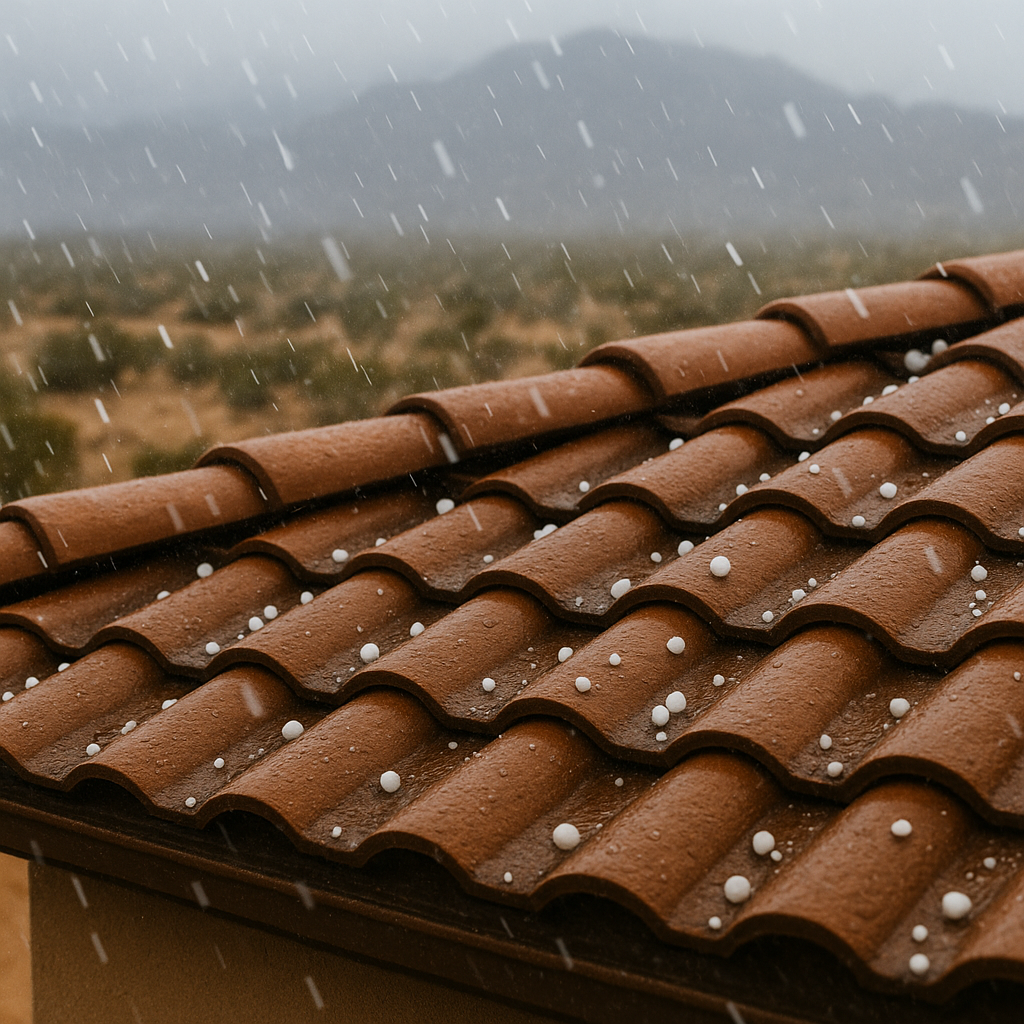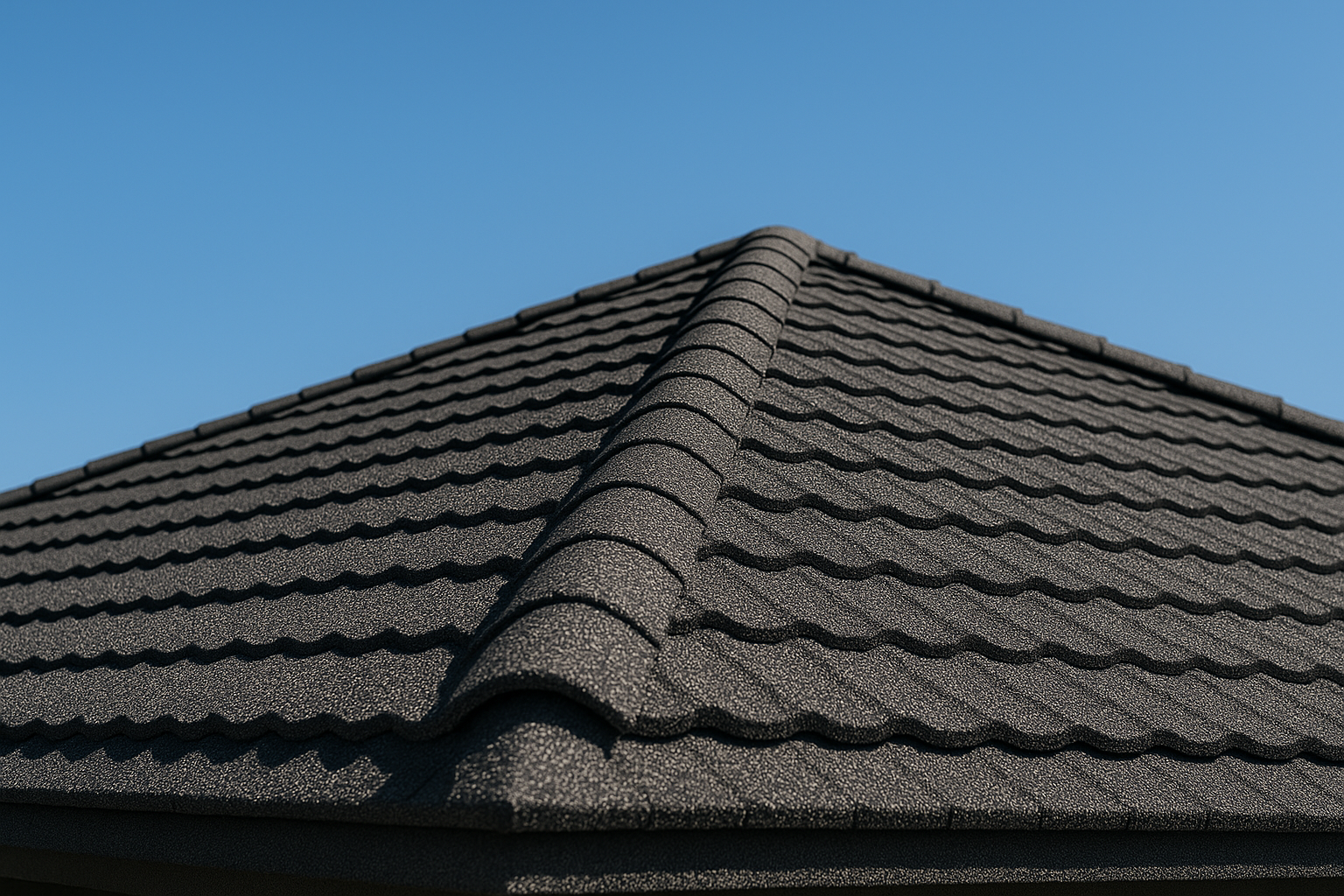
Dark vs. Light Roof Shingles
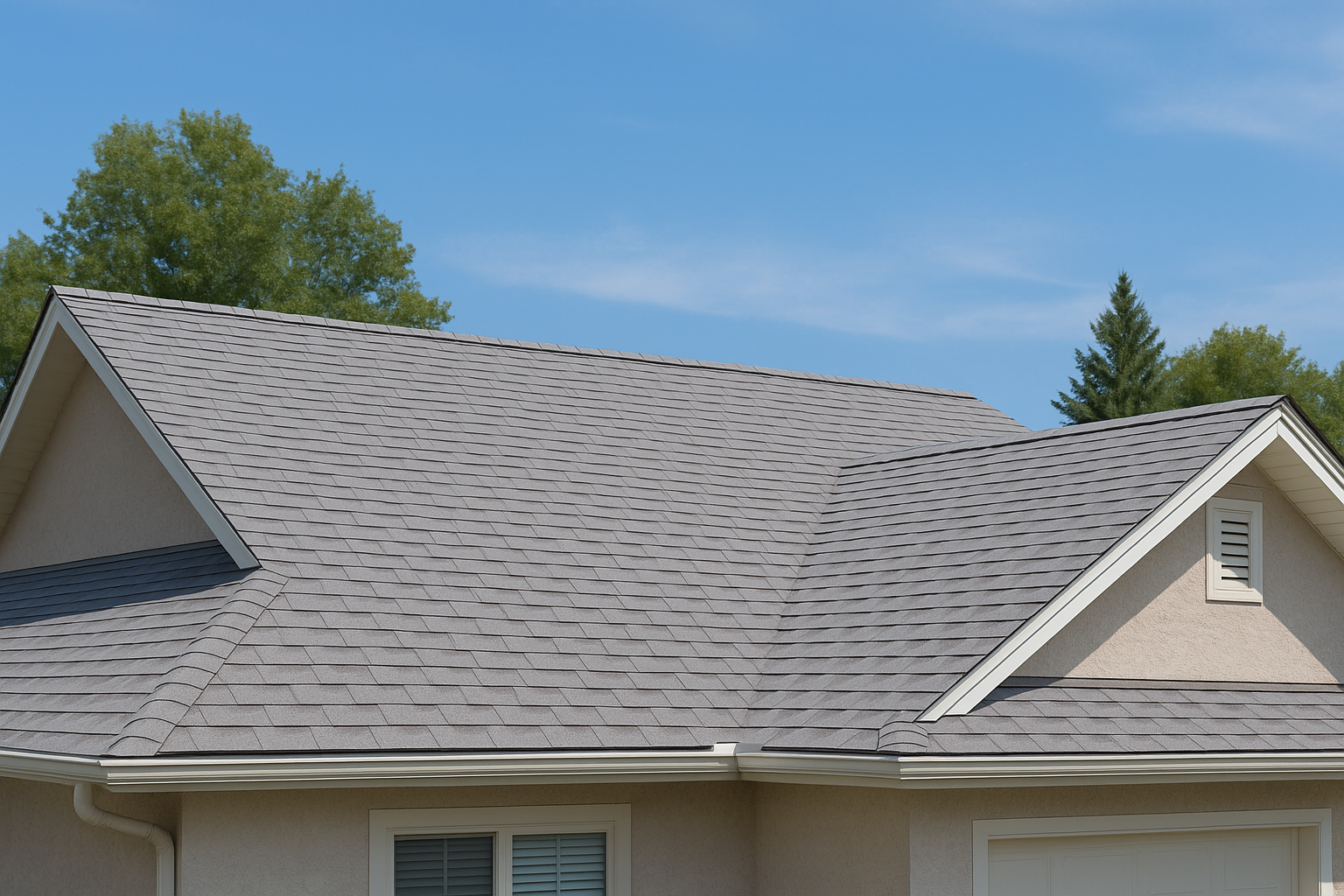
Dark vs. Light Roof Shingles
Dark vs. Light Roof Shingles: Which Is Best for Your Home?
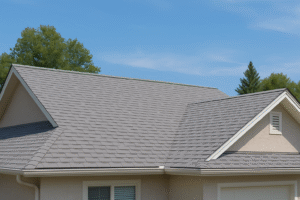
When it’s time to replace your roof, one of the biggest decisions you’ll face is choosing between dark or light-colored shingles. Beyond aesthetics, your roof’s color can directly affect your home’s energy efficiency, curb appeal, and longevity — especially in climates like Arizona, Florida, New Mexico, Utah, and New Jersey, where sunlight and seasonal changes are intense. Dark colors tend to absorb more heat, which can influence your home’s temperature and energy use.
In this comprehensive guide, the roofing experts at Reimagine Roofing break down everything you need to know about dark vs. light roof shingles, including how color affects heat absorption, energy bills, material lifespan, and resale value — plus expert recommendations to help you choose the best option for your home.
Why Roof Color Matters More Than You Think
Your roof isn’t just a design choice — it’s a climate control system. The color and material of your shingles determine how much heat is absorbed or reflected throughout the day. In turn, this impacts your indoor temperature, cooling costs, and even attic ventilation.
The Science Behind Roof Color
- Dark shingles absorb sunlight more efficiently, causing the roof’s surface temperature to rise faster. This can reach 150°F–190°F on hot summer days.
- Light shingles, on the other hand, reflect a greater portion of sunlight and can stay 20–40°F cooler, helping reduce strain on your air conditioning system.
In short, roof color equals comfort and cost control — and making the wrong choice for your climate can mean higher energy bills year-round.
The Pros and Cons of Dark Roof Shingles
Dark roof shingles are often chosen for their classic, bold look, especially on traditional homes or properties that need strong visual contrast. But their benefits and drawbacks depend on where you live and what your home needs most.
Advantages of Dark Shingles
- Elegant, Timeless Appearance
Dark roofs — especially black, charcoal, or deep brown — give a home a sophisticated, rich look. They’re a popular match for brick exteriors, stone facades, and contemporary homes. Dark shingles can also complement other parts of your home exterior, such as shutters, doors, or trim, creating a cohesive and balanced appearance. - Enhanced Snow and Ice Melt
In colder regions like New Jersey or northern Utah, dark shingles help melt snow and ice faster, reducing the risk of ice dams and roof weight stress. - Better Concealment of Stains and Aging
Darker colors are excellent at hiding mildew, dirt, and algae growth, which helps maintain a clean appearance over time. - Increased Flexibility with Design
If your home has multiple rooflines or architectural layers, darker shingles can help define those features, adding depth and contrast.
Disadvantages of Dark Shingles
- Higher Heat Absorption
In hot climates like Arizona or Florida, dark shingles can make attic temperatures soar, driving up cooling costs and potentially shortening roof lifespan. - Potential for Faster Material Degradation
The additional heat can accelerate asphalt breakdown, leading to earlier replacement needs if proper ventilation isn’t in place. - Color Fading Over Time
Intense UV rays can cause dark shingles to fade more noticeably, particularly in sun-drenched regions.
The Pros and Cons of Light Roof Shingles
Light-colored roofs — including tan, beige, light gray, and white — have become increasingly popular as homeowners seek energy-efficient and modern-looking roofing options.
Advantages of Light Shingles
- Superior Heat Reflection
Light shingles reflect sunlight, keeping your home significantly cooler during summer months. This makes them ideal for desert and coastal climates, such as Phoenix, Albuquerque, or Miami. - Lower Energy Bills
By reducing roof surface temperatures, your HVAC system works less to maintain comfort — potentially saving 10–20% on cooling costs annually. - Extended Roof Lifespan
Lower temperatures prevent premature asphalt softening, helping light-colored shingles last longer. - Modern Curb Appeal
Lighter roofs give homes a clean, contemporary aesthetic that pairs beautifully with stucco, vinyl siding, or white-painted exteriors.
Disadvantages of Light Shingles
- More Visible Dirt and Algae
Dust, leaves, and organic buildup are more noticeable on light shingles, especially in humid or wooded environments. - Less Ideal for Snowy Climates
Light shingles reflect sunlight that could otherwise help melt snow, making them less efficient in colder states. - Limited Color Depth for Traditional Homes
On rustic or brick homes, light shingles may lack the visual weight or contrast that darker tones provide.
How Climate Influences Your Choice
The best roof color for your home depends largely on your regional climate — and that’s where Reimagine Roofing’s expertise really shines. Our certified roofing specialists help homeowners across the country choose the right materials for energy efficiency, local codes, and weather resilience.
Hot, Sunny Climates (Arizona, New Mexico, Florida)
- Best choice: Light-colored shingles
- Why: They reflect heat, reduce air conditioning demand, and prolong roof life.
- Tip: Choose shingles with high solar reflectance (cool roof rating) for maximum efficiency.
Mixed or Moderate Climates (New Jersey, Utah)
- Best choice: Medium to dark shingles
- Why: They provide balanced performance — absorbing some warmth in winter without excessive summer heat gain.
- Tip: Prioritize proper attic insulation and ventilation to regulate temperatures year-round.
Roof Color and Home Energy Efficiency
The Energy Star Advantage
Energy Star–certified roofing materials are designed to reflect more sunlight and reduce surface heat by up to 50°F. Pairing light shingles with cool roof technology can make a measurable difference in your monthly energy bills and overall comfort.
The Role of Ventilation
Regardless of color, a well-ventilated attic is critical. Reimagine Roofing installs ridge vents, soffit vents, and radiant barriers that help air flow and prevent hot air buildup — ensuring your roof color choice performs at its best.
Curb Appeal: The Aesthetic Factor
Color is emotion. Dark shingles can make a home feel anchored and stately, while light shingles project freshness and modernity. Here’s how to think about design harmony:
| Home Style | Best Roof Color | Reason |
|---|---|---|
| Brick Colonial | Dark (Charcoal, Onyx) | Adds contrast and elegance |
| Modern Minimalist | Light (White, Cool Gray) | Complements clean lines |
| Mediterranean | Light (Terra, Sand) | Matches warm stucco tones |
| Cabin / Rustic | Dark (Brown, Black) | Blends with natural surroundings |
| Beachfront / Coastal | Light (Pewter, Silver) | Reflects sunlight and salt air |
Pro Tip: Reimagine Roofing offers free design consultations where you can visualize your roof color against your home’s exterior before installation.
Durability and Lifespan: Does Color Matter?
While color affects temperature, the quality of materials and installation matter more for overall durability. Both dark and light shingles can last 20–50 years, depending on type:
- Asphalt shingles: 20–30 years
- Metal roofs: 40–70 years
- Tile or stone-coated steel: 50+ years
At Reimagine Roofing, we use premium, impact-rated shingles designed to withstand UV exposure, hail, and wind uplift, so you don’t have to compromise longevity for looks.
Resale Value: What Buyers Notice
When selling your home, roof condition and color harmony can make or break first impressions. Surveys show that homes with neutral, coordinated roof colors (like gray or slate) sell faster and closer to asking price than homes with mismatched tones.
Light-colored roofs can attract eco-conscious buyers, while dark roofs remain timeless in upscale neighborhoods. The key is balance — and Reimagine Roofing’s experts can help you choose a color that maximizes resale potential.
Environmental Impact: The Cool Roof Movement
As cities get hotter, “cool roofs” have emerged as a sustainable solution. By reflecting solar energy, they reduce urban heat islands and lower community-wide cooling demand. Light shingles with reflective granules can:
- Decrease greenhouse gas emissions
- Improve local air quality
- Qualify for tax credits or energy rebates in certain states
Reimagine Roofing stays ahead of the curve with eco-friendly roofing systems that meet or exceed ENERGY STAR and LEED standards, helping homeowners save money and protect the planet.
The Hybrid Approach: Layered and Dual-Tone Shingles
Modern shingle technology now allows for multi-tone blends, offering the best of both worlds:
- Granule coatings that enhance reflectivity without sacrificing richness of color
- Architectural shingles that add shadow depth and dimension
- Cool roofing finishes in darker tones that still resist heat buildup
Ask Reimagine Roofing about dual-tone “cool dark” options, which combine the elegance of dark shades with the efficiency of reflective materials.
How to Choose the Right Roof Color (Step-by-Step)
- Assess Your Climate – Hot and sunny? Go light. Cold or mixed? Consider dark.
- Evaluate Your Exterior Colors – Choose a roof color that complements your siding, trim, and landscape.
- Think About Energy Efficiency – Reflective coatings and radiant barriers can offset color-based heat gain.
- Plan for Longevity – Higher-end shingles with fade-resistant technology retain their look longer.
- Consult a Roofing Expert – A professional inspection can reveal how your attic ventilation and insulation affect performance.
Why Homeowners Trust Reimagine Roofing
At Reimagine Roofing, we’re more than installers — we’re roofing innovators. With decades of combined experience and nationwide service coverage, we’ve redefined the roofing experience through:
- Free, no-obligation roof inspections
- Estimates delivered in under 24 hours
- Lifetime workmanship warranties
- Financing options with $0 down
- Premium materials from trusted brands
Whether you’re upgrading your roof for aesthetics, efficiency, or resale value, we make the process seamless — from design visualization to final inspection.
Real Homeowner Example: The Heat Difference in Arizona
One Reimagine Roofing customer in Scottsdale, AZ, replaced their aging dark asphalt shingles with cool gray reflective shingles. Within weeks, their attic temperature dropped by up to 30°F, and their energy bill was 18% lower during peak summer. That’s proof that color choice isn’t just about looks — it’s about long-term savings.
The Final Verdict: Dark vs. Light Shingles
| Factor | Dark Shingles | Light Shingles |
|---|---|---|
| Heat Absorption | High | Low |
| Energy Efficiency | Lower | Higher |
| Ideal Climate | Cold / Mixed | Hot / Sunny |
| Lifespan | Moderate | Longer (with reflective tech) |
| Style | Classic, bold | Modern, bright |
| Resale Value | Strong | Strong |
| Maintenance | Lower (hides stains) | Higher (shows dirt) |
Bottom Line:
If you live in a hot, sun-intense climate, light shingles will save you money and extend roof life. In cooler regions, dark shingles can enhance warmth and style without sacrificing performance.
Ready to Reimagine Your Roof?
Whether you’re choosing dark, light, or somewhere in between, Reimagine Roofing helps you make the most informed — and energy-efficient — decision possible. Our specialists provide personalized recommendations based on your home’s structure, budget, and regional climate.
✨ Schedule your free roof inspection today and get a custom quote within 24 hours!
✅ Serving Arizona, Florida, New Mexico, Utah, and New Jersey homeowners with trusted, high-performance roofing systems.
Popular Posts