What a Cold Snap Does to Your Roof in Texas
What a Cold Snap Does to Your Roof in Texas
Texas Roofing: What a Cold Snap Does to Your Roof (Even If You Didn’t Lose Power)
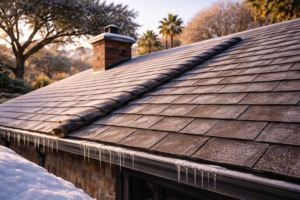
The Hidden Damage Texas Homeowners Often Discover Too Late
When Texans think about winter storms, the focus is usually on power outages, frozen pipes, and unsafe roads. But there’s another part of your home that takes a serious hit during a cold snap — often without you realizing it.
Your roof.
Even if you never lost power, never saw visible leaks, and your home “seemed fine,” a Texas freeze can quietly cause roof damage that shows up weeks or months later. And by the time it’s obvious, the repair costs are often far higher than they needed to be.
At Reimagine Roofing, we inspect Texas roofs year-round, and we consistently see the same pattern after freeze events: damage that homeowners didn’t know existed — until it became a major problem.
Regular roof maintenance and inspections are crucial for preventing winter damage. It’s important to check your roof’s condition before winter weather hits, so you can find and fix any problems early.
This guide explains:
- What actually happens to your roof during a Texas cold snap
- Why damage occurs even without snow or ice storms
- The most common hidden issues we find after freezes
- Which roofing materials are most vulnerable
- What Texas homeowners should do now, not later
Why Texas Cold Snaps Are Especially Hard on Roofs
Texas roofs are built primarily for heat, sun, wind, and storms — not extended freezing temperatures.
When a cold snap hits, roofs across the state experience conditions they’re simply not optimized for:
- Rapid temperature drops
- Overnight freezing followed by daytime warming
- Materials contracting and expanding quickly
- Moisture freezing in vulnerable areas
These freeze-thaw cycles—where trapped moisture repeatedly freezes and thaws—can weaken shingles, flashing, and sealants, leading to cracks and roof damage. Even though mild Texas winters are the norm, these conditions still pose risks to roofs. Texas roofs are typically built to withstand the summer heat, but may not be prepared for the unique stresses of winter weather.
Unlike northern states, where roofs are designed for long winters, Texas roofs face thermal shock — sudden stress that weakens materials fast.
Even Without Power Loss, Your Roof Still Took a Hit
Many homeowners assume:
“We didn’t lose power, so our house didn’t freeze — we’re fine.”
Unfortunately, that’s not how roof damage works.
Your roof is fully exposed to outdoor temperatures, wind chill, and moisture. Even if your home stayed warm inside, your roofing system still endured:
- Sub-freezing temperatures
- Cold winds
- Ice formation in shaded areas
- Sudden temperature rebounds
During the cold season, your winter roof faces unique challenges, such as leaks and damage caused by winter weather in Texas. Freezing temperatures can cause roofing materials to contract, which may create gaps that allow water intrusion.
Damage can occur without any dramatic signs.
What Happens to Roofing Materials During a Freeze?
1. Shingles Become Brittle
Asphalt shingles are flexible in warm weather. In freezing temperatures, they:
- Lose elasticity
- Become brittle
- Crack more easily
- Break under minor stress (like wind)
This is why shingles often fail after a freeze — not during it.
2. Flashing Contracts and Separates
Metal flashing around:
- Chimneys
- Vents
- Skylights
- Roof valleys
contracts in cold temperatures. When it contracts:
- Sealants can break
- Gaps can form
- Water pathways open up
These gaps often stay hidden until the next rain.
3. Sealants and Adhesives Fail
Roof sealants are not designed for prolonged freezes in Texas.
Cold snaps can cause:
- Sealant cracking
- Loss of adhesion
- Separation between roofing components
Once compromised, even a light rain can lead to leaks.
4. Moisture Freezes in Vulnerable Areas
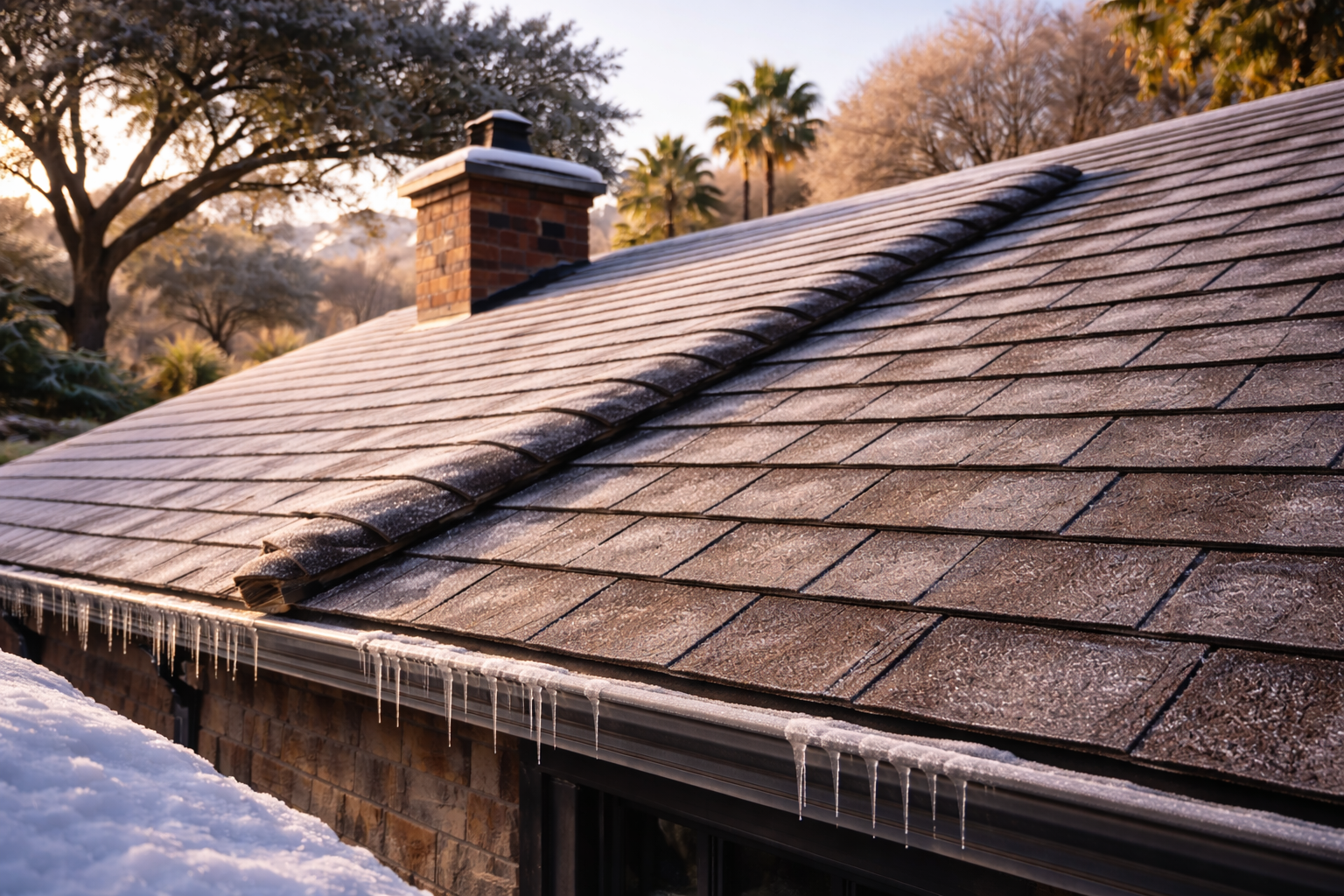
Small amounts of moisture trapped under shingles or around penetrations can freeze and expand. On flat or low-slope roofs, trapped water can freeze and cause damage to roof seams and materials. Even small cracks in roofing materials can be worsened by repeated freeze-thaw cycles. Ice dams form when melting snow refreezes along roof edges, trapping water and leading to leaks.
This expansion:
- Pushes materials apart
- Worsens existing micro-cracks
- Creates long-term weak points
The Most Common Hidden Roof Problems After a Texas Freeze
At Reimagine Roofing, these are the top issues we find after cold snaps — even when homeowners report no immediate problems. Snow and ice accumulation can lead to hidden water leaks and small leaks that may not be immediately visible. Regular inspections can help identify early-stage leaks and extend the lifespan of a roof.
Cracked or Lifted Shingles
Often invisible from the ground, cracked shingles:
- Allow water intrusion
- Accelerate UV damage
- Lead to premature roof failure
Older roofs are especially vulnerable to cracking or lifting under the weight of snow and ice, making regular inspections crucial for maintaining your texas roofing system.
Damaged Flashing Around Roof Penetrations
These areas are responsible for a large percentage of leaks in Texas homes — especially after temperature swings. Strong gusts during winter storms can damage flashing and increase the risk of leaks.
Compromised Underlayment
When shingles fail, the underlayment becomes the last line of defense. Backed-up gutters or ice dams can end up forcing water underneath shingles, compromising the underlayment even if there are no visible signs. Freeze-related damage can weaken it without visible signs.
Leaks That Don’t Appear Until Spring
One of the most dangerous outcomes:
- Freeze damage creates entry points
- As temperatures rise in spring, water seeps through areas damaged by freeze-thaw cycles, making leaks more apparent
- Spring rains exploit them
- Homeowners discover leaks months later
By then, insurance coverage may be more complicated.
Why Texas Roof Leaks Often Show Up After the Freeze
Cold snaps don’t always cause immediate leaks — they set the stage for them. While homeowners rely on texas roofing for long lasting protection, leaks may not appear until after the freeze, revealing hidden vulnerabilities.
Here’s why:
- Materials crack during freezing
- Damage stays dormant during dry weather
- Wind-driven rain during winter storms can force water under shingles, leading to leaks that may not be immediately visible
- Rain exposes vulnerabilities
- Leaks appear “out of nowhere”
Homeowners often assume the rainstorm caused the damage — when it was actually the freeze weeks earlier.
Which Texas Roofs Are Most Vulnerable?
Older Asphalt Shingle Roofs
Roofs nearing the end of their lifespan are especially at risk because:
- Shingles are already brittle
- Sealants are degraded
- Flashing may be loose
Roofs With Previous Storm Repairs
Past hail or wind damage creates weak points that cold snaps exploit.
Poorly Ventilated Attics
Improper ventilation increases moisture buildup, making freeze-related damage worse.
Flat and Low-Slope Roofs
Common in parts of Texas, these roofs:
- Hold moisture longer
- Drain more slowly
- Are more vulnerable to freeze expansion
- Are especially prone to trapped water, which can freeze and cause damage to roof seams and materials
Metal Roofing and Cold Snaps in Texas
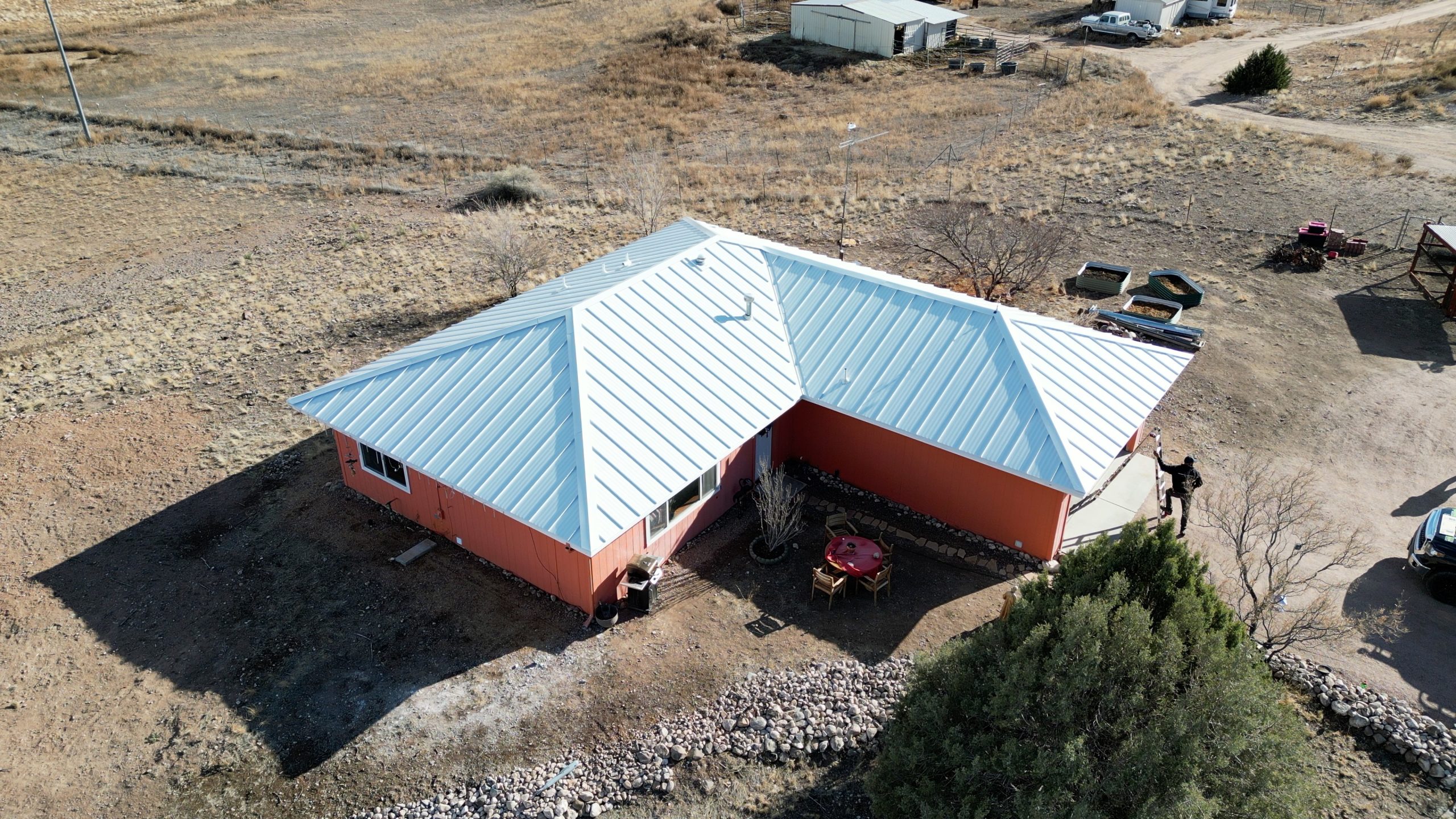
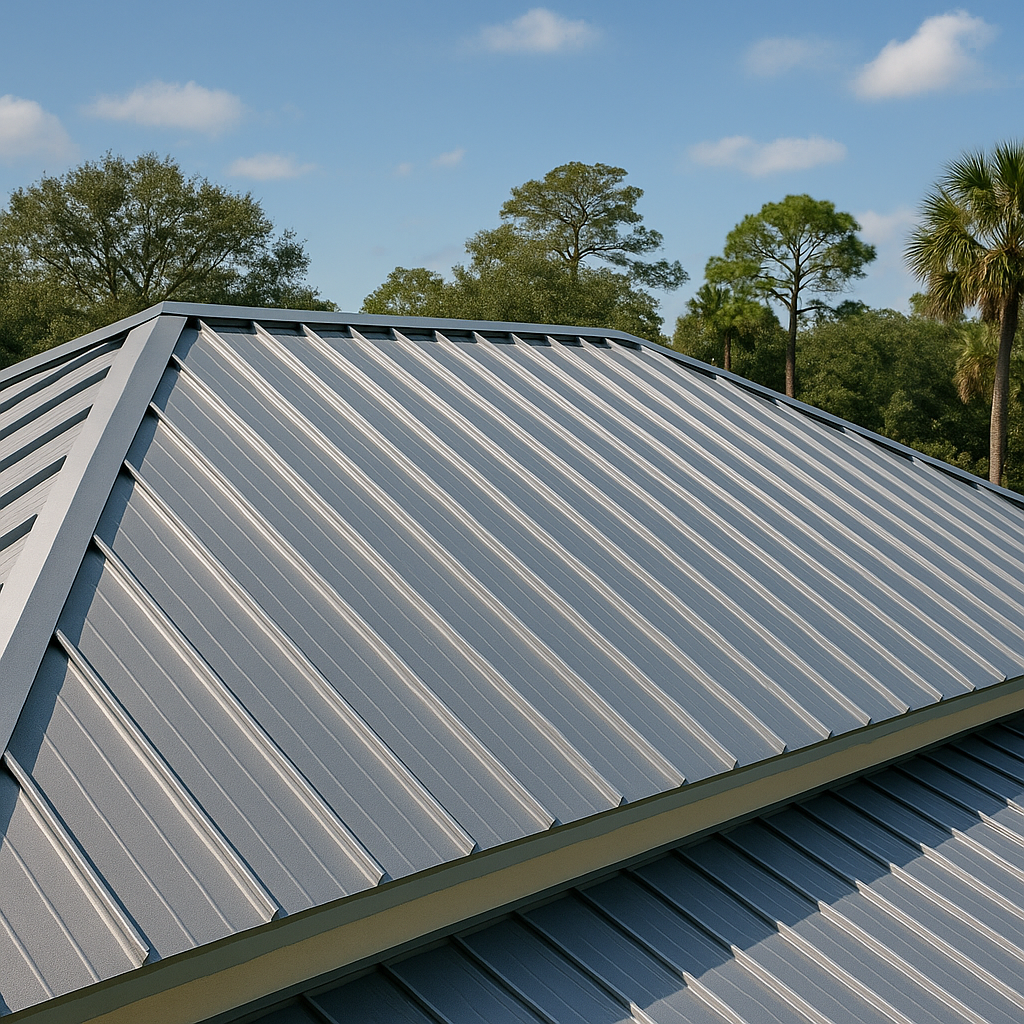
Metal roofing performs better during freezes than asphalt shingles, but it’s not immune.
Potential issues include:
- Fastener movement
- Sealant failure
- Expansion/contraction noise and stress
Proper installation and inspection are key.
How to Prevent Roof Damage Before and During a Texas Cold Snap
Texas weather can be unpredictable, and when a cold front rolls in, your roof is on the front lines. The good news? With a few proactive steps, you can minimize the risk of roof damage from cold weather and winter storms—helping your home stay safe and dry, no matter what the forecast brings.
Here’s how Texas homeowners can prepare:
- Schedule Routine Inspections: Before winter arrives, have a professional check your roof’s condition. Catching small repairs early—like loose shingles or minor cracks—can prevent further damage when temperatures drop.
- Clean Gutters and Downspouts: Clogged gutters trap water, which can freeze and cause ice buildup along roof edges, preventing proper drainage and increasing the risk of leaks. Make sure gutters are clear before a cold snap hits.
- Check Flashing and Seals: Ensure that flashing around chimneys, vents, and skylights is secure and that all sealants are intact. Small gaps can let in cold air and moisture, leading to water infiltration and costly repairs down the line.
- Improve Attic Insulation and Ventilation: Proper insulation keeps warm indoor air from escaping into the attic, reducing the risk of ice dams and condensation. Good ventilation helps prevent damp insulation and musty odors, protecting both your roof deck and your home’s air quality.
- Trim Overhanging Branches: Winter wind and freezing rain can bring down tree limbs, causing storm damage to your roof. Keep branches trimmed back to avoid unnecessary roof repairs.
- Monitor for Signs of Trouble: After a cold snap, look for warning signs like water stains on ceilings, peeling paint, or musty odors in the attic. These can indicate hidden roof leaks or water intrusion that need prompt attention.
- Act Quickly After Storms: If your area experiences heavy rain, snow, or ice, schedule a post-storm inspection—even if you don’t see obvious damage. Early detection is key to avoiding major repairs.
By taking these steps before and during a Texas cold snap, you’ll give your roof the best chance of standing up to winter weather. Preventing roof damage is always easier—and less expensive—than dealing with emergency roof replacement or water damage after the fact.
Stay proactive, and your Texas home will be ready for whatever the next cold front brings.
Why You Shouldn’t Wait Until You See a Leak
By the time a leak is visible:
- Water has already entered the system
- Insulation may be saturated
- Mold risk increases
- Repair costs rise significantly
Small leaks can go unnoticed for months, leading to more significant damage if not addressed early.
A proactive inspection is far less expensive than reactive repairs.
What a Post-Freeze Roof Inspection Looks Like
A professional inspection focuses on:
- Shingle integrity
- Flashing and sealant condition
- Vent and chimney penetrations
- Signs of moisture intrusion
- Structural red flags
At Reimagine Roofing, we look specifically for freeze-related damage patterns common in Texas.
Insurance Considerations After a Texas Freeze
Freeze damage can be covered, but timing matters.
Key tips:
- Document conditions as soon as possible
- Don’t wait until damage worsens
- Get a professional assessment to support claims
An inspection helps establish when damage likely occurred.
How Reimagine Roofing Helps Texas Homeowners After Cold Snaps
We specialize in roofs built for Texas extremes, including:
- Sudden freezes
- Intense heat
- Hail and wind events
With a reputation for exceptional craftsmanship and a commitment to delivering high quality roofing solutions, we ensure your roof is both durable and reliable.
Our services include:
- Free roof inspections
- Freeze damage assessments
- Minor repairs before leaks start
- Full roof replacements when needed
- Guidance through insurance claims
For your peace of mind, we recommend seeking contractors licensed by the Roofing Contractors Association of Texas (RCAT), which requires passing exams and proof of financial responsibility.
We don’t believe in scare tactics — just honest evaluations and clear options.
Get a Free Post-Freeze Roof Inspection in Texas
If your home went through a recent Texas cold snap — even if everything seems fine — now is the time to act.
Catch hidden damage early
Prevent spring leaks and costly repairs
Get expert insight from a Texas roofing specialist
Schedule your FREE roof inspection with Reimagine Roofing today.
Our team will assess freeze-related risks, explain what we find, and help you protect your home before minor damage becomes major.
Final Thought for Texas Homeowners
Texas cold snaps may be temporary — but the roof damage they cause often isn’t.
The smartest homeowners don’t wait for visible problems. They inspect early, fix small issues, and avoid big surprises.
Proactive roof care ensures long lasting protection against future cold snaps, giving you peace of mind no matter the weather.
Popular Posts