What Affects the Price of Roof Replacement in Texas
What Affects the Price of Roof Replacement in Texas
What Affects the Price of Roof Replacement in Texas?
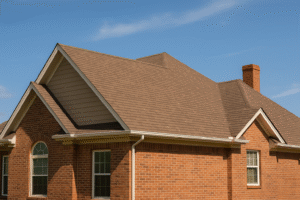
Replacing a roof is one of the most significant investments a Texas homeowner will make — but it’s also one of the most misunderstood. Why do some roof replacements cost $8,000 while others reach $25,000 or more? The truth is, the price depends on several key factors unique to Texas homes, weather, and building materials.
It’s important to understand the actual cost of roof replacement, which includes variables like materials, labor, and optional services such as removal. The actual cost can vary significantly based on your location, roof size, and specific choices, so being aware of these factors helps you better estimate expenses and budget accordingly.
At Reimagine Roofing, we’ve replaced and restored thousands of roofs across the Lone Star State — from Houston’s humid coasts to Austin’s hill country and up through Dallas–Fort Worth’s storm zones. In this guide, we’ll break down every major factor that affects your roof replacement cost, explain what to expect from local contractors, and show you how to make smart, budget-saving decisions for your home.
And remember — before you get overwhelmed by numbers, Reimagine Roofing offers free roof inspections and fast quotes in under 24 hours to help you make an informed choice.
Introduction to Roof Replacement
For most homeowners, replacing a roof is one of the largest investments they’ll make in their property. Understanding the roof replacement process and the factors that influence the overall cost is essential for making smart, confident decisions. The average roof replacement cost can vary dramatically—from as low as $5,800 to as high as $46,000—depending on your location, roof size, and the roofing materials you select.
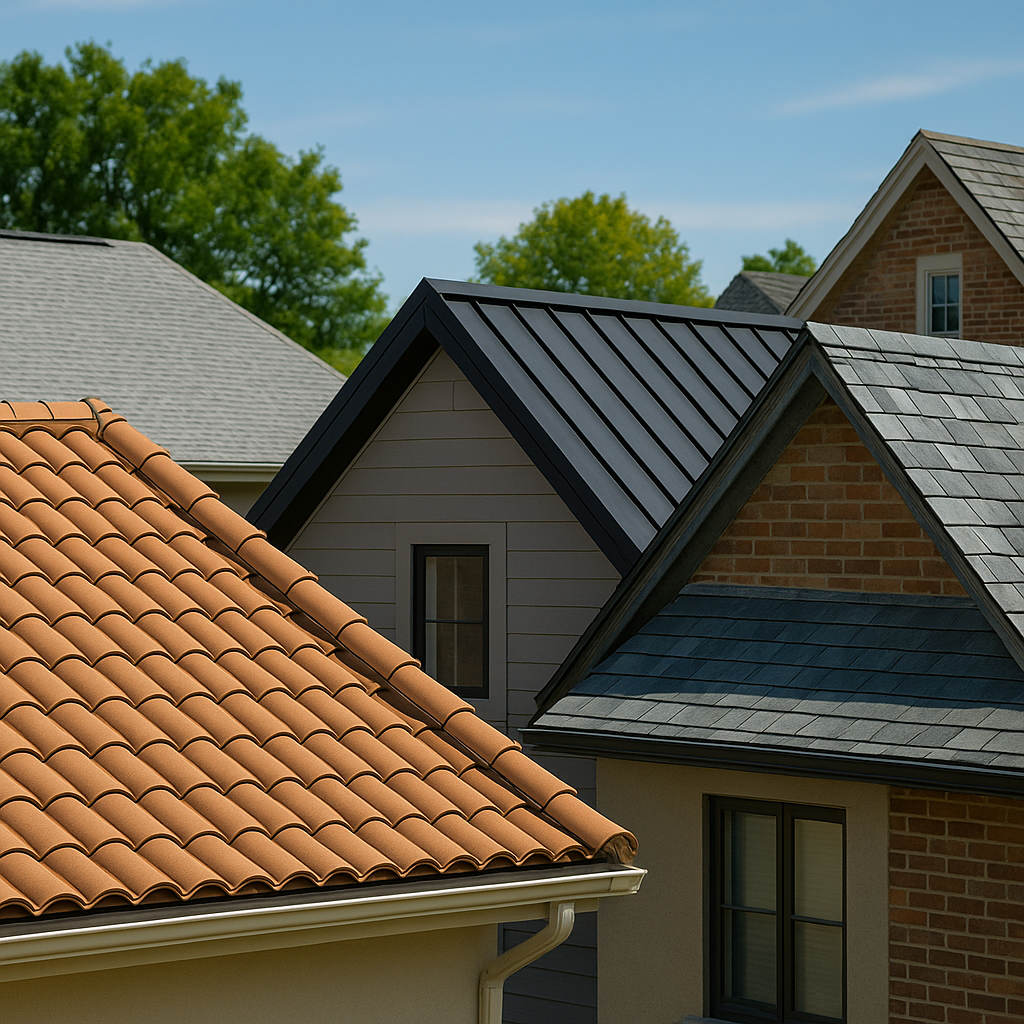
Choosing the right roofing contractor is just as important as picking the right roofing material. Experienced roofing contractors will provide a comprehensive roof estimate that breaks down labor and material costs, so you know exactly what you’re paying for. Whether you’re considering classic asphalt shingles, durable metal roofing, or elegant clay tiles, each option comes with its own price point and benefits.
Before starting your project, it’s wise to compare multiple quotes from reputable contractors. This helps you understand the range of material costs and labor involved, and ensures you get the best value for your investment. Remember, the size of your roof and the type of materials you choose will have the biggest impact on your final roof replacement cost.
Why Roof Replacement Costs Vary So Widely in Texas
Unlike other home upgrades, roof replacements are not one-size-fits-all. Texas houses come in different styles — from sprawling ranch houses to modern stucco and stone builds — and the type of house you have impacts roof replacement planning and costs, especially since they’re exposed to extreme environmental conditions.
You’ll find:
- Brutal heat and UV exposure in South and West Texas
- Hail and tornado activity in Central and North Texas
- Hurricane-force winds and humidity along the Gulf Coast
Because roofing systems must perform differently in each region, materials, labor, and installation methods vary dramatically — and so does price.
The Average Cost of Roof Replacement in Texas
As of 2025, the average roof replacement cost in Texas ranges from $9,000 to $22,000, depending on the home size, roof square footage, and chosen materials. Smaller roofs (under 1,500 sq. ft. of square footage) might fall closer to $7,000, while large or complex projects can exceed $25,000.
Typical cost per square (100 sq. ft.):
| Material Type | Average Price (Installed) |
|---|---|
| Asphalt shingles | $350–$600 per square |
| Architectural shingles | $500–$800 per square |
| Metal roofing | $900–$1,400 per square |
| Tile (clay or concrete) | $1,000–$1,800 per square |
| Slate or premium materials | $1,500–$2,500+ per square |
In roofing, a “roofing square” is a standard unit of measurement equal to 100 square feet. Pricing and material estimates are often given per roofing square to help with cost calculation and comparison.
These are estimates — the exact number depends on your home’s structure, roof slope, and other key factors we’ll explore below.
The Biggest Factor: Roofing Material Choice
Your roofing material is the number one factor that drives total replacement cost. The choice of roof material not only affects the price, but also plays a crucial role in the durability and overall longevity of your roof.
Asphalt Shingles
- Most common and budget-friendly option
- Popular in suburban areas around Dallas, Houston, and San Antonio
- Lifespan: 20–25 years
- Resistant to mild weather, but vulnerable to hail and high winds
Architectural or Dimensional Shingles
- Thicker, longer-lasting, and more attractive; architectural or dimensional shingles are also known as architectural asphalt shingles, made from multiple layers of asphalt for enhanced durability and appearance. Their cost can vary by region due to differences in material specifications and local pricing.
- Better wind and impact resistance
- Cost about 30–50% more than standard shingles but last nearly twice as long
Metal Roofing
- Rapidly gaining popularity across Texas due to energy efficiency
- Reflects sunlight, reducing cooling costs by up to 25%
- Withstands hail and wind better than shingles
- Ideal for Austin, Waco, and West Texas climates
- Metal shingles offer a higher upfront price point than asphalt shingles but provide greater durability and a longer lifespan compared to many other popular roofing materials.
Tile Roofing
- Common in South Texas and coastal regions
- Long lifespan (40–60 years)
- Requires reinforced roof framing due to weight
- Considered a high end roofing option, tile offers outstanding durability and higher upfront costs
Flat or Low-Slope Roofing
- Found in many modern or commercial-style homes
- Materials like TPO, PVC, or modified bitumen are priced differently
- Require specialized installation for waterproofing
When you schedule a free inspection with Reimagine Roofing, our experts will help you choose the material that matches your home, climate, and budget — not just the lowest sticker price.
Roof Size and Pitch (Slope)
The larger and steeper your roof, the more materials and labor are required.
- Roof Size: Roofers measure in “squares.” A 2,000 sq. ft. roof = roughly 20 squares.
- Pitch (Slope): A steep slope requires safety equipment, additional labor, and more time. Flat or low-slope roofs are easier to access but may need special waterproofing membranes.
A steeper roof pitch results in more square footage, which increases both material and labor costs.
A steep-pitched roof can increase labor costs by 20–40% simply because it’s more time-consuming and hazardous to work on.
The Condition of the Existing Roof
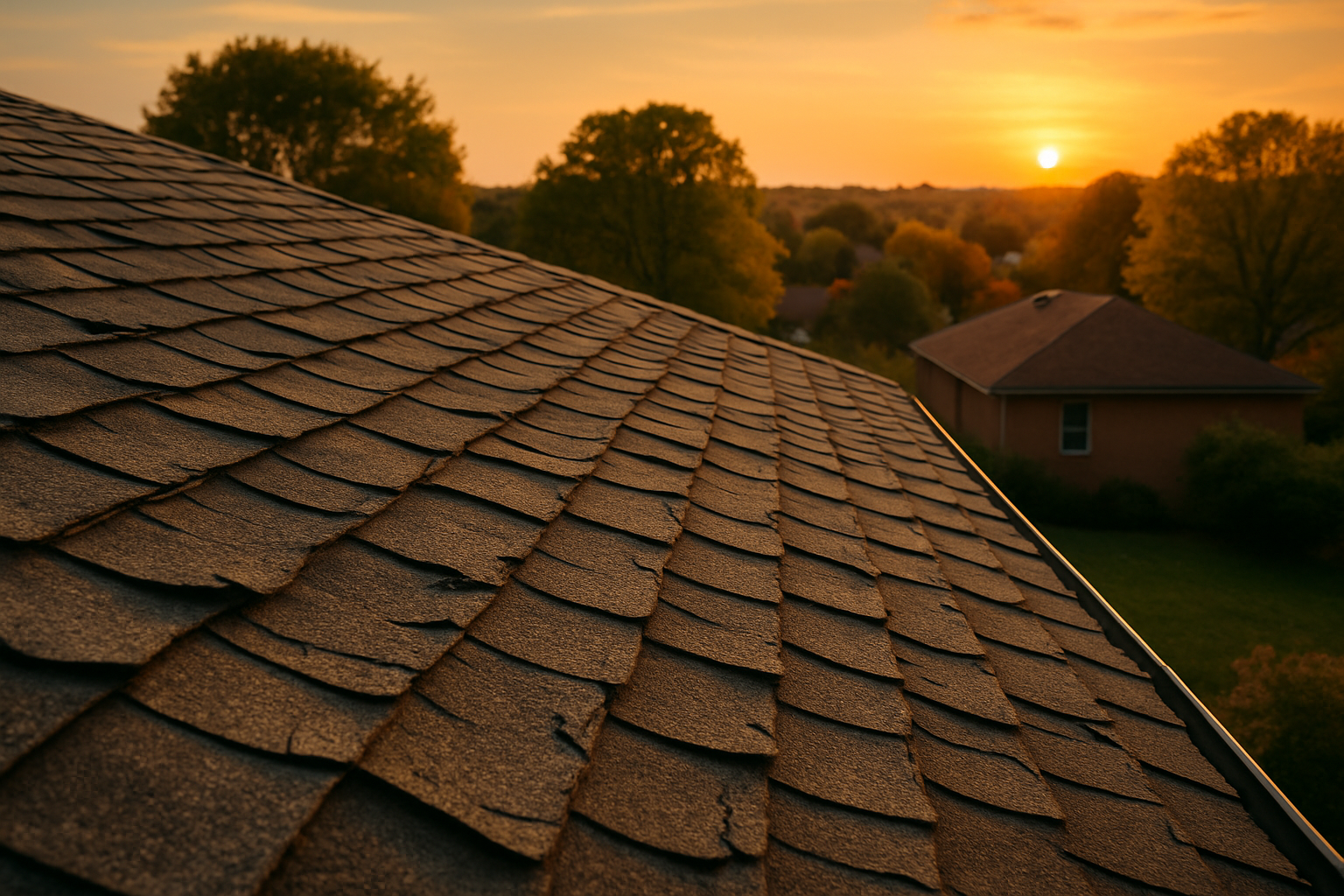
Tearing off an old roof and replacing damaged decking or underlayment adds to cost — but it’s essential for a long-lasting installation. Before considering a layover, it’s important to inspect the old shingles to ensure they are in good condition. Additionally, check local building codes and consider potential future costs when deciding whether to install new shingles over old shingles.
Tear-Off vs. Layover
- Full Tear-Off: Removing the existing shingles, nails, and underlayment. Costs more but ensures a proper installation. If your roof has multiple layers of old shingles, removing them requires more labor, which increases the overall cost of roof replacement.
- Layover: Installing new shingles over old ones. Cheaper short-term but not recommended due to weight and warranty issues.
Decking Repairs
If your roof deck (the plywood base) has rot, mold, or water damage, it must be replaced. Expect to add $2–$5 per square foot for decking repair.
Pro Tip: A detailed inspection from Reimagine Roofing will reveal hidden structural issues before your quote, so there are no surprises mid-project.
Regional Weather and Insurance Impacts
Texas weather is no joke. From hail storms in Fort Worth to hurricanes along Galveston Bay, severe weather directly affects roof pricing.
- Hail-Prone Areas (DFW, Central TX): Higher insurance deductibles and preference for impact-resistant shingles.
- Hurricane Zones (Coastal TX): Code requirements for wind ratings and reinforced underlayments can result in a higher cost for roof replacement in these areas.
- Heat Zones (West & South TX): Energy-efficient materials like reflective metal or cool roof coatings.
Because storm risk affects supply and demand, prices can spike after major weather events. Homeowners who plan ahead and book inspections early often save thousands.
Labor Costs Across Texas
Labor is another major component of your roof replacement cost. Roof replacement labor typically accounts for 40–60% of the total project, making it a significant portion of your overall expenses. Factors influencing labor expenses include roof pitch, complexity, seasonality, and the experience of the crew.
Rates vary based on:
- Local demand (urban vs. rural)
- Crew experience and certifications
- Roof accessibility and safety factors
For instance, Houston and Austin tend to have higher labor rates than smaller markets like Lubbock or Abilene. However, hiring the lowest bidder can backfire if shortcuts are taken. Poor installation is one of the top reasons roofs fail early — a risk Reimagine Roofing’s certified crews help you avoid.
Permits, Codes, and Inspection Fees
In Texas, roof replacement permits vary by city or county, typically ranging from $150 to $500.
Some municipalities (like Austin and Plano) require post-installation inspections to ensure compliance with building codes and energy efficiency standards.
A professional roofing company like Reimagine Roofing handles all permits, scheduling, and final inspections so you don’t have to worry about red tape.
Roof Accessibility and Complexity
The design of your roof — number of valleys, dormers, skylights, and chimneys — affects time and labor costs. A simple A-frame roof is much faster to replace than a multi-section roof with multiple penetrations.
Homes with limited driveway or yard access may also require specialized equipment for debris removal and material transport. In some cases, a dump truck may be used for removing and transporting roofing debris as an alternative to dumpsters during roof installation.
Underlayment and Ventilation Systems
Your roof’s underlayment (the waterproof barrier beneath shingles or tiles) and ventilation system are critical but often overlooked components that influence price and performance.
- Synthetic underlayment lasts longer and resists tearing — slightly more expensive but worth it in Texas winds.
- Proper ventilation prevents attic heat buildup and moisture damage, extending roof life.
When replacing your roof, it’s wise to upgrade both. The small upfront cost difference yields significant savings in energy and maintenance.
Energy Efficiency and Reflective Roof Options
Given Texas’s blazing summers, choosing an energy-efficient roof can reduce cooling costs by up to 30%. Options include:
- Cool roof shingles that reflect sunlight
- Metal roofs with heat-dispersing coatings
- Light-colored tiles that lower surface temperatures
One key advantage of selecting energy-efficient roofing is the potential for lower utility bills and increased indoor comfort.
While these may cost slightly more upfront, they often pay for themselves through energy savings within a few years.
Reimagine Roofing offers energy-optimized roof systems tailored to your home’s sun exposure and HVAC setup — helping you save on utility bills year-round.
Roof Installation Process
Once you’ve selected your roofing contractor and materials, the roof installation process begins. A professional roofing company will start by preparing your property, protecting landscaping and setting up safety equipment. Next, the old roof is removed, and the roof deck is inspected for any damage that needs repair. This step is crucial to ensure your new roof has a solid foundation.
After any necessary repairs, the installation of underlayment and waterproof barriers takes place, followed by the careful placement of your chosen roofing material—whether it’s asphalt shingles, metal panels, or clay tiles. Skilled roofers pay close attention to details like flashing, pipe boots, and metal drip edge to prevent leaks and ensure long-term durability.
Throughout the process, your roofing contractor will manage labor costs, coordinate material deliveries, and keep you informed of progress. A quality installation not only protects your home but also preserves your warranty and maximizes the lifespan of your new roof. When the job is complete, the crew will clean up all debris, leaving your property looking better than ever.
Additional Features and Costs
Beyond the basics, certain features can add to your roof replacement costs. Elements like skylights, chimneys, and roof penetrations require extra labor and specialized materials to ensure a watertight seal. If your home has gutters that need to be replaced or upgraded, this will also increase the overall cost.
Other factors, such as installing new ventilation systems, upgrading to architectural shingles, or adding a metal drip edge, can enhance your roof’s performance but come with higher material and labor costs. Even the presence of multiple roof sections, valleys, or complex designs can mean more time and expertise are needed, which impacts the final price.
When reviewing your roof estimate, ask your roofing contractor to break down the costs for these additional features. This transparency helps you understand where your money is going and allows you to prioritize upgrades that offer the best value for your home.
Warranty Coverage and Contractor Quality
Not all roofing warranties are created equal. Cheaper contractors may offer limited guarantees, while premium installers like Reimagine Roofing include:
- Manufacturer-backed warranties up to 50 years
- Workmanship warranties for added peace of mind
- Transferable coverage if you sell your home
Better warranties reflect both material quality and installation precision — both key cost drivers that pay dividends over time.
Post-Storm Price Surges and Material Shortages
After major hail or hurricane events, demand for roof repairs skyrockets. Prices for shingles, nails, and underlayment can spike due to shortages.
Booking your inspection before storm season ensures priority scheduling and stable pricing.
Texas homeowners who wait until after a storm often face long delays and inflated material costs — another reason to act early.
Homeowner Insurance and Deductibles
Many roof replacements in Texas are covered (at least partially) by homeowner’s insurance, especially after hail or storm damage. However, your deductible plays a huge role in out-of-pocket costs. Other homeowners often share similar concerns about roof replacement expenses and the risks involved in such a significant investment.
Reimagine Roofing helps homeowners navigate the insurance process — from documenting damage to submitting claim photos — ensuring you get the coverage you’re entitled to without unnecessary delays.
Financing and Payment Options
Roof replacements can be stressful, but payment doesn’t have to be. Reimagine Roofing offers flexible financing options to make quality roofing accessible for every budget.
You can spread payments over time while protecting your home immediately.
Real Cost Comparisons: Examples Across Texas
| City | Roof Size | Material | Total Cost Estimate |
|---|---|---|---|
| Austin | 2,000 sq. ft. | Architectural shingles | $11,500 |
| Dallas | 2,400 sq. ft. | Impact-resistant shingles | $13,800 |
| Houston | 2,000 sq. ft. | Metal roof | $17,500 |
| San Antonio | 2,800 sq. ft. | Tile roof | $22,000 |
| Lubbock | 1,800 sq. ft. | Asphalt shingles | $8,900 |
These numbers vary by design, accessibility, and regional labor rates — but they show how diverse Texas roofing costs can be. The time and procedure required to install each type of roofing material can also impact the total cost estimates shown above.
Roof Maintenance and Repair
Regular roof maintenance is key to extending the life of your investment and avoiding unexpected repair costs. Scheduling routine roof inspections allows you to catch minor issues—like loose shingles, damaged flashing, or clogged gutters—before they turn into expensive problems. Most homeowners find that investing in small repairs and maintenance can save money over time by preventing the need for a full roof replacement sooner than necessary.
If your roof does require repairs, addressing them promptly is essential. Common repairs include replacing missing shingles, sealing leaks around chimneys or skylights, and fixing minor damage from storms. The cost of these repairs is typically much lower than a complete replacement, making proactive maintenance a smart strategy for protecting your home and your wallet.
Partnering with a trusted roofing company for regular inspections and timely repairs ensures your roof remains in top condition, providing peace of mind and long-term savings.
How to Get the Most Value for Your Roof Replacement
- Schedule a professional inspection first — this defines the scope clearly.
- Choose long-lasting materials suited to your climate zone.
- Don’t chase the lowest bid — prioritize quality and warranty.
- Bundle upgrades like underlayment or ventilation to save long-term.
- Act before storm season to avoid material surges and delays.
Understanding which cost factors matter most—such as roof size, material, and labor—can help homeowners make better decisions and avoid unnecessary expenses.
Reimagine Roofing helps you compare options side-by-side so you know exactly where your money goes — no hidden costs, no surprises.
Understanding what affects the price of roof replacement in Texas empowers you to make informed decisions and get the most value from your investment. From choosing the right roofing materials and contractor to considering additional features and ongoing maintenance, every step plays a role in your overall roof replacement cost.
Working with a reputable roofing contractor ensures you receive a detailed roof estimate, quality installation, and expert guidance throughout the process. Don’t leave your home’s protection to chance—schedule a professional roof inspection and get multiple quotes to find the best fit for your needs and budget.
Ready to take the next step? Contact Reimagine Roofing for a free roof inspection and personalized quote, and let our team help you protect your Texas home for years to come.
Get Your Free Roof Inspection & Quote in 24 Hours
Replacing your roof shouldn’t feel overwhelming. With the right partner, it’s fast, transparent, and affordable.
Schedule your free roof inspection today!
You’ll receive:
- A detailed roof health report
- A photo-backed estimate
- Your personalized quote in under 24 hours
- Expert recommendations for your home and budget
Your Texas home deserves protection that lasts — and savings that start today.
Request your estimated roof quote today!
Popular Posts