What Should You Do After a Storm Hits and Your Roof Needs Emergency Tarping?

What Should You Do After a Storm Hits and Your Roof Needs Emergency Tarping?
Emergency Roof Tarping: What to Do After a Storm Hits
Storm damage can strike when you least expect it. High winds, hail, torrential rain, hurricanes, snow, and even falling debris can compromise your roof in a matter of minutes—leaving your home or business exposed to further damage. In these moments, emergency roof tarping becomes one of the most critical steps to protect your property from the elements.
At Reimagine Roofing, we specialize in fast, professional emergency roof tarping services for homeowners and property managers across Arizona, Connecticut, Delaware, Florida, Maryland, New Jersey, New Mexico, Pennsylvania, Texas, and Utah. If your roof has been damaged by a storm, this is not the time for DIY fixes—it’s time to call experienced roofing professionals.
Industry leaders like SERVPRO offer 24/7 emergency roof tarping services to assist with storm damage, highlighting the importance of rapid response.
Why Storm Damage Requires Immediate Roof Protection
When a storm compromises your roof, the damage doesn’t stop once the clouds clear. Even a small breach can lead to:
- Rapid water intrusion
- Mold and mildew growth
- Structural wood rot
- Insulation damage
- Electrical hazards
- Interior ceiling collapse
- Voided insurance coverage due to delayed mitigation
- Standing water accumulation
- Water stains on ceilings and walls
- Leaky roof
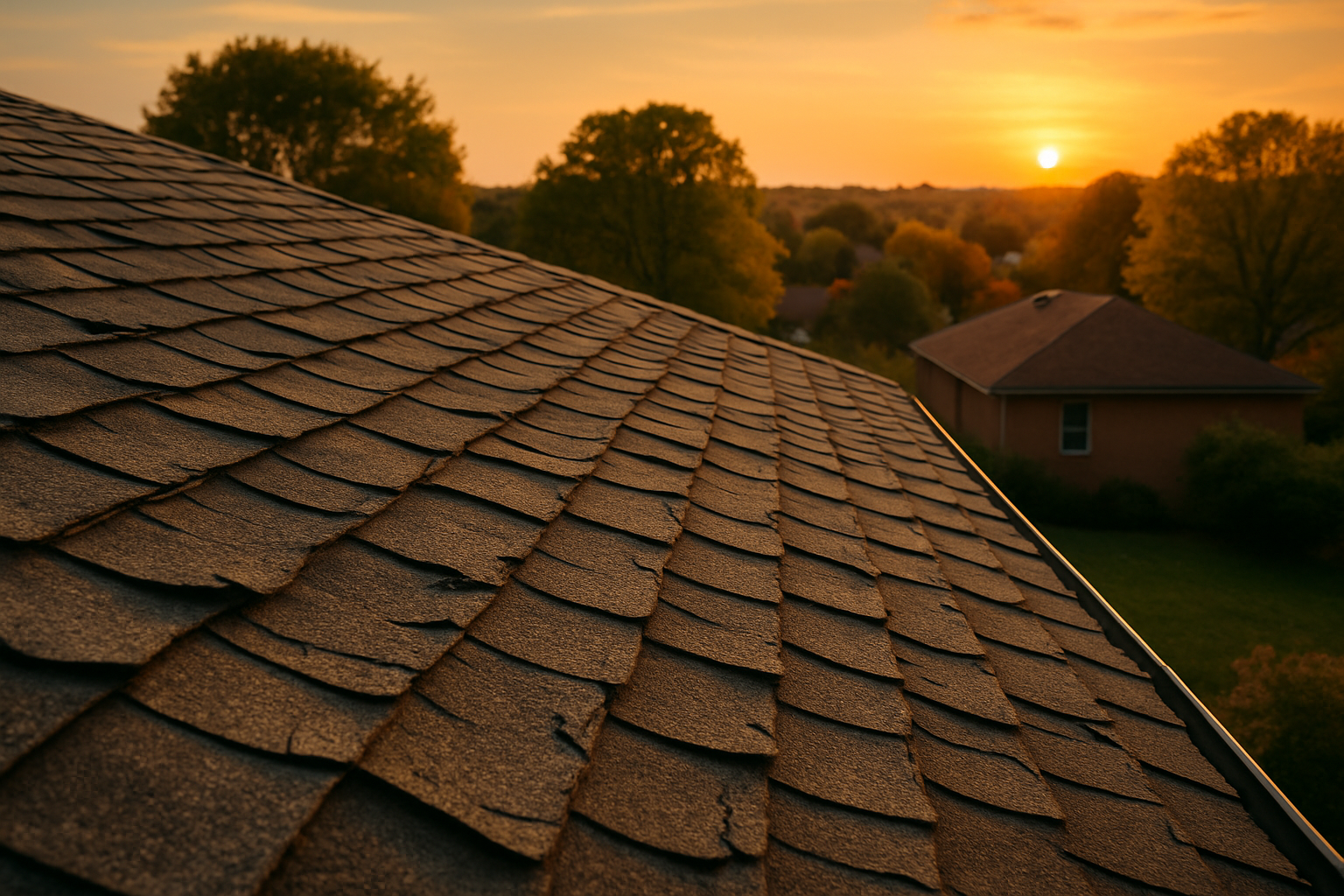
Visible signs of storm damage may include blown-off shingles, roof leaks, and water stains on ceilings and walls.
Emergency roof tarping is designed to stop additional damage immediately while permanent repairs are planned. This temporary solution buys you time—but only when installed correctly by trained professionals.
What Is Emergency Roof Tarping?
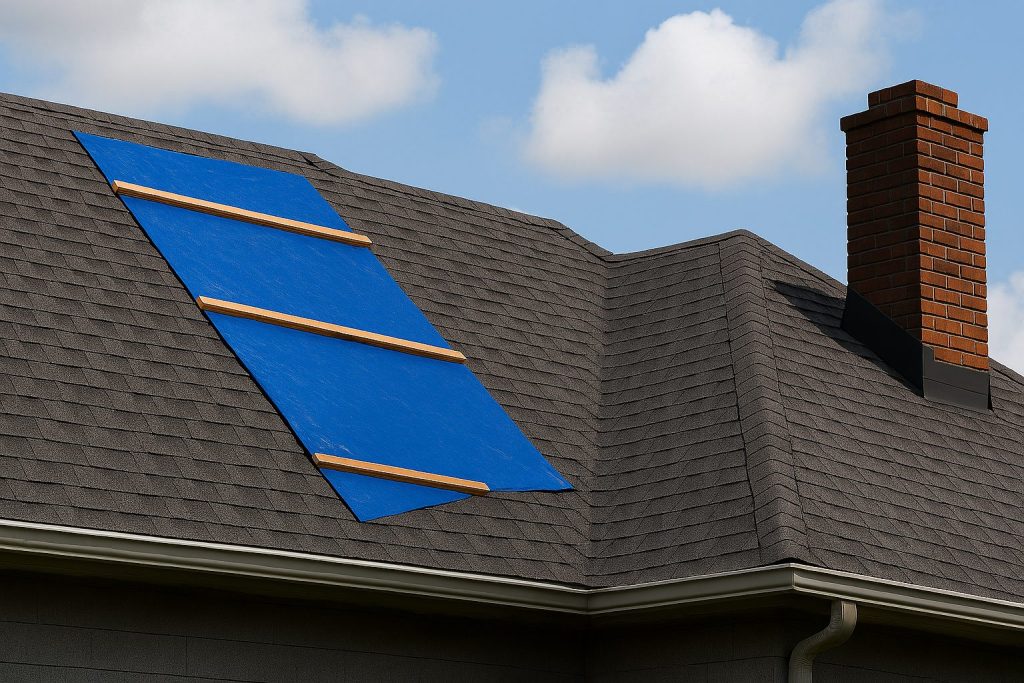
Emergency roof tarping involves placing heavy‑duty, waterproof tarps—specifically heavy-duty polyethylene tarps that are at least 6-10 mil thick with UV protection—over damaged areas of the roof to create a secure barrier against rain, wind, and debris. These tarps are UV-resistant and waterproof, providing essential protection. The tarp should be larger than the damaged surface area to ensure full coverage and effective protection. This is a temporary but critical step in the storm recovery process.
Professional roof tarping is far more than just “throwing a tarp on the roof.” It requires:
- Proper assessment of structural damage, including measuring the damaged surface with a tape measure
- Selection of the correct tarp size using a tape measure to ensure the tarp extends beyond the damaged area and hangs over the roof ridge
- Use of specialized equipment and tools for safe and effective installation
- Safe installation techniques to properly install and secure the tarp
- Secure anchoring without causing further harm
- Water‑shedding placement to prevent pooling
- Compliance with insurance documentation standards
At Reimagine Roofing, our emergency tarping is performed by licensed, insured roofing specialists using commercial‑grade materials and state-of-the-art equipment designed to withstand severe weather conditions.
Common Storm Events That Require Emergency Roof Tarping
Storm‑related roof damage can happen in many ways, especially across the diverse climates we serve.
3.2 Hailstorms
Hailstorms can cause significant physical harm to roofs and outdoor property. Hail damage often appears as dents, cracks, or punctures in roofing materials, gutters, and siding. It’s important to inspect and document hail damage for insurance and repair purposes.
3.3 Windstorms
Windstorms can lift or tear roofing materials, leading to leaks and structural issues. Blown-off shingles are a common outcome of strong winds, making it crucial to inspect, document, and temporarily cover the damage to prevent further problems.
3.4 Heavy Rain & Flash Floods
Heavy rain and flash floods can overwhelm drainage systems and cause water to seep into your home. In winter, ice can also threaten roofing systems, as ice buildup may lead to leaks or additional structural damage. Using durable materials and protective tarps helps prevent further damage caused by ice and winter weather conditions.
After a storm, always perform your initial roof assessment from the ground, as damage is not always visible from above. Be sure to check windows for cracks or other signs of storm-related damage during your inspection.
Hurricanes & Tropical Storms (Florida, Texas, Delaware)
High winds peel shingles away, while wind‑driven rain infiltrates roof systems.
Hailstorms (Texas, Arizona, New Mexico, Utah, Pennsylvania)
Hail can cause significant hail damage by fracturing shingles, denting metal roofing, and exposing underlayment. After hailstorms, it’s important to inspect gutters and windows for dents and cracks, as these can indicate further damage and potential water drainage issues.
Severe Thunderstorms & Windstorms (New Jersey, Maryland, Connecticut)
Flying debris and uplift pressure create punctures, missing sections, and blown-off shingles.
Heavy Rain & Flash Floods (All Service Areas)
Prolonged moisture accelerates leaks through even minor roof weaknesses. In colder climates, ice accumulation during heavy precipitation events can also cause significant roof damage, especially when combined with snow and storms.
If you’ve experienced any storm event and suspect roof damage, emergency tarping should happen immediately.
Why Emergency Roof Tarping Is NOT a DIY Project
We want to be crystal clear: roof tarping should never be attempted by untrained homeowners.
4.1 Safety Hazards of DIY Emergency Roof Tarping
Attempting emergency roof tarping without proper training exposes you to serious safety hazards. Using a ladder on a damaged or wet roof is extremely dangerous—improper climbing techniques or lack of safety gear can lead to severe injuries. Roofs with structural damage, especially near features like chimneys, can collapse or shift unexpectedly.
Key safety measures include:
- Only working in dry conditions to prevent slips and falls.
- Wearing rubber-soled shoes for better traction.
- Never working alone—always have someone nearby in case of emergency.
- Evaluating the area for safety hazards such as downed electrical lines before starting any work.
4.2 Professional Debris Removal
After a storm, it is crucial to hire professionals to safely remove debris such as branches, shingles, and nails from your roof. Attempting to remove debris yourself can be dangerous and may cause further damage or injury. Professionals are equipped to remove debris safely and efficiently, reducing the risk of clogged gutters or additional roof deterioration.
Safety Risks
- Slippery surfaces
- Hidden structural instability
- Electrical hazards
- Risk of serious falls or injury
Risk of Further Roof Damage
- Improper nailing causes new leaks
- Incorrect placement traps water
- Inadequate securing leads to tarp blow‑off
Insurance Complications
- Improper mitigation may invalidate claims
- Lack of documentation reduces reimbursement
Professional roofers understand how to protect your roof without causing additional harm, while also ensuring proper photo documentation for insurance companies.
What to Do Immediately After a Storm Damages Your Roof
Here’s what homeowners and business owners should do before calling Reimagine Roofing:
1. Ensure Safety First
Before anything else, make sure everyone in your house is safe. Avoid any areas with visible structural damage or exposed electrical wiring.
2. Walk Around and Assess the Exterior
Carefully walk around your house to visually assess the exterior for storm damage. Check the roof, gutters, and windows for any visible signs of damage or debris.
3. Document Visible Damage
Document potential storm damage by grabbing your camera or smartphone and taking clear photos of any visible effects. Check and photograph damage to gutters, windows, ceilings, walls, and the attic. Look for water stains, cracks, dents, or other signs of damage in these areas. Be thorough in your documentation, as this will help with insurance claims and repairs.
4. Contact Your Homeowners Insurance Provider
If you find significant damage to your home after a storm, contact your homeowners insurance provider immediately to start the claims process.
5. Prevent Further Damage
If it’s safe, take temporary steps to prevent further water intrusion, such as emergency roof tarping or covering broken windows.
After taking these steps, it’s advisable to get multiple professional assessments of roof damage to ensure all issues are identified and properly addressed.
1. Ensure Personal Safety
Stay indoors if conditions remain dangerous. Avoid climbing ladders or accessing the roof.
2. Minimize Interior Damage
If water is entering, place buckets or towels to protect flooring and belongings.
3. Document Visible Damage
From the ground, take photos or videos if it’s safe.
4. Call Reimagine Roofing Immediately
Emergency response timing matters. The sooner your roof is tarped, the less damage you’ll face.
How to Choose the Right Roofer After a Storm
After a major storm wreaks havoc on your roof, choosing the right roofing contractor is one of the most important decisions you’ll make to protect your home or business. The right contractor will not only repair or replace your damaged roof but also help you navigate the insurance process and prevent further damage from wind, rain, or hail.
Here’s how to ensure you hire a trustworthy, qualified professional:
1. Verify Licensing and Insurance
Always confirm that your roofing contractor is fully licensed and insured in your state. This protects you from liability in case of accidents and ensures the contractor meets local eligibility requirements for roof repair and replacement.
2. Choose Local, Established Professionals
Storms often attract out-of-town “storm chasers” who may offer quick fixes but disappear when issues arise. Select a contractor with a proven track record in your community and experience handling storm damage, emergency roof tarping, and roof replacement.
3. Check References and Reviews
Ask for references from recent storm damage repairs and read online reviews. Reputable roofing contractors will have satisfied customers and a history of quality work on damaged roofs.
4. Get Detailed Written Estimates
A professional contractor should provide a clear, itemized estimate outlining the full extent of the damage, materials needed, and the scope of work—from initial installation of a roof tarp to permanent repairs or a new roof.
5. Understand the Insurance Process
Choose a contractor who is familiar with working alongside your insurance company. They should help document storm damage, provide photos and reports, and communicate directly with adjusters to support your claim.
6. Ask About Emergency Services
A reliable roofing contractor should offer emergency roof tarping to protect your property from further water intrusion, wind-driven rain, and additional damage while permanent repairs are scheduled.
By following these steps, you’ll be better equipped to select a roofing contractor who will restore your roof safely and efficiently—helping you recover from storm damage with confidence.
How Reimagine Roofing Handles Emergency Roof Tarping
Our process is designed for speed, safety, and long‑term protection.
Step 1: Rapid Response & Inspection
We arrive quickly to inspect your roof and identify immediate hazards.
Step 2: Professional Damage Assessment
Our team will thoroughly assess the full damaged area, including measuring and evaluating the extent of the damage to your roof, gutters, attic, and ceilings. This ensures we understand the scope of repairs needed and can plan the most effective emergency roof tarping solution.
Step 3: Secure, Water-Shedding Tarp Installation
We select the correct tarp size to cover the damaged area plus 3-4 feet on all sides for maximum protection. The tarp is extended over the peak of the roof by at least 12 inches and hangs over the ridge to allow water to roll off smoothly.
To secure the tarp, we wrap the top edge around a 2×4 wooden board and fasten it into the roof decking with deck screws—never nailing directly through the tarp material—to distribute pressure and avoid tearing. Boards are also used along the edges to prevent the tarp from flapping or ripping off.
If we cannot puncture the roof, we use sandbags or other weighted materials to secure the tarp edges. Proper installation helps prevent holes or missing shingles from turning into leaks.
Step 4: Documentation & Insurance Support
We document all damage and repairs for your insurance claim and provide ongoing support.
Step 1: Rapid Dispatch
We prioritize emergency calls across all serviced states.
Step 2: Professional Damage Assessment
Our experts inspect the roof structure, decking, and vulnerable areas.
Step 3: Secure, Water‑Shedding Tarp Installation
We use reinforced tarps anchored in a way that prevents pooling and wind displacement.
Step 4: Insurance‑Ready Documentation
Detailed photos, reports, and timelines support your claim.
Step 5: Permanent Repair Planning
Once conditions allow, we transition seamlessly into repair or replacement services.
Emergency Roof Tarping and Insurance Claims
Most homeowners insurance policies require immediate damage mitigation. Emergency roof tarping may qualify as a covered or reimbursable expense under most homeowners insurance policies, meaning you could be eligible for reimbursement if you meet your insurer’s criteria.
Reimagine Roofing helps by:
- Providing itemized invoices
- Documenting pre‑ and post‑tarping conditions
- Communicating professionally with adjusters
Delaying tarping can result in claim denial or reduced payouts, especially if additional damage occurs due to inaction.
Roofing Materials We Protect During Emergency Tarping
We tarp all major roof types including:
- Asphalt shingle roofs
- Tile roofing systems
- Metal roofing
- Flat and low‑slope roofs (commercial & residential)
- Modified bitumen and membrane roofs
The surface of each roofing material is vulnerable to different types of storm damage, such as debris or hail impacts, which can compromise both the integrity and appearance of your roof.
Each material requires a unique approach—another reason professional expertise matters.
Regions We Proudly Serve
Reimagine Roofing provides emergency roof tarping services nationwide, including:
- Arizona
- Connecticut
- Delaware
- Florida
- Maryland
- New Jersey
- New Mexico
- Pennsylvania
- Texas
- Utah
From desert heat and monsoons to coastal hurricanes and winter storms, we understand the regional weather risks affecting your roof.
Why Choose Reimagine Roofing for Emergency Roof Tarping?
✔ Rapid Emergency Response
We act fast when every minute counts.
✔ Licensed & Insured Professionals
Your property is protected—legally and structurally.
✔ No DIY Guesswork
Expert installation reduces future repair costs.
✔ Insurance‑Ready Process
We help streamline your claim.
✔ Full‑Service Roofing Solutions
From tarping to full replacement, one trusted company.
How Long Can an Emergency Roof Tarp Last?
While tarps are temporary, professionally installed roof tarps can last weeks to months depending on weather conditions. However, they are only a temporary safeguard, not a permanent solution.
Reimagine Roofing will guide you through permanent repair or replacement options once the immediate threat is addressed.
Signs You Need Emergency Roof Tarping Right Now
Call immediately if you notice:
- Active water leaks
- Missing or lifted shingles
- Sagging roof sections
- Debris impact damage
- Daylight visible through the roof
- Interior ceiling stains after a storm
- Visible cracks in shingles, gutters, or roofing materials
Waiting only increases repair costs and safety risks.
Commercial Emergency Roof Tarping Services
Storm damage doesn’t just affect homes. We also provide emergency tarping for:
- Office buildings
- Retail centers
- Warehouses
- Multi‑family properties
- Industrial facilities
Business downtime is expensive—fast roof protection minimizes operational disruption.
Preparing for Future Storms Starts Today
While storms can’t be prevented, damage can be minimized through:
- Routine professional roof inspections
- Prompt repairs of minor issues
- Knowing who to call before disaster strikes
Save Reimagine Roofing as your emergency roofing contact now—before the next storm hits.
Get Your Emergency Roof Tarping Quote Today
If your roof has been damaged by a storm, don’t risk DIY solutions and don’t delay professional help.
Reimagine Roofing is ready to protect your home or business with fast, reliable, professional emergency roof tarping services across multiple states.
👉 Request Your Fast Roofing Quote
Popular Posts