Why Roof Design Should Match Your Climate Zone in Albuquerque and Phoenix

Why Roof Design Should Match Your Climate Zone in Albuquerque and Phoenix
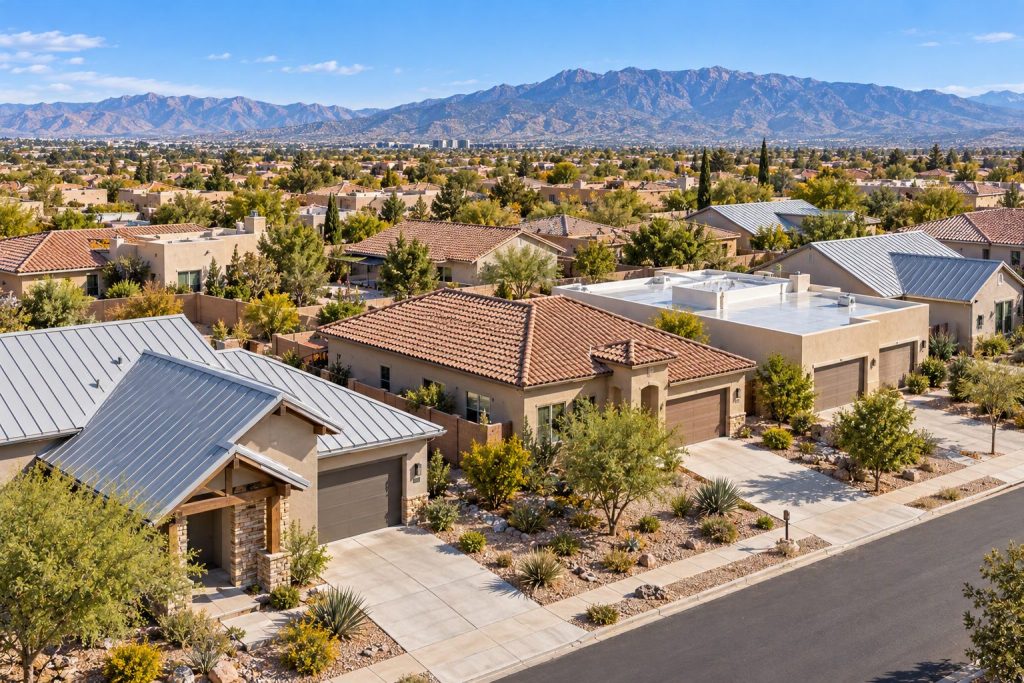
When it comes to roofing, many homeowners focus on materials, color, or cost. While those factors matter, one of the most important considerations is often overlooked: designing a roof that matches the climate where you live. A roof that performs exceptionally well in one region may struggle in another because weather conditions, temperature fluctuations, precipitation patterns, and solar exposure vary significantly by location.
For homeowners in Albuquerque, New Mexico, and Phoenix, Arizona, choosing a roof designed specifically for the local climate can improve energy efficiency, extend roof lifespan, reduce maintenance costs, and better protect your home against extreme weather. Understanding how climate impacts roofing decisions helps property owners make smarter investments that pay off for decades.
At Reimagine Roofing, we help homeowners select roofing systems tailored to the unique conditions of the Southwest. Whether you’re installing a new roof, replacing an aging system, or planning a future upgrade, understanding climate-based roof design is essential.
Understanding Climate Zones and Why They Matter
Climate zones categorize geographic areas based on factors such as:
- Average annual temperatures
- Seasonal temperature changes
- Solar exposure
- Rainfall amounts
- Snow accumulation
- Wind patterns
- Humidity levels
These factors directly influence how roofing systems perform over time.
A roof exposed to intense UV radiation, extreme daytime heat, and low humidity will age differently than one subjected to frequent rainstorms, heavy snow loads, or freezing temperatures.
When roof design matches local environmental conditions, homeowners often experience:
- Lower utility costs
- Reduced repair expenses
- Better indoor comfort
- Increased roof longevity
- Improved home value
- Enhanced weather protection
In Albuquerque and Phoenix, climate-driven roofing decisions are especially important because both cities experience significant solar exposure and prolonged heat, yet each has distinct weather characteristics that require different roofing strategies.
Climate Conditions in Albuquerque
Albuquerque sits at approximately 5,300 feet above sea level, creating a climate that differs substantially from many other southwestern cities.
Key weather characteristics include:
High Elevation
The city’s elevation results in:
- Strong UV radiation
- Intense sun exposure
- Temperature swings between day and night
- Increased weathering of roofing materials
Seasonal Snow and Freezing Temperatures
Unlike Phoenix, Albuquerque experiences:
- Winter snowstorms
- Ice formation
- Freeze-thaw cycles
- Cold nighttime temperatures
These conditions place additional stress on roofing components.
Monsoon Storm Activity
Summer monsoon season frequently brings:
- Heavy rainfall
- Hailstorms
- Strong winds
- Flash flooding
Roofs must be designed to shed water efficiently and resist impact damage.
Dry Air Conditions
Low humidity reduces moisture-related concerns but increases UV-related deterioration of roofing materials.
Climate Conditions in Phoenix
Phoenix presents a different set of challenges.
Known for its desert climate, Phoenix regularly experiences some of the hottest temperatures in the United States.
Extreme Heat
Summer temperatures often exceed:
- 110°F during the day
- Prolonged periods of heat exposure
- Extended roofing surface temperatures above 150°F
Roof materials must be engineered to handle constant thermal stress.
Intense Solar Radiation
Phoenix receives more sunshine annually than most major U.S. cities.
This creates:
- Accelerated material aging
- Increased cooling demand
- Greater thermal expansion and contraction
Monsoon Storms
Although annual rainfall totals remain relatively low, monsoon storms can bring:
- Heavy rain
- High winds
- Flying debris
- Localized flooding
Minimal Freeze-Thaw Concerns
Phoenix rarely experiences conditions that produce ice damage, allowing homeowners to prioritize heat resistance and solar performance.
Why Roof Design Matters More Than Roofing Material Alone
Many homeowners ask:
“Which roofing material is the best?”
The better question is:
“Which roofing system design works best for my climate?”
Roof performance depends on several interconnected factors:
- Material selection
- Roof pitch
- Ventilation
- Insulation
- Underlayment
- Reflectivity
- Drainage design
- Fastening systems
Even premium roofing materials can underperform if installed without considering local climate demands.
Roof Slope Considerations for Albuquerque
In Albuquerque, roof pitch often plays a critical role.
Managing Snow and Water
Steeper roof slopes help:
- Prevent snow accumulation
- Improve drainage
- Reduce ponding water
- Limit moisture intrusion
Improved Stormwater Performance
Monsoon rains can deliver large amounts of water quickly.
A properly designed roof pitch helps move water toward gutters and drainage systems efficiently.
Reducing Ice Issues
Improved drainage minimizes opportunities for ice formation during winter temperature swings.
Roof Slope Considerations for Phoenix
Phoenix homeowners often prioritize different design goals.
Heat Management
Many homes utilize low-slope or moderately pitched roofing systems that accommodate:
- Reflective roofing materials
- Solar panel installation
- Cool roof technologies
Water Drainage
Despite lower annual rainfall, roofs must still accommodate sudden desert downpours.
Even flat or low-slope roofs require carefully engineered drainage systems to avoid standing water.
The Importance of Reflective Roofing in Hot Climates
One of the most effective ways to improve roof performance in both Albuquerque and Phoenix is through reflective roofing technology.
How Reflective Roofs Work
Reflective roofing surfaces bounce solar radiation away from the structure rather than absorbing heat.
Benefits include:
- Cooler attic temperatures
- Reduced air conditioning demand
- Lower energy bills
- Enhanced indoor comfort
- Reduced thermal expansion
Why Reflectivity Matters in Phoenix
In Phoenix, reflective roof systems can significantly reduce heat gain during long summers.
Homeowners frequently notice:
- More stable interior temperatures
- Reduced HVAC usage
- Improved energy efficiency
Why Reflectivity Also Benefits Albuquerque
Even though Albuquerque experiences colder winters, reflective roofing remains valuable because of the city’s high elevation and intense UV exposure.
Many modern roofing systems balance heat reflection with effective insulation to deliver year-round performance.
Ventilation Requirements by Climate
Roof ventilation helps regulate attic temperatures and moisture levels.
Albuquerque Ventilation Needs
Proper attic ventilation assists with:
- Moisture control during winter
- Temperature regulation during summer
- Preventing condensation
- Reducing ice-related issues
Phoenix Ventilation Needs
In Phoenix, ventilation primarily addresses heat buildup.
Without proper airflow:
- Attic temperatures can become extremely high
- HVAC systems work harder
- Shingle deterioration accelerates
- Cooling costs increase
Strategically designed ridge vents, intake vents, and exhaust systems improve roof performance throughout the year.
Underlayment Selection Matters
The roofing material gets most of the attention, but underlayment often determines how well a roof survives long-term weather exposure.
Albuquerque Roofing Underlayment
Ideal underlayments should provide protection against:
- Wind-driven rain
- Snow infiltration
- Ice-related moisture intrusion
- Hail damage
Phoenix Roofing Underlayment
Heat-resistant underlayments are essential due to prolonged exposure to:
- High roof deck temperatures
- Intense UV radiation
- Thermal cycling
Premium synthetic underlayments generally provide superior durability compared with traditional felt products in desert climates.
Wind Resistance and Storm Protection
Both Albuquerque and Phoenix experience seasonal wind events.
Effective wind-resistant roof design includes:
- Proper fastening patterns
- Secure flashing installation
- Reinforced roof edges
- Impact-resistant materials
- Professionally engineered installation methods
During monsoon season, wind damage often begins at vulnerable roof edges, making quality installation just as important as material selection.
Energy Efficiency Starts at the Roof
Many homeowners are surprised to learn how much their roof affects utility bills.
A climate-appropriate roofing system can improve:
- Indoor comfort
- HVAC efficiency
- Temperature consistency
- Building performance
For homeowners in Albuquerque and Phoenix, roof upgrades frequently represent one of the most impactful energy-efficiency improvements available.
Metal Roofing and Climate Adaptation
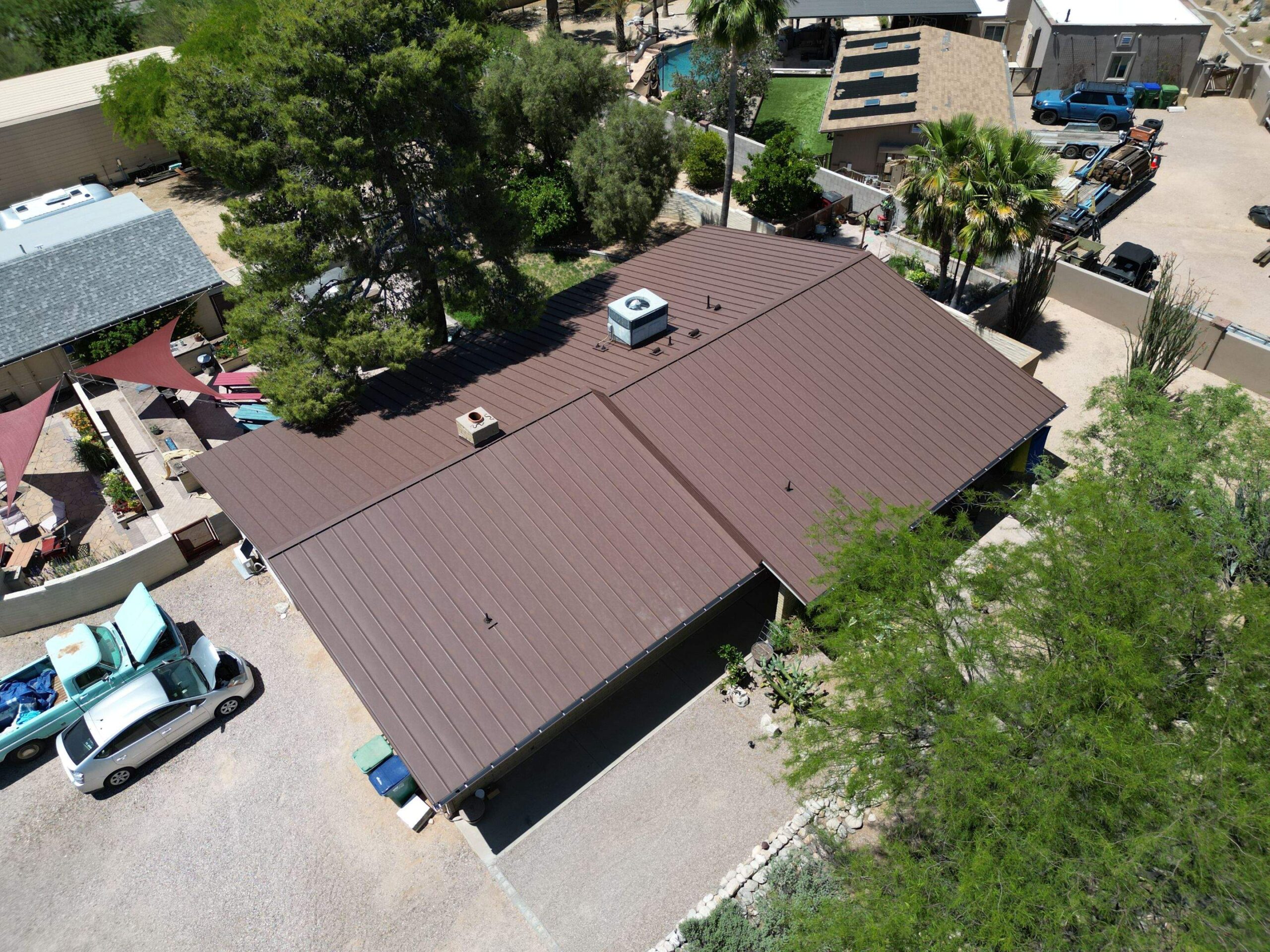
Metal roofing has become increasingly popular throughout the Southwest.
Advantages in Albuquerque
Metal roofs offer:
- Snow-shedding capabilities
- Excellent wind resistance
- Hail durability
- Long service life
Advantages in Phoenix
Metal roofing performs exceptionally well because it:
- Reflects solar radiation
- Handles thermal expansion effectively
- Resists UV degradation
- Supports cool roof coatings
With proper installation, metal roofing systems often provide decades of reliable performance in harsh climates.
Solar Panels and Roof Design
Both Albuquerque and Phoenix rank among the best solar markets in the country.
When planning solar installation, roof design should account for:
- Orientation toward the sun
- Structural support requirements
- Wind resistance
- Maintenance accessibility
- Ventilation considerations
A roofing system designed with future solar expansion in mind can prevent costly modifications later.
Common Roofing Mistakes Homeowners Make
Many roofing problems begin during the planning phase.
Common mistakes include:
Selecting Materials Based Only on Appearance
A visually attractive roof may not offer the durability your climate requires.
Ignoring Ventilation Requirements
Poor attic airflow reduces roof lifespan and increases energy costs.
Choosing the Lowest Bid
Cheap installations frequently lead to costly repairs later.
Overlooking Drainage Design
Monsoon rainfall can expose weaknesses in improperly designed drainage systems.
Delaying Roof Inspections
Minor issues can become major damage when left unresolved.
How Long Can a Climate-Appropriate Roof Last?
Lifespan varies by material, installation quality, and maintenance.
When designed specifically for local climate conditions, many roofing systems can provide:
- Asphalt shingles: 20 to 30 years
- Architectural shingles: 25 to 40 years
- Metal roofing: 40 to 70 years
- Tile roofing: 50 years or more
Regular inspections and preventive maintenance help maximize service life.
Signs Your Roof May Not Match Your Climate
Watch for warning signs such as:
- Excessive attic heat
- High cooling bills
- Recurring leaks
- Premature material deterioration
- Curling or cracking roofing materials
- Frequent repairs
- Ponding water after storms
- Wind-related damage
These issues often indicate that the existing roofing system was not optimally designed for local conditions.
Why Professional Roof Assessments Matter
Every property is unique.
Factors affecting roof design include:
- Home orientation
- Roof geometry
- Shade exposure
- Ventilation configuration
- Building age
- Existing insulation
- Regional weather patterns
A professional inspection helps identify the most effective roofing solution for your specific home and climate zone.
Partner With Reimagine Roofing for Climate-Smart Roofing Solutions
Your roof is your home’s first line of defense against Albuquerque’s high-altitude weather and Phoenix’s extreme desert heat. Choosing a roofing system designed specifically for your climate zone helps protect your investment, improve energy efficiency, and reduce long-term maintenance costs.
At Reimagine Roofing, our team understands the unique roofing challenges faced by homeowners throughout Albuquerque and Phoenix. We provide detailed roof inspections, expert recommendations, high-quality installations, and customized roofing solutions designed for local weather conditions.
Whether you’re considering a metal roof upgrade, replacing an aging system, preparing for solar installation, or simply evaluating your roof’s condition, we’re here to help.
Schedule Your Roof Inspection Today
Don’t wait for leaks, storm damage, or rising energy bills to reveal roofing problems.
For fast pricing and planning, be sure to use our online quote tool to receive a personalized roofing estimate and take the first step toward a stronger, more energy-efficient roof.
Popular Posts