Why Shingles Crack in the Desert: UV Damage, Thermal Cycling, and What to Do

Why Shingles Crack in the Desert: UV Damage, Thermal Cycling, and What to Do
If you live in a desert climate and your roof seems to be aging faster than expected, you’re not alone.
Homeowners across Arizona, New Mexico, Texas, and other high-heat regions often ask the same question:
“Why is my roof cracking when it’s not even that old?”
The short answer?
The desert is one of the harshest environments a shingle roof can face.
Intense sunlight, extreme heat, dramatic temperature swings, and dry air all work together to break down roofing materials faster than most people realize. At Reimagine Roofing, we see shingles crack, curl, blister, and fail years earlier than their advertised lifespan—even when storms aren’t involved.
In this guide, we’ll explain:
- Why shingles crack so often in desert climates
- How UV radiation and thermal cycling destroy shingles from the inside out
- The warning signs homeowners miss until it’s too late
- Why repairs often don’t last in extreme heat
- What roofing materials perform better in the desert
- What you can do now to prevent costly damage later
If your roof is exposed to relentless sun and heat, this article could save you thousands.
Desert Roofing Is a Different Game
Most asphalt shingles are tested and rated under moderate climate conditions. Desert climates push them far beyond those assumptions.
Desert roofs face unique challenges due to the harsh conditions of the desert Southwest, including extreme heat, intense UV exposure, high winds, and sudden storms. These factors make desert roofs especially vulnerable to damage and rapid aging.
In places like Arizona:
- Roof surface temperatures can exceed 160–180°F
- Daily temperature swings can reach 40–60°F
- UV exposure is relentless, year-round
- Moisture is scarce, drying materials faster than designed
All of this accelerates shingle failure—even when installation was done correctly.
The #1 Culprit: UV Damage
How UV Radiation Destroys Asphalt Shingles
Ultraviolet (UV) radiation doesn’t just fade shingles—it chemically breaks them down.
Asphalt shingles rely on oils to remain flexible. UV exposure:
- Evaporates these oils
- Dries out the asphalt mat
- Makes shingles brittle and stiff
Once flexibility is gone, shingles can no longer expand and contract safely.
That’s when cracking begins.
Why Desert UV Is So Much Worse
In desert regions:
- Cloud cover is minimal
- Sun exposure is constant
- Roofs face direct sunlight for most of the day, resulting in constant exposure to UV rays
This means shingles are under continuous UV assault, not just seasonal exposure.
Prolonged exposure to intense sunlight in desert climates accelerates shingle deterioration, making regular maintenance and material choice even more critical.
Even high-quality shingles degrade faster when UV radiation overwhelms their protective coatings.
Thermal Cycling: The Silent Roof Killer
What Is Thermal Cycling?
Thermal cycling refers to the constant expansion and contraction of materials as temperatures rise and fall.
In desert climates:
- Roofs heat rapidly during the day
- Cool quickly at night
- Repeat this cycle every single day
That daily stress adds up.
Why Thermal Cycling Cracks Shingles
As shingles expand in extreme heat and contract after sunset:
- Micro-fractures form
- Sealant strips weaken
- Granules loosen
- Edges begin to curl or crack
Over time, these tiny stresses turn into visible damage—and then leaks.
Thermal cycling doesn’t happen once or twice a year.
It happens hundreds of times annually in the desert.
Dry Air Makes Everything Worse
Unlike humid climates, deserts lack moisture that can slow material dehydration.
Dry air:
- Pulls remaining oils from shingles
- Accelerates brittleness
- Prevents self-sealing adhesives from bonding properly
Once shingles dry out, they lose their ability to recover from stress.
Common Signs Desert Shingles Are Failing
Many homeowners don’t realize their roof is failing until damage is advanced. Damaged shingles are often the first sign of trouble. Watch for:
- Cracked, curled, or missing shingles
- Granule loss or bald spots
- Discoloration or dark streaks
- Sagging rooflines
- Water stains on ceilings or walls
Regular inspections can help catch minor issues and potential issues before they become major problems.
Visible Warning Signs
- Cracks running through shingles
- Curled or cupped shingle edges
- Blistering or bubbling
- Excessive granule loss in gutters
- Uneven or patchy roof appearance
Hidden Warning Signs
- Brittle shingles that snap when touched
- Loose sealant strips
- Exposed nail heads
- Underlayment deterioration
By the time leaks appear, the damage is usually widespread.
Why “30-Year Shingles” Don’t Last 30 Years in the Desert
This is one of the biggest misconceptions homeowners have.
Shingle warranties are often:
- Based on ideal conditions
- Prorated
- Not reflective of desert performance
In extreme heat, asphalt shingles often last:
- 12–18 years instead of 30
- Sometimes less on south- and west-facing slopes
That doesn’t mean the shingles are defective—it means the environment is unforgiving.
The harsh desert environment can significantly shorten the expected lifespan of your roof, making it important to consider local conditions when evaluating how long your roofing materials will last.
Why Repairs Often Fail in Desert Heat
Homeowners often try to patch cracked shingles—but desert conditions make repairs unreliable. Failing to address potential issues promptly can result in further damage to the roof.
Heat Compromises Repairs Because:
- Sealants dry too fast
- Adhesives fail to bond
- New shingles age differently than old ones
- Thermal cycling reopens repaired areas
In many cases, repairs buy time—but they don’t stop deterioration.
Roof Orientation Matters More Than You Think
Not all parts of your roof age equally.
In the desert:
- South- and west-facing slopes fail first
- Valleys and ridges experience higher stress
- Areas near vents and flashing crack sooner
This uneven aging often leads to partial roof failure, which complicates repairs and insurance claims.
Ventilation: A Critical (and Often Missed) Factor
Poor attic ventilation makes desert roof damage worse.
Without proper airflow:
- Heat gets trapped
- Shingle temperatures rise further
- Underlayment cooks
- Decking dries and warps
Proper ventilation:
- Lowers roof surface temperature
- Reduces thermal stress
- Extends shingle lifespan
Ventilation: A Critical (and Often Missed) Factor
(continued)
Proper attic ventilation is one of the most overlooked contributors to shingle failure in desert climates.
When ventilation is inadequate, hot air becomes trapped in the attic and roof assembly. In desert regions, this trapped heat can push temperatures even higher than the already extreme outdoor conditions.
How Poor Ventilation Accelerates Shingle Cracking
Without proper airflow:
- Shingle temperatures spike well beyond ambient air temperatures
- Underlayment dries out and becomes brittle
- Roof decking expands and contracts excessively
- Moisture vapor has nowhere to escape
This creates a feedback loop where:
- Heat builds up
- Materials degrade faster
- Shingles lose flexibility
- Cracks and splits form
Even the best shingles will fail early if ventilation is insufficient.
The Role of Underlayment in Desert Roof Performance
Many homeowners never think about what’s under their shingles—but underlayment plays a massive role in desert roof durability.
Why Standard Underlayment Fails in Extreme Heat
Traditional felt underlayment:
- Dries out quickly in heat
- Tears under thermal stress
- Loses water resistance over time
Once underlayment fails, your roof loses its last line of defense against leaks—even if shingles are still in place.
High-Heat Underlayment Options That Perform Better
In desert climates, synthetic underlayments:
- Resist UV exposure longer
- Maintain flexibility in high heat
- Offer superior tear resistance
- Protect decking during temperature swings
Upgrading underlayment is one of the smartest decisions homeowners can make when replacing a roof in the desert.
Why Shingle Color Matters in the Desert
Color isn’t just about curb appeal—it directly affects roof temperature.
Dark Shingles Absorb More Heat
Darker shingles:
- Absorb more solar radiation
- Reach higher surface temperatures
- Increase thermal cycling stress
This accelerates:
- Oil evaporation
- Granule loss
- Cracking and curling
Light & Reflective Shingles Stay Cooler
Lighter-colored or reflective shingles:
- Reflect more sunlight
- Lower roof surface temperature
- Reduce attic heat buildup
In desert climates, color choice alone can significantly impact shingle lifespan.
South- and West-Facing Slopes: The First to Fail
At Reimagine Roofing, we consistently see damage appear first on:
- South-facing roof planes
- West-facing slopes
These areas receive:
- The most intense sun exposure
- Longer daily heat duration
- Higher peak temperatures
It’s common for these slopes to crack, curl, or blister years before the rest of the roof shows visible damage.
This uneven aging is one reason partial repairs often fail—and full replacement becomes necessary sooner than expected.
How Granule Loss Leads to Cracking
Granules aren’t just decorative—they protect shingles from UV radiation.
When granules loosen or fall off:
- UV rays hit the asphalt directly
- Oils evaporate faster
- The shingle dries and hardens
- Cracks form rapidly
In desert climates, granule loss accelerates dramatically due to:
- Heat
- UV exposure
- Thermal cycling
Finding excessive granules in your gutters is often an early warning sign of future cracking.
Why Desert Shingle Damage Often Goes Unnoticed
One of the biggest problems with desert roof damage is that it’s quiet and gradual.
Unlike storm damage:
- There’s no single event
- No obvious “before and after”
- No dramatic visual change
Many signs of damage are difficult to detect with an untrained eye, as subtle issues like hairline cracks or hidden vulnerabilities often go unnoticed without professional inspection.
Instead, shingles slowly:
- Lose flexibility
- Develop micro-cracks
- Become brittle
- Fail suddenly when stressed
By the time leaks appear, the damage has usually been developing for years.
Why Insurance Rarely Covers Desert Shingle Cracking
This is an important (and frustrating) reality for homeowners.
Insurance companies typically classify desert-related shingle cracking as:
- Wear and tear
- Environmental aging
- Maintenance-related deterioration
Because UV damage and thermal cycling are ongoing processes—not sudden events—coverage is usually denied.
This makes proactive inspections and timely replacement even more important in desert regions.
Repair vs Replace: What Works in the Desert?
When Repairs Might Be Enough
Repairs may work if:
- Cracking is very limited
- Shingles are still flexible
- Underlayment is intact
- Damage is localized
However, this is rare in desert conditions.
When Replacement Is the Smarter Choice
Replacement is usually recommended when:
- Shingles crack across multiple slopes
- Granule loss is widespread
- Shingles feel brittle to the touch
- Repairs have already failed
- Roof is over 12–15 years old
In the desert, replacing earlier can actually save money by preventing interior damage and repeated repairs.
Better Roofing Options for Desert Climates
If you live in a desert region, not all roofing materials perform equally.
Choosing the right materials for your roof is crucial in harsh desert climates. Options like tile, clay tiles, and flat roofs are commonly used in Arizona and other arid regions. Tile and clay tiles offer a traditional look and can withstand high temperatures, but may be vulnerable to damage during severe desert storms. Flat roofs, popular for their modern aesthetic, provide a sleek, minimalist appearance and can save space, but they require careful maintenance to prevent issues like poor drainage and debris accumulation.
Flat roofs can also be paired with alternative materials such as metal tile or upgraded asphalt shingle roofs. The benefits of these materials include improved durability, energy efficiency, and resistance to sun and wind damage, making them ideal for desert homes seeking both performance and style.
Upgraded Asphalt Shingles
Some modern shingles offer:
- Improved UV resistance
- Reflective granules
- Better flexibility
These can perform better than standard options—but still have limits in extreme heat.
Metal Roofing: A Desert-Proven Alternative
Metal roofing is increasingly popular in desert climates because it:
- Reflects solar radiation
- Handles thermal expansion better
- Resists cracking entirely
- Lasts 40–70 years
- Reduces attic heat
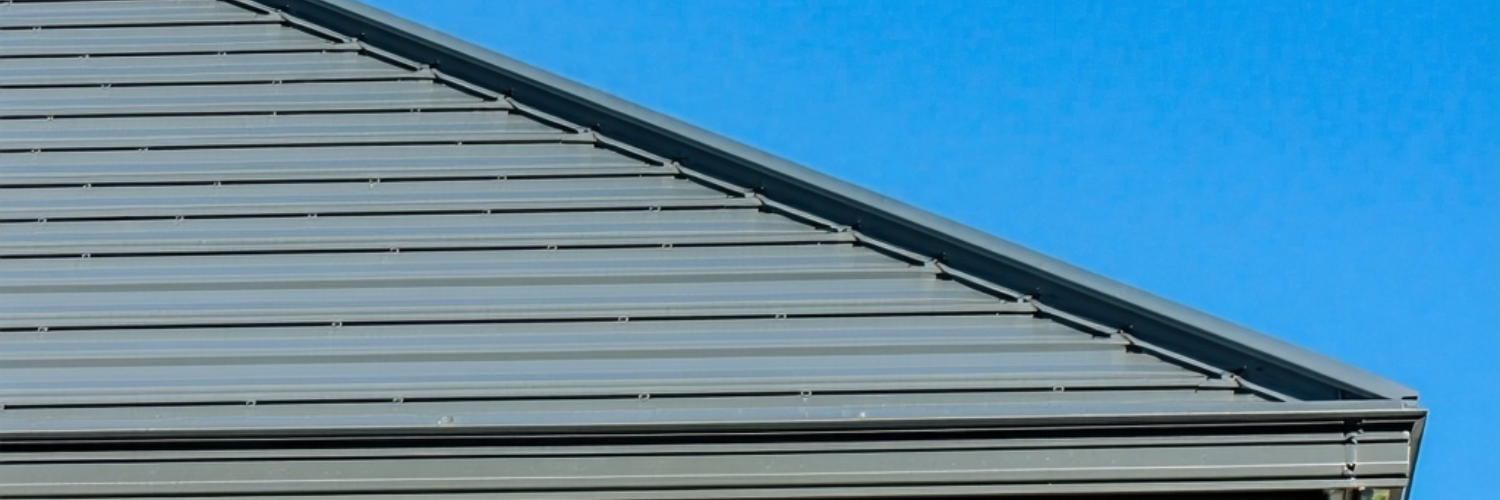
Standing seam metal roofs, in particular, perform exceptionally well under desert conditions.
Radiant Barriers: An Extra Layer of Protection
Radiant barriers installed in attics:
- Reflect heat away from living spaces. By reflecting heat, radiant barriers can significantly reduce cooling costs, making homes more energy efficient in hot desert climates.
- Reduce attic temperatures
- Lower stress on shingles and underlayment
While not a replacement for proper roofing materials, radiant barriers can significantly improve overall roof system performance in the desert.
Maintenance Tips to Slow Desert Shingle Damage
While you can’t stop the sun, you can slow the damage. Regular maintenance is essential to prolong your roof’s life and address potential issues before they escalate.
Desert Roof Maintenance Best Practices
- Schedule annual roof inspections
- Keep gutters clear to monitor granule loss
- Ensure attic ventilation is balanced
- Address small cracks early
- Avoid walking on brittle shingles
These steps won’t make shingles last forever—but they can extend usable life.
Why Professional Desert Roof Inspections Matter
Desert shingle damage often requires a trained eye to identify.
A comprehensive inspection can uncover hidden problems and help address potential issues before they become serious.
At Reimagine Roofing, our inspections include:
- Flexibility testing
- Granule loss assessment
- UV degradation evaluation
- Ventilation analysis
- Underlayment risk review
We don’t just tell you what is wrong—we explain why it’s happening and what makes sense next.
The Cost of Waiting Too Long
Delaying action can lead to:
- Decking replacement
- Mold growth
- Interior ceiling damage
- Insulation replacement
- Higher overall replacement costs
Waiting too long to address cracked shingles can result in water damage, structural damage, and further damage to your home, especially after desert storms or heavy rainfall.
In desert climates, roofs rarely fail gracefully—they fail suddenly.
Final Thoughts: Desert Sun Is Relentless—Your Roof Shouldn’t Be
Shingle cracking in the desert isn’t a mystery. It’s the predictable result of:
- Extreme UV exposure
- Daily thermal cycling
- Dry air
- Inadequate ventilation
- Materials pushed beyond their design limits
Understanding these forces empowers homeowners to make smarter decisions—before small cracks turn into major expenses.
Schedule Your FREE Desert Roof Inspection
If your roof is exposed to intense heat and sun, guessing can be expensive.
👉 Get a FREE Roof Inspection from Reimagine Roofing
We’ll assess UV damage, shingle flexibility, ventilation, and overall roof health—honestly and clearly.
- No pressure
- No obligation
- Desert-specific expertise
- Fast quotes and estimates—often in under 24 hours
Reimagine a roof built for the desert—not one fighting against it.
Popular Posts