What to Ask Your Roofing Contractor
What to Ask Your Roofing Contractor
What to Ask Your Roofing Contractor: 5 Questions for Homeowners in AZ, NM, NJ, UT & FL
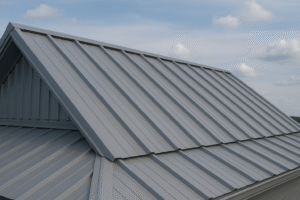
When it comes to your roof, every decision counts. The right roofing contract with a good contractor can mean decades of reliable protection, lower energy bills, and peace of mind. The wrong one? Costly repairs, poor workmanship, and endless headaches.
Before making any decisions, spend time thoroughly evaluating your roof and researching contractor options to ensure you identify potential issues and choose the best fit for your needs.
If you live in Arizona, New Mexico, New Jersey, Utah, or Florida, you already know how climate extremes—from blazing desert heat to hurricane winds and heavy snow—can test even the strongest roof. That’s why knowing what to ask your roofing contractor is crucial before signing anything.
At Reimagine Roofing, we believe every homeowner deserves transparency, quality, and lasting value. Below are the five most important questions to ask any roofing contractor, plus region-specific checklists so you can make confident, informed decisions for your home.
1. Are You Licensed, Insured, and Familiar with My State’s Roofing Codes?
The first question you should always ask is about credentials and compliance. Every state has unique building codes, safety requirements, and roofing regulations, and not every credential or requirement is necessarily the same in every state—so be sure to check your local regulations. A reputable contractor should be fully licensed, insured, and experienced in your area’s specific conditions.
Why It Matters
Licensing ensures your contractor has passed state standards for safety, workmanship, and ethics. Insurance protects you from liability in case of on-site injuries or accidental damage.
But beyond paperwork, local expertise matters most—because a roof in Phoenix faces very different challenges than one in Miami or Newark.
Regional Checklist
Arizona (AZ)
☑ ROC license with roofing classification
☑ Familiar with Maricopa County energy codes
☑ Expertise in reflective and cool roof systems for desert climates
☑ Experience handling expansion/contraction in extreme heat
New Mexico (NM)
☑ GB-98 or GS-21 roofing license
☑ Knowledge of monsoon drainage and flat roof systems common in Albuquerque and Santa Fe
☑ Adept at wind uplift protection and UV-resistant materials
New Jersey (NJ)
☑ Valid NJ Home Improvement Contractor (HIC) registration
☑ Understanding of snow load codes and attic ventilation requirements
☑ Ensure proper chimney cricket installation behind the chimney to prevent water accumulation and support attic ventilation
☑ Knowledge of coastal wind ratings in areas like Atlantic County
Utah (UT)
☑ S210 Roofing Contractor license
☑ Awareness of local snow and ice dam prevention codes
☑ Familiar with roofing insulation requirements for energy efficiency in cold climates
Florida (FL)
☑ Certified Roofing Contractor license (CCC) or Registered Roofing Contractor license (CRC)
☑ Compliance with Florida Building Code (FBC) for hurricane wind uplift
☑ Proficiency in waterproofing and underlayment systems for humid climates
2. What Roofing Materials Do You Recommend for My Region—and Why?
Different materials thrive under different conditions. Your contractor should recommend products suited to your climate, budget, and long-term energy goals—not just whatever’s in stock.
Use your curiosity to ask follow-up questions about why certain materials are recommended and how they will perform in your specific situation.
Why It Matters
A contractor’s material recommendations reveal their experience and integrity. They should explain why one material performs better than another where you live, backed by manufacturer warranties and regional performance data. Showing genuine interest in the contractor’s explanations can help you make more informed decisions.
Regional Insights
Arizona & New Mexico:
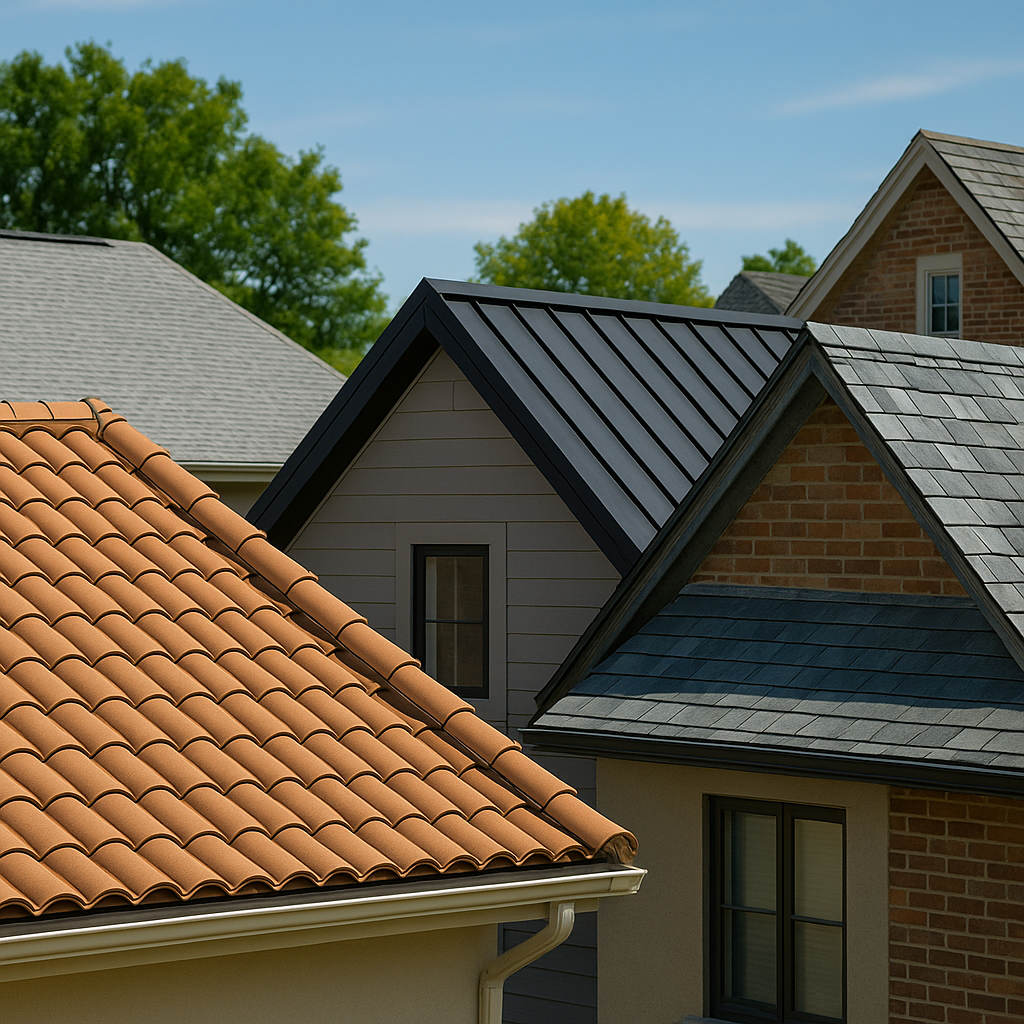
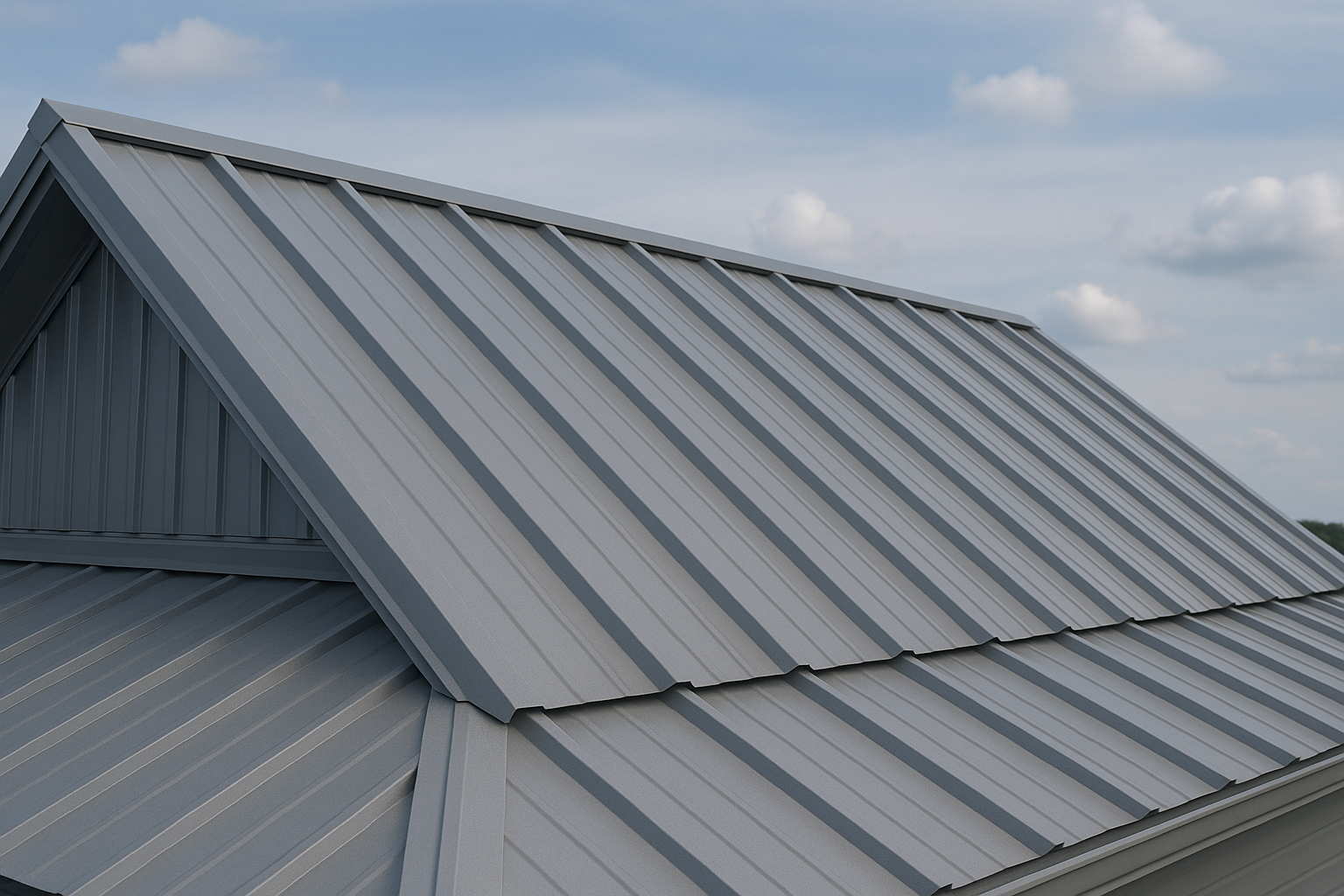
Metal, tile, and stone-coated steel roofs outperform traditional asphalt in high heat. Look for high solar reflectance and thermal emissivity (ENERGY STAR®-rated options). Ask about coatings that resist UV degradation and keep attics cooler.
New Jersey & Utah:
Architectural asphalt shingles or composite materials that handle freeze-thaw cycles, heavy snow, and strong winds are best. Ice-and-water barriers along eaves and valleys are essential to prevent damage.
Florida:
Metal roofs, clay tile, and high-wind-rated shingles are the go-to choices. Ensure materials meet Miami-Dade hurricane standards and resist salt corrosion if you live near the coast.
3. How Do You Handle Roof Inspections, Estimates, and Warranties?
A trustworthy roofer should offer transparent, detailed inspections and written estimates—not vague numbers scribbled on a piece of paper. During the inspection, it is important to identify and document any issues present on the roof, such as damage, debris, or other concerns. They should also explain your warranty options in plain language.
Why It Matters
You deserve to know what you’re paying for. A proper inspection is a key part of the contractor’s job, ensuring all issues—such as structural problems, ventilation concerns, and storm damage—are identified and addressed before any work begins.
Homeowner Tip
Ask: “Is the warranty transferable?”
This can significantly increase your home’s resale value. Also, confirm whether workmanship coverage extends beyond manufacturer defects.
3. How Will You Protect My Home During the Roofing Process?
Roof replacement or repair can be messy. Shingles, nails, and debris can damage landscaping, siding, or outdoor furniture. A professional contractor should have a clear protection and cleanup plan before the first nail is pulled.
Putting off proper protection or cleanup can result in unnecessary damage to your property.
Why It Matters
Preparation and cleanup speak volumes about a contractor’s professionalism. They should use magnetic nail sweepers, tarps, and waste management plans to leave your property spotless.
Regional Focus
In Arizona and New Mexico:
Monsoon dust storms can kick up debris mid-project. Ask how your contractor secures materials to prevent damage during sudden wind events.
In Utah and New Jersey:
Snow or cold-weather roofing? Request details on how they’ll keep your attic sealed during removal, and how they’ll manage ice dam prevention.
In Florida:
Humidity and daily rain showers demand fast, weatherproof staging. Ensure your contractor has a contingency plan for storm delays.
4. What’s Your Track Record—And Can You Show Local References?
The best contractors are proud to showcase their work. Whether it’s photos, testimonials, or nearby roofs you can see in person, local references are proof of quality and reliability. Seeing references and examples of past work also gives you a strong first impression of the contractor’s reliability.
Why It Matters
A reputable roofer will happily share customer stories, online reviews, or case studies. Local experience also ensures they understand your region’s codes, climate, and homeowner expectations, helping you build a connection with the contractor and their work.
What to Look For
- Verified online reviews (Google, BBB, or GuildQuality)
- A photo gallery of completed roofs in your area
- Long-term service guarantees and maintenance support
Reimagine Roofing Difference
We’re not just another roofing company — we’re a nationwide team with local expertise in every service area.
- In Arizona & New Mexico, we specialize in reflective and energy-efficient systems designed for desert living.
- In New Jersey, we help homeowners upgrade from outdated asphalt to high-performance, snow-rated materials.
- In Utah, we focus on durable roofing that stands up to freeze-thaw cycles.
- In Florida, we deliver hurricane-rated, corrosion-resistant solutions that meet or exceed the latest building codes.
Every Reimagine Roofing project includes a dedicated project manager who keeps you updated from inspection to cleanup—so you never have to wonder what’s happening on your roof.
We encourage homeowners to ask questions and stay engaged throughout the roofing process to ensure the best results.
Red Flags to Watch Out For
When it comes to hiring a roofing contractor, being alert to red flags can save you from costly mistakes and unnecessary stress. One of the biggest warning signs is a contractor who cannot provide proof of proper licensing and insurance. Without these essentials, homeowners risk financial instability if an accident or damage occurs during the project. Another red flag is a demand for large upfront payments or vague, shifting pricing—these can be signs of a scam rather than a commitment to quality roofing.
Be cautious if a contractor uses high-pressure sales tactics or tries to rush you into a decision. A reputable roofing contractor will take the time to answer your questions, explain the process, and make sure you feel comfortable before moving forward. Quality contractors understand that a roof replacement is a significant investment and will prioritize your peace of mind, not just closing a quick sale.
Ultimately, trust your instincts. If something feels off or you notice a sign that doesn’t sit right, don’t ignore it. Protecting your home starts with choosing a contractor who values transparency, quality, and your satisfaction throughout the entire roofing project.
Warning Signs When Choosing a Contractor
Choosing the right roofing contractor means paying attention to the details—and the warning signs that something might not be right. If a contractor is vague about the materials they use or avoids discussing their workmanship standards, it’s a key sign they may not deliver the quality you expect. Another red flag is reluctance to provide references or examples of past projects. Most homeowners find peace of mind in seeing a contractor’s previous work and hearing from satisfied customers, so a lack of transparency here should raise concerns.
Certification and accreditation matter, too. Contractors who aren’t properly certified or who can’t show proof of industry credentials may not be up to date on the latest roofing standards or best practices. A trustworthy roofing contractor will be proud to share their qualifications and provide clear, confident answers to your questions about their experience and the roofing industry.
By staying alert to these signs, you can avoid costly mistakes and ensure your roof is in the hands of a contractor who stands behind their workmanship and reputation.
How to Protect Yourself
Protecting yourself during a roof replacement or repair starts with doing your homework. Ask friends, family, or neighbors for recommendations—personal referrals are often the best way to find a roofing contractor you can trust. Take time to read online reviews and check ratings to get a sense of a contractor’s reputation and the quality of their past projects.
Always verify that your contractor is fully licensed and insured, and don’t hesitate to ask for documentation. Inquire about their workmanship warranty and what it covers, so you know exactly what to expect if any issues arise after the project is complete. A reputable roofing contractor will provide clear, detailed answers and make sure you feel confident every step of the way.
Open communication is key—don’t be afraid to ask questions or request clarification on any part of the process. If you’re ever unsure, seeking a second opinion can provide valuable perspective and peace of mind. By taking these steps, you’ll be well-equipped to choose a contractor who delivers quality results and stands behind their work, ensuring your new roof protects your home for years to come.
Regional Homeowner Checklists
Below are concise, climate-tailored checklists designed to help guide your conversation with roofing contractors in your state, ensuring engaging and meaningful interactions.
Arizona (AZ)
- Verify ROC license and insurance coverage
- Ask about cool-roof coatings and reflective underlayments
- Discuss expansion joint solutions for extreme heat
- Ensure attic ventilation to reduce trapped heat
- Schedule work outside peak summer months if possible
- Request a Free Roof Inspection + Fast Quote
New Mexico (NM)
- Confirm GB-98/GS-21 license
- Ask how they manage monsoon drainage and roof slope
- Ensure roofing materials resist UV degradation
- Check flashing and waterproofing on flat roofs
- Inquire about wind-uplift ratings (especially in open desert areas)
- Book a Free Roof Inspection + Quote in 24 Hrs
New Jersey (NJ)
- Verify HIC registration and insurance
- Ask for snow load compliance data
- Confirm attic insulation and ventilation specs
- Request impact-resistant shingles for hail and coastal winds
- Ask about ice and water shield layers under shingles
- Schedule your Free Inspection Before Winter
Utah (UT)
- Confirm S210 Roofing Contractor license
- Ask about snow guard systems and roof pitch recommendations
- Discuss attic ventilation and ice dam prevention
- Ensure materials are rated for freeze-thaw cycles
- Request a post-installation inspection during winter conditions
- Get a Free Roof Inspection & Quote
Florida (FL)
- Verify CCC/CRC license under Florida Building Code
- Confirm compliance with hurricane and wind uplift codes
- Ask about corrosion-resistant fasteners and flashing
- Ensure proper waterproof underlayment and ventilation
- Request wind mitigation documentation for insurance discounts
- Schedule your Free Roof Inspection Before Hurricane Season
Bonus Question: How Fast Can You Get Started?
Roofing emergencies can’t wait. Whether it’s a leak after a storm or visible damage after hail, time is money—and safety. A professional roofing company should be able to inspect, quote, and begin work quickly. Acting at the right moment is crucial to prevent further damage and ensure your home stays protected.
At Reimagine Roofing, we make it simple:
Fast Turnaround – Most inspections and quotes delivered within 24 hours.
Easy Scheduling – Flexible slots to fit your calendar.
Certified Crews – Trained professionals who complete most residential projects within days, not weeks.
Why Choosing the Right Roofing Contractor Matters
Your roof isn’t just shingles—it’s your first defense against the elements, a key part of your home’s energy system, and a major financial investment. Poor workmanship or wrong material choices can lead to:
- Early roof failure
- High energy bills
- Insurance claim denials
- Water damage and mold
- Reduced property value
But when you ask the right questions and choose a trusted, certified partner like Reimagine Roofing, you’re investing in long-term savings, safety, and peace of mind. Making the right roofing decisions not only protects your home but also improves your quality of life.
Be an Informed Homeowner
Roof replacements and repairs are major decisions—but they don’t have to be stressful. Asking these five questions ensures your contractor is transparent, qualified, and ready to deliver lasting value for your climate and budget.
Taking the time to ask the right questions can create trust and a stronger relationship with your contractor, leading to better communication and results.
Whether you’re facing desert sun, monsoon rain, snow, or hurricanes, your roof deserves the best protection possible.
At Reimagine Roofing, we’re here to make that happen — starting with a free inspection and a fast, transparent quote in under 24 hours.
Ready to protect your home?
Schedule your FREE roof inspection today and receive a fast, detailed quote in under 24 hours.
Let Reimagine Roofing help you build a stronger, smarter, more efficient roof — wherever you call home: AZ, NM, NJ, UT, or FL.
Popular Posts