Roof Upgrades to Reduce Wind Damage in Florida and Texas

Roof Upgrades to Reduce Wind Damage in Florida and Texas
If you own a home in Florida or Texas, wind is not an “if” — it’s a when. These are regions prone to hurricanes and severe wind events.
From hurricanes and tropical storms to severe thunderstorms, derechos, and straight-line winds, these states experience some of the most destructive wind events in the country. And while many homeowners focus on storm shutters or impact windows, the roof remains the most vulnerable part of the home.
At Reimagine Roofing, we inspect thousands of roofs across high-wind regions, and one truth is consistent:
Most wind damage is preventable with the right roof upgrades.
In this guide, we’ll break down:
- How wind actually damages roofs in FL and TX
- Why many roofs fail even when shingles are “rated” for high winds
- The most effective roof upgrades that reduce wind damage
- Florida- and Texas-specific building code considerations
- Insurance-friendly improvements that can save money long-term
- When repairs are enough—and when upgrades are critical
If you want to protect your home, reduce storm risk, and avoid costly emergency repairs, this article is for you.
Why Florida and Texas Are High-Risk Wind Zones
Florida and Texas aren’t just windy — they experience different types of wind threats, each with unique risks.
- Hurricanes: These storms bring sustained high winds and gusts that can exceed 150 mph, especially along the coast.
- Tornadoes: While less frequent than hurricanes, tornadoes can cause intense, localized wind damage.
- Thunderstorms: Severe thunderstorms can produce damaging straight-line winds and microbursts.
Southern Florida, in particular, is subject to some of the strictest wind resistance standards due to its high exposure to hurricane-force winds.
Florida Wind Risks
- Hurricanes & tropical storms
- Sustained high winds (not just gusts)
- Wind-driven rain
- Coastal pressure zones
- Rapid pressure changes
Texas Wind Risks
- Hurricanes along the Gulf Coast
- Severe thunderstorms & microbursts
- Straight-line winds exceeding 70–90 mph
- Tornado-adjacent wind fields
- Large geographic exposure zones
In both states, wind doesn’t just blow against roofs — it pulls them upward.
How Wind Actually Damages a Roof (And Why Shingles Blow Off)
Most homeowners think wind damage starts when shingles rip off.
In reality, wind damage usually begins long before that happens.
When wind blows over a roof, it interacts with the structure in several ways:
- It creates pressure differences on the roof surface.
- It can cause uplift forces that try to pull roofing materials away.
- It may drive rain and debris under shingles or tiles.
As wind moves over a roof, it creates negative pressure (suction) on the surface, which is a key factor in wind uplift. This negative pressure can lift roofing materials if they are not properly secured.
Uplift occurs because temperature and pressure differences in the earth’s atmosphere drive wind behavior, which in turn affects how wind interacts with roofs. These atmospheric conditions influence wind flow patterns and the resulting forces on roofing systems.
If a shingle or tile is loose, the uplift force can break the seal or fastener. Once one piece fails, the wind can get underneath and start peeling away more materials, leading to a chain reaction of damage. Uplift pressure varies in varying degrees across the roof, with the strongest forces at the corners and edges. Wind uplift forces are highest at the corners and edges of a roof, where wind pressure is most intense.
Wind Creates Uplift, Not Just Pressure
As wind moves over a roof:
- Air pressure above the roof decreases
- Pressure inside the attic remains higher
- This creates uplift, trying to peel the roof upward
Once a single edge or shingle lifts:
- Wind gets underneath
- Adhesive seals break
- Fasteners loosen
- Failure spreads rapidly
That’s why wind damage often appears sudden, even though the roof was weakening for years.
The #1 Mistake Homeowners Make About Wind Resistance
Here’s the biggest misconception we hear:
“My shingles are rated for 130 mph winds, so I’m protected.”
Shingle ratings only apply when the entire roofing system is installed correctly.
Wind resistance depends on:
- Fasteners
- Underlayment
- Edge protection
- Starter strips
- Decking attachment
- Ventilation balance
Proper installation methods are just as important as the materials themselves—installation methods, including correct fastening techniques and use of accessories, directly impact wind resistance. Improper installation can significantly reduce a roof’s performance in high-wind events, leading to potential failures.
Miss one of these, and the rating means very little.
Roof Upgrade #1: Enhanced Fastening Systems
Why Fasteners Matter More Than Shingle Brand
Shingles don’t fail first — fasteners do.
In high winds:
- Nails pull out of decking
- Staples tear through shingles
- Improper spacing reduces holding power
In FL and TX, proper fastening is non-negotiable.
High-Wind Fastener Upgrades That Matter
Effective wind-resistant roofs use:
- Ring-shank or high-grip nails
- Correct nail length to penetrate decking
- Increased nail count per shingle
- Precise nail placement in reinforced zones
Many older roofs were installed with:
- Staples (now banned in many areas)
- Too few nails
- Nails driven too high or too low
Upgrading fasteners dramatically improves wind resistance.
Roof Upgrade #2: High-Performance Underlayment
Underlayment is your roof’s second line of defense — and during wind events, it often becomes the first.
Why Standard Felt Underlayment Fails in Wind
Traditional felt:
- Tears easily during uplift
- Absorbs moisture
- Degrades quickly in heat
- Offers minimal wind protection
When shingles lift or blow off, felt often fails immediately.
Synthetic Underlayment: A Major Wind Upgrade
Modern synthetic underlayments:
- Resist tearing during uplift
- Stay flexible in heat and humidity
- Maintain water resistance
- Provide temporary protection if shingles fail
In both FL and TX, synthetic underlayment is one of the most important wind-damage upgrades.
Self-Adhered (Peel-and-Stick) Underlayment Zones
In high-risk areas, self-adhered underlayment:
- Bonds directly to decking
- Seals around fasteners
- Prevents wind-driven rain intrusion
Common applications include:
- Eaves
- Valleys
- Roof edges
- Low-slope sections
This upgrade alone can prevent catastrophic water damage during storms.
Roof Upgrade #3: Reinforced Roof Edges (Critical)
If one part of the roof fails first during wind storms, it’s the edges. The roof edge is a critical area for wind uplift resistance, as wind forces are typically strongest here and can compromise the entire roofing system if not properly reinforced.
Why Roof Edges Fail First
- Wind accelerates at corners and eaves
- Pressure differences are strongest at edges
- Poorly secured edges lift easily
Once an edge lifts, wind can peel the roof back like a zipper.
Drip Edge: Small Component, Huge Impact
Proper drip edge:
- Secures roof perimeter
- Prevents wind from getting underneath shingles
- Protects decking from moisture
- Reduces uplift pressure
In FL and TX, modern codes require:
- Thicker metal drip edge
- Correct overlap
- Proper fastening patterns
Many older homes have no drip edge at all.
Starter Strips: The First Row That Matters Most
Starter strips:
- Provide enhanced adhesive sealing
- Anchor the first course of shingles
- Reduce edge uplift
Using cut shingles instead of true starter strips is one of the most common wind-failure shortcuts we see.
Roof Upgrade #4: Wind-Rated Shingles (When Installed Correctly)
Not all shingles are created equal. When choosing wind-resistant shingles, look for products that are specifically tested and rated for high wind performance. Steep slope roofing products, such as asphalt shingles, are tested to resist uplift using standards like ASTM D3161 and D7158. Sealed asphalt shingles are classified based on their ability to resist uplift forces, which is important for warranties and compliance with local building codes. A shingle’s ability to resist uplift is determined by its design and installation quality. Asphalt shingles can be rated for wind resistance up to 150 mph under ASTM D7158. The quality and installation of asphalt shingles significantly affect their wind resistance performance.
What to Look for in Wind-Resistant Shingles
- ASTM wind ratings
- Reinforced nail zones
- Strong adhesive sealant strips
- Manufacturer wind warranties
However, even the best shingles fail without proper installation.
Florida & Texas Code Considerations
- Florida Building Code (FBC) has some of the strictest wind standards in the U.S.
- Texas varies by region but often adopts enhanced fastening in coastal and high-risk zones
Roof upgrades that meet or exceed local codes:
- Perform better in storms
- Are easier to insure
- Add resale value
Roof Upgrade #5: Ridge Caps & Vent Reinforcement
Wind doesn’t only attack edges — it targets high points.
Why Ridge Caps Matter in High Winds
Loose ridge caps:
- Allow wind-driven rain inside
- Become airborne debris
- Compromise ventilation systems
High-wind upgrades include:
- Proper ridge cap type
- Increased fastener count
- Manufacturer-approved sealants
This is a small upgrade with big impact.
Roof Upgrade #6: Decking Attachment & Structural Improvements
Even perfect shingles can’t save a roof if the decking is loose. Wood decking is a fundamental part of the roof’s structure and must be properly secured.
When upgrading, use ring-shank nails or screws to fasten the decking more securely to the rafters or trusses. After securing the decking, hurricane straps and clips tie roof trusses directly to wall frames, significantly reducing the risk of roof lift during storms. Hurricane straps and metal connectors also create a continuous load path that helps transfer wind forces down through the structure, preventing uplift damage during high wind events.
Decking Matters Because:
- Fasteners rely on decking grip
- Loose decking reduces wind resistance
- Older homes may have inadequate attachment
During upgrades, decking should be:
- Properly nailed to framing
- Re-secured where needed
- Replaced if damaged or thin
This is especially important in older FL and TX homes.
Bonus Upgrade: Metal Roofing for Wind Resistance
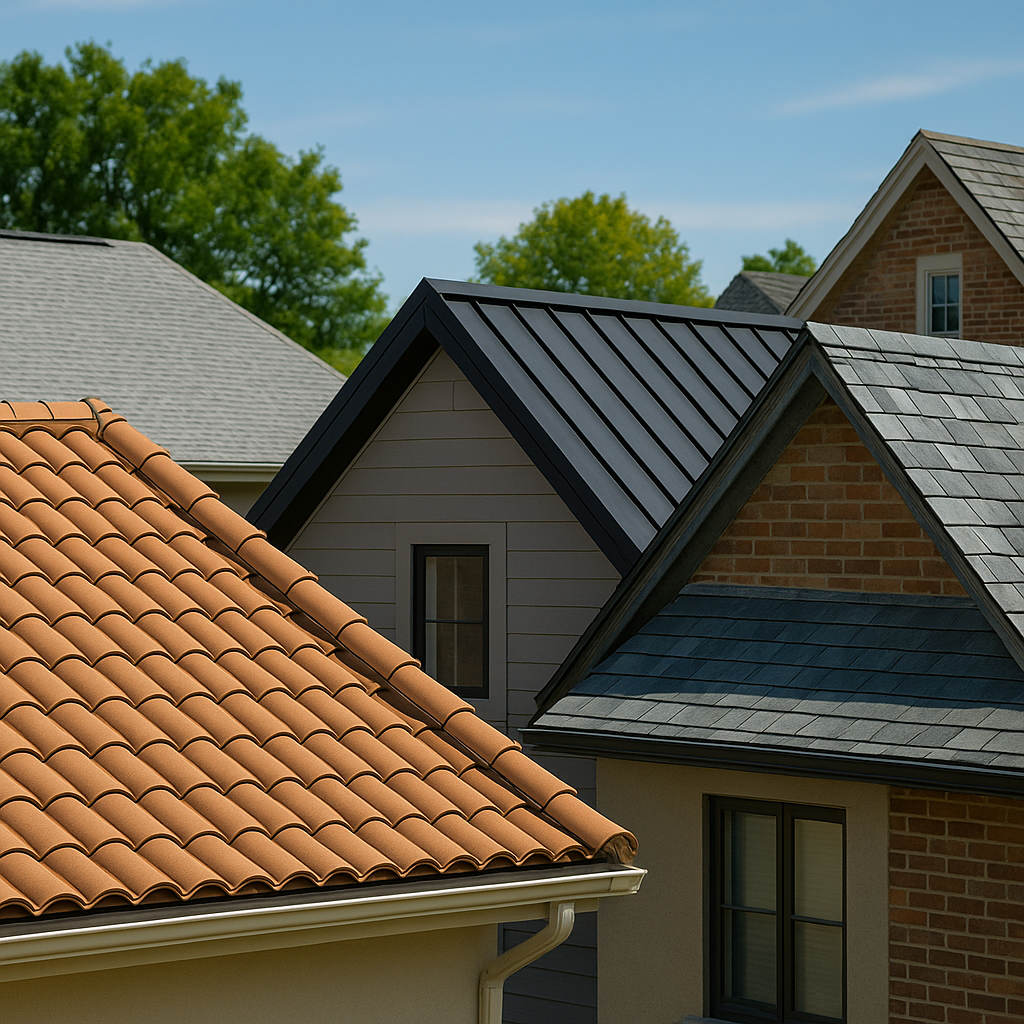
Metal roofing performs exceptionally well in high-wind regions. Metal panels and roof panels are specifically designed to withstand high wind conditions and resist wind-borne debris. Metal roofing stands up to extreme weather, including hurricanes and high wind conditions, due to its durable construction and secure attachment methods. Properly installed metal roofing systems can withstand wind speeds of up to 140 mph, and many standard systems are designed for this level of performance. Some specialized metal roofing systems are rated to withstand winds of up to 180 mph or more, and properly designed and installed metal roofs can be engineered to resist wind speeds exceeding 160 mph. Standing seam metal roofing has an advantage over other roof types because it can be engineered to withstand almost any force imposed by wind. While no roof is truly hurricane proof, metal roofing offers superior wind resistance and is often the best choice for regions prone to hurricanes. Metal roofing systems are engineered to withstand winds and provide reliable protection in high wind conditions.
Why Metal Roofs Reduce Wind Damage
- Interlocking panels
- Fewer exposed fasteners
- High wind ratings (often 140–180 mph)
- Excellent uplift resistance
Standing seam metal roofs are especially effective in:
- Coastal Florida
- Gulf Coast Texas
- Open, high-wind regions
While higher upfront, metal roofs offer unmatched storm durability.
Understanding Wind Load Resistance Testing
When it comes to protecting your home from wind damage in Florida and Texas, understanding wind load resistance testing is essential. This process evaluates how well roofing materials and systems can withstand the powerful wind speeds, uplift forces, and wind-driven rain that are common in hurricane-prone areas. Wind load resistance testing helps ensure that your roof isn’t just built to look good—it’s built to stand up to the real-world wind conditions that can threaten your home during severe storms. By knowing how these tests work and what the results mean, homeowners can make smarter choices that boost their roof’s wind resistance and long-term durability.
How Roof Products Are Tested and Rated for Wind
Roofing products like metal roofing, asphalt shingles, and concrete tiles undergo rigorous testing to determine their ability to resist wind uplift and other wind-related stresses. Two of the most common methods are the fan-induced method (ASTM D3161) and the uplift resistance method (ASTM D7158). These tests simulate high wind events by exposing roofing systems to controlled wind forces, measuring how well they withstand uplift pressure and wind-driven rain. For example, the fan-induced method uses powerful fans to create varying wind speeds, while the uplift resistance method evaluates how much force is needed to lift roofing materials from the roof deck.
The results of these tests are used to assign wind resistance ratings to roofing products. Higher ratings mean the product offers superior wind resistance and is better suited for high wind areas. Metal roofing systems, for instance, are often rated to withstand wind speeds of 140 mph or more, making them a top choice for regions that regularly face hurricane force winds. Asphalt shingles and concrete tiles are also tested for their ability to resist wind uplift and wind-driven rain, ensuring that homeowners have options that meet the demands of local wind conditions. By choosing roofing systems that have passed these standard test methods, you can be confident your roof is built to resist the wind forces that matter most.
What Homeowners Should Look for in Ratings
When selecting a new roof or upgrading your current one, it’s important to look beyond just the brand name—focus on the wind resistance ratings and the features that contribute to a stronger, longer-lasting roof. Start by checking the product’s wind resistance rating, which should be clearly listed on the label or in the manufacturer’s documentation. Look for products that have been tested to withstand high winds, and pay attention to features like a sealed roof deck, impact rated shingles, and the use of ring shank nails for a stronger sealant bond.
Installation quality is just as important as the product itself. Make sure your roofing contractor follows local building codes, uses hurricane straps where required, and installs a secondary water barrier to protect against wind-driven rain and wind-borne debris. A properly installed, sealed roof deck can make a significant difference in your roof’s ability to withstand high wind events. By prioritizing these features and ensuring your roof is installed to the highest standards, you’ll be better prepared for whatever wind conditions come your way—whether it’s a severe storm or sustained winds that test every part of your roofing system.
Insurance Benefits of Wind-Resistant Roof Upgrades
Many wind-resistant upgrades can:
- Reduce insurance premiums
- Improve claim outcomes
- Prevent non-renewals
- Qualify for wind mitigation credits (especially in FL)
Insurance companies look favorably on:
- Enhanced fastening
- Proper underlayment
- Code-compliant edge protection
A stronger roof is often cheaper to insure.
Repair vs Upgrade: What Makes Sense?
Repairs May Be Enough If:
- Damage is localized
- Roof is relatively new
- Fasteners and underlayment are intact
Upgrades Are Smarter When:
- Roof has seen multiple storms
- Edges or fasteners are failing
- Insurance issues are emerging
- Roof is nearing mid-life
Upgrading before the next storm is always cheaper than emergency repairs after it.
Why Reimagine Roofing Takes a Wind-System Approach
At Reimagine Roofing, we don’t just replace shingles.
We:
- Evaluate wind exposure by location
- Inspect fasteners, decking, and edges
- Upgrade weak points
- Follow or exceed FL and TX wind codes
- Build complete wind-resistant systems
We follow installation best practices to ensure maximum wind resistance, including proper fastening and integration of roof components. The design of a roof, including its pitch and shape, influences its susceptibility to wind uplift, so we assess these factors during every project. Additionally, the number of purlins installed on a building impacts the overall strength of the roof and controls the allowable attachment points, which we consider in our upgrades.
Our goal is simple: keep your roof on your house when the wind shows up.
Wind Damage Is Predictable—and Preventable
Wind damage doesn’t happen randomly.
When a roof lacks adequate wind resistance, it can suffer significant roof damage, including torn shingles, leaks, and compromised structural integrity. The roof must be strong enough to withstand the maximum uplift design forces determined for the building. Wind speeds exceeding 100 mph can create uplift forces strong enough to strip inadequately fastened roofing materials in minutes.
It happens when:
- Roof systems aren’t designed for uplift
- Edges are weak
- Fasteners fail
- Underlayment can’t hold
The good news? The right roof upgrades dramatically reduce wind damage risk in Florida and Texas.
Schedule Your FREE Wind-Resistant Roof Inspection
If your home is in Florida or Texas, don’t wait for the next storm to test your roof.
👉 Get a FREE Roof Inspection from Reimagine Roofing
- We’ll assess wind resistance, identify weak points, and explain which upgrades make sense for your home.
- No pressure
- No obligation
- Wind-zone expertise
- Fast quotes and estimates—often in under 24 hours
Reimagine a roof built to stand up to Florida and Texas winds.
Popular Posts