Coastal vs. Inland Roof Wear: Why Your County Changes Your Best Roof Choice
Coastal vs. Inland Roof Wear: Why Your County Changes Your Best Roof Choice
Coastal vs. Inland Roof Wear: Why Your County Changes Your Best Roof Choice
A Delaware & Maryland Homeowner Guide from Reimagine Roofing
Same State, Totally Different Roof Problems
If you live in Delaware or Maryland, you’ve probably noticed something interesting:
Homes that are only an hour apart can have completely different roofing needs.
A house in Rehoboth Beach doesn’t age the same way as a house in Middletown.
A roof in Ocean City faces different threats than one in Frederick.
Even within Maryland’s Eastern Shore, roof wear in a coastal county can look nothing like wear in an inland one.
Why?
Because your roof doesn’t age based on your state.
It ages based on your microclimate — and in DE and MD, the biggest dividing line is:
Coastal vs. inland exposure.
That split changes everything:
- How fast shingles break down
- Which materials last the longest
- How likely you are to see leaks
- What kind of maintenance matters most
- How often you’ll need repairs or replacement
- What insurance risks you face during storms
This blog is a complete homeowner guide to understanding how location affects roof wear in Delaware and Maryland — and how to choose the right roof for your county, not just your zip code.
We’ll cover:
- What “coastal roof wear” really means
- Why inland roofs fail differently
- The biggest roof threats by county type
- Which materials perform best near the coast vs farther inland
- How to tell if your roof is fading faster because of location
- Smart upgrades that extend roof life in each climate
- A county-by-county decision framework
- How Reimagine Roofing helps DE/MD homeowners build roofs for their exact environment
Let’s get into it.
Coastal vs. Inland — What’s the Difference for Your Roof?
“Coastal vs. inland” isn’t just a vibe. It’s a set of specific conditions that change how your roof is attacked year-round.
Coastal roof environment includes:
- Salt air and salt spray
- Higher humidity
- Steeper wind gusts
- More frequent driving rain
- Greater storm surge / hurricane influence
- Faster temperature cycling due to ocean breezes
- More mold, algae, and moisture retention
Inland roof environment includes:
- Less salt and corrosion risk
- More stable humidity levels
- Hotter summer heat (especially urban inland pockets)
- Freeze–thaw cycles that can be harsher in winter
- More tree cover and debris
- Slower algae growth but more moss in shaded areas
- Lower hurricane wind severity (though still real)
So you’re not choosing between “coastal roof” and “inland roof” as a style.
You’re choosing based on different physics, chemistry, and storm patterns.
What Coastal Air Does to a Roof
Living near the coast is amazing.
But salt air is brutal on homes.
1. Salt accelerates material breakdown
Salt particles settle into roofing surfaces and hold moisture longer. For shingles, that means:
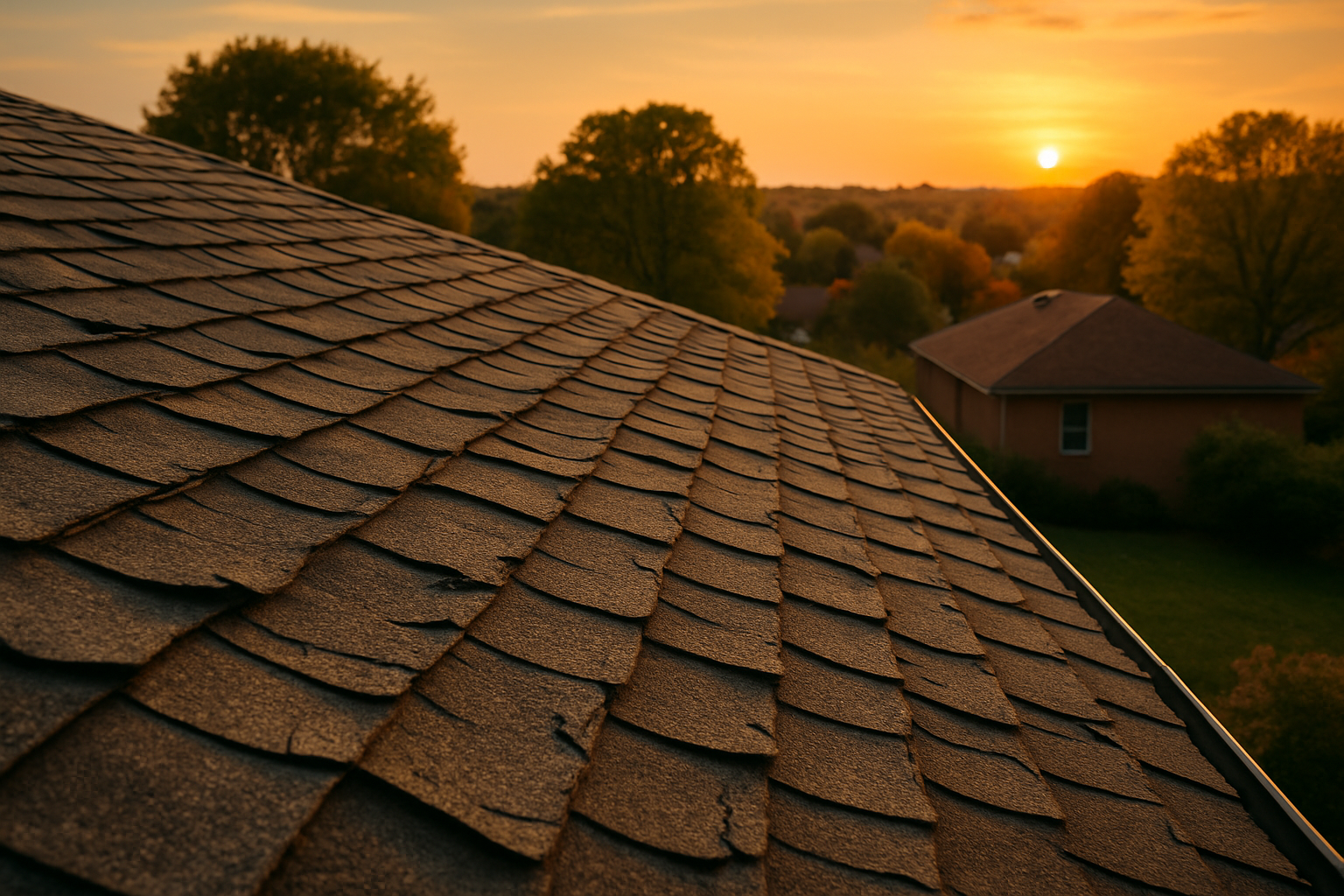
- faster granule erosion
- more brittle asphalt
- quicker UV breakdown
- earlier cracking
Prolonged salt exposure can cause the protective capacity of the roofing system to be lost, making it more vulnerable to severe damage.
Salt is also corrosive to anything metal:
- flashing
- fasteners/nails
- vents
- gutters
- skylight frames
Even “galvanized” metals corrode faster in brackish air.
2. Humidity slows drying
Near the ocean and bays, the roof doesn’t dry out as fast after rain, morning dew, or storms.
That leads to:
- algae staining
- organic growth
- trapped moisture under shingles
- faster underlayment wear
- increased leak risk over time
In some coastal areas, foam roof coatings are used to provide extra moisture protection and help prevent trapped water under shingles.
3. Wind-driven rain finds weaknesses
Coastal storms don’t just drop rain — they push it sideways.
That tests:
- shingle seal strips
- flashing edges
- penetrations (vents, pipe boots, skylights)
- ridge lines
- valleys
Tiny gaps inland might be fine.
At the coast, they become leaks fast.
4. Hurricanes and Nor’easters hit hardest
Even if a hurricane doesn’t make landfall right on your town, coastal counties still take the strongest wind bands and moisture loads.
That means:
- more shingle lift
- higher blow-off risk
- more hidden structural stress
All year long, your roof is basically being “pre-weakened” by salt + humidity, then tested by wind events.
What Inland Conditions Do to a Roof
Inland Delaware and Maryland roofs don’t get the salt assault — but they face their own serious threats.
1. Bigger heat swings
Inland areas like Newark, Dover, Middletown, Wilmington suburbs, Baltimore County, Howard County, Frederick, and Montgomery County tend to see hotter daytime peaks and larger seasonal swings.
That causes:
- thermal expansion/contraction
- faster asphalt oxidation
- curling shingles
- seal strip fatigue
- attic overheating
2. Freeze–thaw can be more aggressive
Inland zones often stay colder longer in winter. Water gets into small gaps, freezes, expands, and forces materials apart.
That leads to:
- cracked shingles
- loose flashing
- valley leaks
- chimney leaks
- underlayment splitting
3. Trees bring debris + shade
In more wooded inland areas (think northern Maryland counties and inland DE neighborhoods), trees create:
- clogged gutters
- trapped moisture under leaves
- branches scraping shingles
- moss growth in shaded zones
This is a different kind of wear — slower than salt damage, but persistent.
4. Hail and thunderstorm patterns
Some inland areas experience stronger convective storms, meaning hail risk can be higher than in certain coastal strips.
Hail weakness shows up as:
- bruised shingles
- hidden micro-cracks
- granule loss in impact spots
- leaks months later
Coastal Delaware Counties — What Roofs Deal With Most
If you live in coastal DE, especially in locations like Rehoboth Beach, Lewes, Bethany Beach, and Fenwick Island, your roof is fighting:
- salt corrosion
- humid air
- algae + mildew
- wind-driven rain
- tropical weather remnants
Delaware coastal counties include:
- Sussex County coastal towns (Rehoboth Beach, Lewes, Bethany Beach, Fenwick Island)
- Kent County bayside communities (Bowers, Slaughter Beach area)
- New Castle County riverfront/coastal-influenced zones (Delaware City, areas closer to the Delaware Bay)
The coastal region spans from the northern riverfront areas of New Castle County down to the southern beach towns of Sussex County, highlighting the wide geographic breadth of coastal roofing challenges.
Key coastal takeaway:You need materials and installations that resist moisture and wind more than pure heat.
Inland Delaware Counties — Primary Roofing Threats
If you live inland DE, your roof is more impacted by:
- hot summers
- freeze–thaw cycles
- attic heat
- wind events without salt corrosion
- tree debris
Inland DE includes:
- Newark, Middletown, Bear, Dover, Milford (inland zones), Seaford, Georgetown inland areas
Key inland takeaway:
You need materials that handle thermal cycling and UV aging first.
Coastal Maryland Counties — How Roofing Wear Changes
Maryland’s coastline is vast and complex. Coastal roof wear can mean ocean air, bay air, or tidal river air.
Maryland coastal counties include:
Here is a comprehensive list of Maryland coastal counties, highlighting all major areas with coastal exposure:
- Worcester (Ocean City, coastal strip)
- Somerset and Dorchester (bay exposure)
- Talbot, Queen Anne’s, Kent, Caroline (Eastern Shore bayside exposure)
- Anne Arundel (Chesapeake Bay influence)
- Calvert, St. Mary’s, Charles (tidal and bay exposure)
- Baltimore County coastal edge zones near the bay
Coastal Maryland roofs see:
- salt + brackish air corrosion
- constant moisture exposure
- wind-driven rain from Bay storms
- hurricane remnants entering via the Delmarva corridor
Key coastal takeaway:Your roof must be built to stay sealed in wind and resist corrosion in every metal part of the system.
Inland Maryland Counties: Different Risk Stack
Inland Maryland experiences more:
- heat oxidation
- snow/ice loading (north/west MD)
- tree debris
- freeze–thaw roof stress
- hail pockets during spring/summer storms
This includes:
- Frederick, Montgomery, Howard, Carroll, Washington, Harford (inland zones), non-bayside Baltimore suburbs, Prince George’s inland areas
Roofing Materials That Perform Best — Coastal vs. Inland
Let’s talk choices.
When it comes to roofing, there is a variety of materials available to suit both coastal and inland environments. Choosing the right type from this variety is crucial for ensuring durability and performance in your specific location.
Best for Coastal Delaware & Maryland
You want materials that resist moisture + wind + corrosion.
Some modern roof coatings, such as SEBS rubber, are valued for their easy application and cleaning, making them a practical choice for coastal environments.
1. Architectural asphalt shingles with algae resistance
Look for shingles designed to resist:
- algae streaking
- moisture retention
- seal strip failure in wind
These are a major upgrade over basic shingles.
2. High-wind-rated shingles
Coastal specs matter. You want high wind ratings and installation patterns designed for uplift.
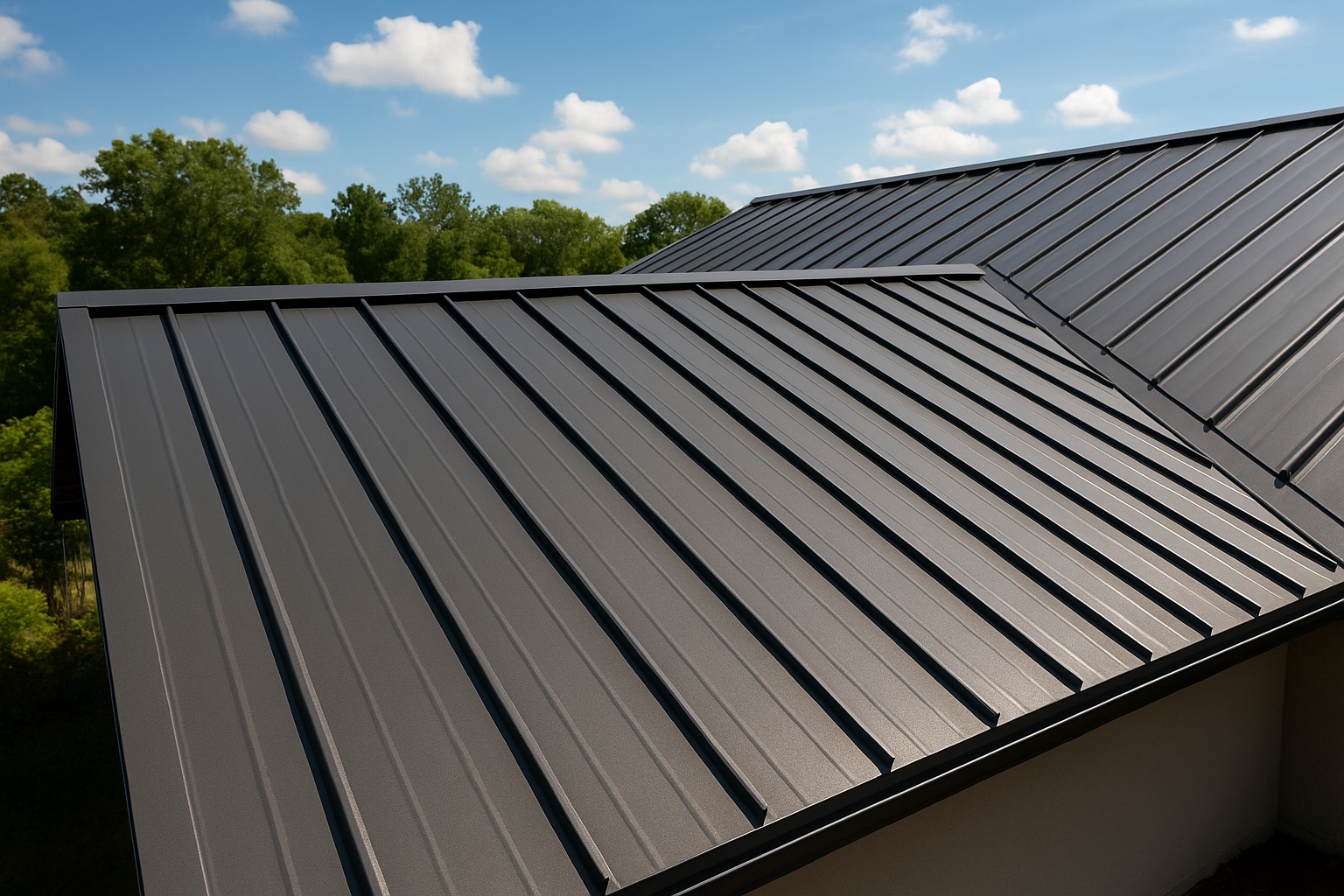
3. Standing-seam metal roofing (coated)
Metal performs incredibly well at the coast if it’s:
- properly coated
- installed with corrosion-resistant fasteners
- flashed correctly
The benefits:
- wind resistance
- long lifespan
- no granule loss
- fewer moisture issues
4. Synthetic slate or composite shingles
Great if you want super durability and a premium look without moisture vulnerability.
5. Upgraded flashing systems (critical!)
At the coast, much of roof failure comes from metal deterioration, not the shingles.
Copper or high-grade coated aluminum is worth it.
Best for Inland Delaware & Maryland
Inland roofs need to resist heat, UV, ice, and impact.
1. UV-resilient architectural shingles
Inland heat is real in DE and MD summers. Premium shingles resist oxidation and curling.
2. Impact-resistant shingles
If hail pockets or heavy thunderstorms are common in your area, this upgrade pays off long-term.
3. Ridge + attic ventilation upgrades
Inland heat makes attic performance a big deal. Better airflow reduces:
- shingle bake time
- attic temperature
- AC bills
- early aging
4. Metal roofing
Still an outstanding choice — especially in hot inland zones where reflectivity equals energy savings.
Local Building Codes: Why Compliance Matters for Your Roof
When planning a roof repair or replacement, local building codes are one of the most important details homeowners often overlook. These codes exist for a reason: they protect your home, your family, and your investment by making sure every roof meets strict safety and quality standards.
For homeowners in Delaware and Maryland, code compliance matters even more because roofing risks vary widely by location. A roof built for a coastal county needs to handle different threats than a roof in an inland community. Following the right local codes helps prevent damage now and expensive problems later.
Why the Right Contractor Makes a Difference
Experienced roofing contractors stay up to date on city and county regulations. They know exactly what’s required for your area, including:
-
High-wind standards in coastal or bay-front towns
-
Snow-load requirements in colder inland regions
-
Ventilation and moisture rules in humid zones
-
Flashing and waterproofing specs tied to storm patterns
Contractors who ignore these requirements put your home at risk for leaks, structural damage, or even full roof failure.
What Happens if a Roof Isn’t Up to Code
Non-compliance isn’t just a paperwork issue. It can lead to real consequences, including:
-
Fines for missing permits
-
Delays or problems when selling your home
-
Expensive rework to bring the roof up to standard
-
Insurance denial if damage comes from non-compliant work
Signs a roof may not meet code include:
-
Uneven rooflines
-
Missing or poorly installed shingles
-
Water leaks
-
Visible sagging
-
Fast or premature wear
These issues often get worse quickly if they aren’t fixed by a qualified team.
How Homeowners Can Protect Themselves
To avoid problems, always work with a contractor who has a strong local track record. Helpful steps include:
-
Ask for examples of recent projects in your county
-
Verify licenses, insurance, and credentials
-
Confirm they understand local codes for your area
-
Make sure permits and inspections are part of the job
Many experienced contractors will handle the permit process for you. That protects you legally and ensures every step of the job is documented and inspected.
A code-compliant roof can also increase resale value — buyers are far more confident in a home that has verified, well-done roofing work.
Maintenance Helps You Stay Code-Compliant Long Term
Even a roof installed correctly can develop issues over time. Routine inspections and small repairs help you:
-
Catch early damage before it spreads
-
Avoid costly emergency fixes
-
Keep your roof safe and compliant year after year
Regular maintenance is one of the simplest ways to extend roof life and protect your home.
Codes Change — Your Roof Needs to Keep Up
Building codes aren’t static. Local governments update them to reflect:
-
New safety standards
-
Material improvements
-
Lessons learned from recent storms or hurricanes
For example, after major coastal storms, Delaware or Maryland counties may tighten wind-resistance, waterproofing, or fastening rules. Working with contractors who stay educated ensures your roof remains up to current standards and prepared for severe weather.
Where to Find a Trusted Roofing Contractor
If you’re unsure who to hire:
-
Ask neighbors, friends, or family for referrals
-
Read recent local reviews
-
Check local trade groups or directories
-
Look for contractors with proven experience in your county
- Contact Reimagine Roofing
Taking the time to choose the right team can save you money, prevent legal headaches, and give you confidence your roof is built to last.
Local building codes aren’t just a box to check — they’re a critical part of protecting your home. By working with experienced contractors, staying proactive with inspections, and understanding the rules for your county, you can ensure your roof is safe, durable, and compliant for years to come.
Don’t leave your roof to chance. Make code compliance a top priority — and protect your home the right way.
What Homeowners Often Get Wrong
A lot of roofs fail early in DE/MD because homeowners (or contractors) assume:
“A roof is a roof. Just pick a color.”
But in coastal vs inland conditions, choosing based on looks alone can mean:
- installing the wrong material
- skipping corrosion-resistant metal
- underestimating algae resistance
- ignoring wind uplift needs
- using underlayment not designed for moisture cycling
In some cases, this can require a full tear-off of the old roof, which is disruptive and adds significant cost to the replacement process.
That leads to:
- earlier leaks
- more maintenance
- shorter lifespan
- higher total cost
The right roof is a system, designed around your climate.
County Climate Checklist — What Should You Prioritize?
Here’s a simple way to decide what matters most for your county by taking into account your county’s unique climate variables.
If you’re coastal or bayside… prioritize:
- algae resistance
- wind ratings
- upgraded flashing/metal components
- moisture-tolerant underlayment
- better sealing at penetrations
- storm-ready installation patterns
If you’re inland… prioritize:
- UV and heat resistance
- impact resistance (hail)
- freeze–thaw durability
- attic ventilation performance
- debris management (gutters/trees)
How Reimagine Roofing Builds Climate-Specific Roofs in DE & MD
At Reimagine Roofing, we don’t install the same roof on every home.
We build roofs based on your microclimate.
Reimagine Roofing has been counted on by numerous Delaware and Maryland homeowners for climate-specific roofing solutions.
Our Delaware and Maryland approach includes:
- county-specific material selection
- coastal corrosion protection planning
- wind-uplift installation patterns for coastal regions
- algae- and moisture-resistant shingle systems
- attic ventilation design for inland heat zones
- ice-dam/underlayment upgrades for inland winter stress
- full “roof system” inspection, not just surface checks
- fast quotes in under 24 hours
We know Delaware and Maryland counties aren’t one-size-fits-all — so we don’t treat them that way.
Signs Your Roof Is Wearing Faster Because of Location
If your roof is aging too quickly, here are climate-related clues:
The result of ignoring climate-specific factors is often premature roof failure and increased repair costs.
Coastal aging signs
- black algae streaks
- rusted flashing
- fastener corrosion
- soft or damp underlayment areas
- leaks after sideways rain
- shingles lifting after wind events
- salt-grain “etching” visible on metal parts
Inland aging signs
- brittle, cracking shingles
- curling edges
- large granule piles in gutters
- attic overheating
- sudden winter leaks after thaw
- moss in shaded areas
- hail bruising patterns
If you’re seeing these early (before year 10), climate mismatch is likely part of the story.
How the Right Roof Saves You Money
A county-optimized roof saves you in three ways: Choosing the right roof can also add significant value to your property and reduce long-term expenses.
1. Fewer repairs
Less algae, fewer blow-offs, fewer leaks.
2. Longer lifespan
Instead of replacing at year 12–15, you hold strong to year 20+ with the right system.
3. Lower energy bills
Especially inland — attic heat reduction lowers AC loads.
Climate alignment is one of the highest ROI roofing decisions homeowners can make.
Your County Matters More Than You Think
Delaware and Maryland are small compared to many states — but their climate variation is huge. Over the years, both states have grown and diversified, resulting in a wide range of roofing needs across different regions. The word ‘coastal’ carries unique significance here, reflecting not only the geographic location but also the historical and regional identity of these states.
Coastal counties fight:
- salt
- moisture
- wind uplift
- algae
- corrosion
Inland counties fight:
- heat
- UV breakdown
- freeze–thaw cracks
- debris
- hail pockets
So the best roof for your neighbor might not be the best roof for you — even if you live in the same state.
When you choose your roof based on your county’s climate, you get:
- longer lifespan
- fewer storm issues
- better comfort
- lower total cost
- a roof that actually fits your home’s environment
Get a Free County-Specific Roof Recommendation
Not sure what roof works best for your county?
That’s exactly what we help with.
Reimagine Roofing offers FREE roof inspections across Delaware and Maryland.
Your inspection includes:
✅ Roof surface health check
✅ Coastal vs inland wear evaluation
✅ Flashing and corrosion inspection
✅ Wind-uplift risk review
✅ Attic heat and ventilation assessment
✅ Moisture vulnerability scan
✅ Clear repair vs replacement plan
✅ Fast quote — same day or under 24 hours
Schedule your FREE inspection
Request your fast estimate online now.
Your roof choice should match your county, your climate, and your home.
Reimagine Roofing — Delaware & Maryland roofs built for where you live.
Popular Posts