Metal Roofing for Historic Connecticut & Massachusetts Homes
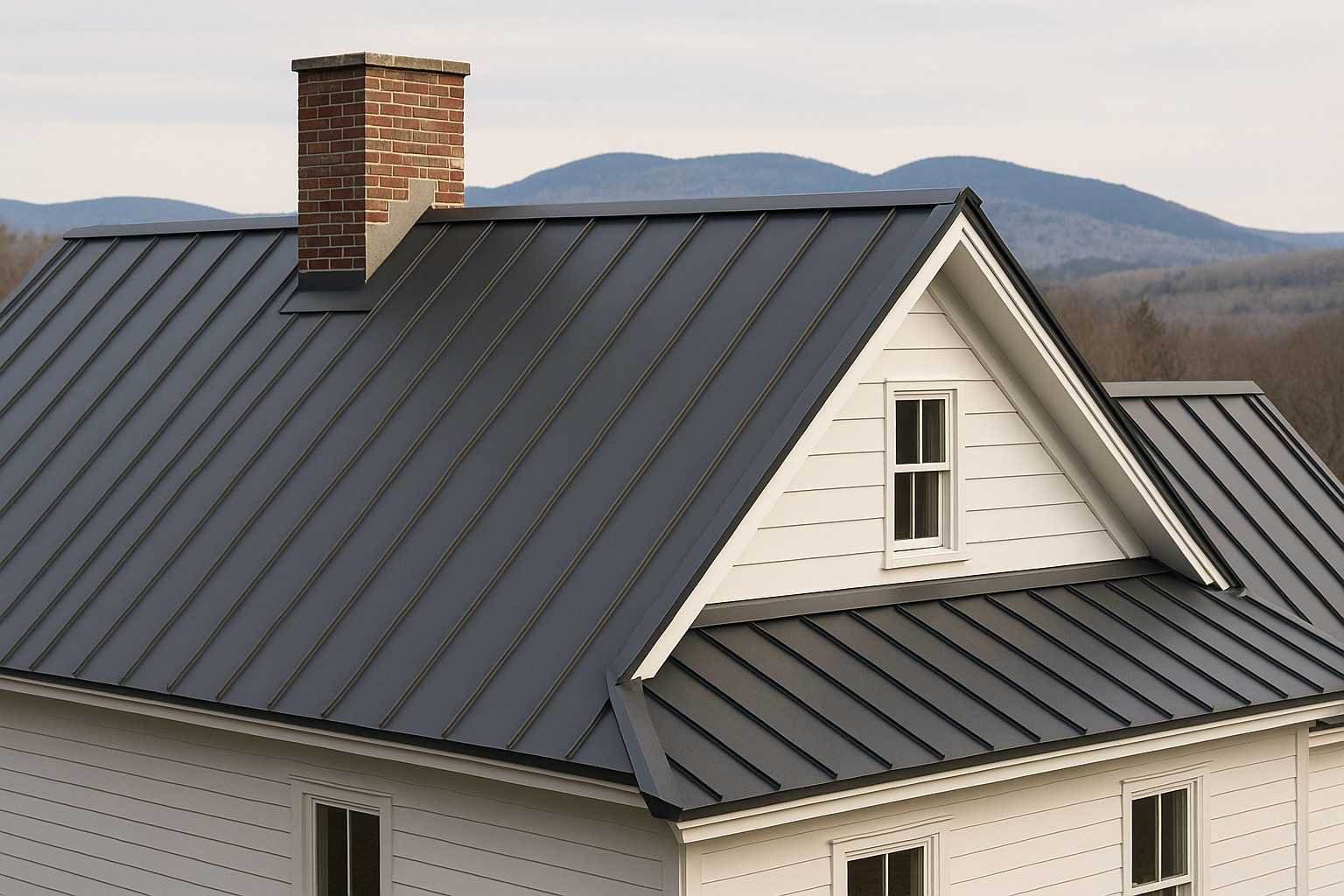
Metal Roofing for Historic Connecticut & Massachusetts Homes
Metal Roofing for Historic Connecticut & Massachusetts Homes: Classic Style With Modern Strength
A Connecticut & Massachusetts Homeowner’s Guide to Timeless Looks Without the Fragility of Old Roofing Materials
Historic Homes Need Roofs That Honor the Past and Survive Today’s Winters
Connecticut and Massachusetts are filled with homes that carry real architectural legacy. From Colonials, Capes, Victorians, and Saltboxes to early-1900s Craftsman and Tudor styles, New England neighborhoods are defined by rooflines that look like they belong in a history book — in the best way.
Many of these homes have stood for over a century, serving as living testaments to the region’s enduring craftsmanship and historical significance.
And for decades, many historic homes relied on traditional roofing materials like slate, cedar, or old-style asphalt. They’re beautiful, but here’s the reality modern homeowners face:
- Winters are harsher and more volatile than in the past
- Freeze–thaw cycles are more aggressive
- Nor’easters bring wind + wet snow + ice
- Historic roof repairs are expensive and tricky
- Many older structures aren’t built to carry extra weight or repeated moisture stress
Historical records and references document the evolution of roofing styles in New England, showing how these materials and designs have adapted over time to meet changing needs and climates.
So homeowners ask an important question:
How do we protect a historic home without changing its character?
One of the smartest answers today is:
✅ Metal roofing — installed in a way that preserves historic aesthetics.
Modern metal roofs can mimic historic roof profiles, match traditional colors, and complement classic architectural styles — while delivering some of the best winter performance available in CT and MA.
In this guide, we’ll cover:
- Why metal roofing works so well in New England
- Historic-friendly metal roof styles
- Metal vs. traditional roofing materials
- Winter durability and snow performance
- Energy savings
- What historic district homeowners should know
- How Reimagine Roofing installs metal roofs that look authentic and last for decades
Let’s talk about how to get a roof that fits the neighborhood and stands up to real New England weather.
Why Metal Roofing Is Rising in CT and MA
Metal roofing used to be thought of as a “barn roof” or “industrial look.” That’s changed fast. The use of metal roofing has grown significantly in both residential and historic applications. Today’s metal roofs are precision-engineered, architecturally refined, and widely used on high-end residential homes — including historic ones.
Homeowners can now choose from a variety of metal roofing styles, offering diverse options to suit different architectural preferences.
Metal roofing is growing in Connecticut and Massachusetts because it solves four regional problems at once:
- Snow and ice sit for less time
- Wind resistance is dramatically higher
- Freeze–thaw damage is reduced
- Lifespan is 2–3x longer than asphalt
For homeowners dealing with constant winter maintenance, ice dams, or repeated repairs, metal is a long-term fix.
Metal Roofing and Historic Homes Can Match Beautifully
Metal roofing works for historic homes because it isn’t one single look. There are styles designed specifically to complement older architecture.
Installing metal roofing on historic homes requires expertise in the roofing trade to ensure both performance and preservation of character.
Historic-Friendly Metal Roof Styles
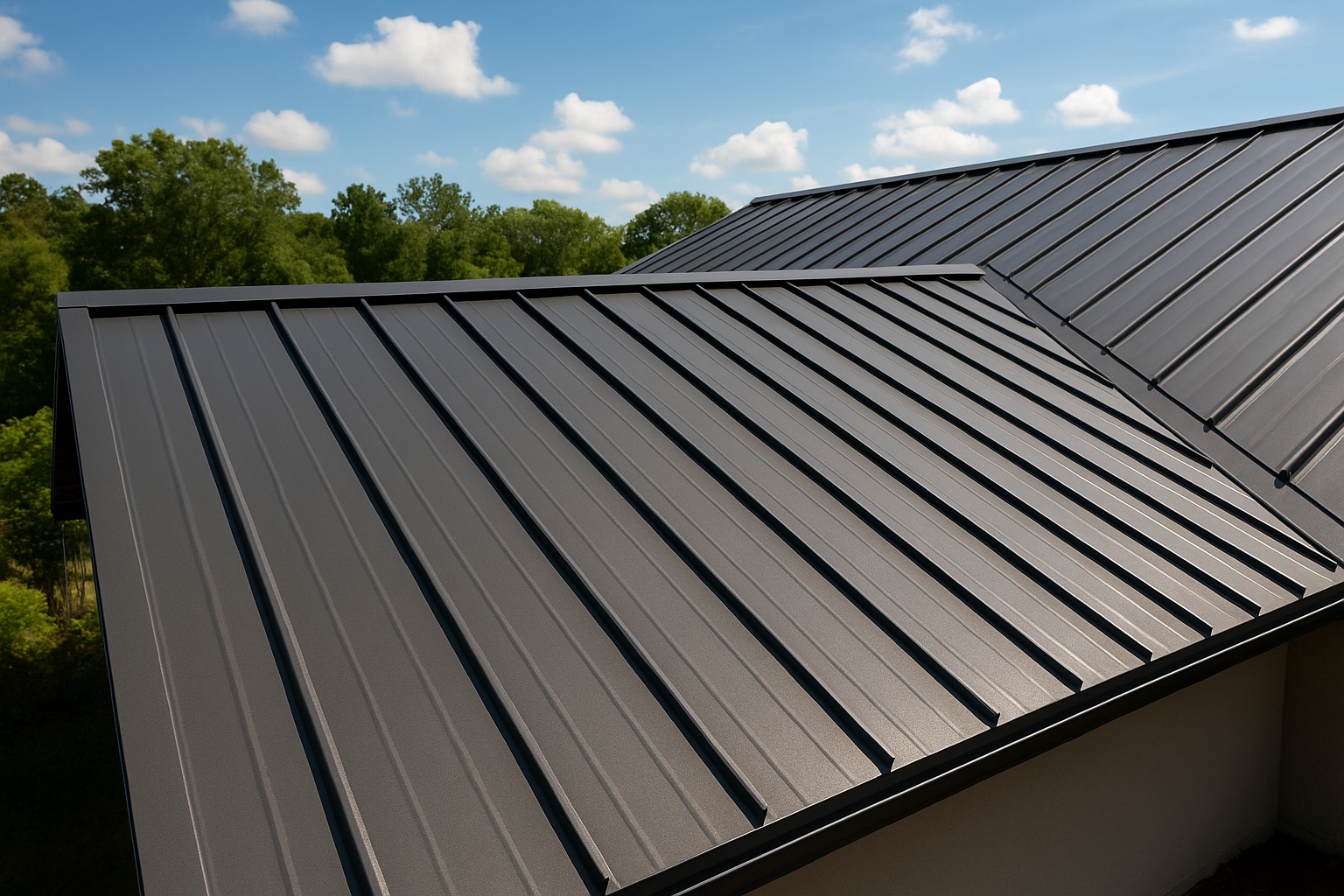
1. Standing Seam Metal (Most Popular for Historic Homes)
This is the classic metal roof profile with clean vertical seams. It’s widely accepted in historic districts when paired with appropriate colors.
Why it fits historic CT/MA homes:
- clean lines match steep colonial and Victorian roof slopes
- seams add subtle texture without looking modern-flashy
- excellent for snow shedding and wind performance
2. Metal Shingles That Mimic Traditional Materials
If standing seam doesn’t match your home’s style, metal shingles can replicate:
- wood shake
- slate
- cedar
- dimensional shingles
From the street, these often look almost identical to historic materials — but they last far longer.
3. Architectural Panels With Traditional Edges
Some panels are designed with softer edges and finishes that reduce glare and feel more “period-appropriate.”
The Big Benefits of Metal Roofing in New England Winters
Let’s get specific about why metal is such a standout choice for CT and MA climates. The result of choosing metal roofing is improved winter performance and reduced maintenance needs.
1. Metal Sheds Snow Quickly
Snow load is a real issue in older New England homes. Metal roofs reduce snow buildup because snow slides off more easily than it does on asphalt or slate.
That means:
- less roof weight
- fewer structural concerns
- lower risk for older framing
2. Metal Resists Ice Dam Damage
Ice dams form when snow melts and refreezes at eaves. Metal roofs don’t eliminate ice dams automatically — but they reduce the conditions that create them, especially when installed with proper ventilation and ice-shield underlayment.
3. Extreme Wind Resistance
Nor’easters can bring violent gusts. Metal roofs typically have far higher wind ratings than standard shingles. When properly installed, they’re among the most wind-secure systems available.
4. Freeze–Thaw Cycles Cause Less Material Fatigue
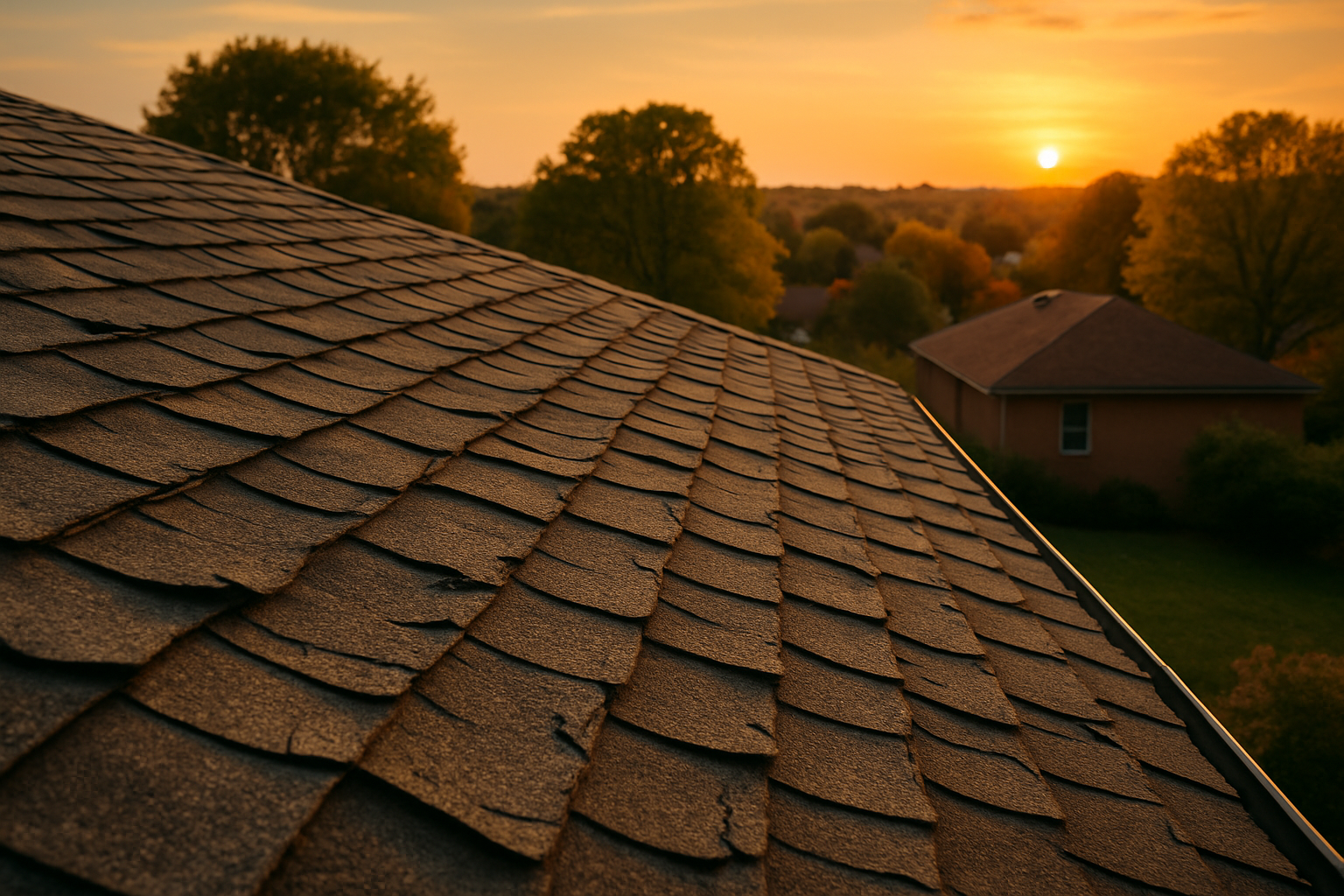
Asphalt shingles get brittle in repetitive freeze-thaw winters. Metal is built for expansion and contraction — so it handles these cycles without cracking.
5. Long Lifespan
Typical CT/MA lifespans:
- Asphalt shingles: 20–30 years
- Premium asphalt: 25–35 years
- Metal roofing: 40–70 years
For many homeowners, that means one roof for the rest of the time they own the home.
Metal Roofing vs. Traditional Historic Materials
Here’s a straight comparison for CT and MA homeowners. Traditional roofing materials often require a higher number of repairs or replacements over their lifespan compared to metal roofing, which is known for its durability and longevity.
Weight
- Slate/tile: very heavy
- Asphalt: moderate
- Metal: lightweight
Metal reduces dead load on older homes before snow even falls.
Durability in Winter
- Slate: weather-durable but impact-fragile
- Cedar: vulnerable to moisture + rot without perfect care
- Asphalt: prone to cracking/curling in freeze-thaw
- Metal: excellent in snow, wind, and ice
Maintenance and Repair
- Slate & cedar: expensive, specialist repairs
- Asphalt: easy repair, shorter life
- Metal: low maintenance, occasional fastener/flashing checks
Cost Over Time
Metal may cost more upfront than asphalt, but because of its long life, homeowners often save money across decades by avoiding multiple replacements. Choosing metal roofing can also help homeowners better manage their long-term budget by reducing the need for frequent repairs and replacements.
Metal Roofing Also Lowers Energy Bills
Even in cold climates, metal helps energy efficiency year-round. Metal roofing is leveraging advanced materials and coatings to maximize energy efficiency, making it a smart choice for homeowners seeking long-term savings.
Summer benefits:
- reflects solar heat better than asphalt
- lowers attic temperatures
- reduces AC use during heat waves
Winter benefits:
- when paired with proper insulation and ventilation, helps regulate attic temperature
- reduces uneven melting that causes ice dams
So metal supports both:
- roof longevity
- energy savings
What Historic District Homeowners Need to Know (CT & MA)
Many towns in CT and MA have:
- historic districts
- preservation boards
- architecture review committees
- HOA exterior guidelines
- requirements to submit dedicated forms or documentation for approval
The good news:
Metal roofing is often approved when:
- profile matches the home style
- color is historically appropriate
- details (vents, flashing) are discreet
Tips for approvals:
- Choose muted, traditional colors
- charcoal
- matte black
- weathered gray
- deep green
- historical red/brown tones
- Avoid high-gloss or bright modern finishes
- Use copper or traditional flashing styles
- Keep vent caps low-profile and color-matched
Reimagine Roofing can help homeowners select products that pass district review without compromising performance.
How to Choose the Right Metal Roof for Your Home
1. Match Your Architecture
- Colonial/Cape/Saltbox: standing seam or subtle metal shingle profiles
- Victorian/Tudor: metal shingles mimicking slate or shake
- Farmhouses/barns: standing seam is perfect
2. Consider Roof Complexity
Lots of dormers, valleys, and steep slopes often benefit from tile-style metal shingles for a more historic look.
3. Think Long-Term Ownership
If you plan to stay in the home for 10+ years, metal’s durability is usually worth it.
4. Evaluate Snow Load Zones
Low-slope additions, porches, or attached garages are especially good candidates for metal because snow sheds more easily.
Installation Matters — Especially on Historic Homes
Metal roofing performs best as a complete system, not a surface swap. Building a high-quality roofing system involves more than just replacing the outer layer; it requires careful planning and craftsmanship to ensure long-term performance.
Wrong installation can cause:
- ice dam issues
- condensation in the attic
- flashing failures
- wind noise
- uneven appearance
Reimagine Roofing installs metal roofs with New England winter performance in mind, including:
- ice & water shield underlayment
- ventilation planning to prevent attic heat buildup
- wind-secure fastening patterns
- historically respectful detailing
- color-matched trim and vents
- clean dormer and chimney integration
That’s how you get a roof that looks right and lasts.
Roofing Warranties and Guarantees
When investing in a new roof for your historic New England home, the warranty and guarantee you receive are just as important as the materials and installation. In today’s world, both homeowners and businesses rely on strong warranties to ensure the quality of their roof and to protect their property from unexpected repair costs or damage. A comprehensive warranty not only safeguards your investment but also helps maintain the value of your home or business for years to come. With the right coverage, you can face the future with confidence, knowing your roof is protected against the most common issues that can occur over time.
What to look for in a metal roof warranty
Choosing a metal roof is a long-term decision, so it’s essential to understand what your warranty covers. Homeowners should look for warranties that offer robust protection for both the roofing material and the workmanship, ideally for 30 years or more. Some leading manufacturers even provide warranties that extend up to 50 years, reflecting the impressive life expectancy of modern metal roofs.
A quality warranty should also outline the importance of regular maintenance and timely repair. By following recommended maintenance schedules and addressing minor issues promptly, you can extend the life of your roof and avoid more significant repairs down the line. Make sure your warranty clearly explains what is required to keep coverage valid, so you can enjoy peace of mind for many years.
Typical coverage for historic home installations
Historic homes often require specialized attention, and their roofs are no exception. When it comes to warranties and guarantees for these unique structures, coverage should go beyond the basics. Look for warranties that specifically address the roof’s material, expert workmanship, and any custom features such as copper flashing or decorative trim that help maintain the home’s original character.
Because historic homes can be more vulnerable to certain types of damage—like lightning strikes or weather-related wear—a strong warranty should also provide guidance on how to maintain and repair the roof to protect the structure. This ensures your home remains both beautiful and protected, with a guarantee that supports the longevity and integrity of your property.
Questions to ask your contractor
Before you commit to a new roof installation or repair, it’s vital to ask your contractor the right questions to ensure you’re getting the best service and protection for your property. Here are some key questions to consider:
- What type of warranty do you offer, and what exactly does it cover?
- How long has your company been in business, and what experience do you have with metal roof installation and repair?
- Can you provide references from past customers, especially those with historic homes?
- What is your process for ongoing maintenance and repairs, and how do you help homeowners maintain their roof’s life and quality?
- How do you handle warranty claims, and what is your guarantee for workmanship and materials?
By choosing a company with a proven track record and a commitment to quality, you ensure your roof is installed effectively and will stand the test of time. In the past, decades of experience have shown that a well-installed and well-maintained metal roof can be a valuable addition to any home or business. Today, with the rise of advanced roofing technologies and materials, the importance of a strong warranty and guarantee is greater than ever. It’s your best defense against unexpected damage and the key to keeping your roof performing at its best for decades to come.
Common CT/MA Homeowner Questions
“Will metal make my historic home look too modern?”
Not with the right style and color.
Many modern metal shingles are designed specifically to replicate historic looks.
“Is metal noisy in rain or snow?”
Not when installed properly with modern decking and underlayment. Most homeowners say it’s no louder than asphalt.
“Will snow sliding off be dangerous?”
On steep roofs, snow shedding is expected. We can add snow guards in high-traffic areas to control slide zones safely.
“Can metal be installed over my old roof?”
Sometimes, but for historic CT/MA homes, we usually recommend full tear-off to:
- reduce dead weight
- inspect decking
- address old moisture
- preserve structural safety
Historic Style, Modern Survival
Metal roofing has become one of the best ways for Connecticut and Massachusetts homeowners to protect historic homes without sacrificing character.
Thousands of homeowners in Connecticut and Massachusetts have chosen metal roofing for their historic homes.
You get:
- a roof that belongs on a New England street
- superior snow and wind performance
- lighter structural load
- fewer winter emergencies
- lower maintenance
- decades of lifespan
- better energy efficiency year-round
In short: a roof that looks historic but performs like the future.
Get a Free Metal Roof Consultation in CT or MA
If you want a roof that protects your historic home through storms, snow, and decades of winters — while keeping its original charm — Reimagine Roofing is here to help.
We offer FREE metal roof inspection across Connecticut and Massachusetts, including:
✅ evaluation of your existing roof and framing
✅ guidance on historic-friendly metal styles
✅ color recommendations for district/HOA approval
✅ winter-ready underlayment and ventilation plan
✅ snow-load and ice-dam risk assessment
✅ clear replacement roadmap
✅ fast quotes — same day or under 24 hours
Request your free estimate online.
Reimagine Roofing — preserving New England homes with roofs built for New England winters.
Popular Posts