Wind Uplift Explained: The #1 Reason Florida Roofs Fail in Storms
Wind Uplift Explained: The #1 Reason Florida Roofs Fail in Storms
Wind Uplift Explained: The #1 Reason Florida Roofs Fail in Storms
A practical homeowner guide to how uplift works, where it starts (eaves/ridges), and how to prevent it — Florida edition.
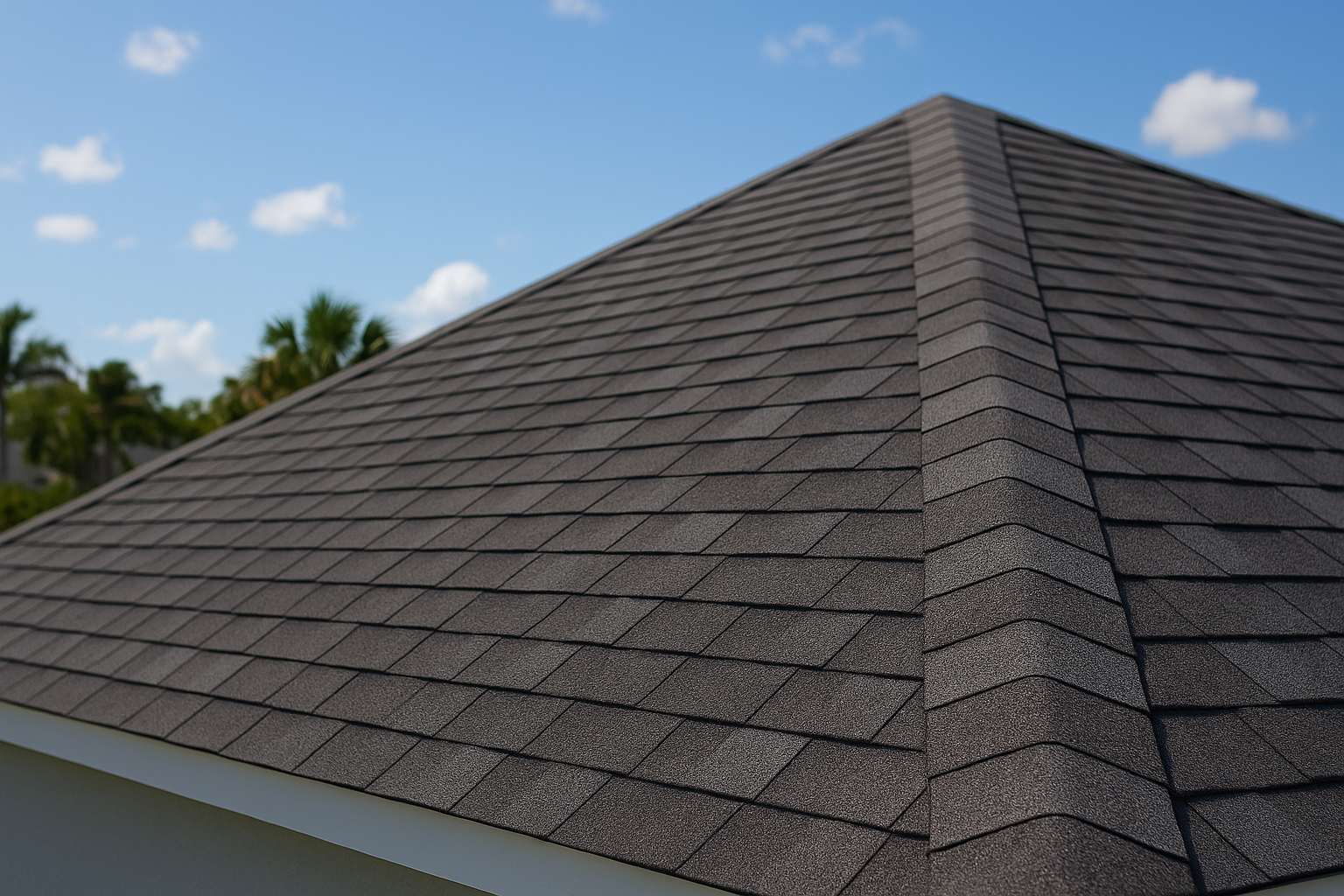
Florida Roof Failures Don’t Start With a Leak and They Start With Lift
In Florida, most roof failures during storms don’t happen because shingles “got old.” They happen because wind found a weak spot and started lifting.
Wind uplift risks vary by region, and Florida is one of the most affected due to its unique climate and frequent severe storms.
Homeowners often imagine roof damage like this: wind blows hard → shingles tear off → rain gets in.
But what actually happens is more like this:
- Wind gets under the roof system at the edges.
- It creates suction (uplift).
- That suction pulls upward on shingles, underlayment, and even roof decking.
- Once a small area lifts, the roof can unzip like a zipper.
This is why wind uplift is considered the #1 reason Florida roofs fail in storms — whether you live on the coast or inland. Florida’s building codes focus heavily on uplift resistance because post-storm investigations consistently show that perimeters, corners, hips, and ridges take the highest uplift pressures. For example, in regions like the Midwest, wind uplift risks may vary due to different storm patterns and building practices, resulting in different vulnerabilities compared to Florida.
If you’re a Florida homeowner, understanding uplift is powerful — because uplift damage is preventable with the right roof design, materials, and installation details. Understanding and preventing uplift is crucial for keeping your home safe during severe weather.
Today’s guide covers:
- What wind uplift is in plain English
- Why it’s so severe in Florida
- Where uplift damage begins (and why)
- The chain reaction that leads to total roof loss
- Signs your roof is vulnerable before a storm
- Smart upgrades that stop uplift
- What Florida codes require in 2023–2025
- How Reimagine Roofing builds storm-ready roofs across Florida
Let’s get into it.
What Is Wind Uplift? (Simple explanation)
Wind uplift is the upward pulling force created when wind flows over your roof. Positive pressure develops beneath the roof when wind flows under roofing panels, pushing upward and contributing to wind uplift.
Think of your roof like an airplane wing — but upside down. When wind rushes over the surface, it creates lower pressure above the roof and higher pressure underneath, which works like suction. Airflow patterns over and under the roof are responsible for these pressure differences, leading to uplift forces.
That suction tries to:
- lift shingles
- peel up underlayment
- pull nails through decking
- separate the roof from the house
Engineering standards used in the Florida Building Code (ASCE 7 wind design) calculate these uplift pressures very specifically, because Florida sees some of the highest wind speeds in the U.S. Higher wind speed increases the magnitude of uplift forces on roofs. Uplift forces are often measured in pounds per square foot (psf), which is a standard engineering metric.
Why Florida Roofs Are Especially Vulnerable
Florida is a perfect storm environment for uplift because of four overlapping realities:
First, the state’s exposure to high winds, especially during hurricane season, significantly increases the risk of wind uplift. Buildings in Florida are frequently subjected to extreme wind events, which can lead to substantial roof damage if not properly addressed.
3.1. Frequent hurricanes and squalls
Florida’s location makes it a magnet for hurricanes and tropical squalls, which bring high winds that are a primary cause of wind uplift. These intense wind events can compromise roofing systems, especially if they are not designed to withstand such forces.
3.2. Low-slope and flat roofs
Many Florida buildings have low-slope or flat roofs, which are more susceptible to wind uplift due to their shape and surface area.
3.3. Roof shape and wind flow
The shape of a roof influences how wind flows over and around it. The direction of wind flow around different roof shapes can affect uplift pressures, making some designs more vulnerable than others.
3.4. Harsh climate
Florida’s climate is hot and humid, which can affect the roof’s resistance to wind uplift over time. Environmental factors like heat and humidity may weaken roofing materials, reducing their ability to withstand high winds and increasing the risk of damage.
A) Hurricanes + Thunderstorm Squalls
Even outside hurricane landfall, Florida gets:
- tropical storms
- summer squall lines
- tornado-embedded storms
- gust fronts
Florida storms often bring lightning and hail, both of which can cause additional roof damage and increase vulnerability to wind uplift.
It doesn’t take a Category-3 hurricane to cause uplift. A 50–70 mph gust hitting a vulnerable edge can start the failure chain.
B) Wind Speeds Are Built Into Florida Code for a Reason
Florida’s statewide roofing code is stricter than most states. The 7th and 8th editions of the Florida Building Code strengthened roof assembly and wind-resistance rules specifically to reduce wind uplift and water intrusion.
Florida’s building codes take into account local wind systems to control for the effects of wind uplift, ensuring that regional wind patterns and environmental factors are addressed in roofing standards.
C) Florida Homes Often Have Roof Shapes That Create High Uplift Zones
Common Florida designs — hip roofs, gables, long ridgelines, overhangs — are beautiful, but they change wind flow and raise uplift loads in certain areas. Different roof styles can be more prone to uplift in specific zones due to their design. Roof transitions like hips and ridges experience higher uplift pressures than broad flat areas. Additionally, wind-induced negative pressure can pull upward at the center of roof panels, increasing the risk of failure if not properly addressed.
D) Heat + Humidity Age Roof Systems Faster
Florida roofs face:
- high UV
- heat
- humidity
- salt air (coastal)
Those factors degrade seal strips, fasteners, and underlayment, meaning a roof may look okay but be weaker in uplift when a storm hits.
Using high-quality paint and roofing materials can help protect against the effects of heat, humidity, and salt air, thereby improving uplift resistance.
Where Wind Uplift Starts (and Why)
Uplift does not start randomly.
It almost always begins in predictable “high-pressure zones” that engineers call perimeter and corner zones. Roof edges and corners are subject to the highest wind uplift pressures, making these areas particularly vulnerable.
1) Eaves (roof edges)
Eaves are the first line of attack because wind curls upward when it hits the wall and pushes under the roof edge.
If shingles or drip edge aren’t perfectly sealed, wind gets under them and begins peeling.
2) Rakes (the sloped side edges)
On gable ends, rakes take direct wind impact and high suction. If a rake lifts, wind gets under the shingle field quickly.
3) Corners
Corners experience the strongest suction because wind accelerates as it wraps around the house. That’s why Florida codes require stronger fastening and materials at corners.
4) Hips and ridges
Wind flow diverges at ridges and hips, producing greater uplift pressures. Post-storm studies repeatedly show these areas fail first when the system is weak.
If you’ve ever seen a roof where the ridge cap blew off first — that’s uplift at work.
The “Zipper Effect”: How a Small Lift Becomes a Big Loss
Wind uplift damage is a chain reaction. Here’s the sequence:
- Edge shingle lifts slightly (often invisible at first).
- Seal strip breaks from heat aging or poor adhesion.
- Wind gets deeper under the shingle.
- Nails loosen or pull through softened asphalt.
- Adjacent shingles lift.
- As uplift progresses, cracks can occur in shingles or decking, creating points where leaks and further damage may develop.
- A strip tears off.
- Underlayment is exposed and starts flapping.
- Decking may peel if attachment is weak.
- Rain pours in — even if shingles elsewhere are intact.
This is why roofs that lose one corner in a storm often lose huge sections afterward.
The Most Common Uplift Weak Points in Florida Homes
These are the real-world failure points we see most often:
The structure and design of the roof play a critical role in how well it resists wind uplift. Different structural configurations can significantly influence the severity of wind-related damage, especially regarding roof stability and resilience.
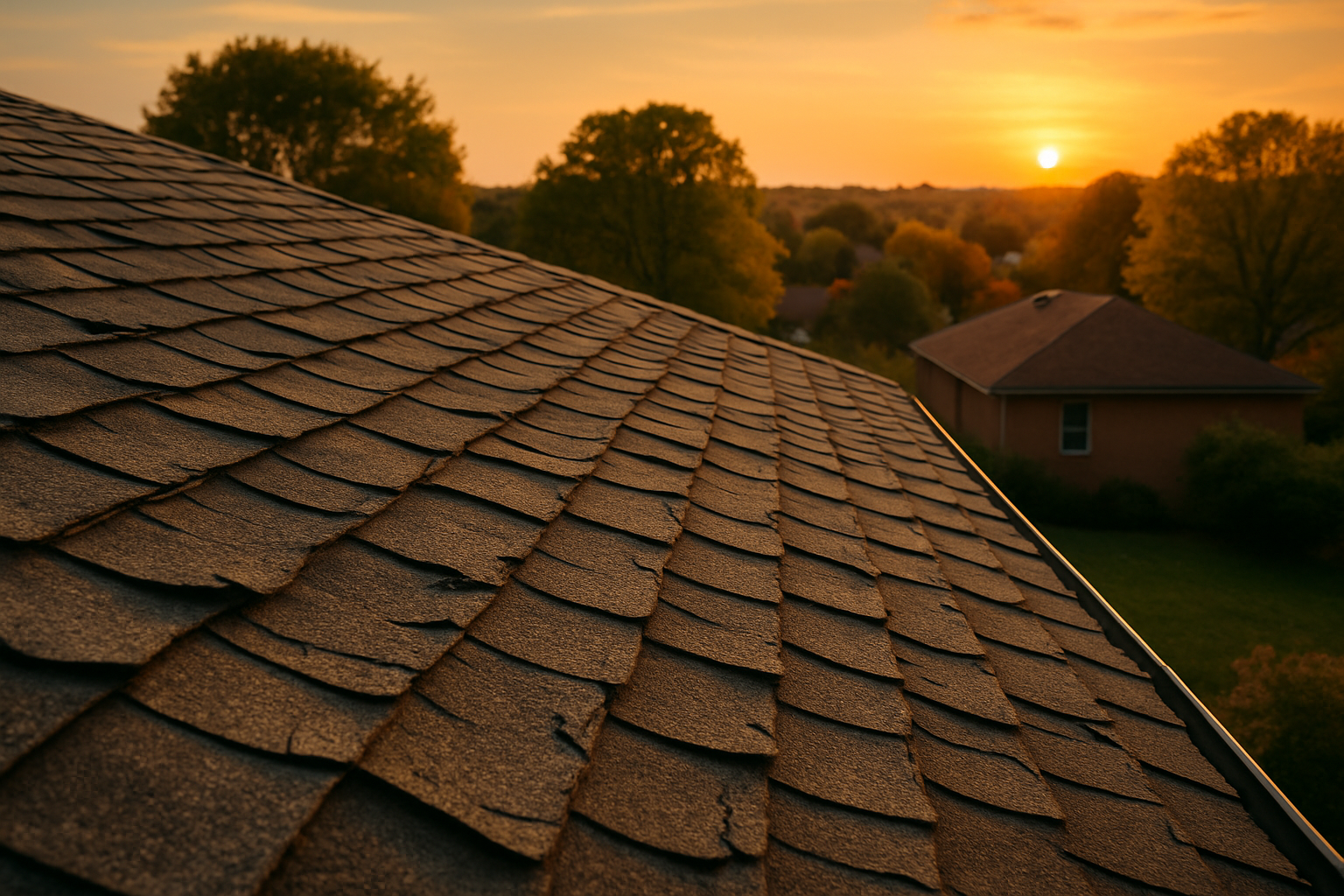
1) Worn or overheated shingle seal strips
Florida heat can over-soften adhesives, then degrade them. Once seal strips fail, shingles are vulnerable to uplift.
2) Improper nailing
Even slight mistakes matter:
- nails too high
- nails angled
- too few nails
- nails missing framing
If nails don’t penetrate solid decking properly, uplift pulls shingles right off.
3) Weak roof-deck attachment
If roof sheathing isn’t strapped down correctly, uplift can pull the deck up — not just shingles. Florida’s mitigation standards emphasize enhanced roof deck fastening for this reason. (floridabuilding.org)
4) Poor drip edge and starter strip installation
The roof edge system is critical.
If starter strips aren’t sealed or drip edges aren’t fastened correctly, the wind “entry point” gets bigger.
5) Old or low-grade underlayment
Underlayment is your backup protection. Florida code now requires secondary water barriers in many re-roofing situations because wind-driven rain often follows uplift damage.
6) Unprotected roof-to-wall connections
Even if shingles hold, weak roof-to-wall ties can allow structural uplift in extreme winds. Florida mitigation guidance repeatedly highlights the importance of strong roof-to-wall connections.
Signs Your Roof Is Vulnerable to Uplift (Before a Storm)
You don’t have to wait for a hurricane to find out your roof is weak. Look for:
- shingle edges lifting or “fluttering” in breezes
- visible gaps at eaves/rakes
- missing or cracked ridge caps
- granules washing into gutters
- nail pops
- shingles that feel brittle when lightly pressed
- previous patchwork repairs that don’t match fastening patterns
- soft decking spots in the attic (a sign nails may be pulling through)
- repeated small losses after storms
- damage or leaks around skylights, as these are especially vulnerable to wind uplift and storm damage
If you see any of these, uplift risk is already high.
How to Prevent Wind Uplift (What Actually Works in Florida)
Here’s the homeowner-friendly uplift prevention playbook. These are the upgrades that matter most for any roofing project, whether for residential homes or commercial buildings.
Working with experienced contractors ensures the jobs are completed correctly for maximum wind uplift resistance.
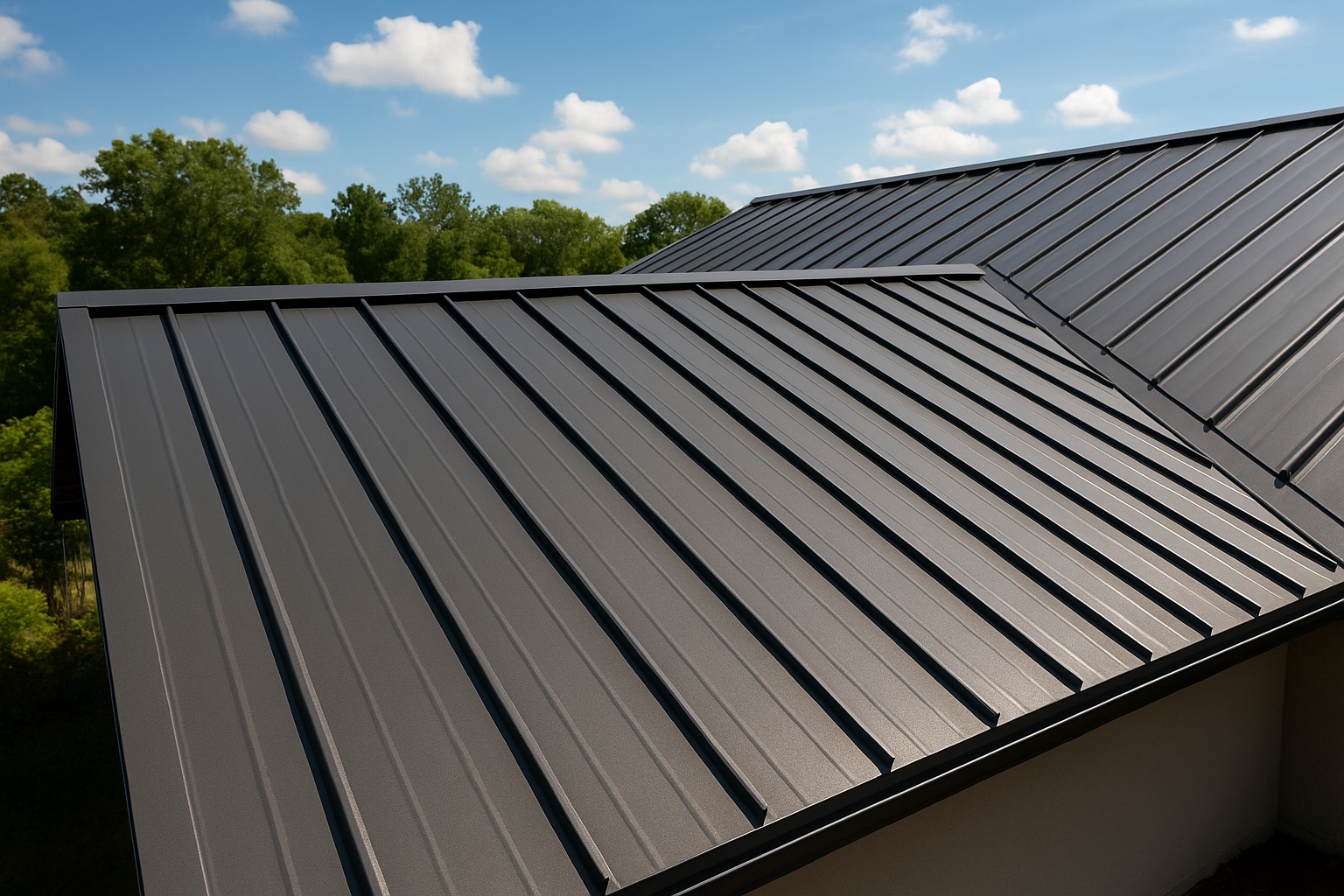
For example, upgrading a metal roof with improved clip spacing and high-quality fasteners can significantly enhance wind uplift performance.
Investing in these upgrades protects your property and keeps your family safe.
1) Install wind-rated shingles for your ZIP code
Florida is not one wind zone. Your required wind resistance depends on:
- location
- proximity to coast
- building height
- roof slope and shape
Modern shingles come with specific wind ratings, and in HVHZ areas (Miami-Dade/Broward), products must meet stricter approval standards.
Bottom line: your roof system must match your local wind pressures.
2) Use the correct nailing pattern
For Florida, this often means:
- the right number of nails per shingle
- correct placement line
- nails that penetrate decking properly
- high-quality corrosion-resistant fasteners (coastal especially)
The difference between proper and improper nailing can be the difference between “survived the storm” and “tarped roof.”
3) Upgrade edge systems (starter + drip edge)
Because uplift starts at edges, prevention starts there too.
A storm-ready Florida edge system includes:
- starter strip with strong sealant
- properly fastened drip edge
- correct overlap and attachment schedule
- sealed corners and rakes
4) Strengthen roof decking attachment
If your home was built before modern Florida codes (pre-2002 in many cases), you may not have enhanced deck fastening.
Florida’s wind-mitigation retrofit guidance includes specific sheathing fastening requirements (like improved nail spacing and patterns) because they dramatically reduce deck uplift.
This upgrade is one of the highest ROI storm protections you can add.
5) Add a secondary water barrier
Even a strong roof can lose a few shingles in a storm.
That’s why Florida code requires secondary water barriers during many roof replacements — to stop water intrusion when uplift exposes the deck.
For homeowners, it’s peace of mind:
- fewer interior leaks
- less attic moisture
- reduced mold risk after storms
6) Improve attic ventilation
Hot, humid attics weaken roofs over time.
Ventilation stabilizes attic temps and reduces:
- adhesive breakdown
- underlayment fatigue
- trapped moisture
- deck rot
7) Consider uplift-resistant upgrades
Depending on your roof type:
- enhanced ridge systems
- high-wind hip/ridge caps
- sealed roof assemblies
- impact-resistant shingles that hold fasteners better
These details matter in the exact zones where uplift starts.
What Florida Building Code Requires (Homeowner summary)
You don’t need to read the code book, but you should know the standards your roofer is supposed to follow.
Key Florida code themes in recent editions:
- Roof assemblies must be designed for updated ASCE wind pressures.
- Higher uplift pressures apply at corners, perimeters, hips, and ridges.
- Roof replacements often trigger required upgrades for deck fastening and secondary water barriers, especially on older homes.
- High-Velocity Hurricane Zone (HVHZ) areas have additional product approval and installation standards.
Note: Code compliance is crucial for ensuring roofs can withstand uplift forces, and the roofing industry has adapted by providing materials and systems that meet Florida’s strict uplift requirements. Most homeowners benefit from these code upgrades, even if they are not aware of the details.
The big takeaway:
Florida roofs are not “standard roofs.”
They are engineered systems designed for uplift resistance.Coastal vs Inland Florida: Does Uplift Change?
Yes — but it matters everywhere.
Coastal Florida
- higher base wind speeds
- more salt-air corrosion
- stronger gust variability
- higher uplift pressures at edges
Coastal roofs need:
- corrosion-resistant fasteners
- higher wind-rated materials
- meticulous edge sealing
Inland Florida
Even inland counties get:
- tropical storm gusts
- tornado-embedded winds
- thunderstorm outflows
Uplift failures still begin the same way — at edges, corners, ridges.
The Insurance Angle (Why Uplift Protection Pays Twice)
If your roof is uplift-resistant, you’re not just protecting your house. You may also qualify for:
- wind mitigation credits
- better insurability
- fewer claim disputes after storms
Wind mitigation inspections often look for:
- strong deck attachment
- secondary water barrier
- approved roof coverings
- roof-to-wall connections
Those are the exact upgrades that stop uplift.
How Reimagine Roofing Builds Uplift-Resistant Roofs in Florida
At Reimagine Roofing, we don’t install roofs as “shingle layers.” We install them as full Florida storm systems.
We provide specialized services to help customers protect their roofs from wind uplift, ensuring essential services and safety are maintained during severe weather.
Our uplift-focused approach includes:
- Florida-rated shingles and assemblies matched to your county wind zone
- enhanced nailing patterns
- sealed starter/drip-edge systems
- high-wind ridge and hip caps
- secondary water barriers for leak-backup protection
- deck attachment checks and upgrades where required
- ventilation improvements for long-term strength
- HVHZ-compliant products and methods (where applicable)
- detailed inspections before and after storm seasons
We build so the wind can’t get a foothold.
Uplift Is the Real Enemy — But You Can Beat It
Florida storms don’t wait for your roof to be ready — and uplift is the force that turns small weaknesses into major failures.
Once you understand uplift, you understand why roofs fail:
- edges lift first
- ridges and corners fail next
- the system unzips
- water follows
Investing in a new roof can lead to improved wind uplift resistance and long-term protection, making your home more resilient against severe weather.
The good news is you can stop uplift before it starts by focusing on:
- wind-rated materials
- strong edge systems
- proper nailing
- deck attachment strength
- secondary water barriers
- attic ventilation
A roof built for Florida wind doesn’t just survive storms. It protects your home for decades.
Get a Free Florida Roof Inspection
Not sure if your roof is truly storm-ready?
Reimagine Roofing offers FREE Roofing Inspections across Florida.
Contact Reimagine Roofing today for more information or to schedule your inspection.
Your inspection includes:
✅ Edge and corner uplift risk check
✅ Ridge/hip cap integrity review
✅ Shingle seal strip evaluation
✅ Deck attachment assessment
✅ Underlayment and secondary water barrier check
✅ Ventilation and moisture review
✅ Clear repair or replacement plan
✅ Fast quote — same day or under 24 hours
Schedule your free roof inspection.
Request your quote online today.
Reimagine Roofing — Florida roofs built to fight wind first, not just rain.
Popular Posts