Connecticut Homeowners Seasonal Roof Survival Guide
Connecticut Homeowners Seasonal Roof Survival Guide
Seasonal Roof Survival: Connecticut Homeowners’ Year-Round Guide
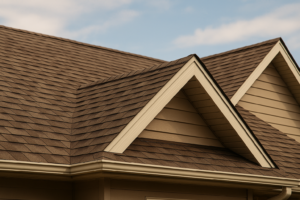
Connecticut weather doesn’t just change—it shape-shifts. One season is a snow globe, the next is a damp greenhouse, then a sauna, then a wind tunnel. Your roof has to survive all of it, and in CT that means preparing for four different threats every year: winter ice dams, spring moss and algae, summer humidity, and fall wind storms. Each one attacks your roof in a different way. Each one has a different prevention playbook. And if you only think about roofing when something leaks, you’ll always be reacting instead of protecting.
Welcome to the Reimagine Roofing “Seasonal Roof Survival” series for Connecticut. This is the big-picture, one-stop guide you can return to all year long. We’ll walk through what happens to CT roofs season by season, what warning signs to watch for, and what smart homeowners do early—before the weather forces expensive repairs.
If you live anywhere in Connecticut—Hartford County, New Haven, Fairfield, Litchfield, Middlesex, New London, Tolland, or Windham—this is for you.
Winter Ice Dams: The Connecticut Roof Wrecker
If you’ve ever seen thick ridges of ice hanging over your gutters or water staining your ceiling after a snowfall, you’ve met the ice dam. Ice dams are among the most common winter roofing issues in CT, especially during freeze–thaw cycles.
What An Ice Dam Actually Is
An ice dam is a frozen ridge near the roof edge that traps melting snow behind it. Here’s how it forms:
- Snow piles on your roof.
- Warm air from your attic melts the snow in the upper roof area.
- Meltwater runs down to the colder eaves.
- At the edge, that water refreezes.
- Over time, a dam forms and blocks new meltwater.
- Water backs up under shingles and finds a path inside.
The roof doesn’t need to be “old” for this to happen. It just needs two things: snow plus uneven roof temperature.
Why Connecticut Gets Ice Dams So Often
CT winters are not consistently cold. We bounce between single digits and 40-degree days—sometimes within the same week. That volatility fuels ice dams.
Typical CT contributors:
- Inadequate attic insulation letting heat escape
- Unbalanced ventilation trapping warm air up top
- Air leaks from the house into the attic (bath fans, recessed lights, attic hatches)
- Roof shapes that hold snow (valleys, dormers, low pitches)
Think of your roof like a tabletop. If it’s warm in the middle and icy at the edge, water will always refreeze out there.
The Damage Ice Dams Cause
Ice dams are sneaky because they damage both the exterior and interior.
Outside:
- shingles lifted or loosened by freeze cycles
- flashing forced open by ice expansion
- gutters pulled away under ice weight
- soffit and fascia rot
Inside:
- attic insulation soaked and compressed
- mold growth on roof decking
- ceiling stains and bubbling drywall
- wall cavities absorbing moisture
- long-term structural rot if ignored
If you see water after snow, it’s almost never a “small leak.” It’s usually a dam creating a backup system.
Winter Warning Signs CT Homeowners Should Watch For
Catch these early and you can prevent a full-blown mess:
- icicles only in one section of the roof (uneven heat spots)
- thick ice along gutters or eaves
- snow melting in patches while other areas stay white
- damp attic insulation
- musty smell in upper floors
- brown ceiling rings after a cold snap
What Prevents Ice Dams (The CT-Proven Way)
Most ice dam fixes are about temperature control, not ice removal.
1. Air-Seal The Attic Floor
If warm indoor air leaks into the attic, the roof warms from below. Seal:
- bathroom fan gaps
- can light penetrations
- attic hatch frames
- plumbing stacks
- top-plate cracks
2. Upgrade Insulation
More insulation keeps heat in your home and out of your roofline. In older CT homes, this is often the biggest fix.
3. Balance Ventilation (Ridge + Soffit System)
You want cold air to flow in at soffits and exit at the ridge, keeping roof temps uniform. Baffles at the eaves keep insulation from blocking airflow.
4. Install Ice And Water Shield At Edges
During reroofing, a waterproof membrane at eaves and valleys provides backup protection if dams happen anyway.
5. Keep Gutters Clear Before Snow
Clogged gutters make freezing worse and speed dam formation.
What Not To Do
- Don’t chop ice with a hammer. You’ll destroy shingles and flashing.
- Don’t rely on salt socks as a long-term fix. They melt channels, but don’t correct roof temps.
- Don’t ignore “just a little water.” Winter leaks escalate fast.
Winter Bottom Line
Ice dams are a system problem: insulation + ventilation + sealing. Fix the system, and you reduce ice dams for good. Keep patching symptoms, and they return every winter.
Spring Moss And Algae: The Slow Green Takeover
Spring in Connecticut is gorgeous… until your roof starts turning green. Moisture, shade, and warming temperatures create prime conditions for moss, algae, and lichen growth across CT.
Moss Vs. Algae: What’s The Difference?
They look similar from the driveway, but they behave differently.
Algae
- usually appears as dark streaks or stains
- feeds on airborne moisture and roof minerals
- common on north-facing slopes
- mostly cosmetic at first, but accelerates shingle aging
Moss
- looks like thick green pads or tufts
- holds water against shingles or tile
- roots into surfaces over time
- physically lifts shingles and opens seams
Both thrive in humid CT springs, especially where trees shade the roof or debris sits in valleys.
Why CT Roofs Get More Growth Than You Think
Connecticut is the sweet spot for roof biology:
- wet springs
- leafy fall debris that sticks around
- shaded neighborhoods
- coastal humidity
- freeze–thaw cycles that open microscopic shingle pores
Even newer roofs can develop algae streaks if conditions are right.
What Moss And Algae Do To Your Roof
Algae damage over time:
- breaks down shingle granules faster
- traps heat on dark stains
- reduces UV resistance
- shortens shingle lifespan
Moss damage faster than algae:
- pries up shingle edges
- keeps roof surface wet longer
- causes rot under shingles
- increases leak risk at seams
- adds weight during rain
Spring growth is rarely urgent in April—but if you ignore it for years, it becomes urgent.
Spring Warning Signs
- dark streaking from ridge downward
- green clumps near valleys or dormers
- shingle edges lifting in moss areas
- gutters filling with gritty green residue
- roof drying slower than neighbors’ roofs after rain
Safe Spring Roof Cleaning
CT homeowners often want to get on the roof with a pressure washer. Please don’t. High-pressure water rips granules off shingles and forces water under the roofing system.
Preferred method: gentle soft-wash cleaning by pros using roof-safe solutions that kill growth without stripping material.
Spring Prevention Tips
1. Trim Overhanging Branches
More sun + airflow = less growth.
2. Keep Valleys And Gutters Clean
Debris traps moisture. Moisture feeds moss.
3. Use Algae-Resistant Shingles During Replacement
Modern shingles can include algae-resistant granules that help CT roofs stay cleaner longer.
4. Address Any Winter Damage
Lifted shingles or flashing gaps left from ice dams become spring growth hotspots.
Spring Bottom Line
A little algae isn’t a crisis; it’s a calendar reminder. Spring is your roof’s “health check” season. Clean gently, prevent shading and debris buildup, and you stop small green issues from becoming structural damage.
Summer Humidity: The Invisible Attic Problem
Summer is roofing’s silent stress test in Connecticut. Heat does obvious damage. Humidity does hidden damage. The combination is what makes CT attics a mold factory if ventilation and insulation aren’t balanced.
Why Summer Humidity Matters For Roofs
Humidity doesn’t just make you sweaty. It loads your attic air with moisture. If that moist air gets trapped, it condenses on the underside of your roof deck. That creates:
- wet sheathing
- insulation saturation
- fastener corrosion
- mold colonies
- warped decking
- weakened structural members
How Humidity Gets Into Your Attic
1. Indoor Air Leaks Upward
Warm air rises. If you have unsealed penetrations, humidity from cooking, showers, and laundry escapes into the attic.
2. Outdoor Humidity Enters Through Poor Ventilation Design
If intake and exhaust vents aren’t balanced, airflow can reverse or stall on hot, wet days.
3. Roof Leaks Add Water
A tiny summer leak can keep decking damp for months.
Summer Warning Signs
- attic smells musty or “earthy”
- nails in attic show rust
- insulation feels damp
- plywood looks dark or blotchy
- upper floors feel hotter than normal
- AC running nonstop but house still sticky
- visible mold on rafters or sheathing
Summer is when mold grows. Winter is when mold forms. Both seasons matter.
What CT Roofs Need In Summer
1. Proper Exhaust Ventilation
Ridge vents, box vents, or other exhaust must pull hot air out efficiently.
2. Adequate Soffit Intake
Without intake, exhaust can’t work. Many CT homes have intake blocked by insulation or old soffit design.
3. Air Sealing (Again!)
The same sealing that prevents ice dams also prevents summer humidity from blowing into the attic.
4. Insulation That Doesn’t Absorb Moisture
If insulation gets damp, performance plummets. Moist insulation equals hotter homes and faster roof aging.
5. Fast Leak Repair
Summer leaks don’t always drip. They steam and evaporate. But the deck still gets damaged.
Summer Roof Upgrades That Pay Off
- balanced ventilation retrofit
- baffle installation at eaves
- attic air-seal work
- ridge vent upgrades during reroof
- solar attic fans where appropriate
- reflective or cool-roof shingles for heat reduction
When attic temps drop, shingle life improves and energy bills calm down.
Summer Bottom Line
In Connecticut, summer roof problems are usually attic problems. Control humidity with sealing and balanced ventilation, and your roof quietly lives longer.
Fall Wind Prep: Nor’easters Start Here
Fall is Connecticut’s roof “training camp.” Nor’easters and late-season storms begin ramping up, bringing heavy rain plus gusts that find weak spots fast.
Why Fall Prep Matters So Much
In CT, the worst roof failures often happen because something small was ignored in September:
- a lifted shingle edge
- a small flashing gap
- a gutter packed with leaves
- a loose ridge cap
- a valley full of debris
Then October or November storms arrive and turn tiny issues into insurance claims.
Connecticut Fall Roof Checklist
Here’s a high-impact list CT homeowners can handle from the ground or with a pro inspection.
1. Scan For Loose Or Missing Shingles
Use binoculars. Focus on:
- edges
- ridges
- valleys
- around vent pipes
- near chimneys
2. Check Ridge Caps
Ridge caps take wind first. If they’re lifted or cracked, storms can peel them off.
3. Clear Gutters And Downspouts
Fall leaf drop is brutal in CT. clogged gutters can cause:
- ice dams later
- siding leaks now
- fascia rot all winter
4. Inspect Flashing And Seal Points
Look for:
- rust
- popped nails
- missing sealant
- bent drip edge
Wind loves flashing gaps.
5. Clean Valleys And Roof Planes
Leaves hold moisture and cause spring moss problems. Clearing now prevents two future issues.
6. Evaluate Tree Risk
Dead limbs hovering over your roof are a storm hazard. Trim before wind season.
7. Schedule A Professional Fall Inspection
A pro can catch subtle wind vulnerabilities and verify attic conditions before winter seals you out.
Fall Warning Signs
-
shingle edges fluttering on windy days
-
gutters overflowing during light rain
-
loose fascia or soffit panels
-
water spots in attic after rain
-
visible debris buildup in valleys
Bottom Line
Fall isn’t the season you fix leaks. It’s the season you prevent them. Ten minutes of prep in September can save you thousands in February.
Seasonal Roof Survival Summary: The CT Year At A Glance
Let’s put the year together:
-
Winter: keep roof temperature even to prevent ice dams.
- Spring: remove growth gently and stop it from returning.
-
Summer: manage attic moisture and heat before mold and deck damage begin.
-
Fall: tighten everything up before wind and snow season punish weak spots.
Each season is connected. If you ignore fall, winter hurts more. Ignore winter, spring growth accelerates. If you ignore spring, summer humidity traps more moisture. And, if you ignore summer, fall storms find rot.
That’s why a year-round approach is the only approach that makes sense in Connecticut.
Your Connecticut Seasonal Roof Partner
Connecticut roofs don’t fail because homeowners don’t care. They fail because the weather is relentless and the warning signs are easy to miss. Reimagine Roofing exists to make seasonal roofing simple, proactive, and stress-free.
Here’s what we do for CT homeowners:
- Free roof inspections (especially pre-winter and post-storm)
- High-performance roof replacements built for CT’s freeze–thaw, humidity, and wind cycles
- Clear, fast estimates and financing options that fit real budgets
If your roof is showing any of the signs we talked about—or if you just want peace of mind before the next season hits—book a free inspection with Reimagine Roofing today. We’ll give you a straight answer about your roof’s health and a plan to keep it strong all year long.
Seasonal change is inevitable. Roof damage doesn’t have to be.
Popular Posts