Delaware Solar-First Roofing: When To Reroof, Best Materials, And Leak-Proof Flashing Systems
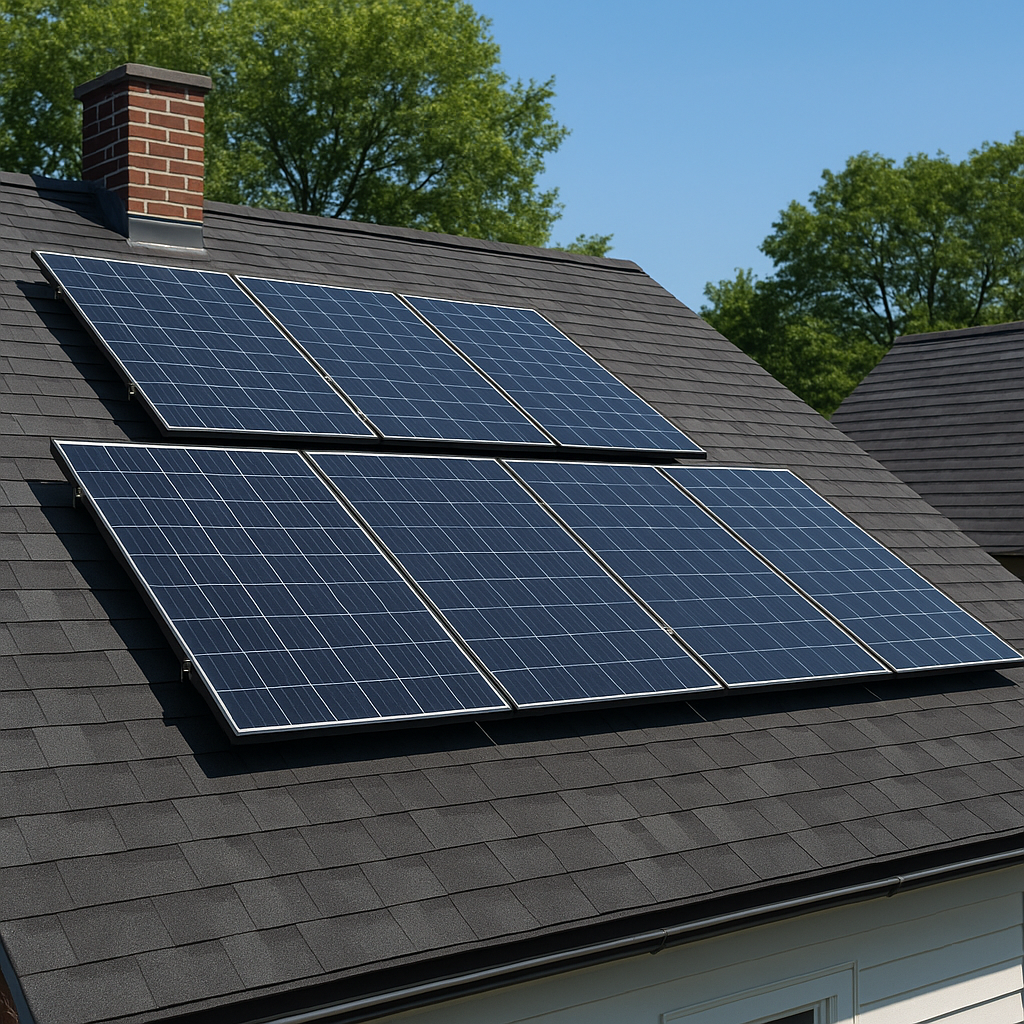
Delaware Solar-First Roofing: When To Reroof, Best Materials, And Leak-Proof Flashing Systems
Delaware Solar-First Roofing Series: When To Reroof Before Solar, Best Materials For Panel Installs, And Leak-Proof Flashing Systems
Solar In Delaware Is Booming. Between Rising Utility Rates, Generous Incentives, And A Growing Interest In Home Energy Independence, More Delaware Homeowners Are Asking The Same Question: “Should I Replace My Roof Before Installing Solar Panels?”
In Most Cases, The Smart Answer Is Yes—But Not Always. A Solar System Is Designed To Sit On Your Roof For 25–30 Years. If Your Roof Won’t Last That Long, You Risk Paying Twice: Once For The Solar Install, And Again For The Cost Of Removing And Reinstalling Panels When The Roof Fails. That’s Why Reimagine Roofing Built A Delaware-Focused “Solar-First Roofing” Approach: A Roof Designed From Day One To Work With Solar, Not Fight Against It.
This Guide Covers Three Things Every Homeowner Needs To Know Before Going Solar In Delaware:
- When To Reroof Before Solar (And When You Can Skip It).
- The Best Roofing Materials For Solar Panel Installs In Delaware’s Climate.
- How Leak-Proof Flashing Systems Protect Your Roof For Decades.
If You’re Planning Solar In Delaware—Or Even Thinking About It—Read This First. A Roof That’s Solar-Ready Is A Roof That Saves You More, For Longer.
Why Solar-First Roofing Matters In Delaware
Delaware Has A Coastal-Influenced Climate With Real Roofing Demands: Humid Summers, Nor’easters, Wind-Driven Rain, Freeze-Thaw Cycles, And Salt Air Near The Coast. Solar Panels Add Another Layer Of Stress: They Concentrate Loads At Attachment Points, Change Roof Surface Temperatures, And Create Penetrations That Must Stay Watertight Through Storm After Storm.
A Traditional Roof Can Handle Solar, But A Solar-First Roof Handles It Better—Longer—With Less Risk.
A Solar-First Roof Is Built Around Three Rules:
- The Roof Must Outlast The Solar.
- The Roof Must Be Designed For Secure Attachments.
- Every Penetration Must Be Protected By A Long-Life Flashing System.
That’s The Reimagine Roofing Standard In Delaware. It’s Not Just A Roof That Solar Can Sit On—It’s A Roof That Solar And Weather Can’t Beat.
When To Reroof Before Solar In Delaware
Here’s The Simple Truth: If Your Roof Has Less Than 10–12 Years Of Safe Life Left, Reroof Before Solar.
Why That Window? Because Even A Mid-Cycle Roof Replacement Under Solar Turns Into A Major Project:
- Solar Panels Must Be Removed
- Racking Must Come Off
- The Roof Must Be Replaced Or Repaired
- Panels Must Be Reinstalled And Reinspected
- Warranties Get Complicated
That Can Add Thousands In Labor And Lost Time—And It Often Voids Or Limits Certain Installation Warranties.
Let’s Break It Down Into Clear Delaware-Ready Scenarios.
Roof Age Rules Of Thumb (What Most Delaware Homes Fit Into)
Asphalt Shingle Roofs (Standard Delaware Suburbs And Towns):
- Typical Lifespan: 18–25 Years
- If Roof Is 15+ Years Old, Plan A Reroof Before Solar
- If Roof Is 10–14 Years Old, Get A Pro Inspection And Solar-Readiness Assessment
- If Roof Is Under 10 Years Old, Likely Safe For Solar If Condition Is Good
Architectural Asphalt Shingles (Common In Newer Delaware Communities):
- Typical Lifespan: 25–35 Years
- If Roof Is 20+ Years Old, Reroof Before Solar
- If Roof Is 12–19 Years Old, Inspection Is Mandatory
- If Roof Is Under 12 Years Old, Usually Solar-Ready
Metal Roofing (Growing In Delaware, Especially Near Coasts):
- Typical Lifespan: 40–70 Years
- If Roof Is Sound And Properly Fastened, Solar Can Go On Without Replacement
- But Attachment Method Matters—More On That Soon
Flat Or Low-Slope Roofs (Older Wilmington Areas, Some Commercial-Style Homes):
- Lifespan Varies By Material
- Solar Readiness Requires A Waterproofing Review, Drainage Check, And Membrane Integrity Test
Age Is Only One Signal. Condition Is The Real Decision-Maker.
The Delaware Solar-First Inspection Checklist
Before Solar, A Solar-First Roofer Should Evaluate:
- Shingle Health
- Curling? Cracking? Missing Granules?
- Delaware Wind And Hail Can Age Shingles Faster Than You Think
- Decking Strength
- Soft Spots Or Sagging Mean Solar Loads Could Cause Failure
- Ventilation And Heat Patterns
- Solar Changes Roof Temps; Poor Ventilation Speeds Wear
- Flashing Integrity
- Chimneys, Valleys, Skylights, And Walls Need Durable Protection
- Solar Adds More Penetrations—Existing Weaknesses Become Leaks
- Leak History
- Any Past Leak Is A Red Flag For Solar-First Reroofing
- Even If “Fixed,” It May Indicate Deeper Issues
- Roof Geometry For Solar Layout
- A Roof With Confusing Planes Or Weak Valleys Needs Design Adjustments
- Better To Optimize Now Than Patch Later
If Any Of These Raise Concern, Reroofing Before Solar Is Nearly Always Cheaper Than Repairing After Solar.
Situations Where You Can Skip Reroofing
You Might Not Need A Full Replacement If:
- The Roof Is Relatively New
- A Qualified Roofer Confirms At Least 15–20 Years Of Remaining Life
- Decking Is Strong
- Flashing Is Updated Or Can Be Upgraded Without Full Tear-Off
- There’s No Active Water Intrusion
But Be Careful With “Might.” Many Homeowners Assume Their Roof Is Fine Because It “Looks Okay.” Solar Is A Long-Term Commitment. A Roof That’s Just “Okay” Today Can Become A Costly Problem Tomorrow.
The Hidden Cost Of Not Reroofing Before Solar
If You Need A Roof Replacement After Solar, Here’s What Often Happens:
- Panel Removal And Reinstall: $3,000–$8,000+
- Delay In Energy Savings: Weeks Or Months
- Risk Of Component Damage During Removal
- Warranty Gray Zones Between Solar And Roofing Companies
And If A Leak Occurs At A Mount, Repairs Can Require Partial Racking Removal Even Before Full Replacement.
Solar-First Roofing Avoids All Of That By Doing The Roof Right First.
Best Roofing Materials For Solar Panel Installs In Delaware
Not Every Roof Material Performs The Same Under Solar. The “Best” Is The One That Matches Delaware Weather, Your Home, And Your Solar Goals.
Let’s Walk Through The Top Options With A Solar-First Lens.
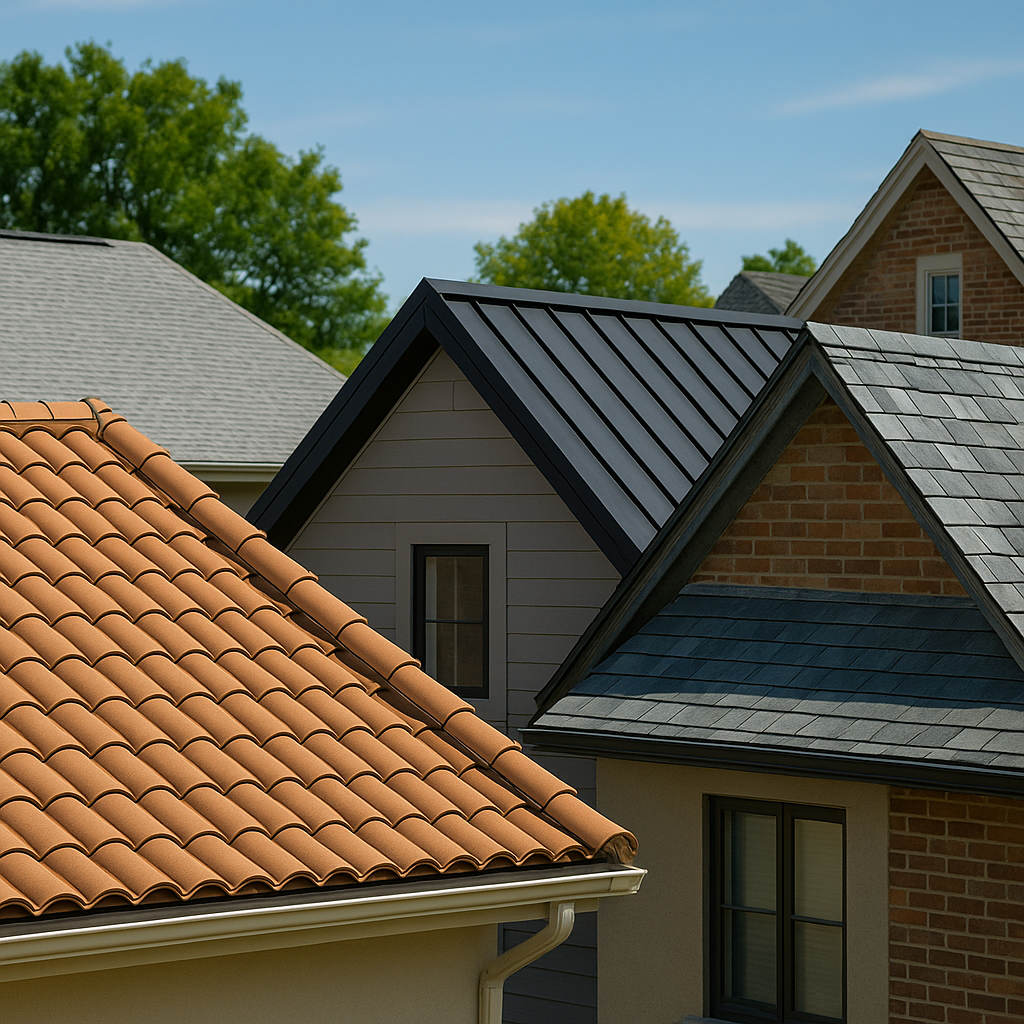
Architectural Asphalt Shingles: The Delaware Standard, Solar-Ready When Done Right
Architectural Shingles Are The Most Common Choice Across Delaware Neighborhoods. They’re Cost-Effective, Attractive, And Widely Compatible With Solar Racking.
Pros For Solar In Delaware
- Easy Installation For Most Solar Systems
- Strong Surface Bond When Proper Underlayment Is Used
- Good Wind Ratings In Modern Products
- Affordable To Replace Pre-Solar
Solar-First Upgrade Tips
- Use High-Performance Synthetic Underlayment
- Add Ice-And-Water Shield At Eaves, Valleys, Corners, And All Solar Mount Zones
- Choose Shingles With Better Heat Resistance To Handle Solar-Driven Temperature Cycles
Best For:
Most Delaware Homes In Dover, Newark, Middletown, Smyrna, Wilmington Suburbs, And Similar Areas.
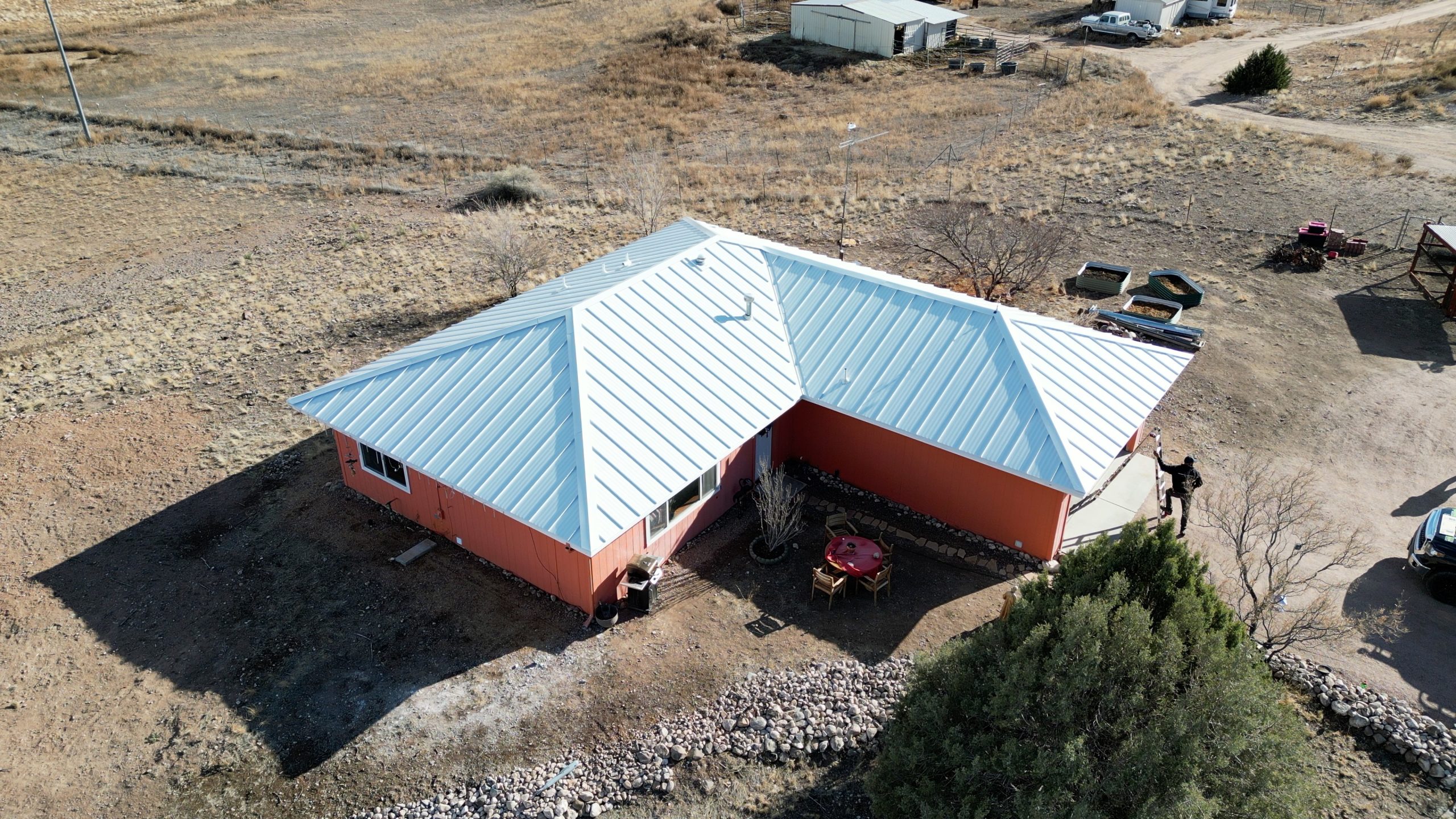
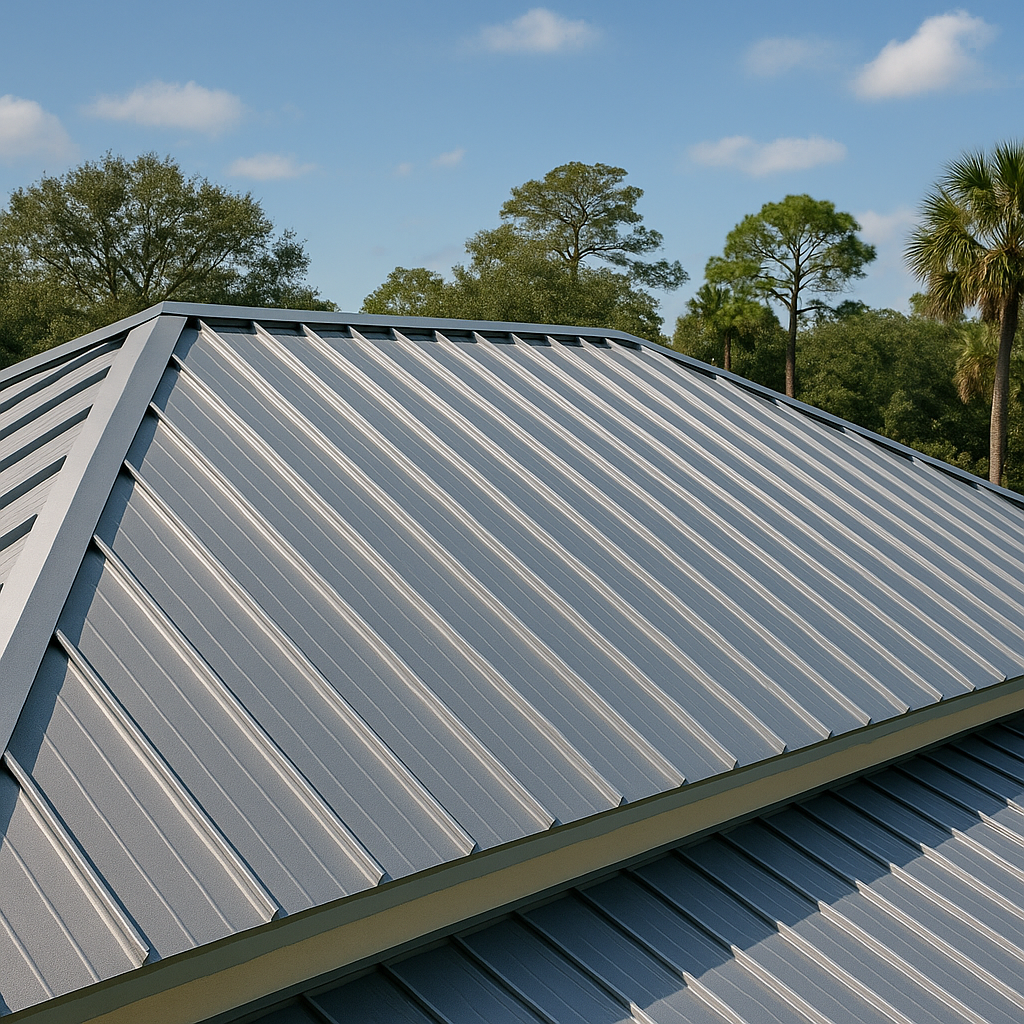
Standing Seam Metal: The Gold Standard For Solar-First Roofing
Standing Seam Metal Is Ideal For Solar Because Panels Can Often Clamp To Seams Without Penetrations.
Pros For Solar In Delaware
- Minimal Penetrations With Clamp Systems
- Long Roof Life That Matches Solar Lifespans
- Excellent Wind Resistance
- Great For Coastal Delaware Homes Exposed To Salt Air And Storms
- Reflects Heat, Helping Summer Efficiency
Solar-First Considerations
- Not All Metal Is Standing Seam—Corrugated Metal Typically Requires Penetrating Mounts
- Proper Underlayment And Fastener Systems Matter
- Coastal Areas Benefit From Corrosion-Resistant Coatings
Best For:
Long-Term Homeowners, Coastal Delaware Properties, Or Anyone Wanting A Roof That Outlasts Two Solar Systems.
Premium Asphalt Or Composite Shingles: A Middle Ground With Big Upside
Composite Roofing Mimics Slate Or Shake But Offers Lighter Weight And High Durabilities.
Pros For Solar
- Longer Lifespan Than Standard Asphalt
- Strong Wind And Impact Ratings
- Stable Surface Under Racking
Solar-First Tips
- Confirm Racking Compatibility—Some Systems Require Specific Mount Hardware
- Ensure Installer Has Experience With Composite Materials To Avoid Void Warranties
Best For:
Homeowners Wanting A Step Up In Longevity Without Going Full Metal.
Slate Or Tile: Beautiful, Durable, But Solar-Complex
Some Delaware Homes Have Slate Or Tile Roofs, Especially Historic Or High-End Properties.
Pros For Solar
- Long Roof Life
- Excellent Heat Resistance
- Stunning Curb Appeal
Challenges For Solar
- Fragility During Install
- Specialized Mounting Systems
- Higher Labor Costs
- More Care Required For Flashing And Tile Replacement
Best For:
Homes Where Preserving Premium Materials Is A Priority, And Solar Is Planned With A Specialist Team.
Flat And Low-Slope Roof Systems: Solar-Friendly With The Right Membrane
Low-Slope Roofs Are Common In Certain Delaware Townhome Areas And Modern Designs.
Pros For Solar
- Great For Ballasted Or Non-Penetrating Systems
- Easy Panel Orientation With Tilt Racks
Solar-First Requirements
- Use A Membrane Designed For Long Life (High-Quality TPO, EPDM, Or Modified Bitumen)
- Confirm Drainage Is Strong Before Solar Adds Shading And Debris Traps
- All Penetrations Need Premium Boots And Reinforcement
Best For:
Townhomes, Modern Flattop Homes, Or Add-On Structures Like Garages.
What Reimagine Roofing Recommends For Delaware Solar-First Homes
If You Want A Practical, Value-Strong Solar-First Roof In Delaware, The Top Two Picks Usually Are:
- Architectural Asphalt With Solar-First Underlayment And Flashing
- Standing Seam Metal With Clamp-Mount Solar Hardware
Together, These Cover Most Homes And Budgets While Maximally Reducing Leak Risk And Future Costs.
Leak-Proof Flashing Systems: The Make-Or-Break Detail For Solar Roofs
The #1 Solar Roofing Problem Isn’t Panels. It’s Penetrations.
Every Solar Mount Is A Roof Pen. If It’s Not Flashed Correctly, Water Will Find It—Maybe Not This Year, But Sometime During Year 5, 10, Or 15 When Delaware Weather Has Had Enough Chances.
That’s Why Solar-First Roofing Focuses On Lifetime-Grade Flashing Systems.
What Flashing Is (And Why Solar Makes It Harder)
Flashing Is The Waterproof Shield That Protects Where Your Roof Has A Break In Its Surface:
- Vents
- Chimneys
- Valleys
- Skylights
- Walls
- Solar Attachments
Solar Adds Multiple Mount Points, Often 20–60 Penetrations, Depending On System Size.
Each One Must Be:
- Sealed
- Mechanically Protected
- Compatible With Roof Material
- Built To Expand And Contract With Temperature Changes
- Designed For Decades
A “Leak-Proof” System Isn’t Just Sealant It’s Layered Water Management.
The Three-Layer Solar-First Flashing Strategy
At Reimagine Roofing, Our Solar-First Approach Uses Three Layers Of Defense:
- Underlayment Protection Layer
- Ice-And-Water Shield Or High-Performance Membrane
- Extends Beyond Each Mount Point
- Captures Any Water That Sneaks Past The Surface
- Mechanical Flashing Layer
- Metal Or Composite Flashings With Built-In Water Channels
- Form-Fitted And Anchored
- Directs Water Over Roofing Instead Of Under It
- Sealing And Compression Layer
- High-Grade Gaskets And Compression Boots
- Designed To Maintain Seal Even Under Wind Lift And Temperature Swings
This Is The Difference Between “It’s Sealed Today” And “It’s Sealed For 25 Years.”
Why Caulk Alone Fails (Especially In Delaware)
Some Installers Treat Solar Mounts Like Simple Screw Holes And Fill Them With Sealant.
That’s A Fast Path To Leaks Because:
- Sealants Dry Out Under UV
- Freeze-Thaw Cycles Crack Them
- Wind-Driven Rain Pushes Water Under Edges
- Thermal Expansion Pulls Mounts Against The Seal
- Even Small Failures Multiply Over Dozens Of Mounts
Delaware’s Seasonal Temperature Swings And Coastal Storm Patterns Accelerate These Issues.
A Solar-First Roof Uses Sealant Only As A Backup, Not The Main Defense.
The Best Solar Flashing Types For Asphalt Roofs
For Delaware Asphalt Shingle Homes, The Most Reliable Systems Include:
- Integrated Mount Flashings With Wide Metal Bases
- Elevated Standoffs That Keep Mounts Above Water Paths
- Butyl Or EPDM Gaskets For Flexible Long-Term Seals
- Shingle-Over Flashing Design That Forces Water Down The Roof, Not Under It
The Goal Is Always The Same:
Water Should Have No Path Into The Roof, Even If One Layer Gets Compromised.
The Best Solar Attachment Systems For Metal Roofs
Standing Seam Metal Makes Solar Easier If Installed Correctly.
The Solar-First Standard Is:
- Non-Penetrating Seam Clamps
- Load-Distributed Rails
- Isolated Dissimilar Metals To Prevent Corrosion
- Wind-Rated Engineering For Delaware Storms
No Holes. No Guesswork. Minimal Leak Risk.
For Corrugated Or Exposed-Fastener Metal Roofs, Penetrations Are Necessary—So Flashing Must Be Even More Robust.
Preventing Leaks Starts Before Solar Goes Up
The Most Overlooked Step: Pre-Solar Roof Design.
A Solar-First Roofer Plans:
- Where Rails Will Land
- How Water Flows Around Those Points
- Which Zones Need Extra Underlayment
- How Future Maintenance Will Work
- How To Avoid Placing Penetrations In Valleys Or Weak Drain Paths
That Design Step Is What Separates “Solar-Ready” From “Solar-First.”
Delaware Weather And Solar: What Your Roof Must Withstand
Let’s Get Specific About Delaware Conditions That Affect Solar Roofing:
- Nor’easter Winds
- Solar Racking Must Be Wind-Rated
- Decking And Fasteners Must Be Strong Enough For Lift
- Wind-Driven Rain
- Penetrations Are Tested Under Sideways Water
- Flashing Quality Matters More Here Than In Drier States
- Humidity And Heat
- Underlayment Must Resist Moisture And Mold
- Ventilation Prevents Solar Heat Trapping
- Freeze-Thaw Cycles
- Tiny Cracks Expand Over Winter
- Flexible Gaskets And Membranes Are Your Friend
- Salt Air Near The Coast
- Metal Components Must Be Corrosion-Resistant
- Fastener Quality Is Non-Negotiable
If Your Roof System Doesn’t Account For These, Solar Can Expose Weaknesses Fast.
How Solar-First Roofing Improves Solar Performance
A Better Roof Doesn’t Just Prevent Leaks. It Improves Your Solar System’s Results.
Here’s How:
- Lower Roof Surface Temps = Better Panel Efficiency
Solar Panels Lose Efficiency When Overheated. A Solar-First Roof With Proper Ventilation And Reflective Materials Keeps Temps Lower. - Stronger Roof Decking = More Stable Arrays
Less Micro-Movement At Mount Points Means Less Long-Term Wear. - Smarter Layout = More Sun, Less Shade
A Solar-First Roofer Coordinates With Solar Designers To Avoid Future Shade From Roof Features Or Poor Plane Selection. - Longer Roof Life = More Years Of Savings
The Longer Your Roof Holds Up, The Longer Your Solar Produces Without Interruption.
Solar-First Roofing Is A Savings Multiplier.
The Solar-First Reroofing Process With Reimagine Roofing In Delaware
If You Decide To Reroof Before Solar, Here’s What A Solar-First Process Looks Like:
- Full Roof And Attic Assessment
- Decking
- Ventilation
- Moisture
- Existing Flashing
- Solar Layout Coordination
- We Map Likely Mount Zones
- Reinforce Where Needed
- Avoid Problem Drain Paths
- Material Selection Based On Solar Goals
- Roofing Material
- Underlayment Grade
- Fastener System
- Coastal Corrosion Factors If Relevant
- Solar-First Installation
- Enhanced Underlayment At Mount Zones
- Wind-Rated Nailing Patterns
- Lifetime-Grade Flashing Readiness
- Photo Documentation And Warranty Alignment
- Clear Records For Solar Installer
- Fewer Warranty Conflicts Later
Your Solar Installer Gets A Roof Built For Their System. You Get Peace Of Mind For Decades.
Build The Roof Your Solar Deserves
Solar Is A 25–30 Year Investment. Your Roof Should Match That Timeline, Not Undercut It.
If You Reroof Before Solar With A Solar-First Mindset, You Get:
- Long-Term Leak Protection
- Better Solar Performance
- Lower Maintenance Costs
- Stronger Storm Resilience
- Peace Of Mind Through Delaware Winters And Nor’easters
And Most Importantly:
You Avoid Paying Twice.
Get A Free Delaware Solar-First Roof Inspection
If You’re Planning Solar In Delaware, Start With A Roof That’s Ready For It.
Reimagine Roofing Offers A Free Solar-First Roof Inspection For Delaware Homeowners, Including:
- Remaining Roof Life Estimate
- Solar Readiness Evaluation
- Flashing And Underlayment Risk Check
- Material Recommendations For Your Home And Budget
- A Clear “Reroof Now Or Not Yet” Answer
Whether You’re In Wilmington, Newark, Middletown, Dover, Rehoboth, Lewes, Or Anywhere In Between—We’ll Help You Make The Smart Call Before Panels Go Up.
Book Your Free Solar-First Roofing Assessment With Reimagine Roofing Today
And Let’s Build A Delaware Roof That Powers Your Home For Decades.
Frequently Asked Questions About Reroofing Before Solar In Delaware
“My Roof Looks Fine. Why Replace It?”
Because Solar Adds Long-Term Commitment And Penetrations. “Fine” Is Not The Same As “Solar-Ready For 25 Years.”
“Can’t The Solar Company Just Fix Leaks Later?”
Leaks Under Solar Are Harder And More Expensive To Fix. Preventing Them Is Always Cheaper Than Chasing Them.
“What If I Want Solar Now But The Roof Next Year?”
If Your Roof Is Borderline, It’s Usually Better To Reroof First. Otherwise You Risk Paying For Panel Removal And Reinstall.
“Is Metal Roofing Worth It For Solar?”
If You Plan To Stay In Your Home Long-Term, Metal Often Pays Off With Zero-penetration mounting, long life, and storm resilience—especially for Delaware coastal areas.
“How Long Does A Solar-First Reroof Take?”
Most Delaware homes can be reroofed efficiently once materials and permits are aligned. Reimagine Roofing structures projects to minimize disruption so solar can follow quickly.
Popular Posts