Tile Roof Repair Vs. Replacement In Florida’s Coastal Zones
Tile Roof Repair Vs. Replacement In Florida’s Coastal Zones
Tile Roof Repair Vs. Replacement In Florida’s Coastal Zones
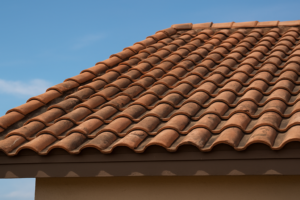
Florida’s coastal regions offer some of the most beautiful places to live—but they also deliver some of the harshest roofing conditions in the United States. From intense sun exposure to salty ocean air, from hurricane-force winds to seasonal downpours, tile roofs along Florida’s coasts endure stress year-round.
Tile roofing can last 50+ years, but only when properly maintained and protected. Many homeowners assume that cracked tiles, surface wear, or small leaks simply require quick repairs. Yet in Florida’s coastal zones, the underlying conditions—spalling, underlayment deterioration, salt corrosion, and sub-surface damage—often mean repairs are only temporary solutions.
This 3,000-word guide breaks down everything Florida coastal homeowners need to know about tile roof repair vs. replacement, including:
- The science behind coastal tile roof deterioration
- When repairs are sufficient and when they become risky
- The true role of underlayment life
- Why cracked tiles are a bigger problem than they appear
- How salt corrosion accelerates aging
- The long-term value of choosing the right replacement system
- A full checklist for deciding between repair and replacement
- Free coastal tile roof evaluation from Reimagine Roofing
Understanding Florida’s Coastal Roofing Environment
Tile roofs are popular in Florida for good reason—they’re durable, fire-resistant, and visually perfect for coastal architecture. But the environment challenges them every day:
Salt-Charged Air
Salt particles penetrate roofing pores, cracks, fasteners, flashing, and even the underlayment beneath.
High UV Exposure
Sunlight rapidly breaks down surface coatings and underlayments.
Hurricane-Level Winds
Flying debris, lifted tiles, and impact cracks are common.
Moisture + Heat Cycles
Tiles expand in heat and contract as temperatures drop, creating stress cracks.
Because of these conditions, Florida tile roofs degrade differently than tile roofs in more moderate states. A roof that appears “mostly fine” from the surface can have deep functional damage underneath.
This is especially true in the coastal zones from Miami to Daytona, Tampa Bay to Naples, Destin to Palm Beach, and all the barrier islands.
Tile Roofing Basics: What’s Above And Below Matters
Tile roofing is a system, not just a collection of tiles. The tiles offer protection and aesthetic appeal, but the underlayment is what keeps the home dry.
A tile roof consists of:
- Tile surface layer
- Fasteners and clips
- Flashing and transitions
- Underlayment (the waterproofing barrier)
- Battens (sometimes) to elevate tiles
- The roof deck beneath
In Florida’s coastal environment, the underlayment has a much shorter lifespan than the tile itself—even premium tile roofs can see underlayment failure at 15–25 years depending on exposure.
This is why simply “replacing cracked tiles” often isn’t enough.
Spalling: The Silent Tile Killer In Coastal Florida
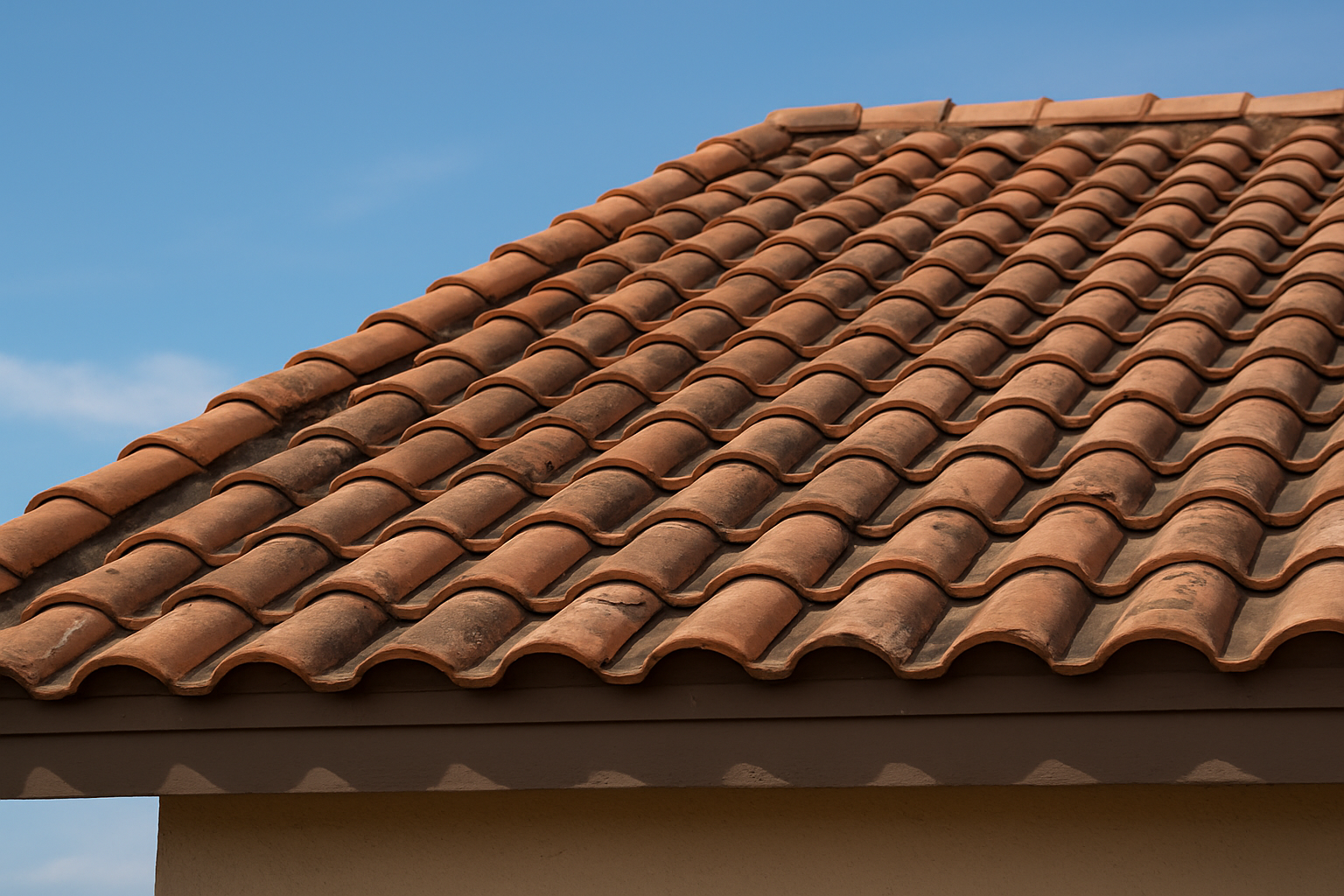
Spalling is a form of deterioration where tiles begin to flake, chip, or break apart. It is incredibly common in coastal Florida because saltwater exposure accelerates tile surface breakdown.
What Causes Spalling?
- Salt air penetration
- Moisture absorption
- Temperature swings causing expansion
- Weakened tile density
- Poor original firing of tile
- Micro-cracks expanding into surface damage
Why Spalling Matters
A spalling tile is more than cosmetic—it means the tile structure is compromised. Over time, spalling:
- Reduces the tile’s ability to shed water
- Allows more moisture to reach underlayment
- Causes tiles to become brittle
- Leads to breakages during storms
- Indicates larger roof-wide deterioration
Repair Or Replace?
Small, isolated spalling areas can be repaired.
Widespread spalling across multiple tiles, slopes, or sections typically indicates the whole roof system is aging out.
Underlayment Life: The Real Deciding Factor In Tile Roof Viability
Tiles often last 50–100 years.
Underlayment does not.
In Florida, underlayment deterioration is the leading cause of tile roof leaks, not the tile itself.
Typical Florida Coastal Underlayment Lifespans
- Basic underlayment: 12–18 years
- Mid-grade underlayment: 18–25 years
- Premium high-temperature underlayment: 25–35 years
Most homes built in the 90s, early 2000s, and even mid-2010s were not installed with premium underlayments.
Signs Underlayment May Be Failing
- Recurrent leaks even after tile replacement
- Staining or moisture in attic
- Loose or sliding tiles
- Debris trapped under tiles
- Rusted fasteners or flashing
- Visible deterioration during roof lift inspections
Repair Or Replace?
Repairing tiles does not restore underlayment health.
If underlayment has reached its end-of-life, replacement is the only long-term solution.
Cracked Tile Risks: More Serious Than They Look
Cracked tiles are one of the most common issues on Florida tile roofs.
Why Tiles Crack
- Impact from branches, debris, or storms
- Foot traffic from maintenance crews
- Thermal expansion
- Pre-existing weaknesses from manufacturing
- Aging and brittleness
Hidden Risks Behind Cracked Tiles
A cracked tile no longer protects the underlayment beneath. Even small cracks allow:
- Salt and moisture intrusion
- Underlayment erosion
- Roof deck exposure
- Progressive leaks
- Mold growth in attic space
Many homeowners believe cracked tiles can be “patched” or replaced individually. This works only when the issues are isolated. Once cracked tiles become widespread, the entire roof system may be compromised.
Repair Or Replace?
Replace individual cracked tiles when:
- Underlayment is still healthy
- Damage is isolated to a small area
- No signs of systemic failure
Consider full replacement when:
- Cracks are appearing across multiple slopes
- Underlayment is becoming exposed
- Fasteners show corrosion
- Attic moisture is present
Salt Corrosion: Florida’s Invisible Roof Destroyer
Salt corrosion affects every layer of a tile roof, not just the tiles.
What Salt Does To Tile Roofs
Salt particles accelerate:
- Metal flashing rust
- Fastener corrosion
- Tile surface decay
- Underlayment deterioration
- Membrane breakdown
- Sealant and joint failure
Salt essentially “ages” a roof faster in every way.
Why Repairs Often Fail In Coastal Salt Zones
You may replace a cracked tile or reseal flashing—but the salt exposure has already weakened surrounding areas.
This leads to a cycle of repair after repair, each one addressing only the symptom, not the system.
Repair Or Replace?
When salt corrosion affects flashing, underlayment, clips, or fasteners, replacement becomes the more cost-effective and reliable choice long-term.
When Tile Roof Repair Makes Sense In Florida’s Coastal Areas
Repair is appropriate when:
- Damage is localized
- Tiles are in good overall condition
- Underlayment is within lifespan and intact
- Flashing shows no rust or failure
- No recurring leaks
- The homeowner plans to sell soon and updates need to be cost-limited
Common Repair Scenarios:
- A few cracked or displaced tiles
- Minor flashing adjustments
- Replacing broken ridge or hip tiles
- Repairing impact chips from storms
- Temporary fixes while planning a full reroof
Repairs buy time—but they do not restore the roof to “like-new” condition.
When Tile Roof Replacement Is The Better Choice
Replacement becomes the smarter investment when:
1. Underlayment Has Aged Out
The most important sign of roof end-of-life.
2. Cracked Or Spalling Tiles Are Widespread
Indicates material fatigue.
3. Salt Corrosion Has Compromised Flashing Or Fasteners
Structural integrity is at risk.
4. Multiple Leaks Have Occurred Over Several Years
Each repair means new penetrations and potential weak points.
5. The Roof Is 20–30+ Years Old
Most tile roofs in coastal Florida need major system updates at this point.
6. You Want Hurricane-Resilient Modern Standards
Replacements allow:
- Higher uplift ratings
- Better fastening systems
- Modern, stronger underlayment
- Improved ventilation
7. You Plan To Stay In The Home Long Term
Replacement provides decades of protection, and avoids patchwork repair cycles.
The True Costs: Repair Vs. Replacement In Coastal Florida
Repairs Cost
- $250–$2,500 depending on damage
- Good for temporary relief
- Limited warranty
- Must be repeated as roof continues to age
Replacement Cost
- Higher upfront cost, but much lower lifetime cost
- Full system reset
- New underlayment, flashing, and attachment upgrades
- Strong warranties
- Adds property value and insurance advantages
Cost If You Delay A Needed Replacement
- Water intrusion
- Structural deck damage
- Mold remediation
- Interior drywall repairs
- Increased insurance complications
Waiting too long can turn a manageable reroof into a major restoration.
How A Professional Coastal Tile Roof Evaluation Works
When Reimagine Roofing performs a tile roof evaluation in Florida’s coastal regions, the inspection includes:
Surface Tile Condition
Spalling, cracks, impact damage, tile density testing.
Underlayment Exposure
Lifted tile sampling to examine membrane health.
Flashing And Metal Condition
Salt corrosion, rust, seal malfunction, joint gaps.
Fastener Stability
Tile attachment integrity under wind risk.
Attic Moisture Assessment
Staining, mold, ventilation weaknesses.
Storm Damage History
Lifted tiles, shifted hips/ridges, debris impact.
Repair Vs. Replace Recommendation
Based on lifespan, risk, cost, and future storm exposure.
This thorough evaluation is what allows homeowners to make confident, informed decisions.
Tile Roof Replacement Benefits Along Florida’s Coast
Choosing a full replacement offers long-term advantages:
Stronger Underlayment For Coastal Weather
Modern high-temperature and self-adhered membranes last decades.
Updated Hurricane-Rated Fastening Systems
Improved uplift resistance for high-wind zones.
Corrosion-Resistant Flashing And Fasteners
Built for salt air environments.
Improved Ventilation
Reduces attic heat, moisture, and tile stress cracking.
Longer Warranties
Some systems offer 25–30+ year protection.
Higher Home Value
Buyers prefer updated coastal roofs with modern standards.
Repair Or Replace? The Coastal Tile Roof Decision Checklist
You should lean toward repair if:
- Only a few tiles are damaged
- Roof is under 15 years old
- Underlayment is still in strong condition
- No signs of salt corrosion
- No recurring leaks
- Damage is isolated
You should lean toward replacement if:
- Roof is 20–30+ years old
- Underlayment is brittle, cracked, or exposed
- Multiple tile slopes show damage
- Salt corrosion is affecting metals
- Leaks have occurred more than once
- Repairs are becoming frequent
- You want a storm-resilient, long-life system
The Smartest Choice Is The One That Protects Your Home For Decades
Tile roofs in Florida’s coastal areas demand more attention than tile roofs elsewhere. The sun, salt, storms, and humidity create conditions where small issues quickly become major failures.
Repairs can buy time.
Replacements restore full protection.
Knowing when to choose which option can save you thousands and protect your home from the costly effects of water intrusion.
Get A Free Coastal Tile Roof Evaluation From Reimagine Roofing
If you live along Florida’s coast, your tile roof faces extreme weather conditions every year. Don’t guess whether you need repairs or a full replacement—get expert clarity from roofing specialists who understand Florida’s coastal challenges.
Reimagine Roofing offers a Free Coastal Tile Roof Inspection, including:
- Tile condition analysis
- Underlayment lifespan evaluation
- Salt corrosion assessment
- Attic moisture check
- Storm readiness review
- Clear recommendation: repair or replacement
Protect your home with a roof designed to stand up to Florida’s coastal environment.
Schedule Your Free Coastal Tile Roof Assessment With Reimagine Roofing Today—And Get Peace Of Mind Before The Next Storm Season Arrives.
Popular Posts