When is the Best Season for Roof Replacement in Maryland?
When is the Best Season for Roof Replacement in Maryland?
Roof Replacement Timing In Maryland: Best Season To Install
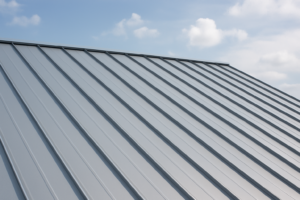
Maryland homeowners face a unique challenge when it comes to roof replacement: the state experiences all four seasons—each with drastically different temperatures, humidity levels, storm patterns, and weather risks. Because roofing is heavily influenced by climate conditions, choosing the right time of year to replace your roof can significantly impact the quality of the installation, the life expectancy of the roofing materials, and even your final project cost.
This comprehensive 3,000-word guide explains everything Maryland homeowners need to know about scheduling a roof replacement, including:
- The pros and cons of winter installs
- The pros and cons of summer installs
- Why the shoulder seasons (spring and fall) are considered the best
- How Maryland weather affects shingles, underlayment, adhesives, flashing, and ventilation
- What homeowners should prepare for in each season
- The ideal timing for storm-related replacements
- CTA for a free roof evaluation from Reimagine Roofing
If you’re planning a roof replacement in Maryland—whether you live in Baltimore, Frederick, Annapolis, Columbia, Silver Spring, Hagerstown, or anywhere in between—this guide will help you choose the perfect timing for long-term durability and cost-efficiency.
Why Roof Replacement Timing Matters In Maryland
A roof is not just a surface of shingles—it’s an engineered system made of multiple components that must seal, bond, and fasten correctly. Weather influences:
- Shingle flexibility and sealing ability
- Adhesive activation and bonding
- Underlayment performance
- Flashing installation accuracy
- Worker safety and productivity
- Overall roof lifespan
Maryland’s climate swings from icy winters to humid summers, which means roof installations must be scheduled thoughtfully.
While roofing can technically be performed year-round, understanding seasonal pros and cons ensures you choose the time period that offers:
- The best material performance
- The highest installation quality
- The smoothest project timeline
- The longest-lasting results
Let’s explore each season in detail.
Winter Roof Replacement In Maryland
Winter in Maryland can include freezing temperatures, snowstorms, high winds, and icy conditions. Roofing in winter is absolutely possible, but it requires expertise, proper timing, and specific techniques.
Below is a full breakdown of winter roofing pros and cons for Maryland homeowners.
Pros Of Winter Roof Replacement In Maryland
1. Faster Scheduling And More Flexibility
Winter is typically the off-peak roofing season. You may benefit from:
- Shorter wait times
- Faster project start dates
- More flexible scheduling
- More availability for emergency replacements
If a weather event has damaged your roof late in the year, winter installation may be the quickest option.
2. Contractors Have More Time For Thorough Inspections
During winter, roofing teams often have smaller workloads, allowing for:
- More detailed evaluations
- More personalized planning
- Better communication
- Greater attention to special requests
If your project requires custom materials, structural review, or decking repair, winter may allow deeper focus.
3. Great For Emergency Or Storm-Damage Replacements
If your roof is leaking, sagging, or missing shingles due to storms, waiting until spring could worsen the damage. Emergency winter replacements prevent:
- Interior water damage
- Mold growth
- Deck rot
- Insulation saturation
- Further roof deterioration
When time-sensitive, winter roofing is a lifesaver.
Cons Of Winter Roof Replacement In Maryland
1. Shingles Can Become Less Flexible In Cold Weather
Asphalt shingles are designed to be flexible during installation. Cold temperatures can make shingles:
- More brittle
- Harder to cut
- More likely to crack if mishandled
Experienced crews can overcome this challenge, but it requires careful technique.
2. Adhesive Seals May Not Activate Immediately
Shingles contain a self-sealing adhesive strip that bonds under heat from the sun. In winter:
- Seal activation may be delayed
- Extra fasteners may be required
- Strong winds may temporarily prevent bonding
A proper winter installation anticipates this and compensates accordingly.
3. Snow, Ice, And Safety Risks Can Delay Work
Winter roofing brings possible interruptions due to:
- Snow accumulation
- Ice patches
- Dangerous roof surfaces
- Limited daylight hours
These factors may extend the project timeline.
4. Some Underlayment Types Become Stiffer In Cold Weather
Modern synthetic underlayments fare better than old felt paper, but:
- Very cold temperatures can affect traction
- Some membranes are harder to fasten cleanly
- Ice barriers must be installed with precision
Not all materials perform equally well in winter.
Ideal Winter Roofing Scenario
Winter is appropriate when:
- A replacement is urgent
- You want fast scheduling
- You hire an expert roofing team familiar with cold-weather installation
- You are replacing with high-performance shingles designed for all-weather installs
Summer Roof Replacement In Maryland
Summer is a popular season for roof replacements, but it comes with its own set of challenges. Maryland summers are known for:
- High humidity
- Intense sun
- Sudden thunderstorms
- Heat waves
- Occasional high winds
Here’s how summer stacks up for roofing projects.
Pros Of Summer Roof Replacement In Maryland
1. Shingles Seal Quickly And Strongly
Warm temperatures help shingle adhesive seal strips activate faster. This provides:
- Tight bonding
- Better wind resistance
- Faster waterproofing
- Immediate roof readiness
For Maryland’s summer storms, this is especially valuable.
2. Materials Are More Flexible And Easier To Install
Warmth keeps shingles pliable, allowing for:
- Smooth installation
- Easier cutting
- Better alignment
- Lower risk of shingle cracking
This ensures high-quality craftsmanship.
3. Longer Workdays Mean Faster Project Completion
Summer’s extended daylight hours allow roofers to:
- Start earlier
- Work later
- Finish faster
Homeowners often prefer summer for quick turnaround.
4. Good For Planning Exterior Projects Simultaneously
Many homeowners coordinate roofing with:
- Gutter replacement
- Siding updates
- Exterior painting
- Solar installations
- Ventilation upgrades
Summer offers convenient timing for multi-stage exterior work.
Cons Of Summer Roof Replacement In Maryland
1. Extreme Heat Can Affect Workers And Materials
Maryland summers can exceed 90–100 degrees with high humidity. Heat can:
- Slow productivity
- Increase risk of heat-related illness
- Cause shingles to become overly soft
- Create adhesion too quickly, trapping mistakes
Hot-weather roofing requires careful pacing.
2. Sudden Thunderstorms Are Common
Maryland storms can roll in fast, which may cause:
- Delays
- Need for extra stormproofing during installation
- Temporary moisture risks
Experienced roofers monitor weather closely to avoid complications.
3. Peak Season Pricing And Scheduling
Summer is the busiest roofing season. Homeowners may experience:
- Longer wait times
- Premium pricing due to demand
- Limited availability for urgent replacements
4. Attic Ventilation May Need Upgrades To Handle Heat
A roof installed in peak heat must account for:
- Heat buildup in attic
- Shingle longevity concerns
- Thermal expansion
- Proper airflow strategies
This often requires ventilation review and possible upgrades.
Ideal Summer Roofing Scenario
Summer is ideal when:
- You want fast sealing and curing
- Your project requires rapid completion
- You need optimal material flexibility
- You schedule early to avoid peak demand
Roof Replacement During Shoulder Seasons: Spring And Fall
Maryland’s spring and fall are widely considered the best times for roof replacement due to moderate weather and fewer extreme conditions.
Let’s break down why shoulder seasons outperform winter and summer.
Spring Roof Replacement In Maryland
Spring offers mild temperatures and lower humidity, making it perfect for roofing.
Pros Of Spring Roof Replacement
1. Ideal Temperatures For Shingles And Adhesives
Shingles bond optimally in temperatures between 45–85 degrees—Maryland spring fits this range perfectly.
2. Predictable Weather
Spring brings fewer storms than summer and fewer freezes than winter.
3. Fast Scheduling Before Summer Rush
You beat the seasonal price surge and scheduling backups.
4. Perfect Time For Post-Winter Repairs
Winter may reveal leaks, cracks, or shingle failure. Spring is when homeowners take action.
Cons Of Spring Roof Replacement
1. Occasional Rain Showers
While lighter than summer storms, spring rain may cause occasional delays.
2. High Demand Begins Late Spring
If you wait until May or June, scheduling becomes tighter.
Fall Roof Replacement In Maryland
Fall is often considered the #1 roofing season in Maryland.
Pros Of Fall Roof Replacement
1. Best Overall Weather Conditions
Temperatures are moderate and stable. Humidity is low. Winds calm. Perfect for roofing.
2. Shingle Adhesives Seal Before Winter
Your roof experiences the full sealing period before harsh cold arrives.
3. Post-Storm Season Repairs
Hurricane remnants and summer storms may reveal roof weakness—fall addresses these issues before winter sets in.
4. Improves Energy Efficiency Before Winter
Fresh roofing and ventilation upgrades help reduce heating costs.
Cons Of Fall Roof Replacement
1. High Demand
Fall is extremely busy; scheduling early is crucial.
2. Days Shorten By Late Fall
Reduced daylight slightly limits daily project time, though weather still supports quality installation.
How Maryland Weather Influences Roofing Performance
Because Maryland has:
- Freeze-thaw cycles
- High humidity
- Intense summer heat
- Coastal storm exposure
- Rapid temperature swings
A roof must be installed under conditions that allow:
- Proper sealing
- Moisture-free application
- Optimal shingle bonding
- Precise flashing installation
- Safe working conditions
Choosing the right season extends your roof’s lifespan significantly.
Seasonal Comparison Summary
Here is a quick-reference comparison:
| Season | Pros | Cons | Best For |
|---|---|---|---|
| Winter | Flexible scheduling, emergency-ready | Cold brittleness, delayed sealing | Urgent replacements |
| Summer | Fast sealing, long workdays | Heat challenges, storms, higher cost | Quick installs, strong bonding |
| Spring | Ideal temps, moderate weather | Early-season rain | Balanced timing, early maintenance |
| Fall | Best weather, perfect sealing | High demand | Optimal long-term installation |
When Timing Doesn’t Matter: Emergency Situations
Some circumstances require immediate replacement regardless of season:
- Active leaks
- Structural deck weakening
- Storm or tree damage
- Mold intrusion
- Missing shingles in multiple sections
- Insurance deadlines
- Severe underlayment failure
In these cases, waiting for a “better season” risks major home damage.
How To Choose The Right Season For Your Roof Replacement
Ask yourself the following:
1. How Old Is My Roof?
If it’s already failing, waiting might worsen the condition.
2. Do I Have Active Leaks?
Leaks require immediate action.
3. How Long Can I Wait For Scheduling?
If you want the best conditions, spring and fall are ideal.
4. Is My Home Exposed To Strong Weather?
Coastal Maryland homes may require urgent action after storms.
5. Am I Planning To Sell Soon?
Fall and spring replacements offer the best curb appeal.
6. Do I Want The Best Material Performance?
Moderate temperatures (spring/fall) provide the best results.
Final Recommendation: Fall And Spring Are Best For Most Maryland Homeowners
While roofing can be done year-round, fall and spring consistently provide the most stable conditions for:
- Shingle bonding
- Worker efficiency
- Material durability
- Installation quality
- Long-term roof performance
If your replacement is planned and not urgent, aim for these seasons.
If your roof is failing, timing becomes secondary to preventing severe damage.
Get A Free Maryland Roof Replacement Evaluation From Reimagine Roofing
If you’re trying to decide the best time to replace your roof in Maryland, Reimagine Roofing can help you choose the perfect season—and the perfect roofing system for your home.
We offer a Free Maryland Roof Evaluation, including:
- Full inspection of shingles, underlayment, and flashing
- Assessment of weather-related wear
- Seasonal timing recommendations
- A detailed replacement plan and cost breakdown
- Storm-readiness improvements
- Ventilation and attic health review
Don’t wait until leaks or storms force an emergency replacement.
Make a smart, season-conscious decision with expert guidance.
Schedule Your Free Maryland Roofing Inspection
Use Fast Quote Tool To Get Estimates In Less Than A Day
Build A Roof Designed To Withstand Maryland’s Climate For Decades.
Popular Posts