How Thermal Shock Affects Your Roof In Massachusetts
How Thermal Shock Affects Your Roof In Massachusetts
Sudden Temperature Drops In Massachusetts: How Thermal Shock Affects Your Roof
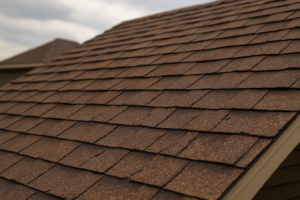
Massachusetts homeowners understand the reality of unpredictable New England weather. A peaceful 45-degree afternoon can be followed by a freezing night. A mild morning may turn into a bitterly cold evening. Winter thaws often arrive suddenly, only to refreeze a day later. These constant and rapid temperature fluctuations—common across the state from the Berkshires to Boston, Worcester, the Cape, and the North Shore—create a unique challenge for roofing systems known as thermal shock.
Thermal shock occurs when roofing materials rapidly expand and contract due to sudden temperature changes. Over time, this ongoing stress compromises the structural integrity of shingles, flashing, decking, underlayment, and critical connection points along the roof. The process is subtle but destructive, often leading to:
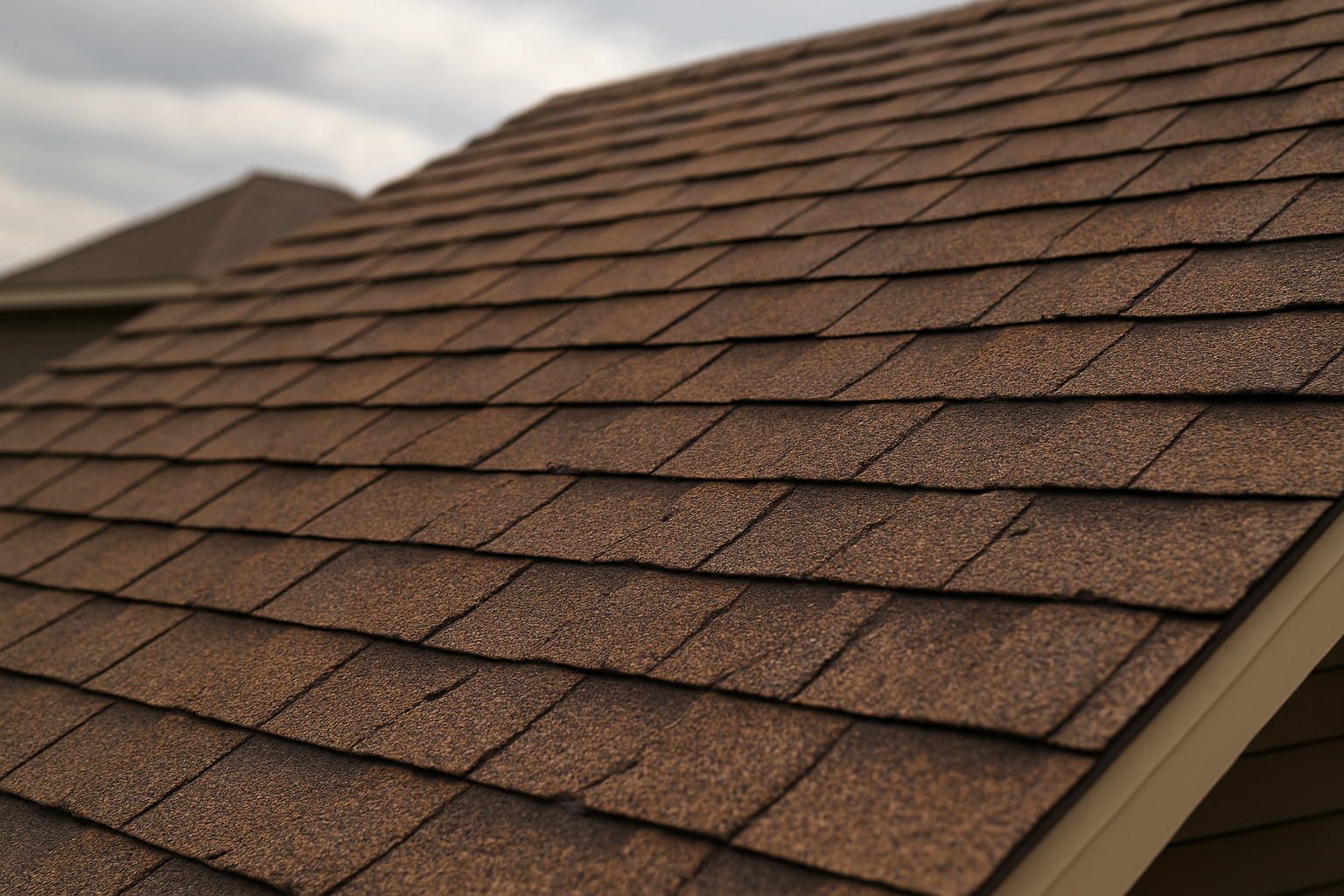
- Cracks in shingles
- Ridge and hip failures
- Granule loss
- Loose flashing
- Warping of roof decking
- Premature material brittleness
- Leaks—particularly during freeze-thaw cycles
Understanding Thermal Shock In Massachusetts Roofing
Thermal shock is the stress placed on roofing materials when temperatures shift suddenly—sometimes by as much as 20–30 degrees within a few hours. This is extremely common in Massachusetts, especially during:
- Late fall cold snaps
- Winter warm-ups followed by rapid freezes
- Early spring weather swings
- Night-to-day temperature swings in winter
Roofs are made of layered materials—shingles, underlayment, flashing, sealants, fasteners, and decking—each with its own expansion and contraction properties. When temperature changes rapidly, these materials move at different speeds, pulling, twisting, and stretching against each other.
This mismatch weakens the roofing system over time.
Why Massachusetts Weather Creates Extreme Thermal Shock Conditions
Not all regions experience roof-damaging temperature shifts. What makes Massachusetts unique is the intensity and frequency of fluctuations.
1. Rapid Day-Night Temperature Swings
In winter, it’s common for temperatures to rise during the day then plummet at night.
2. Freeze–Thaw Cycles
The weather may warm above freezing for a few hours—melting snow—then refreeze quickly, creating expansion and contraction inside roof materials.
3. Coastal Influence
Areas near the Atlantic Ocean experience additional fluctuations from oceanic air patterns.
4. Jet Stream Variability
New England is frequently affected by shifts that cause sudden warm-ups or extreme cold blasts.
5. Snowmelt Cycles
Snow resting on roofs can melt from solar heat, then freeze again overnight, increasing strain on both shingles and underlayment.
These repeated cycles accelerate aging—especially on roofs older than 10–15 years.
How Thermal Shock Damages Asphalt Shingles
Asphalt shingles remain the most popular roofing material in Massachusetts. Unfortunately, they are also highly vulnerable to sudden temperature changes.
Here’s what happens internally:
1. Expansion In Warmth
Shingles expand as temperatures rise.
2. Contraction In Cold
As temperatures drop suddenly, the asphalt contracts quickly—often faster than the fiberglass matrix within the shingle.
3. Material Stress Over Time
This repeated movement causes:
- Micro-cracks
- Loss of shingle flexibility
- Curling along edges
- Creased or lifted shingle tabs
Eventually, shingles become brittle, thin, and prone to breakage.
4. Granule Loss
Every expansion and contraction cycle wears down the protective granule layer. This layer protects shingles from UV damage and moisture. Without it, the shingle ages prematurely.
5. Seal Strip Weakening
Thermal shock can break the adhesive bond that seals shingles to each other. Once this seal breaks:
- Wind can lift shingles
- Water can seep beneath them
- Ice dams can force water into the roof deck
This is one of the key early warning signs of thermal damage.
How Thermal Shock Leads To Ridge And Hip Failures
Ridge caps and hip shingles are more exposed than field shingles, making them highly vulnerable.
1. They Receive Direct Sun
This creates higher temperature swings compared to shaded areas.
2. They Flex More Frequently
Their elevated positioning causes repeated expansion and contraction.
3. They Carry Structural Stress
Ridges and hips form the roof’s structural intersections—areas already under tension.
Over time, thermal shock causes:
- Cracks across ridge caps
- Splitting at hips
- Gaps in ridge vent systems
- Broken or missing caps after storms
If you see a cracked ridge cap, it often indicates widespread thermal stress across the entire roof.
Why Older Massachusetts Roofs Are Especially Vulnerable
A 25-year shingle rated for mild climates rarely lasts its full lifespan in Massachusetts. Sudden temperature drops accelerate aging dramatically.
1. Older Shingles Lose Oil Content
This makes them more brittle and less flexible, unable to handle movement.
2. Nailing Systems Weakening
As shingles expand and contract, they tug on nails and lead to:
- Nail pops
- Shingles lifting
- Exposed nail holes
- Moisture intrusion
3. Felt Underlayment Breakdown
Older roofs often use felt paper—highly susceptible to cracking under thermal stress.
4. Weakened Flashing Areas
Metal flashing expands differently than shingles, causing stress points where the two materials meet.
Once roofs hit the 15–20 year mark, thermal shock accelerates failures rapidly.
How Thermal Shock Affects Flashing, Sealant, And Roof Joints
Flashing protects vulnerable areas such as:
- Chimneys
- Skylights
- Sidewalls
- Valleys
- Pipe boots
Thermal shock weakens these areas faster than nearly any other roofing stress.
Metal Flashing
Metal expands and contracts differently from asphalt, creating gaps over time.
Sealants
Sealants become brittle, crack, shrink, or detach during temperature swings.
Rubber Boots
Rubber or neoprene pipe boots often split early due to contraction in cold weather.
Joints And Transitions
Any place two materials meet is vulnerable to thermal stress.
These issues often lead to leaks even when shingles appear intact.
Decking Problems Caused By Temperature Fluctuations
Most Massachusetts roofs sit on plywood or OSB decking. These materials also expand and contract in response to temperature and moisture.
This leads to:
- Nail pops
- Uneven shingle surfaces
- Warping
- Soft spots
- Cracked decking from freeze-thaw moisture
Decking damage is one of the most expensive consequences of ongoing thermal shock.
Signs Your Roof Has Suffered Thermal Shock Damage
Massachusetts homeowners should inspect for these symptoms:
1. Cracked Shingles
Straight-line cracks, diagonal cracks, or spider web cracks.
2. Curling Or Cupping
Edges peel upward or inward due to stress.
3. Ridge Cap Cracks
A major sign of thermal shock and aging.
4. Loose Or Lifted Shingles
Often caused by seal strip failure.
5. Nail Pops
Raised nails create pathways for water intrusion.
6. Attic Moisture
Condensation, stains, frost, or damp insulation.
7. Granule Loss
Bare patches or excessive granules in gutters.
8. Flashing Gaps
Especially around chimneys and roof transitions.
If these issues appear, waiting may lead to more extensive damage—especially during Massachusetts winters.
How Thermal Shock Increases Ice Dam Risk
Ice dams occur when snow melts on the roof but refreezes at the edges. Roofs weakened by thermal shock are more vulnerable because:
- Damaged shingles allow water to seep underneath
- Underlayment becomes less effective
- Gaps in flashing allow water penetration
- Ridge vent issues reduce attic airflow
A compromised roof cannot defend against the pressure of ice dams, leading to rapid leaks and internal damage.
Why Massachusetts Homes Need Stronger Underlayment
A critical layer often overlooked is the underlayment. It is the master defense against leaks caused by thermal shock.
Modern synthetic underlayment is more resistant to:
- Cracking
- Temperature swings
- Moisture infiltration
- Wind lifting
Massachusetts homes especially benefit from:
- Ice and water shield at eaves, valleys, and ridges
- Full-coverage high-temp underlayment for older homes
- Heavy-duty membranes for coastal zones
For homes older than 15 years, upgrading underlayment during a reroof is one of the most effective thermal shock defenses.
How Proper Ventilation Reduces Thermal Shock Damage
Attic ventilation stabilizes roof temperatures. Without it, heat becomes trapped, intensifying thermal stress.
Good Ventilation Provides:
- Temperature regulation
- Reduced expansion and contraction cycles
- Lower attic moisture
- Improved shingle lifespan
Homes with inadequate ventilation experience faster aging, more ridge failures, and higher risk of ice dams.
This is why ventilation upgrades often accompany Massachusetts roof replacements.
Best Roofing Materials For Thermal Shock Resistance In Massachusetts
Some materials handle temperature swings better than others.
1. Architectural Asphalt Shingles
More durable, thicker, and flexible compared to 3-tab shingles.
2. Composite Roofing Materials
Resist cracking, UV damage, and moisture expansion.
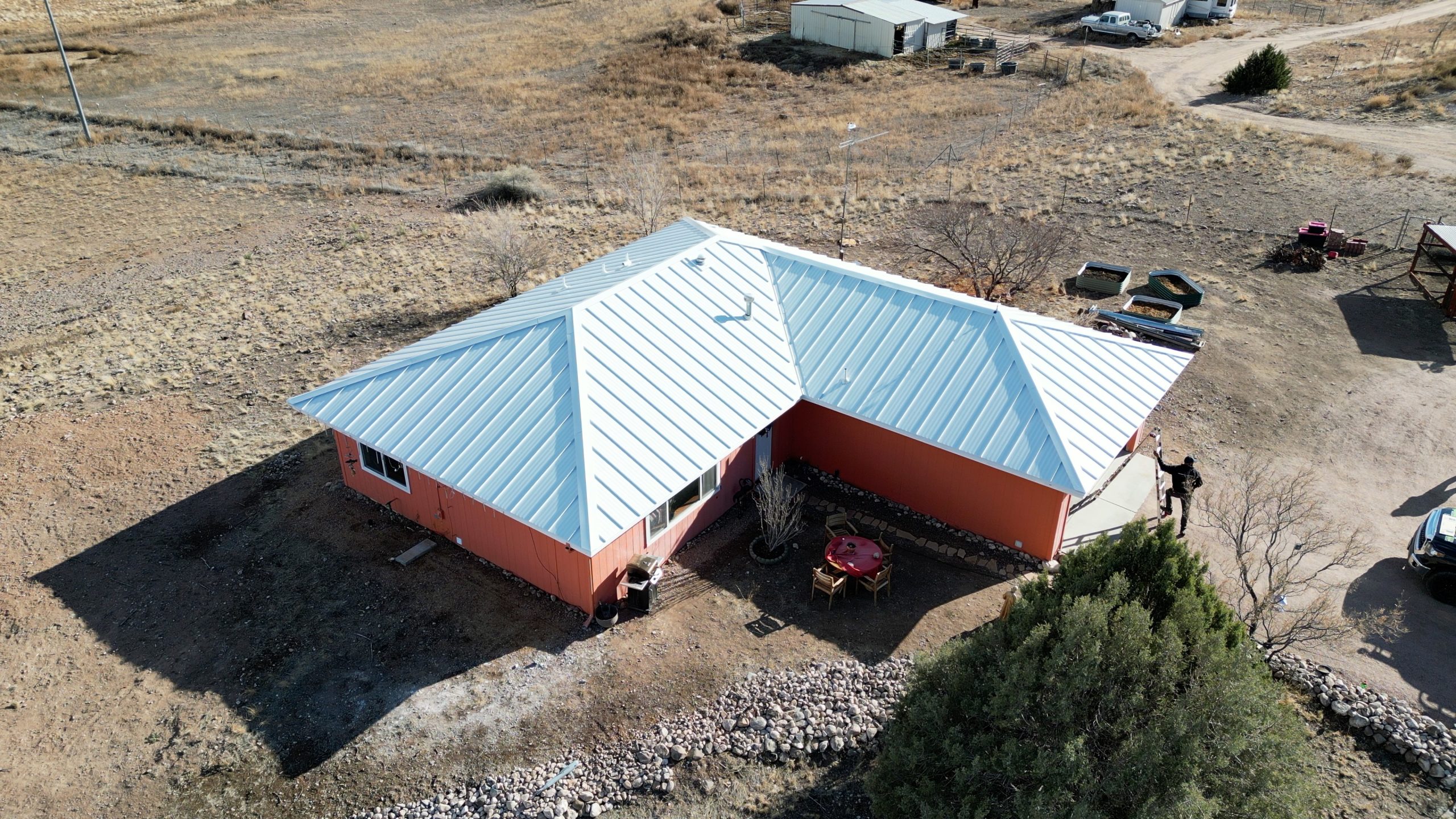
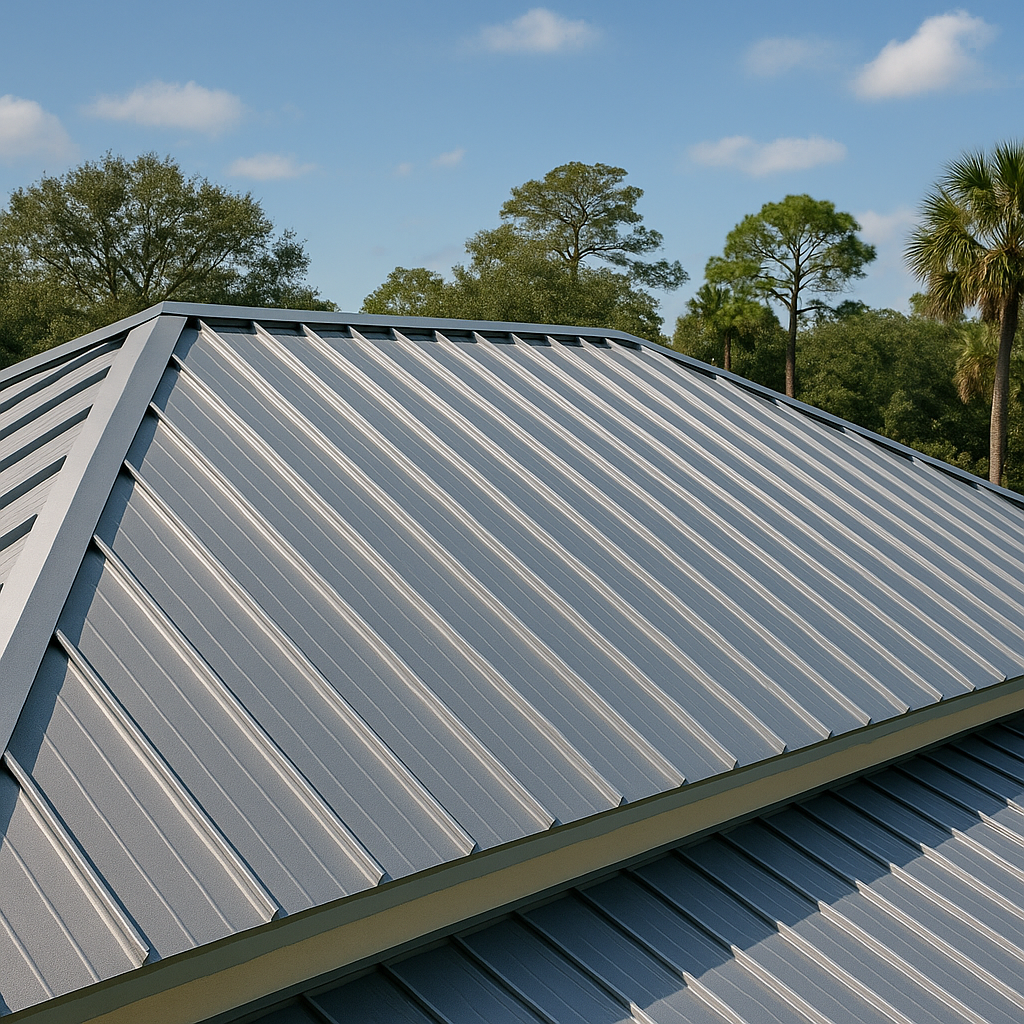
3. Standing Seam Metal Roofs
Metal expands and contracts, but in predictable, controlled ways—ideal for Massachusetts.
4. High-Performance Underlayment Systems
Protects even if shingles crack.
5. Ice And Water Shield
Critical for Massachusetts winters.
Selecting the right system dramatically improves long-term performance under thermal stress.
How To Protect Your Massachusetts Roof From Thermal Shock
1. Conduct a Seasonal Inspection
Especially after dramatic temperature changes.
2. Address Small Cracks Early
Cracked shingles lead quickly to leaks in Massachusetts weather.
3. Replace Failing Flashing
Proactive flashing upgrades prevent water intrusion.
4. Improve Ventilation
Maintains more consistent roof temperatures.
5. Upgrade Underlayment During Reroofing
A long-term investment in durability.
6. Consider A Full Roof Replacement If Over 20 Years Old
Especially if showing signs of brittleness or widespread cracking.
When A Full Replacement Is The Best Option
A roof suffering from advanced thermal shock often reaches a point where repairs are no longer cost-effective.
Replacement is recommended when:
- Shingles are brittle across the entire roof
- Ridge caps are cracking or failing
- Nail pops are widespread
- Flashing shows multiple gaps
- Attic moisture becomes persistent
- Underlayment is deteriorating
- The roof is 18–25+ years old
A new roof built with modern materials is far more resilient to Massachusetts’ dramatic temperature shifts.
Get A Free Massachusetts Thermal Shock Roof Evaluation From Reimagine Roofing
Sudden temperature swings in Massachusetts aren’t going away—but you can protect your home with a roof built to handle them. Whether you’ve noticed cracked shingles, ridge issues, moisture in the attic, or just want professional peace of mind, Reimagine Roofing is here to help.
We offer a free roof inspection, which includes:
- Full shingle and ridge inspection
- Flashing and sealant assessment
- Attic moisture review
- Ventilation analysis
- Underlayment condition check
- Repair vs. replacement recommendations tailored to your home
Don’t let rapid temperature drops compromise your roof.
Schedule your free Massachusetts roof evaluation with Reimagine Roofing today—and protect your home from New England’s toughest weather.
Popular Posts