Why New Jersey Roofs Fail Early: The Impact Of Humidity And Temperature Swings
Why New Jersey Roofs Fail Early: The Impact Of Humidity And Temperature Swings
Why New Jersey Roofs Fail Early: The Impact Of Humidity And Temperature Swings
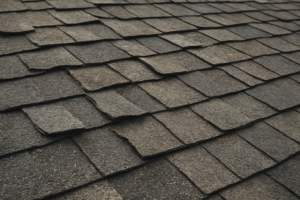
New Jersey homeowners often assume their roof will last the typical 25–30 years advertised by shingle manufacturers. Unfortunately, in reality, many New Jersey roofs begin to show signs of premature aging much sooner—sometimes as early as 12–18 years. Why? Because New Jersey’s climate is uniquely harsh on roofing systems. The state experiences hot, humid summers, freezing winters, strong coastal storms, rapid temperature fluctuations, and intense seasonal moisture cycles.
This means that New Jersey roofs are constantly expanding, contracting, absorbing moisture, drying out, and being battered by environmental forces that significantly shorten their lifespan.
This guide explains, in detail, why roofs in New Jersey fail early, the science behind shingle and underlayment deterioration, the warning signs homeowners should watch for, and when repairs or replacements become necessary. Finally, you’ll learn how Reimagine Roofing helps NJ homeowners protect their homes against one of the most unpredictable climates in the Mid-Atlantic.
Understanding New Jersey’s Climate And Roofing Stress
New Jersey is located in a zone where multiple climate patterns collide—humid continental influences from the north, warm coastal air from the Atlantic, and frequent clashes between cold fronts and moist subtropical air. This creates four aggressive roofing stress categories:
- High Humidity
- Extreme Temperature Swings
- Freeze–Thaw Cycles
- Intense Storm Exposure (Wind, Rain, Hail)
Together, these conditions accelerate shingle granule loss, loosen nail fasteners, warp decking, weaken flashing seals, and cause underlayment breakdown far earlier than expected.
Before we explore each factor, it’s important to understand that a roofing system is not just the visible shingles—it also includes:
- Underlayment (waterproofing barrier)
- Decking
- Ventilation system
- Ridge caps
- Flashing
- Sealants
- Fasteners and adhesives
Humidity, heat, cold, and moisture affect every single layer. That’s why New Jersey roofs often fail earlier than roofs in drier or more stable climates like the Southwest or Midwest.
How Humidity Impacts New Jersey Roof Lifespans
Humidity may be the single most underestimated roofing threat in New Jersey. Many homeowners think moisture damage comes only from rain—but humidity alone can degrade roof components even on clear, sunny days.
1. Moisture Penetration Into Shingles
Asphalt shingles are porous enough to absorb moisture from the air, especially in coastal or wooded NJ areas. High humidity saturates shingles, making them:
- Softer
- Heavier
- More prone to cracking during cold snaps
- More likely to lose granules
Over time, this moisture creates material fatigue.
2. Underlayment Breakdown From Prolonged Dampness
If the underlayment remains damp for extended periods, it loses its waterproofing ability. This can result in:
- Slow leaks
- Soft decking
- Hidden mold growth in the attic
- Premature structural weakening
These issues often go unnoticed until major damage has already occurred.
3. Accelerated Algae, Moss, And Lichen Growth
Humidity feeds biological growth. That’s why black streaks, moss, and “fuzzy” shingle patches are extremely common in New Jersey, especially in areas surrounded by trees.
Left untreated, these organisms:
- Trap moisture against shingles
- Cause granule erosion
- Lift shingles over time
- Shorten overall roof life
4. Corrosion Of Flashing And Fasteners
Moist, salty coastal air in regions like Atlantic County, Ocean County, Monmouth County, and Cape May accelerates metal corrosion. When flashing corrodes:
- Water enters around chimneys, skylights, and vents
- Leaks become more frequent
- Structural wood becomes vulnerable
Even inland homes experience humidity-driven oxidation.
The Impact Of Temperature Swings On New Jersey Roofs
New Jersey is known for dramatic temperature changes. A single week may go from 65°F to 95°F, or from freezing to the mid-50s. These swings put enormous stress on roofing systems.
1. Expansion And Contraction Of Shingles
Asphalt shingles expand in heat and contract in cold. In NJ, this cycle happens:
- Daily in the summer
- Seasonally throughout the year
- Within hours during rapid cold fronts
Over time, these constant size changes cause:
- Nail pops
- Shingle cracking
- Warped shingle edges
- Weakened seal strips
- Increased vulnerability to wind uplift
2. Thermal Shock
Thermal shock occurs when temperatures change rapidly, such as warm rain hitting a cold roof or a sudden heat spike after a chilly night. This phenomenon causes:
- Micro-cracking inside the shingle
- Premature brittleness
- Faster aging of asphalt oils
- Increased roof fragility
In regions facing nor’easters or fast-moving weather systems, thermal shock is common.
3. Ridge Vent And Flashing Stress
Temperature swings loosen flashing and ridge components as metal expands and contracts. This leads to:
- Leaks around chimneys
- Gaps around roof-to-wall transitions
- Cracked or lifted ridge caps
Many New Jersey homes develop leaks not because shingles fail, but because temperature swings degrade the flashing system.
Freeze–Thaw Cycles: Another New Jersey Roofing Enemy
From late fall through early spring, temperatures in New Jersey often fluctuate around the freezing point. Moisture inside the roof system expands when frozen and contracts when melted.
This freeze–thaw cycle can cause:
- Cracked shingles
- Detached granules
- Damaged underlayment
- Splitting in roof decking
- Sealant failure
Ice dams—common in areas like North Jersey, Morris County, and Bergen County—are another major outcome of freeze–thaw cycles combined with poor attic ventilation.
How Storms Accelerate Roof Failure In New Jersey
New Jersey experiences:
- Nor’easters
- Coastal windstorms
- Heavy thunderstorms
- Occasional hail
- Tropical storm remnants
These events interact with humidity-weakened shingles and temperature-stressed underlayment, leading to:
- Shingle lifting
- Flashing displacement
- Water intrusion
- Rapid granule loss
- Attic moisture buildup
When materials are already fatigued from climate conditions, storms cause exponentially more damage.
Signs Your New Jersey Roof Is Aging Prematurely
Many homeowners don’t realize when their roof begins to fail. New Jersey roofs often show early warning signs that go unnoticed.
Here are the most common indicators:
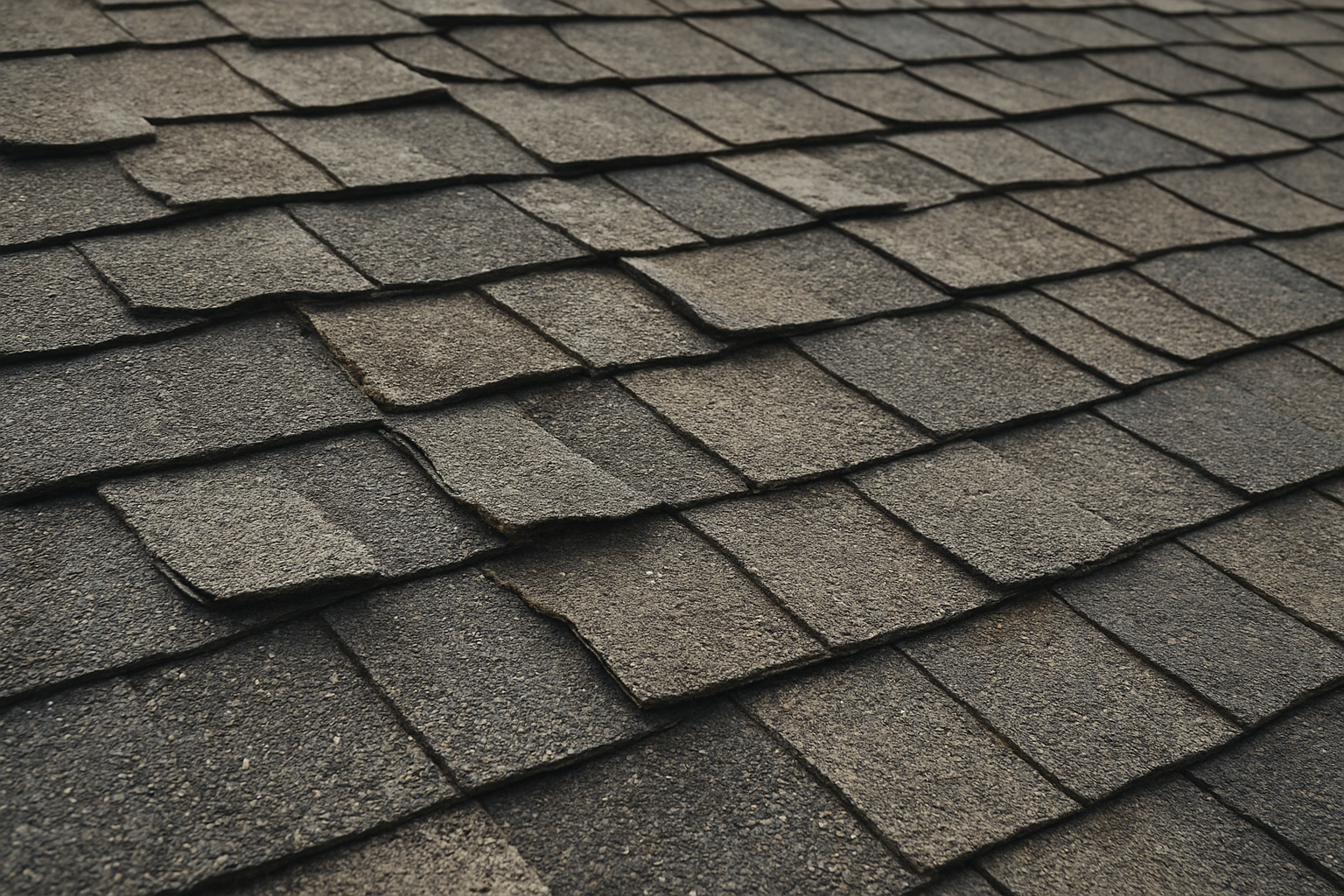
1. Curling, Buckling, Or Cupping Shingles
Often caused by heat, humidity, and poor ventilation.
2. Granule Loss And Bare Spots
Humidity softens shingles, and storms strip them.
3. Nail Pops And Raised Shingles
Expansion and contraction push fasteners upward.
4. Algae, Moss, Or Lichen Growth
A major sign of moisture retention.
5. Ceiling Stains Or Attic Dampness
Underlayment failure from humidity and freeze–thaw cycles.
6. Cracked Ridge Caps
Result of thermal shock and seasonal stress.
7. Rusted Flashing Or Water-Stained Chimney Areas
Moisture deteriorates metal and sealants.
8. Dark Streaks Or Discoloration
Indicates biological growth or shingle oxidation.
9. Asphalt Shingles Losing Flexibility
A sign of heat-and-humidity-accelerated aging.
If you notice two or more of these symptoms, your roof may be aging faster than expected.
Why Some New Jersey Roofs Fail In 12–18 Years Instead Of 25–30
Here’s the truth: manufacturer lifespan estimates assume fairly stable climates. New Jersey is not stable. The region’s constant shifts create:
- More shingle movement
- More moisture saturation
- More stress cracks
- More thermal wear
- More biological growth
Roofs here degrade faster due to:
High Humidity → Moisture Damage
High Heat → Softening And Premature Aging
Rapid Cold → Brittleness And Cracking
Storm Winds → Uplift And Granule Loss
Salt Air (Coastal NJ) → Corrosion And Material Breakdown
This combination is more destructive than homeowners realize.
How To Extend The Lifespan Of Your New Jersey Roof
Although NJ roofing faces tough conditions, homeowners can significantly improve their roof’s longevity through proper maintenance and upgrades.
Here are the most effective strategies.
1. Improve Attic Ventilation
A balanced intake and exhaust system:
- Reduces humidity
- Lowers attic heat
- Prevents condensation
- Protects shingles from curling
Ventilation is one of the most overlooked roofing factors in NJ.
2. Install High-Quality Underlayment
Advanced synthetic underlayments outperform old felt paper in:
- Moisture resistance
- Heat tolerance
- Cold flexibility
- Longevity
This is especially crucial in humid areas like central and southern New Jersey.
3. Choose Architectural Or Designer Shingles
Three-tab shingles struggle in NJ climates. Architectural shingles offer:
- Better wind resistance
- Thicker construction
- Longer lifespan
- Improved moisture tolerance
4. Use Corrosion-Resistant Flashing
Homes near the Jersey Shore should always use aluminum or stainless steel flashing to resist salt air.
5. Schedule Annual Inspections
A yearly roof check identifies:
- Loose shingles
- Early leaks
- Flashing failures
- Ridge vent gaps
- Hidden moisture problems
Catching issues early saves thousands in repairs.
6. Clean Algae And Moss Safely
Soft washing (not pressure washing) can extend shingle life and reduce moisture retention.
7. Replace Sealants And Flashing Before They Fail
Sealants degrade long before shingles do—especially in fluctuating NJ weather.
Proactive maintenance reduces the risk of leaks dramatically.
Repair Vs. Replacement: When New Jersey Homeowners Should Consider A Full Reroof
Some roofing problems can be repaired. Others require a full roof replacement due to systemic climate-related deterioration.
A Repair May Be Sufficient When:
- Only a small section shows damage
- Flashing is loose but shingles are healthy
- Minor leaks appear near a single vent or chimney
- Shingles are under 10–12 years old
A Roof Replacement Is More Cost-Effective When:
- Shingles show widespread curling or cracking
- Multiple leaks occur across different areas
- Humidity has degraded underlayment
- Moss or algae has penetrated shingle surfaces
- The roof is 18+ years old in NJ’s climate
- Thermal cracking is visible across several sections
In many cases, what looks like a “simple leak” is actually a symptom of climate fatigue throughout the entire system.
New Jersey’s Climate Shortens Roof Lifespans—But You Can Stay Ahead Of It
Humidity, heat, cold, and rapid temperature swings are unavoidable in New Jersey. But premature roof failure is preventable with proper materials, installation, ventilation, and inspections.
Homeowners who understand how the NJ climate impacts roofing can make smarter decisions about:
- When to repair
- When to replace
- What materials to choose
- How to maintain their roof
- How to avoid costly interior damage
That’s where expert roofing guidance becomes essential.
Protect Your New Jersey Home With A Free Roof Evaluation From Reimagine Roofing
If you live in New Jersey, your roof faces some of the toughest weather conditions in the country. Don’t wait for leaks, mold, or storm damage to worsen.
Reimagine Roofing offers a Free New Jersey Roof Evaluation, including:
- Full inspection of shingles, flashing, and underlayment
- Moisture and humidity impact assessment
- Detection of early temperature-related damage
- Ventilation review and attic moisture check
- Expert recommendations for repair or replacement
- Customized solutions built for New Jersey’s climate
Whether you’re in North Jersey, Central Jersey, South Jersey, or along the coast, we help protect your home with roofing systems built to withstand humidity, storms, and rapid temperature changes.
Schedule Your Free New Jersey Roof Evaluation With Reimagine Roofing Today—And Make Sure Your Roof Is Ready For Whatever The NJ Climate Throws At It.
Popular Posts