How Dust Storms Impact Arizona Roofs

How Dust Storms Impact Arizona Roofs
How Dust Storms Impact Arizona Roofs (and What You Can Do About It)

Arizona’s Unique Roofing Challenge
If you live in Arizona, you’ve seen it — the sky darkens, the air thickens, and within minutes, a wall of dust engulfs everything in its path. Known locally as haboobs, these powerful dust storms are both awe-inspiring and destructive.
While most homeowners worry about visibility or air quality, few realize that dust storms are among the most damaging natural events for roofs in Arizona. Even without heavy rain or hail, the high-speed winds and abrasive dust can strip, clog, and weaken your roofing system — shortening its lifespan and leading to costly repairs. Arizona’s climate, with its extreme heat and dryness, further accelerates roof wear and increases maintenance needs, making it essential to choose materials and methods suited for these harsh conditions.
When it comes to protecting your home, specialized roofing solutions tailored to Arizona’s unique climate are crucial. Durable materials and expert installation methods are needed to withstand the state’s intense heat, sunlight, and environmental challenges.
At Reimagine Roofing, we’ve repaired thousands of Arizona roofs affected by dust storms, from Phoenix to Tucson and beyond. This guide breaks down exactly how dust storms damage your roof, the warning signs to look for, and the steps you can take to protect your home — before the next storm hits.
What Are Dust Storms (Haboobs) and Why They’re So Common in Arizona
Dust storms, or haboobs, occur when powerful downdrafts from collapsing thunderstorms lift massive amounts of desert dust into the air. These storms often take the form of an advancing wall of dust and debris, which can be miles long and several thousand feet high, carrying fine sand and debris at speeds exceeding 60 mph.
They’re most common during Arizona’s monsoon season (June through September) but can happen anytime strong winds pass through the desert plains.
Why Arizona Is a Dust Storm Hotspot:
- Dry desert soil and loose sand make dust easy to lift.
- Rapid temperature swings cause unstable air patterns.
- Flat landscapes allow storms to travel long distances.
- Urban sprawl removes vegetation that once anchored the soil.
These storms aren’t just a minor inconvenience — they’re an environmental force that tests every aspect of your home’s exterior, especially the roof.
The Hidden Dangers Dust Storms Pose to Your Roof
While you may not notice the damage immediately, each dust storm takes a toll on your roofing materials. Over time, the cumulative effect can lead to leaks, insulation loss, and structural weakness. Additionally, dust storms can reduce visibility around your property, creating extra hazards for homeowners and vehicles.
1. Abrasion and Surface Erosion
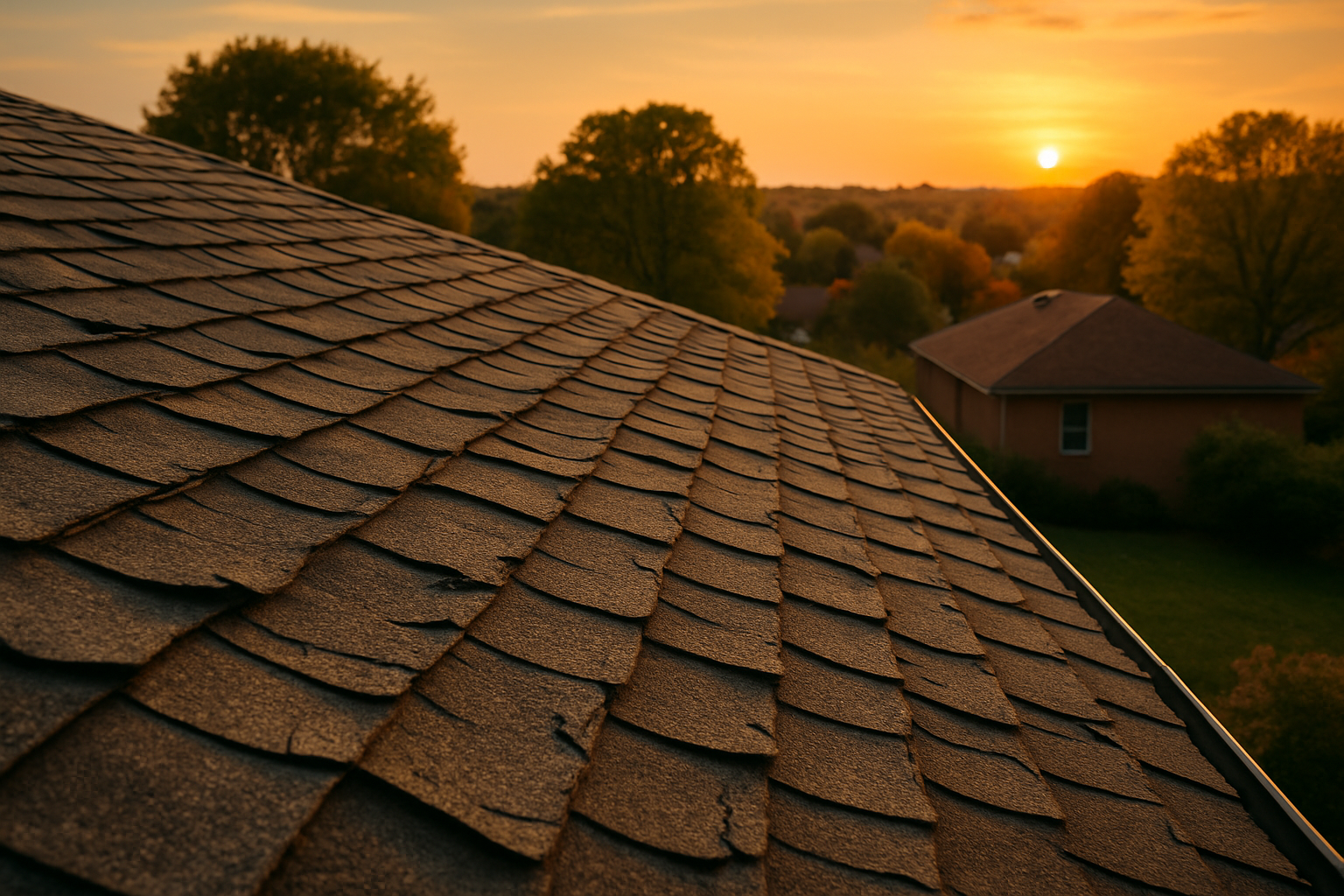
Tiny dust and sand particles act like sandpaper. When whipped across your roof at high speed, they can wear down granules on asphalt shingles, dull metal coatings, or scratch tile surfaces.
- Granule loss exposes shingles to UV radiation, accelerating cracking and drying.
- Metal roofs may develop oxidation or micro-scratches that lead to rust.
- Clay or concrete tiles can lose protective glazes, reducing longevity.
2. Wind Uplift and Loosened Materials
Strong gusts can lift shingles, loosen flashing, or detach ridge caps. Once wind gets underneath, the roof’s waterproof barrier is compromised.
- Even small gaps invite dust and moisture.
- Over time, loosened shingles can tear away completely.
3. Clogged Gutters and Roof Valleys
Dust doesn’t just blow away — it settles. After repeated storms, fine dirt accumulates in gutters, valleys, and drainage channels, trapping moisture and creating blockages.
- Water backup can lead to rot and fascia board damage.
- Standing water promotes mold and algae growth.
4. Reduced Reflectivity and Energy Efficiency
Arizona homeowners often invest in cool roofing materials to reflect heat. Dust build-up dulls that reflectivity, forcing your air conditioner to work harder and increasing energy bills.
5. Water Intrusion After Dust Storms
When rain follows a dust storm — a common monsoon pattern — that dust turns into mud, sealing gaps and slowing drainage. Water can then pool or seep into underlayment layers, causing leaks that appear weeks later.
How Different Roofing Materials React to Dust Storms
Every roofing material behaves differently under Arizona’s extreme weather. Understanding these vulnerabilities helps homeowners make smarter maintenance decisions.
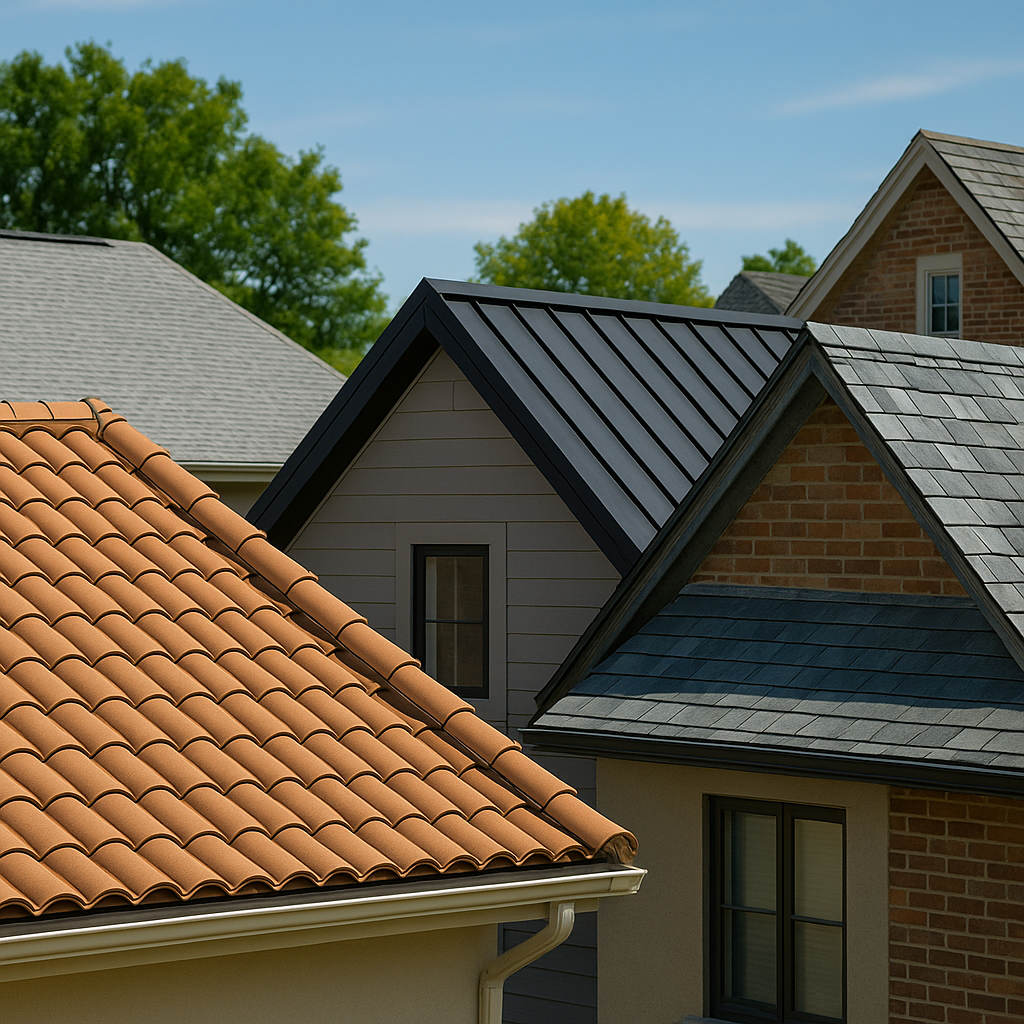
| Roofing Material | Dust Storm Vulnerability | Maintenance Needs |
|---|---|---|
| Asphalt Shingles | High abrasion, granule loss | Regular inspection & cleaning |
| Clay or Concrete Tile | Dust accumulation under tiles, cracked mortar | Check flashing and underlayment |
| Metal Roofing | Surface scratches, rust potential | Wash regularly, recoat as needed |
| Foam Roofing (SPF) | Surface erosion from grit | Recoat every 5–7 years |
| Flat Roof Systems | Dust clogging scuppers/drains | Frequent debris removal |
Timely roof repairs and replacements of damaged components are essential to restore durability and performance after dust storm damage.
Reimagine Roofing tailors solutions for each system — from sealing gaps beneath tile edges to applying protective coatings on metal and foam roofs.
The Long-Term Impact: When Dust Turns Into Dollars Lost
Ignoring dust storm damage might not seem urgent — until it is. Over time, these small issues compound into costly structural problems. While homeowners may pay more upfront for durable roofing materials like tile, this investment can help prevent expensive repairs and replacements in the long run.
Water Damage
Dust buildup holds moisture after rain, promoting rot in wooden decking or trusses. Even minor leaks can lead to thousands in interior damage.
Structural Weakening
Fine dust infiltrates attic vents and insulation, trapping humidity and reducing the roof’s thermal performance.
Decreased Energy Efficiency
Dirty or dull roofing materials reflect less sunlight, raising attic temperatures by up to 30°F — increasing cooling costs significantly.
Mold and Indoor Air Quality Issues
Once moisture finds its way beneath the surface, mold spreads fast. Spores then circulate through HVAC systems, impacting health and comfort.
When you add up the numbers, the cost of neglect easily outweighs preventive maintenance.
How Dust Storms Affect Your Home’s Curb Appeal
When a dust storm warning flashes across your screen, it’s not just a signal to stay indoors—it’s a reminder of how quickly Arizona’s unique climate can impact your property’s appearance. These massive walls of dense dust, sometimes stretching for miles and rising thousands of feet high, sweep across neighborhoods and business districts alike, reducing visibility and leaving a trail of debris in their wake.
For both residential and commercial properties, especially those with tile roofs, the aftermath of a dust storm can be more than just a dirty driveway. The fine dust and debris carried by powerful winds settle onto roofing materials, siding, and outdoor surfaces, dulling colors and leaving unsightly stains. Over time, this buildup doesn’t just affect how your property looks—it can lead to costly repairs if left unchecked.
Dust Storms on Tile Roofs
Tile roofs, a popular choice in Arizona for their durability and style, are particularly vulnerable. Dense dust can work its way under tiles, while debris can scratch or discolor surfaces, diminishing the crisp, clean lines that boost curb appeal. For homeowners and property managers, regular roof inspections are essential to catch potential issues early and prevent costly repairs down the road.
But curb appeal isn’t just about looks—it’s about value and efficiency. When dust accumulates on your roof, it can reduce the reflectivity of quality roofing materials, causing your home or business to absorb more heat. This leads to higher cooling costs and decreased energy efficiency, especially during Arizona’s hottest months.
That’s why investing in high quality materials and routine maintenance is so important. In the roofing industry, choosing a locally owned, fully licensed company with a close-knit team ensures you get precision installation, durable solutions, and industry leading warranties. Their dedication shines through in every project, helping you maintain your property’s integrity and protect your investment.
Regular cleaning and maintenance not only restore your roof’s appearance but also extend its lifespan. A free inspection from a trusted roofing team can identify potential issues before they escalate, keeping your home or business looking its best and functioning efficiently—even after the harshest storms.
In Arizona’s fast-paced, ever-changing climate, staying ahead of dust storm damage is key. By prioritizing quality, customer satisfaction, and proactive care, you can ensure your property stands out for all the right reasons. Whether you’re a homeowner or manage commercial properties, taking these steps will help you maintain curb appeal, prevent costly repairs, and safeguard the value of your investment for years to come.
How to Protect Your Roof from Dust Storm Damage
1. Schedule Regular Roof Cleanings
Removing dust and debris extends the life of your roofing materials. Reimagine Roofing offers low-pressure washing services that remove grime without stripping granules or coatings.
2. Inspect After Every Major Storm
After a dust storm, check for:
- Missing or lifted shingles
- Damaged flashing or vents
- Clogged gutters and downspouts
- Mud accumulation in valleys
If you can’t safely inspect the roof yourself, schedule a free post-storm inspection — Reimagine Roofing provides detailed drone imaging and moisture testing.
3. Maintain Flashing and Sealing
Dust particles can loosen or wedge beneath flashing over time. Ensuring seals and caulking remain tight prevents infiltration during monsoon rains. (Read more in our blog: Preventing Leaks and Water Damage: The Importance of Flashing and Sealing.)
4. Upgrade to Dust-Resistant Roofing Systems
Modern materials like stone-coated steel, polymer-modified shingles, or foam roofing hold up far better against abrasive dust. These options resist UV breakdown and wind uplift while keeping energy bills lower.
5. Install Gutter Guards and Vent Filters
Fine mesh gutter guards prevent sediment buildup, while attic vent filters keep dust from entering your home’s air circulation system.
6. Apply Protective Coatings
Elastomeric or silicone coatings shield roofs from both UV and dust erosion. They also create a smoother surface, preventing particles from embedding.
How Reimagine Roofing Protects Arizona Homes Year-Round
At Reimagine Roofing, our story began with just a couple people, a single truck, and a small office. From these modest beginnings, our founders saw roofing as more than just a trade—they were guided by a definitive vision to transform the industry through quality craftsmanship and innovation.
Fast forward to today, we understand the desert’s unique challenges. Our Arizona-based teams specialize in roofing systems built to withstand sun, dust, wind, and monsoon rains.
Here’s How We Do It:
Comprehensive Roof Inspections
We use drone technology and infrared imaging to detect damage invisible to the naked eye — identifying dust infiltration, lifted seams, or hidden leaks before they spread.
Durable Materials Made for the Southwest
We partner with manufacturers that produce heat- and dust-resistant materials designed for desert conditions — including energy-efficient tiles and metal coatings. Our Arizona-based teams, with expertise extending to cities like Mesa where durable roofing systems are essential for withstanding extreme weather, ensure you get solutions tailored for the Southwest.
Preventive Maintenance Plans
We offer customizable maintenance programs that include:
- Bi-annual inspections
- Roof washing and debris clearing
- Flashing and sealant renewal
- Gutter flushing and drainage optimization
Emergency Storm Repair Services
If your roof sustains damage after a major dust storm, our rapid-response crews are available 24/7 for emergency tarping, repairs, and insurance documentation.
Real Arizona Case Study: From Dust Storm Damage to Full Roof Renewal
Location: Chandler, AZ
Problem: Repeated dust storms led to clogged valleys and cracked tile mortar. Homeowner noticed ceiling stains during monsoon season.
Reimagine Roofing Solution:
- Performed full inspection with drone and moisture mapping
- Replaced compromised underlayment
- Sealed flashing and ridge vents with UV-resistant coating
- Cleaned and re-aligned tiles for optimal drainage
Result: Roof restored to better-than-new condition — now certified to withstand 100+ mph winds and heavy debris. The homeowner reduced energy bills by 18% thanks to improved insulation performance.
When to Call a Roofing Professional
You should schedule a professional roof inspection if:
- Your home has endured a recent dust storm or monsoon
- You notice debris accumulation, loose tiles, or dirty gutters
- Your roof is more than 8 years old and has never been cleaned
- You’re seeing signs of water intrusion or attic dampness
Even if you don’t see visible damage, fine dust can infiltrate layers of your roof system silently. Early detection is key to avoiding expensive repairs later.
Roof Longevity Tips for Arizona Homeowners
To extend the lifespan of your roof in a dusty, arid climate:
- Trim trees to prevent debris buildup.
- Clean gutters quarterly, especially before monsoon season.
- Recoat or reseal roofing surfaces every 5–7 years.
- Schedule annual roof checkups with Reimagine Roofing.
- Maintain attic ventilation to prevent trapped heat and dust.
Proactive care now ensures your roof remains energy-efficient and storm-resistant for decades to come.
The Reimagine Roofing Advantage
We’re not just another roofing company — we’re Arizona’s roofing innovation leader, combining technology, sustainability, and expertise to deliver superior protection.
Why Homeowners Trust Us:
- Licensed & insured experts serving all major Arizona cities
- Free same-day inspections and 24-hour quotes
- Drone-powered damage assessments
- Lifetime workmanship warranty
- Energy-efficient roofing systems designed for desert durability
Whether you have a shingle, tile, or foam roof, our team ensures it performs optimally — no matter how many dust storms roll through.
The Cost of Doing Nothing
The average Arizona roof replacement costs between $12,000–$25,000, depending on materials and home size. Meanwhile, preventive maintenance and inspections typically cost less than $500 a year.
Neglecting post-storm inspections might seem like saving money — until leaks appear, energy bills spike, or insurance denies a claim due to “lack of maintenance.”
Prevention is protection, and at Reimagine Roofing, we make it affordable and effortless.
Protect Your Roof Before the Next Dust Storm
Dust storms are inevitable — roof damage doesn’t have to be.
Stay one step ahead with Reimagine Roofing’s free roof inspection and maintenance plan designed specifically for Arizona homeowners.
✅ Free roof inspection & same-day quote
✅ Expert dust and storm damage assessment
✅ Repairs guaranteed to withstand future monsoons
Schedule your free inspection today and protect your home from Arizona’s next dust storm.
Reimagine Roofing — Smarter roofs. Stronger homes. Peace of mind.
Popular Posts