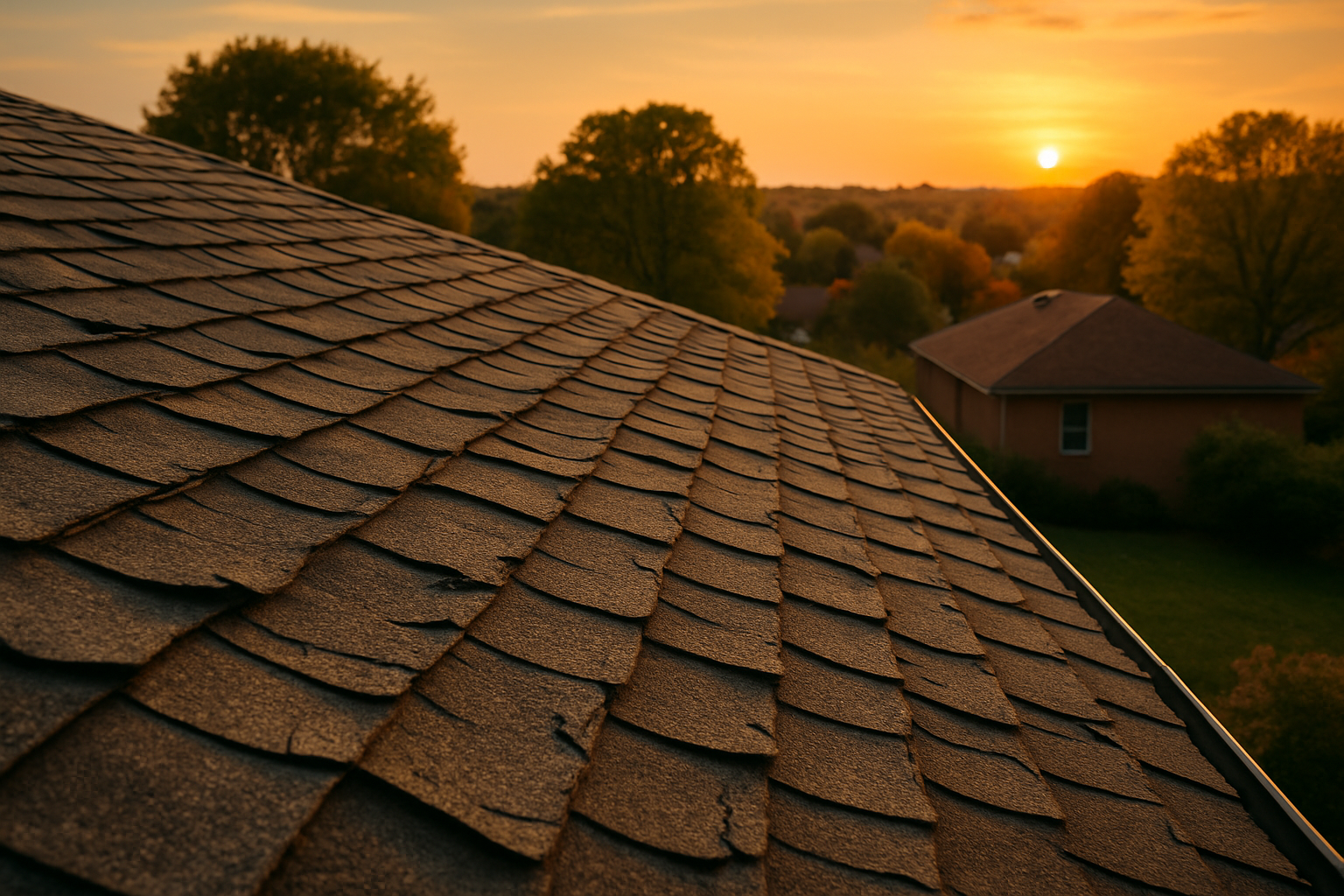
How Hail vs Wind vs Water Each Damages Your Roof Differently
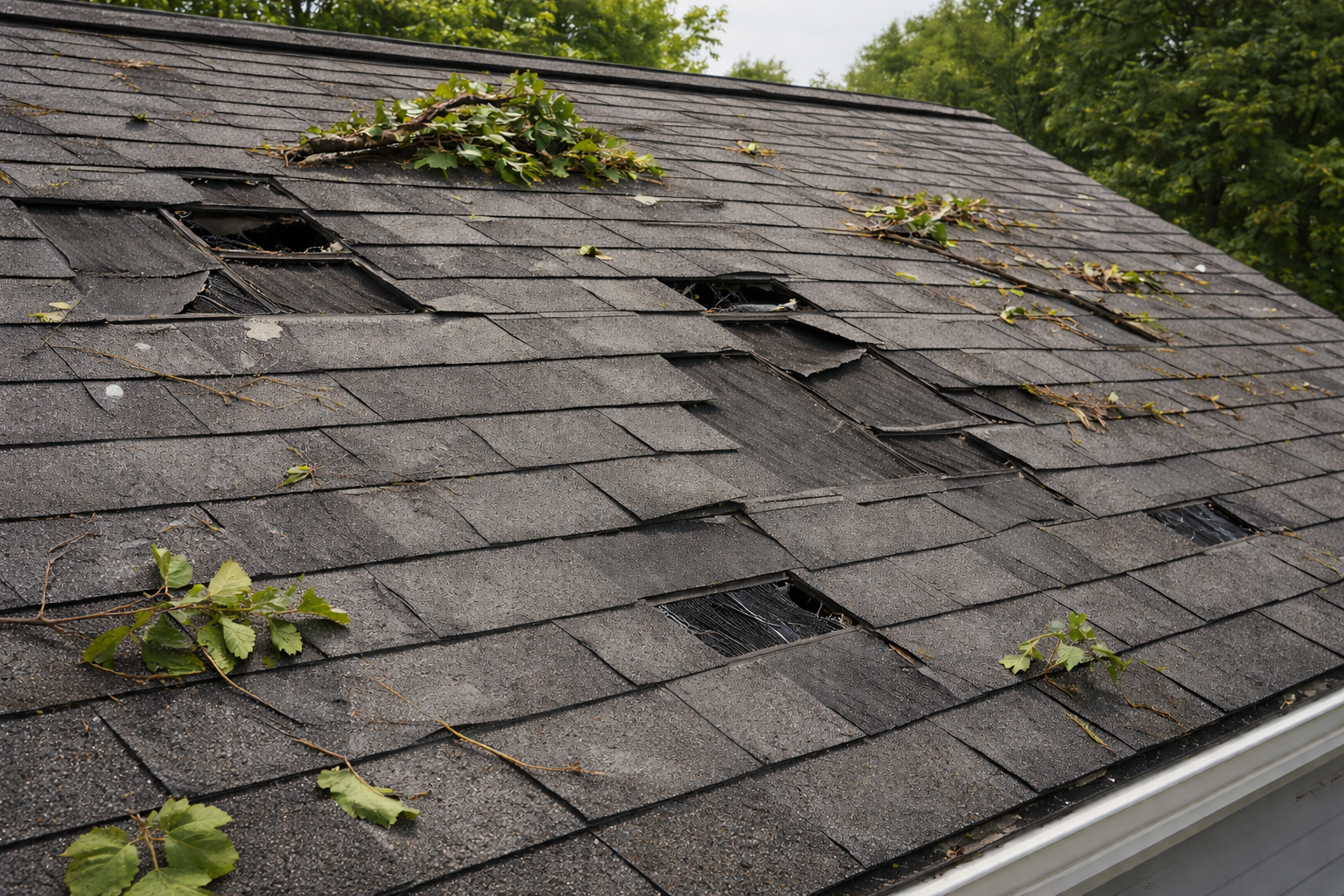
How Hail vs Wind vs Water Each Damages Your Roof Differently
How Hail vs Wind vs Water Each Damages Your Roof Differently
When a major storm rolls through, most homeowners step outside, scan for obvious damage, and breathe a sigh of relief if nothing looks “broken.” However, it’s important to inspect not just the roof but the entire house—including gutters, windows, and the attic—for signs of storm impact.
But here’s the reality most people don’t realize:
Not all storm damage looks the same—and some of the most expensive roof problems start completely out of sight.
Hail, wind, and water storms all damage roofs in very different ways, and misunderstanding the difference can:
- Lead to missed insurance claims
- Cause small problems to snowball into full roof failures
- Shorten your roof’s lifespan by years
- Cost you tens of thousands of dollars later
At Reimagine Roofing, we inspect roofs after every type of storm imaginable. And one thing is clear: homeowners who understand storm-specific damage catch problems earlier and protect their homes better.
In this guide, we’ll break down:
- How hail damages roofs (even when shingles look fine)
- How wind compromises roofs structurally
- How water finds its way in long after storms pass
- Which damage types are hardest to spot
- How insurance companies evaluate each kind of damage
- When to repair vs replace
- What to do immediately after a storm
If you’ve recently experienced severe weather—or want to be prepared—this guide could save you from a costly surprise.
Why Storm Damage Isn’t “One Size Fits All”
Most homeowners think of storm damage as:
- Missing shingles
- A visible leak
- Debris on the roof
- Damage to the surrounding area around the roof, such as siding or landscaping, that could indicate roof issues.
But storms attack roofs in three fundamentally different ways:
| Storm Type | Primary Threat | Damage Style |
|---|---|---|
| Hail | Impact force | Localized, surface-level + hidden |
| Wind | Uplift & pressure | Structural loosening |
| Water | Infiltration & saturation | Slow, compounding damage |
Understanding these differences is critical—especially for insurance claims and long-term roof health.
Hail Damage: Small Impacts, Big Consequences
How Hail Actually Damages a Roof
Hail doesn’t just “hit” your roof—it strikes with concentrated force.
Even small hailstones can:
- Bruise shingles
- Crack protective granules
- Cause missing granules, leaving bald spots on asphalt shingles.
- Expose the asphalt mat underneath
- Weaken shingles without breaking them
The biggest misconception? “If I don’t see dents, I’m fine.”
That’s often wrong.
What Hail Damage Looks Like (And What It Doesn’t)
Visible signs:
- Circular impact marks
- Granule loss
- Cracks or fractures
- Soft spots when pressed
- Dark spots on shingles or in the attic, which may indicate moisture or granule loss from hail impacts
Hidden signs:
- Bruised shingles that fail months later
- Compromised waterproofing layers
- Accelerated UV degradation
- Premature aging across large roof sections
Hail damage often doesn’t cause immediate leaks—but it shortens your roof’s lifespan dramatically.
Why Hail Damage Is a Big Insurance Issue
Insurance companies typically cover hail damage—but only if it’s:
- Properly documented
- Verified by inspection
- Reported within policy time limits
Homeowners should review their insurance policy to understand what types of hail damage are covered and be aware of any coverage limits that may affect their out-of-pocket costs. Filing an insurance claim promptly and with proper documentation is essential to ensure coverage for hail damage.
Missed hail damage can:
- Be denied later as “wear and tear”
- Disqualify future claims
- Lead to full roof replacement out of pocket
This is why professional post-hail inspections matter so much.
Wind Damage: The Silent Structural Killer
How Wind Damages Roofs Differently Than Hail
Wind doesn’t attack from above—it attacks from below and across.
As wind speeds increase, pressure changes cause:
- Shingle uplift
- Fastener loosening
- Sealant failure
- Edge and ridge vulnerability
The damage caused by wind is often sudden and storm-related, which is typically covered by insurance, unlike gradual wear and tear.
Once wind breaks a shingle’s seal, the roof is no longer watertight, even if it looks intact.
Common Wind Damage Homeowners Miss
- Lifted shingles that reseal temporarily
- Creased shingles (a sign of structural compromise)
- Ridge cap movement
- Exposed nails
- Torn flashing
Wind damage often doesn’t show itself until the next storm, when water finally gets in.
Undetected wind damage can result in significant problems, including water leaks and interior structural issues, if not addressed promptly.
Why Wind Damage Spreads Over Time
Wind damage creates entry points:
- For water intrusion
- For debris
- For further uplift in future storms
One loosened shingle can lead to:
- Underlayment exposure
- Roof deck exposure and potential water infiltration, which can compromise the structural integrity of the roof.
- Decking rot
- Mold growth
- Insulation saturation
Wind damage is often progressive, not immediate.
Water Damage: The Long Game (And the Most Expensive)
How Water Really Damages a Roof
Water is patient.
Unlike hail or wind, water:
- Exploits weaknesses
- Moves laterally
- Travels far from the entry point
- Damages structure slowly over time
Water leaks are often the first visible sign of water damage, but by the time they appear, significant underlying issues may already exist.
A leak may show up feet away from where water entered.
Why Water Damage Is So Hard to Diagnose
Homeowners often notice:
- Ceiling stains
- Musty smells
- Peeling paint
- Warped drywall
But by then, water may have already:
- Rotted decking
- Saturated insulation
- Compromised framing
- Created mold conditions
If left unchecked, water damage can result in extensive property damages that may require costly repairs and insurance claims.
Water damage is usually the result of earlier hail or wind damage that went unnoticed.
Common Water Entry Points After Storms
- Lifted shingles
- Cracked flashing
- Chimney penetrations
- Skylights
- Valleys
- Roof-to-wall transitions
- Pipe boots (seals around vent pipes)
Water doesn’t need a big hole—a tiny gap is enough.
Comparing the Three: Which Is Most Dangerous?
Here’s the truth:
- Hail causes hidden surface damage
- Wind causes structural vulnerability
- Water causes compounding interior damage
The most expensive roof failures usually involve all three, in sequence:
- Hail weakens shingles
- Wind lifts them
- Water gets inside
This is why post-storm inspections are so important—even if the storm “didn’t seem that bad.”
Storm helps, such as professional inspections and assessments, are essential for catching hidden damage and ensuring proper repairs after any storm.
How Insurance Companies View Each Type of Damage
Hail Claims
- Often approved if properly documented
- Require impact evidence
- Time-sensitive
Wind Claims
- Scrutinized heavily
- Must show storm-related uplift or loss
- Often disputed if damage is subtle
If your wind claim is denied or disputed, consider seeking a second opinion from an independent roofing expert or legal professional.
Water Claims
- Often denied if linked to “maintenance”
- Approved only if tied to a covered storm event
- Documentation is critical
The key?
Connecting the damage to the storm—early.
Documenting Damage: Your First Step After a Storm
After a storm passes, your first priority should be documenting any roof damage as thoroughly as possible. Start by taking clear photos and videos of all visible damage—look for missing shingles, dented or sagging gutters, and any areas where roofing materials like asphalt shingles appear cracked, torn, or out of place. Don’t forget to check for damaged flashing around chimneys, skylights, and roof edges, as these are common trouble spots.
Make a detailed list of every area affected, noting the type and extent of the damage. This record will be invaluable when you contact your insurance company or insurance provider to start a claim. Keep copies of all your documentation, including photos, videos, and written notes, and save any correspondence with your insurance company—record dates, times, and the names of anyone you speak with.
For a complete assessment, consider hiring a professional roofing contractor. They can provide a thorough inspection and a written report detailing all visible damage, including issues you might miss from the ground. This professional documentation can make the claims process smoother and help ensure you get the coverage you deserve for repairs or replacement of damaged shingles and other roofing materials. Remember, the more detailed your documentation, the easier it will be to prove your claim and get your roof fixed quickly after a storm.
Why DIY Inspections Aren’t Enough After Storms
Homeowners can’t safely or effectively:
- Walk steep roofs
- Identify soft hail bruising
- Detect lifted shingles
- Trace water intrusion paths
Only a qualified roofer has the expertise and equipment to safely identify and document all forms of storm damage.
Many forms of storm damage are only visible to trained professionals.
Repair vs Replacement: How Storm Type Influences the Decision
Hail Damage
- Localized → possible repair
- Widespread → replacement often recommended
Wind Damage
- Limited uplift → repair
- Structural compromise → replacement
Water Damage
- Early detection → targeted repair
- Ongoing leaks → replacement + decking repair
The goal is not just fixing what’s broken—but preventing future failure.
Regular Roof Maintenance: Your Best Defense Against Storms
The best way to minimize storm damage and avoid high repair costs is through regular roof maintenance. Schedule annual inspections with a trusted roofing contractor to catch problems like loose shingles, clogged gutters, and damaged flashing before they turn into significant damage during a storm. These routine checkups help ensure your roof is ready to withstand wind driven rain, flying debris, hail, and even heavy snowfall.
Keep your gutters clear of leaves and debris to prevent water buildup and reduce the risk of leaks or water damage. Trim overhanging branches that could break off and damage your roof during high winds or storms. If you live in an area prone to hail damage, consider upgrading to impact-resistant roofing materials for added protection.
Regular roof maintenance isn’t just about preventing leaks—it’s about protecting your entire home from storm damage. By staying proactive, you can extend the life of your roof, reduce the likelihood of emergency repairs, and keep your home safe and dry no matter what the weather brings.
New Roof Installation: When Prevention Is the Best Cure
Sometimes, the smartest way to protect your home from future storm damage is to invest in a new roof. If your current roof is old, has suffered repeated storm damage, or was improperly installed, a full roof replacement may be more cost-effective than ongoing repairs. A new roof provides a strong, watertight barrier that shields your home from wind damage, water damage, and even mold growth.
Consult with a professional roofing contractor to evaluate your roof’s condition and discuss the best roofing materials for your needs. Modern options like metal roofing or solar panels can offer superior protection against severe storms, hail, and high winds, while also increasing your property’s value. Proper installation is key—an improperly installed roof can lead to leaks, personal property damage, and more frequent insurance claims.
Investing in a new roof not only safeguards your home and belongings but can also lower your long-term costs by reducing the need for frequent repairs. With the right materials and expert installation, you’ll have peace of mind knowing your home is ready to weather any storm.
Metal Roofing & Storm Resistance
At Reimagine Roofing, we often recommend metal roofing for storm-prone regions because:
- Superior hail resistance
- High wind ratings
- Interlocking panels reduce uplift
- Faster water shedding
- Longer lifespan
Metal roofs don’t just survive storms—they recover faster.
What to Do Immediately After Any Storm
- Document everything
- Photos
- Dates
- Storm reports
- Check the interior
- Attic
- Ceilings
- Walls
- Schedule a professional roof inspection
- Even if damage isn’t obvious
- Be prepared to pay a licensed roofer for a thorough inspection and any necessary repairs.
- Avoid quick fixes
- Temporary patches can complicate claims
Why Waiting Is the Biggest Mistake Homeowners Make
Storm damage doesn’t get cheaper with time.
Delaying inspection can:
- Void insurance claims
- Allow hidden damage to worsen
- Turn minor issues into full replacements
The earlier damage is caught, the more options you have.
Why Reimagine Roofing Takes a Different Approach
At Reimagine Roofing, we don’t just look for missing shingles—we assess:
- Structural integrity
- Hidden hail bruising
- Wind uplift patterns
- Water migration paths
- Long-term performance risks
We give homeowners clear answers, not fear-based sales pitches.
Not All Storm Damage Is Obvious, But All of It Matters
Hail, wind, and water storms don’t damage roofs the same way—but they all leave lasting impacts if ignored.
Understanding the difference helps you:
- Act faster
- File smarter claims
- Avoid surprise repairs
- Protect your home’s value
Storms are unavoidable.
Roof failure doesn’t have to be.
Schedule Your FREE Storm Damage Roof Inspection
If your home has experienced hail, high winds, or heavy rain—don’t guess.
Get a FREE Roof Inspection from Reimagine Roofing
We’ll assess storm-specific damage, document everything clearly, and help you understand your options.
- No pressure
- No obligation
- Honest guidance
- Fast quotes and estimates—often in under 24 hours
Reimagine your roof’s resilience—before the next storm hits.
Popular Posts