How Much Heat Do Windows Block?
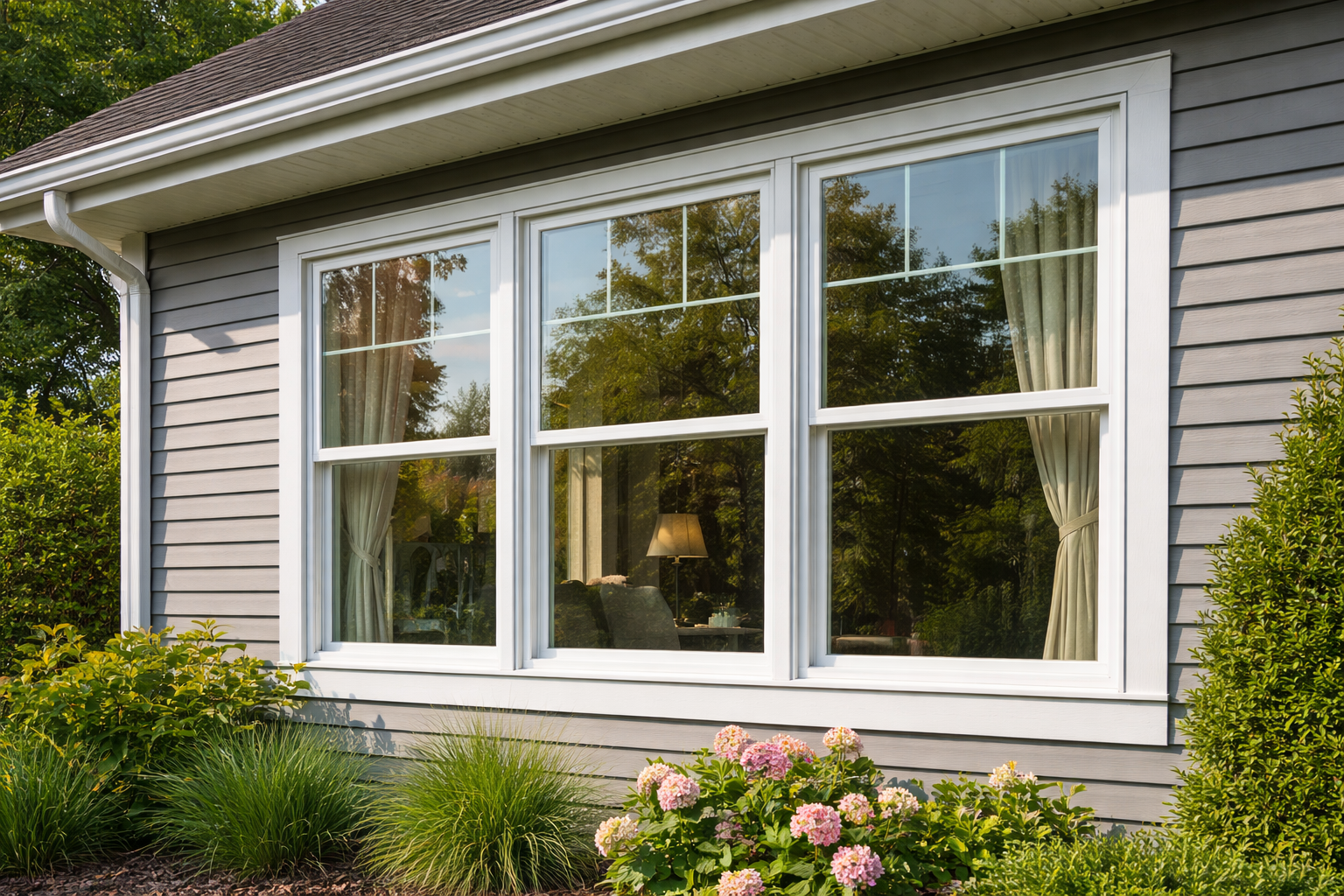
How Much Heat Do Windows Block?
How Much Heat Do Windows Block: A Comprehensive Analysis
Why the Glass Package Matters More Than You Think
If your home feels hot near the windows—even with the air conditioning running—you’re not imagining it. For many homeowners, especially in warm or sun-intense climates, windows are the single biggest source of unwanted heat gain. Doors are also a significant source of energy loss—experts estimate that 70 percent of energy loss occurs in windows and doors, with 90 percent of window heat loss occurring through the glass.
But here’s the part most people don’t realize:
It’s not just that you have windows—it’s what kind of glass package is inside them.
At Reimagine Construction, we talk to homeowners every day who assume:
- New windows are all basically the same
- Double pane automatically means “energy efficient”
- The frame matters more than the glass
In reality, the glass package determines most of a window’s heat-blocking performance.
In this guide, we’ll break down:
- What “heat transfer through windows” actually means
- How much heat standard windows really let in
- Why glass coatings, gas fills, and pane count matter more than most upgrades
- What the best windows for hot climates actually look like
- How to choose the right window setup for comfort, efficiency, and ROI
When evaluating window performance, look for the National Fenestration Rating Council (NFRC) label, which provides ratings to help homeowners determine how well a window blocks heat.
If your goal is a cooler home, lower energy bills, and fewer hot spots—this article will change how you think about windows.
What Is Heat Transfer Through Windows?
Heat transfer is simply how heat moves from one place to another.
When it comes to windows, heat enters your home in three main ways:
- Radiant Heat – Direct sunlight passing through glass
- Conductive Heat – Heat moving through the glass itself
- Convective Heat – Heat transferred by air movement around and within the window
Single-pane windows have an R-value of roughly 1, providing minimal resistance to heat transfer.
Several factors influence how much heat is transferred through windows, such as the type of glass, coatings, and installation.
In hot climates—or homes with a lot of sun exposure—radiant heat is the biggest problem.
That’s why you can feel heat radiating from a window even when:
- The window is closed
- The AC is running
- The glass doesn’t feel “hot” to the touch
Your windows are acting like solar panels, pulling heat into your home.
Why Windows Are a Major Weak Point in Your Home’s Envelope
Your windows? They’re mostly glass.
Even high-quality windows:
- Insulate far less than walls
- Are directly exposed to the sun
- Sit at eye level where heat is noticeable
That’s why:
- Rooms with large windows feel hotter
- Furniture near windows fades
- AC systems struggle during peak sun hours
And it’s why window heat reduction has such a dramatic impact on comfort.
The Big Myth: “Double Pane Windows Automatically Block Heat”
Double pane windows are better than single pane—but they are not all equal.
Two windows can both be “double pane” and perform very differently in real heat conditions.
Why?
Because pane count alone does not determine heat performance.
The real difference comes from:
- Glass coatings (Low-E)
- Gas fills (argon or krypton)
- Spacer systems
- Glass thickness
- Overall glass package design
Think of pane count as the starting point, not the finish line.
Understanding Window Performance Ratings
When it comes to heat transfer through windows, three ratings matter most:
1. U-Factor (Insulation Value)
- Measures how well a window resists heat transfer
- Lower number = better insulation
- Important for cold climates, but still relevant in heat
2. Solar Heat Gain Coefficient (SHGC)
- Measures how much solar heat passes through the window
- Lower number = less heat enters your home
- This is critical for hot climates
3. Visible Transmittance (VT)
- Measures how much light passes through
- Higher = brighter rooms (but often more heat if not controlled properly)
The best windows for hot climates strike a balance:
- Low SHGC
- Moderate to low U-factor
- Controlled visible light without excessive glare or heat
What Actually Blocks Heat? The Glass Package Explained
Here’s where most homeowners get surprised.
The glass package in your windows is what actually blocks most of the heat. The thermal performance of a window depends on the combination of these features working together to reduce heat transfer and improve energy efficiency.
A typical glass package includes:
- Two or three panes of glass
- An insulating gas fill (like argon or krypton) between the panes
- Low-E (low-emissivity) coatings
- Warm-edge spacers
Low-E glass is coated with a thin layer of metal oxide to help prevent heat transfer between window panes.
The Glass Package Includes:
- Number of panes (double or triple)
- Low-E coatings
- Gas fills between panes
- Spacer technology
- Glass thickness and composition
Together, these determine how much heat your windows really block.
Let’s break down the biggest contributors.
Low-E Glass: The Unsung Hero of Window Heat Reduction
Low-Emissivity (Low-E) coatings are microscopically thin metallic layers applied to glass. Low-E glass minimizes the amount of ultraviolet and infrared light that comes through the glass while allowing visible light to pass.
The low-e coating is so thin—comparable to the thickness of a human hair—that it reflects heat back into the home, significantly improving energy efficiency. Low-E glass windows provide an effective barrier against UV light and heat.
They work by:
- Reflecting infrared heat
- Allowing visible light to pass through
- Reducing UV damage to furniture and floors
Low e coatings play a crucial role in blocking both infrared light and ultraviolet light, which helps reduce heat transfer and protect interiors.
In hot climates, Low-E coatings are often the single most important upgrade.
What Low-E Glass Does:
- Reflects solar heat away from your home
- Reduces radiant heat near windows
- Improves indoor comfort dramatically
Without Low-E, even double pane windows can allow significant heat transfer.
Gas Fills: Argon vs Krypton (Do They Really Matter?)
Between the panes of glass is an insulating gas—usually argon or krypton.
Argon Gas:
- Most common
- Affordable
- Improves insulation compared to air
- Great value for most homes
Krypton Gas:
- More expensive
- Performs better in thinner spaces
- Often used in high-end or triple pane windows
Gas fills reduce conductive and convective heat transfer, but they work best in combination with Low-E coatings.
Gas alone won’t stop solar heat gain—but paired with Low-E, it makes a big difference.
Double Pane vs Triple Pane: Which Blocks More Heat?
This is one of the most common questions we get.
In cooling seasons, a standard double-pane window can allow up to 76% of sunlight to enter as heat.
Double-pane windows are popular for their improved insulation compared to single-pane glass, but single-pane glass blocks minimal heat. Modern Vacuum Insulated Glazing (VIG) can block up to 90% of solar heat gain, and as of 2026, VIG can achieve U-factors as low as 0.10.
Triple-pane windows consist of three layers of glass, which further improves insulation and thermal performance compared to double-pane options.
Double Pane Windows:
- Two panes of glass
- Usually filled with argon gas
- Excellent for most homes
- Cost-effective heat reduction when paired with Low-E
Triple Pane Windows:
- Three panes of glass
- Two gas-filled chambers
- Superior insulation
- Better noise reduction
- Higher cost
In hot climates, triple pane windows:
- Can reduce heat transfer further
- Often provide diminishing returns compared to high-quality double pane
- Make the most sense when paired with advanced Low-E coatings
For many homeowners, a premium double pane window with the right glass package outperforms a basic triple pane window.
Why Window Frames Matter Less Than You Think (But Still Matter)
Frames do affect performance—but not as much as glass.
Common Frame Materials:
- Vinyl (great insulation, cost-effective)
- Fiberglass (very stable, durable)
- Aluminum (strong, but conducts heat)
In hot climates:
- Vinyl and fiberglass outperform aluminum
- Thermal breaks help reduce heat transfer
Still, upgrading the frame while ignoring the glass is like buying better tires for a car with a weak engine.
Real-World Heat: Why Homes Feel Hot Near Windows
Even energy-efficient homes experience:
- Hot spots near south- and west-facing windows
- Temperature swings throughout the day
- AC systems running constantly
That’s because:
- Solar radiation is intense
- Standard glass lets heat pass through
- Older windows lack modern coatings
Window heat reduction isn’t just about saving money—it’s about livability.
Best Windows for Hot Climates: What to Look For
If your priority is blocking heat, look for:
- Low SHGC (solar heat gain coefficient)
- High-performance Low-E coatings
- Argon or krypton gas fills
- Double pane minimum (triple pane optional)
- Quality spacers and seals
- Proper installation (critical!)
A poorly installed high-end window can perform worse than a well-installed mid-range one.
Installation Matters More Than Most People Realize
Even the best window:
- Won’t perform if it’s not sealed properly
- Can leak heat around the frame
- Can allow air infiltration
At Reimagine Construction, we focus on:
- Proper flashing
- Air sealing
- Insulation around the opening
- Precision installation
Heat doesn’t just come through windows—it comes around them.
How Much Heat Can New Windows Actually Reduce?
While results vary, homeowners often experience:
- Noticeably cooler rooms near windows
- Reduced AC runtime
- More consistent indoor temperatures
- Improved comfort during peak sun hours
In many cases, replacing outdated windows leads to immediate comfort improvements, even before energy savings show up on bills.
Are Energy-Efficient Windows Worth the Investment?
From a pure ROI standpoint:
- Energy savings alone may take years to “pay back”. Low-E coatings can significantly reduce energy costs by keeping heat inside during cooler months and blocking heat during warmer months, helping to reduce energy costs over time.
- Comfort benefits are immediate
- Home value often increases
- Curb appeal improves
- Noise reduction is a bonus
Energy-efficient windows help reduce energy costs and overall costs for homeowners.
For many homeowners, comfort is the real return.
Common Window Myths (Busted)
“All new windows are energy efficient.”
Not true—performance varies widely.
“Triple pane is always better.”
Not if the glass package isn’t optimized.
“Frames matter more than glass.”
Glass does most of the work.
“Windows don’t make that big of a difference.”
They absolutely do—especially in sunny homes.
How to Know If Your Windows Are Letting in Too Much Heat
Signs include:
- Rooms that heat up quickly
- Furniture fading near windows
- AC struggling during the day
- Condensation between panes
- Drafts or air leaks
If this sounds familiar, your windows are likely underperforming.
Get a Professional Window Assessment Before You Guess
Every home is different:
- Orientation
- Climate
- Shade
- Existing windows
- Budget goals
At Reimagine Construction, we help homeowners:
- Identify heat transfer problems
- Choose the right glass package
- Avoid unnecessary upgrades
- Maximize comfort and efficiency
How Much Heat Do Windows Really Block?
The honest answer?
It depends on the glass package—not just the window.
Two homes can install “new windows” and get completely different results. Different regions require different types of windows to optimize energy efficiency and comfort. For example, windows in coastal regions should be impact-resistant to withstand storms and high winds.
If your goal is:
- A cooler home
- Fewer hot spots
- Better comfort
- Smarter energy use
Then understanding heat transfer through windows is the first step—and choosing the right glass package is the most important decision.
Ready to Reduce Heat and Improve Comfort?
If you’re tired of rooms that never cool down, Reimagine Construction can help. Modern windows are designed to maximize natural light while improving comfort and energy efficiency. For the best results, consider Energy Star certified windows, which are a great choice for energy efficiency and long-term savings.
Schedule a FREE Window Inspection & Consultation
We’ll evaluate your current windows, explain your options clearly, and help you choose the best windows for your climate and your home.
- No pressure
- No guesswork
- Honest recommendations
- Fast estimates—often in under 24 hours
Reimagine what your home can feel like—with better windows that actually block heat.
Popular Posts