Should You Replace Roof Before Selling Your Home?
Should You Replace Roof Before Selling Your Home?
Should You Replace Roof Before Selling Your Home?
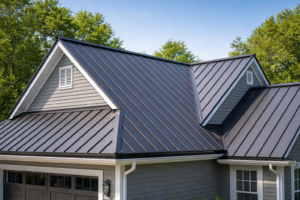
Selling a home is one of the biggest financial decisions most homeowners ever make. Home improvements, such as roof replacement, can play a crucial role in preparing to sell your home by increasing its appeal and value to potential buyers. You stage the living room, repaint the walls, declutter closets, and obsess over curb appeal—but one question stops many sellers cold:
Should I replace my roof before selling my home, or leave it to the buyer?
For homeowners in New Jersey, Pennsylvania, Massachusetts, and Connecticut, this decision carries even more weight. Harsh winters, ice dams, heavy rain, snow loads, and aging housing stock mean buyers—and inspectors—scrutinize roofs closely.
In this guide, Reimagine Roofing breaks down:
- When replacing your roof before listing makes financial sense
- When it’s smarter to sell as-is
- How roof condition affects home value, inspections, insurance, and negotiations
- State-specific considerations for NJ, PA, MA, and CT
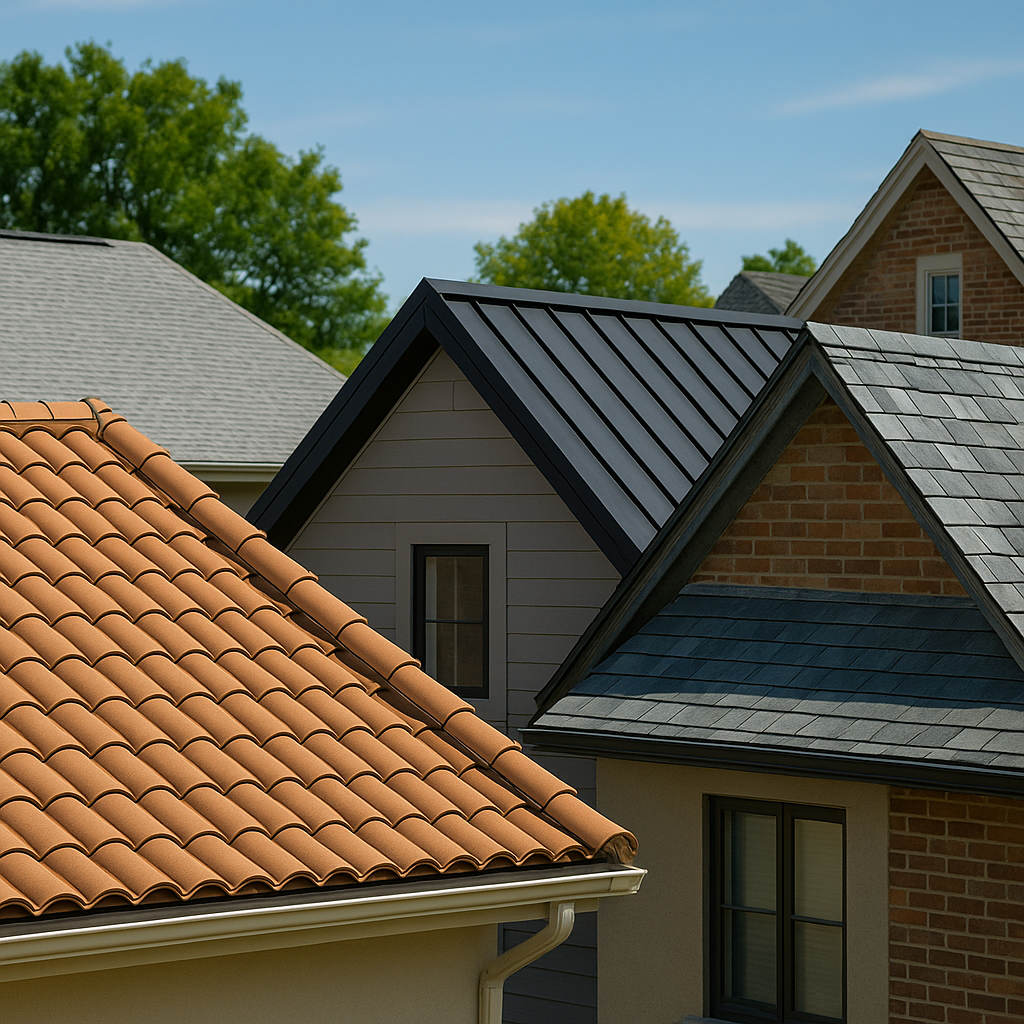
- How modern roofing (especially metal) can differentiate your home in a competitive market
- How home improvements, including roof replacement, can impact the process to sell your home
If you’re planning to sell—or even thinking about it—this article can save you tens of thousands of dollars and months of frustration.
Why the Roof Matters So Much When Selling a Home
Buyers may fall in love with kitchens and bathrooms, but nothing scares them faster than roof problems.
Why?
Because a roof isn’t cosmetic. It’s structural, expensive, and tied to:
- Insurance approval
- Mortgage underwriting
- Inspection contingencies
- Appraisal value
The roof’s condition plays a critical role in the sale process, as it directly impacts buyer confidence and the overall value of your home.
A roof issue can:
- Kill a deal outright
- Trigger major price reductions
- Delay closing for months
- Force last-minute emergency repairs (at the worst possible cost)
A new roof enhances curb appeal and can speed up the sale by removing buyer hesitation regarding maintenance. Buyers are more likely to move forward quickly when they know the roof won’t require immediate attention.
In Northeast and Mid-Atlantic states, roofs are high-risk inspection items due to:
- Snow and ice load requirements
- Freeze-thaw cycles
- Moisture intrusion
- Aging shingles and underlayment
The Big Question: Replace Before or After Selling?
Let’s cut through the noise.
There is no one-size-fits-all answer. The right decision depends on:
- Roof age and condition
- Local market conditions
- The current housing market
- Buyer expectations in your area
- Your financial position and timeline
- Type of roofing material
We’ll break both options down clearly.
Option 1: Replacing Your Roof Before Selling
When This Is the Smart Move
Replacing your roof before listing often makes sense if:
- Your roof is near or past the end of its lifespan
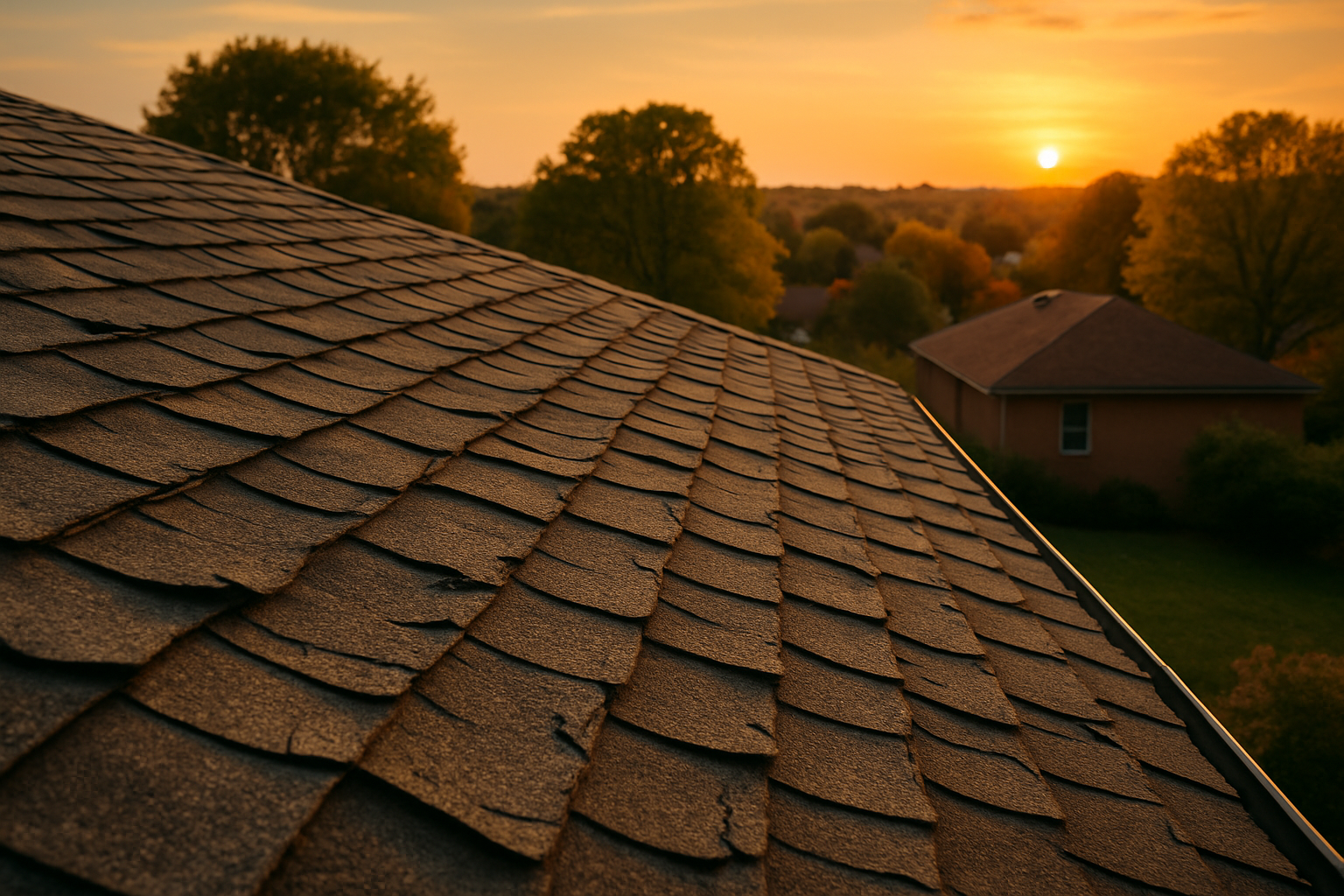
- There are visible issues (curling shingles, stains, moss, sagging)
- You’re in a buyer-competitive market
- You want top-of-market pricing
- You want a fast, clean sale with fewer negotiations
Major Advantages of Replacing Before Selling
1. Higher Sale Price (and Stronger Appraisal)
A new roof:
- Improves appraised value
- Reduces perceived risk
- Justifies higher listing prices
In NJ, PA, MA, and CT, appraisers and inspectors frequently flag older roofs—especially asphalt roofs over 15–20 years old.
A replacement:
- Eliminates red flags
- Protects buyer financing
- Supports stronger comps
2. Faster Sale, Fewer Deal Killers
Homes with new roofs:
- Spend less time on the market
- Get more offers
- Avoid inspection renegotiations
Buyers don’t want uncertainty—especially first-time buyers facing high interest rates.
3. Stronger Buyer Confidence
A new roof signals:
- The home is well maintained
- The seller isn’t hiding issues
- The buyer won’t face major repairs immediately
That confidence often translates into cleaner offers.
4. Insurance & Financing Approval
In many cases:
- Buyers cannot obtain homeowners insurance with an aging or failing roof
- Lenders may refuse to close until repairs are completed
Replacing before selling prevents last-minute financing surprises.
How Much Value Does a New Roof Add?
This depends on the material. While a roof replacement can increase home value and improve curb appeal, it’s important to note that a new roof may not provide a 100% return on investment. However, investing in a new roof can positively impact resale value by making your home more attractive to buyers and potentially speeding up the selling process.
Asphalt Shingle Roofs
- Typically recover 60–70% of cost at resale
- Often seen as “expected,” not premium
Metal Roofing (Standing Seam)
- Can recover 85–100%+ of cost
- Seen as an upgrade, not maintenance
- Differentiates your home dramatically
In snow-heavy states like Massachusetts and Connecticut, metal roofing’s snow-shedding and durability benefits resonate strongly with buyers.
Considering Solar Panels and Energy Efficiency
When weighing whether to replace your roof before selling, it’s smart to look beyond just curb appeal and structural soundness—energy efficiency and solar panels can make all the difference in today’s market. Many buyers are actively searching for homes that offer lower utility bills and sustainable features, making energy-efficient upgrades a powerful selling point.
Solar panels are one of the most sought-after features for eco-conscious buyers. Not only can they reduce energy bills, but according to Remodeling Magazine, solar panels can recoup up to 50% of their cost at resale. For homeowners looking to stand out in a competitive market, installing solar panels before listing can attract a wider buyer pool and boost your home’s value.
But solar isn’t the only way to make your roof work harder for you. The type of roofing material you choose can have a significant impact on your home’s energy efficiency and overall appeal. Here’s how some popular options stack up:
- Asphalt shingles with reflective coatings: These modern shingles help deflect sunlight, reducing cooling costs and offering a durable, low-maintenance solution that appeals to many buyers.
- Metal roofing: Known for its longevity and energy efficiency, metal roofing can reflect solar heat and keep your home cooler in the summer. It’s a standout feature in listings and can be a major draw for buyers in regions with hot summers or heavy snow.
- Slate roofs: While more expensive, slate offers natural insulation and a premium look that can increase your home’s value and attract discerning buyers.
- Cool roofs: Designed with highly reflective materials, cool roofs can lower cooling costs by up to 20%, making them a unique selling point for energy-conscious buyers.
Is Your Roof Helping or Hurting Your Home’s Resale Value?
When evaluating your existing roof, consider its age, condition, and energy efficiency. Roofs over 20 years old, or those with missing shingles, cracked shingles, or signs of sagging, may be nearing the end of their lifespan and could deter potential buyers. Upgrading to energy-efficient roofing materials or adding solar panels can transform your home’s exterior and make it more attractive to a broader range of buyers.
While the cost of a new roof or solar installation can be significant, the return on investment is often worth it. A new roof can increase your home’s value by up to 10%, and the National Association of Realtors reports that a new roof can recoup up to 109% of its cost at resale. Energy-efficient features not only help your home sell faster but can also justify a higher asking price and reduce the need for negotiations.
Ultimately, choosing to replace your roof before selling—especially with energy-efficient materials or solar panels—can be a good investment that pays off in more money at closing and a smoother sales process. Consult with a professional roofing company to explore the best options for your home, your budget, and your local market. By making smart upgrades, you’ll position your home as a top contender in any housing market.
Option 2: Selling Your Home Without Replacing the Roof
When This Makes Sense
Selling as-is may be the better move if:
- Your roof is relatively young and functional
- The home is priced competitively already
- You’re selling in a very hot seller’s market
- You don’t have upfront capital
- You’re willing to negotiate
The Hidden Risks of Selling Without Replacing
1. Inspection Negotiations Can Get Ugly
Even minor roof issues can:
- Lead to repair credits
- Trigger price reductions
- Create leverage for buyers
And buyers often overestimate replacement costs.
2. Buyer Fear Is Expensive
A roof that “might need replacement soon” is often treated as an immediate liability by buyers.
That fear often costs sellers more than the actual replacement.
3. Lost Buyers Due to Insurance Issues
Many insurers:
- Refuse to insure roofs over a certain age
- Require replacement before coverage begins
If buyers can’t secure insurance, deals fall apart—late.
The Northeast Factor: Why Roof Decisions Matter More in NJ, PA, MA & CT
Snow Load & Ice Dams
Older roofs often:
- Lack proper ventilation
- Trap heat
- Create ice dams
Inspectors in MA and CT pay close attention to these issues.
Older Housing Stock
Homes built 1950–1990:
- Often have original or second-generation roofs
- May have outdated decking or underlayment
Knowing the roof’s age is important, as roofs from this era may be nearing the end of their lifespan. If a roof is close to or past its expected life, it may need to be replaced to avoid legal issues during the sale.
Buyer Sophistication
Northeast buyers:
- Expect inspections
- Expect disclosures
- Expect durability
A questionable roof stands out quickly. A home inspection is a standard part of the process, and buyers will rely on it to assess the roof’s condition. A pre-listing inspection can determine if repairs are sufficient or if a full replacement is required to attract buyers.
What Real Estate Agents Say (And Why It Matters)
Top agents consistently agree:
“If the roof is even borderline, it becomes the negotiation anchor.”
In some cases, if the roof still has minor functional life remaining, a roof certification can be obtained to assure buyers and lenders that the roof will last another 3–5 years, which may be sufficient instead of a full replacement.
A roof issue often overshadows:
- New kitchens
- Updated bathrooms
- Finished basements
Why? Because buyers view roofs as non-negotiable essentials.
Partial Replacements, Repairs & Credits: Are They Worth It?
Roof Repairs Before Selling
Repairs can work if:
- Issues are isolated
- The roof has meaningful remaining life
For minor damage, shingle replacement can be a cost-effective solution, especially if you carefully match individual shingles to the existing roof to maintain its appearance and integrity. However, buyers may ask you to repair the roof before closing if it’s in serious disrepair.
But patchwork solutions often fail inspections.
Seller Credits
Credits seem easier—but:
- Buyers often inflate estimates
- Credits reduce perceived value
- Appraisals may still flag the roof
Consider whether roof repair is sufficient, or if a full replacement is needed. If your roof is in poor condition, replacing it may help increase your home’s value.
Replacing proactively gives you control, not the buyer.
Metal Roofing as a Strategic Selling Advantage
This is where Reimagine Roofing stands apart.
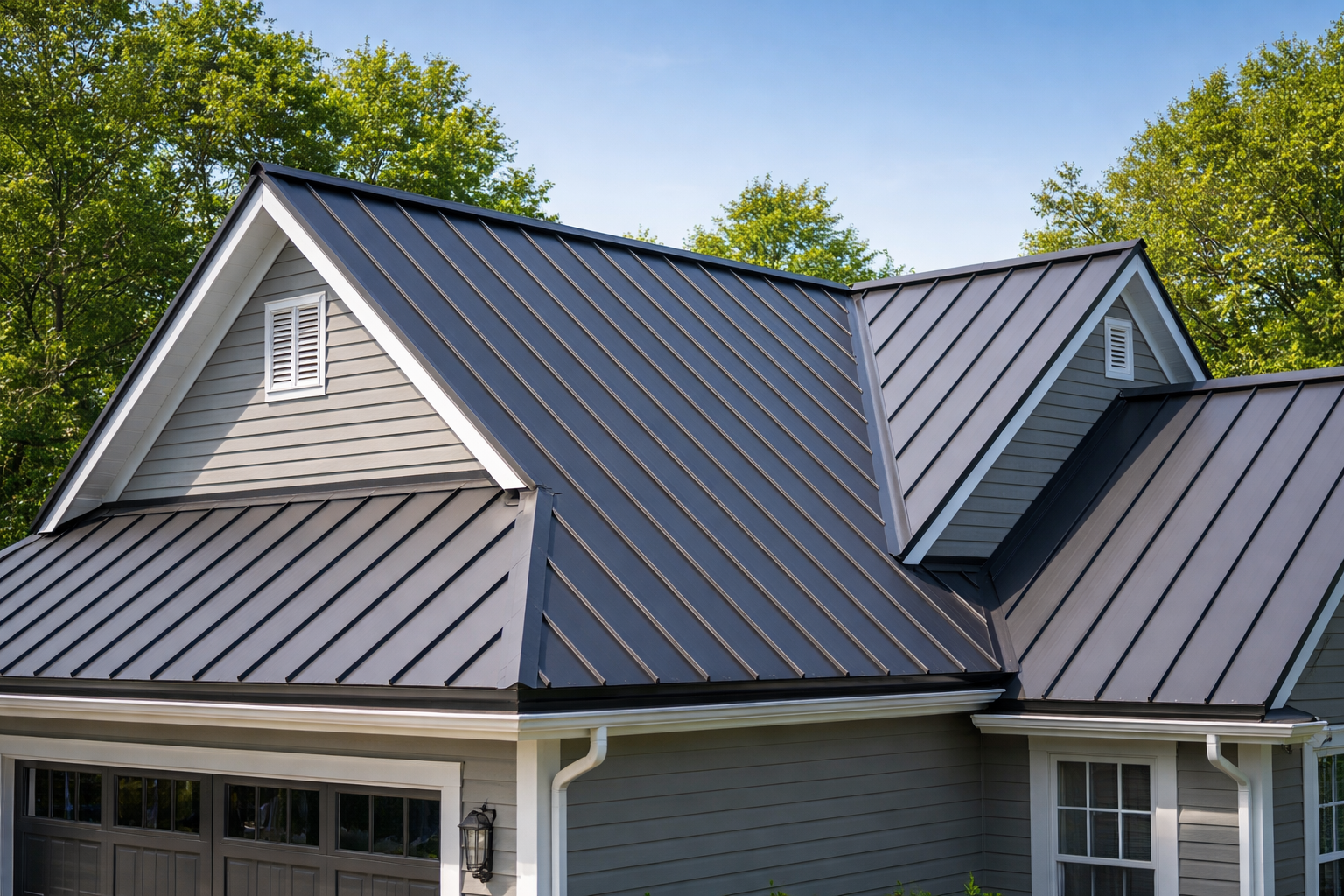
A professional roof installation, especially with a new metal roof, is often a powerful marketing tool when selling a home.
Installing a metal roof before selling can:
- Set your home apart in listings
- Justify premium pricing
- Appeal to eco-conscious buyers
- Reduce buyer concerns entirely
In NJ, PA, MA, and CT, metal roofs are increasingly viewed as:
- Long-term investments
- Snow-friendly
- Energy-efficient
- Insurance-preferred
For higher-end homes, metal roofing often pays for itself at resale.
Should You Replace the Roof Right Before Listing?
Timing matters.
Ideally:
- Replace the roof before photos and listing
- Market it clearly as “NEW ROOF” — highlighting that a brand new roof is a major selling point that appeals to buyers and can help avoid inspection issues during negotiations.
- Provide warranty documentation, especially if the new roof comes with transferable warranties, as this offers buyers long-term peace of mind and can be a valuable negotiating tool.
This creates instant buyer confidence and urgency.
How to Decide: A Simple Seller’s Checklist
Ask yourself:
- Is my roof over 15–20 years old?
- Would an inspector likely flag it?
- Would replacing it increase buyer pool?
- Do I want fewer negotiations?
- Am I competing with newer homes?
- Would a roof replacement or new roof increase my home’s value, boost curb appeal, and make it more likely to get full asking price or sell faster?
If you answered “yes” to two or more, replacing before selling is often the smarter financial move.
Get a Professional Roof Assessment Before You Decide
The worst mistake sellers make? Guessing.
At Reimagine Roofing, we provide:
- Honest roof condition assessments
- Photo documentation
- Remaining lifespan estimates
- Replacement vs repair guidance
- Options tailored to resale strategy
- Verification of roof age by checking building permits filed with local authorities
- Information on how appraisers often reflect the value of a new roof in the home’s appraised value and ensure a higher condition rating
Final Verdict: Replace Before or After Selling?
Replace before selling if:
- You want top dollar
- You want speed and certainty
- The roof is aging or questionable
- You want fewer buyer concessions
Sell as-is if:
- The roof is clearly serviceable
- Market demand is extremely high
- You’re prepared for negotiation
Either way, knowing your roof’s true condition gives you power.
Ready to Make the Smart Move?
If you’re selling a home in New Jersey, Pennsylvania, Massachusetts, or Connecticut, don’t let roof uncertainty cost you money. Many homeowners face the decision of whether to replace their roof before selling, and it’s important to remember that replacing a roof is a major investment, but if your roof is in poor shape, it can impact your home’s marketability.
Schedule a FREE Roof Inspection with Reimagine Roofing
We’ll help you decide—honestly—whether replacing your roof before selling makes financial sense.
- No pressure
- No guesswork
- Clear answers you can trust
Get a fast quote and expert guidance, often in under 24 hours.
Your roof shouldn’t be a question mark when your home is on the market.
Reimagine what selling your home can look like—with confidence from the top down.
Popular Posts