How To Plan A Roof Replacement
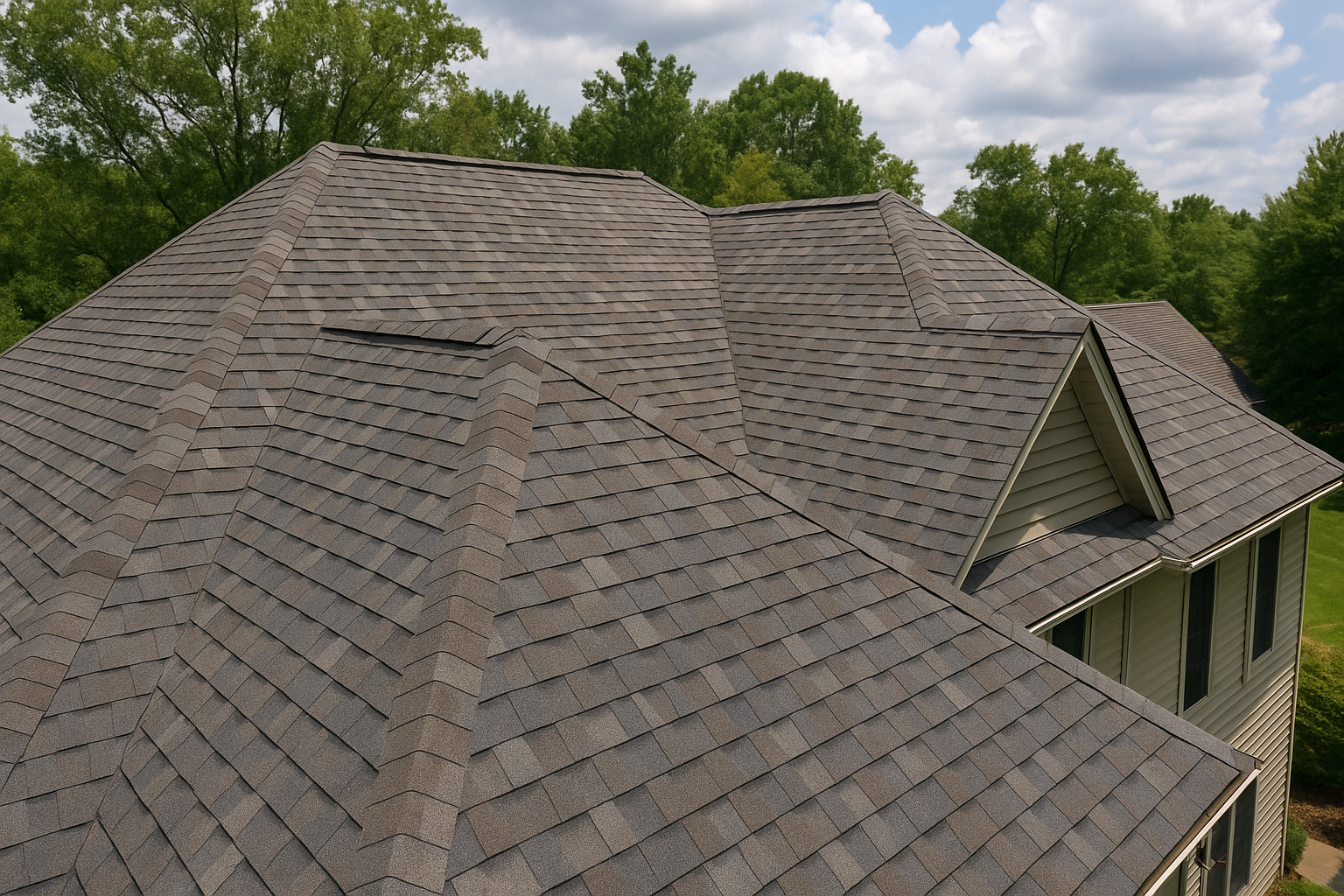
How To Plan A Roof Replacement
How To Plan A Roof Replacement Around Weather, Insurance, And Home Value
Most homeowners think of roof replacement as a reactionary project. A leak appears. Shingles blow off. A storm hits. Suddenly, replacing the roof becomes urgent.
But the homeowners who get the best roof performance, the strongest insurance outcomes, and the highest return on home value don’t wait for failure. They plan strategically.
Roof replacement is one of the few home upgrades that intersects weather timing, insurance leverage, and property value all at once. When done thoughtfully, it protects your home for decades and strengthens your financial position. When rushed or poorly timed, it can cost thousands more than necessary.
This guide explains how to plan a roof replacement the right way—by aligning three critical factors most competitors address separately (or not at all):
- Weather and climate timing
- Insurance strategy and documentation
- Home value, resale, and long-term equity
By the end, you’ll understand how to replace your roof on your terms, not during a crisis.
Why Roof Replacement Should Be Planned, Not Rushed
A roof replacement is not just a construction project. It is a financial, structural, and strategic decision that affects:
- Insurance eligibility and premiums
- Appraisal value and buyer confidence
- Energy efficiency and maintenance costs
- Long-term protection against weather events
The biggest mistake homeowners make is waiting until the roof fails. At that point:
- You lose control over timing
- Weather dictates urgency
- Insurance options narrow
- Costs increase
- Stress multiplies
Strategic planning allows you to replace your roof before it becomes an emergency—when options are wider and outcomes are better.
The Three Pillars Of Smart Roof Replacement Planning
Every successful roof replacement plan balances three forces:
1. Weather And Climate Timing
When materials perform best and installation quality is highest.
2. Insurance Strategy
How coverage, claims, inspections, and documentation affect cost.
3. Home Value And Equity
How roofing decisions impact resale value, inspections, and long-term ROI.
Ignoring any one of these weakens the entire outcome.
Planning Around Weather: Why Timing Matters More Than Most Homeowners Realize
Roofing materials are engineered products. They respond differently depending on temperature, humidity, wind, and moisture.
Replacing a roof at the wrong time of year doesn’t mean failure—but it can affect:
- Shingle sealing
- Installation speed
- Crew safety
- Scheduling delays
- Material performance
Strategic planning ensures your roof is installed under conditions that maximize durability.
How Weather Affects Roofing Materials
Temperature
Asphalt shingles rely on heat to activate adhesive seal strips. Too cold, and sealing is delayed. Too hot, and materials become overly soft.
Humidity
High humidity affects underlayment, decking, and attic moisture levels. Poor planning can trap moisture where it shouldn’t be.
Wind
Wind impacts scheduling, safety, and shingle uplift during early installation phases.
Rain And Storm Patterns
Active storm seasons increase the risk of delays and water exposure during installation.
Best Weather Windows For Roof Replacement
While roofing can be done year-round, planning during moderate, stable conditions provides the best balance of quality and efficiency.
- Spring and fall typically offer ideal temperatures
- Summer provides fast sealing but requires heat management
- Winter demands expertise but can work for urgent needs
The key is not just the season—it’s forecast awareness, material choice, and crew experience.
Why Weather Planning Prevents Emergency Replacements
Emergency roof replacements happen when:
- Minor damage goes unchecked
- Seasonal wear is ignored
- Storm exposure compounds existing weaknesses
Strategic inspections allow homeowners to replace their roof before storm season, rather than during or after it—when insurance claims surge and contractor availability shrinks.
Planning Around Insurance: The Most Misunderstood Part Of Roof Replacement
Insurance plays a larger role in roofing than most homeowners realize. But misinformation causes homeowners to either:
- Wait too long to act
- Assume insurance will “handle everything”
- Miss documentation windows
- File claims that hurt future insurability
Smart planning uses insurance as a tool, not a gamble.
Understanding How Insurance Views Your Roof
Insurance companies evaluate roofs based on:
- Age
- Material type
- Condition
- Storm exposure
- Claim history
- Regional risk
A roof nearing the end of its lifespan increases your risk profile—even without visible damage.
When Insurance Helps With Roof Replacement
Insurance may help when:
- Storm damage occurs
- Wind or hail causes material failure
- Impact damage compromises function
- Leaks result from covered events
However, insurance does not cover normal aging, wear, or neglect.
Why Waiting For Insurance Can Backfire
Homeowners often wait for a “big enough” storm to justify replacement. This approach is risky because:
- Minor damage compounds over time
- Multiple small issues may be denied as wear
- Claim windows can close
- Deductibles increase
- Coverage terms can change
Strategic planning focuses on documentation and timing, not luck.
The Importance Of Pre-Replacement Documentation
Before replacing a roof—especially if insurance is involved—homeowners should have:
- Professional inspection reports
- Photo documentation of current condition
- Storm impact records if applicable
- Maintenance history
This protects you whether you file a claim or replace proactively.
How Proactive Replacement Helps With Insurance
Replacing your roof before failure can:
- Improve eligibility for coverage
- Prevent policy non-renewals
- Reduce premiums in some cases
- Eliminate claim disputes
- Strengthen resale disclosures
Insurance prefers predictability. A new roof reduces uncertainty.
Planning Around Home Value: Roofing As A Financial Asset
A roof is one of the first things buyers, appraisers, and inspectors evaluate. It directly affects:
- Curb appeal
- Inspection results
- Buyer negotiations
- Appraisal value
- Closing timelines
Replacing a roof strategically can deliver a significant return on investment.
How Roof Condition Impacts Home Value
A failing or aging roof can:
- Lower appraisal value
- Trigger inspection objections
- Reduce buyer confidence
- Delay sales
- Force seller concessions
In contrast, a new roof:
- Signals strong maintenance
- Reduces buyer risk perception
- Simplifies inspections
- Increases marketability
Roof Replacement Timing For Home Sellers
The best time to replace a roof if selling is:
- Before listing, not after inspection
- When you can control material choice
- When work is documented and warrantied
Waiting until a buyer demands replacement often leads to rushed decisions and lower-quality outcomes.
Material Selection And ROI
Not all roofing materials offer the same return. Strategic planning considers:
- Neighborhood standards
- Climate performance
- Longevity
- Energy efficiency
- Aesthetic compatibility
Over- or under-upgrading can reduce ROI.
How Roofing Improves Appraisal Outcomes
Appraisers consider:
- Remaining roof life
- Material quality
- Visible condition
- Recent improvements
A new roof with proper documentation supports higher valuations.
How Weather, Insurance, And Home Value Intersect
These three factors are interconnected:
- Weather damage affects insurance eligibility
- Insurance history affects resale disclosures
- Roof age affects storm vulnerability
- Material choice affects longevity and value
Strategic planning aligns all three instead of addressing them separately.
A Step-By-Step Strategy For Smart Roof Replacement Planning
Step 1: Schedule A Professional Roof Evaluation
Understand current condition, remaining lifespan, and risk factors.
Step 2: Identify Weather Risks
Review seasonal storm patterns and climate stressors specific to your area.
Step 3: Review Insurance Coverage
Understand deductibles, exclusions, and age-related limitations.
Step 4: Define Your Home Value Goals
Are you staying long-term or selling within a few years?
Step 5: Choose Materials Strategically
Balance durability, climate performance, and resale appeal.
Step 6: Plan Timing Before Urgency
Schedule replacement when weather and contractor availability are favorable.
Step 7: Document Everything
Photos, reports, warranties, and permits protect your investment.
Common Mistakes Homeowners Make When Planning Roof Replacement
Waiting For A Leak
Leaks often indicate advanced damage.
Relying Solely On Insurance
Insurance is reactive, not proactive.
Ignoring Seasonal Planning
Poor timing increases cost and stress.
Choosing The Cheapest Option
Short-term savings often mean long-term expense.
Failing To Consider Resale
Roof decisions linger long after installation.
Why Holistic Planning Delivers Better Outcomes
Most roofing companies focus on installation only. Strategic planning requires a broader perspective—one that considers:
- Climate realities
- Insurance structures
- Financial outcomes
This is where experienced roofing professionals add the most value.
The Long-Term Benefits Of Strategic Roof Replacement Planning
When done right, planned roof replacement delivers:
- Longer roof lifespan
- Fewer repairs
- Lower insurance friction
- Higher resale value
- Better storm resilience
- Peace of mind
It transforms roofing from a reactive expense into a controlled investment.
Plan Your Roof Replacement The Smart Way With Reimagine Roofing
If you’re thinking about replacing your roof—or wondering when you should—don’t wait for damage to force the decision.
Reimagine Roofing offers a Free Strategic Roof Evaluation designed to help homeowners plan around:
- Weather timing
- Insurance considerations
- Home value and resale goals
Our evaluation includes:
- Full roof condition assessment
- Climate and storm-risk analysis
- Insurance readiness review
- Material and timing recommendations
- Long-term planning guidance—not pressure
Whether you plan to stay for decades or sell in the near future, we help you replace your roof on your schedule, with confidence.
Schedule Your Free Strategic Roof Evaluation With Reimagine Roofing Today—And Turn Your Roof Replacement Into A Smart, Well-Timed Investment.
Popular Posts