How to Prep Roof for Hurricane Season 2026 in Florida
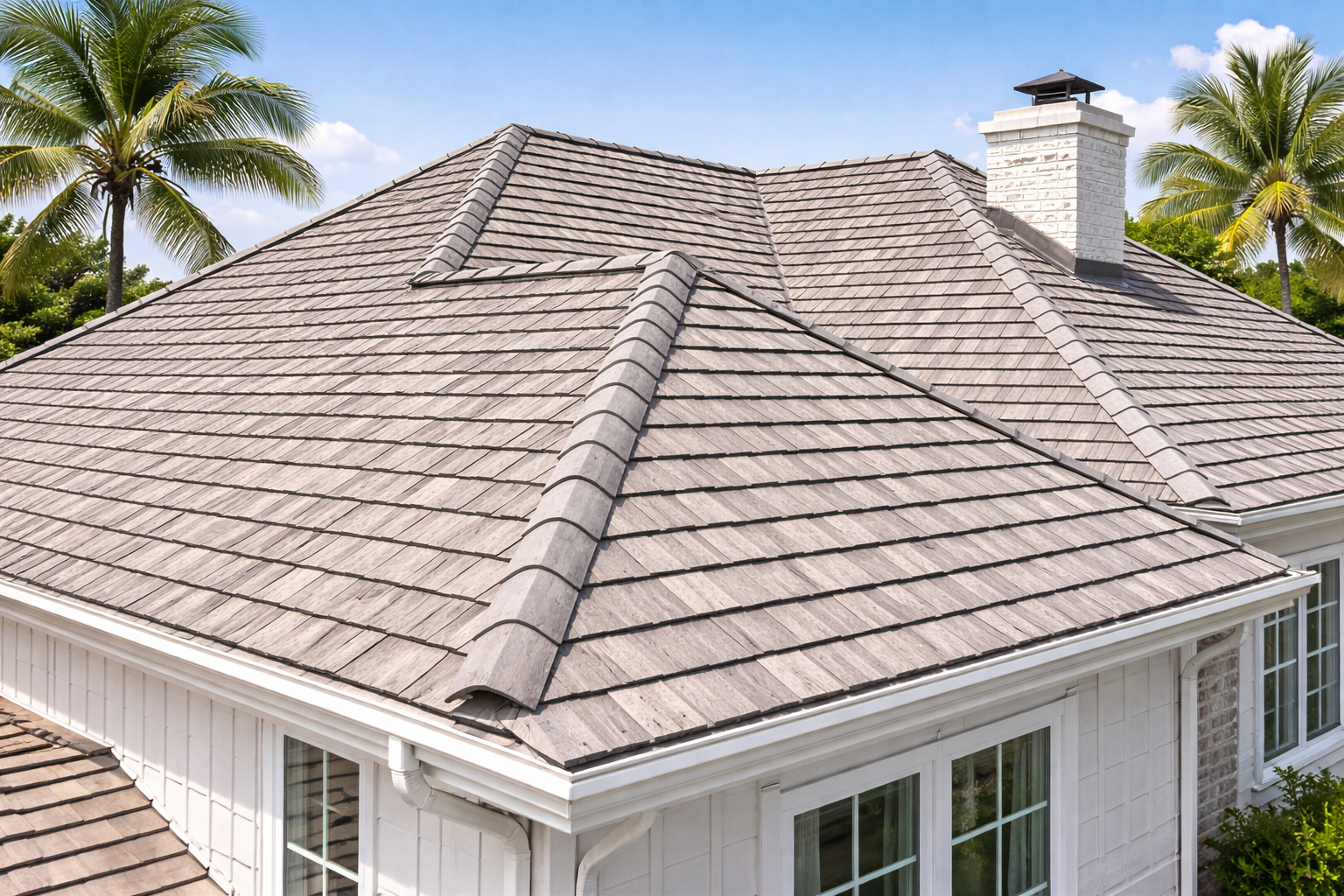
How to Prep Roof for Hurricane Season 2026 in Florida
How to Prep Roof for Hurricane Season 2026

A Florida and Coastal Homeowner Guide to Preventing Roof Damage, Leaks, and Costly Repairs
Hurricane season is a fact of life for Florida and coastal homeowners. But the stress and damage that come with it don’t have to be. The truth is: most hurricane-related roof problems aren’t caused by one massive event—they’re caused by small vulnerabilities that were already there and got worse under wind, rain, flying debris, and pressure changes.
The good news? The best hurricane roof prep is simple, strategic, and can save you thousands. It starts with knowing where roofs fail, what to reinforce, and when to schedule inspections so you aren’t rushing when storms are already forming.
This 2026 edition guide covers everything you need to prepare your roof for hurricane season, including:
- The biggest roof risks in Florida and coastal areas
- The best hurricane roof inspection timing (and why it matters)
- How to strengthen your roof system before storms
- What to do when a storm is 72 hours away
- How to reduce insurance and claim stress
- An emergency roof checklist you can use immediately
If you want a professional evaluation, Reimagine Roofing offers a free roof inspection, and you can get an estimate in under 24 hours—so you can plan ahead with clarity.
Why Hurricane Roof Prep Matters More in 2026
Hurricanes don’t need to be Category 4 or 5 to cause serious roof damage. Many Florida roof failures happen during strong tropical storms, Category 1–2 hurricanes, or heavy rain events paired with wind gusts.
Many homeowners postpone necessary repairs or are unaware of important insurance details, which can leave them vulnerable when storms arrive.
In 2026, coastal homeowners are dealing with:
- More frequent severe weather patterns
- Rising insurance scrutiny on roof condition and age
- Increased repair demand during storm season
- Scheduling constraints when storms hit back-to-back
That’s why the smartest move is simple: prep early, inspect often, reinforce what matters, and have a plan.
It’s also essential to review your homeowner’s insurance policy to confirm it covers hurricane-related damage.
How Hurricanes Damage Roofs (What Florida Homeowners Need to Know)
To protect your roof, you need to understand how hurricanes cause failure. Roof storm damage usually starts in one of these ways:
- Wind: Hurricane-force winds, which are 74 mph or greater, can lift shingles, tiles, or even entire roof sections, exposing the underlayment and decking to the elements.
- Flying debris: Branches, outdoor furniture, and other objects can become projectiles, puncturing or cracking roofing materials.
- Water infiltration: Once the roof covering is compromised, rain can seep in, leading to leaks, mold, and interior damage.
Failure to address these vulnerabilities can result in severe damage to your roof and home.
1) Wind Uplift (The Most Common Cause of Roof Failure)
Hurricane winds create uplift pressure that tries to pull your roof upward. If shingles, underlayment, or roof edges aren’t properly sealed and secured, strong winds can get underneath and peel materials back, tear shingles, or cause curling shingles, increasing your roof’s vulnerability to water infiltration and further damage. Cracked shingles can also result from wind or hail impact, compromising roof integrity.
Common wind uplift failure points:
- Roof edges (eaves and rakes)
- Ridge caps and ridge vents
- Loose shingles or weakened adhesive strips
- Poorly secured flashing
- Aging fasteners or nails
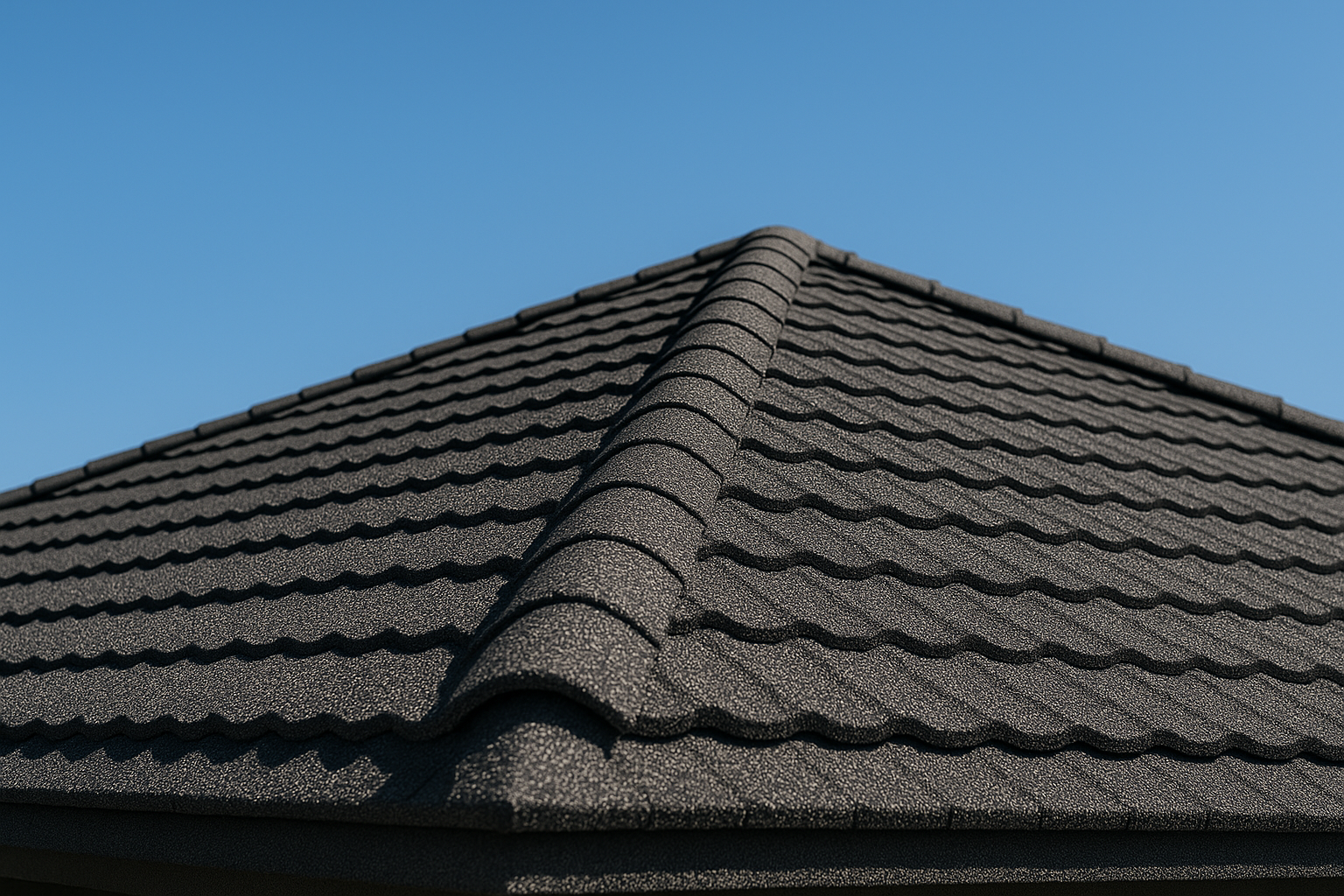
High-wind rated shingles, especially architectural shingles, are designed to withstand higher wind loads, with some rated up to 130 mph, offering better protection than standard 3-tab shingles.
2) Wind-Driven Rain (Even Without Missing Shingles)
Florida homeowners often assume water can’t get in unless shingles are missing. That’s not true. Wind-driven rain can push water under shingles, through flashing gaps, and into roof valleys, leading to water infiltration, water leaks, and long-term water damage. Inspecting the roof surface for signs of water entry, such as stains, soft spots, or visible damage, is crucial to catch these issues early.
Common wind-driven rain failure points:
- Roof-to-wall transitions
- Chimneys and skylights
- Pipe boots and vent penetrations
- Valleys and low-slope sections
- Aging underlayment
3) Flying Debris and Impact Damage
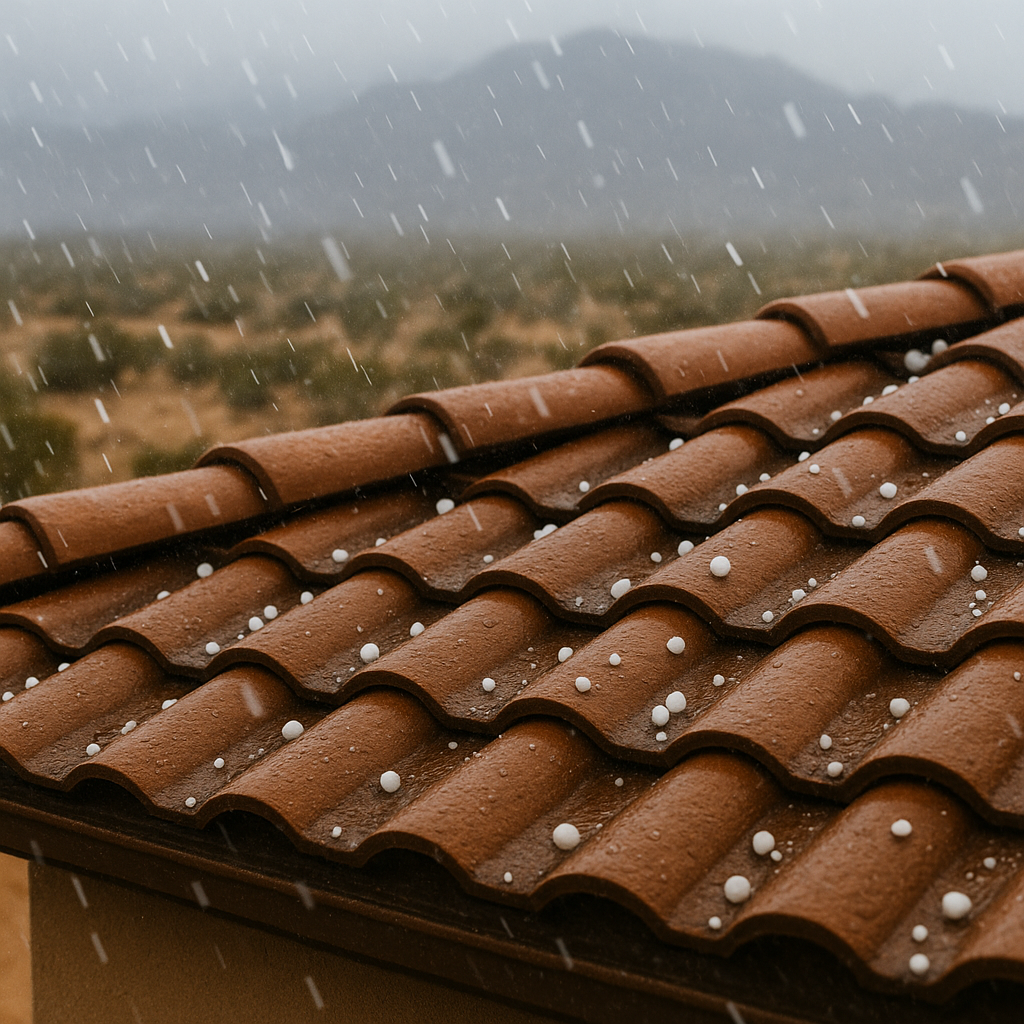
Branches, patio furniture, and other debris can hit your roof during storms, cracking shingles, denting metal, breaking tiles, or puncturing protective layers. Flying debris can also cause broken glass in windows, so be sure to check for window damage after storms. Hail can leave dents or pockmarks in shingles, compromising their protective granules and appearance—inspect for damaged shingles after severe weather. For better impact resistance, consider metal roofs, which excel during hurricanes when properly installed, or clay tile roofs, which are strong but depend on the condition of their underlayment.
4) Pressure Changes (Garage Doors and Attic Pressure)
If a garage door fails, pressure changes inside the home can increase uplift forces on the roof. Roof systems are designed to resist this, but weak points are more likely to fail.
Hurricane Roof Inspection Timing for 2026 (When to Schedule)
Timing is everything in Florida. To ensure your roof is ready, schedule a professional roof inspection before hurricane season begins. If you wait until hurricane season starts, you risk limited appointment availability, rushed work, and higher stress.
Additionally, take date-stamped photos and videos of your roof’s condition before the season starts. This documentation can be invaluable for insurance claims if your roof sustains damage during a storm.
Best Times to Inspect Your Roof for Hurricane Season
1) Early Spring (March–April 2026)This is the best time to schedule a full roof inspection. A professional inspection helps identify hidden vulnerabilities such as soft spots, weak seams, or punctures that may compromise your roof’s integrity. You have time to plan repairs, reinforce your roof, and complete upgrades before storms become a weekly forecast concern.
2) Late Spring (May–Early June 2026)Still a strong window for inspections and upgrades before peak season. If your roof is older or has had repairs before, aim for this window at the latest.
3) Mid-Season (July–August 2026)You can still schedule inspections, but demand rises quickly. If a storm is already forming, contractors get booked and prices often increase.
4) After a Major Storm (Any Time)If a storm hits your area, even if your roof looks fine, schedule an inspection to document damage early. Small damage becomes big damage later.
How Often Should Florida Homes Get Roof Inspections?
For hurricane-prone regions, a smart guideline is:
- Every year if your roof is 10+ years old
- Twice a year if your roof is 15+ years old or has had previous storm damage
- After every significant storm with high winds
During each inspection, look for early signs of roof damage, such as missing shingles or other vulnerabilities, to address issues before they worsen. Routine maintenance, like cleaning gutters and trimming tree limbs, also helps protect your roof from storm damage.
Reimagine Roofing offers a free roof inspection, which makes it easy to stay ahead of hurricane season.
Ensuring Your Roof Meets Florida Building Codes in 2026
Florida’s building codes are among the strictest in the nation when it comes to protecting homes from hurricane damage. These codes are regularly updated to address new weather patterns, higher wind loads, and lessons learned from past storms. For homeowners, making sure your roof meets or exceeds these standards is one of the smartest ways to protect your investment and your family during hurricane season.
A professional roofing contractor is your best resource for evaluating whether your roof is up to code. They’ll inspect your roofing system for compliance with the latest requirements—checking everything from roof deck attachment and wind-resistant roofing materials to the installation of flashing, roof edges, and roof vents. If your roof is older or has had previous repairs, it may not meet current building codes, leaving it more vulnerable to severe weather and increasing the risk of costly repairs after a major storm.
By working with a qualified roofing contractor, you can identify any necessary repairs or upgrades before storm season arrives. This proactive approach not only helps prevent significant damage and water intrusion during high winds, but it can also make the insurance claims process smoother and reduce your long-term repair costs. Ensuring your roof is code-compliant means you’re better prepared for whatever hurricane season brings—and you’ll have greater peace of mind knowing your home’s roof is ready to withstand severe storms.
If you’re unsure about your roof’s compliance, schedule a professional inspection well before hurricane season. It’s a simple step that can save you from major headaches and expenses down the road.
The 2026 Hurricane Roof Prep Checklist (Before Storms Are Forming)
To get your roof ready for hurricane season 2026, start by conducting a thorough inspection for loose or damaged shingles, flashing, and vents. This ensures your roof is prepared to withstand severe weather conditions.
This is your long-range preparedness plan.
Step 1: Check Roof Age and Material Condition
If your roof is:
- 15+ years old (asphalt shingles)
- showing granule loss, curling, cracking, or missing shingles
- patched repeatedly
- experiencing leaks
- showing signs of sun damage, such as faded or brittle shingles …it may be vulnerable during high winds.
Older roofs often fail first because adhesives weaken, shingles become brittle, sun damage reduces their protective properties, and flashing seals degrade. If your current roof is too old or compromised, consider installing a new roof with high-wind rated, durable materials to better prep your roof for hurricane season 2026.
Step 2: Evaluate Roof Edges (The First Failure Point)
Hurricanes often start tearing a roof apart at the edges. Reinforcing edges can significantly reduce uplift risk.
A professional inspection should check:
- drip edge and edge metal
- starter strip installation
- shingle seal integrity
- nail placement and spacing
- fascia board condition
Step 3: Confirm Flashing Is Secure and Sealed
Flashing is one of the most common leak sources during hurricanes.
Inspect and reinforce:
- chimney flashing
- step flashing (roof-to-wall)
- pipe boots
- skylight flashing
- valley flashing
- roof vent seals
Check for bent flashing, as it can be a sign of storm impact and a vulnerability that should be inspected and repaired to prevent leaks.
If flashing is loose or corroded, hurricane rain can get in even if shingles appear intact.
Step 4: Upgrade Underlayment (If Re-Roofing or Repairing)
Underlayment is the hidden layer that protects your home if shingles fail.
For Florida and coastal areas, consider:
- synthetic underlayment
- peel-and-stick water barriers in vulnerable areas
- sealed roof deck systems where applicable
- upgraded leak protection around penetrations and valleys
Step 5: Improve Attic Ventilation and Moisture Control
Ventilation won’t stop wind, but it supports roof longevity and prevents moisture problems that weaken decking.
A professional inspection should evaluate:
- balanced intake and exhaust ventilation
- signs of attic moisture or mold
- insulation condition
- roof decking health
Step 6: Secure Gutters and Drainage
When gutters overflow, water can backflow under shingles and damage fascia boards. Keeping gutters and downspouts in top shape is essential to prevent standing water and water backup, which can lead to significant roof damage, especially after heavy rainstorms.
Before hurricane season:
- clean gutters, downspouts, and valleys
- secure loose fasteners
- check for sagging sections
- ensure downspouts direct water away from foundation
- consider higher-capacity gutters if heavy rain is common
- trim nearby tree limbs to reduce debris and potential damage
Routine maintenance, such as cleaning gutters, downspouts, and valleys, as well as trimming nearby tree limbs, helps protect your roof from damage during storms.
Roof Reinforcements That Pay Off in Florida and Coastal Areas
If you want to go beyond basic prep, here are upgrades homeowners often consider in 2026.
1) High-Wind Rated Shingles and Proper Installation
Shingles vary significantly in wind rating, and installation is everything in a wind event.
Look for:
- high-wind rated architectural shingles
- correct nail placement and nail count
- starter strips designed for wind
- reinforced ridge caps
- properly installed ridge vent systems
2) Secondary Water Barriers
A secondary water barrier helps prevent leaks even if shingles are damaged. This can be one of the best upgrades for wind-driven rain exposure.
3) Impact-Resistant Roofing Options
Impact-resistant shingles or metal roofing can reduce damage from debris and hail. For coastal areas, impact resistance can reduce post-storm repairs and may support insurance savings depending on your policy.
4) Roof-to-Wall Connection Strengthening (Where Applicable)
Some homes benefit from reinforced roof-to-wall connections. If your home is older, this is worth discussing during a roof inspection.
The “72 Hours Before Landfall” Roof Prep Plan (Critical Steps)
As severe weather rolls in, preparing your home for extreme weather is critical to minimize risks and protect your property.
Once storms are forming, your focus shifts from upgrades to safety and damage prevention.
72-Hour Hurricane Prep Checklist:
- Clear gutters and downspouts to prevent water buildup.
- Trim trees and remove loose branches to reduce the risk of falling debris.
- Secure rooftop equipment, such as satellite dishes and antennas, and all exterior attachments to the roof to prevent them from becoming projectiles during storms.
- Bring in outdoor furniture, grills, and decorations.
- Board up windows or install storm shutters.
- Check emergency supplies and review your evacuation plan.
1) Remove or Secure Projectiles
Bring inside or secure:
- patio furniture
- lawn furniture
- grills
- umbrellas
- planters
- tools
- loose decorations
Flying debris causes a surprising amount of roof damage.
2) Clear Gutters and Drainage
If it is safe:
- clear gutters
- check downspouts
- remove clogs
Heavy rain plus clogged gutters can create water backup at roof edges.
3) Trim Loose Branches (Only If Safe)
Avoid risky tree work during storm warnings, but if you can safely remove dead branches early, do it. Trim trees and remove overhanging branches that extend over your home, as trimming branches that hang over your home can prevent flying debris and falling limbs from causing roof damage during hurricanes. Branch impact is one of the most common causes of roof punctures.
4) Do a Quick Interior and Attic Check
Look for signs of vulnerability:
- water stains
- damp insulation
- musty odors
- light shining through decking
- loose vents or visible flashing gaps
5) Take “Before Photos”
Take pictures of:
- roof planes
- ridge lines
- flashing and vent penetrations
- gutters and downspouts
- attic (if accessible)
These photos can support insurance claims if damage occurs.
Emergency Roof Checklist: What to Have Ready in Florida in 2026
This is the “grab and go” list that saves time when a storm is approaching or after a storm passes.
Emergency Roof Supplies
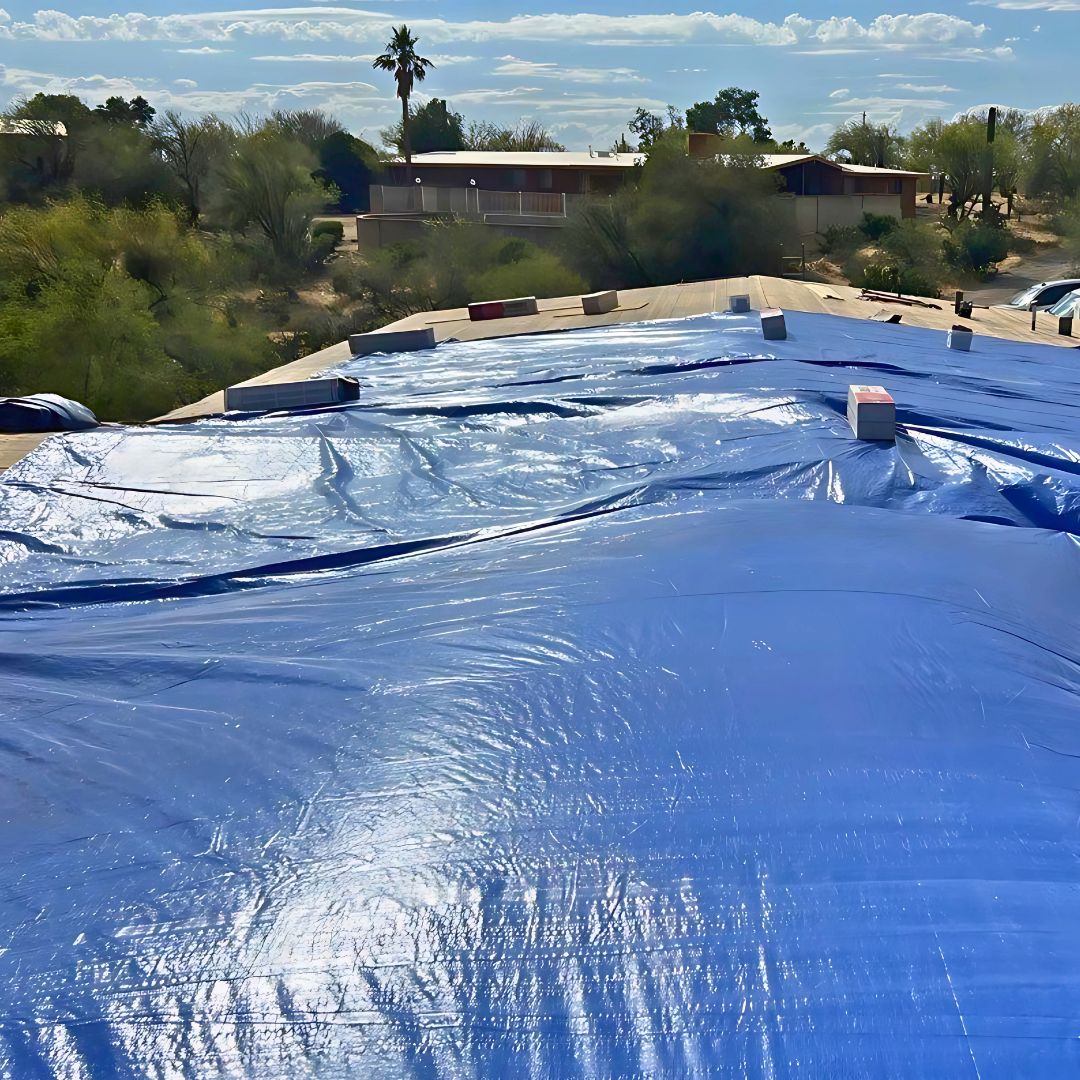
- Heavy-duty tarps (multiple sizes)
- Roof tarp nails or cap nails
- Waterproof tape
- Contractor-grade plastic sheeting
- Buckets and towels for indoor leaks
- Flashlights and extra batteries
- Portable phone chargers
- Work gloves
- Safety goggles
- Basic tool kit (hammer, utility knife, pry bar)
Roof and Home Documentation
- Roof warranty documents
- Inspection reports and photos
- Insurance policy details
- Contractor contact information
- Copies of home improvement receipts
- “Before photos” saved to cloud storage
Safety Reminders
- Never climb your roof during high winds or immediately after storms
- Stay away from downed lines
- Watch for slippery surfaces and unstable debris
- If your roof has visible structural damage, call a professional
After the Storm: What to Do If You Suspect Roof Damage
Even minor damage can turn into major leaks during the next rain.
Step 1: Do a Safe Ground Check
Look for:
- missing shingles or visible patches
- lifted shingles or ridge caps
- damaged shingles
- bent flashing
- damaged flashing
- dented metal components
- debris impact points
- shingles in yard or gutters
- signs of damage or wear on the roof surface
Step 2: Check Attic and Ceilings
Look for:
- water stains
- damp insulation
- dripping
- strong musty smell
- visible daylight through decking
Step 3: Prevent Water Intrusion Quickly
If leaks start:
- place buckets
- protect valuables
- photograph damage
- call a roofer for emergency tarping
Emergency tarping can prevent interior damage while repairs are scheduled.
Step 4: Schedule an Inspection as Soon as It’s Safe
This is where timing matters. Post-storm, roofers get booked quickly. Early inspection helps with documentation and faster repair scheduling.
How Hurricane Roof Prep Can Reduce Insurance Stress in 2026
Insurance companies are increasingly focused on roof age and condition. A roof inspection and documented upgrades can help support claims and reduce disputes.
What helps:
- A documented inspection before storm season
- Photos of roof condition before and after storms
- Proof of wind-rated materials and proper installation
- Maintenance records (gutter cleaning, repairs)
If your insurance provider asks about roof condition, having documentation ready can make a big difference.
Florida Hurricane Roof FAQs (2026 Edition)
How do I know if my roof can handle a hurricane?
The best indicator is a professional inspection that evaluates wind resistance factors like edges, sealing, fasteners, flashing, underlayment, and roof age.
Is a newer roof always safer in hurricanes?
Newer roofs often perform better, but only if properly installed and designed for wind. Installation quality and roof system components matter as much as age.
What part of the roof fails first in hurricanes?
Edges and ridge lines are frequent failure points. Wind gets under loose areas and can peel roofing upward.
How early should I schedule roof repairs?
Ideally in March–April 2026. By summer, storm-related demand increases.
Should I get an inspection after a tropical storm even if I don’t see damage?
Yes. Storm damage is often subtle and may not show up until later.
Why a Free Roof Inspection Is the Smartest First Step
Hurricane preparation is about removing weak points before storms find them. The easiest way to do that is with a professional inspection.
Reimagine Roofing offers:
- Free roof inspection
- Honest assessment and photo documentation
- Clear recommendations for repairs or upgrades
- Guidance on hurricane-resistant materials
- Estimate in under 24 hours
That means you can make smart decisions before hurricane season becomes urgent.
Schedule Your Free Roof Inspection With Reimagine Roofing Today
If you live in Florida or a coastal area, your roof is your first line of defense during hurricane season. The best time to prepare is before storms are forming.
Reimagine Roofing offers a free roof inspection, and you can get an estimate in under 24 hours.
Schedule your inspection today and head into hurricane season with confidence, not guesswork.
Popular Posts