Replace Roof in Winter: Pros & Cons
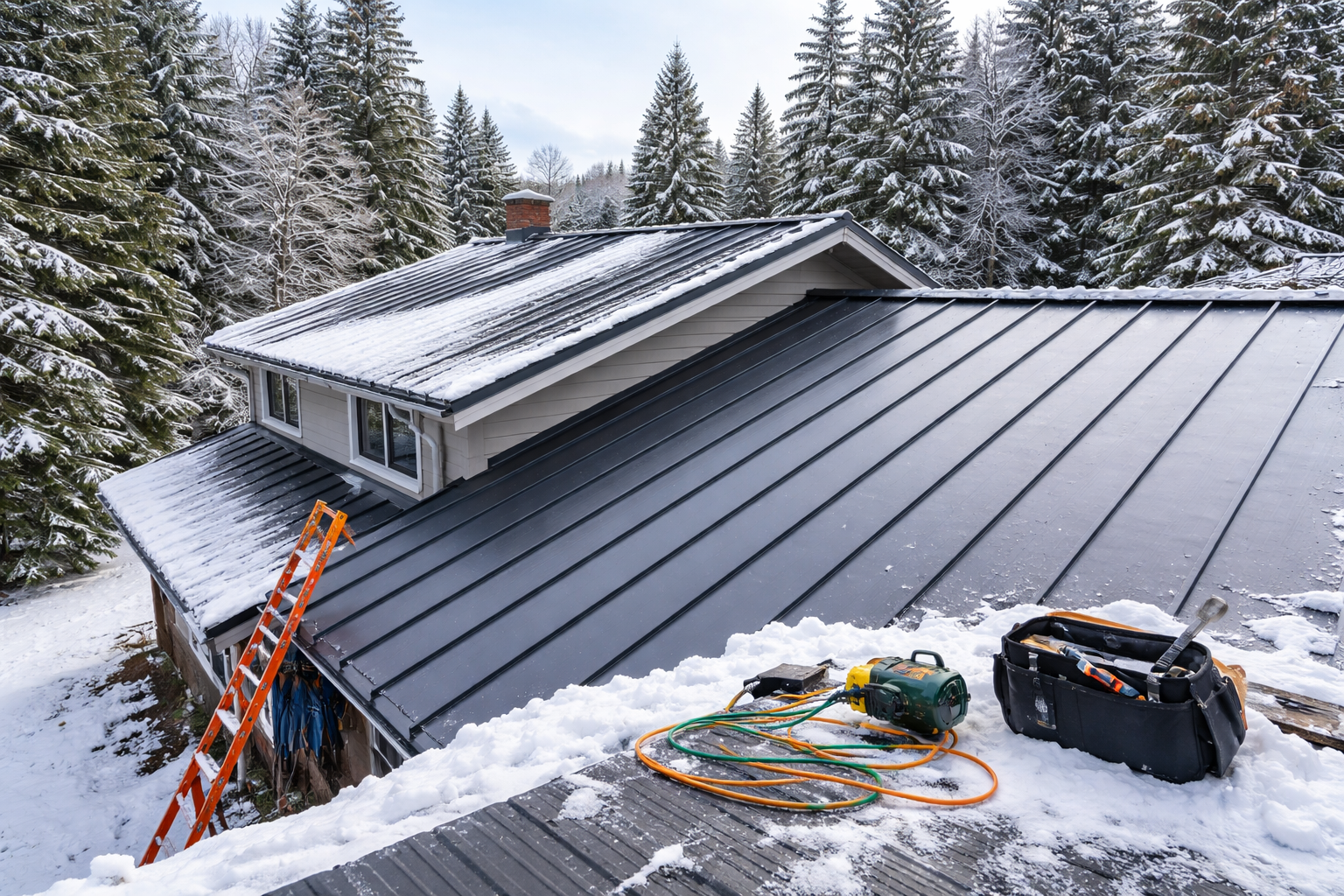
Replace Roof in Winter: Pros & Cons
Replace Roof in Winter: Pros, Cons, and What Homeowners Should Know in 2026
A Complete Winter Roofing Guide for Reimagine Roofing Service Areas: Arizona, New Mexico, Utah, New Jersey, and Florida
Most homeowners assume roof replacement is a spring or summer project. But the truth is, winter can actually be one of the smartest times to replace your roof, especially if you live in an area where contractors get booked months out once warm weather returns.
If you’re in Arizona, New Mexico, Utah, New Jersey, or Florida, scheduling a roof replacement during the winter season presents unique advantages and challenges. Weather conditions such as cold, snow, and ice can impact both the installation process and material performance, so understanding how these factors affect your project is essential for a successful outcome.
This guide covers the real pros and cons of replacing your roof during the winter and breaks it down by Reimagine Roofing’s service areas. You’ll also get a practical checklist so you can make a confident decision and avoid costly surprises.
If you want a professional opinion, Reimagine Roofing offers a free roof inspection, and you can get an estimate in under 24 hours.
Why Homeowners Consider Winter Roof Replacement in 2026
Winter roof replacement is becoming more common for several reasons:
- Many homeowners want to address leaks and damage before they get worse
- Contractors often have better availability during winter months
- Off-season scheduling can reduce delays and make planning easier
- Addressing roof repairs during the colder months can prevent more extensive damage and costly repairs later
- Energy costs make insulation and ventilation upgrades more valuable, and winter roof replacement can contribute to improving energy efficiency and the home’s energy efficiency by preventing heat loss and reducing energy bills
- Severe weather events can expose roof weaknesses quickly
Winter is also when roof problems become obvious. A roof that “seemed fine” in summer might start showing signs of trouble when temperatures drop, storms roll through, or snow and ice expose hidden vulnerabilities.
Can You Replace a Roof in Winter? Yes, But It Depends
Modern roofing materials and installation methods make winter roof replacement possible in most climates, but conditions matter. It is important to hire experienced roofing contractors or professional roofing contractors who are skilled in handling cold weather conditions and following proper techniques to ensure a successful roof in the winter.
The biggest winter roofing factors include:
- Temperature thresholds (especially for asphalt shingles)
- Ice, snow, and moisture on the roof surface
- Wind conditions and worker safety
- Daylight hours and worksite setup
- Manufacturer installation guidelines
- The need for proper installation and adjustments to the installation process to ensure quality outcomes during winter roof replacement
A professional roofing contractor will plan around weather windows and take precautions to ensure the roof is installed correctly, sealed properly, and protected if a storm interrupts work.
Pros of Replacing Your Roof During the Winter
Let’s start with the advantages, because for many homeowners, winter is the perfect time to replace a roof—especially when professional contractors manage the entire process, ensuring safety and quality from start to finish.
1) Faster Scheduling and Better Availability
One of the biggest winter benefits is simple: roofers are often less booked than in spring and summer. Many roofing contractors have greater availability during the winter season, making it easier for homeowners to schedule projects quickly.
In peak seasons, you may wait weeks or months for an installation window. In winter, you often get:
- More flexible appointment options
- Faster project start dates
- Shorter lead times for inspections and estimates
- More consistent scheduling
If your roof needs replacement soon, winter can help you avoid the spring rush.
2) Off-Season Savings and Promotions
Winter can also be a time when homeowners find:
- seasonal promotions
- better pricing due to demand shifts
- easier budgeting and planning
- opportunities to bundle upgrades
- a chance to avoid costly repairs by addressing roof issues before they worsen over the winter months
Not every market or roof type will see discounts, but overall, winter tends to be more competitive.
3) Preventing Winter Damage From Getting Worse
If you already have roofing issues, winter is not the time to ignore them.
Roof damage, such as missing shingles or damaged shingles, can quickly worsen during winter storms if not repaired or replaced promptly.
A small problem in winter can turn into:
- repeated leaks during storms
- wet insulation and mold
- rotted decking
- interior drywall damage
- higher repair costs later
Replacing your roof before peak storm cycles can protect your home and stop damage early.
4) Winter Is a Great Time for Ventilation and Insulation Improvements
Winter replacement is also a good opportunity to upgrade:
- attic ventilation: Ensuring proper ventilation in your attic is crucial during winter. Proper ventilation helps prevent moisture buildup, ice dams, and roof damage by maintaining temperature balance and allowing humid air to escape, which prolongs your roof’s lifespan.
- insulation alignment
- air sealing
- underlayment and ice barriers
- flashing and roof edge protection
These upgrades can improve comfort and reduce energy costs, especially in cold climates like Utah and New Jersey.
5) You’ll Be Ready for Spring Storm Season
In several service areas, storms ramp up in late winter and spring.
Replacing your roof in winter means:
- you’re protected before heavy rain season
- you reduce the risk of storm-related leaks
- you avoid emergency repairs during peak demand
This is especially relevant in:
- New Jersey and Utah for late winter storms
- Arizona and New Mexico heading into spring wind and rain
- Florida gearing up for summer storm season
Cons of Replacing Your Roof During the Winter
Now let’s talk about the challenges. Winter roof replacement can be great, but it’s not always ideal. Winter projects like roof replacement come with unique risks, especially due to slippery surfaces caused by ice and snow, making enhanced safety measures essential.
1) Temperature Limitations for Asphalt Shingles
Asphalt shingles rely on adhesive sealing strips that activate with warmth and sun. Cold temperatures can make asphalt shingles brittle, increasing the risk of cracking during installation. Additionally, adhesive curing times are extended in cold weather, which can impact the effectiveness of the roofing process. In cold weather, shingles may:
- take longer to seal
- require additional hand-sealing techniques
- be more brittle during handling
- require manual sealing in winter to ensure proper bonding due to cold temperatures affecting adhesive activation
A qualified roofer knows how to install shingles safely in cold conditions, but temperature thresholds still matter.
In general, shingle manufacturers and roofing manufacturers recommend installing asphalt shingles only when temperatures are at least 40°F (4°C), as colder temperatures can prevent proper sealing and increase cracking risks. Asphalt shingles are generally not recommended for installation when temperatures drop below 40°F due to brittleness and sealing issues. Manual sealing of shingles may be required during winter installations to ensure proper bonding and a watertight seal.
2) Weather Delays
Winter weather can cause delays, especially in snowy states.
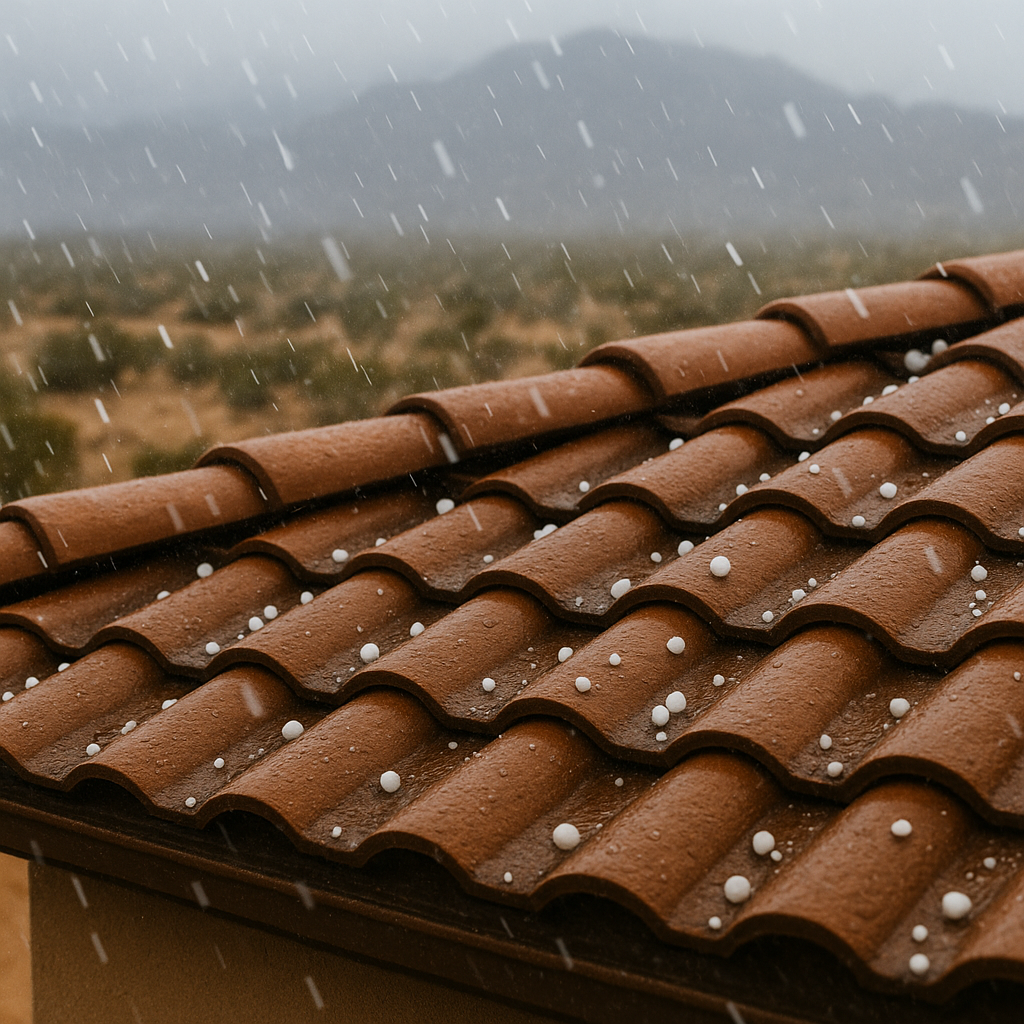
Extreme weather and changing weather conditions, such as snow, ice, and wind, can delay projects and create additional challenges for roof replacement. When temperatures fall below certain thresholds, it can negatively impact roofing work by causing tools like nail guns to jam due to frozen moisture, and making materials more brittle and difficult to install.
Potential delays include:
- snow or ice buildup
- freezing rain
- high winds
- unsafe roof conditions
Even in mild winters, unexpected storms can shift timelines.
3) Shorter Daylight Hours
Winter days are shorter, which may:
- extend the project timeline by a day
- limit daily working hours
- increase scheduling complexity
This isn’t usually a major issue, but it can affect larger or more complex roof projects.
4) Safety and Access Challenges
Roof work in winter requires increased safety planning.
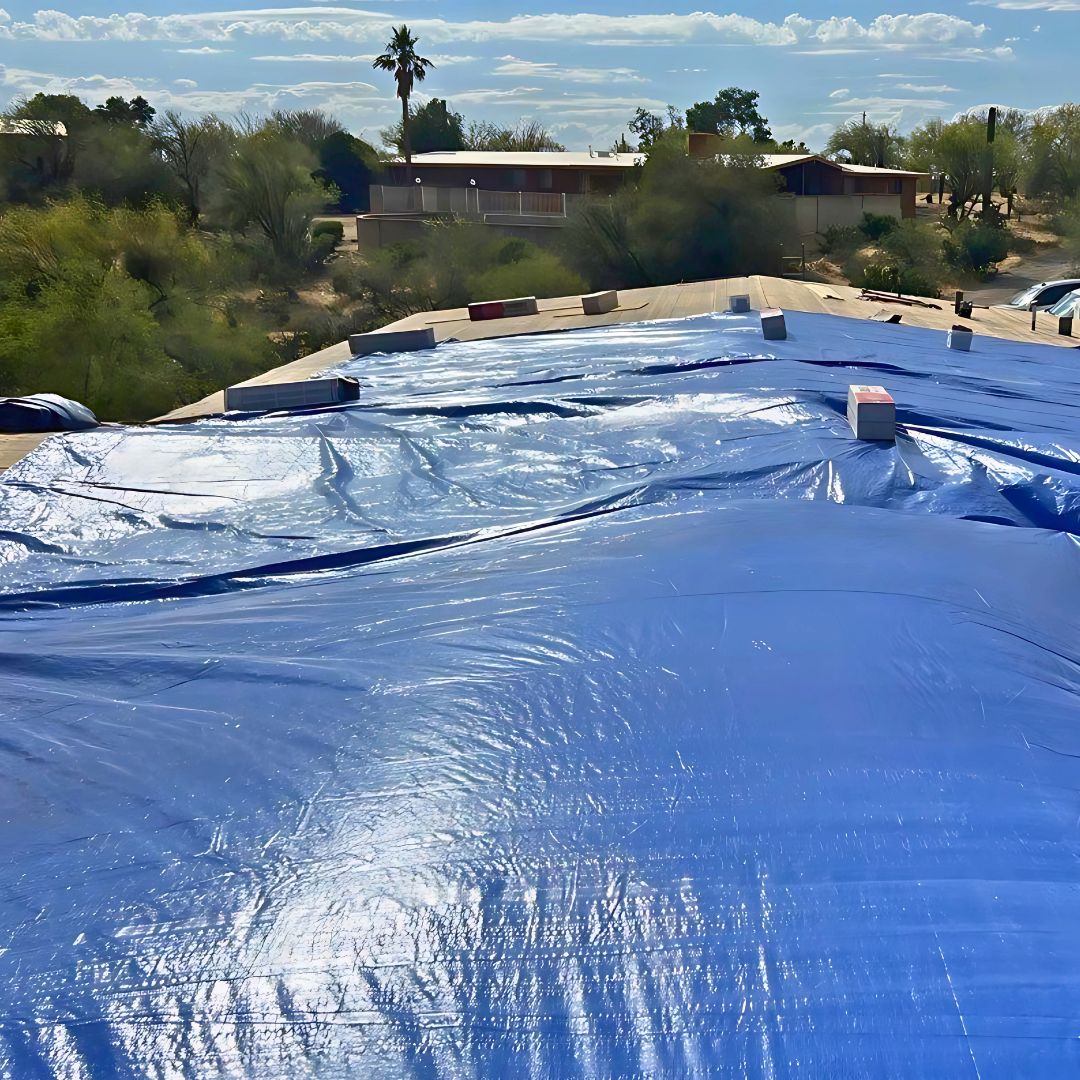
Snow and ice create hazardous working conditions for the roofing crew, increasing the risk of slips and falls. Roofing crews must clear snow and ice from the roof before any work can commence to ensure a safe working environment. Worker safety is always the top priority during winter roof replacements, so extra safety gear and cautious work practices are necessary due to slippery conditions. A clear, dry roof surface is essential for both safety and quality installation during winter.
Risks include:
- slippery surfaces
- icy ladders
- frozen ground around the home
- equipment limitations in extreme cold
Professional crews will schedule around safe conditions, but homeowners should expect occasional pauses for safety.
5) Material Storage and Handling
Cold weather can affect how materials are stored and handled. A reputable roofer will:
- store shingles properly
- avoid stacking in ways that cause damage
- handle materials carefully to prevent cracking
This is one reason why choosing a professional contractor matters more in winter than any other season.
Winter Roof Replacement by Service Area: What Homeowners Need to Know
Winter roofing conditions vary dramatically between Arizona, New Mexico, Utah, New Jersey, and Florida. When planning a roof replacement project during the winter, it’s important to consider the unique challenges and preparation required in each region. Here’s what winter replacement looks like in each region.
Winter Roof Replacement in Arizona (AZ)
Arizona winters are mild in many areas, especially around Phoenix and southern AZ, which makes winter a very popular time for roofing work. Arizona’s warmer temperatures during the winter season make it possible to install a variety of roofing materials, including metal roofs, which are known for their durability and weather resistance.
Pros in Arizona
- Great working temperatures for crews
- Less extreme heat than summer installations
- Strong availability and fast scheduling
- Ideal time for energy efficiency upgrades
- Comfortable season for inspections and planning
Common Winter Roofing Issues in AZ
- wind storms
- rain events that reveal leaks
- flashing failures
- underlayment wear from strong UV exposure over time
Best Winter Roofing Advice for Arizona
If your roof is aging or your energy bills are high, winter is an excellent time to replace your roof and consider upgrades like:
- improved ventilation
- reflective materials
- modern underlayment
- upgraded flashing systems
Arizona homeowners often benefit from choosing materials that reduce heat gain long-term, even in winter replacement timing.
Winter Roof Replacement in New Mexico (NM)
New Mexico winters vary. Some areas are mild, while others see significant cold and snow. A well-installed roofing system is crucial in these conditions, as it protects the roof deck and the underlying structure from moisture and harsh winter weather.
Pros in New Mexico
- Off-season scheduling advantages
- Addressing snow and moisture vulnerabilities early
- Preventing freeze-related leaks and damage
- Better contractor availability
Challenges in New Mexico
- snow and ice in northern regions
- freeze-thaw cycles that stress flashing and seals
- weather delays in certain months
Winter Roofing Advice for New Mexico
Winter replacement can work well, but it’s important to:
- schedule around weather windows
- confirm ice and water barrier protection
- ensure flashing upgrades are included
- improve attic ventilation and insulation alignment
Winter Roof Replacement in Utah (UT)
Utah winter conditions can be severe, with snow loads, ice, and freeze-thaw cycles. Using snow guards and roof rakes is essential for managing snow and ice accumulation on roofs during these harsh conditions, helping to prevent damage and make roof replacement safer and more effective.
Pros in Utah
- Prevents ice and snow-related leak damage
- Prepares your roof for continued winter storms
- Gives you a fresh system before spring melt cycles
- Helps avoid emergency repairs when leaks appear mid-season
Challenges in Utah
- snow and ice can delay projects
- safety considerations are higher
- asphalt shingles require careful cold-weather installation practices
Winter Roofing Advice for Utah
If your roof is leaking or nearing end-of-life, don’t wait. In Utah, roof issues worsen quickly in winter. Make sure your replacement includes:
- ice and water shield at eaves and valleys
- proper flashing replacement
- ventilation and insulation evaluation
- snow and ice management considerations
- robust underlayment upgrades
Winter Roof Replacement in New Jersey (NJ)
New Jersey winters can bring snow, ice, wind, and cold rain. When replacing a roof in winter, it’s important to be aware of ice dam formation—this occurs when melting snow refreezes at the roof’s edge, creating ice dams that can block proper drainage. If not addressed, these ice dams can cause water to back up under shingles, leading to leaks and water damage inside your home.
Pros in New Jersey
- Avoids spring scheduling bottlenecks
- Prevents ice dam damage and repeat leaks
- Prepares the home for late winter and spring storms
- Supports resale confidence if you’re selling in 2026
Challenges in New Jersey
- cold temperatures can affect asphalt shingle sealing
- snow and ice can create weather delays
- storm windows can disrupt timelines
Winter Roofing Advice for New Jersey
Winter replacement can be a smart move, especially if your roof is:
- 15+ years old
- showing signs of ice dam issues
- leaking around flashing or valleys
- failing under repeated storms
Just make sure your roofer follows manufacturer guidelines and uses proper winter installation techniques.
Winter Roof Replacement in Florida (FL)
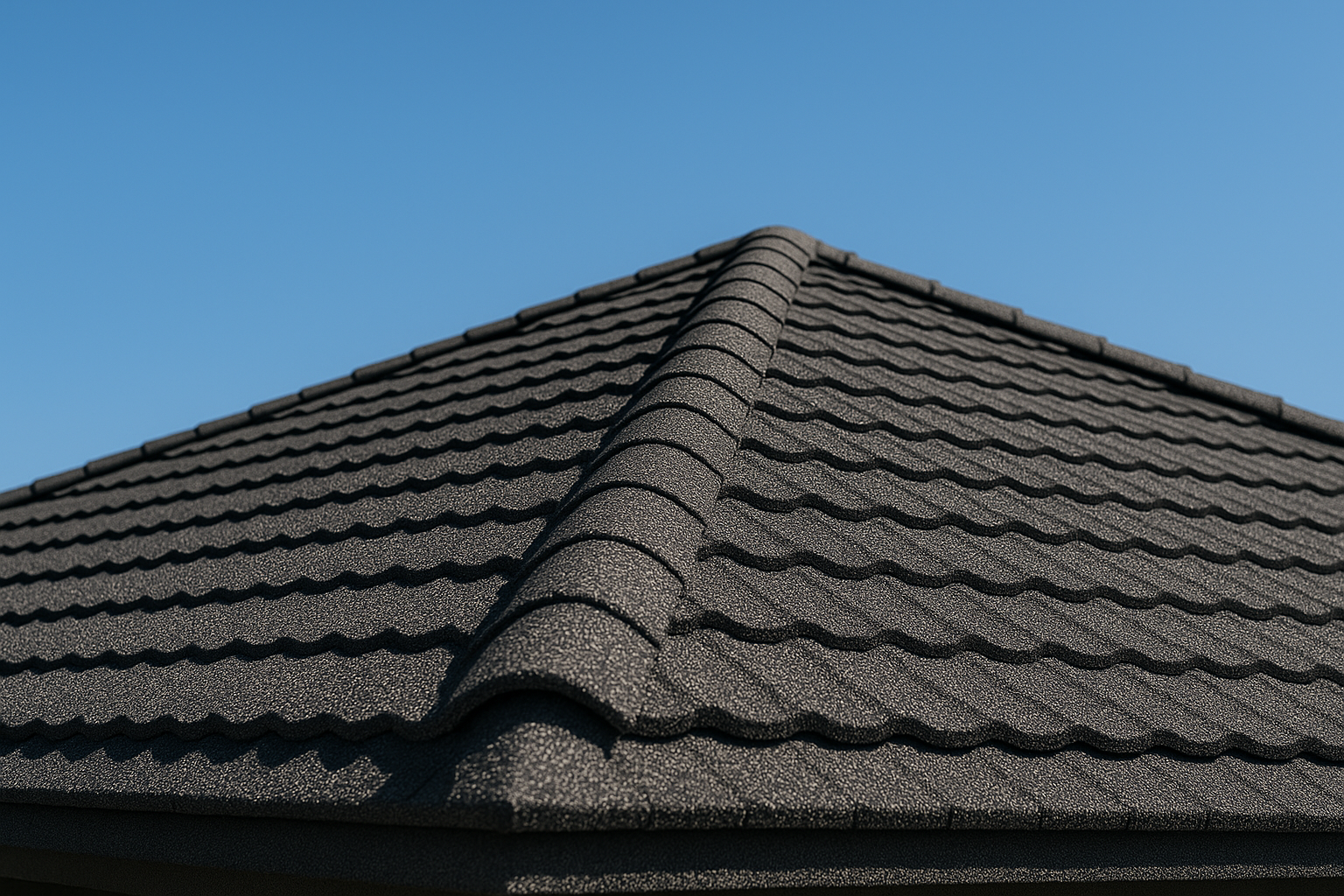
Florida winters are mild, making winter one of the most popular and efficient times to replace roofs. Florida’s mild winter temperatures allow for the installation of a variety of roofing materials, including DECRA stone-coated metal roofing, as long as the roof is clear and safe to work on.
Pros in Florida
- Comfortable working temperatures
- Off-season scheduling and availability
- Preparation for spring and summer storm cycles
- Strong opportunity to reinforce wind resistance
- Great time to schedule before hurricane season prep begins
Challenges in Florida
- winter rain events can interrupt work
- coastal humidity can reveal ventilation and moisture issues
Winter Roofing Advice for Florida
If you’re replacing your roof in Florida, winter is a great time to focus on:
- wind-rated materials
- roof edge reinforcement
- flashing upgrades
- secondary water barrier improvements
- improved underlayment systems
This is especially important for coastal areas where wind-driven rain is common.
Winter Roof Replacement Checklist for Homeowners (2026 Edition)
Use this checklist to decide if winter is right for your roof replacement.
- Schedule professional roof inspections before and after winter roof replacement to detect hidden issues and ensure quality.
- Check the weather forecast for extended periods of dry, mild weather.
- Confirm your contractor has experience with winter installations.
- Ensure proper attic ventilation and insulation.
- Prepare your home for potential cold drafts during installation.
You Should Replace Your Roof This Winter If:
- You have active leaks or water stains
- Your roof is 15–20+ years old (asphalt)
- Shingles are curling, cracking, or missing
- You’ve had repeated repairs recently
- Your attic has moisture or mold issues
- Your energy bills are rising and your home feels drafty
- You want faster scheduling and off-season availability
- You want your roof ready before spring storms
You Might Want to Wait If:
- You have no active issues and the roof is relatively new
- Your region has heavy snow and your roof is difficult to access
- Temperatures regularly fall below recommended installation thresholds
- You can schedule early spring without risk of delays
- Your roof is not urgent and you want maximum day length for a large project
A free inspection can clarify whether your roof is urgent or can safely wait.
What to Ask Your Roofer About Winter Installation
Winter roof replacement requires higher standards. It’s crucial to choose a reputable roofing company, such as those certified by Owens Corning, to ensure quality workmanship and safety during winter roof replacement. Ask these questions before signing:
- Will you follow manufacturer cold-weather installation guidelines?
- How do you handle shingle sealing in colder temperatures?
- What underlayment system will be used?
- Will you replace flashing or reuse old components?
- Do you include ice and water barriers where needed?
- How will you protect my home if weather interrupts the job?
- Do you inspect roof decking and document any replacement needs?
- What is included in cleanup and nail sweeps?
- What warranty coverage applies and what could void it?
- How soon can I get an estimate and schedule installation?
A professional contractor should answer clearly and confidently.
Winter Roofing Upgrades That Add Value
If you’re already replacing your roof, winter is a perfect time to add upgrades that improve comfort and performance. Investing in quality materials and professional installation ensures a durable roof and a successful winter roof replacement, providing long-term protection and peace of mind.
Ventilation Improvements
Balanced ventilation helps reduce moisture buildup, improves roof life, and can lower heating and cooling costs.
Underlayment Upgrades
Synthetic underlayment and water barriers improve leak resistance and long-term durability.
Ice and Water Shield
This is essential in snow and ice climates, and valuable in any region with storms.
Gutter and Drainage Evaluation
Winter storms can overwhelm poor drainage. Fixing gutters prevents water backup and fascia damage.
How Winter Roof Replacement Affects Home Value
A new roof can be a major resale advantage in 2026, especially in markets where buyers are cautious.
A winter roof replacement can:
- improve curb appeal before spring listings
- reduce buyer objections
- strengthen inspection outcomes
- help prevent repair credits and closing delays
- support insurance eligibility for buyers
Even if you aren’t selling immediately, a new roof is a long-term protection and value upgrade.
Why Reimagine Roofing Makes Winter Roof Replacement Easy
Winter roofing is all about planning, timing, and professional installation practices. Choosing experienced contractors to manage your winter roofing project is crucial for ensuring safety, quality, and long-lasting results. Reimagine Roofing helps homeowners make confident decisions with:
- Free roof inspection
- Clear, honest recommendations
- Roof system evaluation including ventilation, flashing, and underlayment
- Transparent estimates and options
- Estimate in under 24 hours
- Scheduling support based on your weather and region
Whether you’re in Arizona, New Mexico, Utah, New Jersey, or Florida, we help you choose the best time and the right solution for your roofing project.
Schedule Your Free Roof Inspection Today
If you’re considering roof replacement this winter, the fastest way to know what your roof needs is a professional evaluation.
Reimagine Roofing offers a free roof inspection, and you can get an estimate in under 24 hours.
Book your free inspection today and take advantage of winter scheduling, availability, and peace of mind.
Popular Posts