How to Prevent Ice, Leaks, and Fascia Rot in Massachusetts
How to Prevent Ice, Leaks, and Fascia Rot in Massachusetts
Gutter Cleaning Winter Massachusetts: Gutter & Roof System Prep for Preventing Ice, Leaks, and Fascia Rot
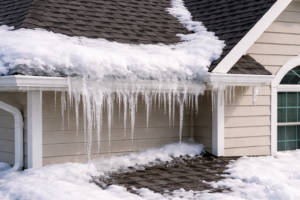
The Homeowner’s Guide to Stopping Winter Roof Damage Before It Starts
Massachusetts winters are beautiful — snow-covered trees, crisp air, and cozy nights inside. But for your home, winter is also the season that tests your roof harder than any other time of year. Massachusetts homes face unique challenges due to harsh winter weather, and local roofing companies understand these conditions well.
If you’ve ever dealt with ice dams, mystery roof leaks, peeling paint on your soffits, or gutters that pull away from the roofline, you already know the truth:
Winter roof damage rarely comes from one big storm. It comes from small problems that build up over weeks.
The good news? Most cold-weather roofing disasters are preventable with a simple, strategic checklist that focuses on what many homeowners overlook: your gutter and roof system working together. Regular roof inspections by roofing experts can help identify minor issues before they escalate into costly repairs, and professional inspections can extend the life of your roof by addressing problems early.
In this guide, we’ll cover:
- Why gutters matter more than most homeowners realize
- How ice dams form (and how to stop them)
- How roof fascia rot begins and spreads
- The smartest Massachusetts winter prep checklist for your roof system
- When it’s time to call a professional — and what to expect
And if you want expert help right away, Reimagine Roofing offers a FREE roof inspection and a Fast Quote Tool that can deliver an estimate in less than a day — so you can protect your home before winter damage sets in.
Why Massachusetts Winters Are So Hard on Roofs and Gutters
Massachusetts is known for:
- Snowfall (often heavy and wet)
- Freeze–thaw cycles
- Sub-freezing nights followed by sunny daytime warming
- Ice storms and wind gusts
- Long periods where snow sits on your roof
- Exposure to the elements, including rain, snow, and wind
Heavy snowfalls and the four seasons in Massachusetts create ongoing stress on roof systems, making regular inspections especially important.
These conditions put constant stress on the roof system — especially the roof edge, gutters, fascia boards, and soffits, which are your home’s first line of defense against water intrusion.
Winter roofing issues are often NOT a “roof-only” problem
Many leaks start because the roof and gutter system aren’t working as a unit. If gutters are clogged, misaligned, damaged, or simply overwhelmed, water backs up — and your roof edge pays the price.
That’s why gutter cleaning winter MA isn’t just about avoiding overflow. It’s about preventing structural damage and protecting your entire property from costly winter damage.
Understanding the Roof System: Gutters, Fascia, Soffit, and Drip Edge
Before we get into winter prep, it helps to understand the main components involved. Knowing the types and condition of roofing materials is essential for a thorough inspection, as it ensures any issues are properly identified and addressed.
Gutters
Collect and carry water away from the roof edge.
Downspouts
Move water from gutters to the ground safely away from your foundation.
Fascia Board
The board behind the gutter that protects the roof edge and anchors your gutters.
Soffit
The underside of your roof overhang — often vented to allow attic airflow.
Drip Edge
A metal flashing along the roof edge that helps direct water into the gutter and away from fascia.
When one part fails, water begins to travel where it shouldn’t — often into the fascia, decking, insulation, and interior walls.
The Hidden Enemy: Ice Dams and Roof Edge Backup
What is an Ice Dam?
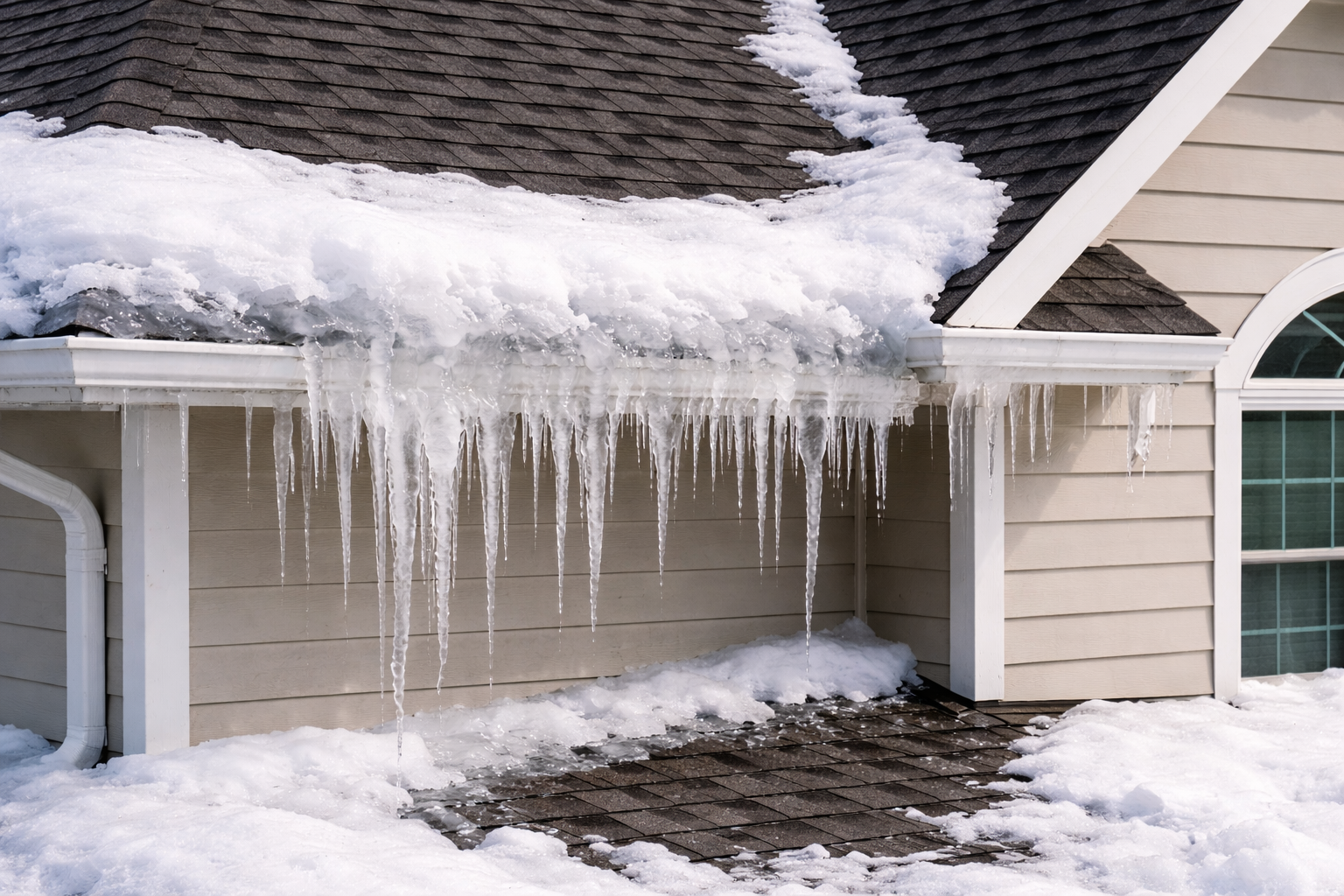
An ice dam forms when snow melts on the upper part of your roof, runs down to the colder roof edge, and refreezes. Over time, this creates a “dam” of ice that traps additional meltwater behind it.
That trapped water has nowhere to go.
So it seeps:
- Under shingles
- Beneath flashing
- Into roof decking
- Down into walls and ceilings
Why Ice Dams Are So Common in Massachusetts
Ice dams happen where you have:
- A warm attic (heat escaping from the living space)
- A cold roof edge (exposed to winter air)
- A thick layer of snow
Massachusetts has the perfect combination of cold temperatures and intermittent warming periods — which creates ideal conditions for freeze–thaw cycles.
How Gutters Make Ice Dams Worse
Homeowners often assume gutters are just “one more thing to clean.” But winter gutters are a major part of the ice dam equation.
Regular gutter maintenance helps to ensure that water is directed away from the foundation of the home, which is essential for preventing costly water damage.
Why are gutters important in winter?
- They channel melting snow and ice away from your roof and siding.
- They help prevent water from pooling around your foundation.
- Cleaning gutters before winter can prevent the accumulation of debris that traps moisture and leads to ice formation.
Properly maintained gutters can help avoid costly repairs related to water damage in the home.
When gutters are clogged, damaged, or poorly pitched:
- Meltwater can’t drain properly
- Water pools at the roof edge
- Ice forms faster and thicker
- Snowmelt backs up under shingles
- Fascia boards stay wet longer, accelerating rot
This is why gutter cleaning winter MA is one of the most effective preventative steps you can take.
Roof Fascia Rot: The Winter Damage You Don’t See Until It’s Expensive
What is Fascia Rot?
Fascia rot happens when the wood fascia board stays wet long enough to break down. In winter, it’s often caused by:
- Ice dams holding water against fascia
- Overflowing gutters soaking the edge
- Snow piled up along the roof edge
- Failed drip edge or flashing
- Leaks behind gutters (from loose fasteners or gaps)
Once fascia begins to rot:
- Gutters loosen and sag
- Water can get behind the siding
- Soffit vents fail or collapse
- Pests can enter the attic
- Roof decking edges start to deteriorate
It starts small — but it grows quickly. And the longer it goes unchecked, the more it spreads to other structural components.
That’s why roof fascia rot is one of the most expensive “gutter-related” issues homeowners face.
Common Signs of Fascia Rot in Massachusetts Homes
Here’s what to look for before the damage gets severe:
- Gutters pulling away from the roofline
- Sagging or uneven gutter runs
- Paint peeling or bubbling on fascia
- Dark stains on soffits or roof edge
- Soft wood when you press it (or visible cracking)
- Rust streaks or water trails beneath gutters
- Birds, squirrels, or insects near the soffit line
- Ice hanging or recurring icicles in the same spots
If you see any of these signs, the best next step is a professional inspection — because the damage can extend behind what’s visible.
Reimagine Roofing offers FREE roof inspections so you can confirm whether fascia rot has started — and how far it’s gone.
Winter Roof Leaks: Why They Happen When It’s Not Raining
It’s one of the most frustrating homeowner experiences:
“I have a roof leak… but it hasn’t rained in days.”
In Massachusetts, winter leaks often come from:
- Ice dams backing water under shingles
- Condensation in the attic dripping onto insulation and ceilings
- Wind-driven snow entering through ridge/roof vents
- Flashing gaps expanding during freeze–thaw
- Frozen gutters sending meltwater sideways instead of downspouts
Small leaks from these issues can quickly lead to interior water damage if not addressed promptly. In many cases, minor repairs are enough to resolve these problems when caught early. For extensive ice dams or high gutters, professional help is recommended to prevent injury.
If your ceiling stain appears or grows during winter, you may be dealing with a roof system problem — not just shingles.
This blog is built to help you prevent roof leaks winter — before they become drywall repairs, mold issues, or major roof work.
The Massachusetts Winter Prep Checklist: Gutters + Roof System
Step 1: Clean Gutters (Yes, Even Late Fall/Early Winter)
The goal is to ensure gutters can drain during:
- Late fall rains
- Early snow melts
- Midwinter warm days
- Spring thaw
When cleaning gutters, always use a sturdy ladder on solid ground, wear non-slip boots and gloves, and maintain three points of contact for safety. Never lean a ladder against the gutters themselves—this is an important ladder safety tip to prevent damage and injury.
Gutter guards can significantly reduce debris buildup, but they still require occasional cleaning checks to ensure proper drainage.
What to remove:
- Leaves, pine needles, and seed pods
- Roof granules (a sign of aging shingles)
- Small sticks and debris from wind storms
Pro tip:
If your gutters overflow during rain, they will absolutely fail under winter melt cycles.
Step 2: Clear and Test Downspouts
Clean gutters are useless if downspouts are blocked.
Check for:
- Clogs near elbows
- Buried underground downspout lines that freeze
- Downspouts that discharge too close to the foundation
In winter, blocked downspouts turn gutters into a freeze zone — leading to:
- Ice buildup
- Heavy gutter weight
- Fastener failure
- Water backing up behind gutters
Step 3: Inspect Gutter Pitch and Fasteners
Even clean gutters can fail if they’re not properly sloped.
Look for:
- Standing water after rain
- Sagging sections
- Spikes or fasteners pulling out
- Seams separating
- Corner leaks
A small adjustment today can prevent a winter ice block from ripping off an entire run.
Step 4: Check the Drip Edge (Critical for Roof Edge Protection)
Drip edge directs water into the gutter and away from fascia. In some older roofs, drip edge may be missing or improperly installed.
If drip edge is absent, water can:
- Track behind the gutter
- Soak fascia boards
- Freeze and expand in wood fibers
- Create ongoing roof fascia rot
Step 5: Seal & Inspect Flashing (Chimneys, Vents, Valleys)
Flashing failures are a top source of winter leaks because metal expands and contracts in cold.
Focus areas:
- Chimney flashing
- Vent boots
- Skylight flashing
- Roof-to-wall intersections
- Valleys where snow collects
If sealant is cracked or flashing is lifted, winter meltwater will find its way in — even without rain.
Step 6: Improve Attic Ventilation (A Big Ice Dam Solution)
Ice dams are largely driven by heat loss into the attic.
If your attic is too warm, snow melts higher on the roof and refreezes at the edges.
Ventilation supports:
- Cooler, balanced attic temps
- Reduced condensation
- Better roof lifespan
- Lower heating costs
Proper attic insulation and ventilation help prevent heat from melting snow on the roof, which causes ice dams, and can also improve energy efficiency by reducing heat loss and lowering utility bills.
Many homeowners think insulation alone solves this — but ventilation + air sealing + insulation is the real formula. Professional roof inspections can identify ways to improve energy efficiency in your home.
Step 7: Insulate and Air Seal the Attic Floor
Air leaks are one of the biggest reasons attics warm up.
Common air leak spots:
- Recessed lights
- Plumbing stacks
- Attic access doors
- Bathroom fan ducts
- HVAC registers and chases
Sealing these leaks reduces heat loss and helps prevent ice dams.
Step 8: Trim Branches and Manage Roof Debris
Tree debris accelerates:
- Gutter clogs
- Roof wear
- Moss growth
- Ice formation in shaded areas
Shaded roof sections melt slower and refreeze faster, creating uneven ice dam conditions.
Step 9: Watch for Early Warning Signs After the First Snow
After your first snow:
- Look for uneven melting lines
- Watch for heavy icicles
- Check for water stains on interior ceilings
- Notice any new musty smells in the attic
Spotting problems early allows you to address potential issues before they turn into major repairs or costly damage. Early signs mean action is needed before the next storm compounds the problem.
What NOT to Do During Winter (Common Mistakes)
Don’t chip ice off your roof with a shovel or hammer
You can damage shingles, flashing, and gutters — creating new leak paths.
Don’t ignore recurring icicles
Icicles are not “just pretty.” They often indicate:
- ice dams
- gutter freeze-up
- warm attic conditions
Don’t assume “it’s just gutters”
Winter damage often affects fascia, decking, and insulation.
When You Need a Professional Roof Inspection (And Why It’s Worth It)
It’s important to have your roof inspected by highly trained roofing professionals, especially after storm damage or wind damage. A full inspection by a professional roofing team can identify potential issues and problems early, helping you save money and prevent costly repairs.
Regular inspections are recommended at least once per year, especially in Massachusetts, New Hampshire, and Rhode Island due to harsh weather conditions. Professional roof inspections can help extend the life of your roof, improve safety, and protect your house and property. After severe weather events, scheduling a professional inspection is recommended to spot hidden or extensive damage.
A roof inspection can help determine if a roof replacement or full roof replacement is necessary, and roofing experts can provide transparent cost estimates without hidden fees. Free inspection services are available, providing peace of mind for homeowners considering a new roof or repairs.
Call a roofing professional if you notice:
- Stains on ceilings or walls
- Ice buildup at roof edges
- Gutters pulling away
- Peeling fascia paint
- Soft wood on the roofline
- Mold smells in the attic
- Repeated leak issues each winter
A professional inspection identifies:
- The root cause (not just the symptom)
- Whether repairs are localized or widespread, or if roof replacement is needed
- How to prevent recurrence and protect your property
Reimagine Roofing: Massachusetts Winter Prep Done Right
At Reimagine Roofing, we help homeowners protect their homes from:
- Ice dams
- Roof leaks
- Fascia and soffit deterioration
- Gutters failing under winter load
- Attic ventilation and condensation issues
We offer a full range of roofing services, and our highly skilled roofing team is equipped to handle all your winter preparation needs.
FREE Roof Inspection
We’ll inspect:
- Roof edge conditions
- Flashing and penetration points
- Signs of moisture intrusion
- Ventilation balance
- Fascia integrity
- Gutter attachment and drainage risk
Book your FREE roof inspection today.
Fast Quote Tool (Estimates in Less Than a Day)
If you need repairs or replacement, don’t wait weeks.
Use our Fast Quote Tool and get:
- Clear pricing
- Repair vs replacement options
- A written estimate in less than a day
- Straight answers without pushy sales
Use the Fast Quote Tool now to get your estimate in under 24 hours.
The Best Time to Prevent Winter Damage Is Before the Next Freeze
Massachusetts winters punish roof systems that aren’t ready.
But with the right steps — especially gutter cleaning winter MA, flashing checks, and attic airflow improvements — you can stop:
- ice dams
- winter roof leaks
- roof fascia rot
- expensive emergency repairs
And if you’re not sure where your roof stands, you don’t have to guess.
Ready for Peace of Mind This Winter?
✅ Schedule your FREE roof inspection with Reimagine Roofing
✅ Use our Fast Quote Tool and get an estimate in less than a day
✅ Stop winter leaks and fascia rot before they start
FAQ: Massachusetts Winter Roof + Gutter Prep
How often should I clean my gutters before winter in MA?
At minimum, once in late fall after most leaves drop. Homes near trees often need multiple cleanings.
Are gutter guards worth it in Massachusetts?
They can help, but they’re not foolproof. Small debris and roof granules can still accumulate, and guards can freeze over in winter.
What is the fastest way to stop ice dams?
The most effective long-term method is addressing:
- attic air leaks
- insulation levels
- ventilation balance
Short-term solutions include roof rakes and professional ice dam removal.
How do I know if I have fascia rot?
Look for peeling paint, soft or crumbling wood, sagging gutters, and recurring overflow. A professional inspection confirms the extent.
What’s the biggest reason winter roof leaks start?
In Massachusetts, it’s often ice dams or flashing failures—not missing shingles.
Reimagine Roofing — Built for New England. Designed to Last.
Popular Posts