What Warmer Springs in Maryland Mean for Roofing
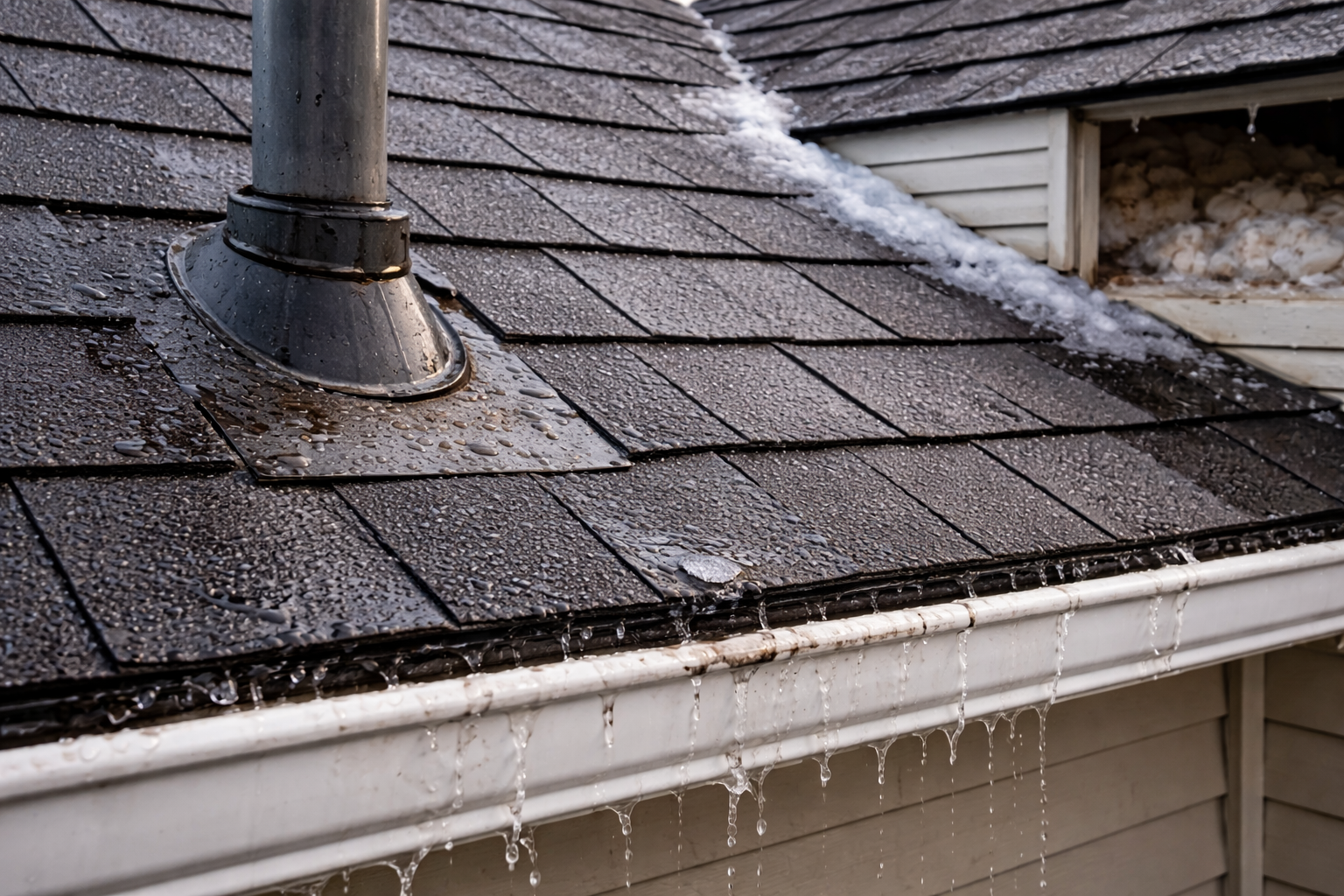
What Warmer Springs in Maryland Mean for Roofing
airsMaryland Roofing Climate: What Warmer Springs in the Mid-Atlantic Mean for Roofing
Maryland homeowners are used to four seasons… but lately, spring is starting to feel a little different.
The Maryland area experiences hot, humid summers and cold, dry winters, creating unique roofing challenges for local homeowners.
More warm afternoons. Earlier “summer-like” weeks. More sun intensity before you’ve even turned on the AC full-time.
And while warm springs can feel like a win after winter, they also create a hidden risk: heat and UV damage that quietly wears down your roof before storm season even begins.
Recent Mid-Atlantic climate summaries have noted spring temperatures were above normal in the region. That means Maryland roofs are experiencing more heat earlier, and that speeds up the wear cycle of shingles, sealants, and flashing—often before homeowners notice any visible damage.
In this guide, we’ll explain what warmer springs mean for Maryland roofing, how heat and UV can shorten a roof’s lifespan, why leaks can start without a storm, and what homeowners can do right now to protect their home.
And if you don’t want to guess: Reimagine Roofing offers a FREE roof inspection and a fast quote tool that can deliver estimates in less than a day.
Why This Topic Is Timely for Maryland Homeowners
Warmer-than-normal spring conditions may not sound like a roofing emergency—but they change how your roof ages and performs. When spring warms up early, your roof experiences:
- More UV exposure earlier in the year
- More thermal expansion and contraction
- More sealant breakdown
- Earlier attic heat stress
- A longer season of wear before summer storms arrive
For homeowners, this means one thing: Small weaknesses in your roof system can develop sooner, and they can become leaks faster—especially when the first summer storms roll through.
Maryland Roofing Climate 101: Why Warm Springs Hit Roofs Hard
Maryland sits in a “transition zone” climate. Your roof has to handle:
- freezing winter nights and thawing afternoons
- heavy spring rains
- hot, humid summers
- strong wind and thunderstorm cycles
- fall leaves and clogged drainage systems
Maryland’s humid, four-season climate requires durable roofing materials and specific practices to ensure longevity. Local roofers with expertise in services in Maryland understand these unique challenges and can recommend the best solutions for your home.
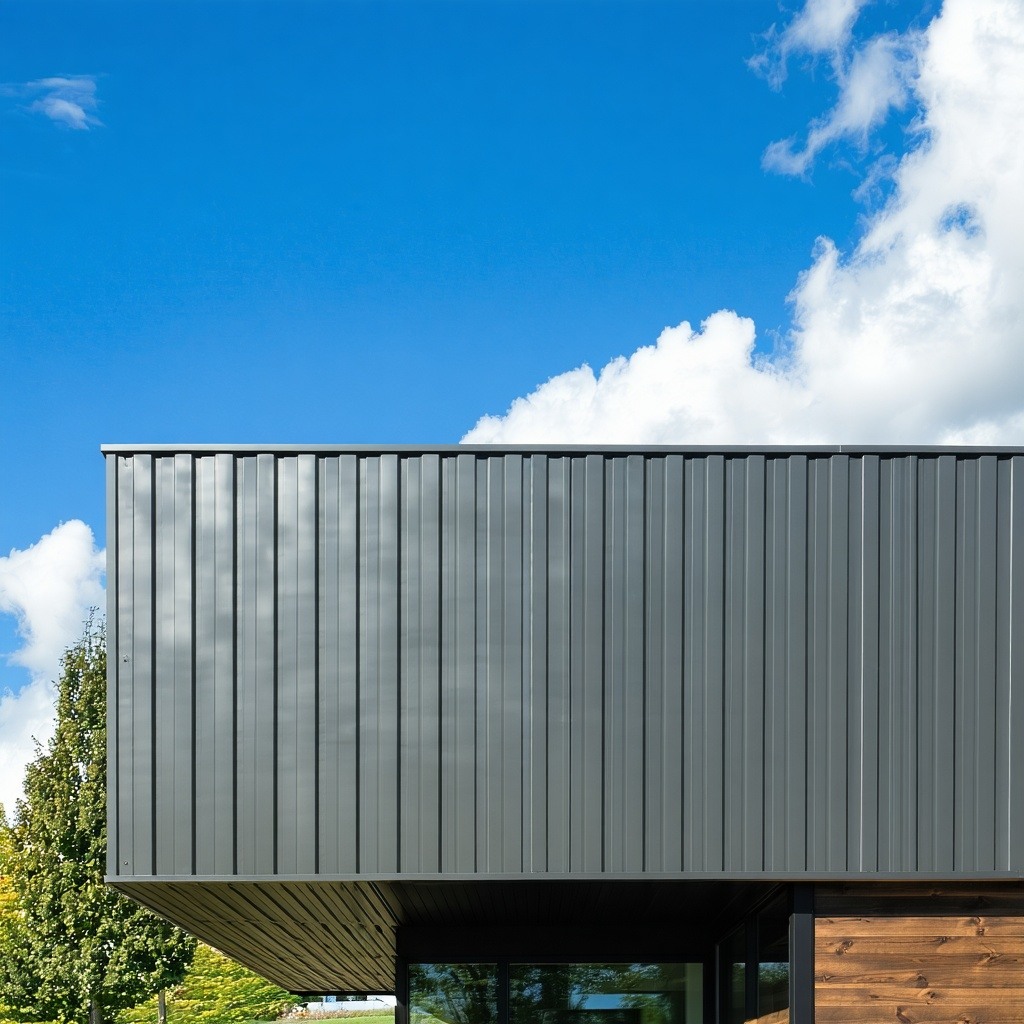
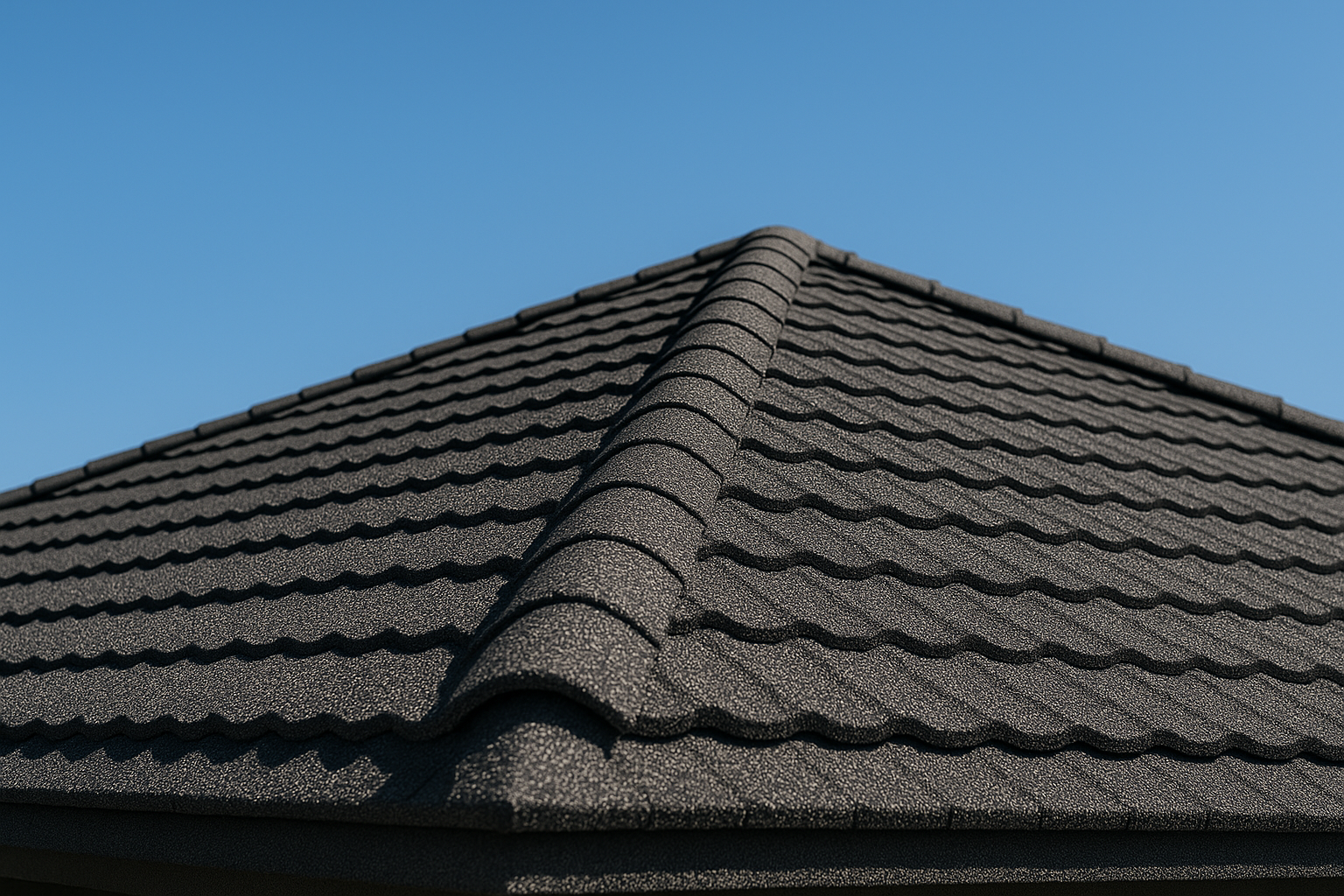
Asphalt roofing shingles are the most popular roofing choice in Maryland due to their affordability and durability, while metal roofing is an excellent option for homeowners seeking longevity and minimal maintenance.
Choosing experienced roofers for services in Maryland ensures your roof is built to withstand the region’s demanding conditions.
That constant shift is tough on roofing materials, and warmer springs increase the stress.
Roofs Move More Than You Think
When temperatures rise quickly in spring, roofing materials heat up and expand. At night, they cool and contract. That cycle repeats daily, and over time it can cause:
- tiny cracks in sealant
- separation in flashing overlaps
- loosening around fasteners
- weakening of adhesive bonds
- gaps at roof penetrations
At first, these changes are microscopic. But once a gap exists, moisture finds it.
Heat Damage Shingles: What Warmer Springs Do to Asphalt Roofs
Many homeowners assume roofs fail only because of age, but in reality, heat and sunlight are often the main drivers of shingle breakdown.
How UV Damage Works
UV radiation breaks down the asphalt oils and fiberglass structure of shingles, leading to:
- drying and brittleness
- granule loss
- cracking
- curling
- reduced water resistance
- shorter lifespan overall
When spring is warmer, the “high UV season” effectively begins earlier—especially on south-facing slopes.
Signs of Heat-Stressed Shingles
Look for:
- missing granules in gutters
- bald or shiny patches
- faded or uneven shingle color
- curled corners and edges
- cracking or splitting
- worn-out valleys (where water channels down)
Heat-stressed shingles are more likely to tear, lift, and leak once storms arrive.
UV Roof Damage in Maryland: Why South-Facing Slopes Wear Out Faster
If you’ve ever noticed one side of a roof looking older than the other, you’re not imagining it.
South + Southwest Slopes Get the Most Punishment
In Maryland, roof slopes facing south and southwest typically receive stronger, more consistent sunlight. That can cause:
- earlier granule loss
- faster asphalt drying
- more thermal cycling
- quicker sealant deterioration
- increased likelihood of edge lifting
Even if the roof looks “fine” from the ground, heat stress often shows up first in these areas.
Thermal Expansion: The Hidden Trigger Behind Sealant Cracks
One of the biggest problems warmer springs create is movement. Roof systems expand and contract constantly, and that movement attacks weak points first.
Why Sealants Fail Before Shingles
Roof sealant is used to protect:
- flashing joints
- vent boots
- ridge caps
- nail heads
- skylight edges
- roof-to-wall intersections
Sealant is designed to stay flexible—but over time heat causes it to:
- harden
- shrink
- crack
- separate from surfaces
Once sealant fails, moisture can slip in through capillary action or wind-driven rain—even if there hasn’t been a major storm.
This is one reason homeowners experience roof stains “randomly” in late spring.
Flashing Failures: Small Parts That Cause Big Leaks
Flashing is one of the most important components of your roof, and it’s also one of the most overlooked.
What Is Flashing?
Flashing is the metal system installed around:
- chimneys
- skylights
- vents and pipes
- roof valleys
- dormers
- roof-to-wall transitions
Its job is to direct water away from seams and joints. But flashing is also where movement and sealant breakdown show up first.
Why Warmer Springs Cause Flashing Problems
Heat causes expansion, and expansion stresses joints. Over time, that can lead to:
- lifted step flashing
- separated overlaps
- cracked counterflashing
- loose fasteners
- dried-out caulking lines
- water intrusion at corners and transitions
Even a tiny gap can allow moisture intrusion that slowly spreads into decking and insulation.
Why Roof Leaks Can Start Without a Storm
This is one of the biggest misconceptions homeowners have:
Not all roof leaks are storm leaks.
Warmer springs can trigger small failures that let moisture enter your roof system during:
- light rain
- morning dew
- humidity changes
- condensation cycles
- wind-blown mist
- repeated small showers
Because these aren’t dramatic events, homeowners may not connect the leak to the roof.
Common “No-Storm Leak” Clues
- ceiling stains that appear days after rain
- small drips near vents or skylights
- damp insulation in one area
- musty attic odors
- bubbling paint or drywall seams
- faint mold spots in attic corners
If you see any of these, it’s time to inspect the roof before summer storms make the problem worse.
Attic Heat Stress: The Roof Problem You Can’t See From the Yard
Warmer springs don’t just affect shingles. They also affect attic performance.
When Attics Overheat, Roofs Age Faster
If your attic ventilation isn’t balanced, a warmer spring can create:
- higher attic temps earlier in the year
- increased shingle heat exposure from below
- reduced insulation performance
- higher cooling costs
- increased moisture retention
- greater risk of condensation and mold growth
The Ventilation Mistake Many Homes Have
Some homes have intake vents without enough exhaust, or exhaust without enough intake. That imbalance traps heat and moisture.
A roof can look fine from the ground but still be suffering from attic-related stress that shortens its lifespan.
Moisture + Warmth = Faster Mold and Wood Damage
When moisture enters the roof system and temperatures rise, damage accelerates.
Warm, damp areas can lead to:
- mold growth
- rotting roof decking
- weakened rafters
- insulation collapse
- lingering odors inside the home
In spring, this is especially dangerous because humidity starts rising, and warm temperatures create ideal mold conditions.
The Maryland Warm-Spring Roof Checklist
If spring is trending warmer, Maryland homeowners should check these areas early:
Exterior Roof Checklist
- shingles: granule loss, curling, cracking
- ridge caps: looseness or missing pieces
- valleys: debris buildup, visible wear
- flashing: lifted edges, rust, gaps, old caulk
- vent boots: cracked rubber, exposed nails
- gutters: overflow marks, sagging, clogs
Interior / Attic Checklist
- stains on decking or rafters
- damp insulation
- rusty nails
- musty smell
- mold spots
- daylight through penetrations
- bathroom exhaust fans venting into attic
If any item looks suspicious, don’t wait—spring is when damage starts, but summer storms are when it becomes expensive.
Storm Chasers and Scams: Protecting Maryland Homeowners
After a major storm, it’s common to see unfamiliar roofing companies canvassing Maryland neighborhoods, offering quick roof repair or roof replacement. These so-called “storm chasers” often lack a proven track record and may not deliver the high quality roofing solutions Maryland homeowners expect. Instead of providing exceptional roofing services, they may use low-quality roofing materials, cut corners, or disappear after the job is done—leaving you with costly repairs down the road.
To protect your home and investment, always research top Maryland roofing companies before signing any contract. Look for online reviews, verify licenses, and ask for a detailed estimate that clearly outlines the scope of work and materials to be used. A reputable roofing company will be transparent about their process, warranty, and guarantee, and will never pressure you into a rushed decision. By choosing a reliable, experienced company with a strong reputation in Maryland roofing, you can expect consistent service and results that last—ensuring your roof replacement or repair is done right the first time.
Roofing Warranties and Guarantees: What to Know Before You Sign
Before committing to any roof replacement or roof repair, it’s essential to understand the warranty and guarantee offered by your roofing company.
A reputable company should provide a clear, comprehensive warranty that covers both materials and labor, giving you long lasting protection against issues like storm damage or aging shingles. Make sure you review the terms and conditions carefully—know what’s included, how long the coverage lasts, and what steps to take if you need to file a claim.
Choosing a roofing company with a strong reputation and a proven track record ensures your roofing needs are met with quality workmanship and reliable service. Don’t hesitate to ask questions about the warranty, and always get the details in writing. This peace of mind is especially important for Maryland homeowners facing unpredictable weather and the challenges of maintaining a roof over just over two decades or more.
Roofing Safety Considerations for Homeowners and Contractors
Safety should always be a top priority during any roofing project. Both homeowners and roofing contractors need to take the right precautions to ensure a stress free and successful installation or repair. This means using proper protective gear, securing ladders and scaffolding, and following industry best practices at every stage of the job. Homeowners should verify that their roofing contractor is fully licensed and insured, which protects everyone involved and helps prevent costly repairs from accidents or mistakes.
Additionally, consider the environmental impact of your roofing materials. Opting for eco-friendly options not only supports a healthier environment but can also improve your home’s energy efficiency. By working with experienced roofing contractors who prioritize safety and sustainability, Maryland homeowners can enjoy a smooth, worry-free roofing experience from initial consultation to project completion.
Environmental Impact of Roofing in a Warming Maryland
As Maryland’s climate continues to warm, the choices homeowners make about roofing materials have a direct impact on energy efficiency and environmental sustainability. Selecting high quality roofing materials—such as asphalt shingles with cooling technology or solar panels—can help reduce your home’s energy consumption and lower utility bills. A reliable roofing company can guide Maryland residents through the available options, ensuring you choose the best solution for your needs and budget.
Investing in energy-efficient roofing not only benefits the environment but can also qualify you for valuable incentives and tax credits, making it a smart, cost-effective choice. By prioritizing quality and sustainability, Maryland homeowners can enhance their home’s comfort, curb appeal, and long-term value—while contributing to a greener future for the entire community.
What Maryland Homeowners Can Do Right Now
1) Get a Roof Inspection Before Storm Season
Many homeowners call a roofer when they see a ceiling stain. By then, moisture may already be:
- soaking insulation
- spreading through decking
- creating mold risk
- causing structural weakening
✅ Reimagine Roofing offers a FREE roof inspection so you can catch issues early and avoid emergency repairs later.
2) Fix Flashing and Sealant Weak Points Early
Flashing and sealant repairs are often manageable when caught early. Waiting can lead to:
- bigger repairs
- interior water damage
- insulation replacement
- potential mold remediation
A small repair now can prevent a large cost later.
3) Use the Fast Quote Tool for an Estimate in Less Than a Day
If you need repairs or replacement, you shouldn’t have to wait weeks for pricing.
Repair vs. Replace: How to Decide in a Warming Mid-Atlantic Climate
Warmer springs don’t automatically mean you need a new roof—but they can reveal that a roof is nearing the end of its reliable life. The key to deciding between repair and replacement is an accurate assessment of your roof’s condition.
It’s important to have a professional evaluate whether repairs are sufficient or if a full replacement is necessary. Keep in mind that the average cost of a roof replacement in Maryland can range from $5,000 to $10,000, depending on various factors.
Repair May Be Enough If:
- the roof is newer
- the issue is localized (flashing, vents, sealant)
- shingles are mostly healthy
- there are no attic moisture problems
Replacement Is More Likely If:
- cracking/curling is widespread
- granule loss is severe
- multiple leak points exist
- underlayment is failing
- the roof is already past its expected lifespan
The key is knowing the true condition of the roof, not guessing.
A free inspection makes that decision clear.
What to Expect From a Reimagine Roofing Inspection in Maryland
When you schedule a FREE Reimagine Roofing inspection, we evaluate:
- shingle condition and UV wear patterns
- flashing integrity (chimneys, dormers, walls)
- vent and pipe penetrations
- sealant condition and likely failure points
- attic heat and ventilation concerns
- early signs of moisture intrusion
- repair vs replacement options
Our commitment to customer satisfaction means we provide clear explanations of your roof’s condition and transparent recommendations, ensuring you understand every step.
Roofing companies in Maryland often provide warranties on labor and materials to ensure customer satisfaction and peace of mind.
No pressure. No confusion.
FAQ: Maryland Roofing + Rising Spring Heat
Do warmer springs really damage roofs faster?
Yes. Heat and UV accelerate asphalt breakdown, and thermal movement cracks sealant and stresses flashing joints.
Why would I have a leak when it hasn’t stormed?
Because moisture can enter through small gaps during light rain, morning dew, humidity cycles, or condensation events—and show up later.
What fails first when heat increases?
Often:
- sealant around flashing
- vent boot rubber
- exposed fasteners
- ridge cap adhesives
- wall-to-roof transition joints
When should Maryland homeowners inspect the roof?
Early spring is ideal—after winter stress and before summer storms.
Warmer Springs Mean Maryland Roofs Need Earlier Attention
When spring temperatures are above normal, roofs experience:
- earlier UV exposure
- increased heat stress
- more expansion and contraction
- faster sealant and flashing wear
That makes early inspections more important than ever—because it’s easier (and cheaper) to fix small issues before they become major summer leaks. Addressing roofing issues in a timely manner helps prevent minor problems from escalating into costly repairs.
Ready to Protect Your Roof?
Schedule your FREE roof inspection with Reimagine Roofing
Use our fast quote tool to get an estimate in less than a day
Our dedicated team is committed to doing an excellent job for Maryland homeowners—get clear answers before heat and storms turn small problems into expensive repairs.
Reimagine Roofing — Built for Maryland. Ready for what’s next.
Popular Posts