How to Stop Winter Roof Leaks in New Jersey
How to Stop Winter Roof Leaks in New Jersey
The ‘Warm Day’ Problem: Roof Leaks After Snow in NJ Even When It’s Sunny
Understanding Winter Roof Leaks in New Jersey and How to Stop Them for Good
It’s one of the most confusing and frustrating experiences for New Jersey homeowners:
There hasn’t been a storm in days. The sun is out. Temperatures are in the 40s or low 50s. And suddenly — there’s a stain on the ceiling, a drip near a window, or moisture in the attic.
You’re not alone. At Reimagine Roofing, we see this scenario every winter across New Jersey. And it almost always leads to the same question:
“How can my roof be leaking when it’s sunny?”
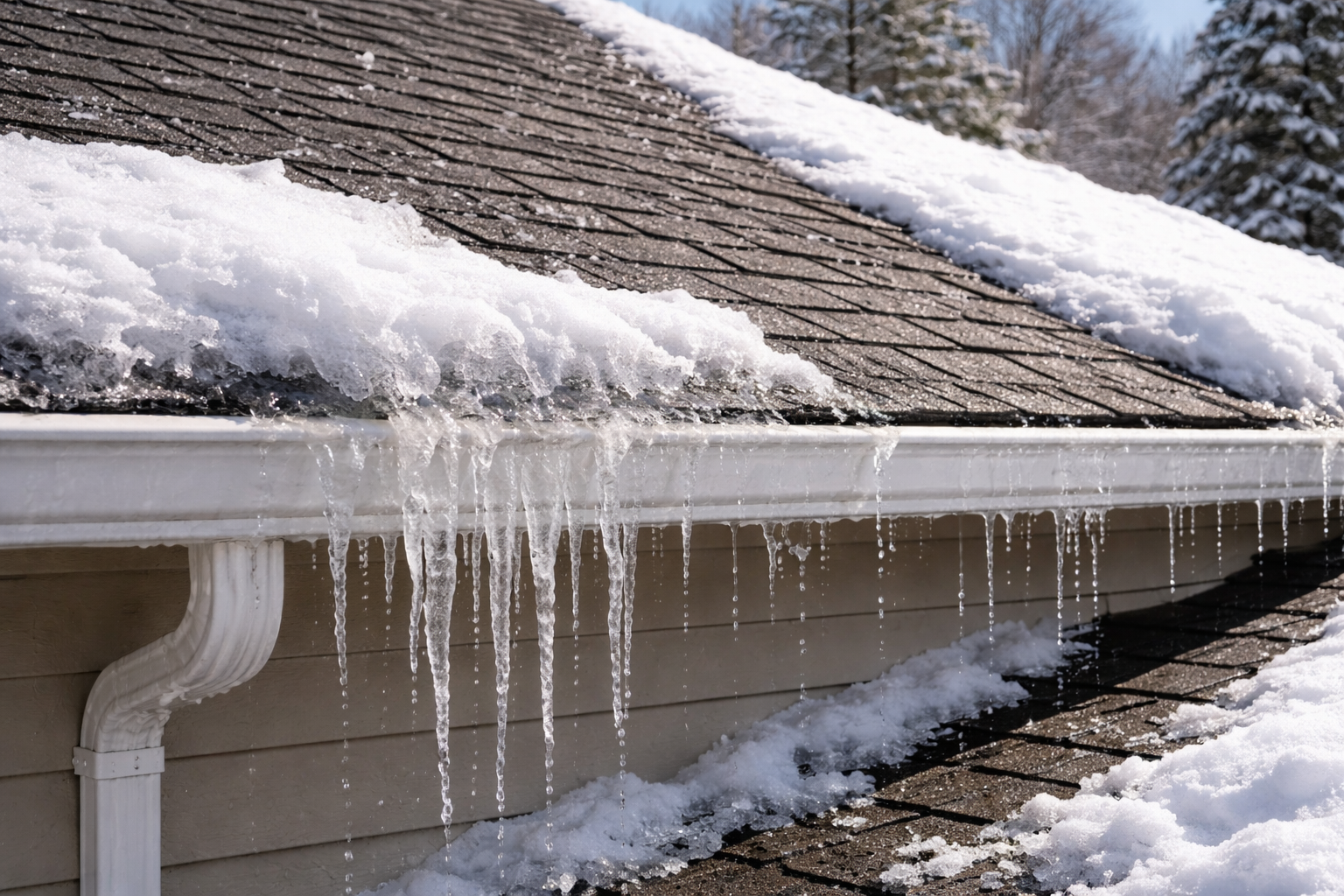
The answer lies in what we call the “warm day” problem — a uniquely common winter roofing issue in NJ caused by snow melt, refreezing, and roof edge backup, not active rainfall. Fluctuating temperatures during New Jersey winters cause snow to melt during the day and refreeze at night, which leads to icicle formation, ice dams, and ultimately roof leaks.
In this guide, we’ll explain:
- Why roof leaks after snow in NJ are so common
- How warm winter days trigger hidden water intrusion
- The role of ice dams, gutters, and attic heat
- Why these leaks often return year after year
- What you can do now to prevent a winter roof leak in NJ from turning into major damage
Cleaning gutters before snowfall is a key step in preventing ice dam formation and roof leaks.
And if you want certainty instead of guessing, Reimagine Roofing offers a FREE roof inspection and a Fast Quote Tool that provides estimates in less than a day.
Why This Problem Is So Common in New Jersey
New Jersey’s winter climate is the perfect setup for “sunny day” roof leaks.
Unlike colder regions where snow stays frozen for weeks, NJ experiences:
- Frequent temperature swings
- Snowstorms followed by 40–50°F days
- Cold nights and sunny afternoons
- Freeze–thaw cycles that repeat all winter
These conditions don’t just stress your roof — they actively move water across it in ways most homeowners never see.
What Actually Happens on Your Roof During a “Warm Day”
Let’s break it down step by step.
Step 1: Snow Accumulates on the Roof
After a snowfall, snow blankets your roof. At this point, everything looks fine.
Step 2: Heat Escapes Into the Attic
Even well-insulated homes lose some heat. Warm air from your living space rises into the attic through:
- Light fixtures
- Attic access hatches
- Bathroom and kitchen vents
- Gaps around ductwork
Air leaks around fixtures, vents, and pipes are common sources of heat loss. Sealing these air leaks in the attic can help keep warm indoor air from escaping.
This warms the upper sections of your roof.
Step 3: Snow Melts on the Upper Roof
When outdoor temperatures rise into the 40s or 50s — even briefly — snow begins to melt on the warmer sections of the roof.
This meltwater flows downward.
Step 4: Meltwater Refreezes at the Roof Edge
The lower edge of your roof (the eaves) stays colder because it extends beyond the heated part of the house.
When meltwater reaches this colder zone, it refreezes, forming ice.
Over time, this creates an ice dam — a ridge of ice that blocks proper drainage.
Step 5: Water Has Nowhere to Go
As more snow melts, water backs up behind the ice dam. Instead of draining into the gutters, it:
- Pools on the roof
- Slips under shingles
- Finds gaps in flashing
- Enters the roof deck and attic
This is why roof leaks after snow in NJ often show up on warm, sunny days — not during storms.
Why Winter Roof Leaks Don’t Follow “Common Sense”
Most homeowners expect leaks to coincide with rain or snow. Winter leaks don’t work that way.
Why You Don’t See Leaks During the Snowstorm
- Snow is frozen and stationary
- Water isn’t flowing yet
- Ice dams haven’t formed
Why Leaks Appear Days Later
- Snow starts melting
- Ice dams block drainage
- Water is actively moving
- Pressure forces moisture into vulnerable areas
By the time you see an interior stain, the water intrusion has already happened.
Ice Dams: The Main Culprit Behind Winter Roof Leaks in NJ
What Is an Ice Dam?
An ice dam is a buildup of ice along the roof edge that prevents melting snow from draining properly.
They’re extremely common in New Jersey due to:
- Inconsistent winter temperatures
- Sun exposure during the day
- Cold nights that refreeze runoff
Why Ice Dams Are So Dangerous
Ice dams don’t just cause temporary leaks. They can lead to:
- Saturated insulation
- Mold growth in attics and walls
- Rotting roof decking
- Deteriorated fascia boards
- Damaged gutters pulling away from the house
- Repeated annual leaks in the same spots
Once an ice dam problem exists, it tends to come back every winter unless the underlying cause is addressed.
Gutters Make the Problem Worse (When They’re Not Ready for Winter)
Clogged or frozen gutters dramatically increase the risk of winter roof leaks. It is important to maintain gutters and downspouts by cleaning them before winter to ensure proper drainage and prevent ice dam formation. Regular gutter maintenance is essential to prevent ice buildup and make sure water drains properly during winter.
Common Gutter Issues in NJ Winters
- Leaves and debris from fall cleanups left behind
- Sagging sections that hold standing water
- Downspouts that freeze or clog
- Improper pitch preventing drainage
When gutters are blocked, meltwater backs up faster and freezes more aggressively at the roof edge.
This is why many winter leaks also involve:
- Water dripping behind gutters
- Peeling paint on fascia
- Icicles forming repeatedly in the same locations
Roof Edge and Fascia Damage: The Hidden Cost of Winter Leaks
Repeated winter moisture exposure leads to fascia rot, a problem many homeowners don’t notice until gutters start pulling away. Siding can also be affected by winter moisture and may require attention as part of comprehensive exterior maintenance. Regular roof inspections and maintenance are crucial for identifying and addressing potential leaks caused by ice dams and snow buildup.
What Is Fascia Rot?
Fascia is the board behind your gutters. When water sits against it — especially during freeze–thaw cycles — it breaks down over time.
Signs include:
- Peeling or bubbling paint
- Soft or crumbling wood
- Sagging gutters
- Water stains under roof edges
- Increased pest activity near the soffit line
Fascia rot doesn’t fix itself. And once it spreads, repairs become more extensive and expensive.
Other Common Entry Points for Winter Roof Leaks
While ice dams are the main driver, water often enters through specific weak spots:
- Damaged or missing shingles
- Cracked flashing
- Poorly sealed roof valleys
- Gaps around chimneys, skylights, or vents
Experienced roofers can identify and address these vulnerabilities. Professional roofing services can also provide inspections focused on proper ventilation and insulation effectiveness to help prevent roof leaks after snow in NJ.
Flashing Failures
Metal flashing around:
- Chimneys
- Roof-to-wall intersections
- Skylights
- Valleys
Freeze–thaw cycles cause flashing to expand and contract, breaking sealants and opening tiny gaps.
Vent Boots and Pipe Collars
Rubber or synthetic boots around vent pipes can crack in cold weather, allowing water intrusion during melt cycles.
Valleys
Roof valleys collect snow and channel meltwater, making them especially vulnerable during winter thaws.
Why These Leaks Often Return Every Winter
Many NJ homeowners experience the same leak year after year because:
- Temporary fixes don’t address the cause
- Ice dams are treated as a surface problem
- Attic heat loss isn’t corrected
- Ventilation issues are ignored
- Gutters are cleaned too late or not at all
Without addressing the full roof system — attic, roof edge, gutters, and ventilation — the problem repeats.
How to Prevent a Winter Roof Leak in NJ (The Right Way)
Step 1: Improve Attic Air Sealing
Stopping warm air from escaping into the attic reduces snow melt at the source.
Key areas to seal:
- Attic access doors
- Recessed lighting
- Plumbing and electrical penetrations
- Bathroom fan housings
Step 2: Balance Attic Ventilation
Proper ventilation keeps attic temperatures closer to outdoor temperatures, reducing uneven snow melt.
A balanced system includes:
- Intake vents (soffit)
- Exhaust vents (ridge or roof vents)
Step 3: Ensure Proper Insulation
Insulation slows heat transfer and supports temperature consistency across the roof.
Step 4: Prepare Gutters for Winter
- Clean thoroughly after leaf season
- Check pitch and attachment
- Clear downspouts
- Repair loose sections
Step 5: Inspect Flashing and Roof Edge Protection
Drip edge, flashing, and sealants must be intact to handle winter moisture.
Roofing Materials and Ice Dams: What NJ Homeowners Need to Know
The type of roofing material you choose can make a big difference in how your home stands up to the persistent problem of ice dams in northern New Jersey. While ice dams form primarily because of warm air escaping from the attic and melting snow, the surface of your roof still plays a key role in how ice and snow behave.
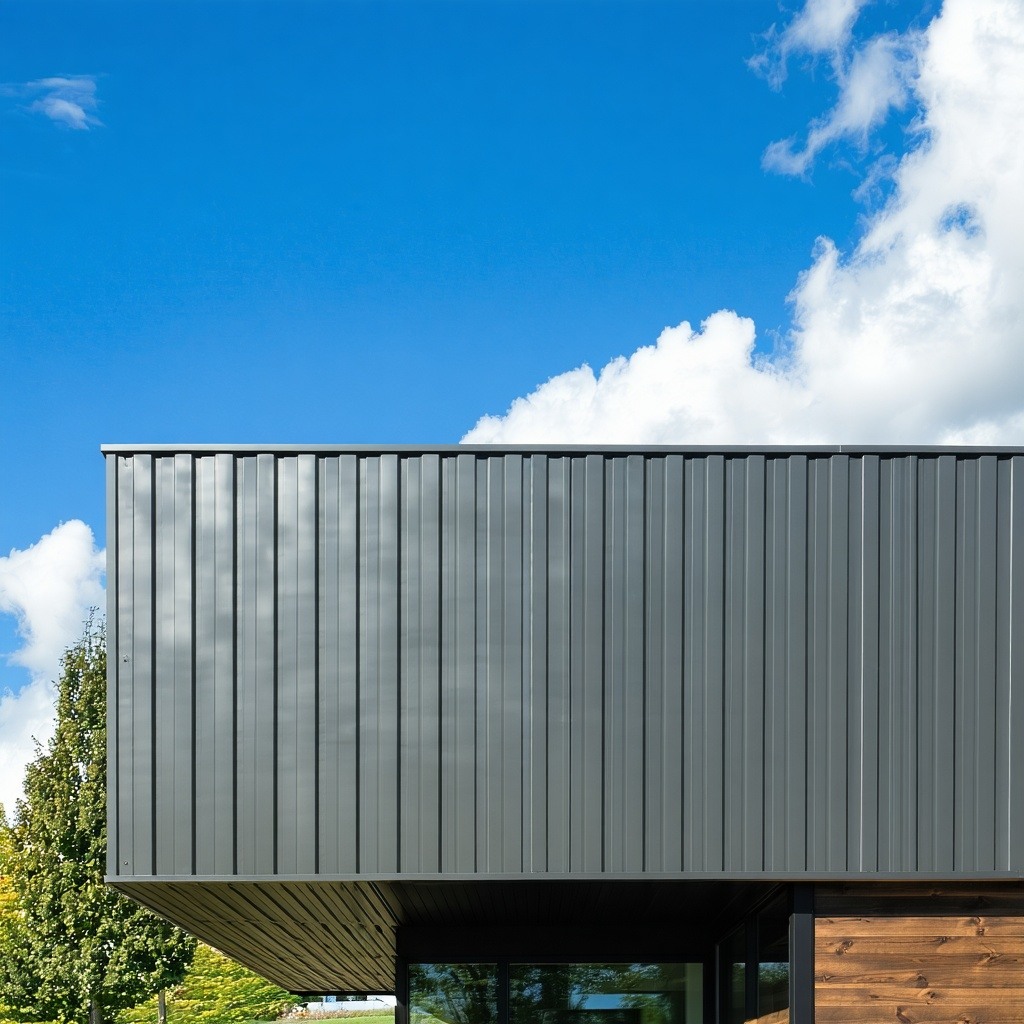
Metal roofing is a popular option for NJ homeowners because its smooth surface allows snow and ice to slide off more easily, reducing the risk of ice buildup at the colder edges of your roof. However, even the best roofing materials can’t completely prevent ice dams if there’s heat loss from the attic. That’s why proper insulation—especially attic insulation—and balanced ventilation are essential to keep warm air from melting snow on your roof in the first place.
For added protection, many roofing companies in New Jersey recommend installing premium materials like ice and water shield membranes beneath your shingles or metal panels. These barriers help prevent water infiltration if ice dams do form, keeping your home safe from leaks and water damage.
Regular roof inspections are also crucial. A reputable roofing company can assess your current roofing materials, check for signs of heat escaping, and recommend upgrades or repairs tailored to your specific needs. By combining the right materials with proper insulation and ventilation, NJ homeowners can better protect their roofs from the winter challenges unique to our region.
Flat Roofs and Roof Leaks: Special Risks in New Jersey Winters
Flat roofs face unique challenges during New Jersey’s harsh winters. Unlike sloped roofs, flat roofs don’t shed snow as easily, which means excess snow can accumulate and trap water on the surface. When freezing temperatures hit, this standing water can quickly turn into ice buildup, increasing the risk of roof leaks and water damage.
Blocked gutters and debris are common culprits that make the problem worse. If gutters or downspouts are clogged, meltwater has nowhere to go, leading to pooling and potential leaks. Heavy snow and ice can also stress the roof structure, making it more vulnerable to storm damage and wind damage during high winds or winter storms.
To protect your flat roof, regular maintenance is key. This includes clearing debris, ensuring gutters and downspouts are free-flowing, and scheduling routine inspections with a trusted roofing company. For added peace of mind, consider a roofing project that includes installing a waterproof membrane and a proper drainage system—these steps can help prevent leaks and extend the life of your flat roof.
Homeowners with flat roofs in New Jersey should be proactive each winter. By staying ahead of excess snow, ice dams, and blocked gutters, you can avoid costly repairs and keep your home safe from leaks and water damage all season long.
What NOT to Do When You Have a Winter Roof Leak
- Don’t chip ice with tools — this damages shingles and flashing
- Don’t assume caulking alone will solve the issue
- Don’t ignore interior stains just because they “dry up”
- Don’t wait for spring — damage continues beneath the surface
Why a Professional Roof Inspection Matters
Winter roof leaks are rarely obvious from the outside.
A skilled team of professionals conducts thorough inspections to identify potential issues before they become major problems.
A professional inspection identifies:
- Ice dam risk factors
- Attic ventilation problems
- Heat loss patterns
- Flashing failures
- Early signs of rot or mold
Regular roof inspections and maintenance are crucial for preventing winter-related roof problems.
At Reimagine Roofing, our inspections look at the entire system, not just shingles.
The Real Cost of Roof Repairs After a Winter Leak
Dealing with roof leaks after a winter storm can be more expensive than many NJ homeowners expect. When ice dams or roof leaks allow water to infiltrate your home, the resulting damage often goes beyond the roof itself—affecting walls, ceilings, insulation, and even your home’s energy efficiency.
Repair costs can vary widely. Minor repairs might only set you back a few hundred dollars, but if water damage spreads to your ceilings, walls, or attic insulation, the price tag can quickly climb into the thousands. In severe cases, extensive repairs or even a full roof replacement may be necessary, especially if leaks have been a persistent problem over several winters.
Investing in proper insulation, balanced ventilation, and regular roof inspections can help prevent these costly repairs. Preventive measures are often far less expensive than fixing water damage after the fact. A reputable roofing company can provide a detailed estimate for any roofing project, helping you understand your options and make informed decisions.
Beyond the financial aspect, customer satisfaction matters. Choosing a roofing company known for quality workmanship and premium materials ensures your repairs are done right the first time, protecting your home for years to come. By taking proactive steps now, NJ homeowners can avoid the stress and expense of winter roof leaks—and keep their homes safe, dry, and comfortable all season.
Helping NJ Homeowners Stop Winter Roof Leaks
We specialize in diagnosing and fixing:
- Roof leaks after snow in NJ
- Ice dam–related damage
- Flashing failures
- Gutter and roof edge issues
- Attic ventilation problems
- Shingle roof replacements as part of our comprehensive solutions for winter roof leaks
FREE Roof Inspection
We’ll inspect:
- Roof surface and edge
- Flashing and penetrations
- Gutters and fascia
- Attic ventilation and moisture signs
Schedule your FREE roof inspection with Reimagine Roofing today.
Fast Quote Tool : Estimates in Less Than a Day
If repairs or replacement are needed, don’t wait weeks for answers.
Our Fast Quote Tool provides:
- Clear pricing
- Repair vs replacement options
- An estimate in less than a day
- No pressure, no guesswork
Use the Fast Quote Tool now and get your estimate in under 24 hours.
Sunny Days Can Be the Most Dangerous for Your NJ Roof
In New Jersey, winter roof leaks don’t need a storm.
All it takes is:
- Snow on the roof
- A sunny 45°F afternoon
- Heat escaping into the attic
- A frozen roof edge
Heavy snow accumulations in New Jersey can exceed 20 pounds per square foot, putting significant stress on older roofs and making professional assessment essential. Our skilled team can help assess and address these risks to prevent further damage.
If you’re seeing signs of a winter roof leak in NJ, now is the time to act — before the next thaw makes it worse.
Take the Next Step Today
✅ Book your FREE roof inspection with Reimagine Roofing
✅ Use our Fast Quote Tool for an estimate in less than a day
✅ Stop winter leaks before they turn into major repairs
Reimagine Roofing — Built for New Jersey. Designed to Last.
FAQ: Winter Roof Leaks in New Jersey
Why does my roof leak after snow but not during rain?
Because melting snow creates backed-up water from ice dams, which behaves differently than rain.
Are icicles a sign of roof problems?
Often yes. They usually indicate heat loss and ice dam formation.
Can ice dams cause long-term damage?
Absolutely. They can lead to mold, rot, insulation failure, and repeated leaks.
Will replacing shingles fix the problem?
Not always. The root cause is often ventilation, insulation, or roof edge protection.
How soon should I address a winter roof leak?
Immediately. Damage continues even if the leak appears to stop.
Can using a roof rake help prevent roof leaks after snow in NJ?
Yes. Using a roof rake to remove excess snow from your roof can help prevent structural damage and ice dams, which are common causes of roof leaks after snow. Regularly clearing snow with a roof rake helps maintain roof integrity and reduces the risk of leaks during winter.
Popular Posts