Thermal Shock: Why New Mexico Roofs Crack After Cold Nights and Hot Days
Thermal Shock: Why New Mexico Roofs Crack After Cold Nights and Hot Days
Thermal Shock Roofing: Why New Mexico Roofs Crack After Cold Nights and Hot Days
New Mexico homeowners are used to dramatic temperature swings. A frosty desert night can quickly turn into a blazing hot afternoon—sometimes within just a few hours. While this is part of life in the Land of Enchantment, it’s also one of the most damaging forces acting on your roof.
This phenomenon is called thermal shock, and it’s a leading reason roofs in New Mexico develop cracks, leaks, and premature failure. If your roof seems “too young” to be having problems, thermal shock may be the hidden culprit.
In this guide, we’ll explain why temperature swings crack roofs in New Mexico, how thermal expansion affects roofing materials, what warning signs to look for, and—most importantly—how to protect your home before small issues turn into expensive repairs.
What Is Thermal Shock in Roofing?
Thermal shock occurs when roofing materials rapidly expand and contract due to sudden or extreme temperature changes. In New Mexico, it’s common to see:
- Overnight lows near or below freezing
- Daytime highs climbing 30–40°F higher
- Clear skies that intensify solar heat
- Dry air that accelerates material cooling at night
When roofing materials heat up, they expand. When temperatures drop, they contract. Over time—or during especially sharp temperature swings—this repeated movement creates stress that materials simply weren’t designed to handle indefinitely.
The result?
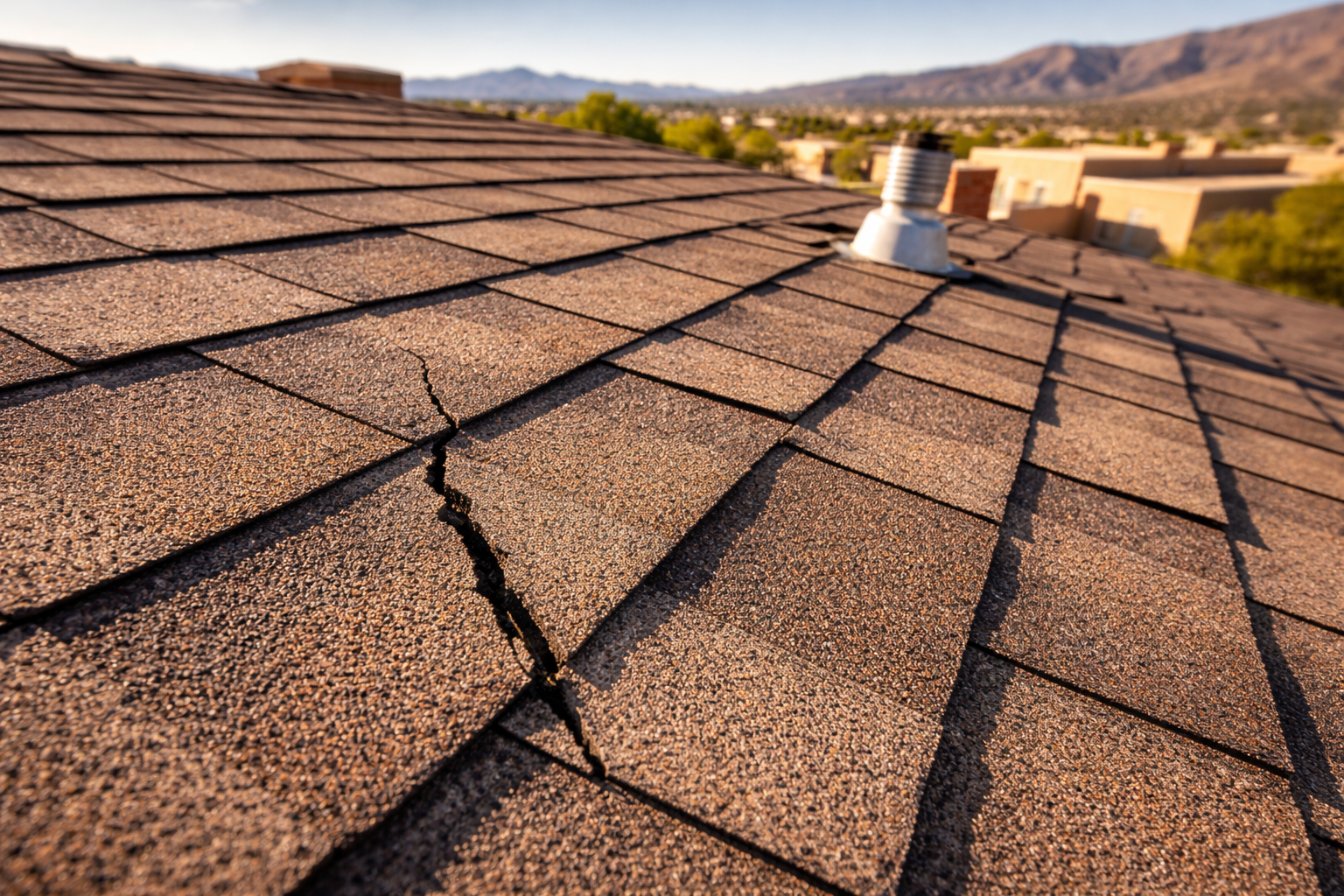
Cracked shingles, split sealants, loosened flashing, and eventually, leaks.
Why New Mexico Roofs Are Especially Vulnerable
1. Extreme Daily Temperature Swings
Few states experience temperature fluctuations as dramatic as New Mexico. It’s not unusual in cities like Albuquerque, Santa Fe, Las Cruces, or Rio Rancho to see 30–50°F differences between night and day.
These constant swings accelerate wear on roofing systems, especially compared to regions with more stable climates.
2. Intense High-Altitude Sun Exposure
New Mexico’s elevation means stronger UV radiation. UV rays don’t just fade shingles—they dry them out, making them brittle. When brittle materials expand and contract, they crack faster.
This combination of UV degradation + thermal expansion is particularly damaging.
3. Dry Desert Air
While humidity can cause its own problems elsewhere, New Mexico’s dry air removes flexibility from roofing materials over time. Sealants and asphalt lose oils, making them less elastic and more prone to splitting when temperatures change.
How Thermal Expansion Damages Roofing Materials
Thermal expansion is unavoidable—but damage occurs when materials can no longer move safely. Here’s how it affects different parts of your roof.
Asphalt Shingles
Asphalt shingles are especially vulnerable to roof cracks caused by temperature swings in NM.
Common problems include:
- Hairline cracking across shingle surfaces
- Splitting at nail lines
- Curling or cupping edges
- Granule loss that exposes asphalt to UV
Once shingles crack, they no longer shed water properly—allowing moisture to seep underneath.
Sealants and Roof Cement
Sealants are meant to flex, but New Mexico’s climate pushes them to their limits.
Thermal shock causes:
- Shrinking and pulling away from seams
- Visible cracking or crumbling
- Loss of waterproofing around vents and skylights
Failing sealants are one of the most common sources of roof leaks after winter-to-spring transitions.
Flashing (Metal Components)
Metal expands and contracts more dramatically than most roofing materials.
In New Mexico homes, flashing often:
- Pulls loose from chimneys and walls
- Warps or buckles
- Creates tiny gaps water can exploit
These issues are rarely obvious until a leak appears inside the home.
Underlayment and Roof Decking
Thermal movement doesn’t stop at the surface. Over time, repeated expansion and contraction can stress:
- Synthetic or felt underlayment
- Roof decking fasteners
- Seams between plywood panels
This weakens the entire roofing system from the inside out.
Why Roof Cracks Often Appear “Out of Nowhere”
Many homeowners are surprised when their roof suddenly fails—especially if it’s less than 15 years old.
Thermal shock damage is:
- Cumulative – small movements add up
- Hidden – cracks often start beneath shingles
- Seasonal – most visible after winter or early spring
By the time a leak shows up on your ceiling, the roof damage has often been developing for months—or even years.
Warning Signs of Thermal Shock Roof Damage
If you live in New Mexico, watch for these red flags:
Exterior Signs
- Cracked or split shingles (these exterior signs often indicate the early stages of a roof leak)
- Shingles lifting or curling
- Exposed nail heads
- Flashing pulling away from walls or chimneys
- Sealant that looks dry, brittle, or broken
Interior Signs
- Water stains on ceilings or walls
- Peeling paint near rooflines
- Musty odors in attic spaces
- Sudden increases in energy bills
Catching these signs early can save thousands in repair or replacement costs.
Seasonal Risk Periods in New Mexico
While thermal expansion happens year-round, certain times are especially risky.
Late Winter → Early Spring
Cold nights followed by sunny days create maximum stress cycles.
Fall Temperature Drops
Warm roofs cooling rapidly overnight can expose already weakened materials.
After Storms
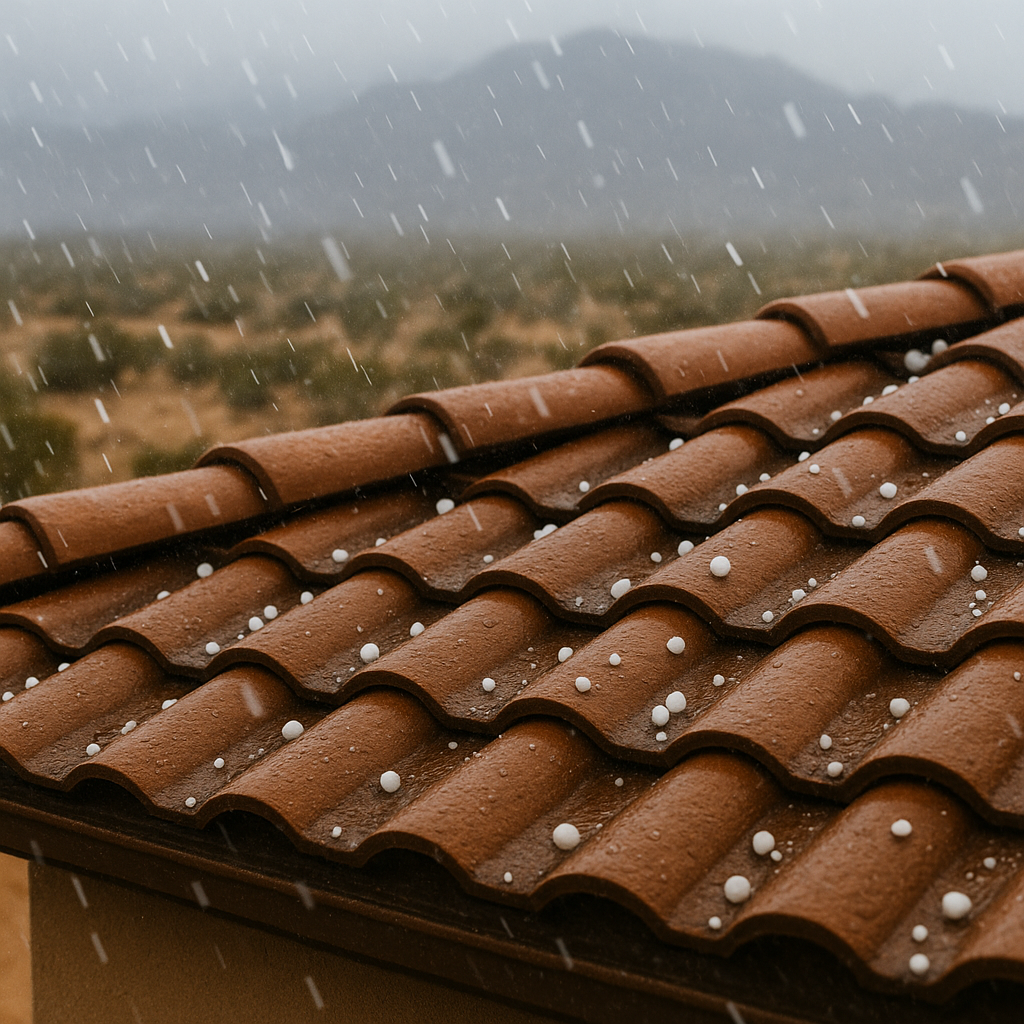
Wind and hail can worsen existing cracks caused by thermal shock.
How Thermal Shock Shortens Roof Lifespan
A roof rated for 25–30 years in a mild climate may last significantly less in New Mexico if it isn’t designed or maintained properly.
Thermal shock leads to:
- Faster material fatigue
- Increased leak frequency
- Higher maintenance costs
- Earlier full replacement
Without intervention, even “minor” cracks can spiral into structural damage.
Roofing Materials That Handle NM Temperature Swings Better
Choosing the right materials makes a huge difference.
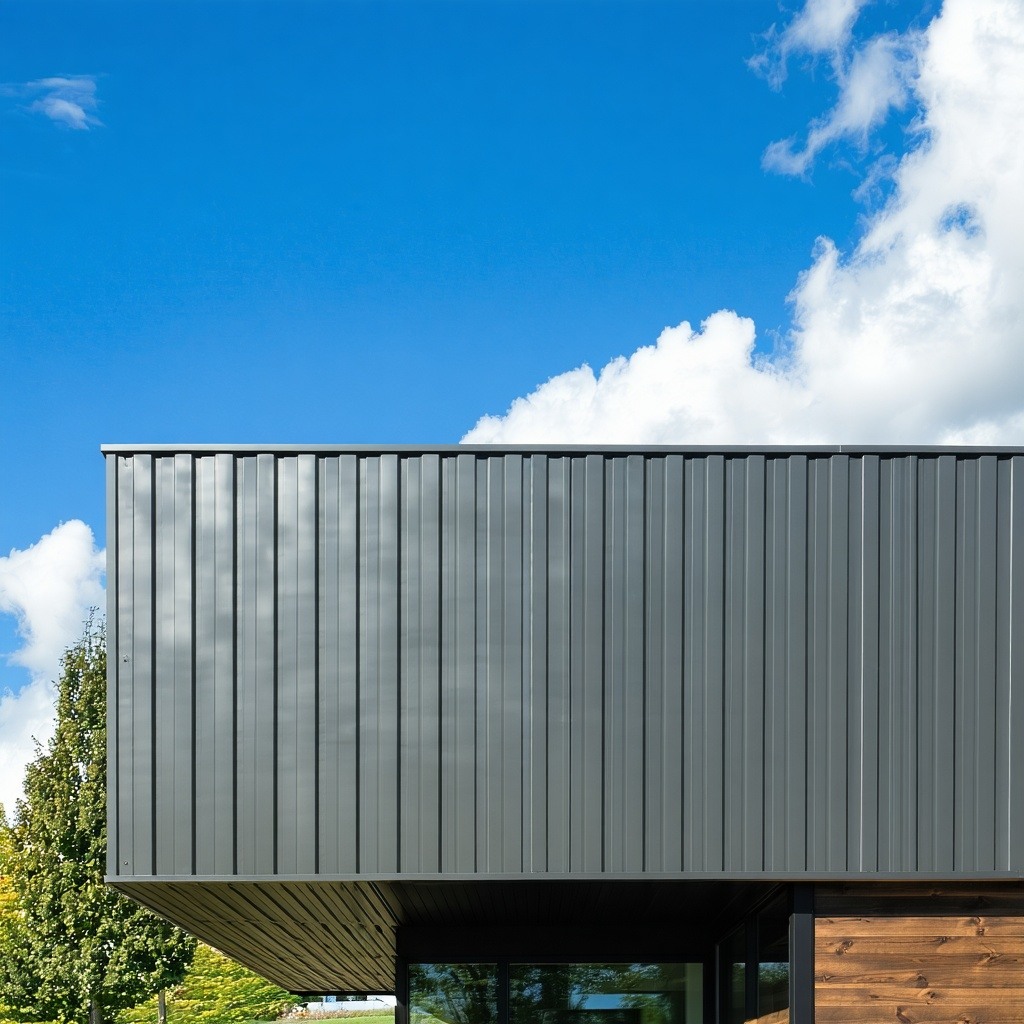
Metal Roofing
- Expands evenly without cracking
- Reflects solar heat
- Performs exceptionally well in NM climates
Architectural Shingles (High-Quality)
- Thicker and more flexible than basic 3-tab shingles
- Better resistance to cracking
Properly Installed Synthetic Underlayment
- Handles movement better than traditional felt
Installation quality matters just as much as material choice.
Why Installation Quality Is Critical
Even the best materials fail if you do not install them correctly. How you install roofing materials is crucial to ensure durability and minimize damage from thermal shock.
Common installation mistakes that worsen thermal shock damage:
- Over-driven nails that restrict movement
- Poor ventilation causing heat buildup
- Improper flashing installation
- Cheap or incorrect sealants
A roof must be designed to move safely, not fight natural expansion and contraction.
The Role of Ventilation in Preventing Roof Cracks
Proper attic ventilation helps regulate roof temperatures by:
- Reducing heat buildup during the day
- Minimizing extreme temperature differences
- Extending shingle flexibility
In New Mexico, poor ventilation dramatically increases thermal shock stress.
Can You Prevent Thermal Shock Damage?
You can’t stop temperature swings—but you can reduce their impact.
Proactive Steps Homeowners Can Take
- Schedule annual roof inspections
- Repair cracked sealants immediately
- Upgrade ventilation when needed
- Choose climate-appropriate materials
- Avoid patch-job repairs that restrict movement
Professional guidance or inspections can be extremely helpful in preventing thermal shock damage.
Prevention is always cheaper than emergency repairs.
Why DIY Fixes Often Make the Problem Worse
Applying rigid caulks or quick patches may seem helpful—but they often:
- Prevent natural expansion
- Crack again within months
- Trap moisture
- Void warranties
Thermal shock requires professional solutions, not temporary fixes.
Commercial and Residential Roofing Needs in New Mexico
New Mexico’s climate presents unique challenges for both homeowners and businesses, making it essential to choose roofing services that understand the local environment. Whether you own a home or manage a commercial property, working with a roofing contractor who specializes in both commercial and residential properties ensures your roof is built to withstand everything from scorching sun to sudden monsoon rains.
A reputable roofing company will offer a comprehensive range of roofing solutions, including roof repair, new roof installations, and maintenance for flat roofs and other roofing systems. The right roofer will recommend roofing materials that are proven to perform well in New Mexico’s conditions, helping to extend the life of your roof and protect your investment.
For new mexico homeowners, it’s important to select a roofing contractor who can address the specific needs of residential properties, while business owners should look for expertise in commercial roofing systems. No matter the project—be it a new roof, repairs, or a full replacement—professional roofing services tailored to the region’s climate will help you avoid costly repairs down the road. By choosing a local expert, you ensure your property is ready to handle the challenges of New Mexico’s weather, from intense sunlight to heavy seasonal rains.
High-Elevation Roofing Expertise
Properties in high-elevation areas like Santa Fe and Los Alamos face additional roofing challenges due to increased UV exposure, temperature swings, and harsher weather conditions. That’s why it’s crucial to work with roofing contractors who have specific expertise in these environments. A knowledgeable roofing company will understand how high elevation affects roofing materials and can recommend the best options for your property.
Metal roofing is a popular and practical choice for high-elevation homes and businesses, thanks to its durability and ability to withstand extreme weather. However, the right solution depends on your building’s needs, and experienced contractors can guide clients through the selection of materials and systems that offer the best protection and longevity.
Regular roof inspections are especially important in these regions, as early detection of issues can prevent costly repairs and extend the life of your roof. By partnering with a roofing company that has proven expertise in high-elevation roofing, you can be confident that your property in Santa Fe, Los Alamos, or anywhere in northern New Mexico is protected against the elements.
Why New Mexico Homeowners Trust Reimagine Roofing
At Reimagine Roofing, we understand New Mexico’s climate because we work in it every day. As a family-owned business, our commitment to serving our community is at the heart of everything we do, and our customers consistently share positive feedback about our professionalism and dedication to their satisfaction.
Our experienced team brings decades of expertise in the roofing industry, ensuring every project benefits from skilled workmanship and attention to detail.
We specialize in:
- Roof systems designed for extreme temperature swings
- High-performance materials proven in NM conditions
- Precision flashing and sealant installation
- Thorough inspections that catch thermal shock damage early
We don’t just repair roofs—we engineer solutions that last.
When to Schedule a Roof Inspection in New Mexico
You should schedule an inspection at your house if:
- Your roof is 7+ years old
- You’ve experienced recent leaks
- You notice cracked or curling shingles
- Your home sees large daily temperature swings
- Winter or spring just ended
Early detection can mean the difference between a repair and a full replacement.
The Cost of Ignoring Thermal Shock Damage
Delaying action often leads to:
- Interior water damage
- Mold growth
- Structural wood rot
- Higher insurance claims
- Reduced home value
- The high cost of replacing your roof if damage is ignored
Addressing roof cracks early is one of the smartest financial decisions a homeowner can make.
Thermal Shock Is Silent, but Costly
Thermal shock is one of the most underestimated roofing threats in New Mexico. The constant cycle of cold nights and hot days quietly stresses your roof until cracks appear—and by then, damage may already be widespread. Ignoring thermal shock damage can ultimately require a full roof replacement, which is a costly and disruptive process.
The good news? With the right materials, expert installation, and proactive maintenance, your roof can stand up to New Mexico’s extreme climate for decades.
Additional Resources for New Mexico Homeowners
Staying proactive about your roofing needs is one of the best ways New Mexico homeowners can avoid costly repairs and structural issues. A trusted roofing contractor will not only provide quality repairs and installations, but also offer valuable resources to help you maintain your roof in a timely manner.
Look for a roofing company that educates homeowners on how to spot early warning signs of roof leaks, the importance of regular maintenance, and the benefits of proper ventilation. Simple steps like cleaning gutters and scheduling routine inspections can make a significant difference in preventing water damage and extending the life of your roofing materials.
Professional roofers can also assist with navigating insurance claims and understanding the hidden costs that sometimes come with roof repairs or replacements. By choosing an experienced and reputable roofer, New Mexico homeowners gain peace of mind knowing their property is protected and that any issues will be addressed quickly and professionally. With the right guidance and maintenance, you can safeguard your home against the unpredictable weather and ensure your roof remains in top condition for years to come.
Reimagine Roofing Call to Action
If you’re concerned about roof cracks from temperature swings in NM or want peace of mind before the next season hits:
Schedule your free roof inspection with Reimagine Roofing today. We provide fast quotes, expert evaluations, and estimates in under 24 hours—so you can protect your home before thermal shock causes costly damage. Our services are available in Albuquerque, NM.
Your roof faces New Mexico’s extremes every day. Make sure it’s ready.
Popular Posts