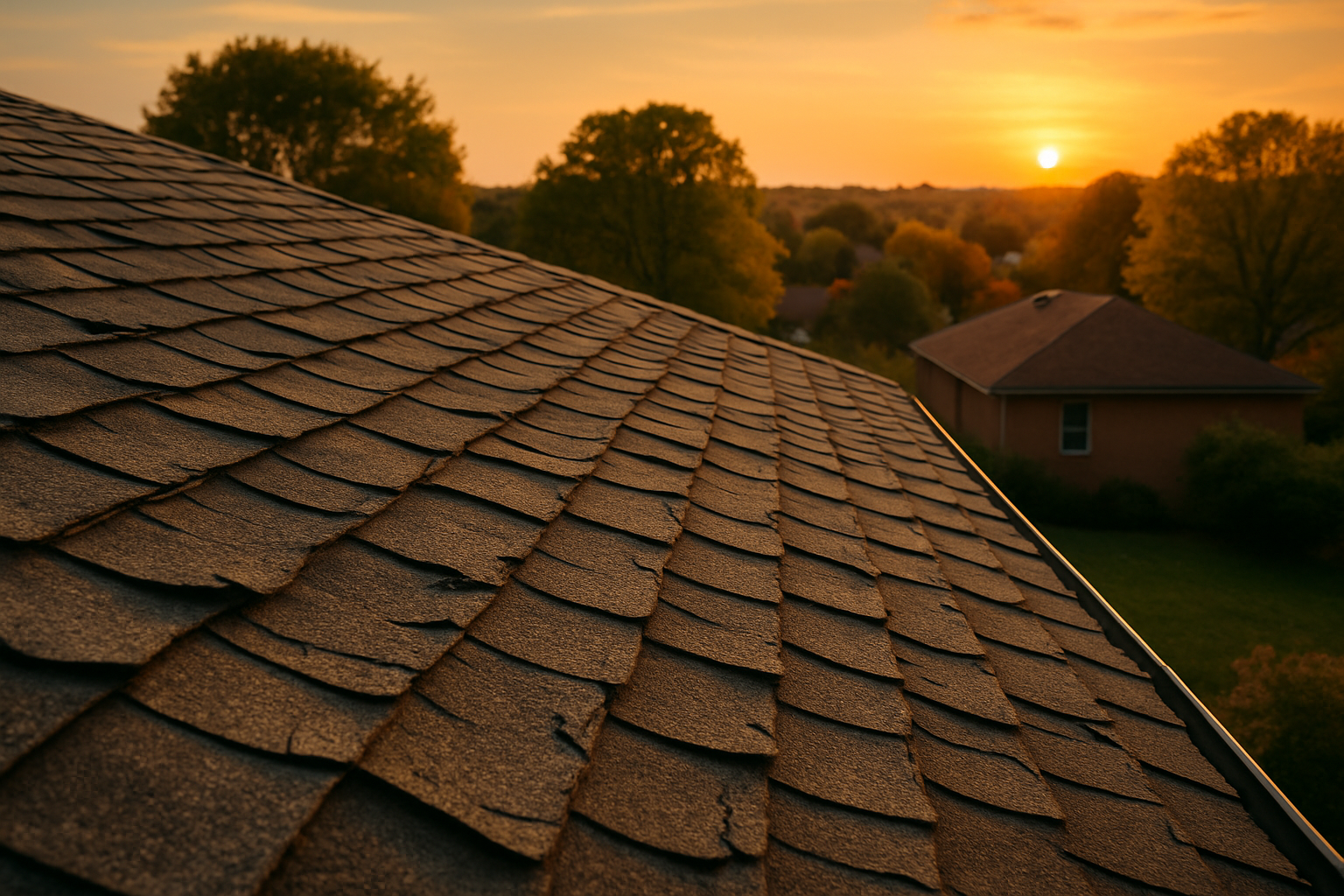
What Homeowners Should Photograph for Insurance in PA
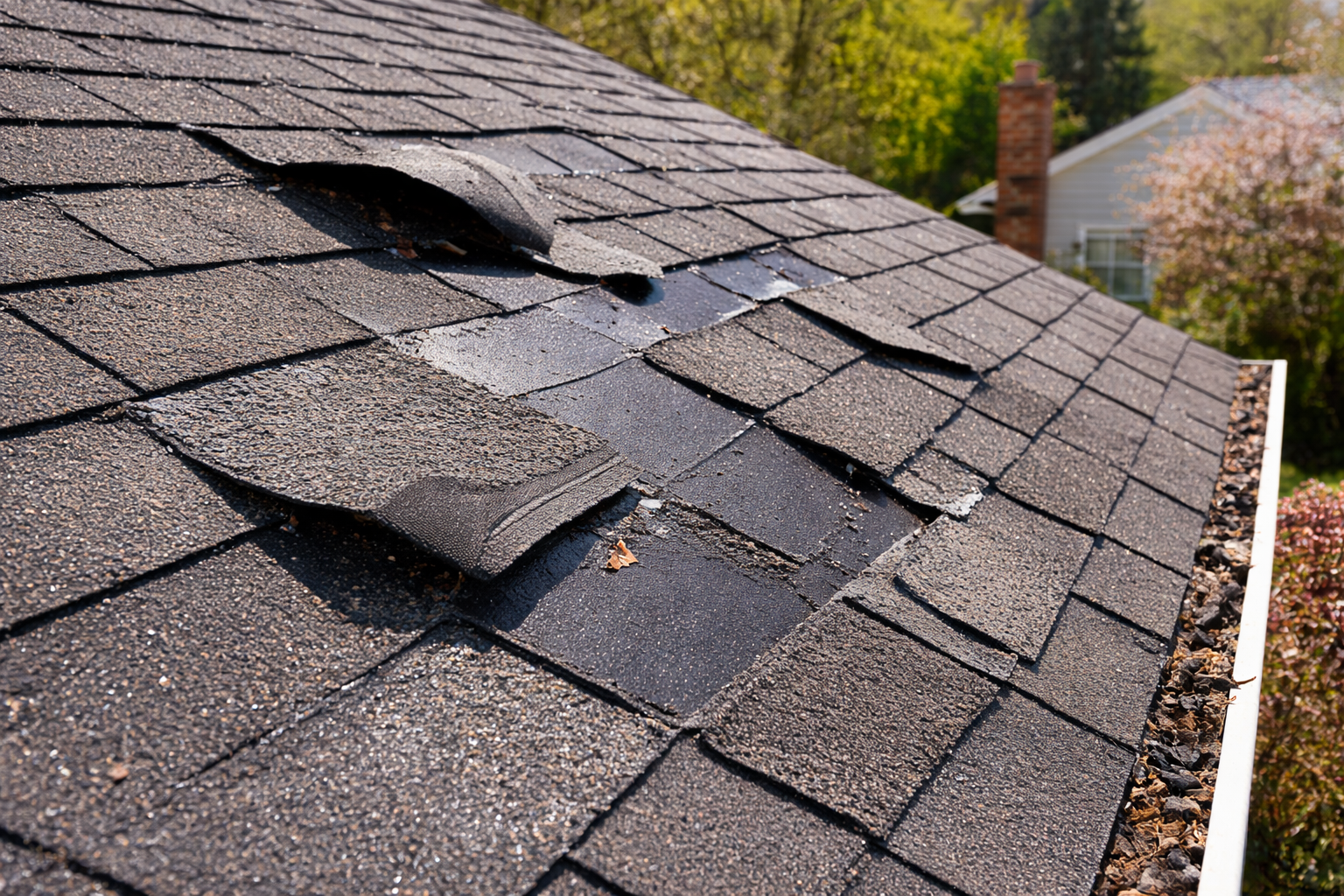
What Homeowners Should Photograph for Insurance in PA
Wind Damage Roof PA: What Homeowners Should Photograph for Insurance vs Wear & Tear
A Pennsylvania Homeowner’s Guide to Roof Documentation, Claims, and Avoiding Denials
Pennsylvania weather doesn’t play around. One week it’s calm. The next, strong gusts sweep through your neighborhood and you’re left wondering if you have the right Roof PA insurance in place to cover any potential damage.
- Did that wind damage my roof?
- Is that missing shingle storm damage — or just old age?
- Will my insurance cover it?
- What should I document before I call anyone?
If you’re asking these questions, you’re already ahead of most homeowners.
Because when it comes to a roof insurance claim in Pennsylvania, what matters isn’t only the damage — it’s how clearly you can prove what happened, when it happened, and what your roof looked like before and after. Proper documentation is crucial for insurance claims, as insurance companies require clear evidence to support your claim and prevent delays or denials.
This is especially important with wind events, because insurance adjusters often face one big gray area:
Wind Damage vs. Wear and Tear
Insurance companies typically cover sudden, accidental damage (like wind lifting shingles). But they usually do not cover normal deterioration from age, poor maintenance, or installation issues.
That’s why knowing what to photograph — and how to photograph it — can make the difference between a smooth claim and a frustrating denial.
In this guide, you’ll learn:
- What insurance considers wind damage vs wear and tear
- The most common signs of wind damage on PA roofs
- The #1 documentation mistake homeowners make
- Exactly what to photograph (and what angles matter)
- How to protect yourself from being underpaid or denied
- When to schedule a professional roof inspection
Insurance adjusters often classify roof damage as maintenance problems instead of storm-related losses, so having proper documentation and understanding your insurance coverage is critical to ensure your insurance claim is processed correctly.
And if you want a professional opinion quickly, Reimagine Roofing offers a FREE roof inspection and a Fast Quote Tool that delivers estimates in less than a day — so you can make decisions fast and confidently. Contact Reimagine Roofing for help with insurance claims and any questions about your coverage.
After a storm, always notify your insurance company as soon as possible to report the damage and begin the claims process.
Why This Topic Matters in Pennsylvania
Pennsylvania sees frequent:
- High winds and gust fronts
- Strong winds
- Heavy rain
- Snow
- Spring storms and squall lines
- Nor’easter impacts in some regions
- Winter wind events and freeze–thaw cycles
- Fallen limbs and flying debris
Wind damage to roof shingles can begin with gusts as low as 45 mph, and older roofs are more susceptible to wind damage due to material degradation over time.
Local expertise is crucial for understanding how a major storm, with elements like strong winds, heavy rain, or snow, can impact Pennsylvania roofs and influence insurance considerations.
Even when the storm doesn’t seem severe, wind can damage roofs in subtle ways — especially on older shingles, poorly sealed ridge caps, and vulnerable roof edges.
If you suspect wind damage roof PA, document it immediately. That documentation is your best friend if you decide to file a claim.
Wind Damage vs Wear & Tear: How Insurance Usually Defines It
Every policy is different, but most insurance companies make a similar distinction: wind damage is considered a sudden, accidental event, while wear and tear is seen as gradual deterioration over time. Insurance policies and coverage details can vary significantly, so it’s important to review your policy to understand exactly what is covered and what is excluded. Knowing your insurance coverage helps ensure you are properly reimbursed for storm-related damages and can make the claims process smoother.
The amount of wind damage to roof shingles depends heavily on wind speed, the roof’s age, and installation quality. Older roofs or those with poor installation are more vulnerable to wind damage, which can affect how an insurance company evaluates your claim.
Wind Damage (Typically Covered)
Sudden damage caused by a specific event, such as:
- Wind lifting or tearing shingles
- Ridge caps blowing off
- Flashing pulled loose by wind
- Missing shingles after a windstorm
- Tree limbs impacting the roof
- Wind breaking the seal underneath shingles, leading to initial damage
These are considered sudden, accidental, and tied to a storm date. Wind can also cause shingles to lift, curl, or buckle, creating gaps that allow water to seep underneath.
Wear & Tear (Typically Not Covered)
Gradual deterioration over time, including:
- Aging shingles losing granules
- Shingles cracking from UV exposure
- Brittle shingles from age
- Improper installation
- Old sealant failures
- Long-term ventilation problems
- Ongoing leaks not tied to an event
- Old roof, which is more vulnerable to wind damage
Insurance adjusters often classify wear and tear as “maintenance” and not covered.
The challenge? Wind damage can look like wear and tear — and wear and tear can make wind damage worse, especially on an old roof.
That’s why clear photos and a professional inspection help establish what actually happened.
The Most Common Signs of Wind Damage on PA Roofs
Wind damage can be dramatic or subtle. Routine inspections are essential for a well maintained roof, as they help assess and identify obvious signs of wind damage before issues worsen. Here are the most frequent signs we see in Pennsylvania inspections. Soft spots on shingles are a major red flag for underlying damage, so careful observation is crucial. Routine inspections can help identify wind damage early and prevent costly repairs.
1) Missing Shingles or Tabs
This is the obvious one. If shingles are missing after a storm, that’s typically wind-related. Broken shingles are also a common result of wind damage and should be documented. Even a single loose shingle can allow wind to get underneath adjacent shingles, leading to widespread failure.
What to photograph:
- Wide shot showing missing sections
- Close-up showing exposed underlayment or nails
- Photos from multiple angles and distances
2) Lifted or Creased Shingles
Wind damage can begin with even moderate gusts, sometimes as low as 45 mph, causing shingles to lift or crease. Wind can lift shingles and create a crease or “hinge” line. Even if the shingle is still attached, it may be compromised.
Why it matters:Lifted shingles can lead to future leaks and blow-offs during the next storm.
What to photograph:
- Close-up showing the crease line
- Angle shot showing the lifted edge
- Wide shot showing pattern consistency
3) Loose Ridge Caps
Ridge caps are often the first things to go in high wind events. Wind can also twist or detach metal flashing and ridge caps, especially near the roof’s edge, creating openings for water intrusion.
What to photograph:
- Wide shot of the ridge line
- Close-ups of lifted or shifted ridge caps
- Any exposed fasteners
4) Debris Impact (Tree Limbs, Branches, or Projectiles)
Wind events often include debris damage, especially after storms in wooded neighborhoods. Debris impacts can cause extensive damage to the roof, sometimes requiring a professional assessment to determine the full extent of repairs needed.
What to photograph:
- The debris on the roof (before removing it if safe)
- Impact marks or punctures
- Damage to shingles or flashing
- Nearby trees with broken limbs
5) Damaged Flashing (Chimneys, Vents, Roof Edges)
Wind can peel back flashing, loosen step flashing, or pull sealant apart. Additionally, ice dams can form at the roof’s edge when melting snow refreezes, trapping water and increasing the risk of leaks and water damage inside the home.
What to photograph:
- Chimney corners
- Roof-to-wall intersections
- Vent boots and collars
- Valleys and drip edges
What Wear & Tear Looks Like (So You Don’t Mistake It for Wind Damage)
If you understand wear and tear, you can document more effectively and avoid confusion.
The roof’s age plays a significant role in how vulnerable it is to wind damage, as older roofs are more likely to show signs of wear and tear. Additionally, improper installation is a leading cause of premature wind damage to roofs, even if the materials themselves are relatively new.
Common wear and tear signs include:
- Widespread granule loss (bare, shiny asphalt areas)
- Shingles curling at edges across the whole roof
- Cracking and brittleness without missing pieces
- “All-over” aging rather than concentrated damage
- Moss/algae buildup and trapped moisture
- Leaks that happen repeatedly in the same spot during light rain
Key difference:Wear and tear is usually uniform and widespread. Wind damage is often more random or concentrated along ridges, edges, corners, and wind-facing slopes.
Why Claims Get Denied: The #1 Mistake Pennsylvania Homeowners Make
The biggest claim mistake is waiting too long to document the damage. Many homeowners make errors in documentation or claims due to a lack of awareness about proper insurance procedures and storm damage, which can lead to denied or delayed claims.
If you wait:
- The next storm can change the damage pattern
- A contractor’s temporary repair can remove evidence
- The insurer may claim the damage was “pre-existing”
- Roof leaks can cause interior damage that complicates your claim
If you suspect wind damage roof PA, document it immediately — even if you’re unsure you’ll file a claim. For safety, individuals should not attempt to climb onto a potentially damaged roof after a storm, as it may be unstable or slippery.
What PA Homeowners Should Photograph for Insurance (Step-by-Step)
You don’t need to climb onto the roof to gather valuable evidence. Safety comes first.
Collecting visual evidence, such as clear photos and videos, is crucial for proper documentation and can significantly strengthen your insurance claim. Make sure to capture obvious signs of wind damage from multiple angles.
Here’s your exact photo checklist, organized by category.
Storm Evidence (Proves It Was an Event)
These photos show that a wind event occurred in your area, especially after a major storm.
✅ Photograph:
- Your weather app showing date/time and wind gusts (screenshot)
- Fallen branches or debris in your yard
- Damaged fences, siding, outdoor furniture
- Neighbors’ visible storm damage (only from public view)
- Document evidence of damage immediately after a major storm for insurance purposes
Tip: Save local storm alerts or wind advisories if available.
Safety Tip: After a storm, watch for downed power lines, unstable trees, or falling debris before taking photos.
House Exterior (Context Shots)
These photos create a “before claim” record and help adjusters understand roof layout.
✅ Photograph:
- Front of home (full elevation)
- Back of home
- Left side and right side
- Any visible roof slopes and ridges
- Any visible water stains or damage on exterior walls
Take these from the ground. Good lighting helps.
Roof-Level Damage (Use Zoom, No Climbing Required)
From the ground, you can still capture:
- Missing shingles
- Lifted edges
- Ridge cap problems
- Debris impacts
✅ Photograph:
- Roof edges and eaves
- Ridges and hips
- Valleys
- Areas around chimneys and vents
Use a smartphone with zoom or a simple camera lens if you have one.
Gutters, Fascia, and Downspouts
Wind can tear gutters loose or cause fascia damage.
✅ Photograph:
- Gutters pulling away
- Bent sections
- Detached downspouts
- Overflow staining or sagging runs
These photos support the overall storm narrative.
Interior Damage (If You Have a Leak)
Interior damage can be covered depending on the cause — but it must connect to a covered roof event.
✅ Photograph:
- Ceilings and ceiling stains (wide and close-up)
- Water stains on ceilings or walls
- Bubbling paint
- Dripping locations (use a bucket shot)
- Wet or damp insulation in attic (only if safe to access)
When inspecting, look for signs of mold and insulation damage, as these can result from water intrusion caused by wind damage. Water stains, damp insulation, or musty odors in the attic indicate potential water intrusion or roof leaks.
Important: Don’t throw away damaged materials until the claim is resolved.
Close-Up Evidence (If You Can Safely Access It)
If you can safely access the roof from a window view, deck, or the ground with a ladder only if you’re trained and comfortable:
✅ Photograph:
- Shingle creases
- Torn tabs
- Exposed underlayment
- Lifted flashing corners
Do not walk on a winter roof or steep roof. It’s not worth the risk.
Best Photo Angles That Adjusters Find Most Useful
Insurance documentation works best when photos follow this structure:
- Wide shot (shows location on roof)
- Medium shot (shows area with damage)
- Close-up (shows actual damage detail)
- Repeat from another angle (proves it’s not lighting/shadow)
For all photos, ensure high quality—clear, sharp images help support your claim and make it easier for adjusters to assess wind damage.
Also:
- Photograph with objects for scale (gutter, vent pipe)
- Use consistent lighting when possible
- Avoid heavily filtered photos
What to Write Down (Documentation That Supports Your Photos)
Along with pictures, keep a simple and complete “storm log.”
Write down:
- Date and approximate time you noticed damage
- Date/time of the wind event
- Where leaks appeared inside the home
- Any emergency mitigation you performed (tarps, buckets)
- The names of anyone you spoke with (insurance, contractors)
Keeping a complete record and documentation of all storm-related events and actions will support your claim and help ensure you have all the necessary information for your insurance company. This helps prevent disputes about timeline.
Should You File a Roof Insurance Claim in Pennsylvania?
This depends on:
- Your deductible
- The extent of damage
- Whether repair is possible or replacement is needed
- Your claim history
- The age and condition of your roof
When filing a claim usually makes sense
- Multiple missing shingles or large areas damaged
- Structural damage or decking compromise
- Major flashing failure from storm
- Full roof replacement needed due to extensive wind damage
- Clear wind event evidence + visible roof changes
- Repair costs likely exceed deductible by a meaningful amount
When you might pause
- Very small damage below deductible
- Roof is already near end-of-life (may be labeled wear and tear)
- Damage is unclear and needs a pro evaluation first
- If you have a new roof, minor wind damage is less likely to require a claim, as newer materials are more resilient and may better withstand storms.
That’s why a professional inspection is so valuable — it helps you decide whether you should file at all.
Why a Professional Roof Inspection Helps Your Claim
A roofing inspection can:
- Identify wind damage patterns
- Determine whether repairs are possible
- Document findings professionally
- Catch hidden damage around flashing and roof edges
- Prevent future leaks while your claim is in process
- Ensure a comprehensive assessment of damage through regular, professional roof inspections
- Provide a detailed report of the damage and necessary repairs
At Reimagine Roofing, our dedicated team brings local expertise to every inspection. We inspect with the homeowner’s situation in mind: we document what we see, explain what it means, and offer expert guidance so you understand your options and next steps.
Help for Pennsylvania Homeowners After Wind Events
If you suspect wind damage, you don’t need to guess. Seek a reputable, licensed Pennsylvania contractor for a detailed estimate on roof repair or roof replacement after wind damage. Emergency roof repair services are available 24/7 to address storm damage. The process is complete, from inspection and documentation to repair or replacement, ensuring your home is fully restored.
✅ Get a FREE Roof Inspection
Our inspection can assess your roof’s condition to identify:
- Missing or creased shingles
- Lifted flashing
- Ridge cap issues
- Roof edge vulnerabilities
- Early signs of leaks or moisture intrusion
Routine roof inspections help avoid emergency fixes and can extend the life of your roof.
Schedule your FREE roof inspection with Reimagine Roofing today.
✅ Use Our Fast Quote Tool (Estimate in Less Than a Day)
If repairs or replacement are needed, we make pricing fast and easy. Transparent pricing with no hidden fees is a standard practice among reputable roofing contractors.
Our Fast Quote Tool provides:
- Repair vs replacement pricing
- Clear scope options
- Written estimates in less than a day
- No waiting, no pressure
Use the Fast Quote Tool now and get your estimate in under 24 hours.
What to Expect When an Adjuster Visits (And How to Be Prepared)
When your adjuster schedules an inspection:
- Have your photos ready
- Provide your storm log
- Note areas where you noticed leaks or changes
- Ask how they distinguish wind damage from wear and tear
- Ask whether interior damage is considered if related
Pro tip: If you can, schedule your roofing inspection before or close to the adjuster appointment so you understand your roof condition clearly.
Common Insurance Language You’ll Hear (And What It Means)
“Wear and tear”
They believe the damage happened gradually.
“Mechanical damage”
Sometimes used when shingles appear lifted by foot traffic or improper handling.
“No hail or wind hits”
They didn’t see clear storm impact patterns.
“Prior damage”
They believe damage existed before the event date.
Your documentation helps push back against incorrect assumptions.
How to Protect Your Roof From Future Wind Damage in PA
Even if your claim is approved (or not), wind-proofing is smart. A well-maintained roof is your home’s first line of defense against the elements, especially wind and storms. Regular maintenance and inspections help ensure your roof remains in top condition to protect your home.
Steps include:
- Fix loose ridge caps early
- Replace cracked vent boots
- Reinforce flashing
- Maintain gutters and fascia
- Ensure proper attic ventilation (reduces shingle brittleness)
- Consider higher-rated shingles and quality materials when replacing
Using quality materials and professional workmanship during repairs or replacements is essential for long-term durability and wind resistance.
Ready to Get Answers Fast?
✅ Schedule your FREE roof inspection with Reimagine Roofing
✅ Use our Fast Quote Tool and get an estimate in less than a day
✅ Get clear guidance on whether to repair, replace, or file a claim
Reimagine Roofing — Built for Pennsylvania. Designed to Last.
FAQ: Wind Damage Roof Claims in Pennsylvania
How do I know if my roof damage is from wind or age?
Wind damage is often random and concentrated (ridges, edges, corners). Wear is uniform across the roof.
Will insurance cover a few missing shingles?
Sometimes — especially if the damage is clearly storm-related and repairs exceed your deductible.
What if I don’t have “before” photos?
Take “after” photos as soon as possible, document the storm date, and get a professional inspection.
Should I tarp my roof?
Yes, if active leaking is occurring. Keep receipts and photos of any mitigation.
Can wind damage cause leaks days later?
Yes — lifted shingles and flashing gaps can leak during melt cycles or light rain after the event.
The Best Claims Start With Great Photos
In Pennsylvania, roof claims often come down to one thing:
Can you prove the damage was storm-related?
The best way to do that is:
- Photograph quickly
- Capture wide-to-close angles
- Document your timeline
- Schedule a professional inspection
Proper documentation and prompt action after wind damage help keep your home safe, ensuring your roofing system remains durable and your family protected.
If you suspect wind damage roof PA, don’t wait until a leak grows or shingles blow off completely.
Popular Posts