How To Tell If Your Roof Has Wind Damage or Hail Damage?
How To Tell If Your Roof Has Wind Damage or Hail Damage?
Wind Damage vs Hail Damage: How to Tell the Difference (and What to Do Next)
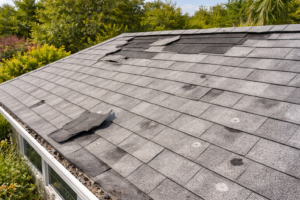
A Homeowner’s Guide to Spotting Roof Damage, Understanding Insurance Claims, and Staying Safe in 2026
After a storm passes, most homeowners step outside, look at their roof from the ground, and assume everything is fine. But storm damage does not always announce itself loudly, and some of the most expensive roof problems start quietly. Severe storms can cause significant damage to property and crops, even if it’s not immediately visible.
Wind and hail are two of the most common causes of storm-related roof damage, and they affect roofs in very different ways. Knowing how to tell the difference matters because wind damage and hail damage often age differently, are documented differently, and are handled differently by insurance companies.
This guide explains how to identify wind damage versus hail damage, what signs homeowners should look for after a storm, how insurance claims generally work, and what steps to take next without putting yourself at risk. You will also learn why acting early can save you money and prevent small issues from turning into major repairs. Wind and hail can lead to water intrusion if the exterior is breached, and in many regions—especially Tornado Alley and coastal areas—wind and hail are subject to a separate deductible from the standard “All Other Perils” deductible.
If you are unsure about your roof after a storm, Reimagine Roofing offers a free roof inspection, and you can get an estimate in under 24 hours.
Why It’s Important to Know the Difference Between Wind and Hail Damage
Not all storm damage is treated the same. Wind and hail create different patterns, different risks, and different long-term consequences.
Understanding the difference helps you:
- Spot damage sooner
- Avoid unnecessary repairs
- Document issues correctly
- Navigate insurance claims more confidently
- Prevent hidden damage from worsening
Many homeowners delay action because they are unsure whether what they see is “real damage.” That hesitation can cost thousands if moisture, UV exposure, or repeated storms worsen the problem.
How Wind Damages a Roof
Strong winds can cause significant damage to roof shingles by lifting, bending, loosening, or removing them. Even short bursts of wind can compromise a roof’s protective layers.
Wind speed plays a crucial role in roof damage, with wind damage to roofs beginning with gusts as low as 45 mph. Wind damage can cause shingles to lift, curl, or detach from the roof.
How Wind Affects Roofing Materials
Wind creates uplift pressure. As air moves across the roof, it tries to pull materials upward, especially at edges and ridgelines. Using wind resistant shingles can help prevent wind damage by providing extra durability and protection, especially during storm seasons.
Once wind gets under a shingle or panel, it can peel materials back like pages in a book. Missing or damaged shingles expose the underlying roof deck to water and further damage.
Common Wind Damage Patterns
Wind damage usually shows up in predictable areas:
- Roof edges and corners
- Ridge caps and ridge vents
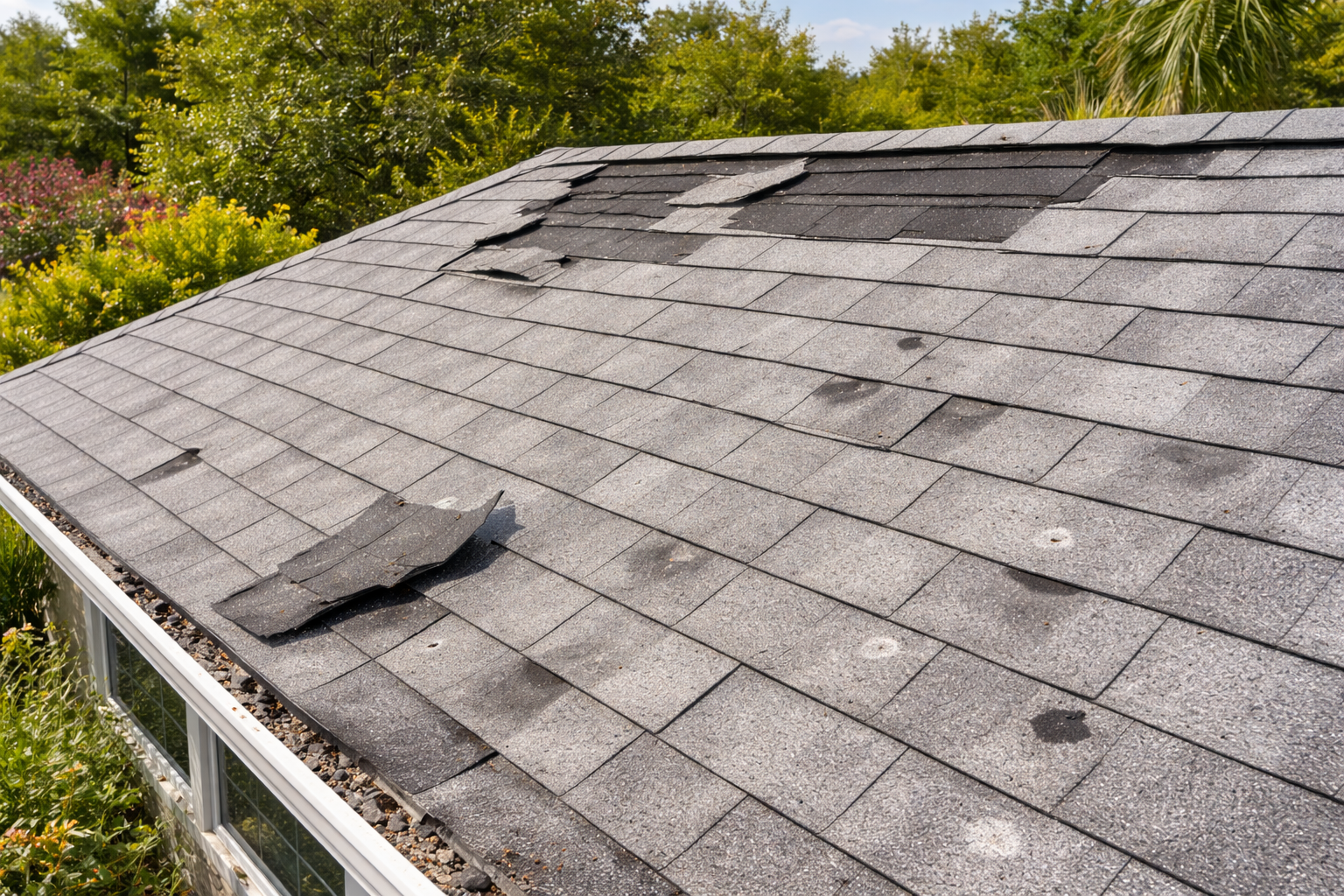
- Shingles that are lifted, creased, broken, or missing
- Fasteners that have loosened
- Flashing that has shifted, bent, or is damaged
- Seal strips that no longer bond properly
Missing shingles are a clear sign of wind damage to a roof.
Physical damage to gutters and downspouts can also occur, impairing drainage and leading to further issues like water overflow and structural wear.
Types of Wind Damage Homeowners Miss
Not all wind damage is obvious. Wind damaged shingles are a common issue that homeowners may miss after a storm or strong winds.
Some subtle signs include:
- Shingles that look “out of place” or uneven
- Creases across shingles where they bent and partially reseated
- Shingles that appear intact but no longer seal
- Exposed nail heads
- Slight gaps at flashing edges
Wind damage can create gaps—by damaging flashing, vents, or gutters—leaving gaps that allow water to infiltrate the roof and cause leaks. Wind damage can also be subtle and progressive, often starting with a single loose shingle.
These issues can allow water intrusion long after the storm has passed.
How Wind Damage Gets Worse Over Time
Wind damage rarely fixes itself. Once a shingle has been lifted or creased:
- Its protective granules may be weakened
- The seal strip may never fully reattach
- Future winds can lift it again more easily
- Water can enter underneath during rain
If wind damage is not repaired, the next storm can cause even more extensive damage, potentially leading to complete shingle failure or leaks.
Over time, UV exposure and repeated weather events accelerate deterioration. What starts as minor wind damage can become widespread roof failure if ignored.
Both wind and hail damage can lead to significant repair costs if not addressed promptly.
How Hail Damages a Roof
Hail damage is caused by impact. When hailstones strike roofing materials, they bruise, crack, dent, or dislodge components.
After a hail storm, it is important to inspect for damage on your roof, such as dents or cracks in roofing materials, as these are common signs of hail damage.
Metal roofing is often discussed in the context of hail damage. A metal roof is generally more resistant to hail impacts, but it can still show dents after a severe hail storm.
How Hail Affects Roofing Materials
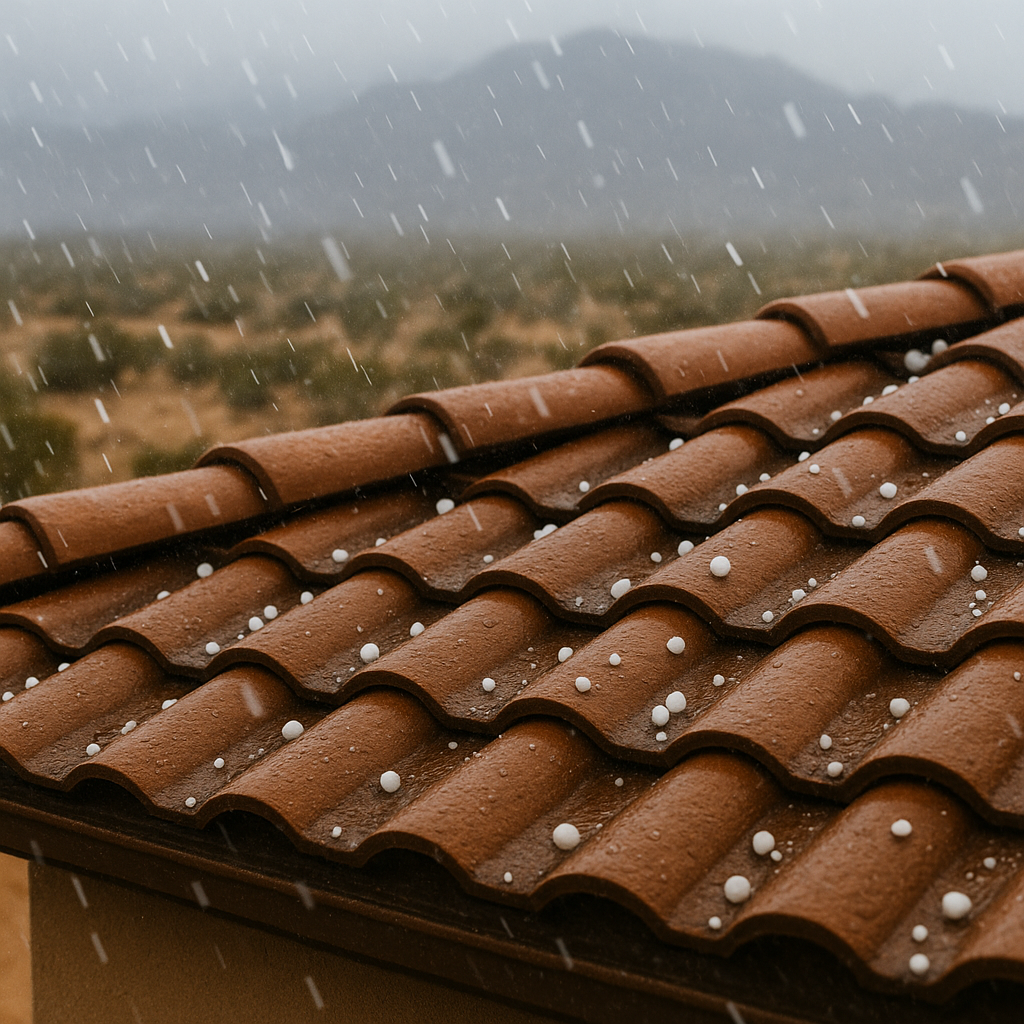
Hail impacts compress roofing materials. On asphalt shingles, hail can dislodge granules and fracture the underlying mat. Hail damage shows as circular dents, soft spots, or random granule loss (bare spots) from impacts. Circular bruises and dents left by hail are often soft and spongy to the touch. On metal roofing, hail can leave dents or deform seams. Proper structural support can help a metal roof resist dents, and some insurance policies cover structural failure caused by hail. On tile roofs, hail can crack or chip tiles.
Common Hail Damage Patterns
Hail damage typically appears as:
- Circular or irregular impact marks
- Granule loss in localized areas
- Missing granules on shingles
- Shingle granules accumulating in gutters
- Soft “bruised” spots on shingles
- Dents on metal vents, flashing, or panels
- Cracked or broken tiles
- Damage scattered across multiple slopes
Granule loss can create bare dark spots where protective granules are knocked off, often collecting in gutters.
Hail damage is characterized by random, circular impact marks rather than lifted materials.
Unlike wind damage, hail damage often affects large areas of the roof more evenly.
Why Hail Damage Is Hard to Spot From the Ground
Hail damage often looks minor or invisible from a distance. Homeowners may not notice:
- Granule loss unless it is severe
- Bruised shingles unless touched
- Small cracks hidden by texture
- Impact damage on shaded slopes
This is why hail damage often goes unreported until leaks appear months later.
Key Differences Between Wind Damage and Hail Damage
Understanding the patterns helps you tell them apart.
Wind Damage Characteristics:
Wind damage often appears as missing, lifted, or curled shingles. High wind speeds can damage shingles by lifting or tearing them off, regardless of the roof’s age or installation quality. Additionally, flying debris during storms can scrape away the protective granules on asphalt shingles, leading to surface wear and potential roof deterioration.
Hail Damage Characteristics:
Hail damage usually shows as dents, bruises, or punctures on shingles. If left unaddressed, hail damage can cause significant issues, including leaks and mold.
Wind Damage Characteristics
- Directional damage
- Missing or lifted shingles
- Damage concentrated at edges and ridges
- Creased or flapping shingles
- Exposed underlayment in severe cases
Wind speed is a key factor in wind damage, as even relatively low wind speeds (such as 45-58 mph) can cause shingles to lift, curl, or detach from the roof, especially if the roof is older or not properly installed.
Hail Damage Characteristics
- Random or evenly distributed impact marks
- Granule loss without missing shingles
- Circular or dimpled damage
- Dents on metal components
- Cracks or fractures in tiles
Both types can occur in the same storm, which makes professional evaluation important.
What to Look for After a Storm (Homeowner Checklist)
After a storm, it’s important to look for obvious signs of damage both inside and outside your home.
You should never climb onto your roof after a storm. Safety comes first. Instead, perform a safe ground-level and interior check. When inspecting the interior, pay close attention to water stains and leaks on ceilings and upper walls, as these can indicate internal moisture issues.
Exterior Signs to Look For
From the ground, look for:
- Shingles in the yard or gutters
- Bent or missing ridge caps
- Visible dark patches or uneven shingle lines
- Dents on vents, flashing, or gutters
- Pieces of roofing debris around the home
If you notice any of these signs, it is recommended to consult a professional roofing contractor or roofing contractor for a professional assessment to determine the extent of the damage and whether repair or replacement is needed. Regular maintenance can also help prevent both wind and hail damage to roofs.
Interior Signs to Look For
Inside the home, check for:
- Water stains on ceilings or walls
- Damp insulation in attic areas
- Musty smells near ceilings
- Bubbling paint or drywall
- Drips or moisture during rain
Even a small leak can indicate water damage and should be addressed promptly, as minor leaks can lead to severe damage if not fixed quickly.
Any of these signs warrant a professional inspection.
Why DIY Roof Checks Can Be Dangerous
Climbing onto your roof after a storm is risky. Wet, damaged, or loose materials increase the chance of slips and falls. Many injuries occur when homeowners attempt to inspect storm damage themselves.
Safety risks include:
- Slippery surfaces
- Loose shingles or tiles
- Hidden structural damage
- Unstable ladders
- Electrical hazards
A professional inspection protects both your safety and your roof.
Insurance Claims Basics: Wind Damage vs Hail Damage
Most homeowners insurance policies provide coverage for wind and hail damage to roofs, but policy details can vary.
Insurance coverage often differs based on the type of damage and the policy. Deductibles for wind and hail damage often range between 1% to 5% of the home’s total insured value. It is important to work with your insurance company or insurance provider to understand your insurance policy and file an insurance claim properly.
Wind Damage Insurance Basics
Most homeowner policies cover sudden wind damage caused by storms. Most policies provide coverage for wind damage to shingles, but coverage may depend on the specifics of the event and the policy. Coverage typically applies when damage results from a covered weather event, not gradual wear.
Documentation matters. Insurers look for:
- Date of the storm
- Visible wind-related damage
- Consistent damage patterns
- Professional inspection reports
Hail Damage Insurance Basics
Conditions of Hail damage is commonly covered, but policies may include:
- Cosmetic damage exclusions
- Depreciation based on roof age
- Time limits for filing claims
Claims due to Hail often rely heavily on professional documentation because damage is not always obvious.
Why Timing Matters With Insurance Claims
Many policies require claims to be filed within a certain timeframe after the storm. Waiting too long can complicate claims because insurers may argue damage occurred later or worsened due to lack of maintenance.
Early inspections help:
- Document damage while it is fresh
- Establish storm-related cause
- Prevent disputes over timing
- Protect your claim eligibility
Common Mistakes Homeowners Make After Storm Damage
Waiting for a Leak
By the time water enters your home, damage may already be extensive.
Assuming No Damage Means No Claim
Many valid claims start with subtle damage.
Temporary Repairs Without Documentation
Quick fixes without photos or reports can complicate claims.
Ignoring Minor Damage
Small issues can spread quickly under UV exposure and repeated storms.
What a Professional Roof Inspection Includes
A professional inspection evaluates both wind and hail damage by examining:
- Shingle condition and sealing
- Granule loss and impact marks
- Flashing alignment and integrity
- Ridge caps and vents
- Valleys and roof edges
- Underlayment exposure
- Attic signs of moisture
Documentation often includes photos and written findings that help homeowners understand their options.
What to Do Next If You Suspect Wind or Hail Damage
Step 1: Stay Safe
Do not climb onto the roof. Avoid walking under damaged areas if debris is present.
Step 2: Document What You Can
From the ground, take photos of visible damage, debris, and interior signs if safe to do so.
Step 3: Schedule a Professional Inspection
A professional inspection provides clarity on:
- Type of damage
- Severity
- Repair vs replacement options
- Insurance considerations
Step 4: Review Your Options
Not all damage requires full replacement. A professional can explain:
- Repair options
- Preventive measures
- Long-term risks
- Cost considerations
Repair vs Replacement: How Damage Severity Matters
When Repairs May Be Enough
- Isolated wind damage
- Limited hail impact
- Roof is relatively new
- No underlayment exposure
When Replacement May Be Recommended
- Widespread hail damage
- Multiple wind-damaged areas
- Older roofing systems
- Compromised underlayment
- Repeated storm damage history
Replacing a roof proactively can prevent repeated repairs and future insurance issues.
How Storm Damage Affects Roof Lifespan
Storm damage accelerates roof aging. Even if leaks do not appear immediately, damaged materials often fail sooner than expected. Severe storms can cause structural problems if wind or hail damage is not addressed promptly, leading to more serious issues over time.
Consequences include:
- Shortened roof lifespan
- Reduced energy efficiency
- Increased repair frequency
- Higher long-term costs
Early inspection and action protect your investment. Regular maintenance can help prevent both wind and hail damage to roofs.
Get Answers Before Damage Gets Worse
If your area experienced high winds or hail, even briefly, your roof may have damage you cannot see from the ground. Reimagine Roofing offers a free roof inspection to identify wind and hail damage, document findings clearly, and explain your options without pressure. If repairs or replacement are needed, you can get an estimate in under 24 hours so you can act quickly and confidently before small problems turn into costly ones.
Schedule Your Free Roof Inspection Today
Storm damage does not always announce itself. The sooner you know what your roof is dealing with, the better you can protect your home, your budget, and your peace of mind.
Reimagine Roofing offers free inspections and fast estimates so you can make informed decisions after any storm.
Book your inspection today and take the guesswork out of wind and hail damage.
Popular Posts