Shingle Granule Loss Pennsylvania: Normal Aging Or Storm Damage?
Shingle Granule Loss Pennsylvania: Normal Aging Or Storm Damage?
Shingle Granule Loss Pennsylvania: Normal Aging Or Storm Damage?
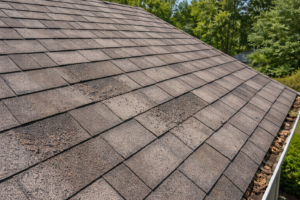
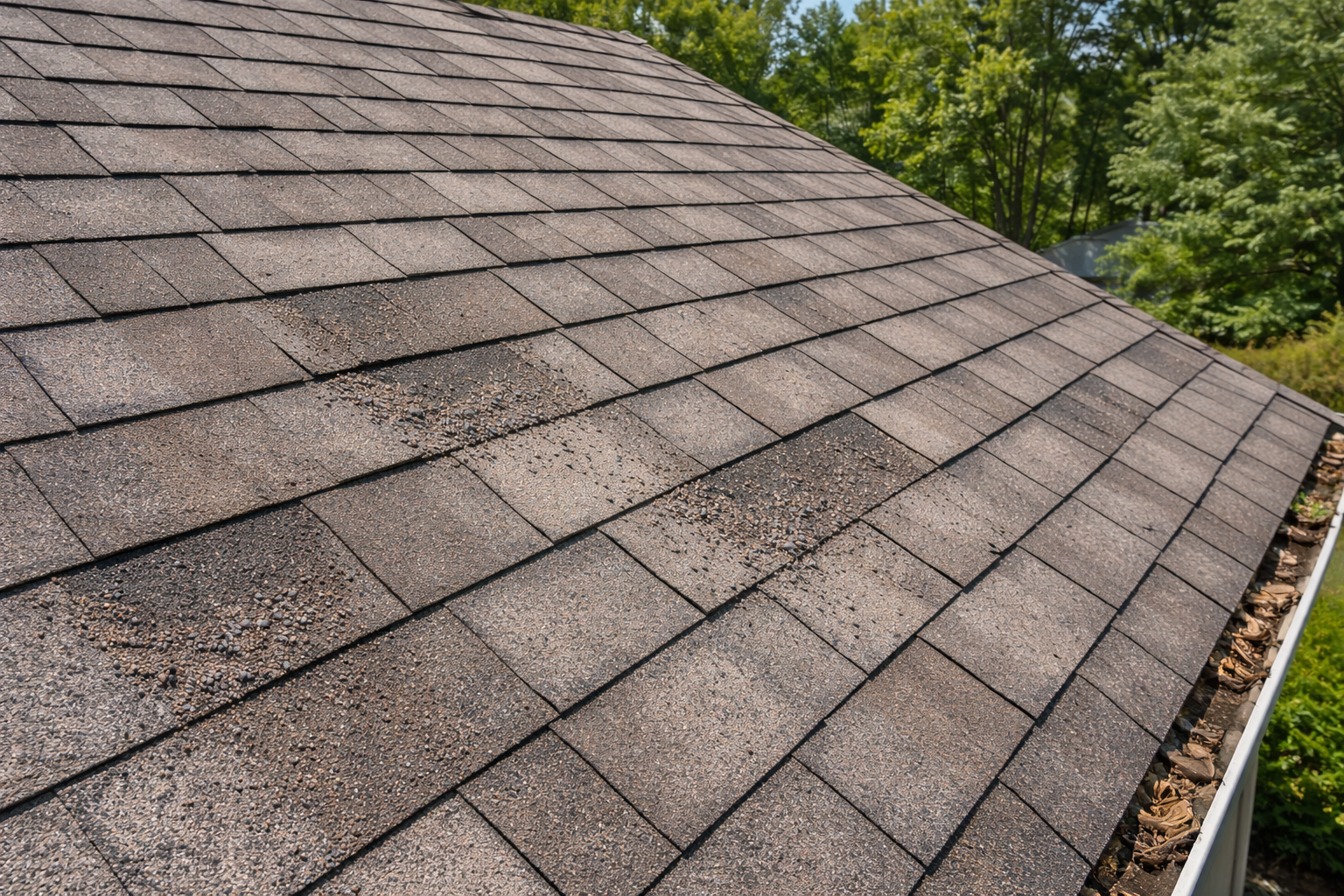
If you’re a homeowner in Pennsylvania, chances are you’ve noticed dark grit in your gutters, downspouts, or at the base of your home after a storm. That gritty material is made up of asphalt shingle granules, and when they start coming off your roof, it raises an important question:
Is this normal aging—or a sign of storm damage that needs immediate attention?
Pennsylvania weather is known for its unpredictability and harsh conditions, which can significantly impact shingle granule loss and the overall durability of your roof.
Granule loss is one of the most misunderstood roofing issues in Pennsylvania. Because the state experiences freeze–thaw cycles, heavy rain, snow, hail, wind, and seasonal temperature swings, shingles here age differently than in milder climates. Some granule loss is expected over time—but excessive or sudden loss can indicate serious damage that shortens your roof’s lifespan and may qualify for repair or replacement.
This comprehensive guide will help Pennsylvania homeowners understand:
- What shingle granules actually do
- What normal aging looks like in PA’s climate
- How storms accelerate granule loss
- How to tell the difference between age-related wear and storm damage
- When granule loss becomes a roofing emergency
- When to repair, replace, or monitor your roof
- How Reimagine Roofing helps PA homeowners protect their homes
If you’re unsure whether your roof is aging naturally or failing prematurely, this guide will give you clarity.
What Are Shingle Granules And Why Do They Matter?
Shingle granules are not decorative—they are essential to your roof’s performance.
These small, stone-like particles are embedded into the surface of asphalt shingles during manufacturing. Their purpose is to:
- Protect the asphalt layer from UV radiation
- Add fire resistance
- Provide color and aesthetic appeal
- Increase shingle durability
- Help shed water effectively
UV rays in the summer can accelerate the deterioration of asphalt shingles, causing them to dry out and leading to granule loss.
Without protective granules, which shield the asphalt from both UV rays and harsh weather conditions, asphalt shingles degrade rapidly. The asphalt dries out, cracks, and loses flexibility, leaving your roof vulnerable to leaks and structural damage.
Why Granule Loss Is A Big Deal In Pennsylvania
Pennsylvania roofs face more stress than many homeowners realize. The state’s climate includes:
- Hot, humid summers
- Cold winters with snow and ice
- Frequent freeze–thaw cycles
- Heavy rainstorms
- Occasional hail
- Strong wind events
Harsh weather conditions and severe weather events, such as thunderstorms, hail, and winter storms, accelerate shingle granule loss and roof aging in Pennsylvania.
Each of these conditions contributes to granule loss in different ways. Over time, the cumulative effect can dramatically shorten the life of a roof—especially if damage goes unnoticed.
What Normal Shingle Granule Loss Looks Like
Some granule loss is expected and completely normal, especially in Pennsylvania, where natural wear from the region’s varying climate and weather conditions gradually causes roofing materials to deteriorate over time.
Initial Granule Shedding On New Roofs
New asphalt shingles often shed excess granules during the first year after installation. These loose granules are left over from the manufacturing process and are not a cause for concern.
This type of loss:
- Occurs evenly
- Is most noticeable shortly after installation
- Decreases significantly over time
If your roof is relatively new and the granules appear uniformly distributed, this is usually normal.
Gradual Aging Over Time
As shingles age, they slowly lose granules due to:
- UV exposure
- Wind abrasion
- Rain impact
- Minor temperature expansion and contraction
In Pennsylvania, this process may be slightly faster than national averages due to climate stress, but it should still be gradual.
Normal aging granule loss typically:
- Happens evenly across the roof
- Does not expose bare asphalt in large patches
- Does not cause leaks on its own
- Occurs over many years, not suddenly
A roof experiencing normal aging will still function properly, even with some granule loss. However, it’s important to regularly monitor your roof’s condition as it ages to ensure granule loss remains within normal limits and to catch any issues early.
What Storm-Related Granule Loss Looks Like
Storm damage is very different from normal aging—and it often requires action. In Pennsylvania, severe weather events such as hailstorms, heavy winds, and intense rain are common causes of storm-related shingle granule loss.
How Storms Strip Granules From Shingles
Major storms in Pennsylvania, especially those with high winds, can remove granules in several ways: high winds can lift and loosen shingles, causing wind damage that strips away protective granules and exposes the underlying roofing material. Additionally, wind-driven rain and flying debris during these storms can further accelerate shingle granule loss.
Hail Impact
Hail damage is a primary cause of shingle granule loss and shingle deterioration in Pennsylvania. Hailstones strike shingles with enough force to dislodge granules and fracture the asphalt mat beneath.
High Winds
Strong winds can cause wind damage by lifting and loosening shingles, resulting in granules scraping off as shingles flex and rub against each other.
Wind-Driven Rain
Heavy rain driven sideways acts like sandpaper, especially on older shingles with weakened adhesion.
Freeze–Thaw Stress After Storms
Moisture enters tiny cracks created by storms, freezes, expands, and causes additional granule loss.
During Pennsylvania winters, melting snow can refreeze at the roof’s edge, leading to the formation of ice dams. These ice dams trap water, which can back up under shingles and cause further granule loss.
Signs Granule Loss Is Storm-Related
Granule loss is more likely storm damage if you notice:
- Sudden accumulation of granules after a specific storm
- Bald spots or exposed asphalt
- Random, uneven loss rather than uniform wear
- Circular or impact-shaped marks on shingles
- Shingles that feel soft or bruised when pressed
- Granules concentrated near downspouts after storms
- Water stains on ceilings or walls, which can indicate roof leaks caused by storm damage
Storm-related granule loss often appears abruptly, not gradually.
Why Storm Damage Is Especially Common In Pennsylvania
Pennsylvania sits in a zone where multiple weather systems collide.
This creates:
- Sudden thunderstorms
- Rapid temperature drops after storms
- Winter hail events
- Ice followed by rain
- Wind gusts that exceed shingle ratings
Winter weather, including snow and ice, increases the risk of storm-related granule loss by putting additional stress on roofing materials.
When storms strike shingles already weakened by age or climate stress, granule loss accelerates dramatically.
How To Tell The Difference: Aging Vs. Storm Damaged Shingles
Understanding the difference requires looking at several key factors.
To accurately distinguish between normal aging and storm damage, it is recommended to get a professional assessment from an experienced roofer.
1. Pattern Of Granule Loss
Normal Aging:
- Even distribution
- No large bare areas
- Gradual over time
Storm Damage:
- Random or clustered bald spots
- Impact marks
- Sudden appearance after storms
2. Timing
Normal Aging:
- Occurs slowly over years
Storm Damage:
- Appears suddenly after a weather event
If you noticed granules immediately after a storm, damage is more likely.
3. Shingle Condition
Normal Aging:
- Shingles remain intact
- No cracks or bruising
Storm Damage:
- Cracks, dents, or soft spots
- Lifted or creased shingles
- Damaged flashing
4. Roof Age
Storm damage is more likely when:
- The roof is already 10–20 years old
- Shingles have lost flexibility
- Adhesive seals are weakened
Older roofs are more vulnerable to storm-related granule loss.
Common Areas Where Granule Loss Shows Up First
Pennsylvania homeowners should pay close attention to:
- South-facing slopes (more UV exposure)
- Roof edges and ridgelines
- Roof’s edge (prone to ice dam formation and granule loss)
- Valleys where water concentrates
- Areas near trees (debris abrasion)
- Overhanging branches (can cause abrasion and accelerate granule loss)
- Windward sides of the roof
Damage in these areas often spreads quickly.
Why Ignoring Granule Loss Is Risky
Granule loss is not just cosmetic. When granules disappear, shingles lose their protective layer.
This leads to:
- Faster UV degradation
- Asphalt drying and cracking
- Water penetration
- Reduced wind resistance
- Shortened roof lifespan
Granule loss can allow water to seep into the underlying layers, causing water damage and compromising your roof’s integrity if not addressed promptly.
Once bare asphalt is exposed, deterioration accelerates rapidly—especially in Pennsylvania’s freeze–thaw climate.
Can Granule Loss Cause Leaks?
Granule loss alone does not always cause immediate leaks, but it sets the stage for them.
Here’s how:
- Granules protect asphalt from UV
- Without granules, asphalt dries and cracks
- Cracks allow moisture intrusion
- Moisture buildup under the shingles can accelerate the development of leaks
- Freeze–thaw cycles widen cracks
- Underlayment becomes exposed
- Leaks develop
By the time leaks appear inside the home, roof damage is often advanced.
When Granule Loss Requires Action
Not all granule loss requires immediate replacement—but some does.
Monitor And Maintain When:
- Granule loss is light and even
- Roof is under 10 years old
- No exposed asphalt is visible
- No leaks or moisture signs exist
- No debris buildup is present on the roof or in gutters
Routine inspections are key.
Schedule A Professional Inspection When:
- Granule loss increases suddenly
- Bald spots appear
- Granules collect heavily after storms
- Roof is over 10–15 years old
- You’re unsure whether damage is storm-related
An inspection helps determine next steps and protects insurance options. It’s important to schedule a professional roof inspection to identify hidden damage and ensure your roof’s safety. Many companies in Pennsylvania offer a free inspection, making it easy for homeowners to get a qualified assessment without upfront costs.
Repair Or Replace When:
- Exposed asphalt is widespread
- Shingles are cracked or bruised
- Multiple slopes show damage
- Granule loss is paired with leaks
- Roof has reached the end of its expected lifespan
In these cases, a full replacement or full roof replacement may be necessary, especially if the damage is extensive or the roof is near the end of its life. Obtaining professional repair estimates is crucial to help you decide between targeted repairs and a complete roof replacement, ensuring you make an informed and cost-effective choice.
At this stage, delaying action increases costs.
Insurance Considerations For Granule Loss In Pennsylvania
Storm-related granule loss may qualify for insurance coverage if:
- Damage is tied to a specific weather event
- Shingles show functional impairment
- Documentation supports storm impact
Filing insurance claims promptly and understanding the claims process is crucial to ensure your claim is considered. The insurance company will review your documentation and may send insurance adjusters to evaluate whether the granule loss is storm-related or due to normal aging. Homeowners insurance typically covers storm-related roof damage, so it’s important to know your policy details and work closely with your insurer throughout the process.
Normal aging, however, is not covered.
This is why professional evaluation and documentation matter. Misclassifying damage can result in denied claims or missed opportunities.
How Reimagine Roofing Evaluates Granule Loss
When Reimagine Roofing inspects Pennsylvania roofs for granule loss, we assess:
- Roof age and material
- Granule loss patterns
- Shingle flexibility and integrity
- Presence of impact damage
- Condition of underlayment and flashing
- Attic moisture or insulation issues
- Storm history and exposure
- Roof surface condition
A professional assessment is conducted to ensure the integrity of your entire roofing system and to detect any hidden or underlying issues. We also ensure compliance with local building codes during inspections and repairs.
Our goal is to give homeowners clear answers—not guesswork.
How To Extend Shingle Life In Pennsylvania
While granule loss is inevitable, homeowners can slow the process by:
- Ensuring proper attic ventilation and insulation to prevent moisture buildup and heat damage
- Trimming overhanging trees
- Cleaning debris safely
- Scheduling annual inspections
- Addressing small issues early
Choosing quality materials and energy-efficient roofing options can also extend the life of your roof. Proactive care adds years to roof life.
Repair Vs. Replacement: Making The Right Choice
Repairs Make Sense When:
- Damage is localized
- Shingles are mostly intact
- Roof is relatively young
- When repairing damaged shingles, be careful not to damage the surrounding shingles
Replacement Is Smarter When:
- Granule loss is widespread
- Shingles are brittle
- Multiple repairs have already occurred
- Roof is near the end of its lifespan
When replacing your roof, it’s important to use high quality shingles from trusted brands to ensure durability and prevent future issues. Damaged roofing shingles should be replaced rather than patched to maintain the integrity of your roof. Always hire a reputable local roofer for roof replacement to ensure proper installation and reliable service.
In Pennsylvania’s climate, repeated repairs on an aging roof often cost more long-term than replacement.
Final Thoughts: Granule Loss Is A Warning—Not Something To Ignore
Granule loss is one of the earliest and most visible signs that a roof is under stress. In Pennsylvania, where weather conditions are unforgiving, knowing whether that loss is normal aging or storm damage makes all the difference.
Acting early protects:
- Your home
- Your finances
- Your insurance options
- Your peace of mind
Get A Free Pennsylvania Roof Evaluation From Reimagine Roofing
If you’ve noticed granules in your gutters or bald spots on your shingles, don’t guess.
Reimagine Roofing, a trusted roofing company, offers a Free Pennsylvania Roof Evaluation that includes a free inspection by our professional team. Our evaluation process features:
- Granule loss analysis
- Storm damage assessment
- Shingle integrity testing
- Flashing and underlayment inspection
- Attic moisture check
- A professional roof inspection to identify hidden issues
- Clear guidance on repair vs. replacement
We proudly serve not only Pennsylvania but also the surrounding counties, bringing local expertise to every home.
Whether you’re in Eastern PA, Central PA, or Western PA, our team understands how Pennsylvania’s climate affects roofing systems.
Schedule Your Free Roof Evaluation With Reimagine Roofing Today
Get Clear Answers Before Small Problems Become Big Ones.
Popular Posts