The Hidden Costs of Cheap Asphalt Roofs in Arizona’s Harsh Climate
The Hidden Costs of Cheap Asphalt Roofs in Arizona’s Harsh Climate
The Hidden Costs of Cheap Asphalt Roofs in Arizona’s Harsh Climate
Why Choosing the “Budget Option” Could Cost You Thousands More in the Long Run
Arizona’s sunshine is legendary — more than 300 days of it each year. But for your roof, that’s not necessarily a good thing. Between searing UV rays, drastic temperature swings, and monsoon-season downpours, Arizona’s desert climate pushes roofing materials to their absolute limits.
And while many homeowners choose asphalt shingles because they seem affordable and easy to install, “cheap” doesn’t mean “cost-effective” — especially here. In fact, opting for a budget asphalt roof in Arizona can quickly become one of the most expensive mistakes a homeowner makes.
In this guide, we’ll expose the hidden costs of cheap asphalt roofing — from short lifespans and heat damage to skyrocketing energy bills — and show why investing in a premium roofing system from Reimagine Roofing can save you tens of thousands of dollars over the life of your home.
The Harsh Reality of Arizona’s Climate
Arizona’s desert climate is beautiful, but it’s brutal on building materials. Every day, your roof absorbs the full force of:
- Extreme UV exposure: Asphalt shingles bake in 100°F+ heat for hours each day.
- Thermal expansion and contraction: Daytime highs can exceed 110°F, while nights dip into the 70s. This daily movement cracks, curls, and splits shingles.
- Monsoon rains and windstorms: Sudden downpours test your roof’s integrity and reveal any weaknesses in cheap materials.
- Dust, sand, and debris: Fine particles grind down surfaces and accelerate aging.
These constant stresses mean an asphalt shingle roof that might last 20–25 years in milder states will often deteriorate in as little as 10–12 years in Arizona.
That “affordable” roof replacement suddenly needs to happen twice as often.
Understanding Roof Replacement
Roof replacement is one of the most significant investments a homeowner can make, and understanding the process is key to protecting your home and your wallet. The total cost of a new roof depends on several important factors, including the type of roofing material you choose, the size of your roof, and the complexity of your roof structure. Asphalt shingles remain a popular option for roof replacement in Arizona thanks to their balance of durability and affordability. Typically, asphalt shingles cost between $1 and $4 per square foot installed, but the final price can vary based on the quality of the material and the expertise of the roofing company you hire.
For a standard 2,000-square-foot home, homeowners can expect to pay anywhere from $8,266 to $29,688 for a new roof, depending on the roofing material, labor costs, and any additional features or upgrades. It’s important to remember that while asphalt may seem like the most cost-effective choice upfront, the long-term durability and performance of your roofing material can have a major impact on your overall investment. Consulting with a reputable roofing company will help you evaluate your options and select the best roofing material for your home, budget, and Arizona’s demanding climate.
The Illusion of “Cheap”: What You’re Really Paying For
At first glance, asphalt shingles seem like a bargain. A basic roof can run $5,000–$9,000, depending on size and contractor. But here’s the problem: Understanding pricing is crucial, as initial quotes often fail to capture the true long-term costs of roof replacement, making it important to compare options carefully.
Hidden Cost #1: Frequent Replacements
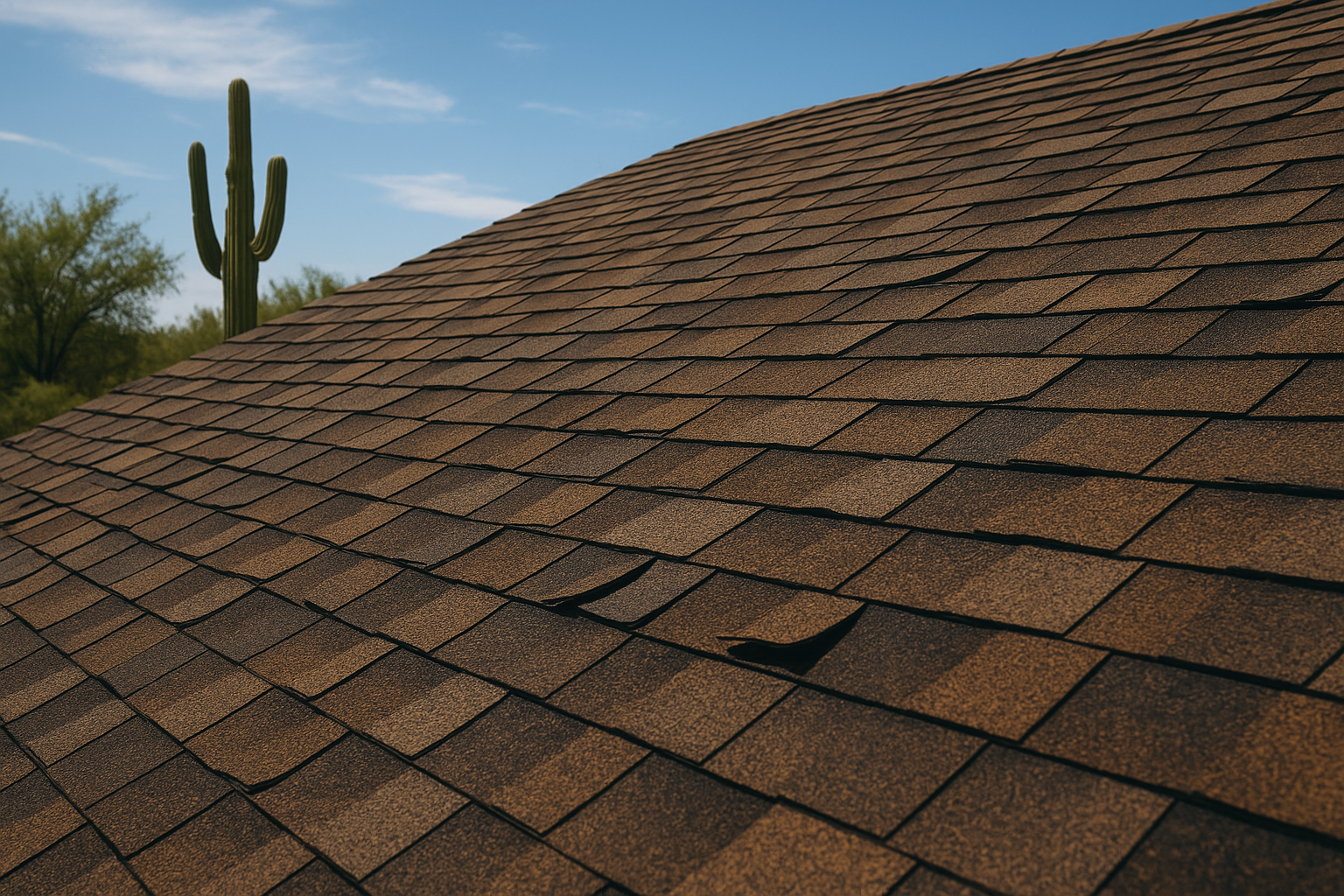
In Arizona, asphalt shingles can lose granules, curl, and crack in under a decade. That means if you stay in your home for 20–30 years, you’ll need to replace your roof at least twice, meaning your roof will be replaced more often than you might expect — doubling your cost.
Example:
- Cheap asphalt roof: $9,000 × 2 = $18,000 total
- Premium metal or tile roof: $15,000–$18,000 onceEach time you replace your roof, you’ll need to install new shingles, which adds to the overall roof replacement costs over time. The “budget” option isn’t cheaper after all.
Hidden Cost #2: Higher Energy Bills
Asphalt shingles absorb and trap heat. In summer, your attic can reach 150–170°F, forcing your AC to run longer and harder.
By contrast, reflective metal or cool roofs can reduce cooling costs by up to 25–40%.
Over 20 years, that’s thousands of dollars in wasted energy — just because your roof can’t keep its cool.
Hidden Cost #3: Maintenance and Repairs
Cheaper shingles are more prone to blow-offs, leaks, and early wear. Arizona homeowners report frequent needs for patching, resealing, or re-roofing after storms.
Even a small leak can cause attic mold, insulation damage, or ceiling stains, which may cost $2,000–$5,000 to repair — often not covered by insurance if due to poor-quality materials or improper installation.
Hidden Cost #4: Home Value and Insurance Impact
Buyers know the difference between a durable roof and a cheap one. A home with a low-end asphalt roof in Arizona can:
- Appraise lower
- Be harder to sell
- Raise insurance premiums
Conversely, homes with modern, energy-efficient roofs (like metal or stone-coated steel) are considered lower-risk and higher-value by both buyers and insurers.
Heat Damage: Arizona’s #1 Roof Killer
The combination of relentless sun and thermal shock wreaks havoc on asphalt shingles:
- UV Degradation: Asphalt oils dry out, causing brittleness.
- Granule Loss: Protective granules fall off, exposing the asphalt underneath.
- Curling and Cracking: Expansion and contraction make shingles lift and split.
- Softening: Under constant heat, the adhesive underlayment can soften and cause warping or sagging.
This heat damage accelerates with cheap materials — especially those not rated for high solar reflectance or heat endurance.
In contrast, metal, tile, and advanced polymer roofs maintain structural integrity even under prolonged exposure to Arizona’s intense sunlight.
Monsoon Season and Storm Vulnerability
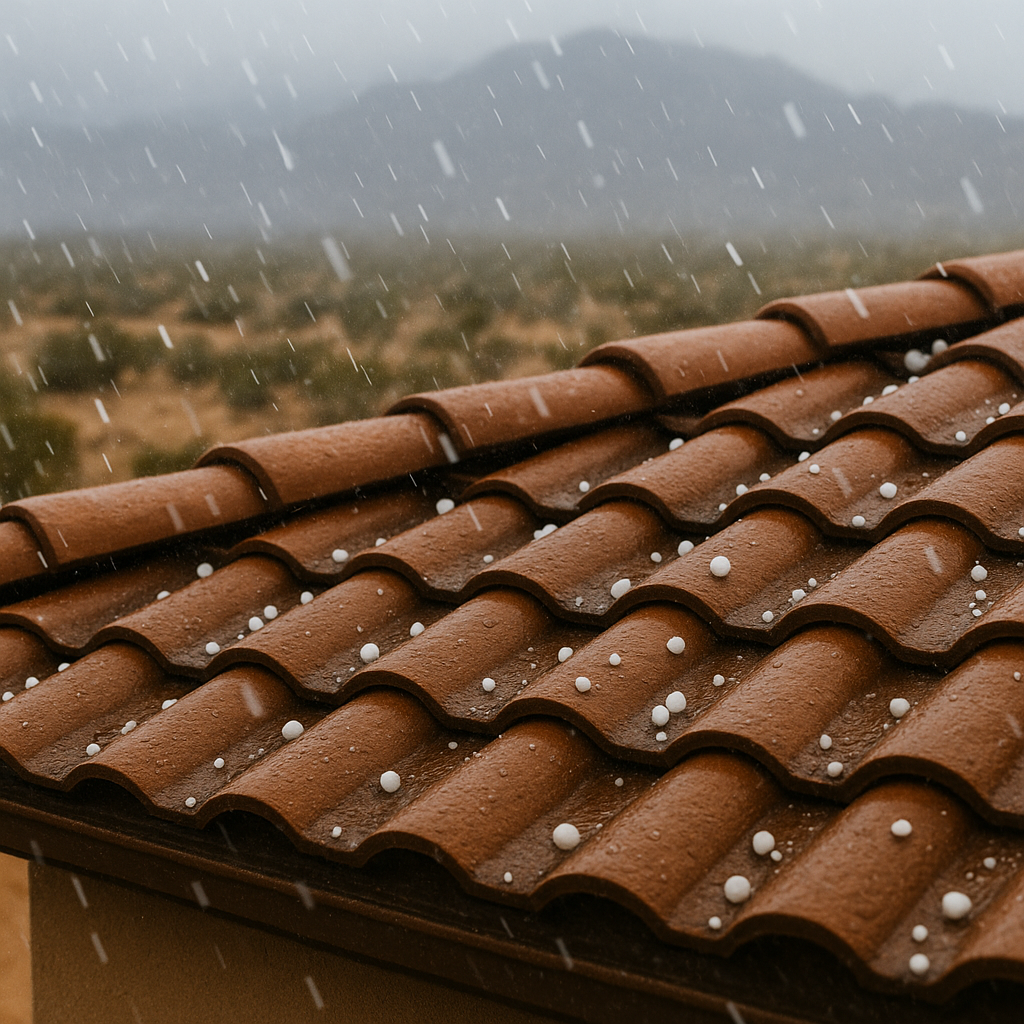
Arizona’s monsoon season brings sudden high winds, rain bursts, and flying debris. Cheap asphalt shingles are notoriously vulnerable in these conditions.
When winds exceed 60 mph, unreinforced shingles can lift and tear. Water seeps beneath them, damaging decking and insulation.
And because asphalt roofs depend heavily on sealants and adhesive strips, heat aging makes those seals fail just when you need them most — during a storm.
Premium roofing systems, like interlocking metal panels or mechanically fastened tiles, resist wind uplift and provide a watertight barrier that stays sealed for decades.
Roof Size and Complexity: The Overlooked Cost Factor
When planning for a roof replacement, most homeowners focus on the price of roofing materials and labor costs. However, the size and complexity of your roof can have just as much impact on your final bill. A larger roof naturally requires more shingles and underlayment, which increases both material and labor costs. But it’s not just about square footage—complex roof structures with multiple valleys, chimneys, skylights, or steep pitches demand extra time, skill, and specialized equipment from your roofing crew.
For example, if your roof has several layers of old shingles that need to be removed, or if there are intricate architectural features, you can expect higher labor costs and potentially more materials to ensure a proper fit and finish. These additional factors can quickly add up, making the total cost of your roof replacement higher than initially anticipated. Homeowners should work closely with their roofing contractor to assess all aspects of their roof, including size and complexity, to create an accurate budget and avoid surprises during the replacement process.
The Energy Efficiency Problem
Arizona homeowners pay some of the highest cooling costs in the U.S. — and your roof plays a major role.
Cheap asphalt shingles can reach surface temperatures above 190°F in peak summer. That heat radiates directly into your attic, raising indoor temps and straining your air conditioner.
By contrast, cool roofing systems like reflective metal or light-colored tile reflect sunlight instead of absorbing it.
Energy Savings Example:
- Average AZ cooling bill: $250/month × 6 months = $1,500/year
- 25% reduction with a reflective roof = $375 saved annually
- Over 20 years → $7,500 saved
That’s a major return simply by choosing a better material.
Structural Stress and Roof Deck Damage
Asphalt shingles trap heat and moisture, creating stress beneath the surface. Over time, this leads to:
- Warped decking: The roof’s decking, often made of plywood or oriented strand board, softens and bends.
- Fastener failure: Nails loosen as materials expand and contract.
- Premature leaks: Gaps form between underlayment layers.
Damage to the roof’s decking and trusses can compromise the entire roof structure and lead to expensive repairs.
Every repair adds up — and because most homeowners only see the surface damage, they’re unaware of the structural harm until it’s too late.
Water Damage: The Silent Destroyer
In a dry climate, water damage might seem rare — but that’s a dangerous misconception. When asphalt shingles crack, even small leaks allow water intrusion during monsoons.
Properly maintained gutters are essential for directing water away from the roof and preventing water damage.
Trapped moisture breeds mold, rot, and insulation decay, spreading through your attic and drywall. Repairing hidden water damage can cost $5,000–$15,000 — far more than investing in a higher-quality roof from the start.
Commercial Roofing Considerations in Arizona
Commercial properties in Arizona face unique roofing challenges due to the state’s intense sun, high temperatures, and seasonal monsoon storms. Choosing the right roofing material is critical for both performance and curb appeal. Clay tile roofs and synthetic slate shingles are popular among commercial buildings for their striking aesthetic appeal and proven ability to withstand Arizona’s extreme weather. Metal roofing is another top choice, offering a sleek, modern look along with outstanding durability and energy efficiency.
When selecting a roofing material for a commercial property, it’s important to weigh factors such as maintenance requirements, long-term durability, and overall cost. Regular maintenance is essential to prevent leaks and extend the lifespan of your roof, especially in Arizona’s harsh climate. Whether you’re a homeowner or a business owner, partnering with experienced roofing contractors ensures you get a roofing solution tailored to your property’s needs and budget. By investing in quality materials and ongoing care, you can protect your building, save money on repairs, and maintain a professional appearance for years to come.
A Better Investment: Roofing Systems Built for Arizona
At Reimagine Roofing, we specialize in durable, energy-efficient roofing systems engineered for desert climates.
We recommend premium materials that outperform asphalt in both lifespan and efficiency. Architectural asphalt shingles are a step up from basic asphalt shingles, offering improved durability and appearance. Architectural shingles are a popular upgrade for homeowners seeking better quality.
| Roofing Type | Lifespan in AZ | Energy Efficiency | Wind Resistance | Avg. Cost (per sq. ft.) |
|---|---|---|---|---|
| Basic Asphalt Shingles | 10–12 years | Poor | Fair | $3–$4 |
| Architectural Asphalt | 15–18 years | Moderate | Good | $4–$6 |
| Metal Roofing | 40–50 years | Excellent | Excellent | $7–$10 |
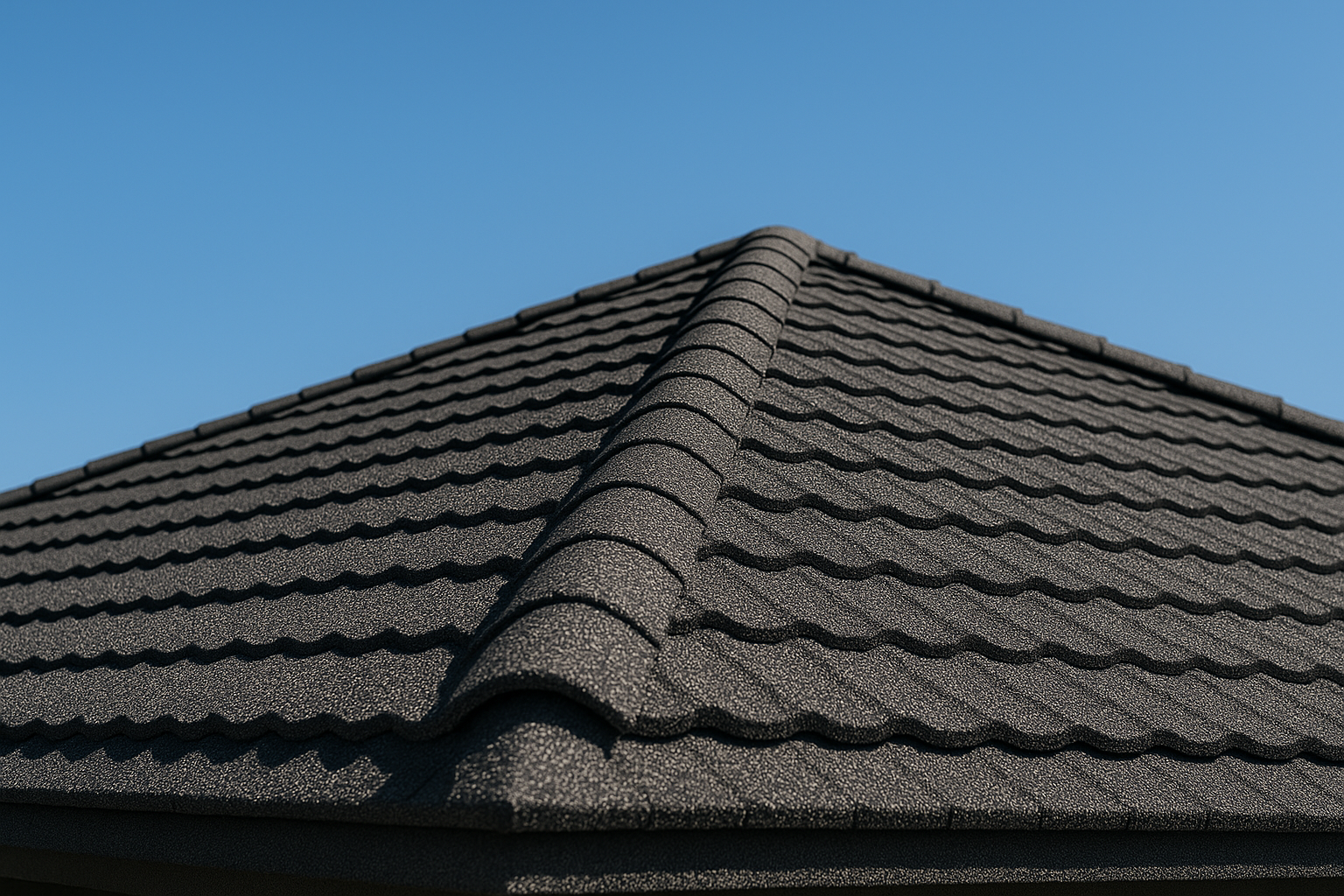
| Stone-Coated Steel | 45–70 years | Excellent | Excellent | $9–$12 |
| Tile Roofing | 50+ years | Very Good | Excellent | $8–$12 |
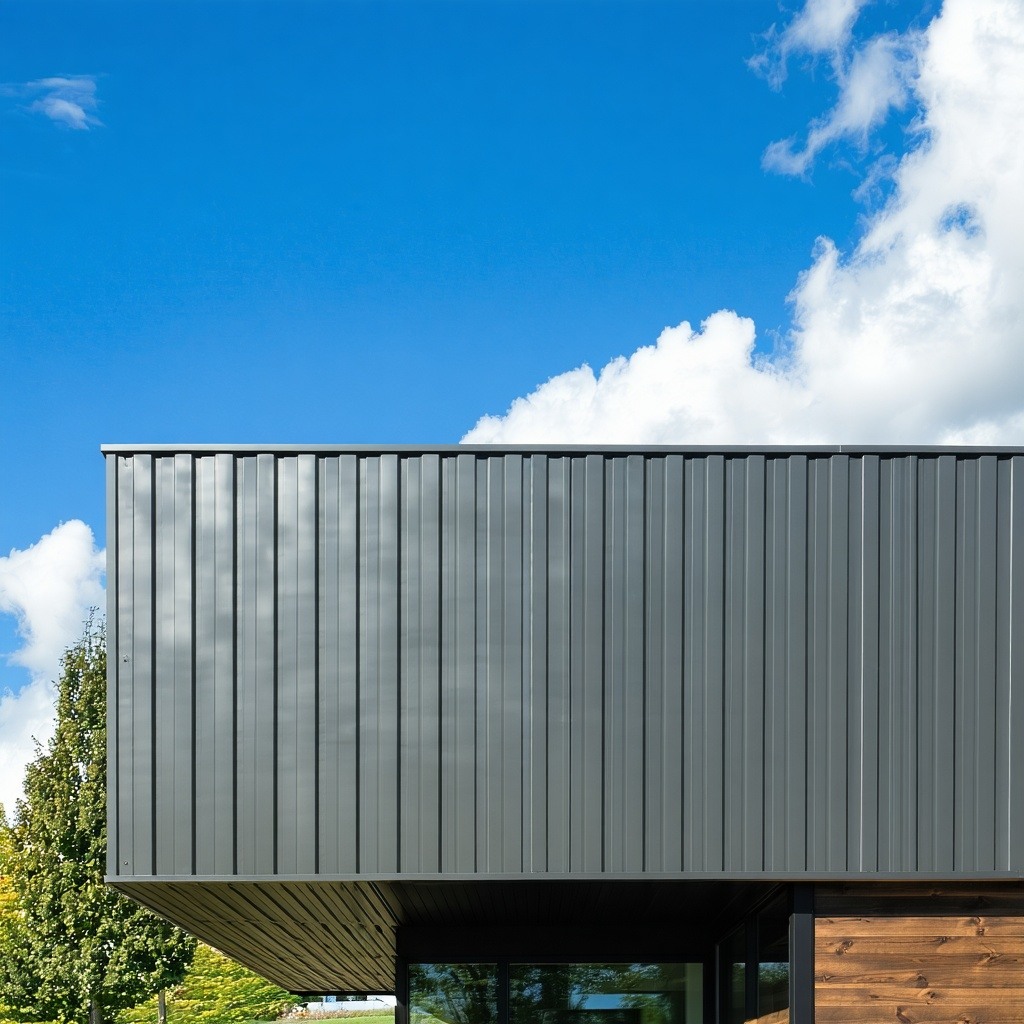
Metal and tile roofs provide unmatched longevity, reflectivity, and storm resistance — all while boosting curb appeal and resale value. The benefits of premium materials such as slate tiles, clay tiles, and wood include exceptional longevity and aesthetic appeal. For asphalt shingles, Owens Corning is a reputable brand known for quality and value.
Expert Installation Matters
Even the best materials can fail if installed incorrectly. That’s why Reimagine Roofing uses advanced inspection drones, precision measurement tools, and certified installation crews. Roof installation requires skilled roofers, and most roofing contractors employ experienced professionals who are paid for their expertise, ensuring your roof is installed correctly and safely.
Our team ensures:
- Perfect alignment for airflow and drainage
- Proper flashing and underlayment installation
- Full compliance with Arizona’s building codes and monsoon standards
- Proper installing of roofing materials for long-term performance
A poorly installed asphalt roof might save a few thousand dollars today, but cost tens of thousands later in water or structural repairs.
Sustainability and Long-Term ROI
Sustainability isn’t just an environmental buzzword — it’s financial wisdom.
Cheap asphalt shingles are non-recyclable and end up in landfills. The removal and disposal costs of old asphalt shingles add to both the environmental impact and the total expense of roof replacement. By contrast, metal roofs are 100% recyclable, last two to three times longer, and can reduce your home’s carbon footprint.
Many Arizona cities and utilities even offer energy-efficiency rebates for cool roofing materials, meaning you can recoup part of your investment immediately.
Real-Life Example: The $30,000 Lesson
Consider this common Arizona scenario:
A homeowner installs a basic asphalt roof for $9,000. Within 12 years, cracks and leaks appear, requiring full replacement — another $10,000. During that time, they’ve also spent $7,000 more on energy bills due to heat absorption and poor ventilation. When calculating the total expense for a house, it’s important to consider additional costs, such as repairs and increased energy bills, which can significantly add up, especially depending on the roof’s square footage.
Total 20-year cost: $26,000+
Compare that to a Reimagine-installed metal roof at $17,000. No replacements. Lower cooling costs. Higher resale value.
Total 20-year cost: $17,000 — and you’re protected for decades.
Why Reimagine Roofing is Arizona’s Trusted Choice
Reimagine Roofing isn’t just another contractor — we’re your roofing technology partner.
- Free drone inspections for precision measurements and damage detection.
- AI-assisted estimates that deliver accurate quotes in under 24 hours.
- Premium materials engineered for extreme weather and energy efficiency.
- Licensed Arizona experts who understand local code, monsoon prep, and solar integration.
We make roofing simple, transparent, and future-proof.
How to Tell If Your Asphalt Roof is Failing
If your roof is over 8 years old, check for these early warning signs:
- Curling or cupped shingles
- Bald spots where granules have fallen off
- Dark streaks or discoloration
- High energy bills in summer
- Visible cracks or exposed nails
- Loose shingles after storms
If you notice any of these, replacing the roof may be the best solution to prevent further damage and additional costs. Schedule a free roof inspection with Reimagine Roofing before small issues become major repairs.
Protect Your Home and Wallet Today
Your roof isn’t just protection — it’s an investment in your home’s comfort, efficiency, and value.
Don’t let Arizona’s climate turn your “affordable” roof into an expensive headache.
✅ Get a Free Roof Inspection Today
✅ Receive an Estimate in Under 24 Hours
✅ Discover Energy-Saving Options Built for Arizona
Schedule Your Free Roof Inspection Now
The real cost of a cheap asphalt roof isn’t in the price tag — it’s in the repairs, replacements, energy loss, and stress that follow.
When you choose a Reimagine Roofing system, you’re not just buying a roof — you’re investing in decades of peace of mind, energy savings, and lasting protection from Arizona’s harshest elements.
Popular Posts