Top Signs You Need Window Replacement

Top Signs You Need Window Replacement
Top Signs You Need Window Replacement (And What Can Be Repaired Instead)
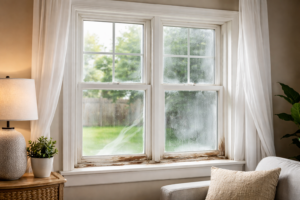
Windows do a lot more than “let in light.” They control comfort, energy efficiency, noise, moisture, and even home security. But because windows age slowly, many homeowners don’t realize how much performance they’ve lost until the symptoms become obvious—drafts, fogged glass, swollen frames, rising utility bills, or rooms that never feel comfortable.
The tricky part? Not every window problem requires full replacement. Some issues can be repaired—sometimes for far less money—if the window frame, structure, and installation are still sound. Other problems are strong warning signs that repairs will be temporary at best.
This guide walks you through the top signs you need window replacement, the problems that can often be repaired instead, and how to make a confident decision based on your home, your budget, and your goals.
If you’d rather skip the guesswork, Reimagine Construction can evaluate your windows and give you a fast, detailed quote. We’ll help you understand what can be repaired, what should be replaced, and where you’ll get the best value.
✅ Schedule your free window consultation with Reimagine Construction
Why Window Problems Get Expensive Fast
A window problem usually starts small:
- a tiny air leak
- a seal beginning to fail
- a minor crack in caulk
- a stiff latch
- condensation that comes and goes
But “small” issues can snowball into:
- higher energy bills
- water intrusion inside walls
- mold and drywall damage
- wood rot and structural decay
- pest entry
- premature failure of surrounding trim and siding
- reduced home value
Replacing windows isn’t cheap, so it’s natural to want repairs first. But the wrong repair strategy can cost more over time—especially if leaks or rot are involved.
The Repair vs Replace Rule of Thumb
Before we dive into the signs, here’s a practical way to think about it.
Repairs make sense when:
- The frame is solid (no rot, warping, or soft spots)
- The window is relatively modern and good quality
- The problem is isolated (hardware, caulk, weatherstripping, minor seal issues)
- The window opening and installation are sound (no recurring leaks)
Replacement makes sense when:
- The window has structural failure (rot, warping, broken frame)
- The glass seal is failing across multiple windows
- The window is old and inefficient (or single-pane)
- You’ve repaired the same issue more than once
- You have recurring leaks, mold, or water damage
- The window no longer opens/closes safely
- You’re renovating or updating for resale
Think of it like tires: you can patch a nail. But if the tread is gone and the sidewalls are cracking, a patch won’t make it safe.
Top Signs You Need Window Replacement
Sign #1: Persistent drafts (even when the window is closed)
If you feel air movement near your windows—especially in winter or during windy conditions—something is failing:
- Weatherstripping is worn
- The sash doesn’t seal tightly
- The frame has shifted
- The window is poorly installed
- The window is simply outdated
Repairable? Sometimes. Weatherstripping or sash adjustments may help.
Replace? If the drafts are widespread, the window is old, or the frame is warped, replacement is usually the better long-term fix.
Quick at-home check: On a windy day, hold a tissue near the window edges. If it flutters, you’ve got air leakage.
Sign #2: Fog or moisture between the glass panes
If you have double-pane windows and notice:
- fogging that never clears
- a milky haze inside the glass
- visible moisture droplets between panes
That’s a classic sign of seal failure. The insulating gas escapes, moisture enters, and performance drops.
Repairable? Sometimes the glass unit can be replaced (IGU replacement) if the frame is in good condition and the window brand supports it.
Replace? If it’s happening across many windows, the frames are aging, or parts are unavailable, full replacement is often more cost-effective.
Sign #3: Water leaks, staining, or bubbling paint near the window
Water intrusion is one of the biggest “don’t ignore this” signs. Look for:
- stains on drywall
- peeling/bubbling paint
- soft trim
- musty odors
- visible mold spots
Water can enter due to:
- failed caulk or flashing
- poor installation
- frame deterioration
- siding/roof/wall issues near the opening
Repairable? Sometimes—if caught early and caused by exterior sealing/flashing.
Replace? If the frame is rotting, the window opening is compromised, or leaks keep returning.
Important: Repeated leaks can damage framing behind the wall. By the time you see stains, the problem may already be bigger than it looks.
Sign #4: Windows that stick, jam, or won’t stay open
If your window:
- is difficult to open/close
- slams shut
- won’t lock easily
- won’t stay open (broken balance system)
It’s more than annoying—it’s a safety issue and can be a code concern in bedrooms.
Common causes:
- warped frames
- failing hardware/balances
- paint buildup
- settlement shifting the opening
Repairable? Often yes—balances, tracks, and hardware can be replaced.
Replace? If the frame is warped, the sash is out of square, or multiple windows are failing at once.
Sign #5: Visible rot, soft wood, or frame deterioration
If you can press a screwdriver into the wood and it feels soft, that’s rot. You may also see:
- crumbling wood
- blackened areas
- warped trim
- swollen sections that never dry
Rot spreads and can compromise the wall structure around the window.
Repairable? Small trim rot sometimes.
Replace? If the frame or sill is rotting, replacement is typically the right call.
Sign #6: Cracks in glass or damaged frames
A crack might start small but can expand due to temperature swings. Damaged frames can:
- leak air and water
- weaken security
- reduce structural performance in storms
Repairable? Glass can sometimes be replaced, depending on the window type.
Replace? If the damage is widespread or the window is very old.
Sign #7: Rising energy bills with no other explanation
Windows are a major source of energy loss, especially if you have:
- single-pane glass
- older double-pane units
- leaky seals and drafts
If your energy bills climb year after year and your HVAC is functioning normally, windows may be a big contributor.
Repairable? Weatherstripping and air sealing can help.
Replace? If the windows are inefficient and aging, replacement can deliver real comfort and savings.
Sign #8: Your home is uncomfortably hot/cold near windows
Do you avoid sitting near windows because:
- the room feels too hot in summer
- the area feels cold in winter
- you feel radiant heat/cold through the glass
This is common with older glass packages and poor sealing.
Repairable? Sometimes window film can help, but it’s not always ideal long-term.
Replace? Modern Low-E glass can significantly reduce heat transfer.
Sign #9: Excessive outside noise
If street noise is becoming more noticeable, your windows may not be sealing correctly or may be underperforming.
Repairable? Sometimes—if the issue is air leakage, sealing can reduce noise.
Replace? If you want a major improvement, consider upgraded glass packages designed for sound control.
Sign #10: Condensation on the inside (not between panes)
Indoor condensation can happen when warm indoor air hits cold glass. Occasional condensation isn’t always a window failure—but persistent condensation can signal:
- poor window insulation
- air leakage
- high indoor humidity
- ventilation issues
Repairable? Often—manage humidity, improve ventilation, adjust sealing.
Replace? If the windows are old/single-pane and condensation is frequent, new windows help.
Sign #11: You’re planning a remodel, resale, or exterior upgrade
Replacement makes sense when:
- you’re remodeling and want consistent style
- you’re updating siding/trim
- you’re prepping a home for sale
- you want improved curb appeal and buyer confidence
Windows can be a major visual feature—especially front-facing elevations.
Sign #12: Your windows are 20+ years old (or single-pane)
Age alone doesn’t automatically mean replacement, but older windows often have:
- worn seals and weatherstripping
- outdated glass technology
- hardware nearing end-of-life
- reduced performance compared with modern options
If multiple issues are showing up across old windows, replacement becomes the smarter investment.
Signs That Might Be Repairable Instead (And What to Do)
Not every issue needs new windows. Here are common repairable problems.
Repairable Issue #1: Worn weatherstripping
Symptoms: drafts, whistling sounds, dust near edges
Fix: replace weatherstripping, adjust sash alignment
Repairable Issue #2: Failed caulk or minor exterior gaps
Symptoms: small leaks, visible cracks in exterior sealant
Fix: remove and replace caulk correctly; inspect flashing
Repairable Issue #3: Sticky operation from dirt, paint, or track buildup
Symptoms: hard to slide, grinding, sticking
Fix: clean tracks, lubricate properly, remove paint buildup
Repairable Issue #4: Broken locks, latches, or handles
Symptoms: can’t lock, loose handle, security concern
Fix: hardware replacement
Repairable Issue #5: Broken balance/spring systems (windows won’t stay up)
Symptoms: window slams shut, won’t hold position
Fix: replace balances (common repair)
Repairable Issue #6: Minor glass issues in otherwise solid frames
Symptoms: crack, scratch, minor damage
Fix: glass replacement may be possible depending on window design
Repairable Issue #7: Interior condensation from humidity
Symptoms: water on interior glass, especially mornings
Fix: dehumidifier, bathroom/kitchen ventilation, air sealing, HVAC adjustment
Key point: Repairs are most successful when the window frame and installation are fundamentally sound.
What Causes Window Failure (So You Can Avoid It)
Understanding the root cause helps you prevent repeat problems.
1) UV and temperature cycling
Sun and heat can degrade seals, warp materials, and age finishes.
2) Water exposure and poor drainage
Windows must shed water correctly. Failed flashing or improper installation can send water behind walls.
3) Settlement and shifting
Homes settle. Openings can shift slightly, throwing windows out of square.
4) Low-quality windows or mismatched window type
Some windows aren’t built for certain climates (high heat, coastal salt air, extreme storms).
5) Poor installation
Even a premium window can fail if installed without correct:
- flashing
- shimming/squaring
- sealing
- water management
Replacement Benefits Beyond Energy Savings
Many homeowners only think about efficiency. But replacement can also improve:
Comfort
- fewer drafts
- more consistent indoor temperatures
- less radiant heat from sun
Noise reduction
- better sealing
- upgraded glass packages
Safety and security
- better locks and frames
- optional laminated glass
Storm performance
- wind-rated options
- impact-resistant options in storm zones
Curb appeal and value
New windows can dramatically improve the look of a home.
Choosing the Right Replacement Windows
If replacement is the right move, focus on performance—not just brand names.
Prioritize:
- Proper sizing and fit
- Energy performance (glass package suited to your climate)
- Wind rating (especially in storm-prone areas)
- Water resistance
- Quality installation
Frame materials (quick overview)
- Vinyl: great value, low maintenance, very common
- Fiberglass: strong, stable, premium feel
- Composite: durable, good performance, often mid-to-premium
- Wood: beautiful but higher maintenance and cost
Glass options
- Double-pane is standard
- Triple-pane can help in some climates
- Low-E coatings reduce heat gain and UV
- Laminated glass can improve security/noise (and impact, if rated)
Installation Matters More Than You Think
Many window “failures” are actually installation failures. A professional installation should include:
- correct flashing and water management
- proper shimming and squaring
- insulation around the opening
- high-quality sealing inside and out
- clean finish work that prevents future leaks
If you’ve had recurring leaks, it’s critical to evaluate the opening, not just the window unit.
Window Replacement FAQs
How long do windows last?
Quality windows can last 20–30 years, but seals and hardware may fail earlier depending on climate and exposure.
Is it better to replace all windows at once?
Sometimes yes for consistency and pricing—but phased replacement can also work well. Many homeowners prioritize the worst windows first.
Can I replace just the glass?
Sometimes—especially if the frame is in excellent condition and the manufacturer supports IGU replacement.
Will new windows really lower energy bills?
It depends on your current windows, leakage, and your climate. The biggest immediate improvement is often comfort—with energy savings as a secondary benefit.
Get a Clear Repair vs Replace Answer With Reimagine Construction (CTA)
If you’re seeing drafts, fogged glass, leaks, or sticking windows, you don’t have to guess whether it’s repairable or if replacement is the smarter move.
Reimagine Construction will:
- Inspect your windows and openings
- Identify what can be repaired vs. what should be replaced
- Recommend the best-value options for your climate and budget
- Provide a fast, detailed quote you can compare confidently
✅ Book your free window consultation with Reimagine Construction today
✅ Get a clear plan + a quote without the pressure
Popular Posts