Utah Mountain Roofing: Park City vs. Valley Roofs

Utah Mountain Roofing: Park City vs. Valley Roofs
Utah Mountain Home Roofing: What Park City And High-Elevation Homes Need That Valley Roofs Don’t

If you own a home in Park City, Heber, Midway, Sundance, Brighton, Alta, or any of Utah’s higher-elevation communities, your roof lives in a different world than roofs down in the valley. Salt Lake City, Provo, St. George, and the Wasatch Front get real weather, sure—but mountain roofs face a sharper, longer, more relentless version of everything: heavier snow loads, stronger gusts, more dramatic freeze-thaw swings, and ultraviolet exposure that quietly cooks materials faster than most homeowners realize.
That’s why mountain roofing isn’t “regular roofing with a little extra.” It’s a specialized approach. The wrong material, the wrong slope strategy, or the wrong ventilation can turn a high-end mountain home into a winter maintenance nightmare.
At Reimagine Roofing, we build roofing systems specific to Utah’s harsh high country. In this guide, you’ll learn exactly what Park City and elevation homes need that valley roofs don’t—and how to choose between metal and shingles for maximum performance and peace of mind.
Why Elevation Changes Everything For Your Roof
Elevation impacts roofing in three big ways:
- More snow, for longer periods
- Higher wind exposure
- Stronger UV and temperature extremes
When you combine those forces, you get roof conditions that are almost in a different climate zone. A valley roof might see snow that melts in a day or two. A Park City roof can carry deep snowpack for weeks. A valley roof might face occasional windstorms. A ridge-line home can face sustained gusts that try to lift edges year-round. A valley roof gets intense sun in summer. A mountain roof gets intense sun reflected off snow in winter too—meaning double UV exposure during the season when most people assume materials are “resting.”
So if you’re using valley assumptions to choose a mountain roof, you’re gambling with leaks, premature wear, and expensive repairs.
Higher Snow Loads: The Weight Your Roof Must Carry
Snow isn’t just white fluff. It’s a structural load. In Utah’s mountain areas, snow can pile up deep and stay there. Over time, that weight compresses and densifies, meaning the load can increase even when snowfall stops.
How Snow Loads Differ In The Mountains
- Valley homes: snow accumulation is often lighter and short-lived.
- Mountain homes: snow is heavier, accumulates faster, and hangs around longer.
A roof over a heated home is constantly fighting gravity while supporting snowpack. And if your home is shaded, north-facing, or surrounded by tall trees, the snow may melt slowly, meaning the load stays on the roof far longer than on sunny valley homes.
What Snow Loads Do To Roofing Systems
High snow loads increase risk of:
- sagging decking over time
- stressed fasteners
- cracked flashing at transitions
- loosened shingle adhesive strips
- ice dams caused by uneven melt
- slow leaks that show up in spring
Mountain roof systems need to be chosen with snow weight in mind—not just the number of storms in a season.
Freeze-Thaw Cycles: The Silent Roof Killer
Utah mountain homes don’t just get snow. They get freeze-thaw whiplash. That’s when daytime warmth melts snow or ice slightly, and nighttime cold refreezes it. Repeat that cycle for months, and you create a mechanical “prying” effect on roofing materials.
Why Freeze-Thaw Is Worse At Elevation
- temperatures bounce more sharply between day and night
- shaded slopes refreeze faster
- snow stays on the roof longer, creating more cycles
- meltwater can travel under shingles or into tiny flashing gaps before refreezing
Over time, this can push materials apart, widen seams, and worsen minor weaknesses.
Roofing Defenses Against Freeze-Thaw
Mountain roofs benefit from:
- robust underlayment (often synthetic or high-performance ice/water barriers)
- precise flashing details at valleys, chimneys, and skylights
- ventilation that keeps the roof deck cold and consistent
- materials that resist brittleness in cold weather
Ice Dams: A Mountain Problem You Can Prevent
Ice dams are one of the top reasons Park City homeowners call roofers in January and February.
An ice dam happens when:
- snow melts higher on the roof (often from attic heat),
- meltwater runs down to colder eaves,
- it refreezes into a ridge of ice,
- that ridge blocks more meltwater,
- water backs up under shingles and leaks indoors.
Why Mountain Homes Get Ice Dams More Often
- deeper snowpack insulates the roof, trapping heat
- longer cold stretches keep eaves frozen
- complex rooflines (common in ski homes) create cold pockets
- high-end interiors drive more attic heat without proper ventilation
How A Mountain Roof Stops Ice Dams
Ice dam prevention is about temperature control:
- keep attic heat from warming the roof deck unevenly
- keep eaves from becoming “cold traps”
- ensure ventilation carries out moisture and heat
The right ventilation layout and insulation strategy matters as much as the roof material itself.
Wind Exposure: Ridge-Line Homes Face Uplift Year-Round
High-elevation homes are usually more exposed. Less street shielding, fewer tall structures, and open slopes mean roofs take the full hit of wind.
How Wind Impacts Roof Performance
Wind doesn’t only blow sideways. It creates uplift pressure, especially at:
- corners
- edges
- ridge lines
- dormers and gables
That uplift tries to peel the roof back, starting where the wind grabs first. In the mountains, this force is more frequent, not just during major storms. Even a “normal” breezy day on a ridge can stress your roof.
Design And Installation For High-Wind Zones
Mountain roofs typically need:
- enhanced fastening patterns
- tighter edge and corner reinforcement
- high-wind rated ridge caps
- stronger drip edge and perimeter metal
- careful sealing around vents and transitions
A valley install standard can underperform quickly at elevation.
UV Intensity: Mountain Sun Ages Roofs Faster
Most homeowners associate UV damage with summer. But in Utah’s high country the sun is intense all year, and winter adds a twist: snow reflection.
What Makes UV Worse At Elevation
- thinner atmosphere = stronger UV
- cleaner air and fewer pollutants = less UV filtering
- reflective snow = more UV hitting the roof from below
- longer sunny days on slopes above inversion layers
This “double-hit” exposure speeds up:
- shingle granule loss
- seal strip drying
- fading and brittleness
- underlayment aging
- sealant cracking
If your roof material isn’t designed for sustained UV punishment, it will lose years off its lifespan.
Roof Slope And Roof Shape Matter More In The Mountains
Your pitch and geometry play a bigger role in high-elevation roofing.
Steeper Slopes Shed Snow Better
In general:
- steeper roofs shed snow more efficiently
- they reduce snow retention time
- they lower ice dam potential
- they reduce load stress
Flat or low-slope sections are more vulnerable to snow buildup.
Complex Rooflines Increase Risk
Luxury mountain architecture is beautiful… and tough on roofs. Multiple valleys, dormers, eyebrow roofs, and intersecting planes:
- trap snow in pockets
- create cold zones for ice dams
- multiply flashing points where leaks can start
- create wind eddies that stress edges
High-elevation roofing requires extra attention to these intersections.
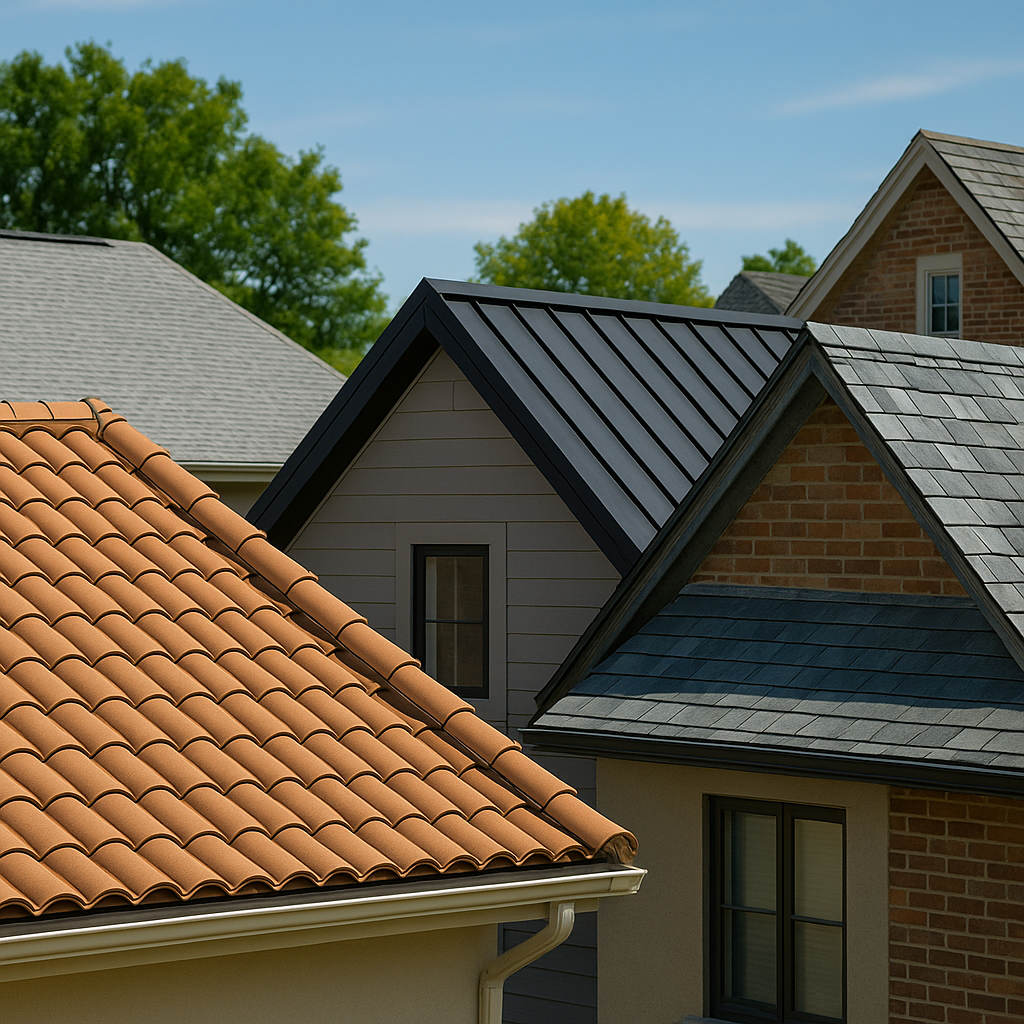
Metal Vs. Shingle Performance In Utah Mountains
This is the big question for Park City and high-elevation homeowners.
Both materials can work, but they perform differently under mountain conditions. Here’s a clear breakdown.
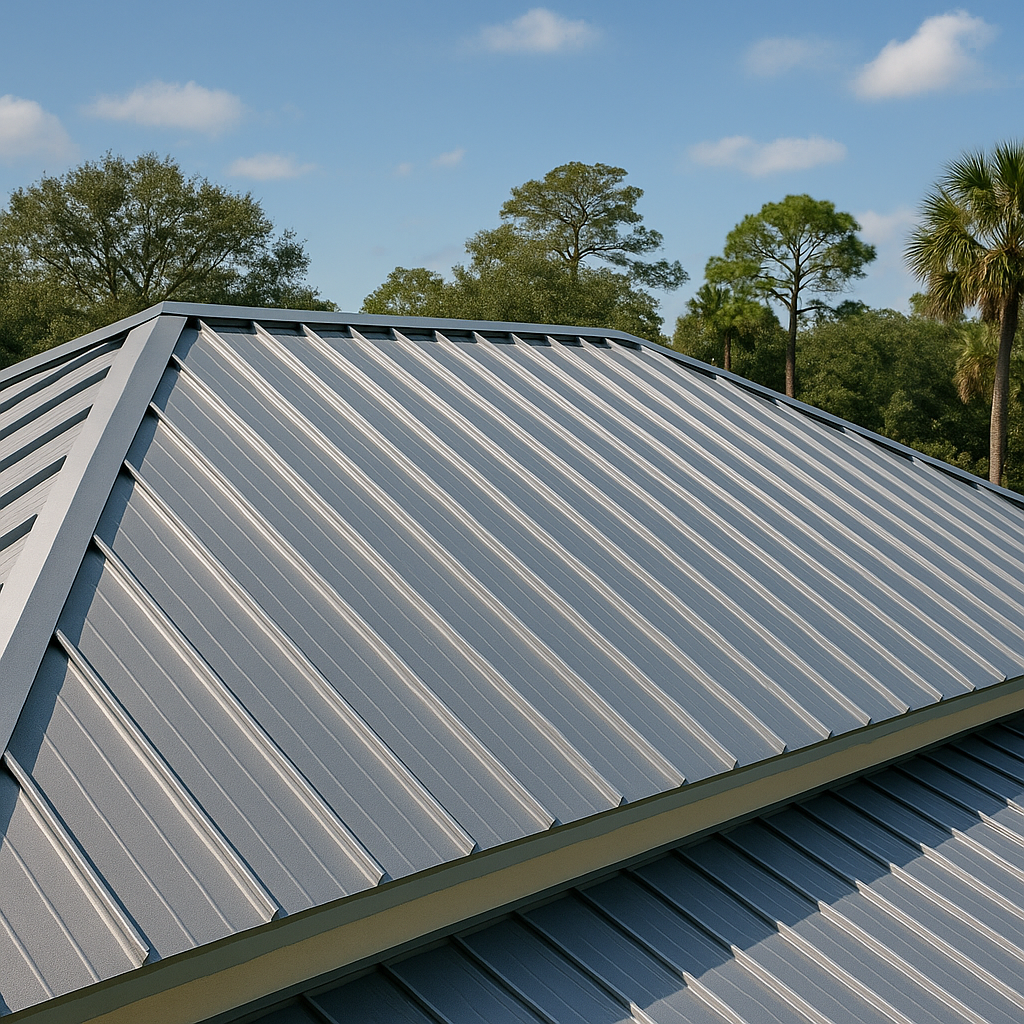
Standing Seam Metal Roofing In Mountain Homes
Standing seam metal is one of the best long-term choices for Utah mountain environments.
Why Metal Excels At Elevation
- Superior Snow Shedding
Metal panels reduce friction, so snow slides off more readily—especially on steeper pitches. - Better Freeze-Thaw Resistance
Metal doesn’t rely on adhesive seal strips the way shingles do. It’s less vulnerable to cold-weather brittleness. - High Wind Performance
Properly fastened standing seam systems are highly resistant to uplift. - Longer Lifespan In Harsh Climate
Metal can last decades longer than typical shingle systems, especially with high UV and temperature swings. - Lower Maintenance Over Time
Fewer blown-off pieces, fewer granule-related issues, fewer mid-winter repairs.
Metal Considerations In Utah Mountains
Metal is not “install-and-forget.” It still requires:
- correct clip spacing for wind zones
- proper underlayment for condensation control
- snow retention management in high-traffic areas
- skilled flashing at penetrations
A poorly installed metal roof can still fail. But a properly installed one is a mountain powerhouse.
Asphalt Shingles In Mountain Homes
Architectural asphalt shingles can be a good value option for some elevation homes—but you need the right grade and the right installation.
Why Shingles Can Work
- cost-effective upfront
- strong aesthetic fit for many mountain styles
- improved high-wind and impact ratings in modern products
Where Shingles Struggle At Elevation
- Seal Strips Age Faster In UV
The adhesive that locks shingles together dries out sooner with stronger UV. - Snowpack Stress Over Time
Deep snow sitting on shingles for weeks can wear the surface faster. - Freeze-Thaw Vulnerability
Shingles can become brittle in extreme cold, increasing cracking risk. - Wind “Unzipping” Risk
If seal strips weaken, wind can lift tabs and start a chain reaction.
If You Choose Shingles In The Mountains
You want:
- high wind rating
- impact resistance for hail
- cold-weather flexibility
- enhanced underlayment
- reinforced edges and ridges
- strict manufacturer nailing patterns
The product choice and installer skill make or break shingle success at elevation.
Comparing Metal And Shingles For Park City Homes
Here’s a homeowner-friendly view.
Metal Roofing Is Best For:
- long-term ownership plans
- rooflines designed to shed snow
- homes on ridges or open exposures
- homeowners prioritizing durability
- reduced winter maintenance
- energy efficiency and solar readiness
Shingles Are Best For:
- tighter budgets upfront
- simpler rooflines
- sheltered sites with less wind exposure
- homeowners who plan to sell sooner
- certain HOA style requirements
Neither option is “wrong.” The wrong choice is selecting based on valley assumptions instead of your mountain reality.
The Underlayment Factor: Mountains Need Stronger Backup
In Utah mountain areas, underlayment isn’t a basic accessory. It’s survival gear.
Why Underlayment Matters More At Elevation
- snow can sit and melt slowly
- ice dams can force water upward
- wind-driven snow can work under edges
- freeze-thaw can open micro pathways
- UV can stress the surface layer faster, exposing underlayment
What Mountain Underlayment Should Do
- resist tearing in wind
- remain flexible in cold
- seal nails effectively
- block water from backing up at eaves and valleys
- maintain integrity after extended moisture contact
For many Park City roofs, upgraded ice-and-water barrier zones are non-negotiable.
Ventilation: A Bigger Deal For Mountain Roofs
Ventilation is a performance multiplier. It:
- reduces attic heat
- prevents uneven snow melt
- cuts ice dam risk
- extends material life
- reduces moisture and mold
Mountain Ventilation Needs
Mountain homes often have:
- cathedral ceilings
- complex attic layouts
- vaulted great rooms
- multiple roof planes
That makes ventilation design more challenging and more important.
A valley home might survive with “okay” ventilation. A Park City home often won’t.
Snow Retention And Safety For Metal Roofs
Metal roofs shed snow so well that it can create a specific hazard: snow slides.
In mountain towns, this can be dangerous for:
- entryways
- walkways
- decks and patios
- parked vehicles
- landscaping
When You Need Snow Guards
Snow guards or retention systems are common on metal roofs in Utah elevations. They help:
- release snow in smaller chunks
- keep sliding snow from damaging gutters
- improve safety around living spaces
A well-designed retention layout preserves metal’s performance without adding risk.
Gutters And Drainage In Mountain Homes
Gutters in valley homes mostly deal with rain and occasional snow melt. Mountain gutters deal with:
- sustained meltwater flows
- ice buildup
- sliding snow impact
- freeze expansion
Mountain Drainage Priorities
- reinforced gutter fastening
- ice-resistant layouts
- correct downspout positioning away from snow drift zones
- protection for eaves and fascia
Drainage failures are a major source of icy walkways and eave rot in high country homes.
Chimneys, Skylights, And Penetrations Need Extra Attention
Penetrations are always roof weak points. In mountain homes, they’re critical because:
- snow loads press against flashing
- freeze-thaw pries edges
- ice dams push water uphill
- wind can drive snow into gaps
If you’ve ever had a leak “around the chimney,” odds are the flashing system wasn’t built for mountain stress.
At Reimagine Roofing, we treat penetrations as engineered details, not rushed cut-ins.
Hail And Impact Ratings Still Matter In The Mountains
Yes, snow and wind dominate the conversation—but hail is a recurring threat across Utah, including higher elevations.
Mountain roofs benefit from:
- impact-rated shingles if you choose asphalt
- thicker metal gauge where hail is common
- sturdy flashing that doesn’t dent or open easily
A roof that survives winter but fails in a summer hail burst isn’t a complete system.
Energy Efficiency And Comfort In High-Elevation Homes
Mountain roofs play a big role in indoor comfort. That’s because high elevation creates:
- colder winters
- strong sun that can still overheat attics
- dramatic day-night temperature swings
A good roof system plus ventilation helps keep:
- heat inside during winter
- attic temps reasonable during sunny afternoons
- HVAC systems from overworking
Metal roofs, especially, can pair well with modern insulation and radiant barriers for efficient performance year-round.
What Most Valley Roofers Miss When Working In Park City
Here are some common mistakes made by contractors who don’t specialize in elevation roofing:
- using standard valley underlayment packages
- not increasing ice-barrier zones
- installing ridge vents without balancing intake
- under-fastening perimeter metal
- using non-mountain flashing systems
- ignoring snow-shed and retention planning
- assuming the same roof lifespan as the valley
- not accounting for stronger UV aging
These aren’t small issues. They’re the difference between a roof that lasts and a roof that becomes a seasonal headache.
Signs Your Mountain Roof Needs Attention
You don’t need to wait for a leak. Watch for:
- recurring icicles along eaves (possible ice dams)
- uneven snow melt patterns
- wind noise near ridges or vents
- lifted or cracked shingles after cold snaps
- metal panel “oil canning” from poor installation
- granules in gutters (shingle wear)
- water stains in spring after heavy snow years
- rust spots on metal fasteners or trim
If you see any of these, a professional high-elevation inspection can save you a lot of money later.
How Reimagine Roofing Builds For Utah’s High Country
We don’t treat mountain homes like valley homes with prettier views. Our elevation roofing approach includes:
High-Elevation Site Assessment
- roof pitch and geometry review
- exposure and wind pattern analysis
- snow retention planning
- sunlight and UV stress consideration
- insulation and ventilation interaction check
Material Matching To Microclimate
We recommend the best system for:
- your exact elevation band
- your roofline and architecture
- your wind and snow exposure
- your budget and long-term goals
Mountain-Grade Installation Standards
- upgraded underlayment and ice barriers
- reinforced edges and ridges
- precision flashing at every penetration
- ventilation balanced for snow control
- clean, careful work around log, stone, and custom finishes
- workmanship warranties that match the conditions
Your roof is not just a surface. It’s a protective system built for a specific climate. We build it that way.
Planning A Replacement: The Best Time For Mountain Roofing
Timing matters more in high elevations because:
- access gets harder in deep winter
- snow can delay emergency repairs
- freeze-thaw makes installs riskier in cold months
If you’re considering replacement, aim for late spring through early fall when conditions are stable. Waiting too long can mean:
- emergency winter pricing
- interior damage before the first repair window opens
- compromised insulation from leaks
- ice dam issues stacking year to year
A proactive replacement is always cheaper than a reactive one.
Get A Roof Built For Where You Actually Live
If you own a mountain home in Park City or anywhere high in the Wasatch, your roof needs to be engineered for your climate—not a valley average. Heavy snow loads, constant wind exposure, intense UV, and freeze-thaw stress all demand a smarter roofing system.
Whether you’re choosing between standing seam metal and high-performance shingles, upgrading underlayment, or fixing repeat ice dam issues, the right approach starts with a real mountain-grade inspection.
Reimagine Roofing offers fast quotes for Utah homeowners.
We’ll evaluate your roof’s snow and wind preparedness, ventilation, underlayment, and material health—then give you a clear, pressure-free plan to protect your home for the long haul.
Book your free Utah mountain home roof inspection with Reimagine Roofing today.
Because your roof should be as tough as the place you live.
Frequently Asked Questions About Utah Mountain Roofing
Do I Need Metal Roofing In Park City?
Not always, but metal is often the best long-term performer. Shingles can work if they’re high-wind, high-impact rated and installed with mountain-specific underlayment and ventilation.
How Long Does A Roof Last At Elevation?
Shorter than in the valley unless the system is engineered for UV and snowpack. Metal often lasts significantly longer than shingles in these conditions.
What’s The Biggest Cause Of Mountain Roof Leaks?
Ice dams and flashing failures at penetrations are the top culprits, followed by wind-driven snow intrusion at edges.
Can I Add Snow Guards Later?
Yes, but it’s best to plan them during installation for correct placement and panel compatibility.
Popular Posts