What is Hurricane-Ready Roofing For Coastal Texas?
What is Hurricane-Ready Roofing For Coastal Texas?
Hurricane-Ready Roofing For Coastal Texas
Living on the Texas coast is a little like living next to a sleeping giant. Most days, the Gulf is a calm blue neighbor. But when hurricane season wakes up at the beginning of summer, your roof becomes the front line between your home and wind that can peel a house open like a sardine can. If you’re in Corpus Christi, Galveston, Port Aransas, Freeport, Rockport, South Padre, or any of the other coastal communities, “just good enough” roofing doesn’t cut it. You need a roof that’s designed, tested, and installed to survive serious wind uplift—and to keep you eligible for windstorm insurance in TWIA-designated areas.
At Reimagine Roofing, we install roofs for real Gulf Coast conditions, not brochure weather. This guide breaks down what hurricane-ready roofing means in Coastal Texas, how wind ratings actually work, and what you can do right now to protect your home and your insurance eligibility.
Hurricane Reality On The Texas Coast
Texas sees some of the highest hurricane-wind risks in the U.S. Along the Gulf, a single storm can push sustained winds well over 100 mph, with higher gusts and pressure shifts that create powerful uplift on roofs. The real danger isn’t only the wind you feel—it’s the vacuum effect that tries to lift your roofing system from the deck, starting at edges and corners. The official hurricane season in Texas runs from June 1 to November 30, as recognized by NOAA.
That’s why coastal Texas has special windstorm construction and inspection requirements tied to insurance. If your property sits in a designated catastrophe area, you’re likely subject to the Texas Department of Insurance (TDI) Windstorm Inspection Program. This program exists to ensure roof systems meet wind-uplift demands in those zones.
And because the Texas Windstorm Insurance Association (TWIA) provides windstorm and hail insurance in specific coastal territories—when private carriers won’t—your roof’s compliance and certification can be the difference between coverage and denial. Homeowners should prepare their roofs for hurricane season by scheduling inspections and implementing preventive measures to minimize potential storm damage.
Hurricane-Grade Codes And TWIA Windstorm Zones
Here’s the key thing about Coastal Texas: your roofing standards depend on where you are.
Windstorm Zones And “Catastrophe Areas”
TWIA coverage applies only in catastrophe areas designated by TDI. These areas include first-tier and second-tier coastal counties, and the boundaries matter for code requirements and inspection needs.
If your home is in one of these zones, roofing work—especially new roofs or full replacements—typically needs to follow the TDI windstorm program and may require inspections to qualify for a Windstorm Certificate of Compliance (often referred to with forms like WPI-8).
Updated Coastal Codes
Since September 1, 2020, TDI requires windstorm compliance under the 2018 International Residential Code (IRC) or 2018 International Building Code (IBC).
Those codes tie wind uplift design to ASCE 7 wind-speed maps and pressure calculations. In other words: coastal Texas roofs aren’t designed off guesswork or a one-size wind number anymore—they’re based on site-specific wind speeds and building characteristics.
What that means for you: two houses just a few miles apart may need different fastening patterns, underlayment types, or rated shingle assemblies depending on their exact wind speed and exposure category.
Hurricane “Wind Rated” Actually Means Something Specific
You’ll hear roofers say “wind rated” like it’s a vibe. In coastal Texas, it’s a measurable standard.
A wind-rated roofing system is one that’s been tested and approved to resist the uplift pressures calculated for your exact location. Those pressures are derived from ASCE 7 and adopted into IBC/IRC rules.
Two Parts Of Wind Rating
- Material Rating (The Product Can Handle Wind)Shingles, metal panels, tiles, adhesives, and membranes are tested to confirm how they perform in high winds. Coastal Texas typically requires products rated for severe wind zones.
- System Rating (The Whole Roof Stays Put)Even the best shingle can fail if it’s nailed wrong or paired with the wrong underlayment. The roof assembly—deck, fasteners, underlayment, starter strips, field shingles, hip/ridge caps, vents, and flashing—must resist uplift pressure as a system. In addition, incorporating extra components or methods, such as enhanced adhesives or specialized fasteners, can further improve storm resilience and help ensure your roof remains hurricane ready.
Translation: “Wind rated” isn’t just about buying the right shingle. It’s about installing the full assembly to meet or exceed the required uplift pressure.
Hurricane Wind Uplift 101: Why Roofs Fail
A hurricane doesn’t just push sideways. It flows over the roof like air over an airplane wing, creating negative pressure above and positive pressure inside the home. That pressure difference tries to lift the roof off.
Common triggers for roof failure during hurricanes include:
- Poor installation or inadequate fasteners
- Old or damaged shingles
- Weak roof decking
- Improper flashing
- Visible wear, such as worn materials or signs of deterioration, which can compromise hurricane resistance
The Three Highest-Risk Roof Areas
- Corners: highest uplift forces
- Perimeters/edges: next-highest forces
- Field (center): lower uplift, but still critical
Manufacturers’ enhanced fastening zones and coastal code details exist because the edges and corners get hit harder.
Common Failure Triggers
- Not enough nails or nails placed wrong
- Cheap underlayment that tears or slides
- Missing or weak starter strip adhesion
- Poor decking attachment to rafters/trusses
- Inadequate edge metal or drip edge fastening
- Old roofs with worn seal strips
- Quick patch repairs that void wind compliance
Proper care during installation and maintenance is essential to avoid these issues and ensure your hurricane ready roofing performs as intended.
When one section lifts, wind rushes underneath and the failure cascades fast. That’s why hurricane-ready roofing is about preventing the first inch of lift.
Hurricane-Ready Roofing Materials That Work In Coastal Texas
Let’s talk about what performs best under Gulf Coast wind and rain.
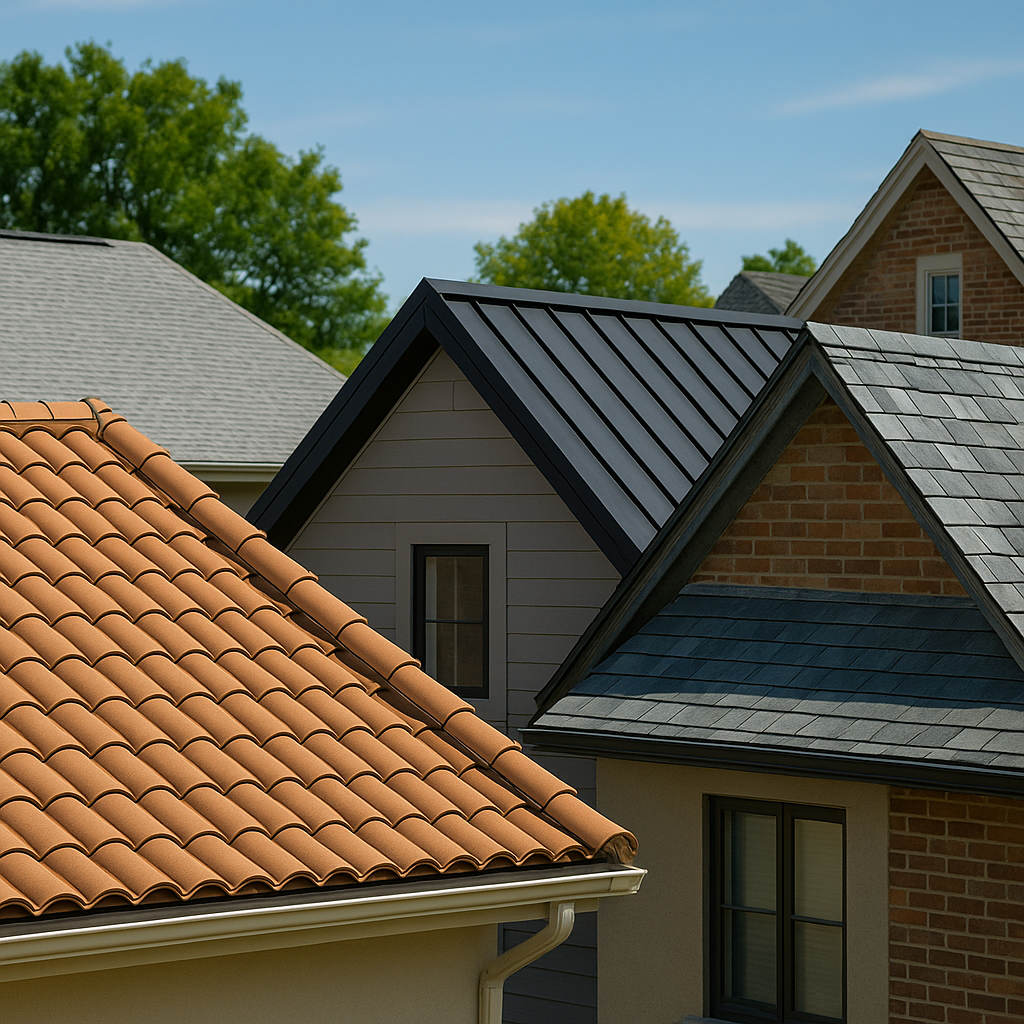
Asphalt Shingles (High-Wind Rated)
Modern architectural shingles can be excellent when they carry high wind classifications and are installed to spec. In coastal Texas, the difference is all in:
- manufacturer wind rating
- correct nail count and nail placement
- sealed starter and ridge systems
- proper underlayment and ventilation
This can be a cost-effective hurricane-ready option for many homeowners—if done right.
Metal Roofing (Standing Seam Or Exposed Fastener)
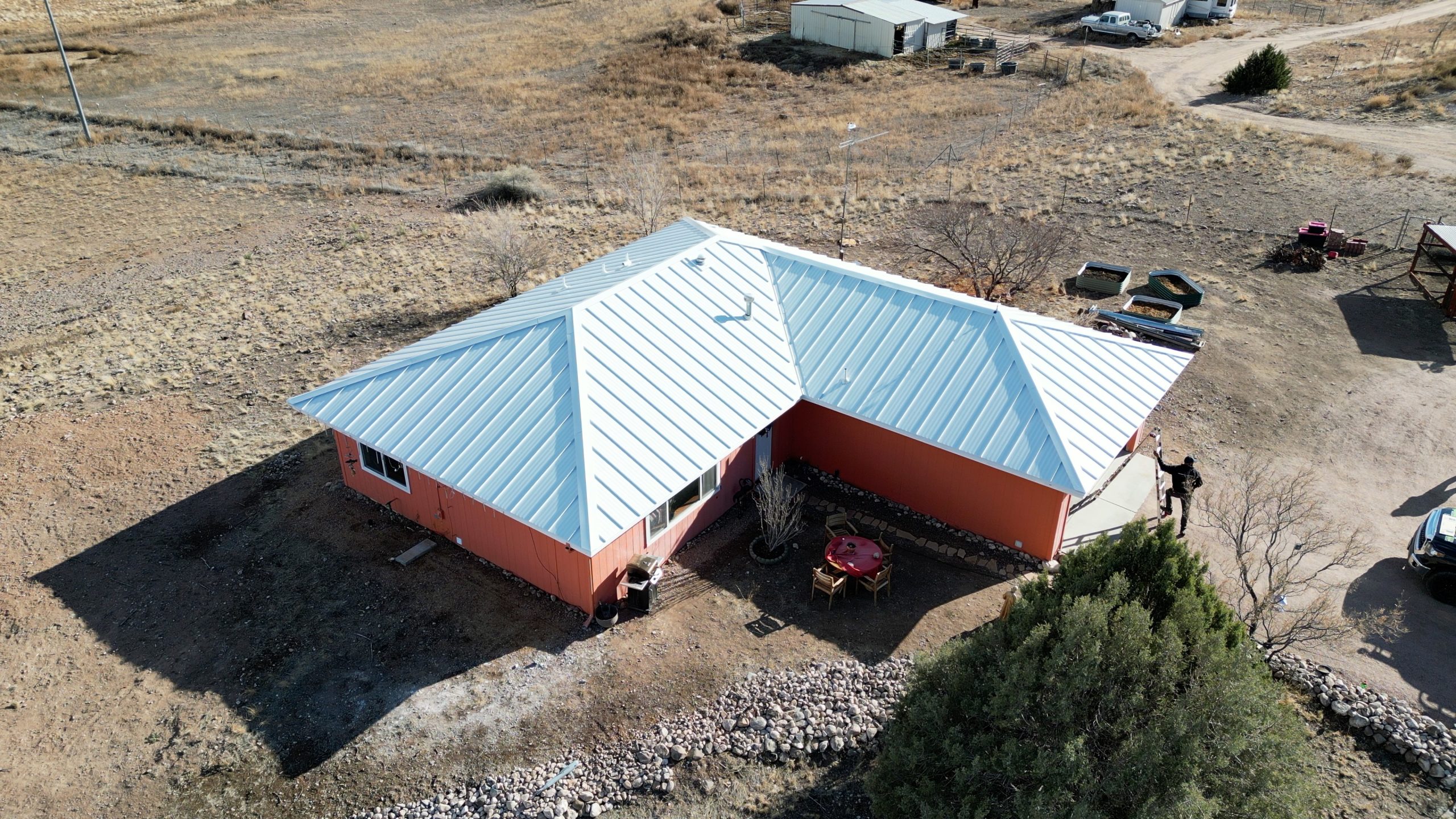
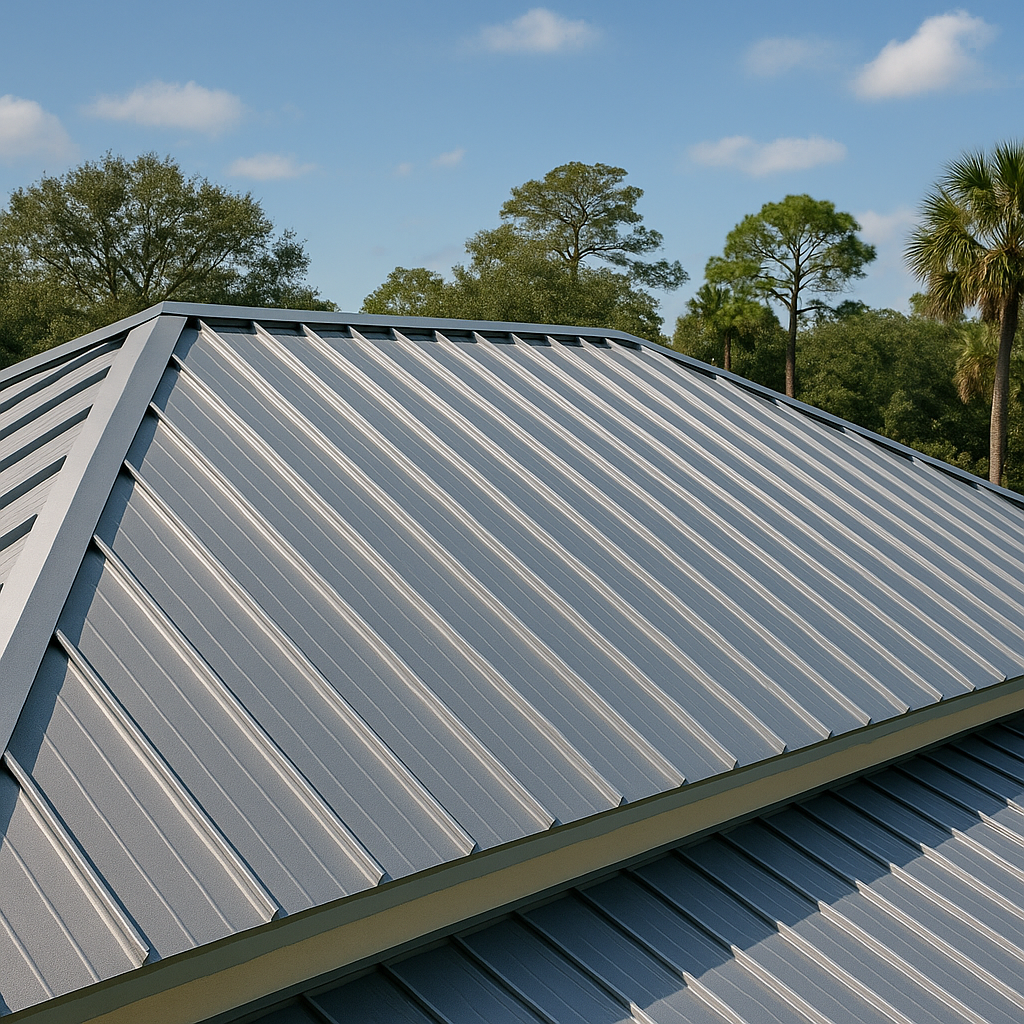
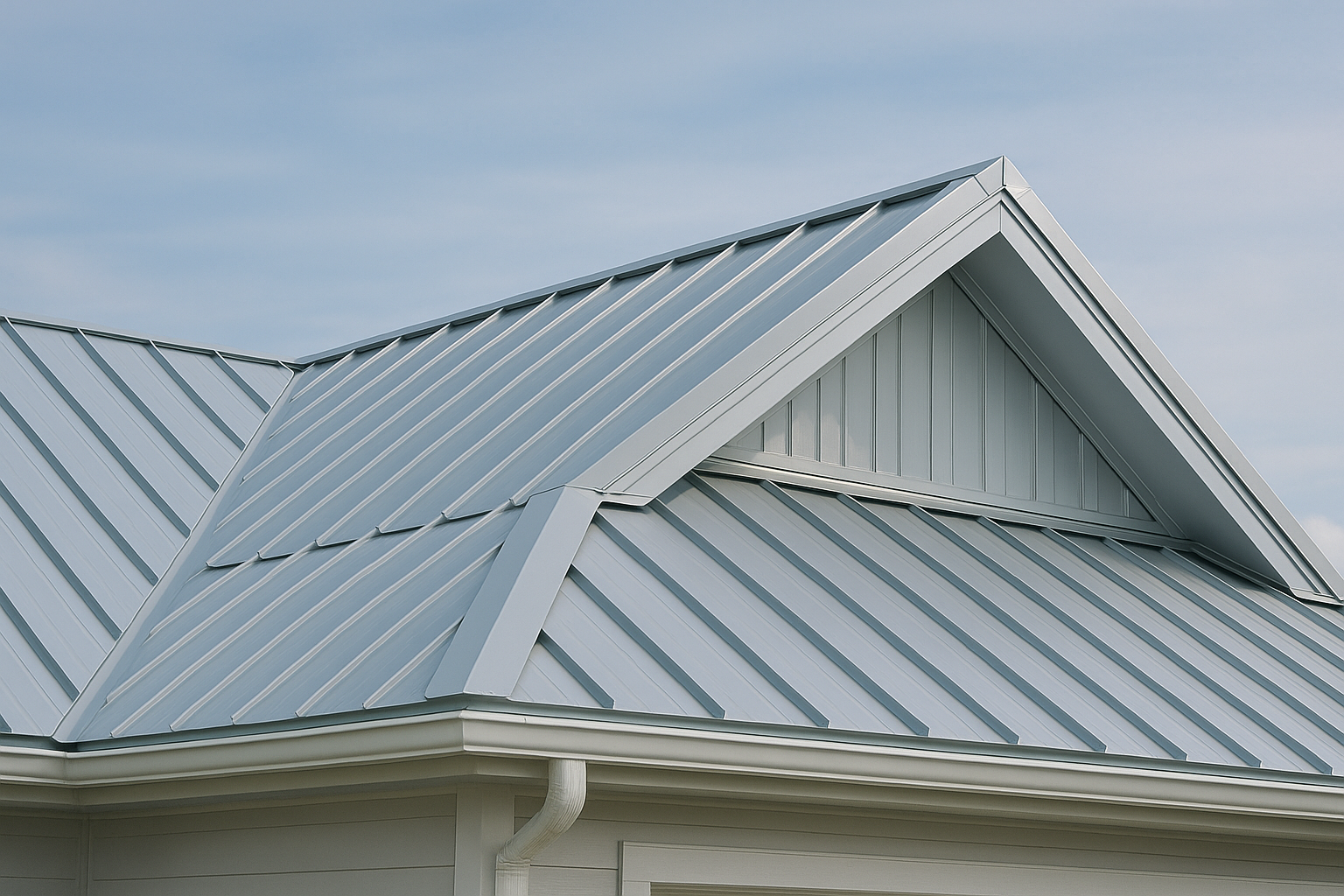
Metal roofs are naturally resistant to uplift when engineered for the zone. Standing seam systems, in particular, reduce exposed fasteners and perform well in high winds. They also shed water fast during torrential storms.
Metal is a strong choice for coastal Texas homeowners who want:</p>
- long lifespan
- high wind performance
- low maintenance
- strong resale appeal
Tile Or Slate (Only With Proper Engineering)
Tile can handle wind, but only if:
- tiles are wind-rated for your speed zone
- fastening or foam-set systems match uplift needs
- perimeter and ridge detailing is hurricane-specific
Tile failures most often come from incorrect fastening at edges.
Flat Or Low-Slope Systems (Modified Bitumen, TPO, PVC)
Coastal commercial roofs or modern coastal homes often use low-slope membranes. These must be uplift-rated for your ASCE 7 pressures and installed with the required attachment method (mechanically attached, fully adhered, or ballasted where allowed).
Hurricane-Grade Installation Details That Matter Most
A hurricane-ready roof isn’t a product. It’s craftsmanship plus compliance. To ensure long-term roof performance, it is essential to continue following best practices and compliance measures throughout the life of the roof.
Deck Attachment And Condition
Your shingles or panels are only as secure as the deck beneath them.
- We check for rot, delamination, and soft spots.
- We upgrade decking where needed.
- We confirm deck fastening meets uplift demands.
Underlayment That “Holds The Line”
In hurricanes, shingles may be damaged. Underlayment is the last barrier against water intrusion.
- We use synthetic or high-performance peel-and-stick systems where required.
- We seal valleys and penetrations.
- We don’t cut corners on overlaps or edge sealing.
Enhanced Fastening Patterns
Coastal Texas zones often require:
- more nails per shingle
- ring-shank nails in specific zones
- stronger cap nails for underlayment
- tighter spacing near edges and corners
These patterns aren’t optional—they’re part of wind compliance.
Starter Strips And Sealant Lines
If the starter strip fails, the first course can lift and unzip the roof.
- We use approved starter systems.
- We align them precisely.
- We reinforce adhesion at high-risk edges.
Hip And Ridge Protection
Ridge caps are a common failure point.
- We use wind-rated ridge systems.
- We follow manufacturer high-wind cap nailing patterns.
- We add ventilation that doesn’t compromise uplift resistance.
Drip Edge And Perimeter Metal
Edges catch wind like a pry bar.
- We install heavy-gauge edge metal.
- We fasten to coastal spacing requirements.
- We seal transitions so wind can’t get a foothold.
Hurricane TWIA Certification: How To Stay Eligible
If you’re in a TDI catastrophe area, you may need windstorm certification to qualify for TWIA insurance. Having accurate information about certification requirements and insurance eligibility is essential to ensure your roof meets hurricane ready roofing standards.
The Basics
- New construction, major repairs, and many reroofs require inspection under the Windstorm Inspection Program.
- After passing inspections, TDI issues a Certificate of Compliance (such as WPI-8).
- Without a compliant roof and certification, TWIA may deny or limit coverage.
What Reimagine Roofing Does For You
We don’t leave you to decode the insurance maze alone. Our coastal Texas process includes:
- confirming whether your property is in a catastrophe area
- determining your ASCE wind speed requirements
- selecting materials with matching wind ratings
- installing to TDI and manufacturer standards
- coordinating inspection-ready work and documentation
We help you find the right support and resources to navigate the hurricane ready roofing certification process.
Your roof should protect your house and your policy.
Hurricane Maintenance Checklist For Coastal Homes
Even a wind-rated roof weakens if it’s neglected. Regular maintenance not only preserves your investment but also helps protect your family by ensuring your roof remains strong and secure during hurricanes.
Twice A Year (Pre-Season And Post-Season)
- check for lifted, curled, or missing shingles
- inspect ridge caps and starter edges
- clear gutters and downspouts
- look for exposed fasteners or rust on metal
- confirm flashing is sealed and tight
- check soffits and fascia for wind damage
- verify vents are intact and not rattling loose
After Any Major Storm
Even tropical storms can loosen seals.
- photograph any visible damage
- don’t climb on the roof if it’s wet or steep
- schedule a professional inspection
It’s important to be prepared for emergency situations, such as power outages or water issues, that can occur after a major storm.
Reimagine Roofing offers free storm-readiness and post-storm inspections for homeowners in our Texas service areas. Catching small failures early prevents the big ones later.
Hurricane Upgrades That Add Real Wind Resistance
If you’re not replacing your roof yet, you can still harden it.
Secondary Water Barrier
A sealed deck (peel-and-stick system) reduces water intrusion if shingles blow off. This upgrade can be a game-changer in hurricanes.
High-Wind Roof Vents
Standard vents can be ripped out under uplift. We replace or retrofit with wind-rated systems built for the zone.
Reinforced Edge Zones
Extra fastening, adhesive strips, and better perimeter metal reduce the chance of initial lift.
Better Attic Ventilation
This sounds unrelated, but it matters: a cooler, drier attic extends shingle life and helps seal strips stay bonded longer, preserving wind performance.
Hurricane Cost Vs. Value: Why Coastal Roofs Pay Off
A hurricane-ready roof can cost more upfront than a basic replacement. But coastal Texas homeowners see returns by:
- reducing storm damage risk
- lowering long-term repair costs
- increasing insurability in TWIA territories
- protecting resale value
- improving energy performance with better assemblies
One storm avoided is worth more than a small savings today.
To fully understand the long-term benefits and value, learn more about investing in hurricane-ready roofing.
Hurricane Myths Coastal Texas Homeowners Should Ignore
“If My Shingles Are Rated For 130 Mph, I’m Good.”
That’s a product test number. Your system still must match your ASCE uplift pressure and be installed exactly to spec.
“Re-Roofing Doesn’t Need Inspection.”
In many catastrophe areas, reroofing does fall under windstorm inspection requirements if you want insurance eligibility.
“Any Roofer Can Do Coastal Work.”
High-wind roofing is specialized. One missing nail per shingle, or a cheap underlayment choice, can turn a “rated” roof into a failure.
“I’ll Just Fix It After The Storm.”
Post-storm repairs are slower, costlier, and harder to insure. Build right now, sleep better later.
Budgeting For A Hurricane-Ready Roof
When it comes to preparing your Texas home for hurricane season, budgeting for a hurricane-ready roof is a crucial first step. The cost of a new roof designed to withstand high winds and heavy rain can vary widely, depending on the size of your property, the quality of materials you choose, and the complexity of the installation. For many homeowners, options like high-wind asphalt shingles or metal roofing offer a balance between cost and long-term protection, with prices typically ranging from $8,000 to $15,000 or more.
It’s important to remember that investing in a quality roof is about more than just the initial price tag. Regular maintenance and timely repairs are essential to ensure your roof remains ready to protect your property from hurricane damage year after year. A reputable roofing contractor can help you assess your needs, recommend the best materials for your budget, and create a plan that keeps your home safe without breaking the bank.
In Texas, where the threat of hurricanes is a reality for thousands of families along the coast, spending a little more upfront on a hurricane-ready roof can save you from costly repairs and property loss down the line. Protect your investment, your home, and your peace of mind by working with a trusted roofing contractor to get your roof hurricane-ready—no matter the size or style of your property.
Insurance And Hurricane Roofing: What Texas Homeowners Need To Know
Understanding your insurance coverage is just as important as having a hurricane-ready roof. Most Texas homeowners’ insurance policies include protection for roof damage caused by hurricanes, but the details can vary significantly depending on your policy and insurance company. It’s essential to review your policy carefully so you know exactly what’s covered before a storm hits.
If your roof suffers damage during a hurricane, contact your insurance company as soon as possible to start the claims process. Quick action can make a big difference in how fast your roof is repaired or replaced. A reputable roofing contractor can be a valuable partner during this process, helping you document the damage, navigate the paperwork, and ensure that repairs meet both insurance and code requirements.
Some insurance companies even offer discounts for homeowners who invest in hurricane-ready roofs, such as those with impact-resistant asphalt shingles. By choosing the right materials and working with a knowledgeable roofing contractor, you can not only protect your home from hurricane damage but also potentially lower your insurance costs. Being proactive about your roof and your insurance means you’ll be ready—no matter what the Texas weather brings.
Eco-Friendly And Sustainable Hurricane-Ready Roofing Options
Texas homeowners, especially in vibrant cities like Austin and Dallas, are increasingly looking for ways to protect their property from hurricanes while also reducing their environmental impact. Today’s roofing industry offers a variety of eco-friendly and sustainable options that don’t compromise on strength or durability. Materials like recycled asphalt shingles, metal roofing, and even solar-integrated roofs are designed to withstand high winds and heavy rain, making them ideal for hurricane-prone regions.
Choosing sustainable roofing materials can help minimize waste, lower your home’s energy consumption, and reduce your carbon footprint—all while providing the protection your property needs. Cool roofs, for example, reflect more sunlight and absorb less heat, which can help keep your home comfortable and reduce cooling costs during the hot Texas summers.
A reputable roofing contractor can guide you through the variety of eco-friendly options available, helping you select the best fit for your home, budget, and environmental goals. By investing in a sustainable hurricane-ready roof, you’re not only safeguarding your property but also contributing to a greener, more resilient Texas for future generations.
Roofing Warranties: What’s Covered And Why It Matters
A strong warranty is your safety net when it comes to hurricane-ready roofing in Texas. When you work with a reputable roofing contractor, you should expect a comprehensive warranty that covers not just the materials—like high-quality asphalt shingles—but also the labor and workmanship involved in your new roof installation. This is especially important in a state where hurricanes and high winds are a regular threat.
A good roofing warranty will specifically address wind and hail damage, ensuring that you’re protected if your roof is put to the test during a major storm. Some manufacturers even offer extended warranties on their products, giving homeowners extra peace of mind that their investment is secure for years to come.
Before signing off on any roofing project, take the time to review the warranty details. Know what’s included, what’s excluded, and how to make a claim if you ever need to. With the right warranty in place, you can rest easy knowing your roof—and your finances—are protected from unexpected hurricane damage.
Hurricane-Ready Roofing Technology And Innovations
The roofing industry is constantly evolving, and Texas homeowners now have access to cutting-edge technology and innovations that make hurricane-ready roofs stronger and smarter than ever. One of the biggest advancements is the introduction of impact-resistant asphalt shingles, engineered to withstand the punishing winds and rain that hurricanes bring to the region. These shingles are tested for durability and can make a significant difference in protecting your property from storm damage.
Innovations don’t stop at materials. Modern roofing contractors are using drones and advanced imaging technology to inspect roofs, identify potential problems, and address issues before they turn into costly repairs. Upgrades in underlayment and flashing systems have also improved the overall resilience of roofs, helping to prevent leaks and water intrusion during severe weather events.
For homeowners interested in sustainability, options like solar roofs and green roofing systems are becoming more accessible, offering both environmental benefits and hurricane-ready performance. By staying informed about the latest roofing technology and working with a contractor who understands these advancements, you can choose solutions that not only protect your home from hurricane damage but also add value and efficiency for years to come.
Hurricane-Ready Roofing With Reimagine Roofing
At Reimagine Roofing, we build roofs for real Texas wind—not averages, not marketing phrases. Our reputation for quality and reliability in hurricane-ready roofing sets us apart, giving homeowners peace of mind when storms hit. We design and install each coastal roof to meet:
- your local wind uplift requirements
- the current TDI-adopted codes
- manufacturer high-wind installation standards
- TWIA windstorm eligibility needs, when applicable
What You Get With Us
- Free roof inspection and wind-readiness assessment
- Clear, fast quote with hurricane-grade options
- Wind-rated materials matched to your zone
- Expert installation that protects your insurance eligibility
- Clean, respectful crews and strong warranties
You don’t need to become a code expert. You just need the right partner.
Hurricane Next Steps: Protect Your Home Before The Gulf Tests It
If your roof is older, patched up, or built before modern coastal wind codes, now is the time to act. Hurricane-ready roofing isn’t about fear—it’s about preparation. Texans know the importance of standing strong together and taking proactive steps to protect their homes during hurricane season.
Let Reimagine Roofing inspect your roof, confirm your windstorm zone requirements, and give you a plan that fits your home and budget. Whether you need a full replacement, a certification-ready reroof, or targeted upgrades, we’ll help you build a roof that holds when the wind tries to take it.
Book your free coastal Texas roof inspection with Reimagine Roofing today.
We’ll make sure your roof is wind-rated, code-aligned, and ready for whatever hurricane season brings.
Popular Posts