Ice Dams In Pennsylvania: Causes And Winter Leak Fixes
Ice Dams In Pennsylvania: Causes And Winter Leak Fixes
Ice Dams In Pennsylvania: Why They Form And How To Stop Winter Leaks
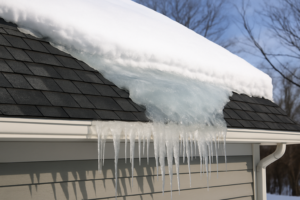
Pennsylvania winters are a whole personality. One day you’re brushing off a light dusting of snow; two days later you’re staring at a roofline covered in icicles like your house is auditioning for a holiday postcard. It looks charming—until you notice a faint brown ring on the ceiling, peeling paint near an exterior wall, or a drip that only happens when the sun comes out. For example, a typical Pennsylvania home might experience water stains on the upstairs bedroom ceiling and warped window trim after a week of freeze-thaw cycles caused by ice dams.
That’s the classic signature of an ice dam. And right now, PA is entering peak ice-dam season—those cold nights paired with mild, sunny days that make snow melt and refreeze on repeat. For many homeowners, this is when winter roof leaks in Pennsylvania show up out of nowhere. The cause isn’t always obvious, and the damage can grow quickly if you don’t address it.
This guide breaks down exactly how ice dams form, why they’re so common in Pennsylvania, how to spot them early, and what steps stop them before they turn into costly repairs. We’ll keep it real, practical, and focused on what actually works for PA homes—from Philly rowhouses to Pittsburgh colonials to mountain cabins in the Poconos.
If you remember just one thing from this blog, make it this: Ice dams are not “just ice.” They’re a symptom of heat and airflow problems inside your home that show up on your roof. Fix the system, and you stop the leaks.
What Is An Ice Dam?
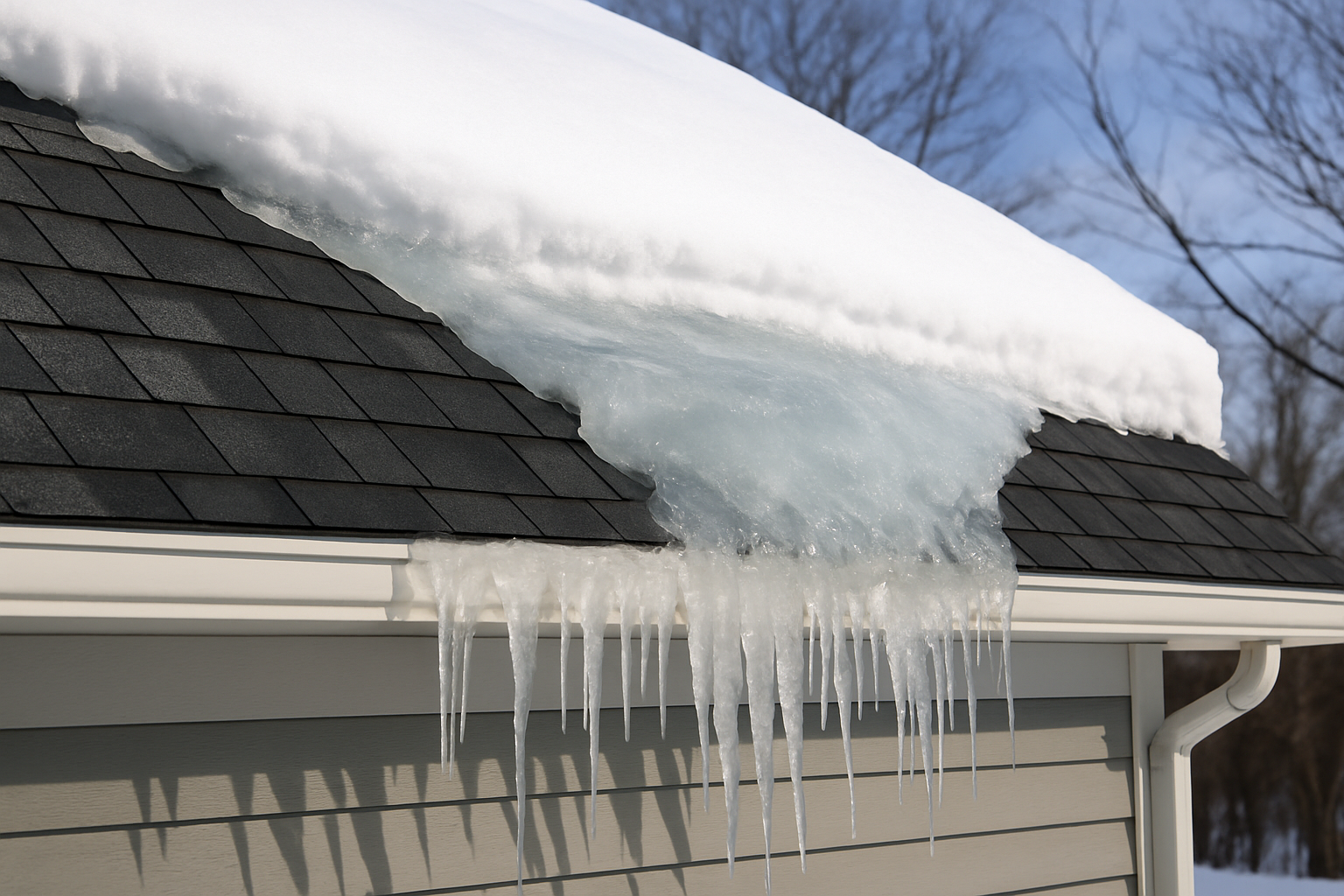
An ice dam is a ridge of ice that forms along the lower edge of your roof, typically at the eaves. It blocks melting snow from draining off the roof. As the flow of meltwater moves down the roof, it is blocked by the ice dam, causing water to back up under your shingles and find its way into your attic and ceilings.
The term “dam” is perfect because that’s exactly what it does: it traps water where it doesn’t belong.
Ice dams often form in cycles. They don’t just appear once. They grow over time with each melt-freeze event until the dam is thick enough to cause water backup. The lower portion of the roof, which is colder, is where freezing and dam formation typically occur. By the time you notice the leak inside, the dam outside has usually been building for days or weeks.
Why Ice Dams Are So Common In Pennsylvania
PA is basically designed to create ice dams. The weather patterns, housing stock, and seasonal swings all set the stage. Different regions of Pennsylvania experience varying levels of ice dam risk due to differences in climate and housing stock.
Frequent Temperature Flips
Ice dams need temperatures that hover around freezing: cold enough to refreeze water at the eaves, but warm enough to melt snow on the upper roof. Pennsylvania winters deliver this constantly—especially in December through February. You’ll see days in the 30s and nights in the teens, over and over.
Snow Plus Sun
PA gets snow, but it also gets bright winter sun. Even when the air feels cold, sunlight warms your roof surface enough to melt snow. That meltwater runs down to colder edges, refreezes, and builds the dam.
Older Homes With Mixed Insulation
Many Pennsylvania homes—especially in historic neighborhoods or older suburbs—have uneven insulation and ventilation. You might have a well-insulated addition next to a poorly insulated attic. That uneven heat loss is a top driver of ice dam formation.
Common Roof Styles
PA homes often have roof designs that collect snow: valleys, dormers, long low slopes, and complex ridgelines. These features slow drainage and create cold zones where ice likes to grow.
Gutter Systems That Trap Ice
Gutters in PA take a beating. Leaves, pine needles, and shingle granules clog them. When winter hits, clogged gutters freeze into solid ice troughs—turning your roof edge into an ice dam factory.
How Ice Dams Form Step By Step
Ice dams aren’t random. They follow a predictable chain reaction.
Step 1: Heat Escapes Into The Attic
Warm air from your living space rises. If your attic insulation is thin, damaged, or uneven, heat escapes upward and warms the underside of your roof deck.
Step 2: Snow Melts On The Upper Roof
The warmed roof surface melts snow higher up. This melt can happen even if outdoor temps are below freezing, because the roof surface is warmer than the air.
Step 3: Meltwater Flows Downward
Water runs down the roof like it’s supposed to—until it reaches the colder roof edge.
Step 4: Water Refreezes At The Eaves
The eaves hang past your exterior wall. They don’t get warmed by attic heat the way the upper roof does. That makes them colder. When meltwater hits this zone, it refreezes.
Step 5: The Ice Ridge Grows
Each melt-freeze cycle adds another layer of ice. As more meltwater is trapped, the growth of the ice dam can accelerate, causing the ridge to increase in size more rapidly. Over time, a thick ridge forms.
Step 6: Water Backs Up
Once the ridge is tall enough, meltwater can’t drain off the roof. It pools behind the dam.
Step 7: Water Slips Under Shingles
Shingles shed water downward—not upward. So backed-up water creeps under shingle edges, soaking the underlayment, roof deck, and insulation. Then it drips into your home.
This is why homeowners often say, “It only leaks when the snow is melting.” Exactly. The melting is what activates the dam.
The Hidden Damage Ice Dams Can Cause
Ice dams aren’t just a leak risk. They can damage your entire roof system and even your home’s structure.
Roof Deck Rot
When water backs up under shingles, it can soak the wood deck. Over time, repeated wetting leads to rot, soft spots, and sagging sections.
Insulation Saturation
Wet insulation loses its R-value fast. Even after it dries, it often clumps and performs poorly, making future ice dams more likely.
Mold And Mildew
A damp attic is a mold playground. Mold loves dark, insulated spaces with intermittent moisture—exactly what ice dams create.
Interior Ceiling Damage
Water stains are the mild version. In more severe cases, drywall can bubble, peel, or collapse.
Gutter Failure
Heavy ice loads can bend, crack, or pull gutters away from the fascia board. This opens up new water entry points in spring.
Shingle Damage
Ice can lift shingle edges and break their seals. That creates vulnerability long after winter ends.
Ice dams are one of those problems that can quietly turn into a bigger, pricier issue if ignored.
Signs You Have Ice Dams On Your Roof
Some ice dams are obvious. Others are subtle. Here’s what to watch for.
Exterior Signs
- Thick ice along roof edges
- Icicles forming in clusters, especially over gutters
- Snow melting unevenly (bare patches high up while edges stay snowy)
- Frozen gutters that remain solid for days
- Ice collecting in roof valleys
Interior Signs
- Water stains near exterior walls
- Damp spots in attic insulation
- Musty smells upstairs
- Peeling paint near ceiling edges
- Drips that happen during daytime thawing
If you see any of these signs, you’re likely dealing with an active ice dam cycle.
Why Attic Heat Loss Is The Main Driver
Most homeowners assume ice dams are caused by “too much snow.” But snow is only the fuel. The spark is heat loss.
When your attic is warm, your roof is warm. If the roof is warm, snow melts high up. Now, when snow melts high up while the eaves stay cold, ice dams form.
This is why two houses on the same street can have totally different winter roof behavior. The difference is insulation and ventilation.
Think of your attic like a refrigerator. It should stay close to outdoor temperature in winter. If it’s warm enough to melt snow, something is escaping that shouldn’t be.
The Gutter Connection: How Clogged Gutters Make Ice Dams Worse
Your gutter system can speed up ice dam formation dramatically.
Clogged Gutters Create Ice Trays
When gutters are packed with debris, meltwater can’t drain freely. Instead, it sits and refreezes, forming thick ice right at the roof edge.
Debris Holds Moisture
Leaves and pine needles act like a sponge. They hold meltwater close to your fascia and roof edge, increasing freeze time and ice buildup.
Heavy Ice Pulls Gutters Loose
When ice gets thick, it gets heavy. Gutters can bend or detach, which creates gaps for water to sneak into the roof edge.
Downspouts Freeze Faster
A partially clogged downspout freezes quicker, turning a small drainage problem into a full blockage.
In Pennsylvania, fall leaf drop plus winter freezing is a perfect storm for gutter-driven ice dams.
Roof Areas At Highest Risk In PA Homes
Not all parts of your roof are equally vulnerable to ice dams. Certain locations on the roof, such as eaves and valleys, are more prone to ice dam formation.
Eaves
This is ground zero. Eaves are cold because they extend beyond your heated home. They’re where dams form first.
Roof Valleys
Valleys collect snow, meltwater, and debris. When valleys freeze, drainage slows and water backs up in multiple directions.
Dormers And Complex Rooflines
Dormers create little cold pockets where snow piles and meltwater refreezes.
Skylights And Chimneys
These penetrations disrupt roof temperature and drainage. They can become ice dam entry points.
North-Facing Roof Sections
They receive less sun, stay colder, and refreeze faster.
If your leak is happening in one of these zones, ice dams are a strong suspect.
What Not To Do: Common Ice Dam Mistakes
When ice dams show up, homeowners often rush into actions that feel logical but cause trouble.
Don’t Chip Ice Off With Sharp Tools
Scraping or chopping ice can shred shingles, puncture underlayment, or crack gutters. It may solve today’s problem and create next month’s leak.
Don’t Blast With High-Pressure Hot Water
This can force water under shingles and loosen roofing adhesives.
Don’t Spread Rock Salt Like A Sidewalk
Salt can damage shingles, corrode flashing, and ruin gutter coatings.
Don’t Ignore Small Leaks
Even a “tiny drip” can be soaking insulation and decking behind the scenes.
If you need emergency help during winter, safe, controlled solutions matter more than brute force.
Safe Temporary Fixes During An Active Ice Dam
Sometimes you need to reduce risk right away while waiting for a full fix.
Remove Extra Snow (Safely)
A roof rake with a long extension can pull snow off from the ground. Focus on lower roof portions near eaves. Never climb onto an icy roof.
Improve Attic Airflow
If your attic hatch is safe to access, confirm vents aren’t blocked by insulation or stored items. Better airflow helps cool the attic.
Create Drain Channels In The Ice
Roof professionals sometimes use special melt socks (calcium chloride) to create small drainage paths through ice dams. This is safer than chiseling.
These are short-term measures. The real solution is prevention through roof system tuning.
Long-Term Prevention: How To Stop Ice Dams Permanently
Ice dams are preventable when you fix the underlying causes. Upgrading insulation, improving ventilation, or replacing your roof can be a major investment, but it is essential for long-term protection against ice dams.
Upgrade Attic Insulation
Insulation keeps heat where it belongs: inside your living space. In PA, the attic floor often needs insulation levels high enough to resist prolonged cold spells.
Key goals:
- Even coverage (no bare spots)
- Proper depth for your home’s design
- Sealing gaps before adding insulation
Air-Seal The Attic
Even good insulation can fail if warm air leaks around it. Seal common leak points like:
- Attic hatch and pull-down stairs
- Pipe and vent chases
- Recessed lighting openings
- Chimney gaps
Air sealing is often the most cost-effective ice dam prevention step.
Improve Attic Ventilation
Ventilation removes warm air and balances attic temperature. A strong PA ventilation setup usually includes:
- Soffit vents bringing cold air in
- Ridge vents releasing warm air out
- Proper vent spacing and clear airflow paths
Ventilation also reduces moisture buildup, helping prevent mold.
Install Ice And Water Shield
Underlayment matters. Ice and water shield is a waterproof membrane installed under shingles near eaves, valleys, and penetrations. It acts like a backup barrier if water backs up.
For PA homes that have recurring ice dams, this is a smart upgrade during repairs or replacement.
Fix Roof Drainage And Flashing
If valleys, edges, or flashing are already weak, ice dams will exploit them. Professional repairmen check and reinforce these risk zones.
Clean Gutters Before Winter
Simple but huge. Clear gutters and downspouts in late fall, and confirm water runs freely.
If your home is surrounded by trees, consider gutter guards designed for snow climates.
How Roofing Material Choices Affect Ice Dam Risk
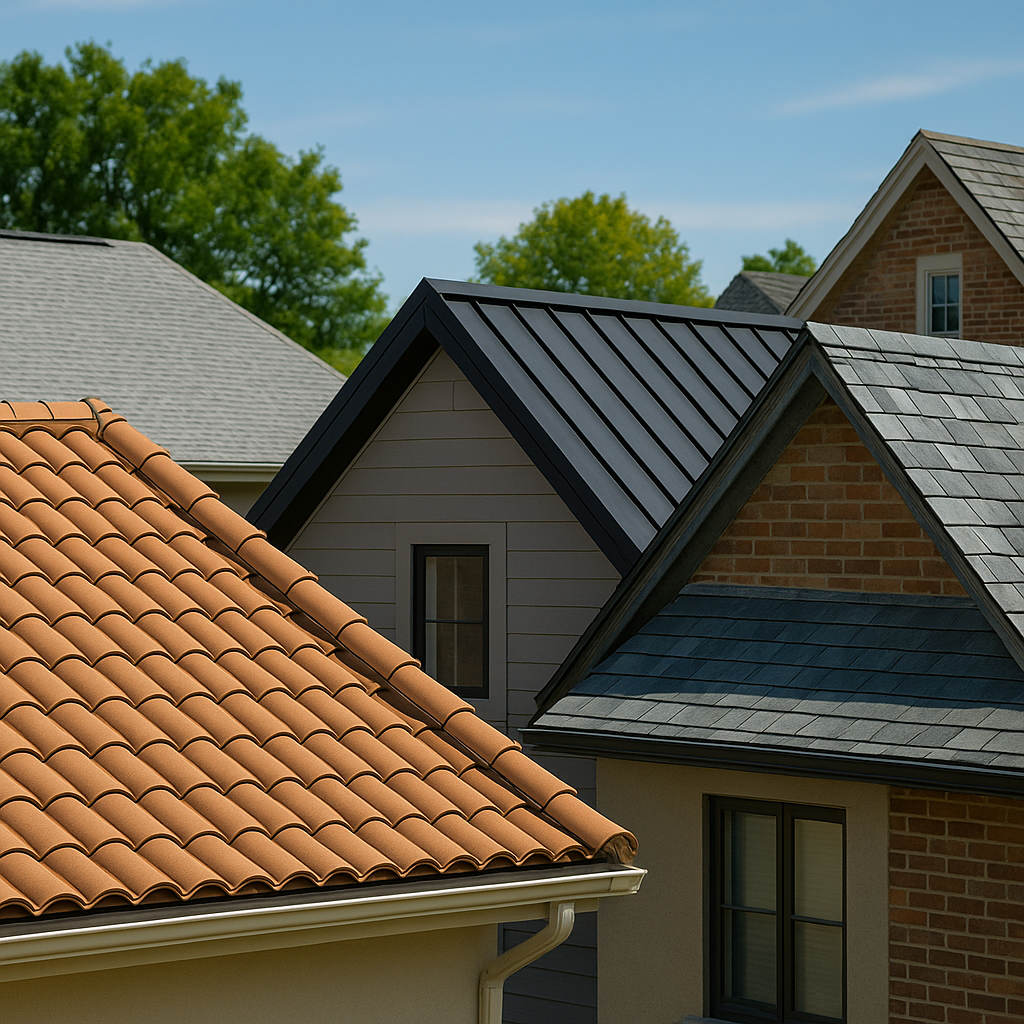
Most Pennsylvania homes use asphalt shingles, but some are shifting to metal or high-performance systems. The construction of the roofing system, including the choice of materials and underlayment, plays a significant role in ice dam prevention.
Asphalt Shingles
They perform well when installed with proper underlayment. Ice dams can still push water under them, so the system beneath is key.
Metal Roofing
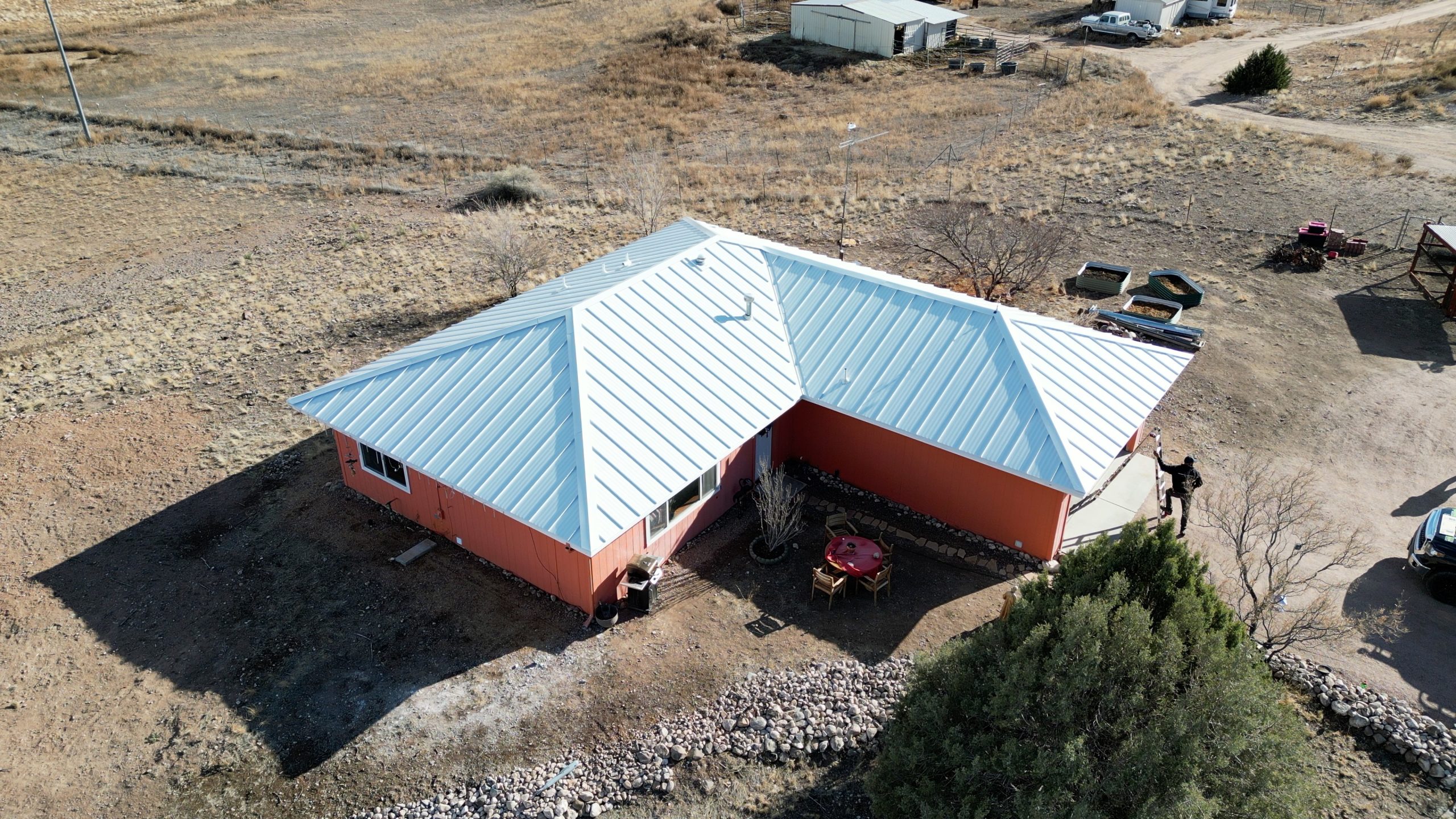
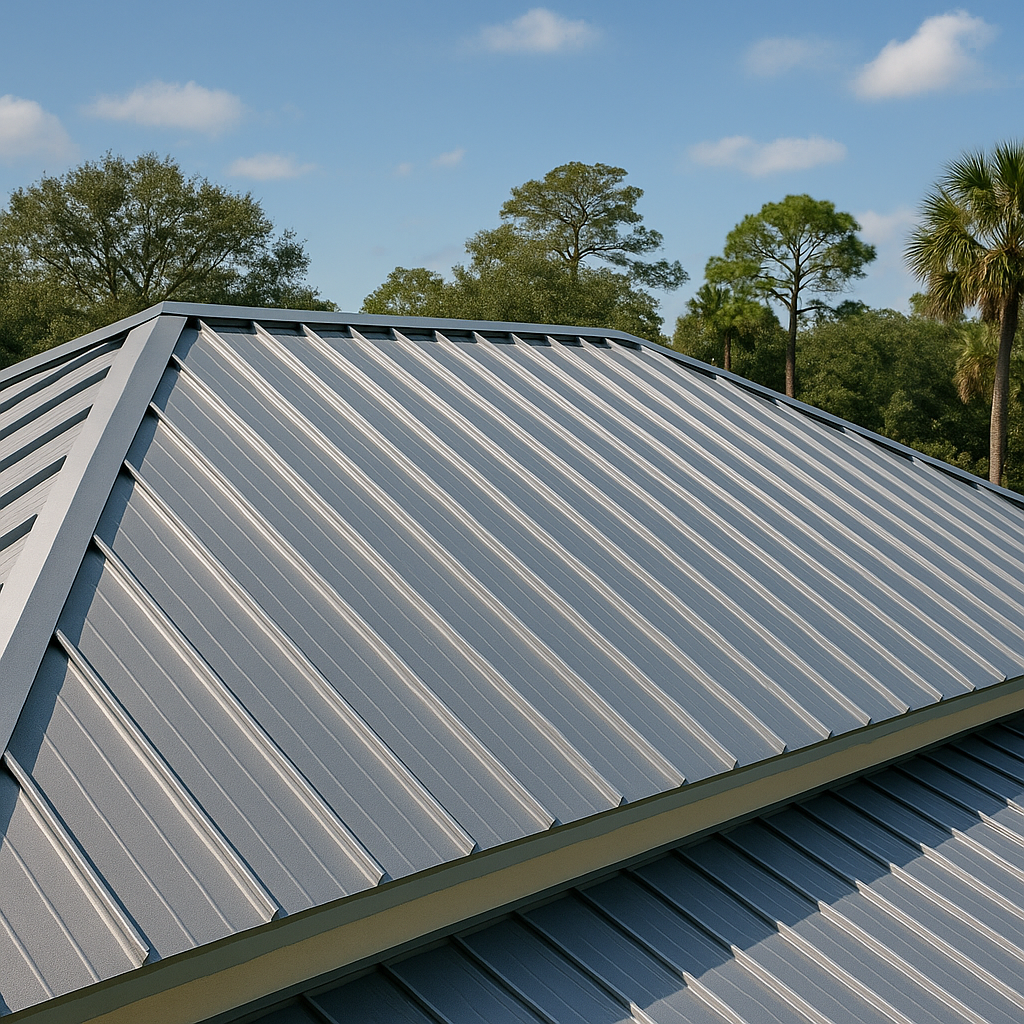
Metal sheds snow more easily, reducing meltwater buildup. It’s one of the most ice-dam-resistant roofing choices for PA’s mixed winter temps.
Slate And Synthetic Slate
Slate is durable, but ice dam risk still depends on insulation, ventilation, and underlayment. The roof system matters more than the surface.
Material helps, but attic temperature control is still the real decider.
Pennsylvania Microclimates: Ice Dam Risk By Region
PA stretches across multiple winter zones, so ice dam behavior changes depending on where you live.
Western PA (Pittsburgh, Erie, Butler)
Lake-effect snow and frequent freeze-thaw swings make ice dams common. Cloud cover can slow melting, but temperature flips drive steady buildup.
Central PA (State College, Altoona, Harrisburg)
Big day-night temp swings are a key driver. Homes in hills and valleys see uneven snowmelt patterns.
Eastern PA (Allentown, Bethlehem, Philly suburbs)
Ice dams happen during short bursts of snow plus sunny cold days. Older rowhomes and twin homes often have insulation gaps.
Northern Tier And Poconos
Heavier snow loads and prolonged cold spells increase dam thickness. Cabins and second homes are at risk because small heat leaks go unnoticed longer.
No matter the region, the prevention playbook is the same: cool attic, clear drainage, strong underlayment.
Why Ice Dams Keep Coming Back Every Year
If you’ve had ice dams before, you’re more likely to have them again unless the system changes.
Common repeat triggers:
- Insulation that settled or got wet
- Ventilation blocked by insulation or debris
- Small roof repairs that didn’t include underlayment upgrades
- Gutters clogging again each fall
- Additions or remodels that changed attic airflow
Ice dams are like a check engine light. If you only wipe the stain and move on, the engine still needs work.
When A Roof Inspection Makes The Biggest Difference
The best time to inspect for ice dam vulnerability is before winter or during early winter—not after the damage is already deep.
A winter-focused roof inspection looks for:
- Attic temperature hot spots
- Insulation gaps
- Ventilation path problems
- Eave and valley underlayment strength
- Flashing separation
- Gutter drainage failures
- Shingle lifting or cracking from ice pressure
This is where experienced local pros matter. Ice dams are regional. A Pennsylvania roof inspection should be built around Pennsylvania winter behavior.
Repair Or Replace: How Ice Dams Affect Roof Decisions
Ice dams don’t automatically mean you need a new roof. But they can push a roof closer to that line.
You might be able to repair if:
- Damage is localized
- Shingles are relatively young
- Decking is solid
- Underlayment upgrades can be added in key zones
You might need replacement if:
- Leaks occur every winter
- Decking is soft or sagging
- Shingles are brittle, curled, or missing
- You have widespread underlayment failure
- Repairs are piling up year after year
Replacing a roof requires a significant amount of money, so homeowners should consider their budget carefully.
A professional assessment keeps this decision clear and avoids overpaying. There are various payments and financing options available to help homeowners manage the cost of repairs or replacement.
The Comfort Bonus: Fixing Ice Dams Helps Your Whole Home
Stopping ice dams isn’t only about roof protection. It impacts your comfort and energy bills.
Benefits homeowners notice after fixing the system:
- More even indoor temperatures
- Lower heating costs
- Fewer drafts upstairs
- Reduced attic humidity
- Lower mold risk
- Longer roof lifespan
Effective ice dam prevention can exceed homeowners’ expectations for comfort and energy efficiency.
In other words, ice dam prevention is a home upgrade with multiple payoffs.
Helping Pennsylvania Homes Beat Ice Dams
At Reimagine Roofing, we know what PA winters do to roofs because we work in this climate every season. Ice dams are one of the most common—and most preventable—winter roof problems we see across Pennsylvania.
Our mission is to serve Pennsylvania homeowners by providing effective ice dam prevention and repair solutions tailored to their needs.
Our approach is simple: don’t just treat the ice, fix the cause.
What We Do For Ice Dam Prevention And Repair
- Full roof and attic inspections focused on ice dam risk, performed by our experienced employees
- Gutter and drainage evaluations
- Flashing and valley reinforcement
- Ice and water shield upgrades where needed
- Targeted repairs that stop repeat winter leaks, handled by skilled employees
- Honest guidance on repair vs replacement
- Fast quotes and scheduling built for winter urgency
If you’re seeing icicles, interior stains, or suspicious winter drips, now is the right time to act. Pennsylvania is in peak ice-dam season, which means small problems can grow quickly with each freeze-thaw cycle.
Resources And Next Steps
When it comes to protecting your house roof from ice dam formation and winter leaks, having the right resources and a clear plan of action makes all the difference. The first and most important step is to connect with trusted roofing contractors who understand the unique challenges of Pennsylvania winters. These professionals can evaluate your roof, identify signs of heat loss, and recommend the best roofing materials for your property—whether you need targeted repairs or a full roof replacement.
Customer satisfaction should always be a top priority. Look for contractors who are dedicated to quality service, offer the strongest warranties in the industry, and have a proven track record in your community. Choosing a contractor who uses durable, affordable materials—like those from GAF—ensures your new roof will stand up to harsh winter conditions and provide long-lasting protection for your home and family.
Preventing Ice Dam Formation
Preventing ice dam formation starts with understanding the root causes, such as inadequate attic insulation or poor ventilation. Homeowners can take proactive steps by checking their attic for warm air leaks, upgrading insulation, and making sure gutters are clear before the first snow arrives. If you notice any warning signs—like water stains on ceilings, icicles along the eaves, or uneven snow melt—don’t wait. Early action can prevent minor issues from turning into major repairs.
For more resources on ice dam prevention, roof replacement, and maintenance, reach out to local roofers who specialize in Pennsylvania’s climate. Many contractors offer free inspections and can walk you through the best options for your house, from installing new roofing materials to reinforcing existing structures. Online platforms and manufacturer websites, such as GAF, also provide valuable information on installation techniques, product durability, and financing options to make your project more affordable.
If you’re facing an active ice dam or a leaky roof, it’s crucial to act quickly. Professional contractors have the tools and experience to safely remove ice, repair damage, and restore your roof’s integrity—protecting your ceilings, attic, and the rest of your property from further harm.
Next Right Step
No matter where you live in Pennsylvania or what type of roof you have, being prepared is the best defense against winter weather. By staying informed, working with experienced contractors, and choosing high-quality materials, you can ensure your roof remains strong, secure, and leak-free for years to come.
Ready to take the next step? Visit our website for more resources, or contact us directly to schedule a free roof inspection and discuss your specific needs. Our team is dedicated to exceeding your expectations and helping you protect your home with the best roofing solutions in the industry.
Ice Dams Aren’t Inevitable
Ice dams feel like a “normal winter thing” until they show up in your ceiling. But they’re not inevitable. They’re a predictable result of heat loss and drainage issues—and predictable problems can be prevented. Ice dams can affect both homes and businesses, so prevention is important for all property owners.
Cool attic. Clear gutters. Strong underlayment. Smart repairs. That’s how Pennsylvania homeowners stay ahead of winter leaks. Pennsylvania’s winter weather is known around the world for its challenges, making ice dam prevention especially relevant. While winter brings the risk of ice dams, summer can also cause roof concerns like heat buildup and ventilation issues, so year-round roof care is essential.
And if you want expert eyes on your roof before the next melt-freeze cycle does more damage, Reimagine Roofing is ready whenever you are.
Schedule your free roof inspection and a fast quote.
We’ll help you stop winter leaks now—and set your roof up to stay ice-dam-free for years to come.
Popular Posts