Freeze Thaw Roof Damage NM: Why Tiny Cracks Become Leaks in Northern NM
Freeze Thaw Roof Damage NM: Why Tiny Cracks Become Leaks in Northern NM
Freeze Thaw Roof Damage NM: Why Tiny Cracks Become Leaks in Northern NM
Northern New Mexico winters are a special kind of beautiful. The Sangre de Cristo Mountains glow with fresh snow, mornings come crisp and blue, and the air feels clean enough to reset your whole nervous system. But that postcard weather comes with a quiet downside for homeowners and building owners alike: repeated freeze-thaw cycles that slowly pry roofs apart.
If you’ve lived through a few winters in places like Santa Fe, Taos, Los Alamos, Española, Angel Fire, Red River, or the high desert communities scattered around them, you’ve seen it happen. Snow piles up, daytime sun melts it, evening temps drop hard, and everything freezes again. These cold winters bring daily swings—sometimes multiple times a day—that make tiny roof cracks expand into gaps, gaps into weak spots, and weak spots into full-on leaks.
This is the heart of freeze thaw roof damage NM homeowners deal with every winter. It’s sneaky, progressive, and often invisible until the first water stain shows up on your ceiling. The good news? When you understand how freeze-thaw works and what signs to look for, you can stop small issues before they become expensive repairs. Northern NM buildings face unique challenges from these freeze-thaw cycles, making it essential to address them with the right roofing solutions.
Let’s walk through what’s actually happening on your roof in winter, why Northern New Mexico is especially vulnerable, and what you can do right now to protect your home.
Why Freeze-Thaw Cycles Hit Northern NM So Hard
Freeze-thaw damage happens anywhere that temperatures bounce above and below 32°F. The process of freeze-thaw roof damage is influenced not only by these temperature fluctuations but also by the unique climate conditions in Northern New Mexico. But Northern New Mexico has a combination of factors that makes the cycle especially intense.
In addition to dramatic temperature swings and snow, heavy rainfall and high winds can further stress roofing systems during the winter months, increasing the risk of damage.
High Elevation Temperature Swings
At higher elevations, the sun can heat roof surfaces quickly even when the air still feels cold. So you might get melting at noon, freezing at 5 p.m., and melting again the next day. That repeated expansion and contraction stresses roofing materials like a paperclip bent back and forth.
Snow Plus Bright Sun
Northern NM gets snow, but it also gets strong at-altitude sunlight. While other states stay frozen all day, our roofs can thaw fast on the surface, creating flowing melted water that re-freezes the minute it reaches shaded edges or colder valleys in the roof.
Dry Climate Doesn’t Mean Safe
A lot of homeowners assume a dry climate equals low leak risk. But winter in New Mexico proves otherwise. Even “dry” snow and a little meltwater can do serious damage once it freezes inside cracks or under shingles.
Additionally, freeze-thaw cycles can impact the ground around your home, causing movement that may affect the foundation and overall structural integrity.
Wind And Ice Combination
Mountain winds push snow into roof corners, vents, ridges, and edges—perfect spots for ice to form. Ice doesn’t just sit there; it wedges and lifts, forcing materials apart, which can lead to significant wear and tear on roofing components.
The result is a winter roofing environment more like Colorado or Utah than the rest of New Mexico. That’s why winter roof leaks New Mexico homeowners face are surprisingly common up north.
The Science: How Tiny Cracks Become Leaks
Freeze-thaw damage is basically physics with bad manners. When water seeps into cracks in your roof and temperatures drop below freezing, the water expands as it turns to ice. This expansion widens the cracks, and when the ice melts, more water can enter. Repeated cycles of freezing and thawing can quickly turn small cracks into major leaks or structural issues. Having the right knowledge about freeze-thaw cycles is crucial for effective prevention and timely repairs, helping homeowners protect their roofs and investments.
Step 1: Water Gets Into A Tiny Opening
Even the smallest crack, nail hole, or seam can pull in moisture. It might be from melting snow, wind-driven sleet, or even condensation under shingles, and this is often the first step in the development of a roof leak.
Step 2: Temperatures Drop And Water Freezes
Water expands about 9% when it freezes. That doesn’t sound huge until it’s trapped inside your roof materials. The growing ice pushes outward on the crack.
Step 3: Crack Widening
That expansion slightly widens the crack or gap. Not enough to notice yet—but enough that the next thaw can let more water in.
Step 4: Repeat, Repeat, Repeat
Every thaw brings more water. Every freeze enlarges the opening. Over time, what started as a hairline gap becomes a pathway—and then a leak.
Think of freeze-thaw like a slow-motion crowbar. It doesn’t smash your roof in one day. It gently pries until a weak spot gives up.
What Parts Of A Roof Suffer Most From Freeze-Thaw
Not all roof areas are equally exposed. Some spots are basically freeze-thaw magnets.
Roof Valleys
Valleys collect meltwater and snow. Since water naturally flows into them, any tiny seam weakness becomes a high-risk area. Freeze-thaw here often causes valley flashing failures—a leading cause of winter leaks.
Eaves And Roof Edges
Edges are colder and more shaded, which makes re-freezing more likely. That creates ice dams—ridges of ice that trap meltwater behind them. Trapped water then pushes under shingles.
Around Vents, Skylights, And Chimneys
Any roof penetration is a potential entry point for water. Flashing can loosen over time, sealants can crack, and freeze-thaw amplifies the weakness.
Nail Pops And Fastener Points
As roof decking expands and contracts with temperature swings, nails can rise slightly. That creates micro openings around the shank—perfect freeze-thaw targets.
Shingle Tabs And Seams
Shingle roofs depend on overlapping layers and adhesives. Cold temps reduce flexibility and weaken seals, so edges lift easier under ice pressure.
Ice Dams: The Freeze-Thaw Villain You Can’t Ignore
Ice dams deserve their own spotlight because they cause so many winter roof leaks in Northern NM.
What Is An Ice Dam?
An ice dam forms when snow melts higher on the roof, runs down, and then refreezes near the eaves. Over time, that creates an ice barrier.
Why It’s Dangerous
Once an ice dam forms, melting snow behind it can’t drain properly. Water backs up sideways and under shingles. Roof shingles are designed to shed water downward—not resist upward seepage. So water sneaks inside.
Signs You Might Have Ice Dams
- Thick ridges of ice along the roof edge
- Icicles forming repeatedly in the same spots
- Water stains near exterior walls or ceilings
- Gutters frozen solid for days at a time
Ice dams are especially common on homes with uneven attic insulation or ventilation—where heat escapes in some areas and melts snow above while edges stay cold.
Roofing Materials In NM: Who Handles Freeze-Thaw Best?
Northern NM homes use a mix of roofing styles, and each handles freeze-thaw differently. Proper installation is crucial for all roof types, including flat roofs, to ensure durability and minimize damage from freeze-thaw cycles.
Asphalt Shingles
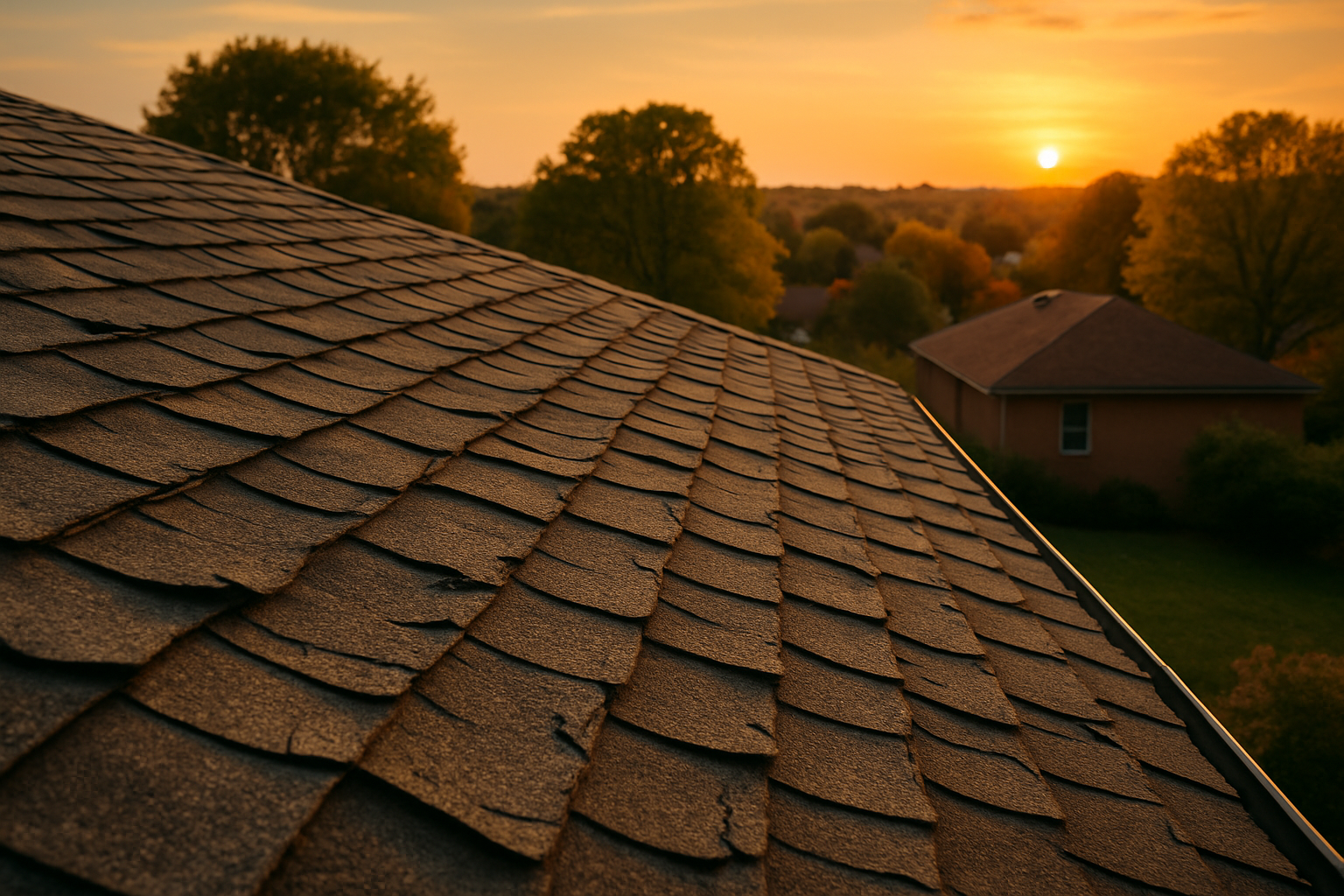
Most common and affordable, but vulnerable to freeze-thaw if older or poorly installed. Shingles can become brittle in cold weather, leading to cracking and granule loss.
Freeze-thaw risk factors:
- Aging shingles (10+ years)
- Lifted edges or loose tabs
- Low-quality underlayment
Metal Roofing
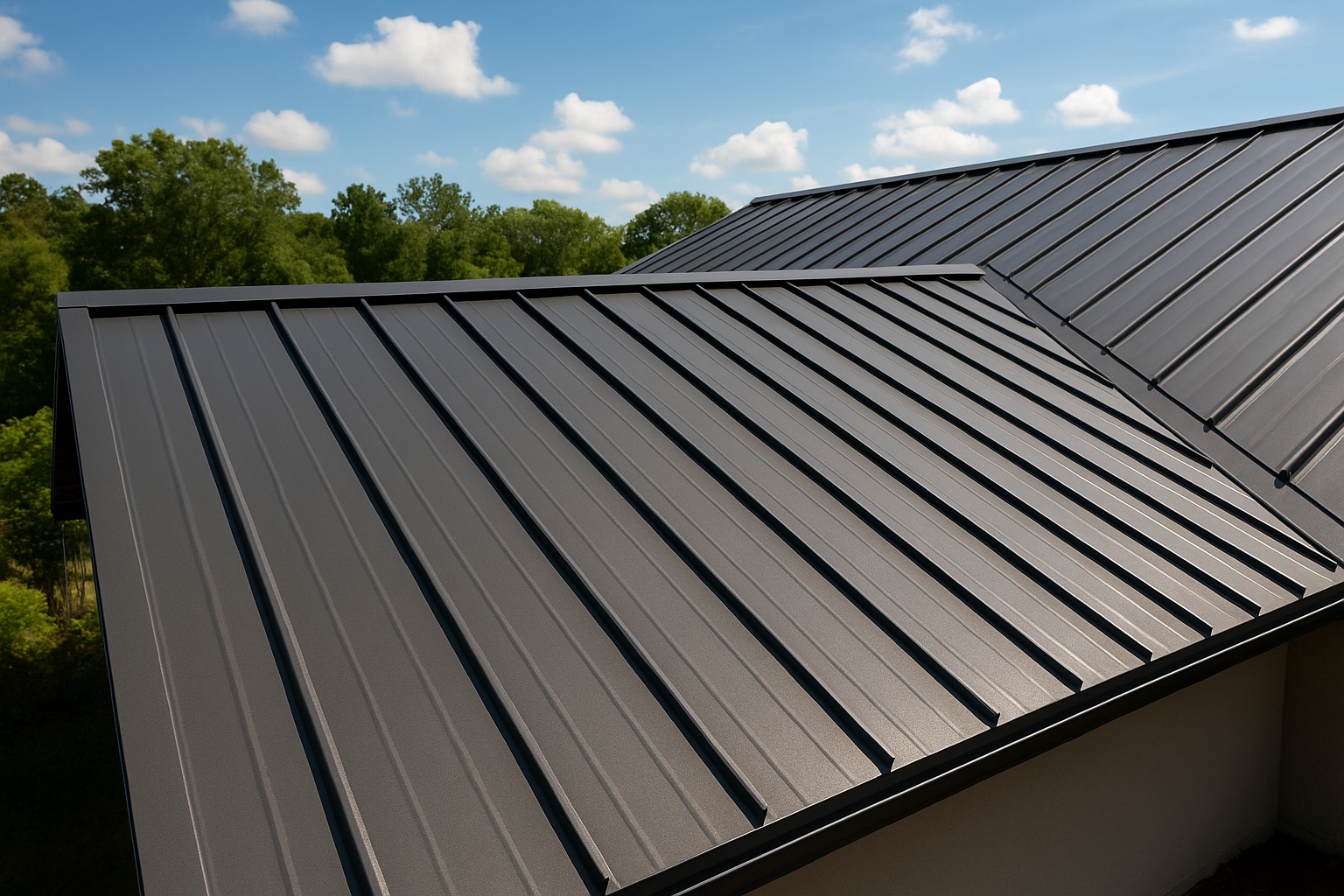
Metal roofs are excellent for snowy climates because snow slides off easily, reducing meltwater buildup. Fasteners and seams still need to be maintained, but metal overall is freeze-thaw resistant.
Freeze-thaw risk factors:
- Loose fasteners
- Improperly sealed seams
- Aging sealant around penetrations
Clay Or Concrete Tile
Tile does well with sun exposure but can crack under freeze-thaw if water gets into tiny pores or edges. Underlayment protection becomes crucial.
Freeze-thaw risk factors:
- Broken or shifted tiles
- Worn underlayment
- Valley buildup from snow
Flat Or Low-Slope Roofs
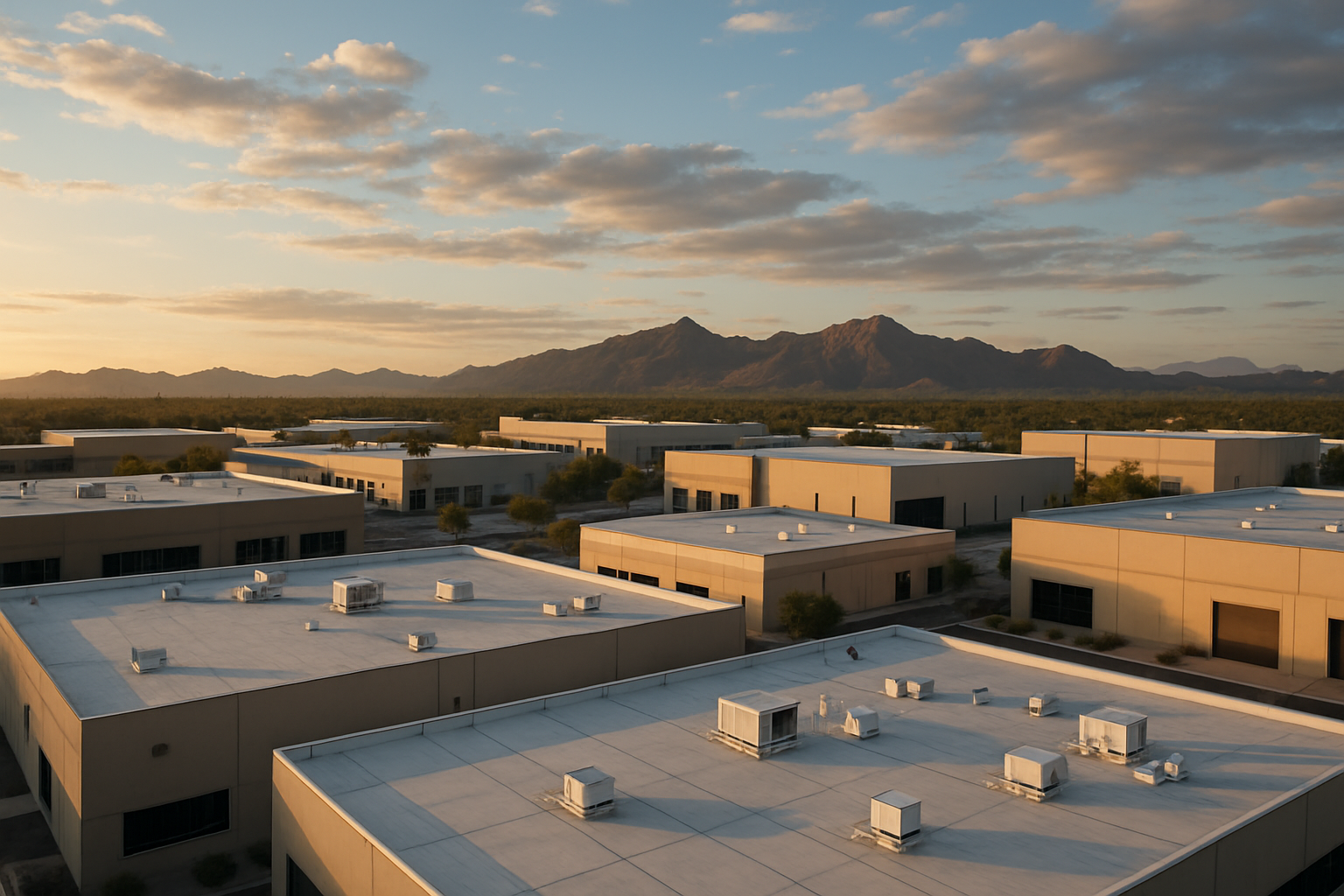
Common on certain Northern NM architectural styles. These roofs are high-risk in freeze-thaw because water drains slowly, letting ice expand in place.
Freeze-thaw risk factors:
- Ponding water
- Weak seams
- Old membrane layers
If your roof is showing winter trouble year after year, it doesn’t always mean the material is “bad.” It may mean the roof system isn’t tuned to your specific microclimate.
Early Warning Signs Of Freeze-Thaw Roof Damage
Freeze-thaw damage rarely announces itself with drama. It whispers. Catching it early saves you real money and helps homeowners avoid costly repairs that can result from neglecting small issues.
Exterior Signs
- Granules collecting in gutters (for shingles)
- Small shingle cracks or curling
- Rust or separation at flashing seams
- Wavy roof lines after snowmelt
- Ice or snow lingering in odd patterns
Interior Signs
- Water stains that appear after sunny cold days
- Damp attic insulation
- Musty smells near upper rooms
- Peeling paint on top-floor ceilings
- Tiny “pinprick” drips around vents
If you notice any of these, you’re probably seeing the beginning stages of freeze thaw roof damage NM homeowners should address quickly.
Why DIY Winter Repairs Often Fail
We get it—winter leaks can feel like an emergency, and you want to stop the water fast. But with freeze-thaw damage, DIY fixes can accidentally make things worse. Instead, it’s best to consult a qualified roofing contractor who has the expertise to safely assess and repair winter roof issues.
Sealants Don’t Cure Well In Cold
Most caulks and roof sealants require certain temp ranges to bond. Apply them in freezing conditions and they can peel away before spring.
You Can’t Always See The Real Damage
A leak might show in one spot but originate from a different area uphill. Patching the visible drip point doesn’t solve the root problem.
Walking On Icy Roofs Is Seriously Risky
Even experienced repairmen avoid icy roofs unless necessary and fully equipped. One slip can be catastrophic.
That doesn’t mean you should do nothing. It means winter is the time for prevention and assessment—not guessing with a tube of sealant and a ladder.
How Professional Repairmen Find Freeze-Thaw Damage
Experienced roof repairmen and roofers in Northern NM approach winter damage differently than standard storms, offering a comprehensive range of roofing services to address freeze-thaw roof damage.
They look for:
- Micro-cracking in shingles or membranes
- Ice dam entry points at eaves
- Flashing gaps at high-risk areas
- Underlayment exposure from lifted materials
- Ventilation hot spots causing uneven melting
- Structural flexing from temperature swings
A good inspection isn’t just “is it leaking today?” It’s “where will this roof fail next if nothing changes?” Relying on professional services helps identify and prevent future roof issues.
Prevention: What You Can Do Before The Next Freeze
Freeze-thaw damage is preventable. Not perfectly, but dramatically. Regular maintenance, including scheduled inspections and preventative measures, plays a crucial role in minimizing freeze-thaw roof damage in NM.
In the fall, make sure to remove debris from your roof, gutters, and downspouts. Clearing away leaves, twigs, and other debris ensures proper drainage and helps prevent ice dam formation and water damage during winter.
Improve Attic Insulation
Heat escaping into your attic is one of the biggest causes of ice dams. Better insulation keeps roof temps consistent so snow melts slowly and evenly.
Upgrade Ventilation
Ventilation balances attic temperature. Ridge vents, soffit vents, and properly placed exhaust prevent hot spots.
Clear Gutters Before Winter
Clogged gutters hold meltwater close to roof edges, making refreezing worse. Clean gutters in fall—and check downspouts too.
Fix Small Issues Early
A lifted shingle or tiny flashing separation in October can be a leak by January. Pre-winter repairs are the cheapest repairs you’ll ever do.
Snow Removal (Sometimes)
For heavy snow buildup, professional snow removal can reduce ice dam formation. Never chisel ice off yourself—it can shred shingles.
What To Do If You Already Have A Winter Leak
If a leak is happening right now, here’s the safest approach.
- Protect Interior Areas
Place buckets, towels, and plastic coverings to prevent spreading damage. - Document The Leak
Take photos of ceiling stains, attic dampness, and exterior ice patterns. This helps repairmen locate the source faster. Proper documentation can also help determine if your roof repairs are covered by insurance. - Check The Attic If Safe
Look for wet insulation or visible drips. Don’t crawl into dangerous areas. - Call Roofing Pros Quickly
Freeze-thaw leaks tend to grow. Early professional help prevents secondary damage like mold, drywall collapse, or electrical issues.
The key is not to wait for a “bigger leak.” Bigger leaks mean bigger repairs.
Why Spring Repairs Cost More Than Fall Repairs
A lot of homeowners wait until spring to deal with winter damage. And sometimes, yeah, weather forces that. But there’s a hidden cost.
Freeze-thaw doesn’t stop at first leak. It keeps widening the problem. By spring, you may have:
- Larger underlayment damage
- Rotted decking
- Moldy insulation
- Compromised structural supports
- Higher labor needs and material replacement
In other words, a repair that could’ve been small in November becomes a project in April.
Northern NM Microclimates: One Town’s Roof Is Not Another’s
Northern NM isn’t uniform. Your local freeze-thaw reality depends on where you live. Both commercial properties and residential buildings in areas like Rio Rancho and the broader Mexico area face different freeze-thaw risks due to varying microclimates and property types.
Mountain Communities
Places like Taos Ski Valley, Angel Fire, Red River, and Ruidoso-style elevations get heavier snow and more persistent freezing. Ice dams and snow-load stress are top concerns.
High Desert Cities
Santa Fe, Los Alamos, and Española get extreme temperature swings and strong sun. That encourages rapid daily melt-freeze cycling.
Canyon And Valley Homes
Homes near cliffs or tree lines may have shaded roof sections that stay frozen while sunlit areas melt, increasing uneven stress.
A roof plan that works in Albuquerque doesn’t always work up here. That’s why local experience matters so much.
The Hidden Partnership: Roofing And Public Health
This might sound unexpected, but winter roof integrity has a direct effect on your home’s indoor health.
Even minor leaks can lead to:
- Damp insulation that loses effectiveness
- Mold growth in attic spaces
- Increased indoor humidity
- Allergens spreading through ventilation
- Temperature instability inside your home
So when we talk about winter roof leaks New Mexico homeowners face, we’re not just talking about drywall stains. We’re talking comfort, air quality, and long-term livability.
When It’s Time To Consider A Roof Upgrade
Sometimes freeze-thaw damage is a symptom of system mismatch rather than just aging.
You might consider an upgrade if:
- You’ve had repeated winter leaks in the same area
- Your roof is over 15–20 years old (shingles)
- Ice dams form every year no matter what
- Repairs are frequent and growing
- Your attic insulation or ventilation is hard to improve without roofing adjustment
Upgrades could include:
- Better underlayment designed for ice protection
- Improved flashing systems
- Ridge/soffit ventilation rework
- Metal roofing conversion for snow-shedding
- Materials rated for cold-climate flexibility
- Professional installation of new roofing systems to ensure long-term protection and proper performance in New Mexico’s freeze-thaw conditions
A smart upgrade is about preventing a decade’s worth of winter problems—not just making things look new.
Why Local Roofing Pros Make The Difference
Freeze-thaw damage is a local craft problem. A roofer who understands Northern NM winter behavior will:
- Choose systems proven in altitude climates
- Spot micro damage others miss
- Fix ventilation and insulation relationships
- Use underlayments built for ice backup
- Plan drainage for snowmelt patterns
That experience is what separates a roof that survives winter from a roof that gets picked apart by it.
Your Northern NM Freeze-Thaw Experts
If you’re seeing signs of freeze-thaw roof damage—or you want to prevent it before winter bites—Reimagine Roofing is here to help.
We know Northern New Mexico roofs because we work on them in the conditions that matter most: cold mornings, melting afternoons, and the freeze that comes back at night. Our team understands how mountain and high desert winters stress roofs, and we tailor solutions to your exact elevation, exposure, and home design.
What You Get With Reimagine Roofing
- Thorough winter-specific roof inspections
- Honest assessments with clear next steps
- Ice dam and flashing-focused diagnostics
- Repairs designed for cold-weather endurance
- Upgrade options that reduce future freeze-thaw damage
If you’re even slightly worried about a winter weak spot, that’s the right time to act. Tiny cracks become leaks fast in Northern NM. Let’s catch them early.
Book a free roof inspection and get fast quote.
We’ll help you protect your home through winter and beyond—with repairs or upgrades built for the freeze-thaw reality of Northern New Mexico.
Small Winter Damage Isn’t Small For Long
Freeze-thaw is patient. It works one tiny crack at a time. But if you’re patient back—watching your roof, addressing early signs, and leaning on local pros—you can stay ahead of it.
Northern New Mexico winters are worth loving. Your roof just needs to be ready for them. If you want peace of mind before the next snow-and-sun cycle rolls through, Reimagine Roofing has your back.
Popular Posts