How To Protect Your NJ Roof From Wind-Driven Rain And Flooding
How To Protect Your NJ Roof From Wind-Driven Rain And Flooding
How To Protect Your NJ Roof From Wind-Driven Rain And Flooding
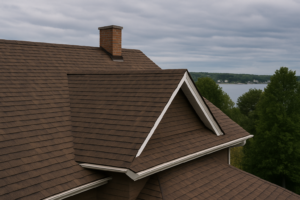
New Jersey homeowners know the drill: a calm morning can turn into a sideways-rain afternoon, and a “moderate storm” can still leave you with water where it doesn’t belong. Along much of the Jersey Shore—and increasingly inland—storms are bringing harder wind gusts, heavier rainfall bursts, and more frequent coastal flooding. Sea levels are rising, nuisance-flood days are climbing, and storm surge risk is growing.
That shift matters for your roof because wind-driven rain doesn’t behave like normal rain. It moves sideways, upward, and under pressure. It exploits tiny gaps around flashing, soffits, skylights, chimneys, and shingle edges. And once water gets beneath the roof covering, it can travel far before it shows up as a leak.
Even worse, the kind of flooding New Jersey is seeing more often—coastal surge, compound flooding, and rapid downpour-driven overflow—can push moisture into roof systems from multiple directions at once.
NJ Roofing System
So when homeowners ask:
- “How do I storm-proof my roof in NJ?”
- “What stops wind-driven rain leaks?”
- “How do I protect my house from flooding and roof damage?”
- “What’s the best coastal roof protection NJ homeowners can do?”
The answer isn’t one product. It’s a system—one that starts at your roof and continues through your attic, gutters, drainage, and exterior envelope.
This guide will show you exactly how to protect your New Jersey roof from wind-driven rain and flooding in 2025–2026, using practical, homeowner-friendly steps and the same storm-hardening standards Reimagine Roofing uses across NJ service areas.
And when you’re ready, we’ll help you build a roof that’s ready for what New Jersey weather is becoming—not just what it used to be.
It’s also important to review your homeowners insurance policy and available coverage options to make sure you’re protected against wind-driven rain and flooding.
Additionally, property tax relief programs may be available to eligible homeowners facing increased costs due to storm damage.
Why Wind-Driven Rain Is Such A Big Deal In New Jersey Right Now
Normal rain falls downward. Wind-driven rain falls sideways, often pushing water into places gravity alone couldn’t reach. Think of it like a pressure-washer effect on your house.
New Jersey’s coastal risk is rising because:
- Sea Level Rise Is AcceleratingRecent state and academic reports project several feet of sea level rise by 2100 and a sharp increase in recurring coastal flood days this century. More water at baseline means more storm surge and shallow flooding that happens more often.
- Coastal Storms Are ChangingNew Jersey’s climate assessments show increasing compound flooding risk—storms combining sea-level rise, surge, and heavy inland rainfall. Hurricane season brings additional risks of wind-driven rain and flooding, especially for coastal properties, making it crucial for homeowners to assess their insurance needs.
- NJ’s Wind Design Pressures Are RealNew Jersey building standards include high wind-speed criteria in many counties, reflecting real gust risks for residential roofs. Translation: your roof is expected to handle stronger winds than many homeowners realize.
Bottom line: Even if your roof has survived past storms, the shifting pattern means your next 10–20 years of storms may be tougher than your last 10–20. Not all damage from wind-driven rain and flooding is covered by standard policies, so homeowners should review their coverage to ensure they are protected.
What Wind-Driven Rain And Flooding Do To Roofs
To protect a roof, you need to know how it fails.
Some insurance policies have exclusions for certain types of water damage, so homeowners should check their policy details.
Wind-Driven Rain Failure Pathways
Wind-driven rain usually enters through:
- lifted or unsealed shingle edges
- valleys and low-slope transitions
- chimney and skylight flashing gaps
- roof-to-wall intersections (like dormers)
- ridge vents and attic vents that aren’t storm-baffled
- nail pops or fastener back-out
Once water gets under shingles, it rides the underlayment or decking seams until it finds a weak spot.
Flooding-Related Failure Pathways
Flooding affects roofs indirectly, but powerfully:
- soaked insulation increases attic humidity
- capillary moisture moves upward into roof decking
- gutters overflow and pour water back onto fascia and soffits
- standing water saturates foundation-to-wall assemblies, increasing interior condensation pressure
- mold spreads into attic framing
Flooding doesn’t have to reach your roof to damage it. Moisture pressure from below can still rot decking over time. Flooding can also result in significant expenses for repairs and maintenance, which may not always be fully covered by insurance.
The Four Layers Of A Storm-Proof Roof System
A roof that resists wind-driven rain and flood-related moisture is built in layers. Here are the four that matter most in NJ:
- Roof Covering (Shingles/Metal/Tile)
Your visible outer armor. - Water-Shedding Barrier (Underlayment + Ice/Water Membranes)
The “backup raincoat” if the outer layer leaks. - Flashing + Edge Detailing
Where most NJ wind-driven leaks start. - Ventilation + Drainage System
Controls moisture and directs stormwater away from the roofline.
If any of these layers are weak, storms find that weakness.
Let’s go through each one with real NJ-specific protection strategies.
Choose A Roof Covering That Matches New Jersey Storm Reality
Material choice matters more near the coast, but it matters everywhere now. The cost of different roofing materials and upgrades can vary significantly, and choosing more resilient options may affect your insurance premiums.
Architectural Asphalt Shingles (Minimum Standard For NJ)
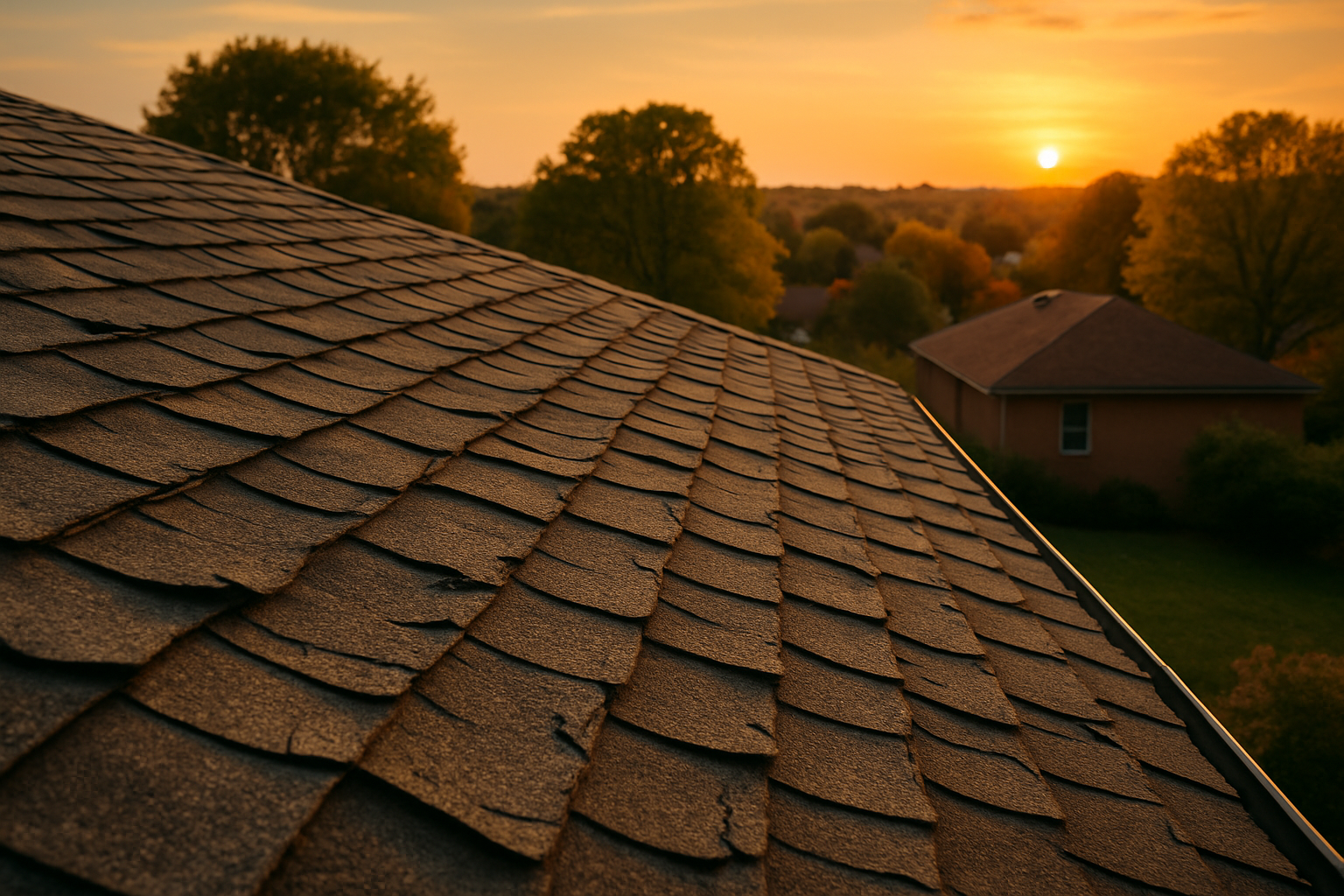
For most NJ homes, upgraded architectural shingles are the baseline. They’re thicker, more wind-stable, and seal better than basic 3-tab shingles.
Storm performance depends on install quality, especially nailing and seal activation. In wind-driven rain storms, poorly nailed shingles lift first.
Impact-Resistant Shingles (Great For Wind + Hail Corridors)
Many NJ towns get hail bursts during warm-season storms and nor’easters. Impact-resistant shingles reduce bruising that becomes future leak points.
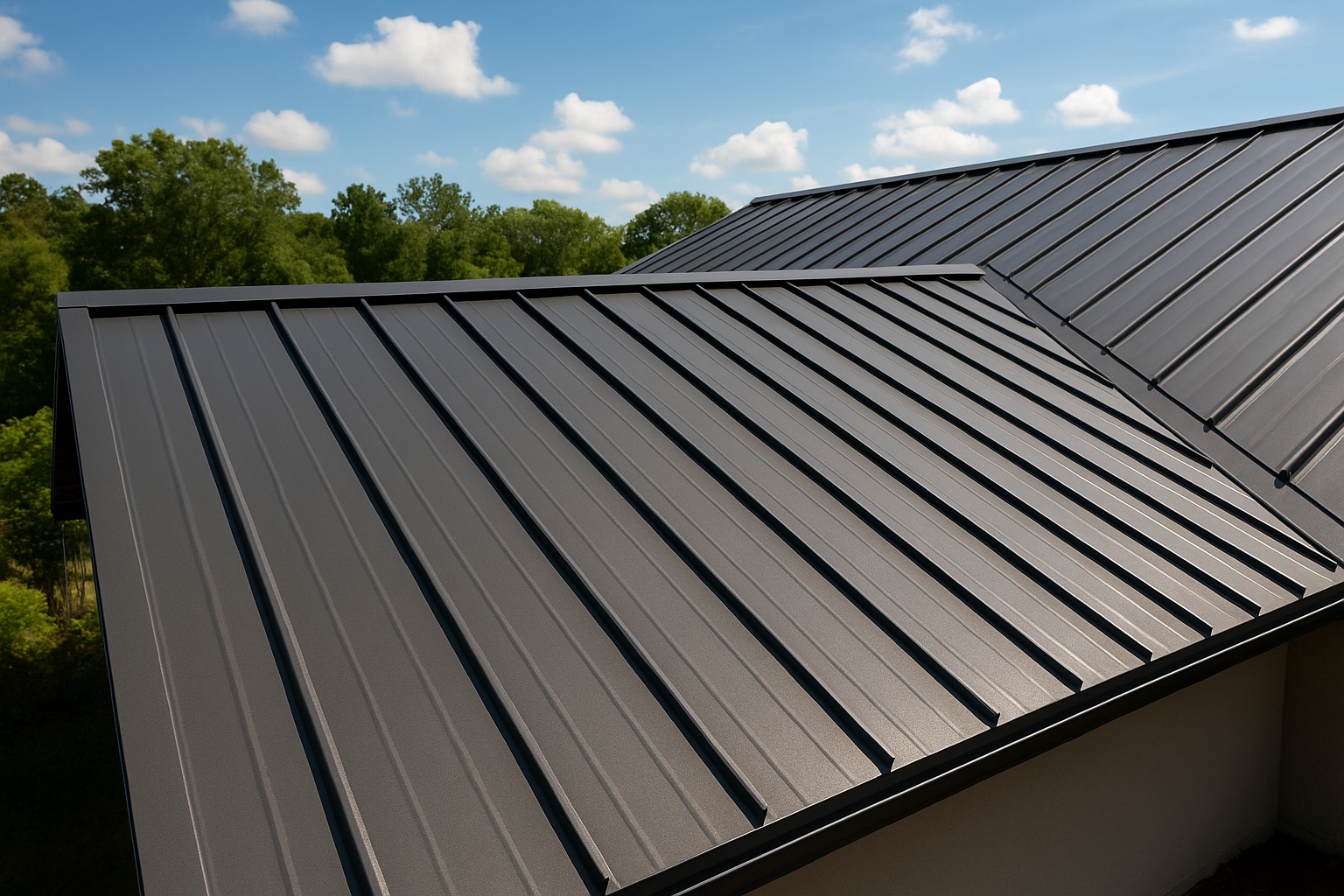
Metal Roofing (Excellent Wind-Driven Rain Defense)
Standing-seam or metal shingles offer:
- interlocking panels that resist uplift
- fewer horizontal seams (less leak opportunity)
- very strong performance in coastal wind conditions
- long-term resistance to moisture cycling
If you’re in Shore regions or exposed wind corridors, metal often provides the strongest outer defense.
Reimagine Tip: Your covering isn’t just a brand decision. It’s a climate decision. We help NJ homeowners choose materials based on distance to coast, local wind maps, tree exposure, and roof geometry.
Upgrade Underlayment And Water Barriers (Your Real Leak Insurance)
In NJ storms, you want your roof to stay dry even if shingles fail. That’s what underlayment is for. In some high-risk areas, certain underlayment or water barrier upgrades may be required by building codes or insurance policies.
Use High-Performance Synthetic Underlayment
Basic felt can tear or degrade faster under high moisture and wind pressure. Synthetic systems resist:
- wind-driven blow-off during install
- tear-through at fasteners
- prolonged wet exposure
- UV degradation during repairs
This is one of the most important storm-hardening upgrades you can make.
Install Ice And Water Shield Beyond Minimum Zones
Even though ice dams are more of a winter issue, the same self-adhered membrane is your best defense for:
- wind-driven valley leaks
- eave edge backup from overflowing gutters
- skylight and chimney perimeter sealing
In NJ coastal storms, valleys often take the biggest water hit because wind funnels rain into them.
Reimagine Standard: We treat ice-and-water as a storm barrier system, not just a winter add-on. That means full valley protection and eave coverage designed for NJ rain intensity.
Fortify Flashing (Where Most NJ Coastal Leaks Begin)
If shingles are your armor, flashing is your seam tape. And seams are where wind-driven rain gets in.
Some insurance policies may have specific requirements or exclusions related to flashing failures, so it’s important to review your policy.
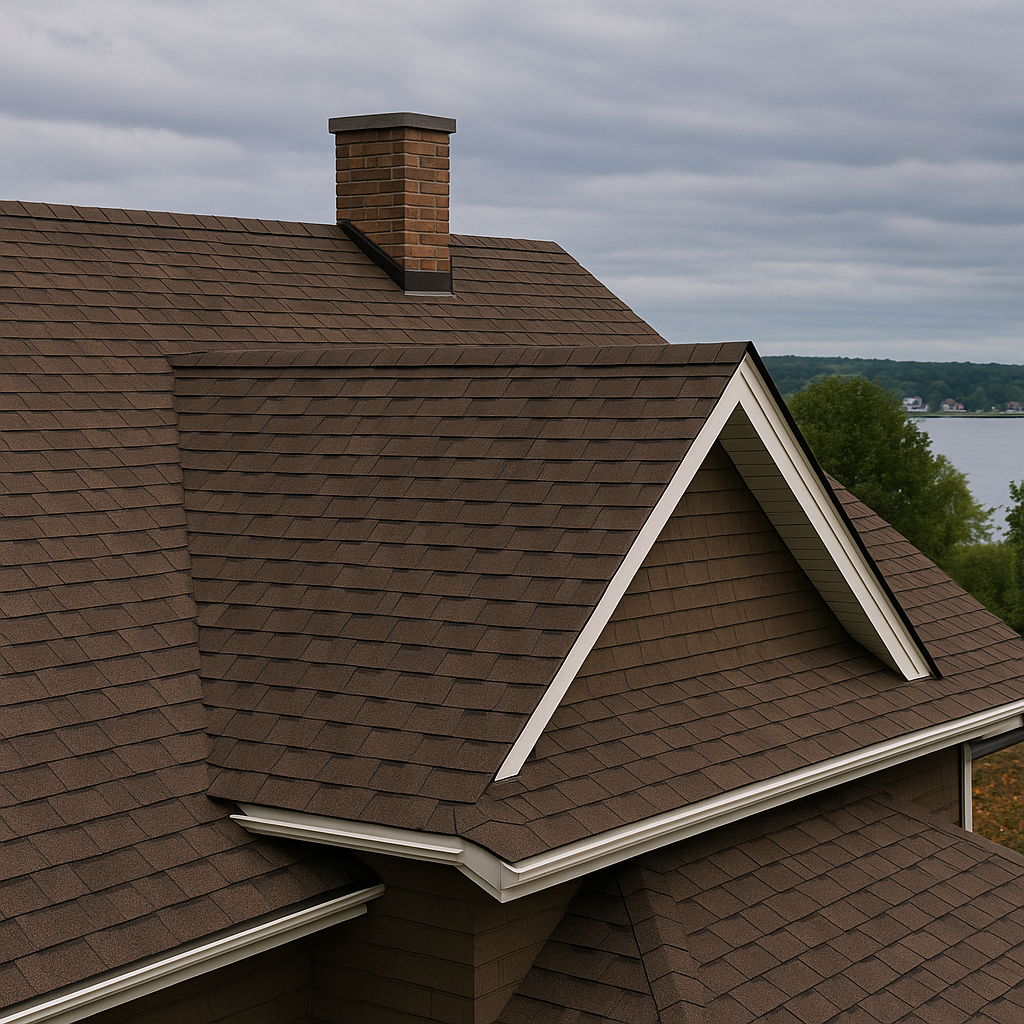
Chimneys
Chimney flashing fails in NJ because:
- wind-driven rain hits chimneys like a sail
- mortar cracks in freeze-thaw cycles
- older step flashing corrodes or pulls away
Fixes that work:
- full step + counterflashing replacement
- reglet or kerf attachments into masonry
- proper sealant systems rated for coastal exposure
Skylights
Skylights leak in wind-driven rain when:
- flashing kits are mismatched to roof pitch
- sealants age out
- shingles around the frame lift slightly
Fixes that work:
- new manufacturer-rated flashing kits
- perimeter ice-and-water shield laps
- correct uphill diverter detailing
Roof-To-Wall Intersections (Dormers, Sidewalls)
These joints are wind-driven leak magnets.
Rain moves sideways into the wall plane and then drops into the roof assembly.
Fixes that work:
- correctly layered step flashing
- properly sealed housewrap integration
- kickout flashing at termination points
Valleys
NJ valleys collect:
- heavy downpour runoff
- wind-driven rain pressure
- debris and leaf buildup
Fixes that work:
- woven or closed valleys done right
- full valley membrane
- clean metal valley flashing where appropriate
- debris flow design (especially under trees)
Reimagine Note: We see more failed NJ roofs from flashing mistakes than from shingle quality. A storm-proof roof is a flashing-proof roof.
Upgrade Roof Edge And Wind Uplift Protection
Wind-driven rain often enters because wind lifts shingles or roof edges. It is important to maintain roof edge protection to prevent wind-driven rain from entering and causing flooding.
Drip Edge Matters More Than People Think
Drip edge:
- prevents water wicking into decking
- blocks wind from catching shingle edges
- directs runoff into gutters properly
Coastal wind and sideways rain make drip edge essential. If your roof doesn’t have modern continuous drip edge, it’s vulnerable.
High-Wind Nailing Patterns
NJ wind criteria require roofs to handle significant gusts in many regions.
Your roofer should use:
- correct nail count per shingle
- correct placement for uplift resistance
- manufacturer wind-zone patterns
If shingles aren’t nailed to spec, wind-driven rain finds its way underneath through uplift.
Fix Ventilation So Moisture Doesn’t Build From The Inside
This is where flooding and roof health intersect.
When outside flooding raises humidity and interior moisture pressure, a poorly ventilated attic becomes a condensation trap. Proper attic ventilation helps protect the health and safety of the entire household by reducing moisture-related risks. That moisture:
- rots decking
- grows mold
- warps sheathing
- weakens nail holds
- makes storms feel like “roof leaks” even when shingles are fine
What A Healthy NJ Roof Vent System Needs
- balanced intake (usually soffits)
- balanced exhaust (ridge or high vents)
- adequate net free vent area for attic size
- storm-baffled vent hardware so rain doesn’t blow in
Many older NJ homes—especially shore cottages, capes, and long-extended ranches—have under-vented attics. That makes wind-driven events worse because moisture has nowhere to go after a storm.
Reimagine Standard: Every NJ reroof includes a ventilation evaluation. If your attic can’t breathe, your new roof can’t last.
Get Serious About Gutters (They’re Part Of Your Roof System)
In NJ flooding events, gutters aren’t optional. They’re your roof’s drainage highway.
Investing in gutter upgrades or repairs is a valuable payment toward protecting your home from water damage.
What Gutters Do During Wind-Driven Rain
They prevent:
- roof runoff from dumping at your foundation
- fascia soaking
- soffit backflow
- eave ice buildup in winter
Signs Your Gutters Are Storm-Vulnerable
- water spilling over edges in moderate rain
- sagging lines or loose hangers
- downspouts that discharge too close to the house
- leaf clogging
- seams leaking near corners
Coastal Storm Upgrade Moves
- seamless gutter systems
- larger-capacity profiles in heavy-rain areas
- inspected hangers and fascia attachments
- downspout extensions or underground drainage in flood corridors
- gutter guards where tree cover is intense
If gutters fail, your roof edge becomes a waterfall. Over time that destroys fascia and can send water behind shingles.
Add Attic Moisture And Flood Resilience Measures
If you’re in a flood-prone NJ area—shore towns, bay-adjacent communities, low-lying suburbs—you want flood resilience that protects roof assemblies too.
Professional assistance is available for homeowners seeking to improve attic moisture control and flood resilience measures.
What Helps Most
- moisture-resistant attic insulation
- vapor control where needed
- sealing of attic bypasses (bath fans, recessed lights, top plates)
- sump/drainage systems that reduce basement humidity migration
- dehumidification after flood events to protect roof framing
Why it matters: Your roof is the top of the building envelope. Flood moisture below can still drift upward into it.
Prevent Tree And Debris Storm Damage
Wind-driven rain storms usually bring wind-driven debris. In NJ, the big culprit is trees.
Many county governments offer resources or programs to help homeowners with debris removal and storm preparation.
High-Impact Prevention Steps
- trim branches within striking distance of the roof
- clear dead limbs before storm season
- keep valleys and gutters debris-free
- remove rooftop moss or leaf mats that trap moisture
Debris doesn’t just puncture shingles. It blocks drainage and forces water to pool or back up under wind pressure.
Know When You Need A Full Reroof Vs. A Storm-Hardening Repair
Not every roof needs replacement. But some roofs can’t be “storm-proofed” without a reset.
Some homeowners may qualify for a forgivable loan to help cover the cost of a full roof replacement or major storm-hardening repairs.
Storm-Hardening Repairs Are Enough If:
- shingles are mostly intact
- decking is solid
- leaks are localized
- underlayment is still protective
- flashing failures are isolated
- roof is under ~12–15 years old (asphalt)
Full Replacement Is Smarter If:
- roof is near end-of-life
- multiple leak points exist
- shingles are curling, cracking, or granule-bare
- you’ve had repeated storm repairs
- attic moisture damage is advanced
- decking shows rot or delamination
If your roof is older and coastal storms are increasing in your area, proactive replacement often costs less than repeated emergency work.
What To Do Right Before A Major NJ Storm
Here’s your pre-storm checklist:
- Clear Gutters And DownspoutsEven partial blockage causes overflow.
- Check For Loose Shingles Or FlashingAnything lifted becomes a storm entry point.
- Trim Nearby LimbsEspecially over valleys and roof corners.
- Verify Attic Vent Covers Are SecureLoose vent caps can blow off and invite rain.
- Walk The Attic With A FlashlightLook for old staining or damp insulation.
These steps don’t replace professional inspection, but they reduce risk. Make sure to meet any insurance or preparation deadline before a major storm arrives to ensure your coverage and safety measures are in place.
What To Do After Wind-Driven Rain Or Flooding
After a storm, don’t wait for a ceiling stain.
Promptly check the status of any insurance claims or repair requests to ensure timely assistance and prevent further damage.
Post-Storm Roof Checklist
- scan for missing, lifted, or creased shingles
- look for flashing movement or exposed metal
- check gutters and fascia for overflow damage
- inspect attic for damp insulation or new staining
- note any new musty smell (early mold signal)
If the storm involved hail, do a closer look—hail bruising may be invisible from ground level.
Why Reimagine Roofing Is Built For NJ Coastal Storm Reality
Storm-hardening isn’t a buzzword for us. It’s how we install roofs that survive New Jersey’s next chapter of weather. The dedicated Reimagine Roofing team brings expertise and a collaborative approach to delivering storm-ready solutions for New Jersey homeowners.
Reimagine Roofing’s NJ Storm-Ready Standards
- climate-specific material selection for coast vs inland
- high-performance synthetic underlayment
- full ice-and-water membrane strategy in valleys and eaves
- precision flashing replacement at all penetrations
- high-wind fastening patterns
- drip edge and roof-edge reinforcement
- ventilation calculations for attic health
- gutter and drainage coordination
- photo-backed inspections so you see what we see
We don’t just replace shingles. We build roof systems designed to resist sideways rain and rising water risk.
Get A Free NJ Roof Inspection
If you live in New Jersey, especially anywhere near the coast, bays, rivers, or low-lying suburbs—now is the time to make sure your roof is ready for wind-driven rain and flooding.
Reimagine Roofing offers free professional roof inspections across NJ service areas.
We’ll evaluate:
- shingle condition and uplift risk
- underlayment and membrane protection
- flashing at chimneys, valleys, skylights, dormers, and vents
- drip edge and roof-edge vulnerabilities
- attic ventilation and moisture conditions
- gutter performance and overflow risk
- storm-hardening upgrades that fit your budget
Get a fast, honest quote—often in under 24 hours.
Schedule Your Free Reimagine Roofing Inspection Today.
We’ll help you protect your home from New Jersey’s wind-driven rain, coastal flooding, and storm seasons—so the next big storm is just noise outside, not water inside.
Popular Posts