Which Saves More Over 20 Years in Texas: Metal or Asphalt?
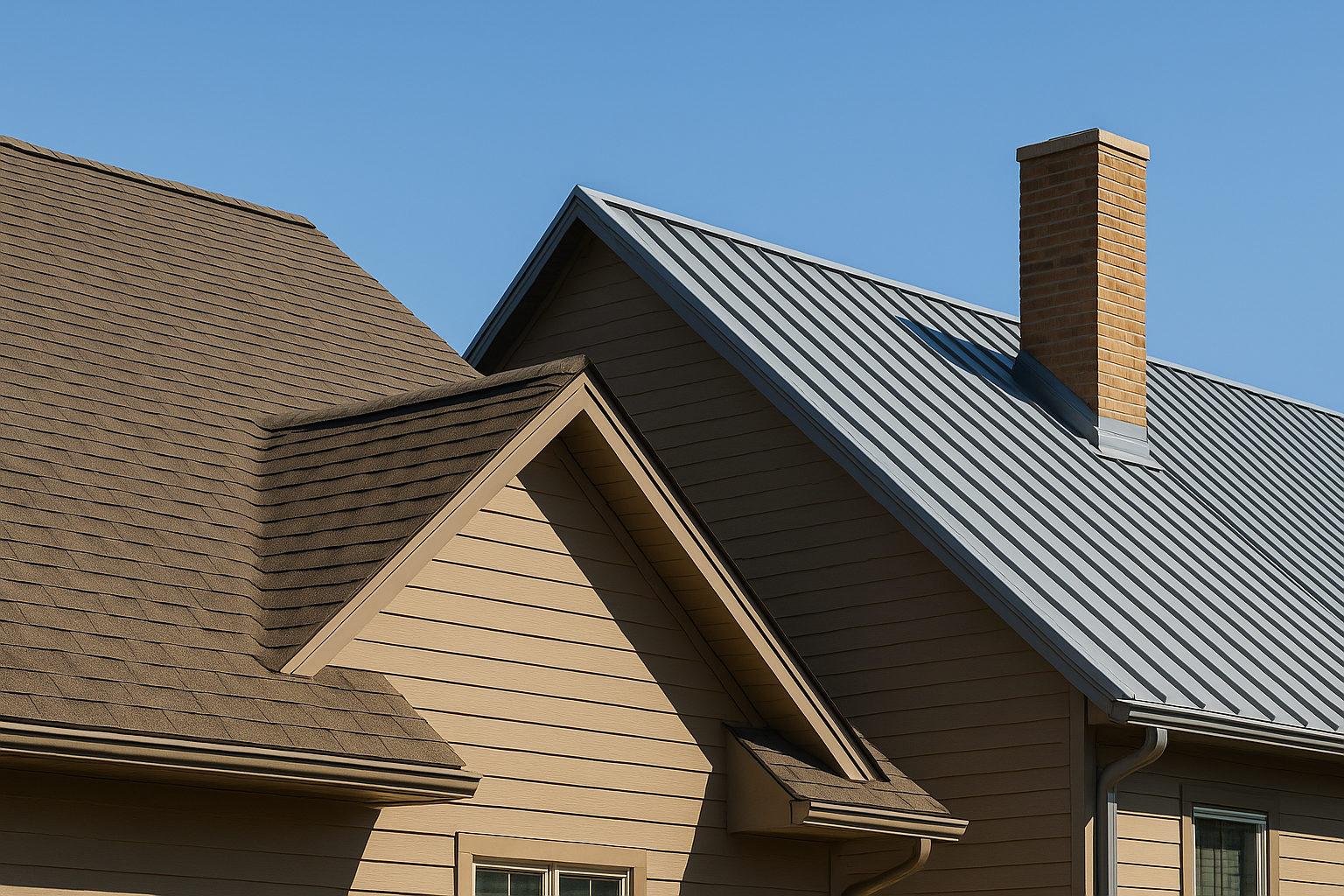
Which Saves More Over 20 Years in Texas: Metal or Asphalt?
Metal Roof Texas Benefits Vs Asphalt Roofs: Which Saves More Over 20 Years?
A Long-Term ROI Guide For Texas Homeowners By Reimagine Roofing
Everything in Texas is bigger—including the punishment your roof takes.
Texas homes sit under some of the most intense roofing stress in the U.S.: blazing UV, triple-digit heat, sudden hail bursts, hurricane-fed wind, and storms that can change a neighborhood overnight. Texas homeowners must carefully consider different roofing materials due to the state’s unique climate challenges. As a result, Texas homeowners don’t just ask, “What roof is cheapest?” anymore. In 2025, the smart question is:
“Over the next 20 years, which roof actually saves more money—metal or asphalt?”
If you’re weighing a roof replacement right now, you’ve probably heard:
- “Metal costs more but lasts forever.”
- “Asphalt is fine if you don’t plan to stay long.”
- “Metal is louder.”
- “Hail destroys shingles.”
- “Metal dents.”
- “Insurance is changing everything.”
Some of that is true, some of it needs context, and a lot of it depends on where you live in Texas. A roof in Dallas doesn’t face the same daily stress as a roof in Houston, Amarillo, or the Hill Country. But the ROI question is universal: what roof gives you the better financial outcome by year 20?
This guide gives you a clear, Texas-specific answer. We’ll compare:
- Upfront cost
- Lifespan in Texas conditions
- Hail and storm performance
- Heat and energy-bill impact
- Maintenance and repair costs
- Insurance and resale impacts
- The real “20-year math” most homeowners never see
And when you’re ready, Reimagine Roofing can help you choose the best fit for your home with a free inspection and a fast, photo-backed quote—no pressure, no guessing. Reimagine Roofing specializes in providing tailored roofing solutions for Texas homeowners.
Why The Metal Vs Asphalt Debate Is So Hot In Texas Right Now
Texas homeowners are comparing long-term ROI more than ever because three big trends collided:
1. Texas Heat Is Shortening Roof Lifespans
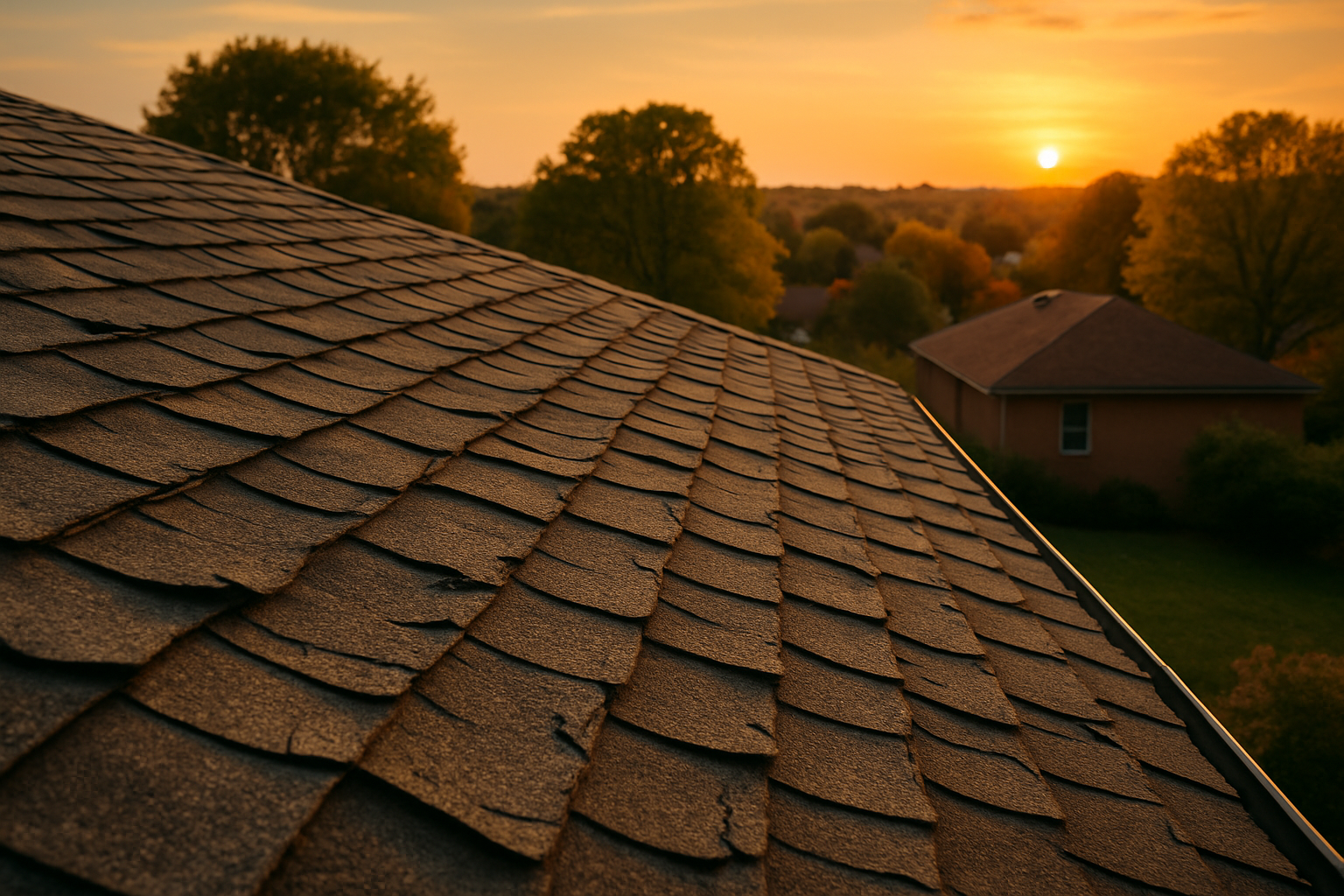
Asphalt shingles age faster in extreme heat. UV dries out the asphalt binder, causing brittleness, granule loss, and seal failures earlier than in cooler states. Even a “30-year shingle” rarely lasts 30 years in much of Texas.
2. Hail And Wind Damage Are More Frequent
Texas consistently leads the country in hail events and wind-hail insurance claims, and the state also consistently ranks highest in hail damage claims due to the frequency and severity of hailstorms. Homeowners keep paying deductibles again and again. That repeat-damage cycle turns “cheap roofs” into expensive roofs.
3. Insurance Rules Are Getting Tougher
More insurers are shifting older asphalt roofs to ACV payouts, increasing deductibles, and demanding impact-resistant upgrades. Homeowners want roofs that reduce claims and protect resale value, not roofs that become liabilities.
So yes—metal vs asphalt is a money question now, not just a style question.
Quick Definitions: What Counts As “Metal” And “Asphalt” Roofing?
Before we compare costs, let’s make sure we’re comparing the right products. The choice of roofing material significantly impacts durability and performance in Texas, especially given the region’s exposure to storms, hail, and intense heat.
What Counts as Metal and Asphalt Roofing?
- Standing Seam Metal Roofs
- Metal Shingles
- Stone Coated Steel: This roofing material combines the strength of steel with a protective stone coating, offering exceptional durability and a long lifespan. Stone coated steel is highly resistant to hail and wind, making it especially suitable for the challenging Texas climate.
When evaluating roofing options, remember that both material quality and proper installation practices are crucial for maximizing roof performance and longevity.
Asphalt Roofs In Texas
Typically either:
- 3-Tab Shingles (basic, lowest-cost, least durable)
- Architectural/Dimensional Shingles (thicker, more common, better wind performance)
- Impact-Resistant Shingles (Class 3 or Class 4, hail rated)
Most Texas reroofs use architectural shingles unless budget is tight or a builder installed 3-tab originally.
Metal Roofs In Texas
Most commonly:
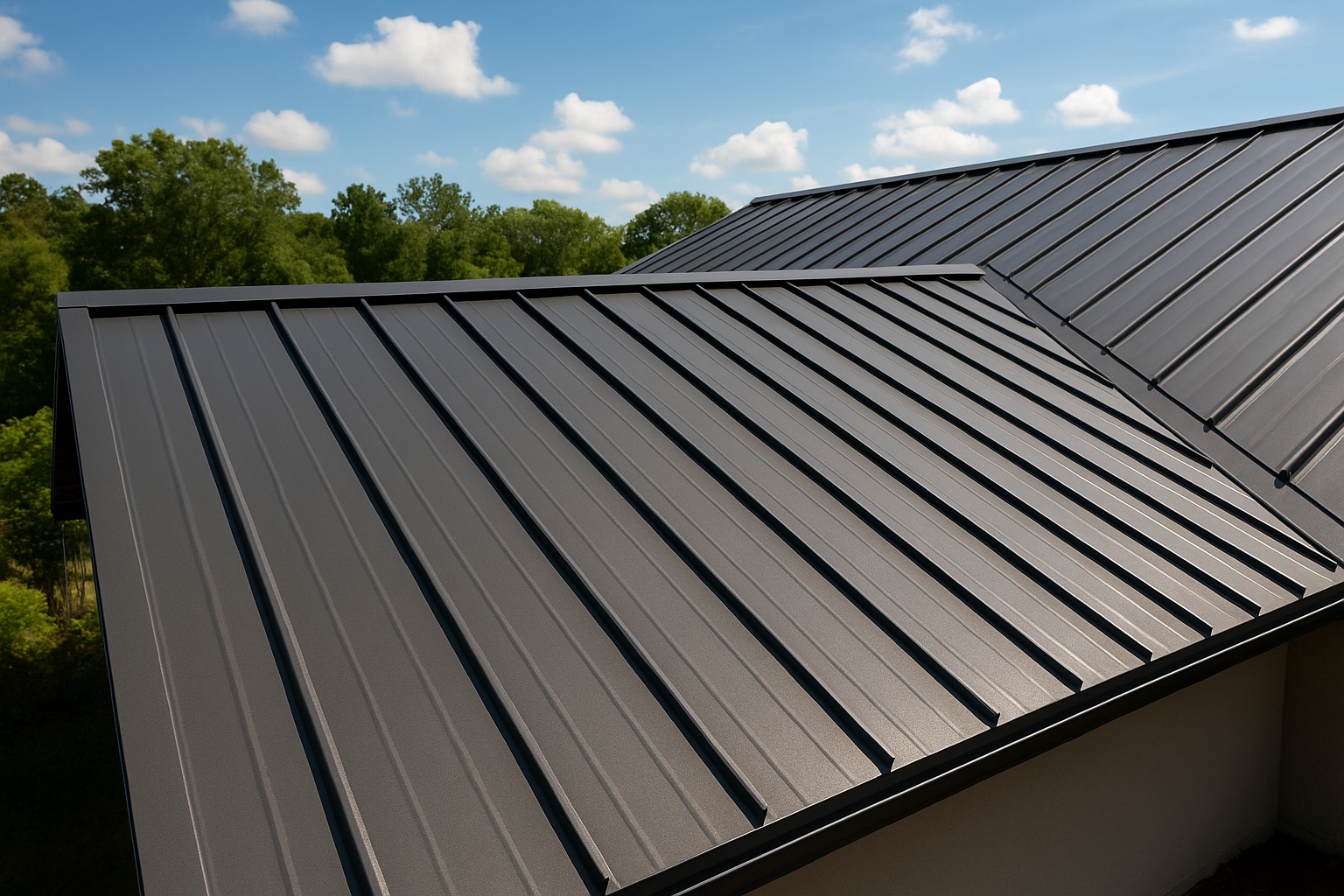
- Standing-Seam Metal (vertical panels, concealed fasteners, premium performance)
- Metal Shingles (look like shingles/slate/shake with metal strength)
Metal roofs vary by gauge, finish, and substrate (steel vs aluminum), which affects performance and price.
Now let’s compare.
Upfront Cost In Texas: Metal Costs More Today
Typical Upfront Cost Range
(These are broad Texas averages; exact numbers depend on slope, decking, complexity, and city.)
- Architectural Asphalt: lowest upfront cost
- Class 4 Asphalt: moderate premium above architectural
- Standing-Seam Metal: highest upfront cost
- Metal Shingles: similar to standing-seam or slightly less depending on style
Why Metal Costs More
- Material itself costs more
- Labor is more specialized
- Underlayment and fastening systems are higher-grade
- Edge and flashing detailing is more intensive
Upfront “sticker shock” is real. But ROI depends on what happens after installation, not just day one.
Lifespan In Texas: Asphalt Ages Faster, Metal Barely Blinks
Here’s where Texas changes the math. Roof lifespan and roof longevity are significantly affected by Texas conditions, as the region’s extreme weather can shorten how long a roof lasts.
Asphalt Lifespan In Texas
A realistic range for most regions:
- Architectural Asphalt: ~15–22 years
- Class 4 Asphalt: ~18–25 years
Why shorter than the label?
- UV and heat accelerate aging
- Hail bruising weakens shingles invisibly
- Storm uplift strips granules
- Seal strips fail faster in extreme cycles
A “30-year shingle” might be a 17-year roof in parts of Texas.
Metal Lifespan In Texas
- Standing-Seam: ~40–70 years
- Metal Shingles: ~40–60 years
Metal doesn’t dry out. UV doesn’t crack it. Heat doesn’t degrade it like asphalt. You’re mainly managing fastener integrity and finish longevity—both excellent in modern metal systems.
In a 20-year window, metal is still in its early adult years. Asphalt is often near end-of-life.
Heat And Energy Bills: Metal Wins In Texas Summers
Texas summers don’t just cook you—they cook your roof. Heat buildup in attics can drive up utility bills and reduce energy efficiency.
Asphalt In Heat
Asphalt absorbs heat. Dark shingles can push attic temperatures beyond 140–150°F, which:
- increases cooling load
- shortens shingle life
- worsens attic moisture movement patterns
Metal In Heat
Metal reflects more radiant heat, especially when using cool-roof finishes. That can reduce attic heat gain, yielding:
- lower AC run time
- more stable indoor comfort
- reduced thermal stress on decking and underlayment
Even a modest energy impact, repeated over 20 summers, becomes meaningful.
If you live in heavy-heat zones (Central Texas, West Texas, South Texas), energy savings tilt ROI toward metal faster.
Hail Performance: Asphalt Gets Damaged Invisibly, Metal Gets Dented
This is where perception often flips. Severe storms and hail damage are major causes of roof failure in Texas.
Asphalt Under Hail
Hail can:
- knock granules loose
- bruise shingles (not always visible from the ground)
- crack asphalt matting
- weaken seal strips
Even if you don’t see missing shingles, bruises often become future leak points.
Result: repeated repairs + insurance claims + shortened lifespan.
Metal Under Hail
Metal can dent with large hail. But:
- most dents are cosmetic
- water-shedding performance remains intact
- panels don’t crack like asphalt
- underlayment remains protected
Result: fewer leaks, fewer emergency repairs, fewer total replacements.
So if hail is frequent in your area, metal reduces long-term cost even if dents happen.
Wind And Storm Uplift: Metal Has A Structural Advantage
Texas storms bring wind that lifts roofs like can openers. High winds and major storms are common in Texas and can cause significant roof damage.
Asphalt In Wind
Asphalt performance depends heavily on:
- correct nailing pattern
- seal strip activation
- slope and ridge detailing
- shingle age (older shingles uplift easier)
That means a roof that was “fine” in year 5 can start shedding shingles in year 14.
Metal In Wind
Metal panels:
- interlock mechanically
- are fastened into structure
- have fewer horizontal seams
- resist uplift exceptionally well
In hurricane-influenced zones (Gulf Coast, Coastal Bend), this matters a lot.
Maintenance And Repair Costs Over 20 Years
This is where asphalt quietly adds up. Regular roof maintenance and proper maintenance practices are essential for both asphalt and metal roofs to avoid costly repairs.
Asphalt Maintenance Pattern
Over 20 years in Texas, most asphalt owners experience:
- storm-driven shingle repairs
- flashing reseals
- valley leak fixes
- occasional partial replacements after hail
- higher likelihood of full replacement near year 18–22
Even if claims cover some damage, homeowners still pay:
- deductibles
- interior repairs
- time and stress
- premium increases
Metal Maintenance Pattern
Over 20 years, metal owners usually experience:
- minimal maintenance
- occasional fastener checks (rare with concealed systems)
- sealant touch-ups at penetrations
- cosmetic denting repairs only if desired
Financially, metal is quieter. Asphalt is noisier.
Insurance Impact In Texas: Metal Often Reduces Risk
Texas insurance is changing fast. Here’s how the materials compare:
Metal roofs are often favored by insurers due to their durability and resistance to hail damage, and some markets offer discounts for impact-rated metal. Insurance discounts are often available for homeowners who choose hail-resistant roofing materials, such as Class 4 metal roofs, which can lead to reduced premiums and long-term savings. Installation quality is a key factor insurers consider when assessing risk and potential discounts, as a properly installed roof is more likely to withstand Texas’s severe weather conditions.
Asphalt And Insurance
- older roofs more likely to be ACV-settled
- frequent hail claims can raise premiums
- insurers may require impact upgrades in high-hail zones
- some carriers shorten allowable shingle age windows
Metal And Insurance
- metal is viewed as lower risk
- fewer claims over time
- some markets offer discounts for impact-rated metal
- longer “acceptable roof age” windows for underwriting
Even small premium differences, repeated across 20 years, matter.
Resale Value: Metal Signals “Future-Proof,” Asphalt Signals “Near Replacement”
When buyers compare homes, roofs are one of the first inspection filters.
Metal roofs: look newer longer. Standing seam metal roofs offer significant aesthetic appeal with their modern, sleek appearance and customizable options, which can enhance a home’s value and overall architectural style.
Asphalt Resale Pattern
A 15-year asphalt roof in Texas can feel like a liability to buyers because:
- they know Texas roofs don’t always reach label lifespan
- hail history makes them cautious
- they may negotiate replacement cost into price
Metal Resale Pattern
Metal roofs:
- look newer longer
- carry strong perceived value
- reduce buyer worry about storms
- often become a selling highlight
Even if you sell in year 10–15, metal can return value through pricing leverage and smoother transactions.
The Real 20-Year ROI Math (Texas Edition)
Let’s do a realistic Texas homeowner scenario.
You pay $20,000 for a metal roof. Over 20 years, you avoid at least one $12,000 asphalt shingle replacement, plus $2,000 in repairs, and save $4,000 on energy bills. That’s $18,000 in avoided costs, making your net 20-year investment just $2,000. That’s the honest Texas answer.
Use this information to make informed decisions about your roofing investment.
Scenario Assumptions
- 20-year ownership window
- average Texas hail and heat exposure
- architectural asphalt vs standing-seam metal
- normal maintenance patterns
- one moderate hail event within 20 years
- standard insurance deductibles
Asphalt Over 20 Years
You pay for:
- Initial roof install (lowest upfront)
- Multiple storm repairs
- At least one deductible claim (likely)
- Higher maintenance frequency
- Possible full replacement near end of window
- Resale negotiation risk if roof is older
By year 20, a Texas asphalt roof is typically:
- at end of life
- or already replaced once
- with a history of repairs/claims
Metal Over 20 Years
You pay for:
- Initial roof install (higher upfront)
- Minimal maintenance
- Often fewer claims/deductibles
- Lower lifetime replacement likelihood
- Better resale leverage
By year 20, a Texas metal roof is typically:
- still in strong condition
- halfway through lifespan (or less)
- with fewer storm-related expenses
Outcome
Metal usually costs less over 20 years for:
- hail-exposed areas
- high-heat zones
- long-term homeowners
- storm-claim-weary families
- homes with complex rooflines that are expensive to repair repeatedly
Asphalt can cost less over 20 years for:
- short-term homeowners (moving within 7–10 years)
- low-hail microclimates
- tight budgets needing the lowest upfront option
- owners who plan to sell before roof ages into liability range
That’s the honest Texas answer.
How To Decide Based On Where You Live In Texas
Texas is a big state. Here’s how the choice shifts by region. The best roofing options for Texas properties depend on the unique challenges of the Texas climate, including extreme heat, UV exposure, and severe storms.
North Texas / DFW / Hail Belt
Best ROI Choice:
- Class 4 asphalt (if budget-sensitive)
- metal (if staying long-term)
Why: repeat hail events crush standard shingles.
Central Texas / Austin / Hill Country
Best ROI Choice:
- metal for heat + storms
- Class 4 asphalt as second best
Why: heat plus storms makes asphalt age faster.
Houston / Gulf Coast
Best ROI Choice:
- metal (standing-seam preferred)
- architectural asphalt only if replacing before sale
Why: wind + hurricane conditions + humidity.
West Texas / El Paso / Permian Basin
Best ROI Choice:
- metal for sun/heat durability
- asphalt if budget-first
Why: extreme UV and temperature swings.
South Texas / Coastal Bend
Best ROI Choice:
- metal due to wind and long durability
- Class 4 asphalt if HOA or budget limits
Why: hurricane-adjacent stress environment.
Hidden Factors That Can Change Your ROI
Even within the same city, these variables matter:
Attic Ventilation:
A home with poor attic ventilation will trap heat and humidity, which can shorten the lifespan of any roof. Proper airflow helps regulate temperature and moisture levels, reducing the risk of premature aging. Poor ventilation can also lead to moisture buildup, which threatens the roof’s structural integrity.
Tree Coverage:
Homes shaded by large trees may experience more moss or algae growth, which can hold moisture against the roof surface. Unchecked moisture and organic growth can cause structural damage over time.
1. Roof Pitch And Complexity
Steeper or complex roofs cost more for both materials, but repairs on asphalt get expensive faster because there are more vulnerable seams and valleys.
2. Attic Ventilation
Poor ventilation shortens asphalt lifespan brutally in Texas heat. Metal is more forgiving, but still benefits from correct airflow.
3. Tree Coverage
Heavy shade increases moisture retention and organic growth risks on asphalt. Metal stays cleaner and drier.
4. HOA Rules
Some HOAs restrict visible metal styles. Metal shingles sometimes solve this by matching shingle aesthetics.
Common Myths Texas Homeowners Hear
Let’s clear a few up.
Myth 1: “Metal Roofs Are Loud”
Modern metal roofs installed over solid decking with quality underlayment are not dramatically louder than asphalt. Most homeowners notice no daily difference.
Myth 2: “Metal Roofs Get Hit By Lightning More”
Metal doesn’t attract lightning. It’s non-combustible, and if lightning hits, it disperses energy safely rather than igniting shingles.
Myth 3: “Metal Dents Mean The Roof Failed”
Dents are usually cosmetic. If installed correctly, metal still sheds water and protects decking.
Myth 4: “Asphalt Is Always Cheaper”
Asphalt is cheaper upfront—but not always cheaper over time in Texas hail and heat cycles.
What Reimagine Roofing Recommends
We don’t believe in one-size-fits-all Texas roofing. But here’s our practical guidance: Choosing high quality roofing materials is essential for long-term performance, durability, and value, especially in Texas’ demanding climate.
If You Want The Best 20-Year Savings
Choose standing-seam metal or metal shingles, especially in hail and heat corridors.
If You Need The Best Value Asphalt Option
Choose Class 4 impact-resistant architectural shingles with a Utah-style “system mindset” adapted for Texas:
- high-performance underlayment
- correct ventilation math
- storm-ready flashing
- wind-pattern fastening
- ridge/valley reinforcement
Standard 3-tab asphalt is rarely the right ROI move in Texas today.
Get A Free Texas Roof ROI Assessment
You don’t have to guess which roof saves more over 20 years. We’ll show you with real numbers for your home.
Reimagine Roofing offers free, professional roof inspections across Texas service areas. We evaluate:
- hail vulnerability in your neighborhood
- heat exposure based on roof orientation and attic temps
- your roof’s current aging pattern
- ventilation and moisture movement
- decking health
- insurance-friendly upgrade options
- long-term ROI of asphalt vs metal for your specific roof
- regular roof inspections to catch issues early and extend roof life
- professional installation standards to ensure maximum roof performance
Improper installation can lead to early roof failure and warranty issues, so it’s important to trust professionals. Clean gutters are also essential for preventing water damage and maintaining roof health.
Then we give you a clear, photo-documented plan and a fast quote—often in under 24 hours.
What You Get With Reimagine Roofing
- ✅ Free roof inspection
- ✅ Honest metal vs asphalt savings breakdown
- ✅ Class 4 shingle options if asphalt fits best
- ✅ Standing-seam and metal shingle proposals
- ✅ Storm-ready installation standards
- ✅ Financing options available
- ✅ Estimates in under 24 hours
Ready To Find Out Which Roof Saves You More Over 20 Years?
Book your free Reimagine Roofing inspection today. We’ll help you choose the smartest Texas roof for your budget, your climate, and your long-term plans—so you stop paying for the same roof twice.
Popular Posts