What to Fix or Upgrade Before Installing Solar Panels in Arizona
What to Fix or Upgrade Before Installing Solar Panels in Arizona
Solar Ready Roofing Arizona: What to Fix or Upgrade Before Installing Solar Panels
Arizona homeowners are installing solar panels at one of the fastest rates in the country—and it’s easy to see why. If you want to fix or upgrade your current system, or are just starting with installing solar panels in Arizona, the opportunities for savings are tremendous. With abundant sunshine, rising electricity costs, and strong long-term savings, solar energy is an excellent investment for homes across Phoenix, Scottsdale, Tucson, Mesa, Chandler, and beyond.
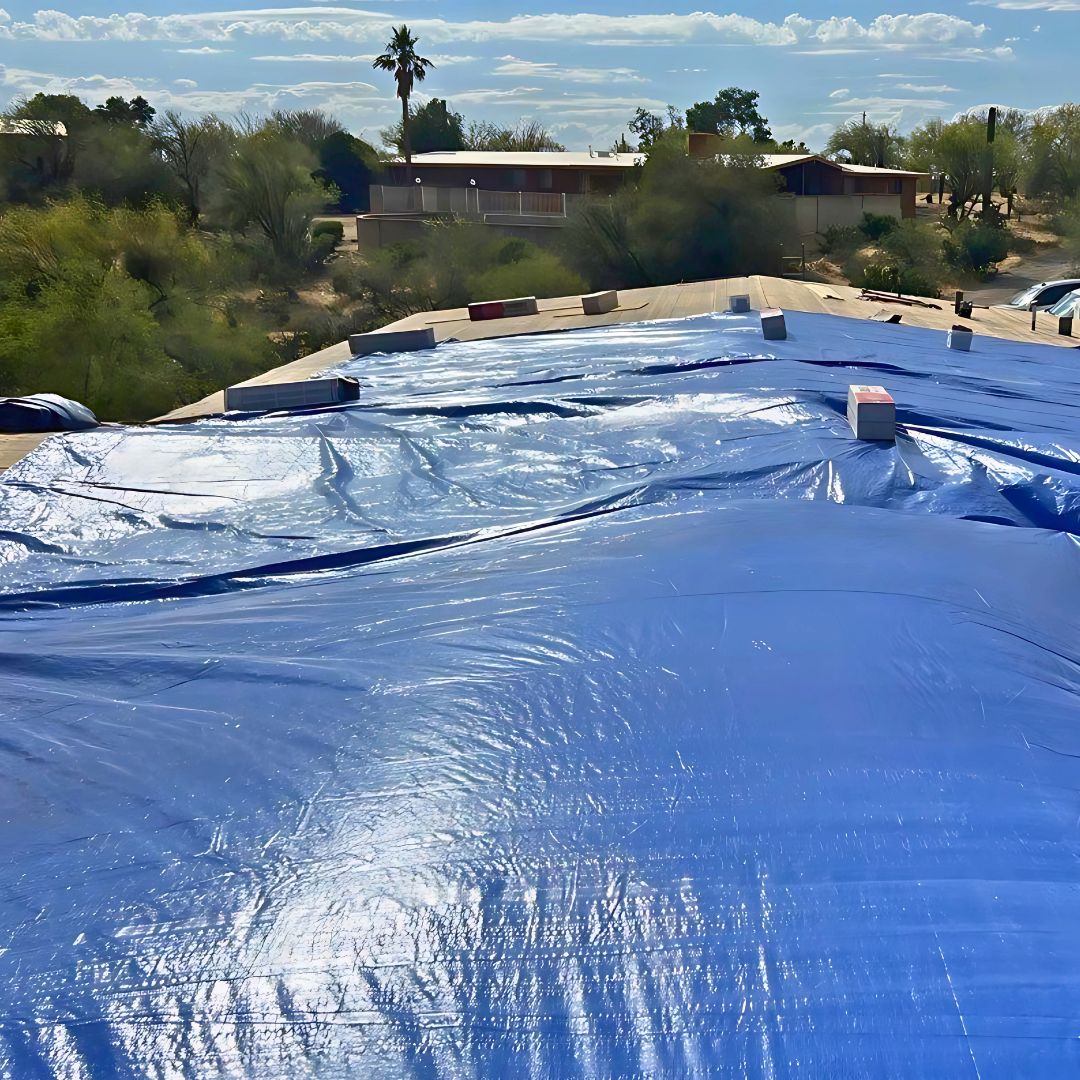
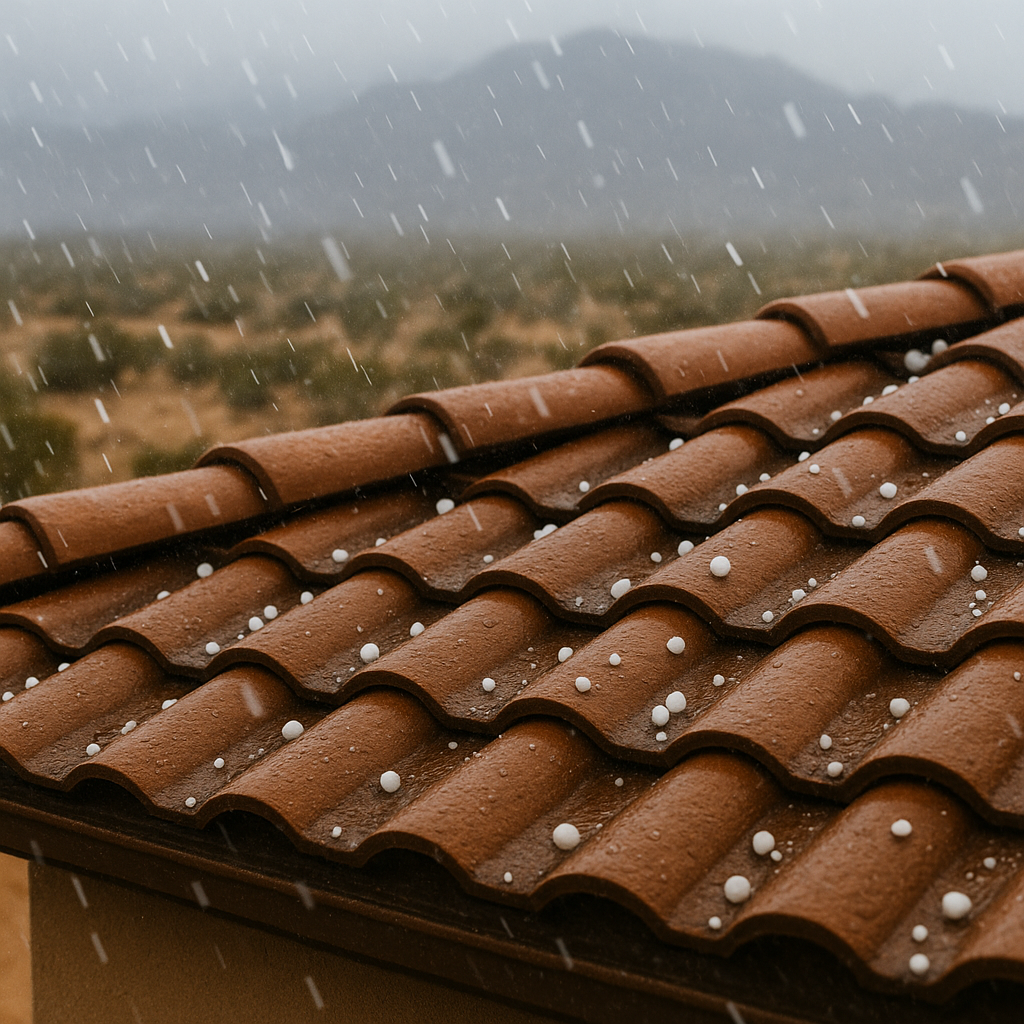
Roof underlayment is a critical part of any roofing system in Arizona, especially due to Arizona’s extreme heat and monsoon storms, which can cause significant damage if the right materials are not used.
But here’s a critical fact many homeowners don’t learn until it’s too late:
Your roof is just as important as your solar panels.
Installing solar on a roof that isn’t solar-ready can lead to leaks, voided warranties, shortened roof life, expensive repairs, and even the need to remove and reinstall panels years earlier than expected.
Before you move forward with solar, it’s essential to make sure your roof is structurally sound, properly ventilated, and built to last as long as your solar system. A professional roof inspection by a qualified roofing contractor is recommended to confirm the roof’s health and structural integrity, including an assessment of rafters and trusses, before any solar installation.
In this guide, Reimagine Roofing explains what to fix or upgrade before installing solar panels in Arizona, how our desert climate affects roofing systems, and how to protect your investment from day one. Choosing the right underlayment is also crucial for long-term roof performance in Arizona’s extreme climate.
Why Solar-Ready Roofing Matters in Arizona
Solar panels are designed to last 25–30 years. Many roofing systems—especially older asphalt shingle roofs—are not.
If your roof fails before your solar system does, you could face:
- Thousands of dollars in panel removal and reinstallation costs
- Voided roofing or solar warranties
- Hidden water damage beneath mounts
- Insurance claim complications
- Reduced resale value
Roof leaks can complicate insurance claims and lead to costly repairs, especially if the underlayment fails.
Arizona’s climate makes this risk even higher. Regular inspections of roof underlayment are essential to identify potential failures before they cause damage.
Underlayment acts as a secondary barrier that helps protect homes from water intrusion, heat, and wind. The roof’s lifespan should be evaluated to ensure it matches the expected life of the solar panels.
Arizona-Specific Roofing Challenges
- Extreme heat and UV exposure accelerate material breakdown
- Intense sunlight and high temperatures in Arizona require roofing materials and underlayments specifically designed to withstand these extreme conditions
- Monsoon storms test flashing and penetrations
- Thermal expansion and contraction stress fasteners and sealants
- Dust and debris clog drainage and ventilation systems
A solar-ready roof isn’t just “good enough today”—it’s engineered to perform for decades in harsh desert conditions.
Step 1: Evaluate the Age and Condition of Your Roof
Before solar installation, the most important question is simple:
Will your roof last as long as your solar panels?
It’s crucial to hire a professional roofing contractor to assess your roof’s condition before moving forward with solar ready roofing in Arizona.
When evaluating your roof, check for:
- Missing, cracked, or curling shingles
- Signs of leaks or water damage
- Sagging or uneven areas
- Inspecting the roof deck and wood decking for structural soundness
If your roof is over 10 years old, you should schedule a roof inspection to confirm it’s suitable for solar panel installation.
Roof Lifespan by Material (AZ Conditions)
- Asphalt shingles: 15–25 years (often less in extreme heat)
- Tile roofs: 40–50 years (underlayment usually fails sooner)
- Metal roofs: 40–70+ years
If your roof has less than 10–15 years of remaining life, installing solar without replacing or upgrading the roof is a gamble.
Signs Your Roof Is Not Solar-Ready
- Curling, cracking, or brittle shingles
- Granule loss or bald spots
- Damaged shingles
- Soft decking or sagging areas
- Previous patchwork repairs
- Active or past leaks
- Aging underlayment beneath tile
Reimagine Roofing offers free solar-readiness roof inspections, including photos, measurements, and honest recommendations—before solar installers drill into your roof.
Step 2: Upgrade Underlayment (Especially Under Tile Roofs)
Many Arizona homes have tile roofs that look great from the outside—but hide a failing underlayment underneath. Roof underlayment is a critical part of any roofing system in Arizona, especially for solar-ready roofs, as it provides essential protection and durability.
Why Underlayment Matters for Solar
- Solar mounts penetrate through the roof covering
- Underlayment is the primary waterproofing layer
- Older felt underlayments dry out, crack, and fail under heat
Underlayment also helps create a more even surface for shingle or tile installation. Leak prevention is especially important in high risk areas prone to water intrusion, making durable options like rubberized asphalt underlayment ideal for Arizona’s extreme weather conditions.
If your tile roof is more than 15–20 years old, your underlayment is likely near the end of its lifespan—even if the tiles themselves are fine.
Best Underlayment Options for Solar-Ready Roofs
- High-temp synthetic underlayment: Synthetic underlayment is a popular choice in Arizona due to its durability, ability to handle fluctuating temperatures, and resistance to UV exposure. It typically costs between $0.10 and $0.65 per square foot and is designed to withstand high temperatures, making it suitable for solar ready roofing in Arizona.
- Rubberized asphalt: Rubberized asphalt underlayment is a self-adhesive, waterproof option made from fiberglass and recycled rubber polymers. It is ideal for leak-prone or high-risk areas because it provides a superior waterproof seal and excellent leak prevention, even in extreme weather. This underlayment is the most expensive, costing between $0.20 and $0.90 per square foot, but offers unmatched durability and heat resistance.
- Felt underlayment (asphalt saturated felt/asphalt saturated paper): Felt underlayment, also known as asphalt saturated felt or asphalt-saturated paper, is a traditional and economical choice made from recycled paper soaked in asphalt. It is water-resistant and eco-friendly, but less durable than synthetic or rubberized options. Felt underlayment costs between $0.05 and $0.55 per square foot.
- Low-E underlayment: Low-E underlayment reflects radiant heat, helping to reduce heat transfer and lower energy bills in Arizona’s hot climate. It is a good option for improving energy efficiency under solar panels.
- Peel-and-stick waterproof membranes in penetration zones: These membranes, often made from rubberized asphalt, are used in areas prone to leaks, such as around roof penetrations, to provide an extra layer of waterproofing and protection.
- UV-stable materials rated for extreme heat: Choosing UV-stable and heat-resistant materials is essential for Arizona roofs to ensure longevity and performance under intense sun and high temperatures.
Selecting the right underlayment is critical for solar ready roofing in Arizona, as it must withstand high temperatures, resist heat transfer, and protect against extreme weather. Upgrading underlayment before solar avoids future tear-offs and protects against monsoon-driven rain.
Step 3: Reinforce Flashing and Penetration Protection
Solar systems require multiple roof penetrations for mounts and wiring. Poor flashing is the #1 cause of post-solar roof leaks. All flashing and waterproofing upgrades should be installed correctly by a qualified roofing contractor to ensure long-term protection and warranty compliance.
Common Solar-Related Leak Causes
- Improper flashing integration
- Sealants breaking down under UV
- Inadequate waterproof membranes
- Movement from thermal expansion
Solar-Ready Roofing Upgrades
- Heavy-duty flashing systems designed for solar mounts
- High-temperature sealants rated for Arizona heat
- Secondary waterproof barriers around penetrations
At Reimagine Roofing, we coordinate roofing upgrades to ensure your roof is solar-compatible—not just solar-covered. Expert roofing services are essential for ensuring all upgrades are performed to the highest standards.
Step 4: Improve Attic Ventilation Before Solar Installation
Arizona attics routinely exceed 140–160°F in summer. Adding solar panels without addressing ventilation can trap even more heat.
Improving attic ventilation helps reduce heat transfer into the home, which can lower cooling costs and better meet your energy needs.
Why Ventilation Matters
- Excess heat shortens shingle and underlayment life
- Higher attic temps increase AC costs
- Heat buildup can reduce solar efficiency
Solar-Ready Ventilation Solutions
- Balanced intake and exhaust systems
- Ridge vents or box vents (code-compliant)
- Solar-compatible vent placement
- Radiant barriers (when appropriate)
Proper ventilation protects both your roof and your energy savings.
Step 5: Address Structural Load and Decking Integrity
Solar panels add weight to your roof system. While most homes can handle it, older or compromised decking may not. Before installing solar panels, it’s essential to assess the structural integrity of your roof, including the roof deck and wood decking, to ensure they are in good condition and can safely support the additional load. This professional inspection helps prevent future issues like leaks, rot, or structural failure.
What We Inspect
- Roof decking thickness and condition
- Rafter spacing and attachment
- Existing structural damage or rot
Solar-Ready Structural Upgrades
- Decking reinforcement where needed
- Replacement of deteriorated plywood
- Secure fastening zones for solar mounts
This step is especially important for:
- Older Phoenix-area homes
- Homes with previous water damage
- Flat or low-slope roofs
Step 6: Consider a Full Roof Replacement (When It Makes Sense)
Sometimes the smartest move is replacing the roof before solar—especially when:
- Your roof is 15+ years old
- Repairs are stacking up
- You want maximum ROI and peace of mind
Getting a new roof before solar panel installation offers significant benefits, including cost savings, improved efficiency, and ensuring your solar panels last as long as possible.
Bundling roof replacement with solar panel installation can save homeowners around $4,000 on average compared to doing them separately. This approach also streamlines your home improvement projects by coordinating both upgrades into a single timeline, and many solar panel installers offer discounts or referral pricing when you bundle these services.
Combining roof replacement with solar panel installation is more cost-effective and efficient than handling each project separately. If you already have solar panels and your roof needs replacing, a certified solar installer must remove and reinstall solar panels, which typically costs between $1,500 and $6,000 in Arizona.
Benefits of Replacing First
- One labor cost instead of two
- Full warranty alignment (roof + solar lifespan)
- Clean, optimized mounting layout
- Higher home resale value
Reimagine Roofing specializes in solar-ready roof replacements, designed to support panels for decades without compromise.
Step 7: Choose Solar-Compatible Roofing Materials
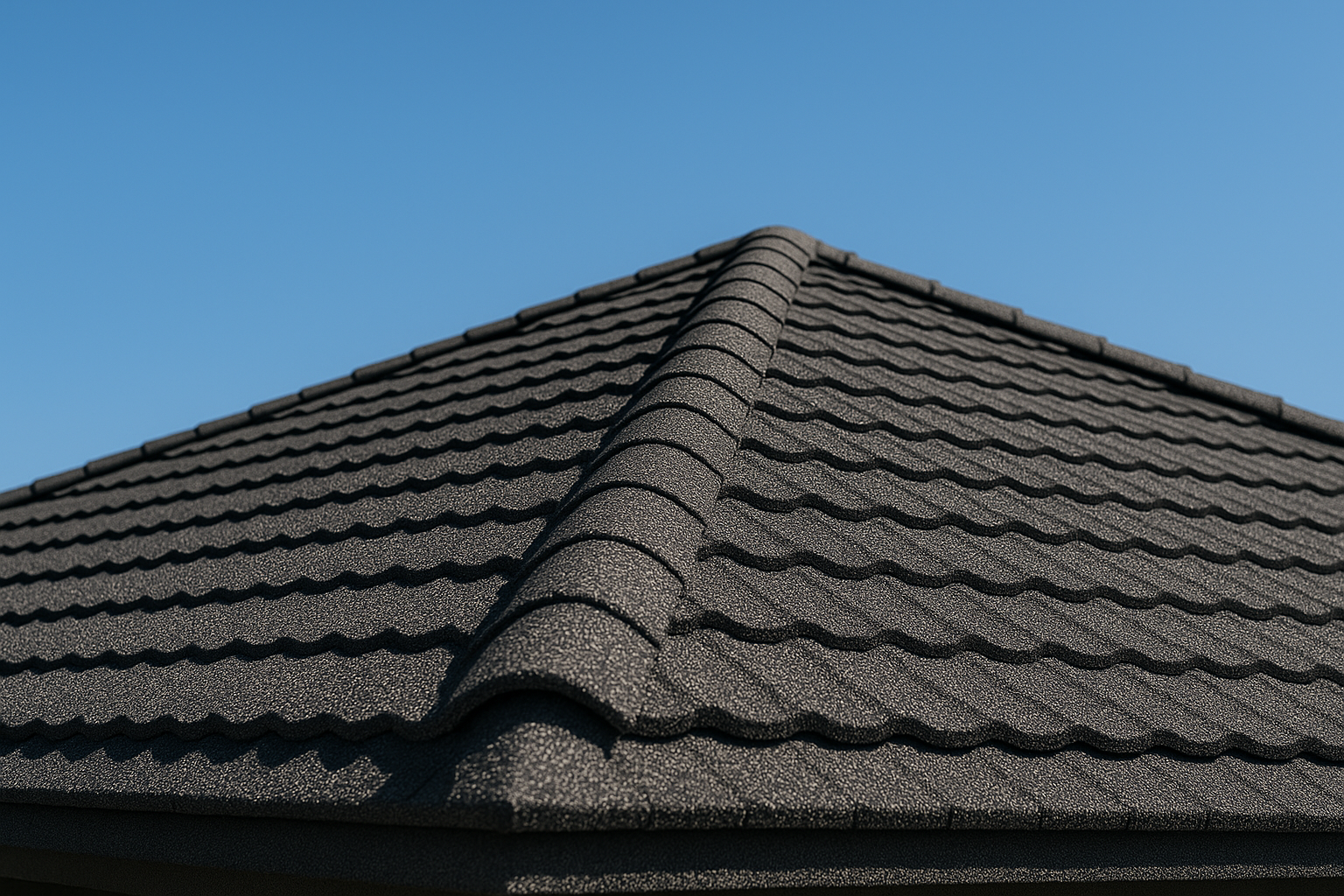
Not all roofs perform equally with solar. Solar panels can be installed on various types of roofing materials, but strong and durable materials like asphalt shingles are preferred. Tile roofs are also ideal for solar panel installations due to their long lifespan and ability to withstand Arizona’s climate. Metal roofing is another excellent option, offering durability, a modern aesthetic, and a secure base for solar panel installations. If you have wood shakes, it’s important to use special underlayments that provide moisture protection tailored to this material.
No matter which material you choose, a complete roofing system—including underlayment and other essential components—is crucial for durability, code compliance, and ensuring your roof is compatible with solar panels.
Best Roofing Options for Solar in Arizona
- Standing seam metal roofs (no penetrations required)
- Architectural shingles with upgraded underlayment
- Concrete or clay tile with modern waterproofing systems
Materials to Be Cautious With
- Aging 3-tab shingles
- Brittle tiles without underlayment upgrades
- Flat roofs without proper drainage design
We help homeowners select materials that balance durability, efficiency, and long-term cost savings.
Roof Slope and Orientation: Getting the Most from Your Solar Panels
The angle and direction of your roof have a major impact on how much energy your solar panels can produce. In Arizona’s sunny climate, the ideal roof slope for solar panel installation is typically between 15 and 40 degrees. This range allows solar panels to capture the maximum amount of sunlight throughout the year, boosting your energy production and overall solar investment.
South-facing roofs are generally the best option for solar panels, as they receive the most direct sunlight during peak hours. However, not every home has a perfectly oriented roof. The good news is that experienced solar professionals can design a solar energy system that works with your roof’s unique slope and orientation, often using specialized mounting systems to optimize panel angles.
Arizona homeowners should consult with a trusted solar company or installer to evaluate their roof’s slope and orientation before moving forward. By tailoring your solar panel installation to your roof’s characteristics, you’ll ensure you get the most out of your solar power system—no matter which direction your roof faces.
Navigating Arizona Building Codes and Solar Regulations
Installing solar panels in Arizona means following a set of building codes and regulations designed to keep your home safe and your solar energy system up to code. Most building codes require at least 3 feet of clearance around solar panels to allow for safe maintenance and emergency access. In addition, your solar panel installation must meet local electrical and fire safety standards to protect your home and comply with insurance requirements.
A reputable solar company will be familiar with Arizona’s specific building codes and can help homeowners secure the necessary permits for their solar project. Working with experienced solar professionals ensures your solar installation is completed correctly, meets all legal requirements, and qualifies for available incentives. By staying compliant with most building codes, Arizona homeowners can enjoy the benefits of clean energy with confidence and peace of mind.
What to Know About Panel Removal and Reinstallation for Future Roof Work
When planning to install solar panels, it’s important to think ahead about your roof’s future maintenance needs. If your roof requires repairs or replacement down the line, you’ll need to temporarily remove and then reinstall your solar panels—a process that can add extra cost and complexity if not anticipated in advance.
Arizona homeowners should have an open conversation with their solar installer about the expected lifespan of their roof and any upcoming repairs. A knowledgeable solar company can outline the steps involved in panel removal and reinstallation, helping you plan for minimal disruption and avoid costly repairs. By coordinating your solar panel installation with your roof’s maintenance schedule, you can protect both your solar investment and your home, ensuring your solar panels are reinstalled correctly and your roof remains watertight.
Maximizing Savings and Incentives for Solar-Ready Roofing
Arizona homeowners have a unique opportunity to maximize their savings by combining roof replacement with solar panel installation. By choosing solar-ready roofing materials—such as synthetic underlayment—and scheduling both projects together, you can take advantage of federal and state tax credits, rebates, and other financial incentives designed to support renewable energy upgrades.
A qualified solar company can help you navigate the available incentives and ensure your solar panel installation meets all requirements for maximum savings. With proper installation and the right roofing material, you’ll benefit from lower energy bills, increased property value, and a smaller carbon footprint. Investing in a solar-ready roof and solar panels at the same time is a smart way for Arizona homeowners to enjoy long-term performance, energy independence, and the full benefits of clean, renewable energy.
Solar, Insurance, and Warranties: What Homeowners Need to Know
Installing solar without roof prep can:
- Void manufacturer warranties
- Complicate insurance claims
- Reduce coverage for leaks
A documented solar-readiness inspection from Reimagine Roofing protects you legally and financially.
Why Arizona Homeowners Trust Reimagine Roofing
✔ Arizona climate expertise
✔ Solar-ready roof inspections
✔ High-performance materials
✔ Transparent pricing and fast quotes
✔ Roofing systems built for extreme heat
We don’t just install roofs—we future-proof them.
Final Checklist: Is Your Roof Solar-Ready?
Before installing solar, make sure you can confidently answer YES to all of the following:
- My roof will last 25+ years
- Underlayment is modern and heat-rated
- Flashing and penetrations are reinforced
- Ventilation meets Arizona conditions
- Decking is structurally sound
- Warranties are protected
If not, Reimagine Roofing can help.
Get a Free Solar-Readiness Roof Inspection in Arizona
Thinking about solar? Start with your roof.
Reimagine Roofing offers:
- Free roof inspections
- Photo reports and honest recommendations
- Solar-ready upgrades and replacements
- Fast quotes—often in under 24 hours
Schedule your free solar-readiness inspection today and protect your investment from the top down.
Popular Posts