Vinyl Windows vs. Fiberglass vs. Wood: Which Is Best for Your Home?
Vinyl Windows vs. Fiberglass vs. Wood: Which Is Best for Your Home?
Vinyl Windows vs. Fiberglass vs. Wood: Which Is Best for Your Home?
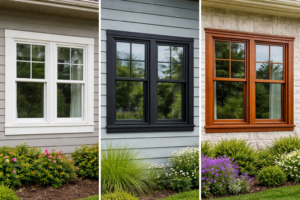
Choosing new windows isn’t just about looks—it’s about comfort, durability, energy efficiency, maintenance, and long-term value. One of the biggest decisions homeowners face during window replacement is which frame material to choose. Vinyl, fiberglass, and wood windows all have loyal fans—and all have real pros and cons depending on your climate, budget, and goals. Composite windows, made from a mix of materials like fiberglass and resins, are another durable option that closely resembles wood in appearance and offers excellent structural stability.
This comparison is designed to help you make a confident decision, not just read marketing claims. We’ll break down how vinyl, fiberglass, and wood windows actually perform in real homes, what they cost, how long they last, and who each option is best for. When considering window replacement, remember that doors are also a key part of home improvement projects, with similar considerations for material, energy efficiency, and aesthetics.
By the end, you’ll know exactly which window material makes the most sense for your home—and if you want a professional opinion, Reimagine Construction offers free window consultations and fast, detailed quotes so you can move forward without guesswork.
✅ Schedule your free window consultation with Reimagine Construction today
Why Window Frame Material Matters More Than You Think
When homeowners think about windows, they often focus on:
- glass type (double-pane, Low-E)
- price
- brand name
But frame material plays a huge role in how your windows perform over time.
Your window frames affect:
- how well the window seals against air and water
- how much it expands and contracts with temperature
- how often it needs maintenance
- how long it lasts
- how it looks 10–30 years from now
- your home’s energy efficiency, since the right frame material can help create efficient windows that reduce energy costs
Choosing the wrong material for your climate or lifestyle can lead to:
- warped frames
- broken seals
- drafts and leaks
- constant repainting or repairs
- premature replacement
That’s why this decision matters. Choosing energy efficient windows is crucial for maintaining comfort and reducing your utility bills.
Quick Overview: Vinyl vs. Fiberglass vs. Wood
Before we dive deep, here’s a high-level snapshot.
In addition to vinyl, wood, and aluminum, composite windows are another popular option. Made from a blend of materials such as fiberglass and resins, composite windows offer excellent durability, structural stability, and often mimic the look of real wood while requiring less maintenance.
Each material—vinyl, wood, aluminum, and composite—comes in a range of window styles, giving homeowners flexibility to match their design preferences and functional needs.
Vinyl Windows
Most affordable
- Low maintenance
- Good energy efficiency
- Vinyl replacement windows are custom made to fit specific openings and preferences
- Limited color options (improving over time)
- Can expand/contract more with heat
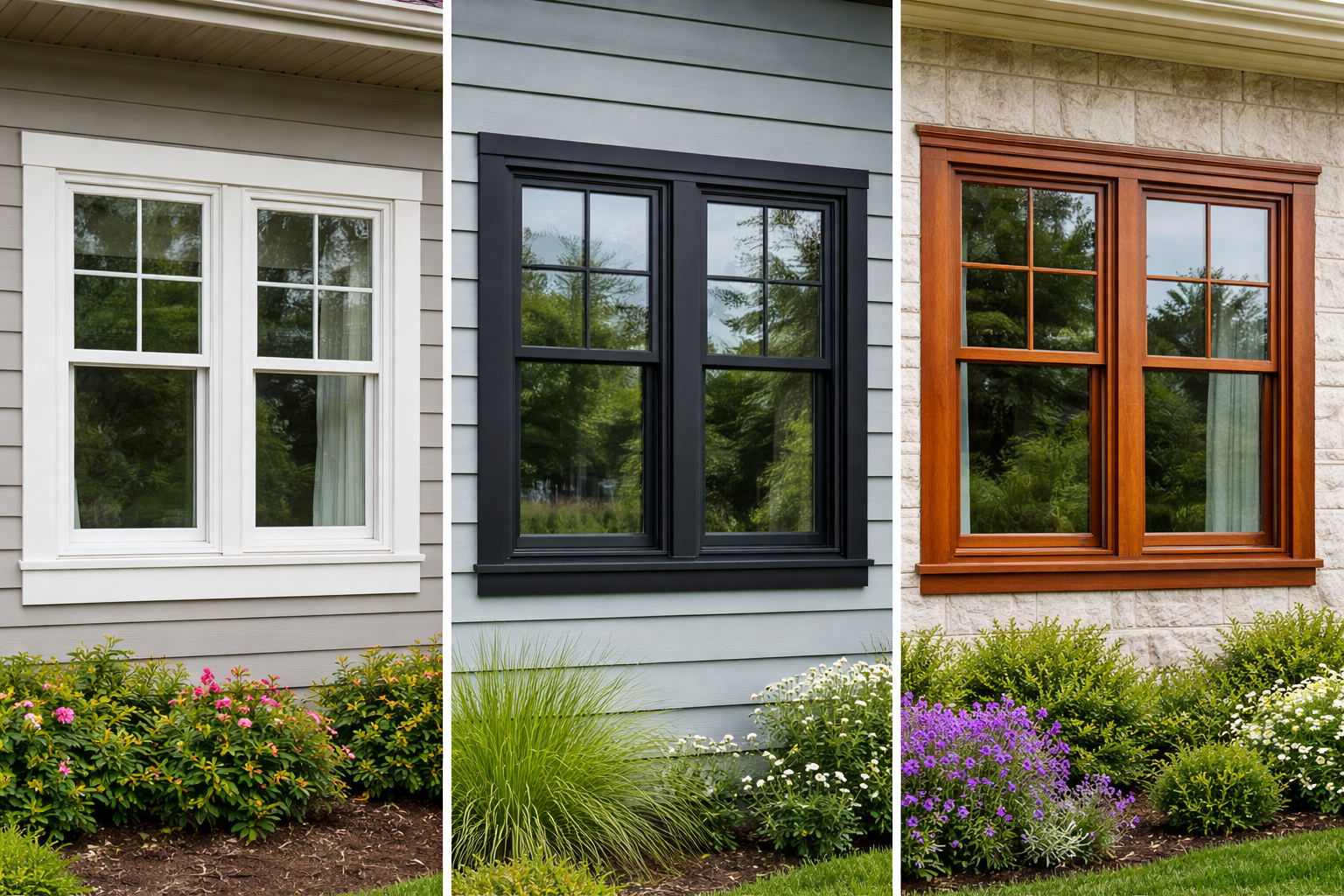
Frames made from vinyl are known for their durability, excellent thermal insulation, and minimal maintenance requirements. Vinyl windows are also available in a range of exterior colors to match different home styles.
Fiberglass Windows
- Premium performance
- Extremely durable and stable
- Excellent energy efficiency
- Composite windows, often made with fiberglass or mixed materials, offer similar durability and performance benefits
- Higher upfront cost
- Very low maintenance
Wood Windows
- Classic, high-end appearance
- Wood frame windows offer great natural insulation
- A wood window provides a traditional look and excellent insulation benefits
- High maintenance
- Vulnerable to moisture and rot if neglected
- Often the most expensive long-term
Now let’s break each one down properly.
Window Types and Styles
When selecting new windows for your home, the style you choose can make a big difference in both appearance and performance. Popular options like double hung windows, awning windows, and bay windows each offer unique advantages to suit different needs and architectural designs.
Double hung windows are a classic choice, featuring two sashes that slide up and down for flexible ventilation. This style is especially popular for its easy cleaning and ability to improve air circulation—plus, it’s ideal if you want to install a window air conditioner. Double hung windows are also known for their energy efficiency, especially when paired with modern glass features and quality window frame materials.
Awning windows are hinged at the top and open outward, making them perfect for letting in fresh air even during light rain. Their design is particularly well-suited for warmer climates, as they provide excellent ventilation while maintaining a tight seal when closed. Awning windows can be a smart choice for areas where you want to maximize airflow without sacrificing energy efficiency.
Bay windows project outward from your home’s exterior, creating a cozy nook inside and adding valuable natural light to your living space. Not only do bay windows enhance your home’s curb appeal, but they also make rooms feel larger and brighter. Their unique shape can also improve energy efficiency by capturing sunlight and reducing the need for artificial lighting during the day.
No matter which window style you choose, consider how it will impact your home’s energy efficiency, maintenance needs, and overall look. The right window type can boost comfort, save energy, and add lasting value to your home.
Vinyl Windows: Pros, Cons, and Best Use Cases
What are vinyl windows?
Vinyl windows are made from PVC (polyvinyl chloride). They’re the most commonly installed replacement windows in the U.S. today—and for good reason.
Pros of vinyl windows
1. Affordability
Vinyl windows are typically the most budget-friendly option, making them ideal for:
- full-home replacements
- rental properties
- cost-conscious upgrades
2. Low maintenance
Vinyl doesn’t need:
- painting
- staining
- sealing
A simple cleaning keeps them looking good.
3. Good energy efficiency
Modern vinyl windows with proper glass packages offer:
- solid insulation
- tight seals
- good performance in most climates
4. Moisture resistance
Vinyl does not rot, making it suitable for humid or rainy areas.
Cons of vinyl windows
1. Expansion and contraction
Vinyl expands and contracts more than fiberglass, especially in hot climates. Over time, this can:
- stress seals
- affect operation
- reduce longevity if quality is low
2. Limited color options
While improving, vinyl still can’t fully match:
- deep wood tones
- true architectural finishes
Dark colors may absorb heat and increase expansion risk.
3. Perceived as “less premium”
In high-end homes, vinyl may not offer the upscale look some homeowners want.
Best homes for vinyl windows
Vinyl is a great choice if you want:
- excellent value
- minimal maintenance
- solid efficiency
- dependable performance without premium pricing
Vinyl windows are ideal for most homeowners, especially when installed correctly.
Fiberglass Windows: Pros, Cons, and Best Use Cases
What are fiberglass windows?
Fiberglass windows are made from pultruded fiberglass, a material stronger than vinyl and more dimensionally stable.
Pros of fiberglass windows
1. Exceptional durability
Fiberglass is:
- extremely strong
- resistant to warping
- stable in extreme temperatures
It expands and contracts at nearly the same rate as glass—meaning better long-term seal integrity.
2. Excellent energy efficiency
Fiberglass frames:
- insulate well
- maintain tight seals longer
- perform consistently over decades
3. Low maintenance
Fiberglass:
- doesn’t rot
- doesn’t corrode
- holds paint extremely well if painted
4. Premium appearance
Fiberglass can mimic:
- wood grain
- modern architectural styles
- slim-profile frames with more glass area
Cons of fiberglass windows
1. Higher upfront cost
Fiberglass windows usually cost more than vinyl, sometimes significantly.
2. Fewer budget-level options
Fiberglass is rarely the cheapest choice—but often pays off long-term.
Best homes for fiberglass windows
Fiberglass is ideal if you want:
- long lifespan
- superior performance
- minimal maintenance
- a more upscale look
- excellent performance in extreme climates (hot, cold, coastal)
Wood Windows: Pros, Cons, and Best Use Cases
What are wood windows?
Wood windows use natural wood frames, often with exterior cladding (aluminum or vinyl) for protection.
Pros of wood windows
1. Classic beauty
Wood offers:
- unmatched warmth
- architectural authenticity
- rich interior aesthetics
2. Natural insulation
Wood is a good natural insulator when properly maintained.
3. Customization
Wood windows can be:
- stained
- painted
- shaped for historic or luxury homes
Cons of wood windows
1. High maintenance
Wood requires:
- regular painting or staining
- inspection for moisture damage
- upkeep to prevent rot
2. Vulnerable to moisture
In humid, rainy, or coastal environments, wood can:
- swell
- rot
- attract pests
3. Higher lifetime cost
Even if initial pricing is competitive, long-term maintenance adds up.
Best homes for wood windows
Wood windows work best for:
- historic homes
- luxury custom builds
- homeowners committed to ongoing maintenance
- dry or mild climates
Side-by-Side Comparison
| Feature | Vinyl | Fiberglass | Wood |
|---|---|---|---|
| Upfront Cost | $ | $$–$$$ | $$$ |
| Energy Efficiency | Good | Excellent | Good |
| Maintenance | Very Low | Very Low | High |
| Durability | Good | Excellent | Variable |
| Moisture Resistance | Excellent | Excellent | Poor–Moderate |
| Appearance | Modern | Premium | Classic |
| Lifespan | 20–30 yrs | 30–50 yrs | 20–30 yrs (with upkeep) |
Vinyl windows can last between 20 to 40 years with high-quality installations, making them a durable choice for homeowners. The average national price for a professional to replace one window is around $800, with costs ranging from about $300 to $3,000 depending on the size and type of window. Installation typically costs $100 to $300 per window. For an average, one-story house, replacing all the windows would cost about $8,000.
Energy Efficiency: Which Performs Best?
Energy efficiency depends on both the frame and the glass, but frame stability matters. Choosing energy efficient windows, such as Energy Star certified models, can save the average homeowner about 13 percent on their home energy bills.
- Fiberglass performs best long-term because seals remain intact longer.
- Vinyl performs very well initially and remains efficient with quality manufacturing.
- Wood can be efficient, but performance declines if moisture damage occurs.
Proper installation often matters more than the frame material itself.
Durability and Climate Considerations
Hot climates
- Fiberglass performs exceptionally well
- Vinyl performs well if high quality
- Wood struggles without vigilant maintenance
Cold climates
- Fiberglass excels
- Vinyl performs well
- Wood can perform well if protected
Humid or coastal areas
- Fiberglass and vinyl are strong choices
- Wood is high risk unless fully clad and maintained
Maintenance and Long-Term Ownership Costs
Vinyl
- Wash occasionally
- Minimal upkeep
- Lowest lifetime cost
Fiberglass
- Almost maintenance-free
- Paint lasts longer than vinyl or wood
- High long-term value
Wood
- Regular painting/staining
- Repair costs add up
- Higher lifetime expense
Aesthetics, Resale Value, and Design Flexibility
- Vinyl boosts value through efficiency and affordability
- Fiberglass adds premium appeal and durability
- Wood attracts buyers in luxury or historic markets—but only if well maintained
In many modern homes, fiberglass offers the best balance of performance and aesthetics.
Replacement and Installation Considerations
When it comes to replacing windows, the quality of installation and the features you select are just as important as the window material itself. Proper installation by certified installers is essential for achieving the best energy efficiency, preventing heat loss, and ensuring your new windows perform as intended for years to come.
Look for windows that carry the National Fenestration Rating Council (NFRC) label, which provides key information about a window’s energy performance. Pay close attention to the U-factor (which measures heat loss) and the Solar Heat Gain Coefficient (SHGC) (which measures how much solar heat the window lets in). Choosing windows with a low U-factor and an appropriate SHGC for your climate can help you save energy and lower your energy bills.
The choice of window frame materials—whether wood, vinyl, or fiberglass—also plays a significant role in energy efficiency and long-term durability. Features like low-e coatings and argon gas fills between panes further enhance insulation and reduce unwanted heat gain or loss. Don’t overlook design details such as grille patterns, which can add character without compromising performance.
When replacing windows, consider whether a full-frame replacement (removing the entire existing frame) or a pocket replacement (fitting new windows into the existing frame) is best for your situation. Full-frame replacements offer the most flexibility and energy savings, while pocket replacements can be less invasive and more cost-effective if your existing frames are in good condition.
Opting for Energy Star certified windows ensures you’re getting products that meet strict energy efficiency standards, helping you save energy and enhance your home’s curb appeal. By carefully evaluating these factors and working with experienced, certified installers, you’ll maximize your investment in new windows—enjoying greater comfort, lower energy bills, and lasting value.
Which Window Material Is Best for Your Home? (Decision Guide)
Choose vinyl if:
- budget matters
- you want low maintenance
- you want solid efficiency
- you want vinyl replacement windows that are energy-efficient and custom made to fit your home
Note: For homes with damaged or rotted frames, new construction windows are an option to consider when replacing windows.
Choose fiberglass if:
- you want the longest lifespan
- your climate is extreme
- you want premium performance
- you plan to stay in your home long-term
Choose wood if:
- aesthetics are your top priority
- you’re willing to maintain them
- your home demands architectural authenticity
Common Myths About Window Materials
Myth: Vinyl windows are “cheap.”
Truth: Quality vinyl windows perform extremely well when properly installed.
Myth: Wood windows are always better insulated.
Truth: Frame material matters less than glass and sealing quality.
Myth: Fiberglass isn’t worth the cost.
Truth: Fiberglass often offers the best long-term value.
Myth: Single pane windows are just as good as modern options.
Truth: Replacing old single pane windows with modern, energy-efficient vinyl windows can significantly improve home comfort and energy efficiency.
Get Expert Guidance With Reimagine Construction (CTA)
Choosing the right window material shouldn’t feel overwhelming—or sales-driven. The right answer depends on your home, your climate, and your goals.
Window World offers a wide variety of window styles and patio doors, and is recognized for customer satisfaction, making it a leading provider in the industry. Some tools even let you visualize new windows and doors on your own home, helping you personalize your renovation experience.
Reimagine Construction helps homeowners:
- compare vinyl, fiberglass, and wood windows honestly
- choose the best option for performance and budget
- install windows correctly for long-term results
- receive fast, transparent quotes with no pressure
✅ Schedule your free window consultation with Reimagine Construction today
✅Get a clear recommendation + detailed estimate
Upgrade your comfort, efficiency, and peace of mind!
Popular Posts