Can Your Roof Reduce Indoor Heat and UV Exposure?
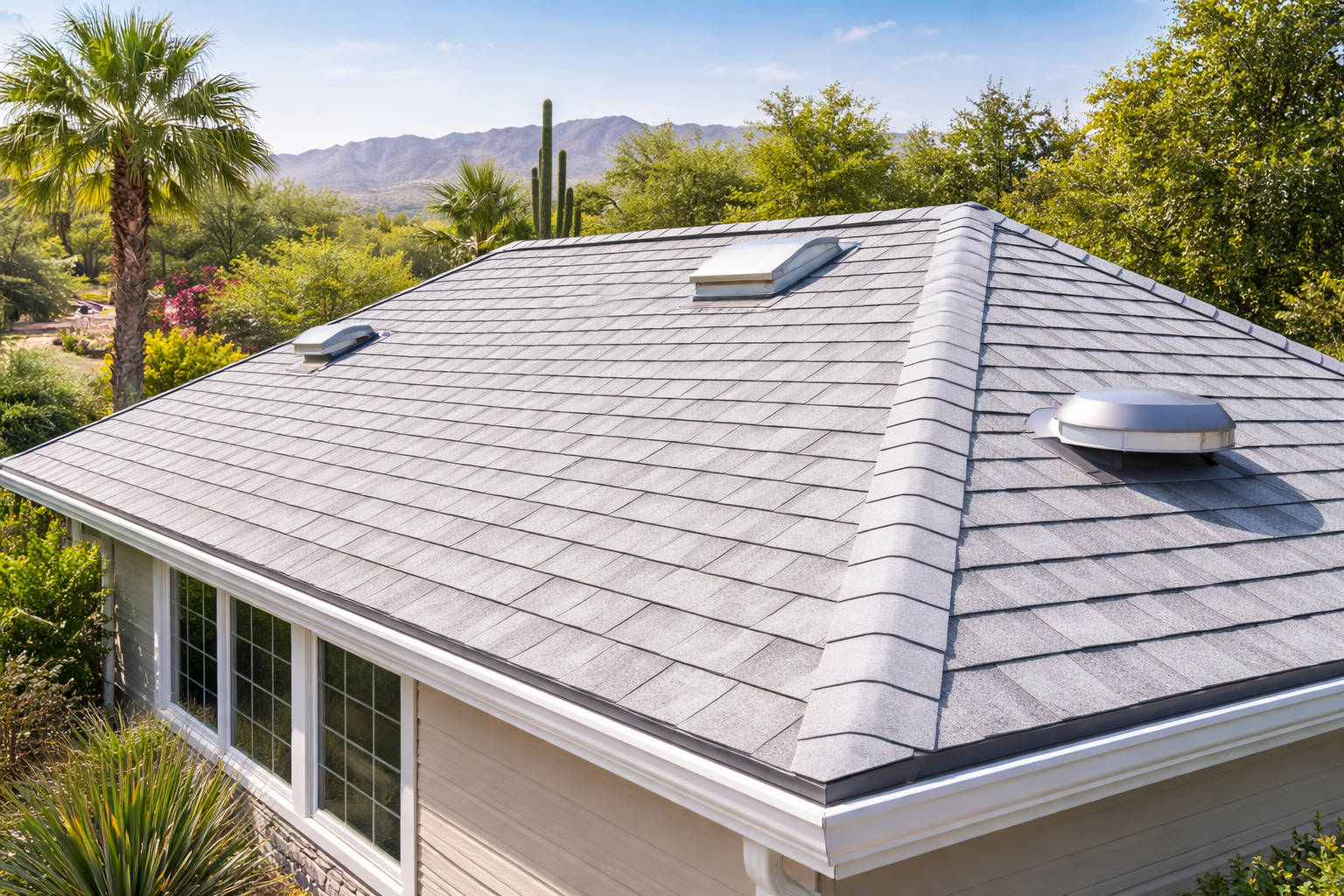
Can Your Roof Reduce Indoor Heat and UV Exposure?
Can Your Roof Reduce Indoor Heat and UV Exposure? Here’s What Actually Helps
A Homeowner’s Guide to Cooler Homes, Lower Energy Bills, and Better Comfort in 2026
Focusing on cool roofs, insulation, and attic ventilation
If your home feels hotter than it should, your air conditioner runs nonstop, or your furniture and floors are fading faster than expected, the problem may not be your windows or your HVAC system. In many homes, the real issue starts at the top. Your roof plays a massive role in how much heat and UV exposure makes its way indoors.
In warm and sunny climates, and even in areas with mixed seasons, the roof is your home’s first line of defense against solar radiation. The right roofing system can help reflect heat, reduce attic temperatures, limit UV penetration, and keep indoor spaces more comfortable year-round. The wrong system can turn your attic into an oven and force your AC to fight a losing battle.
This guide explains what actually helps reduce indoor heat and UV exposure, what does not, and how homeowners can make smart roofing upgrades in 2026 that improve comfort and energy efficiency without guessing.
If you want to know how your current roof is performing, Reimagine Roofing offers a free roof inspection, and you can get an estimate in under 24 hours.
Why Your Roof Has So Much Impact on Indoor Heat
Most homeowners think heat enters the home primarily through windows or doors. While those matter, the roof often contributes more heat gain than any other surface area of the house.
Unlike a cool roof, a conventional roof absorbs much more heat from the sun, which leads to higher indoor temperatures and increased cooling needs.
Here’s why:
- The roof receives direct sunlight for most of the day
- Dark or absorbent roofing materials soak up heat
- Attic spaces trap hot air and radiate heat downward
- Poor ventilation allows heat to build and linger
- Inadequate insulation lets heat transfer into living spaces
Different roof types and the roof slope also affect how much heat is absorbed and transferred indoors, with low-sloped and steep roofs requiring different cool roofing strategies and materials.
Several factors—including roof type, slope, insulation, and ventilation—determine how much energy is needed to keep your home cool.
On a sunny day, roof surface temperatures can exceed 150 degrees or more, even when outdoor air temperatures are much lower. That heat has to go somewhere. If your roof system is not designed to manage it, it ends up inside your home. Homes with conventional roofs typically use more energy for cooling, while cool roofs and proper upgrades can help use less energy.
Understanding Heat and UV Exposure From the Roof Down
To understand how a roof can reduce indoor heat and UV exposure, it helps to break down how heat moves.
Solar Radiation and UV Rays
Sunlight contains visible light, infrared heat, and ultraviolet radiation. When sunlight hits your roof:
- Some heat is reflected away
- Some heat is absorbed by roofing materials
- Absorbed heat transfers into the attic and home
- UV rays contribute to material breakdown and interior fading
Some roofing materials use special pigments or coatings, such as those found in solar reflective shingles, to reflect more sunlight and reduce heat absorption. Cool asphalt shingles, in particular, have special coatings that reflect more sunlight than regular shingles, helping to keep attics and living spaces cooler.
A well-designed roofing system reduces how much heat is absorbed and limits how much of that heat transfers into the home.
Climate and Environmental Considerations
When deciding whether to install a cool roof, it’s important to consider your local climate and environmental conditions. Cool roofs are engineered to reflect sunlight and absorb less heat, which can dramatically lower roof surface temperature and reduce the amount of heat transferred into your home or building. This means less heat enters your living spaces, leading to lower energy bills and less reliance on air conditioning—especially in hot, sunny climates.
The Cool Roof Rating Council is a trusted resource for comparing cool roof products and understanding their performance in different environments. Their ratings help building owners make informed decisions about which roofing materials will deliver the most energy savings for their specific needs.
In regions with long, hot summers, the benefits of cool roofs are clear: they keep buildings cooler, reduce the load on air conditioning systems, and help maintain comfortable indoor temperatures. However, in cold climates, the advantages may be less pronounced. During winter, a cool roof can reflect sunlight that might otherwise help warm the building, potentially increasing heating needs. That’s why it’s essential to weigh the year-round impact of a cool roof based on your local weather patterns, building design, and energy use.
Ultimately, understanding your climate and consulting resources like the Cool Roof Rating Council can help you choose a roofing solution that maximizes comfort, energy efficiency, and savings throughout the year.
What Actually Helps Reduce Indoor Heat and UV Exposure
Not all roofing upgrades work equally well. Some changes make a dramatic difference, while others provide minimal benefit. Energy-efficient roofing options are also eco friendly, helping to reduce your home’s carbon footprint. Energy-efficient roofing can help lower cooling costs by making roofs up to 50°F cooler, and choosing these materials can help lower your A/C bills. Let’s focus on what actually works.
Cool Roofs: One of the Most Effective Heat-Reduction Tools
What Is a Cool Roof?
A cool roof is designed to reflect more sunlight and absorb less heat than a traditional roof. This is achieved through:
- Reflective roofing materials
- Lighter color finishes
- Special coatings or pigments
- Advanced metal or shingle technology
Roof cool strategies include using materials like metal shingles, white cement, and terra cotta tiles, all of which can help reflect heat. Metal roofs can be coated with special paints that reflect sunlight and reduce heat absorption. Light-colored roofs, such as those made from white cement or glazed terra cotta, can be 50–60°F cooler than dark roofs, significantly reducing heat transfer into the attic.
Cool roofs are not just white roofs. Modern cool roofing options are available in a wide range of colors and styles.
How Cool Roofs Reduce Indoor Heat
Cool roofs work by:
- Reflecting a higher percentage of solar radiation
- Reducing roof surface temperature
- Lowering attic heat buildup
- Reducing heat transfer into living spaces
Cool roofs help buildings save energy by reducing the need for air conditioning and helping indoor spaces stay cool. Buildings with cool roofs use less air conditioning and save energy. In non-air-conditioned residential buildings, cool roofs can lower maximum indoor temperatures by 1.2–3.3°C (2.2 to 5.9°F).
In many homes, cool roofs can lower attic temperatures by 20 to 40 degrees or more during peak heat.
Cool Roof Options for Homeowners
Common cool roofing options include:
- Reflective asphalt shingles
- Solar reflective shingles
- Standing seam metal roofing
- Coated metal panels
- Tile roofing with reflective finishes
When considering roof types, cool roofing strategies can be tailored for both steep and low-sloped roofs. For low-sloped or flat roofs (pitch less than or equal to 2:12), materials like single-ply membranes, built-up roofs with reflective coatings, and liquid-applied reflective coatings are especially effective. Applying a liquid reflective coating to an existing roof can reduce roof surface temperatures by up to 50–60°F and lower indoor temperatures by 10–20°F.
Metal roofs are an excellent choice for hot climates and work well on both steep and low-sloped roofs. Metal roofing can reflect up to 70% of solar energy back into the atmosphere and cools down much faster at night than asphalt, helping to lower cooling costs and improve indoor comfort.
Tile and Slate Roofing
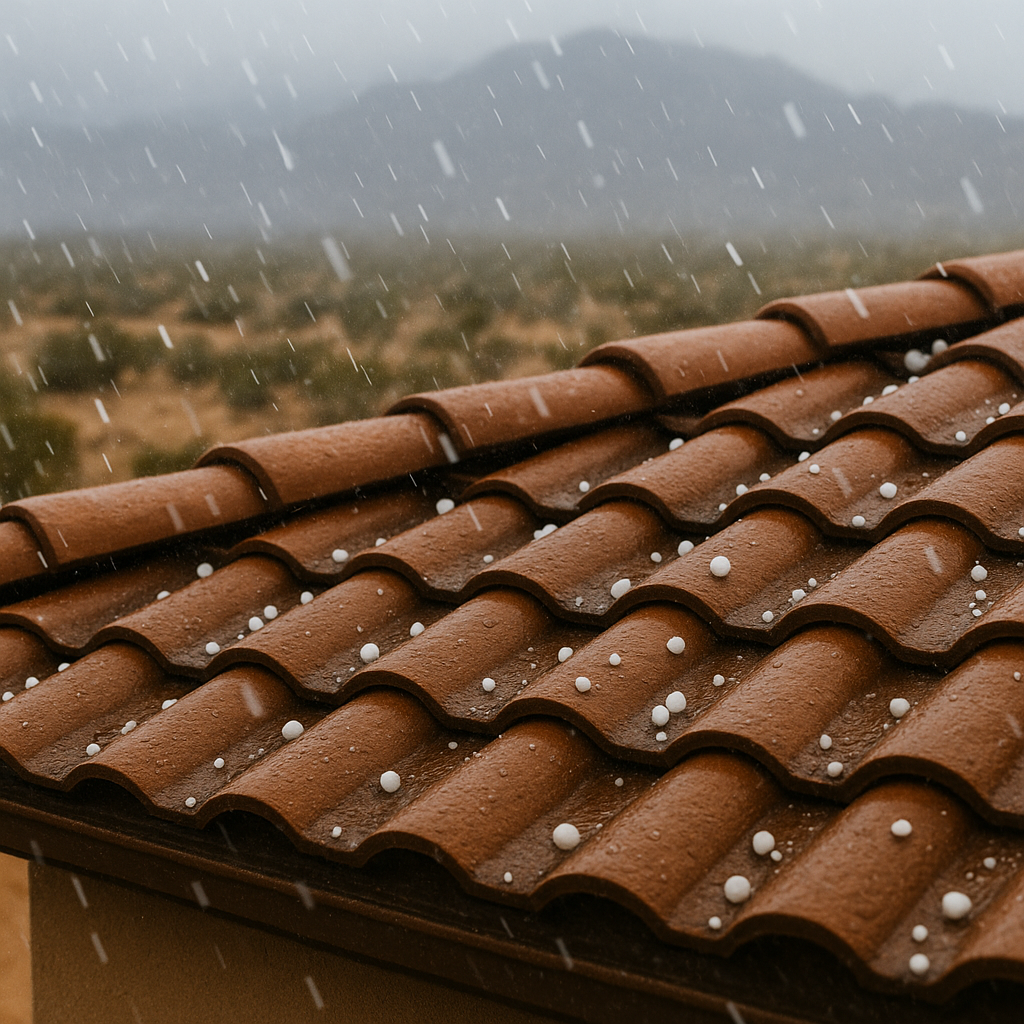
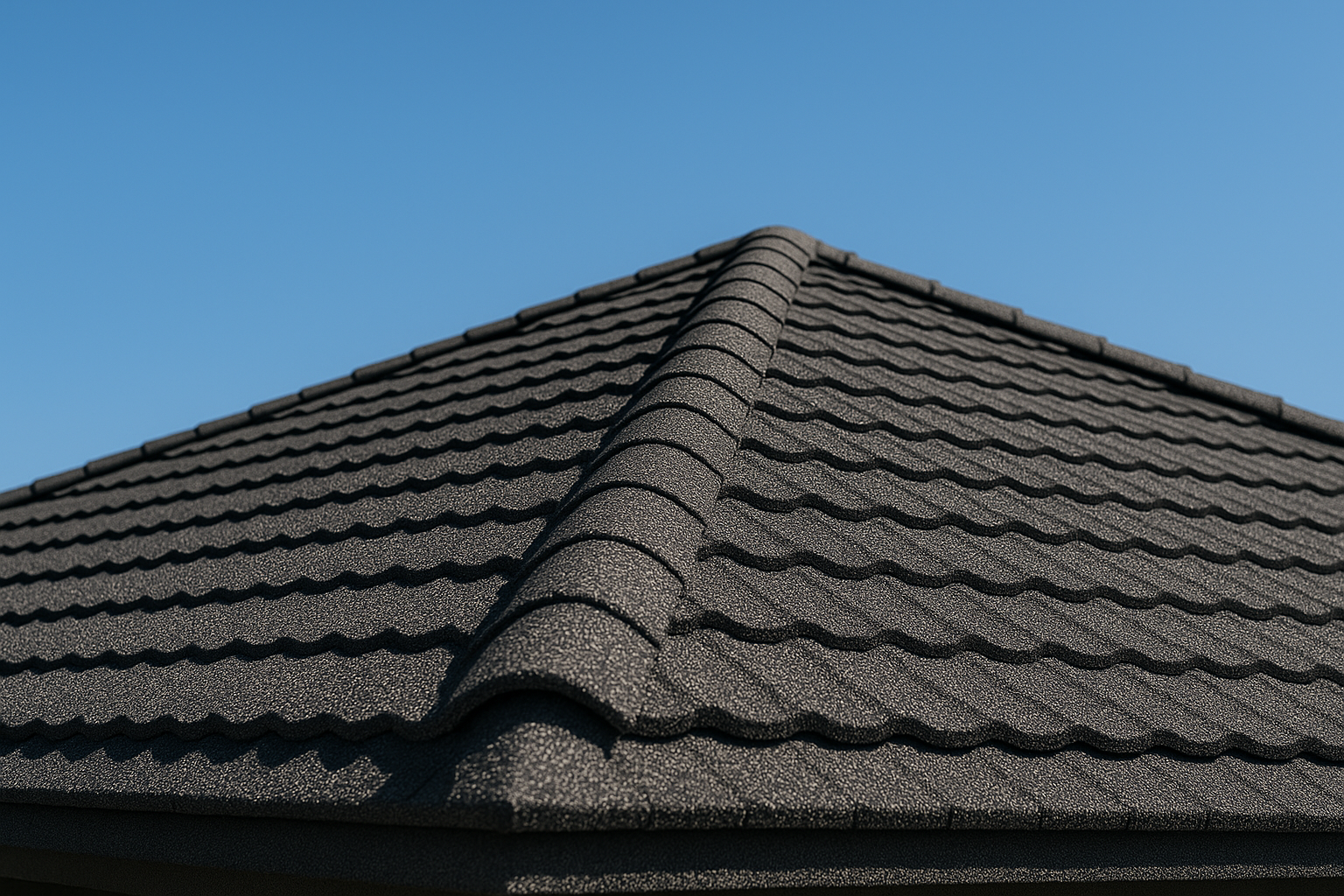
Tile and slate roofing are standout options for those seeking the benefits of cool roofs. These materials naturally offer high solar reflectance and excellent thermal emittance, meaning they reflect more sunlight and absorb less heat compared to conventional roofing. As a result, tile and slate roofs help keep both residential and commercial buildings cooler, reducing the amount of absorbed heat and lowering indoor temperatures.
The energy savings from tile and slate roofing can be significant, especially when paired with other cool roof strategies. For example, combining these materials with green roofs or additional insulation can further decrease energy costs and enhance the building’s environmental performance. Their durability and long lifespan also make them a smart investment for building owners looking to reduce maintenance and replacement expenses over time.
Whether you’re considering a new roof for your home or a commercial property, tile and slate roofing can provide a cooler, more energy-efficient environment while contributing to lower energy bills and a more comfortable indoor climate.
Do Cool Roofs Help With UV Exposure?
Yes. By reflecting sunlight and reducing heat absorption, cool roofs reduce the amount of UV-related heat stress on the home. This indirectly protects insulation, attic materials, and even interior finishes over time.
Cool Roofing and Heat Islands
Cool roofs do more than just benefit individual buildings—they can also help combat the urban heat island effect. In cities and densely built areas, traditional roofing and paving materials absorb and retain heat from the sun, raising local air temperatures and increasing the demand for cooling. This phenomenon, known as the heat island effect, can make urban environments significantly warmer than surrounding rural areas.
By installing cool roofs with high solar reflectance and thermal emittance, building owners can reduce the amount of heat transferred into their buildings and lower the temperature of the surrounding air. This not only leads to direct energy savings and improved comfort inside the building, but also contributes to a cooler, healthier urban environment.
The benefits of cool roofs can be amplified by using exterior wall products—such as reflective coatings or high-performance insulation—that further reduce heat conduction and improve overall energy efficiency. Together, these strategies help decrease energy costs, reduce the strain on air conditioning systems, and make cities more resilient to rising temperatures.
Insulation: The Barrier That Keeps Heat Out
If cool roofs reduce heat absorption, insulation controls heat transfer. Both are critical.
Why Insulation Matters for Indoor Comfort
Insulation slows the movement of heat between your attic and your living space. Without proper insulation:
- Heat radiates down from the attic into rooms
- AC systems struggle to maintain set temperatures
- Indoor comfort becomes inconsistent
- Energy bills increase
Combining energy-efficient roofing materials with good ventilation can lower cooling costs significantly. In fact, energy-efficient roofing can lower cooling bills by 10 to 25 percent.
Even the best roof material cannot compensate for poor insulation.
Types of Insulation That Make the Biggest Difference
While there are many insulation types, performance matters more than labels.
Key factors include:
- Proper R-value for your climate
- Full coverage with no gaps
- Correct installation depth
- Alignment with ventilation systems
Insulation should work together with ventilation, not trap heat or moisture.
How Insulation Reduces UV Impact Indoors
UV rays themselves do not pass directly through roofing materials into living spaces, but heat generated by UV exposure does. Insulation blocks that radiant heat from moving downward, helping maintain cooler indoor temperatures and protecting interior materials from excessive heat exposure.
Attic Ventilation: The Most Overlooked Heat Solution
Ventilation is one of the most misunderstood and overlooked parts of the roofing system, yet it plays a massive role in heat control.
What Attic Ventilation Actually Does
Attic ventilation allows hot air to escape and cooler air to enter, preventing heat buildup.
A balanced ventilation system:
- Exhausts hot air at the top
- Pulls in cooler air at the bottom
- Keeps attic temperatures closer to outdoor temperatures
- Reduces moisture buildup
What Happens Without Proper Ventilation
Poor or unbalanced ventilation can cause:
- Excessive attic heat
- Radiant heat transfer into living spaces
- Shortened roof lifespan
- Higher cooling costs
- Increased moisture and mold risk
In hot climates, an unventilated attic can exceed 140 degrees, forcing heat into the home no matter how good the insulation is.
Ventilation Types That Actually Help
Effective systems often include:
- Ridge vents
- Soffit vents
- Proper intake and exhaust balance
- Clear airflow paths
The goal is continuous airflow, not isolated vents.
Exterior Wall Products and Energy Efficiency
The materials you choose for your building’s exterior walls can have a major impact on energy efficiency and indoor comfort. Products with high thermal emittance and solar reflectance work alongside cool roofs to minimize the amount of heat transferred into your home or business. Reflective coatings, insulated panels, and other advanced exterior wall products can help keep indoor spaces cooler, reduce energy costs, and create a more comfortable environment year-round.
When combined with a cool roof, these wall products form a comprehensive barrier against unwanted heat gain. The Cool Roof Rating Council offers guidance and ratings for both roofing and exterior wall materials, making it easier for building owners to make informed decisions about their building envelope.
By investing in high-performance exterior wall products and insulation, you can maximize the benefits of your cool roof, lower your energy bills, and enjoy greater indoor comfort—no matter how hot it gets outside.
How Cool Roofs, Insulation, and Ventilation Work Together
The biggest mistake homeowners make is upgrading just one component. Real comfort improvements happen when all three systems work together.
Here’s how they interact:
- Cool roofs reduce heat absorption
- Ventilation removes trapped hot air
- Insulation blocks remaining heat transfer
If one part is missing, the system underperforms. For example:
- A cool roof without ventilation still traps heat
- Ventilation without insulation still allows heat into rooms
- Insulation without ventilation traps heat and moisture
A roof inspection helps identify which part of the system needs improvement.
Signs Your Roof Is Contributing to Indoor Heat Problems
Many homeowners live with heat issues without realizing the roof is the cause.
Common warning signs include:
- Upstairs rooms significantly hotter than downstairs
- AC running constantly during hot days
- High summer energy bills
- Hot ceilings or walls
- Attic that feels unbearable in summer
- Fading furniture, flooring, or fabrics near ceilings
If these sound familiar, your roof system may be underperforming.
What Does Not Help as Much as Homeowners Think
Dark Roof Colors
Dark roofs absorb more heat, even with good materials. Color matters more than many homeowners realize.
Temporary Reflective Coatings
While some coatings can help short-term, they often degrade and do not replace proper roofing materials.
Relying Only on AC Upgrades
A bigger AC system treats the symptom, not the cause. If heat keeps entering the home, energy costs continue to rise.
Energy Savings and Comfort Benefits of a Better Roof System
Improving your roof system can lead to:
- Lower monthly cooling costs
- More consistent indoor temperatures
- Reduced strain on HVAC systems
- Less air conditioner work, as cool roofs and proper ventilation decrease heat buildup and promote better heat dissipation, increasing energy efficiency and lowering cooling costs
- Thermal emittance lets the roof release any absorbed heat back into the air, so it doesn’t warm up your house
- Tile and slate roofs naturally absorb and slowly release heat, helping to keep indoor temperatures steady
- Longer roof lifespan
- Improved resale appeal
- Better overall comfort
While savings vary by home, many homeowners notice immediate comfort improvements after upgrading ventilation or insulation.
Meeting Code Requirements
Installing a cool roof isn’t just about comfort and savings—it’s also about meeting important building code requirements. Many local and national codes, as well as standards set by the Cool Roof Rating Council, outline specific criteria for energy efficiency and environmental sustainability in roofing and exterior wall products.
By choosing cool roof materials and exterior wall products that meet or exceed these standards, building owners can ensure their properties are compliant with regulations, qualify for potential incentives or rebates, and contribute to a more sustainable community. Meeting code requirements also helps guarantee that your building will deliver improved indoor comfort and lower energy costs over the long term.
Before starting a roofing project, it’s wise to consult with professionals who understand the latest codes and can recommend products that align with both your goals and regulatory requirements. This way, you can enjoy all the benefits of cool roofs—energy efficiency, comfort, and peace of mind—while staying on the right side of the law.
Is a Cool Roof Worth It in 2026?
For many homeowners, especially in sunny or warm climates, the answer is yes.
A cool roof is often worth it if:
- Your roof is nearing replacement age
- Energy bills are climbing
- Indoor comfort is poor
- You plan to stay in your home long-term
- You want lower cooling demand
Choosing cool roofing materials during new construction can be an easier and more cost-effective way to achieve energy efficiency. Some locations may require cool roofs in new construction and re-roofing projects or have specific standards. Credit for cool roofs in green building programs may also be available.
Even in mixed climates, cool roofing combined with proper insulation and ventilation can deliver year-round benefits.
How a Roof Inspection Identifies Heat and UV Issues
A professional roof inspection looks beyond surface materials.
A comprehensive inspection evaluates:
- Roof material reflectivity
- Ventilation balance
- Attic heat and airflow
- Insulation coverage and condition
- Signs of heat stress on materials
- Opportunities for energy-saving upgrades
This allows homeowners to make targeted improvements instead of guessing.
Reduce Heat Where It Starts
If your home feels hotter than it should or your energy bills keep climbing, your roof may be part of the problem.
Reimagine Roofing offers a free roof inspection to evaluate how your roof, insulation, and attic ventilation are performing together. We identify where heat is entering, where airflow is restricted, and what upgrades will actually improve comfort and efficiency.
If improvements are needed, you can get an estimate in under 24 hours and take control of indoor heat and UV exposure before peak seasons hit.
Schedule Your Free Roof Inspection Today
Your roof does more than keep rain out. It controls how much heat your home absorbs every day.
If you want a cooler, more comfortable home and lower energy bills, start with the system that matters most.
Reimagine Roofing offers a free roof inspection and fast estimates so you can make informed decisions with confidence.
Book your inspection today and let your roof start working for you, not against you.
Popular Posts