Why Delaware Roof Leaks Rarely Start Where the Stain Appears
Why Delaware Roof Leaks Rarely Start Where the Stain Appears
Why Delaware Roof Leaks Rarely Start Where the Stain Appears

What Homeowners Need to Know Before a Small Leak Becomes a Major Repair
If you’re a Delaware homeowner and you’ve ever noticed a water stain on your ceiling, you probably assumed the problem was directly above it.
It’s important to be aware of the common signs of water damage, such as stains, mold, or dampness, as early detection can prevent more serious issues.
That’s a logical assumption—but in roofing, it’s usually wrong.
In fact, most roof leaks in Delaware do not start where the stain appears inside the home. By the time water shows up on a ceiling or wall, it has often traveled several feet—or even several rooms—before becoming visible. Water stains can also appear near skylights or on walls, not just ceilings, and may indicate a leak that requires professional restoration services.
This misunderstanding leads many homeowners to:
- Patch the wrong area
- Miss the real source of the leak
- Delay proper repairs
- Pay far more than necessary later on
Noticing these signs early is crucial to prevent further damage to your home.
Recognizing the signs of water damage early can help mitigate further issues.
In this guide, we’ll explain why roof leaks behave this way in Delaware, how water actually travels through roofing systems, and the most common hidden leak paths caused by ice dam backflow, valleys, flashing failures, and attic moisture. Most importantly, we’ll show you how a professional inspection can catch the real problem early—before it turns into structural damage.
The Biggest Roofing Myth: “The Leak Is Right Above the Stain”
Water does not fall straight down through a roof like a leaky faucet.
Instead, it:
- Follows gravity
- Travels along framing, decking, and rafters
- Moves laterally before dropping
- Pools in insulation
- Eventually starts dripping from the ceiling, which is a visible sign of a roof leak
- Appears far from where it entered
Leaking or dripping ceilings are significant signs of roof damage during winter storms. Mold or mildew growing on the ceiling is another sign that there may be a leak from your roof.
By the time you see a stain, the leak has already been active for a while.
This is especially true in Delaware, where climate, roof design, and seasonal conditions create ideal conditions for hidden moisture movement.
Why Delaware Homes Are Prone to Hidden Roof Leaks
Delaware roofs face a unique mix of challenges:
- Freeze-thaw cycles in winter
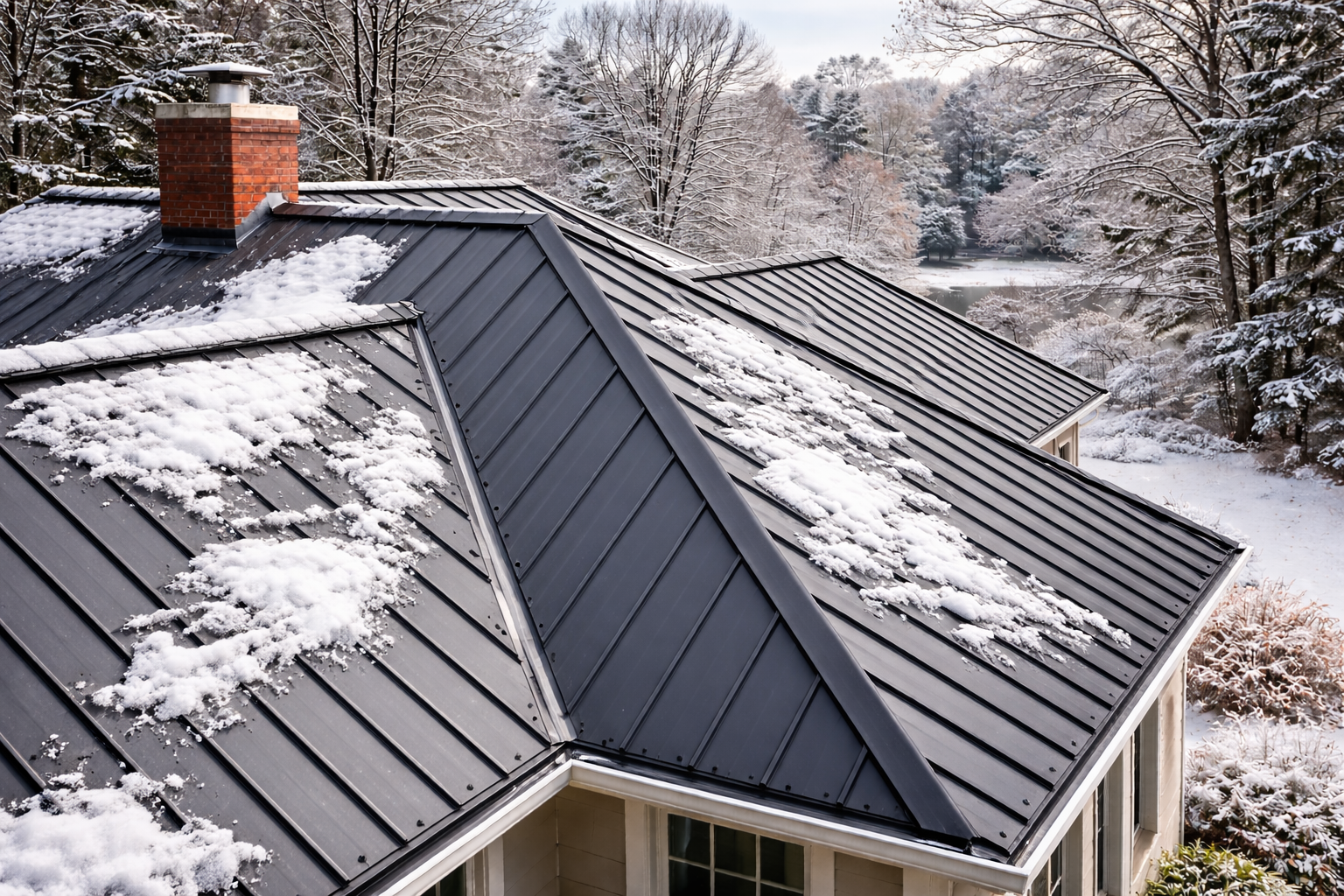
- Ice dams during cold snaps
- Wind-driven rain from coastal storms
- High humidity and attic condensation
- Older housing stock with complex rooflines
- High winds during winter storms
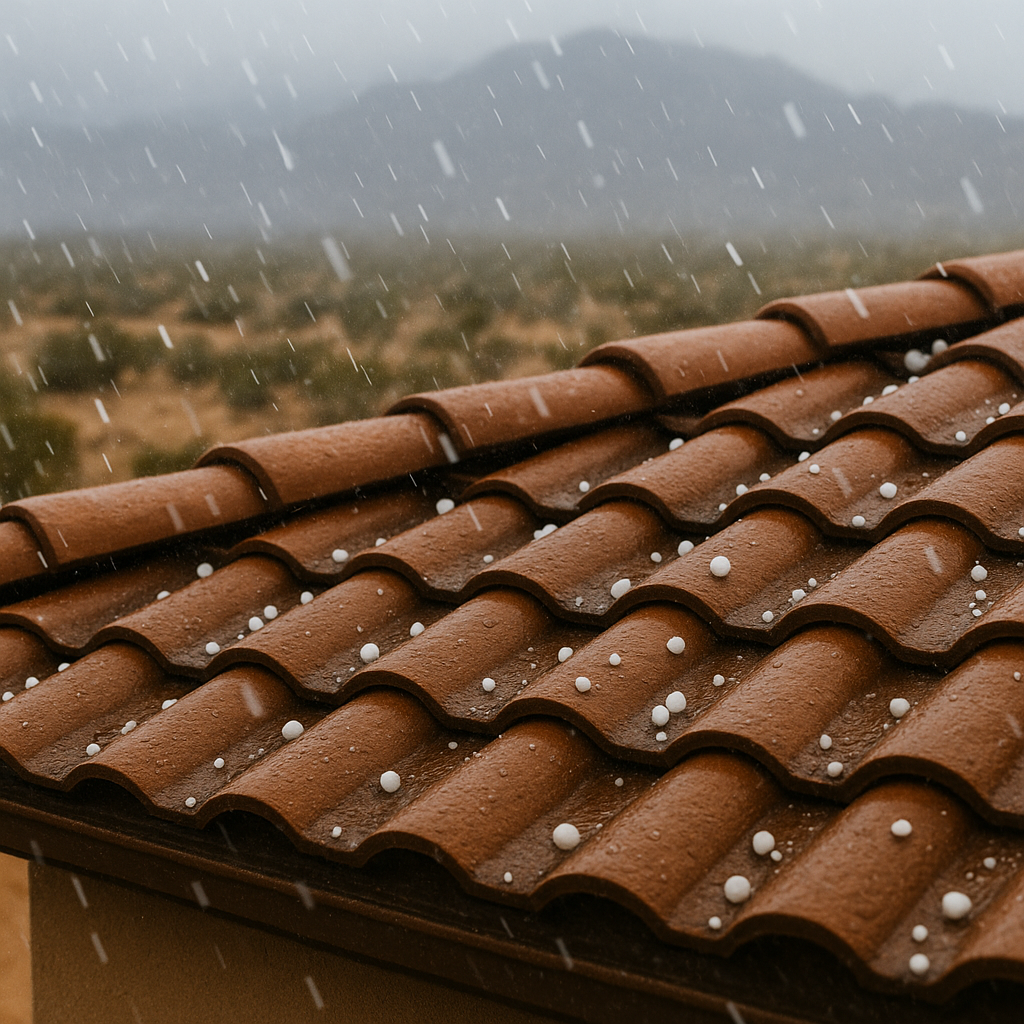
- Hail from seasonal storms
Winter storms can cause leaks as soon as the snow on the roof begins to melt. Debris from winter storms can cause impact damage to roofs. Winter storms can also cause shingles to go missing, exposing the roof to potential leaks. Hail damage may not be visible until after winter storms, but it can affect the roof’s integrity. Ice dams can be prevented by controlling the heat loss from the house.
Failing to address these issues can result in costly repairs.
Together, these factors make it easy for water to enter in one place and show up somewhere else entirely.
How Water Actually Moves Through a Roof System
To understand why stains are misleading, it helps to understand how roofs are built.
A typical roofing system includes:
- Shingles or roofing material, with the top surface of asphalt shingles protected by ceramic granules
- Underlayment
- Decking
- Rafters and trusses
- Insulation
- Drywall ceilings
Missing granules from the top surface of asphalt shingles indicate that the shingles are nearing the end of their life. Snow melt can cause granules to detach from shingles over time, and as snow on a roof surface above freezing melts, the water flows down and can freeze on lower, colder surfaces, causing ice dams. Missing shingles or missing granules can lead to water damage and signal the need for roof repairs or replacement.
When water gets past the roofing surface, it doesn’t drip immediately. It:
- Hits the decking
- Follows the slope of the roof
- Runs along rafters or nails
- Soaks into insulation
- Eventually reaches drywall
- Finally becomes visible as a stain
This journey can take weeks or months.
Ice Dam Backflow: A Major Cause of Misleading Roof Leaks in Delaware
What Is an Ice Dam?
An ice dam forms when:
- Heat escapes from the attic
- Snow melts on the upper roof
- Melted water refreezes near the eaves
- Ice builds up and blocks drainage
Even small, short-lived ice dams are a problem in Delaware.
How Ice Dams Cause Hidden Leaks
Once ice blocks water flow:
- Melted snow has nowhere to go
- Water backs up under shingles
- Moisture enters beneath the roofing material, which can lead to the growth of mold and mildew
- Water travels upward before moving sideways
This is why ice dam leaks often:
- Appear far from roof edges
- Show up in ceilings below interior rooms
- Are blamed on plumbing or condensation
By the time the stain appears, the ice dam may already be gone—making diagnosis even harder.
Why Delaware Is Especially Vulnerable to Ice Dam Backflow
Delaware winters often hover near freezing, which is the worst-case scenario for roofs:
- Frequent melting and refreezing
- Inconsistent snow cover
- Warm attic air from poor insulation
This creates repeated small ice dams, which are often more damaging than one large, obvious event.
Valleys: Where Roof Leaks Travel the Farthest
Why Roof Valleys Matter
A valley is where two roof planes meet. These areas:
- Handle the highest volume of water
- Collect debris
- Experience faster material wear
In Delaware, valleys are under constant stress from:
- Heavy rain
- Melting snow
- Wind-driven moisture
How Valley Leaks Migrate Inside the Home
When a valley fails:
- Water enters high on the roof
- Runs down the valley line
- Slips beneath shingles
- Travels along decking seams
- Drops inside far from the valley itself
Homeowners may see a stain in a bedroom or hallway—while the actual leak is several feet away near a valley they never suspected.
Common Valley Failure Causes in Delaware
- Worn or corroded flashing
- Improper installation
- Debris buildup
- Ice and snow refreeze cycles
Valley issues are one of the most common reasons Delaware roof leaks are misdiagnosed.
Flashing Failures: Small Gaps, Big Confusion
What Is Flashing?
Flashing is the metal material installed around:
- Chimneys
- Vents
- Skylights
- Roof-to-wall intersections
It’s designed to direct water away from vulnerable areas.
Why Flashing Leaks Are So Deceptive
When flashing fails:
- Water enters near a penetration
- Runs along framing
- Follows gravity and slope
- Appears far from the entry point
A chimney leak might show up:
- In a nearby room
- On a lower ceiling
- On a wall several feet away
This is why patching the visible stain never fixes the problem.
Why Flashing Fails Faster in Delaware
Delaware’s climate accelerates flashing failure due to:
- Temperature swings
- Freeze-thaw stress
- Salt air near the coast
- High humidity corrosion
Flashing problems are often invisible until water damage appears inside.
Attic Moisture: The Most Misdiagnosed “Roof Leak”
Not every ceiling stain is caused by rain.
In Delaware homes, attic moisture and condensation are frequently mistaken for roof leaks. Moisture accumulation in the attic can lead to mold growth and mildew, resulting in musty odors and potential health issues such as respiratory problems. Mold growth in attics can also be a sign of water damage that needs to be addressed promptly.
How Attic Moisture Creates Ceiling Stains
Warm, moist air rises from the home into the attic. When it meets cold surfaces:
- Condensation forms
- Moisture drips onto insulation
- Water soaks drywall from above
- Stains appear on ceilings
This often happens:
- During cold weather
- Without any active rainfall
- In bathrooms, hallways, and bedrooms
Why Homeowners Get This Wrong
Many homeowners:
- Assume the roof is leaking
- Patch shingles unnecessarily
- Miss ventilation problems
- Ignore insulation gaps
Without addressing attic airflow and moisture control, the problem keeps coming back.
Why Delaware Roof Leaks Often Appear in Spring
Homeowners are often confused when leaks show up after winter ends.
Here’s why spring is leak season in Delaware:
- Ice dams melt and release trapped water
- Snowmelt saturates roofing materials
- Spring rain follows winter damage
- Warmer temperatures expose weak points
- Clogged gutters can cause ice dams when temperatures are still freezing and can lead to gutter overflow during spring rains
- Gutters that fail to drain properly can contribute to leaks becoming visible in spring
The damage happened earlier—but spring is when it finally reveals itself.
The Cost of Fixing the Wrong Roof Problem
When homeowners focus only on the stain:
- Repairs target the wrong area
- The true leak source remains active
- Moisture continues to spread
- Mold and rot develop silently
If bad water damage is left unchecked, it can result in costly repairs and long-term impacts on the property. Water damage restoration services help restore properties to their pre-loss condition after water-related disasters and are essential for preventing further damage and health risks associated with mold.
This can turn a small repair into:
- Decking replacement
- Insulation removal
- Mold remediation
- Interior drywall repair
Early, accurate diagnosis is the key to avoiding this.
What a Professional Roof Inspection Looks for in Delaware
At Reimagine Roofing, our professionals perform thorough inspections that go far beyond what homeowners can see. We assess all potential sources of leaks to ensure your roof’s integrity and functionality.
We evaluate:
- Ice dam impact zones
- Valley integrity
- Flashing condition
- Underlayment performance
- Attic moisture levels
- Ventilation balance
- Insulation saturation
Professional water damage restoration services also use advanced tools and equipment to assess the extent of the damage.
This system-level approach allows us to find where the leak actually started—not just where it showed up.
Why Delaware Homeowners Should Act Early
Waiting for leaks to worsen rarely saves money.
Early inspections can:
- Stop moisture migration
- Prevent structural damage
- Extend roof lifespan
- Avoid emergency repairs
- Protect home value
The sooner the real cause is identified, the simpler—and less expensive—the fix usually is.
Why Delaware Homeowners Trust Reimagine Roofing
Reimagine Roofing understands how Delaware’s climate, seasons, and home styles affect roofing systems.
Our experienced team works collaboratively to deliver the highest level of service and expertise on every project. Customer satisfaction is our top priority, and we are committed to exceeding your expectations with every job. We take pride in our quality workmanship, especially when it comes to leak repairs, ensuring long-lasting results. Our comprehensive range of services includes free inspections to assess roof damage, honest repair estimates, and recommendations for quality materials to help prevent future leaks.
Homeowners choose us because we:
- Focus on education, not pressure
- Diagnose root causes—not symptoms
- Specialize in leak tracing
- Offer honest recommendations
- Respect your time and budget
Schedule a Free Roof Inspection Today
If you see a ceiling stain, musty odor, or unexplained moisture, don’t assume the problem is where it appears.
A professional inspection can:
- Identify the true source of the leak
- Prevent costly hidden damage
- Give you clarity and peace of mind
For example, a free inspection can uncover hidden roof leaks caused by storm damage before they turn into major, expensive repairs. Roofing services often include free inspections to assess damage and provide repair estimates.
Schedule your free roof inspection with Reimagine Roofing today.
Get a Fast Roof Quote—In Less Than a Day
Thinking ahead? Planning repairs or replacement?
Use Reimagine Roofing’s fast quote tool to:
- Get an accurate estimate
- Receive results in under a day
- Plan without pressure or surprises
Your roof protects everything beneath it. Make sure you’re fixing the real problem—not just the stain.
Popular Posts