Why Roofs Fail Faster After “Mild” Winters in Connecticut
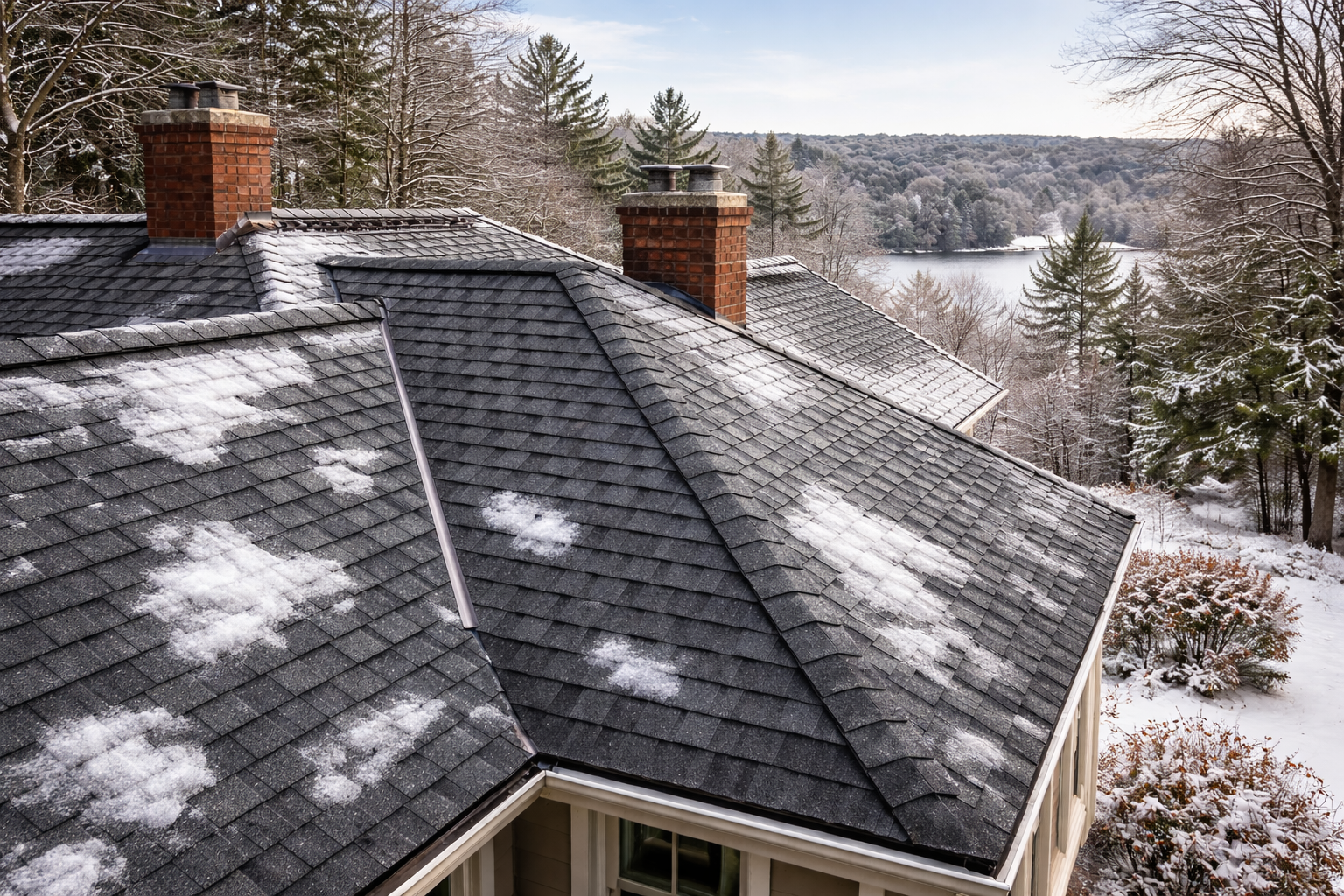
Why Roofs Fail Faster After “Mild” Winters in Connecticut
Connecticut Roof Damage: Why Roofs Fail Faster After “Mild” Winters
The Hidden Roof Damage Most Homeowners Don’t See Until Spring
When Connecticut homeowners hear the words “mild winter,” most feel relieved.
Less snow. Fewer blizzards. Fewer ice storms. Surely that must be easier on your roof—right?
Unfortunately, from a professional roofer’s perspective, mild Connecticut winters are often harder on roofs than harsh ones. Year after year, we see more roof failures, leaks, and structural damage after mild winters than after winters with consistent cold and snow cover. Expert insights reveal that hidden roof damage can go unnoticed without a thorough inspection, making professional knowledge invaluable for ensuring your safety.
The reason comes down to something most homeowners never think about: freeze-thaw cycles.
Your roof is a critical barrier protecting your entire house from weather-related damage, helping to maintain the integrity of your home.
In this guide, we’ll explain:
- Why Connecticut roofs fail faster after mild winters
- How freeze-thaw cycles quietly damage roofing systems
- Why shingle cracking and leaks show up in spring—not winter
- What Connecticut homeowners should look for before damage becomes expensive
- When a professional roof inspection can save you thousands
Inspecting your roof for damage is essential to preserve your home’s safety and extend the lifespan of your roofing system.
If your roof made it through winter and looks fine, this article is especially for you.
The Big Myth: “Mild Winters Are Easy on Roofs”
It’s logical to assume that less snow equals less roof stress. After all:
- Heavy snow adds weight
- Ice storms look destructive
- Icicles feel dangerous
- Wind during winter or other seasons can also contribute to roof damage by tearing or loosening shingles, leading to potential leaks.
But in Connecticut, consistent cold and steady snow cover can actually protect your roof.
Here’s why:
- Snow acts as an insulating blanket
- Temperatures remain more stable
- Roofing materials expand and contract less frequently
Different seasons, including winter, impact roof performance in various ways, so it’s important to consider seasonal changes and schedule inspections throughout the year to prevent damage and maintain your roof’s warranty.
Mild winters remove that stability—and replace it with constant temperature swings that roofing systems are not designed to handle long-term.
The Real Culprit: Freeze-Thaw Cycles in Connecticut
A freeze-thaw cycle occurs when temperatures:
- Rise above freezing during the day
- Drop below freezing overnight
During a mild Connecticut winter, this can happen dozens—or even hundreds—of times. Cold snaps—periods of rapid temperature drops—can intensify the freeze-thaw process and increase the risk of roof damage.
Each cycle forces your roof materials to:
- Absorb moisture, with more water from melting snow and ice seeping into roofing materials and exacerbating the damage
- Expand as temperatures rise
- Contract as temperatures fall
- Repeat… over and over again
This repetitive movement is what causes accelerated roof failure.
Why Freeze-Thaw Roofing Damage Is So Destructive
1. Shingles Expand and Contract Repeatedly
Asphalt shingles are flexible—but not infinitely flexible. Roof shingles, especially those not designed for cold weather, are particularly susceptible to damage from repeated expansion and contraction.
During freeze-thaw cycles:
- Shingles expand slightly when warm
- They contract and stiffen when cold
- Over time, this movement causes micro-cracks
These cracks are often invisible from the ground, but they:
- Allow moisture intrusion
- Weaken shingle integrity
- Shorten roof lifespan significantly
This is one of the most common forms of Connecticut roof damage after mild winters.
2. Moisture Penetrates Tiny Gaps—Then Freezes
When daytime temperatures rise:
- Snow melts
- Condensation forms
- Moisture seeps into cracks and seams
When temperatures drop overnight:
- That moisture freezes
- Frozen water expands
- Cracks widen slightly
Over time, these tiny expansions become serious structural weaknesses. These minor issues, if left unchecked, can escalate into major repairs. Regular roof inspections can help identify minor issues before they escalate into costly repairs.
3. Sealants and Flashing Fail Faster
Roofing sealants, flashing, and caulking are especially vulnerable during mild winters.
Freeze-thaw cycles cause:
- Sealant shrinkage
- Loss of adhesion
- Cracking around chimneys, vents, and skylights
Once flashing fails, leaks are no longer a question of if—but when. Timely repair of flashing and sealant issues is crucial to prevent further deterioration and extend the lifespan of your roof, protecting your home from more extensive connecticut roof damage.
How Roofing Materials Respond to Connecticut Winters
Connecticut’s winters are notorious for their freezing temperatures, heavy snow, and relentless ice. While these conditions are tough on any roof, the way your roofing materials respond can make all the difference between a minor issue and a major problem.
Asphalt shingles, the most common roofing material in Connecticut, are especially vulnerable to the region’s freeze-thaw cycles. Repeated expansion and contraction can cause shingles to crack, curl, or lose their protective granules—leaving your roof exposed to leaks and water damage.
Metal roofs handle snow and ice better, as their smooth surfaces encourage snow to slide off. However, freezing temperatures can still cause seams to separate or fasteners to loosen, especially if the roof wasn’t installed by an experienced roofing contractor.
Wood shingles and shakes offer a classic look, but Connecticut’s moisture and cold can lead to warping, splitting, or even mold growth if water seeps in and freezes. Regular roof inspections are crucial to catch these issues before they escalate.
Tile and slate roofs are durable, but their weight can become a liability under heavy snow. If tiles crack due to ice or shifting, water can quickly find its way inside, causing costly repairs.
No matter what type of roof you have, Connecticut’s winter weather puts it to the test. That’s why regular roof inspections by roofing professionals are essential. A trained eye can spot early warning signs—like cracked shingles, loose flashing, or minor leaks—before they turn into major problems. By staying proactive, you can protect your home, avoid unexpected repairs, and extend the life of your roof through even the harshest Connecticut winters.
Why Roof Damage Rarely Shows Up in Winter
One of the most confusing things for Connecticut homeowners is this:
“My roof survived winter just fine… so why is it leaking now?”
Here’s the reason.
Roof damage from snow, ice, and wind is often not visible until spring, when melting and rain reveal leaks or other issues. That’s why it’s important to have a professional inspect your roof to catch hidden problems before they become costly repairs. In Connecticut, professional inspections are recommended after major storms or at least annually to identify hidden roofing problems.
Winter Damage Is Quiet
Spring Damage Is Visible
During winter:
- Cold temperatures limit water flow
- Ice temporarily seals small gaps
- Snow masks early warning signs
In spring:
- Snow melts rapidly
- Rainfall increases
- Temperatures fluctuate wildly
Suddenly, all the damage caused by winter freeze-thaw cycles reveals itself at once. Water stains on ceilings or walls are common indicators of roof leaks that become visible after winter. Signs of roof damage can include missing or damaged shingles, granule loss, and water stains.
This is why most winter roof issues in CT appear in March, April, and May—not January or February.
The Spring Roof Leak Surge in Connecticut
Every year, roofing companies across Connecticut see a sharp increase in:
- Active leaks
- Ceiling stains
- Attic moisture
- Mold concerns
These issues aren’t caused by spring weather alone. Spring leaks can also result from storm damage accumulated over the winter. Water stains and leaks can indicate roof damage from storms or long-term wear. They’re the result of months of cumulative winter stress finally reaching a breaking point.
Common Signs Your Roof Was Damaged by a Mild Winter
Even if you don’t see an active leak yet, there are warning signs Connecticut homeowners should never ignore. After winter, it’s important to assess your roof for any signs of damage, as early detection can prevent bigger problems. A quick roof inspection can save you thousands in future repair costs.
Exterior Warning Signs
- Curling or lifting shingles
- Cracked shingle edges
- Granules collecting in gutters
- Loose flashing around roof penetrations
- Shingles that look uneven or brittle
- Missing shingles or shingles that have been displaced, especially after winter storms or high winds—inspect your roof for any missing or torn-off shingles to prevent leaks and further damage
Signs of roof damage include missing, cracked, or curling shingles, granule loss, sagging rooflines, and moss or algae growth.
Prompt roof repairs are necessary when these signs are detected to prevent more extensive and costly damage.
Interior Warning Signs
- Ceiling stains or discoloration
- Water stains or damage on walls, which can indicate roof leaks
- Musty attic odors
- Damp insulation
- Peeling paint near ceilings
- Higher indoor humidity levels
Water stains, bubbling paint, musty smells, and visible light in the attic indicate potential roofing issues.
These symptoms often appear weeks or months after winter ends.
Why Connecticut Homes Are Especially Vulnerable
Connecticut homes face a unique combination of challenges:
- Older housing stock
- Dense tree cover, which can lead to debris accumulating on roofs and contributing to moisture problems
- High humidity
- Variable winter temperatures
Debris such as fallen leaves can clog gutters and hold moisture, which contributes to shingle decay.
Together, these factors create the perfect environment for freeze-thaw roofing damage.
Older Roofs Are at Higher Risk
Roofing materials installed 15–25 years ago:
- Were not designed for today’s climate variability
- Often lack modern moisture barriers
- Have already endured years of stress, and even minor issues in older roofs can quickly escalate into major repairs if not addressed promptly.
A mild winter can push an aging roof past its breaking point.
Freeze-Thaw Damage vs. Heavy Snow Damage
Ironically, heavy snow alone is rarely what destroys Connecticut roofs.
Heavy snow damage usually requires:
- Structural overload
- Poor roof framing
- Extreme accumulation
Storm damage, including from wind and hail, can also contribute to roof failure and should not be overlooked after severe weather events.
Freeze-thaw damage, on the other hand:
- Affects nearly every roof
- Occurs silently
- Weakens materials incrementally
- Creates widespread failure over time
Connecticut homeowners face roof damage from harsh weather, including wind, hail, snow, and sun, leading to issues such as missing or cracked shingles and ice dams.
This makes it far more dangerous—and expensive—long term.
The Role of Ventilation in Mild Winter Roof Failure
Poor attic ventilation makes freeze-thaw damage worse.
When warm air escapes into the attic:
- Snow melts unevenly on the roof
- Refreezing occurs at eaves
- Moisture accumulates beneath shingles
This accelerates:
- Shingle cracking
- Decking deterioration
- Mold growth
Many winter roof issues in CT are actually ventilation problems disguised as weather damage.
Ice Dams: A Freeze-Thaw Side Effect
Mild winters don’t always produce dramatic ice dams—but they produce repeated small ones, which are often worse.
Small, repeated ice dams:
- Allow water to back up under shingles
- Create hidden leaks
- Saturate roof decking
Because they’re smaller, homeowners often don’t notice them—until damage is already done.
Why Waiting Until Summer Is a Costly Mistake
Many homeowners delay roof inspections until:
- Leaks worsen
- Mold develops
- Damage spreads to drywall or framing
Climbing on your roof with a ladder can be dangerous and should be approached with extreme caution or left to professionals. For safety, visual inspections of roofs should be conducted from the ground using binoculars to avoid safety risks.
By summer, minor freeze-thaw damage can become:
- Full roof sections needing replacement
- Structural decking repairs
- Interior remediation costs
Early spring inspections are one of the most cost-effective homeowner decisions in Connecticut.
What a Professional Roof Inspection Catches After a Mild Winter
A professional inspection goes far beyond what homeowners can see. Having a roofer assess your roof for hidden damage ensures that even subtle issues are identified early. Hiring a roofing professional to evaluate your roof once or twice a year can help identify minor issues before they become major problems.
At Reimagine Roofing, we look for:
- Shingle micro-cracking
- Early flashing separation
- Underlayment moisture
- Ventilation imbalances
- Decking soft spots
- Ice dam impact zones
Most of these issues are invisible from the ground.
How Mild Winters Shorten Roof Lifespan
A roof designed to last 25–30 years may:
- Lose 3–5 years of life after repeated mild winters
- Fail prematurely without visible warning
- Require replacement earlier than expected
Repeated mild winters may mean you need a new roof sooner than you planned. Scheduling a new roof at the right time can help prevent further damage.
This is why many Connecticut homeowners feel blindsided by roof failure—even when they believe they “did everything right.”
The Smart Connecticut Homeowner’s Strategy
The smartest approach isn’t panic—it’s prevention.
Regular maintenance is crucial for extending the life of your roof and preventing costly connecticut roof damage. Key maintenance tasks include cleaning gutters, trimming trees near your home, and improving ventilation to ensure proper temperature regulation.
After Every Mild Winter:
- Schedule a professional roof inspection
- Address small issues early
- Improve ventilation if needed
- Document roof condition for insurance and resale
These steps can extend roof life significantly.
Why Connecticut Homeowners Trust Reimagine Roofing
At Reimagine Roofing, we specialize in identifying climate-driven roof damage specific to Connecticut homes, providing expert insights to ensure accurate assessments and safety during inspections.
Homeowners choose us because we:
- Understand freeze-thaw roofing systems
- Focus on education, not pressure
- Provide honest, photo-documented assessments
- Help homeowners plan—not panic
- Offer clear recommendations based on roof condition
- Have extensive winter experience, which is crucial for successful winter roof replacements
Schedule Your Free Roof Inspection Today
If Connecticut experienced a mild winter—and it did—your roof has likely endured more stress than you realize.
A professional inspection can:
- Catch freeze-thaw damage early
- Prevent surprise leaks
- Extend your roof’s lifespan
- Save thousands in long-term repairs
Schedule your free roof inspection with Reimagine Roofing today and make sure your roof didn’t quietly suffer through winter—only to fail when spring rains arrive. Scheduling roof work during the off-season or winter season can offer advantages, including potential cost savings. Many contractors offer off-season discounts for winter roof replacements to keep crews working during slower months.
Use Fast Quote Tool and get your estimates in less than a day!
Because in Connecticut, it’s often the easy winters that do the most damage.
Popular Posts