Why It’s Important To Know Your Roof Type
Why It’s Important To Know Your Roof Type
Know Your Roof Type (and Why It Matters for Every Homeowner)

What’s Over Your Head Might Surprise You
When was the last time you looked closely at your roof? Most homeowners rarely think about it — until a leak appears, tiles crack, or an inspection reveals unexpected damage.
But here’s the truth: knowing your roof type is one of the most important steps in protecting your home, saving money, and making smart maintenance decisions.
Different roofing materials, shapes, and systems all behave differently — especially in diverse climates like Arizona, Florida, New Mexico, Utah, and New Jersey, where Reimagine Roofing proudly serves homeowners. Each roof type has unique strengths, weaknesses, and maintenance needs.
This guide will walk you through:
- The main roof types in U.S. homes
- How to identify yours
- The pros and cons of each
- Which roof performs best in your climate
- And how to care for it to extend its lifespan
We’ll also cover the most common roof designs found in U.S. homes, so you can better understand your options.
Let’s start by understanding what makes roofs so diverse — and why the right knowledge can save you thousands.
Why It’s So Important to Know Your Roof Type
You might think a roof is just a roof. But your roofing system is a complex combination of layers, materials, and design choices that determine how well it protects your home.
Knowing your roof type helps you:
- Plan maintenance and repairs correctly
- Prevent leaks and water intrusion
- Budget for replacement costs
- Choose the right materials for your climate
- Boost energy efficiency and comfort
- Increase your home’s resale value
At Reimagine Roofing, we’ve seen countless homeowners invest in the wrong materials or overlook simple maintenance tasks because they didn’t know what roof they had. Understanding your roof type means understanding how well your roof can do its job as your home’s first line of defense.
The 3 Main Categories of Roofs
Roofs generally fall into three categories: sloped, flat, or specialty. Each comes with distinct design features and performance characteristics.
These categories include a wide variety of roof designs, each with unique features and benefits.
1. Sloped Roofs
These are the most common residential roof types—typically featuring two slopes that meet at a peak, allowing rain and debris to run off easily.
Common in: Arizona, Utah, New Jersey
Popular styles: gable, hip, shed, and dormer roofs.
2. Flat Roofs
Flat roofs, sometimes referred to as low slope roofs due to their minimal pitch for drainage, are often seen in modern homes and commercial buildings.
Common in: Arizona, New Mexico, and Florida
Popular systems: foam, TPO, and modified bitumen roofs.
3. Specialty Roofs
These include designs like curved, butterfly, or combination roofs that mix different styles and materials for aesthetic or performance reasons. Common in: high-end custom homes and architectural designs.
Specialty roofs can also create dramatic visual effects and enhance a home’s architectural style.
Knowing which of these categories your roof falls into is step one — next, we’ll explore the materials that make each system unique.
The Most Common Roof Types and Materials
Each roof material comes with a distinct look, lifespan, maintenance need, and cost. Reputable manufacturers offer a wide range of roofing materials to suit different roof types and preferences. Let’s break them down.
Asphalt Shingle Roofs
The most common roof type in America. For maximum durability and performance, asphalt shingles should be properly installed by skilled professionals.
Overview
Asphalt shingles are made from fiberglass mats coated with asphalt and granules. They’re affordable, easy to install, and come in a wide range of colors and styles.
For the best results, homeowners should consult a roofing contractor to help select the right shingle type and ensure proper installation.
Pros
- Cost-effective and readily available
- Decent durability (15–25 years)
- Simple repairs and replacements
- Variety of colors and finishes
Cons
- Shorter lifespan in hot or sunny climates
- Granule loss over time
- Prone to curling and cracking under UV exposure
Best For
Moderate climates like New Jersey or Utah — though Reimagine Roofing often installs premium shingles with UV protection for Arizona and New Mexico homes.
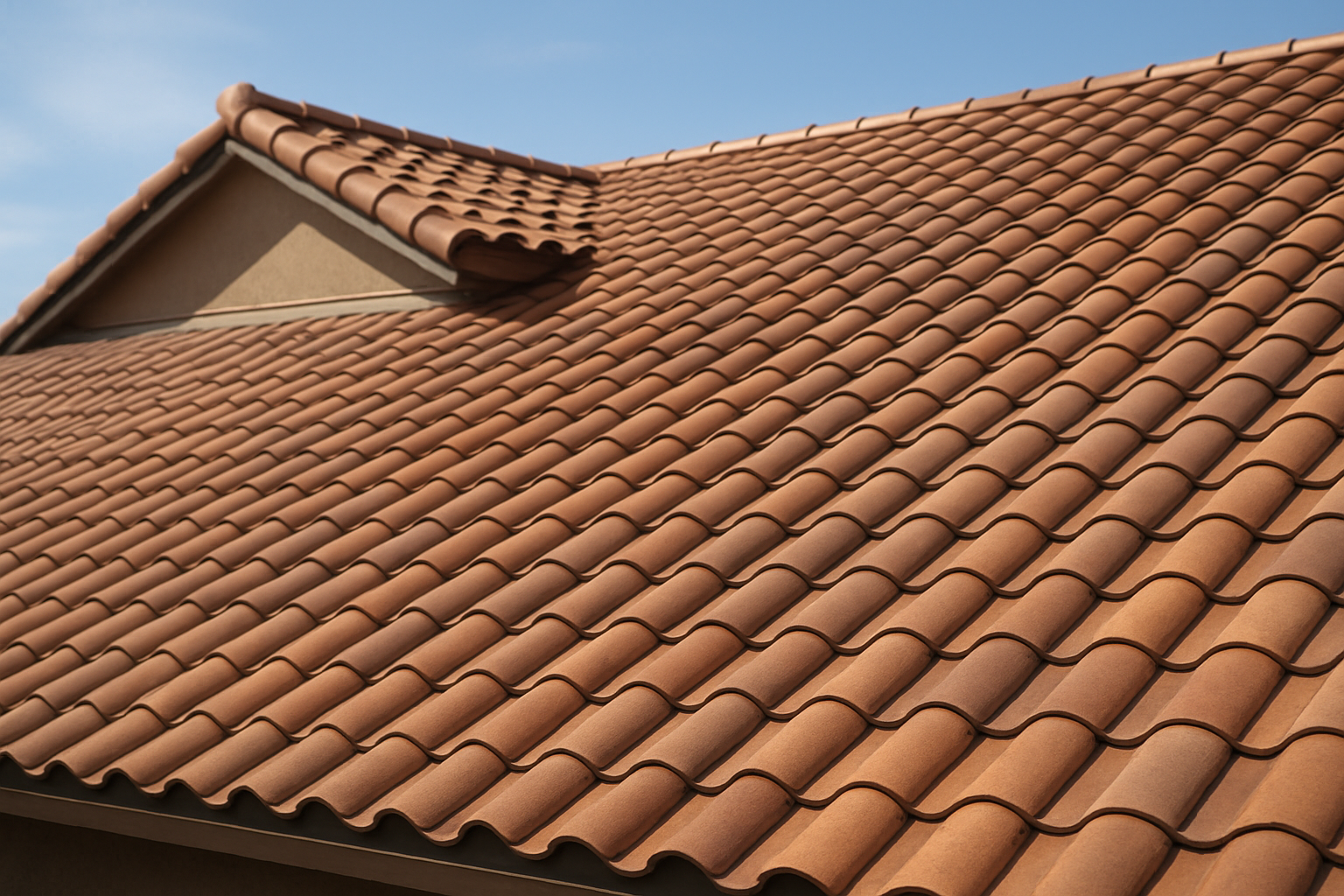
Clay Tile Roofs
The timeless choice for houses in desert and coastal regions.
Overview
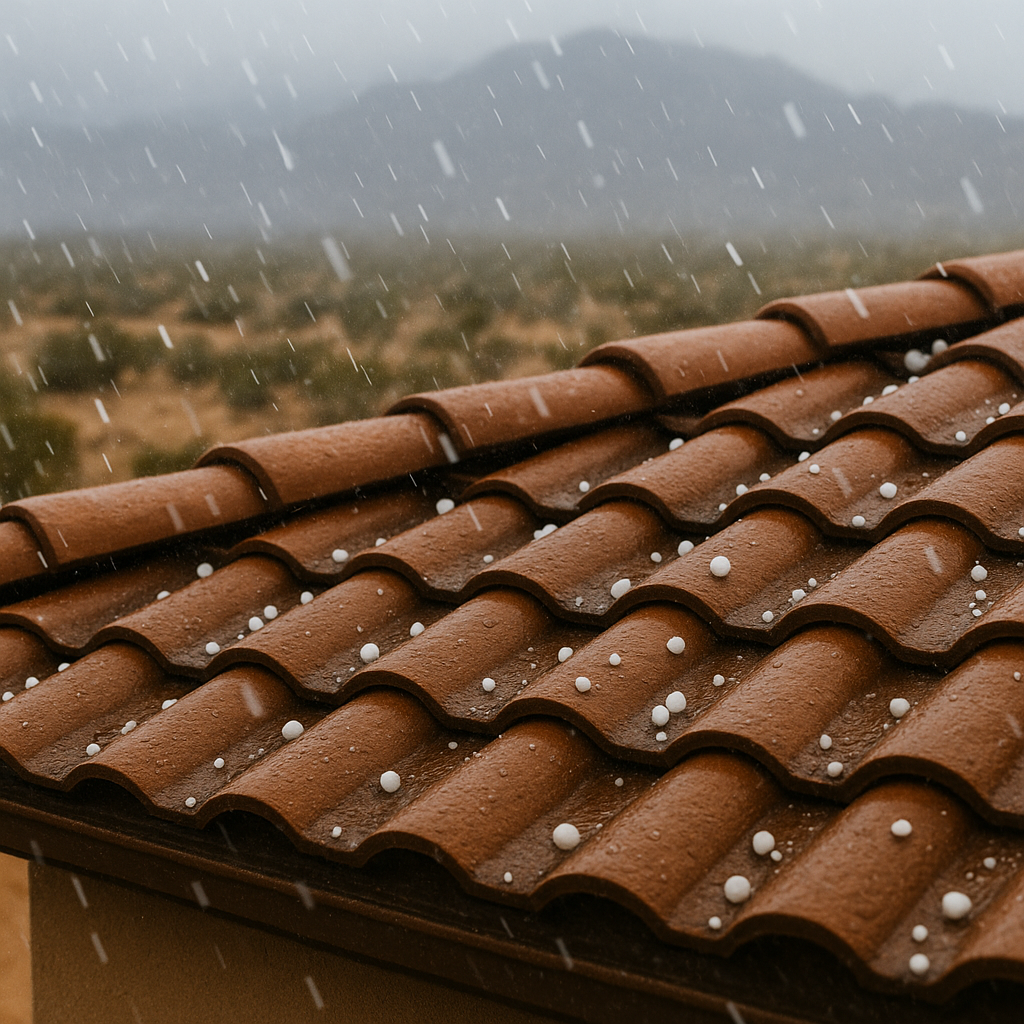
Clay tiles are made from natural materials baked into durable, curved pieces that interlock. They’re highly resistant to sun, salt, and fire — perfect for the Southwest.
Pros
- Lasts 50+ years with proper maintenance
- Excellent UV and heat resistance
- Natural ventilation between tiles
- Beautiful Mediterranean or Spanish aesthetic
Cons
- Heavier than other materials (requires reinforced structure)
- Fragile under heavy impact
- More expensive upfront
Best For
Hot, dry climates like Arizona and New Mexico, where heat and sunlight are major factors.
Concrete Tile Roofs
A modern twist on clay with added strength. Concrete tiles are a popular choice for traditional hip roof designs due to their strength and versatility.
Overview
Concrete tiles mimic clay’s durability but are made from a cement-sand mixture. They’re slightly heavier but more affordable and versatile.
Pros
- Fire- and weather-resistant
- Long lifespan (40–50 years)
- Great thermal performance
- Can simulate clay, slate, or wood aesthetics
Cons
- Heavy, requiring strong support
- Can absorb water and add weight over time
Best For
Desert or coastal homes where durability is key.
Metal Roofs
Energy-efficient and ultra-durable.
When considering a metal roof, it’s essential to rely on experienced roofers to ensure proper installation and long-term performance.
Overview
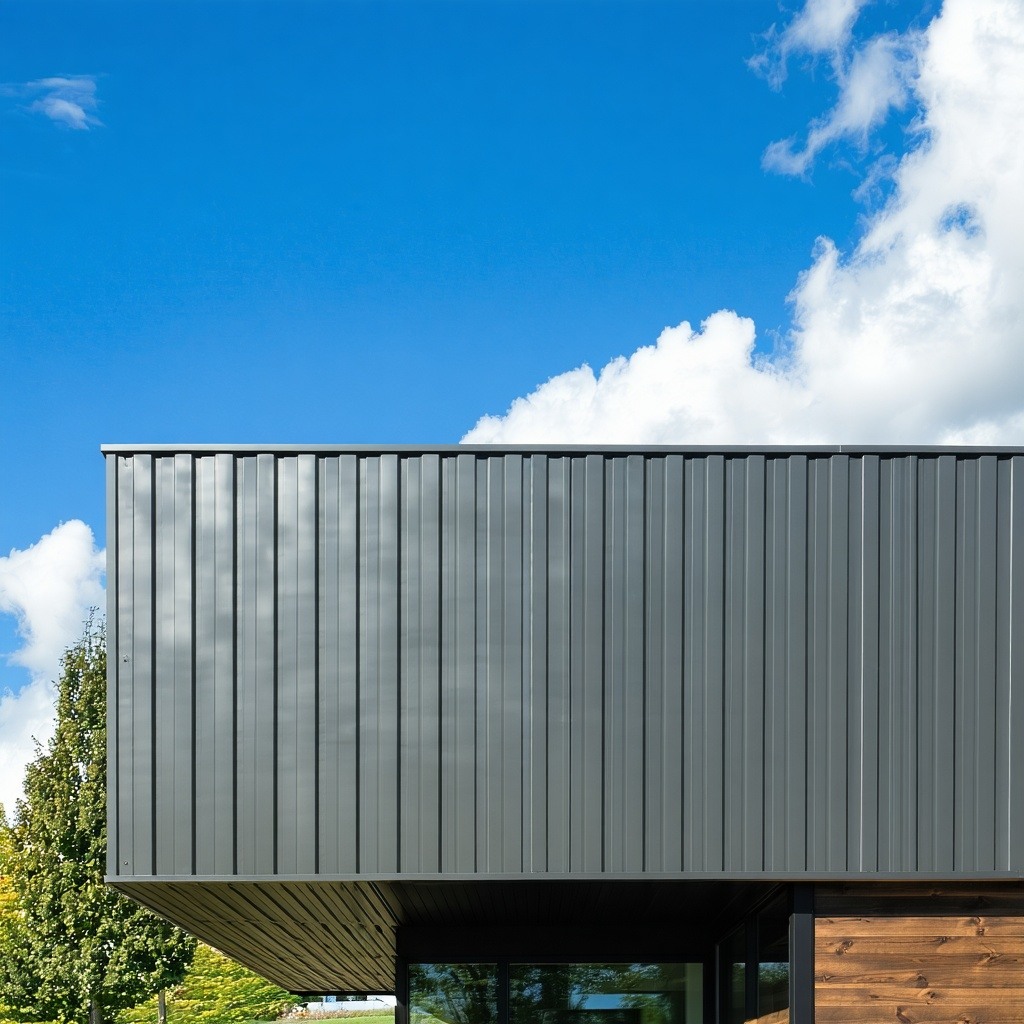
Metal roofs — whether standing seam or metal shingles — have become a top choice for homeowners seeking longevity and modern appeal.
Pros
- 40–70 year lifespan
- Reflects sunlight, reducing energy costs
- Fire- and wind-resistant
- Recyclable and eco-friendly
Cons
- Higher upfront cost
- Can be noisy in heavy rain without proper insulation
Best For
All climates — especially Arizona’s heat and New Jersey’s storms. Reimagine Roofing installs premium coated metal roofs that resist fading and corrosion.
Foam (SPF) Roofs
A favorite for flat roofs in the Southwest.
Overview
Spray Polyurethane Foam (SPF) creates a seamless, watertight layer that expands to fill gaps. It’s lightweight and highly energy efficient.
Pros
- Great insulation (lowers cooling costs)
- Seamless waterproof barrier
- Long lifespan (25+ years with maintenance)
- Easily recoated to extend life
Cons
- Must be professionally applied
- UV exposure requires regular recoating
Best For
Flat-roof homes in Arizona and New Mexico, where heat and sun are intense.
Slate Roofs
Elegant, natural, and built to last centuries, slate roofs require quality workmanship to ensure longevity and structural integrity.
Overview
Slate is a natural stone material used in premium homes. Its durability and timeless appeal make it one of the most luxurious roofing choices.
Pros
- 75–100 year lifespan
- Unmatched aesthetics
- Fire, wind, and mold resistant
Cons
- Extremely heavy and costly
- Requires expert installation and structure reinforcement
Best For
Luxury homes or historic properties — popular in New Jersey or Utah’s mountain regions.
Synthetic or Composite Roofs
The modern solution for performance and sustainability.
Synthetic or composite roofs are engineered to offer durability and eco-friendly benefits. These roofing systems are also designed to closely replicate the appearance of natural materials, making them a popular choice for homeowners seeking both performance and visual appeal.
Overview
Made from recycled rubber, plastics, or polymers, synthetic roofs mimic natural materials like slate or wood without their drawbacks.
Pros
- Lightweight and durable
- UV and impact resistant
- Eco-friendly and low maintenance
Cons
- Can be more expensive than asphalt
- Quality varies by manufacturer
Best For
Eco-conscious homeowners across all climates.
How to Identify Your Roof Type
Not sure what’s over your head? Here’s how to find out.
For the most accurate identification of your roof type and to get recommendations on the best maintenance approach, consider consulting a qualified roofing contractor.
#1: Look at the Slope
- Steep slopes → likely asphalt, metal, or tile
- Flat or low slopes → likely foam, TPO, or modified bitumen
Roofing contractors can help homeowners interpret slope measurements and select the most suitable roofing materials to ensure compliance with building codes and achieve the desired look.
#2: Observe Material Texture
- Granular = asphalt shingles
- Smooth or shiny panels = metal
- Curved or interlocking = tile
- Soft, uniform surface = foam
#3: Check Inside Your Attic
- Roof structure and underlayment can reveal the material’s support needs.
- Signs of insulation type also hint at roofing system.
- The presence of windows in the attic can also provide clues about the roof structure and allow for increased natural light.
#4: Call in a Professional Inspection
A certified Reimagine Roofing inspector specializing in roof types can quickly identify your roof and check for potential issues using drone imaging and infrared scanning.
Matching Your Roof Type to Your Climate
Your roof’s performance depends on how well it suits your environment. Here’s how Reimagine Roofing tailors materials for different climates:
| State | Common Roof Types | Key Climate Challenges | Reimagine Roofing Solution |
|---|---|---|---|
| Arizona | Tile, Metal, Foam | UV radiation, extreme heat | Reflective coatings, solar-ready systems |
| New Mexico | Tile, Foam | High UV, dry air, dust | UV-resistant coatings, re-sealing every 5 years |
| Florida | Metal, Tile | Hurricanes, humidity | Wind-rated fasteners, corrosion-resistant materials |
| Utah | Asphalt, Metal | Snow, freeze-thaw cycles | Ice dam prevention, sealed flashing |
| New Jersey | Asphalt, Slate | Rain, seasonal changes | Moisture barrier systems, mold-resistant underlayment |
Your roof type should complement your climate — and with the right materials, your home stays comfortable, efficient, and protected year-round. Understanding your climate helps you decide which roof type and materials will offer the best protection and efficiency.
Roof Lifespans at a Glance
| Roof Type | Average Lifespan | Maintenance Level |
|---|---|---|
| Asphalt Shingle | 15–25 years | Moderate |
| Metal | 40–70 years | Low |
| Clay/Concrete Tile | 40–50 years | Low–Moderate |
| Foam | 25–35 years | Moderate (recoat every 5 years) |
| Slate | 75–100 years | Low |
| Synthetic | 30–50 years | Low |
Proper maintenance can double your roof’s lifespan — and that’s where professional inspections matter most.
Replacing your roof at the right time ensures continued protection and helps prevent costly damage.
Roof Maintenance Tips for Every Type
Regardless of your roof type, consistent care prevents small issues from turning into major repairs. It’s important to fix minor problems as soon as they appear to avoid costly and extensive damage later on.
1. Clean Regularly
Remove debris, leaves, and dust — especially after storms or high winds.
2. Inspect Annually
Reimagine Roofing offers free annual inspections with drone imaging to detect early damage. Regular inspections are key to dealing with storm damage and preventing leaks.
3. Reseal and Recoat
UV and heat gradually break down sealants and coatings — renew them every few years.
4. Check Ventilation
Proper attic airflow prevents moisture buildup and extends shingle or tile life.
5. Maintain Gutters
Clogged gutters can cause water backflow and damage roof edges, as gutters are typically installed along the eaves to direct water away from the roof.
A clean, well-maintained roof performs better, lasts longer, and keeps your home’s structure strong.
When It’s Time to Replace Your Roof
Deciding when to invest in a new roof is a major project for any homeowner. Even the best roof won’t last forever. Here are signs your roof may need replacement:
- Curling, missing, or broken shingles/tiles
- Visible sagging or soft spots
- Interior water stains or leaks
- Frequent repairs or persistent mold
- Roof age exceeding manufacturer’s lifespan
If you’re unsure, a Reimagine Roofing specialist can perform a no-cost roof health check and recommend whether your project requires repair or a new roof replacement.
Reimagine Roofing: Your Roof Type Experts
Every roof tells a story — and at Reimagine Roofing, we know how to read it.
We specialize in:
- All roof types — tile, metal, foam, asphalt, and more
- Climate-specific systems for desert, coastal, and snowy environments
- Preventive care programs to extend roof life
- Energy-efficient upgrades and reflective coatings
- Full roof replacements with lifetime workmanship warranties
Our commitment to quality drives everything we do, and we are proud to serve homeowners in our communities with reliable, customer-focused solutions.
We combine technology, craftsmanship, and local expertise to help homeowners protect what matters most.
Real Homeowner Example: From Unknown Roof Type to Energy Savings
A homeowner in Mesa, Arizona, called Reimagine Roofing unsure about her roof type — she just knew her energy bills were climbing.
After a free drone inspection, our team identified a foam roof that hadn’t been recoated in over a decade. The surface had UV cracks and minor leaks.
We applied a new silicone coating, repaired the flashing, and added reflective UV protection. The result? Her home stayed cooler, leaks stopped, and her summer electricity bill dropped by 18%.
Knowing your roof type literally paid off in cash savings on her energy bills.
The Bottom Line: Knowledge Protects Your Home
Your roof isn’t just a cover — it’s a system. And understanding your roof type gives you the power to:
- Schedule the right maintenance
- Choose the best materials and styles for your region
- Prevent premature wear
- Boost and enhance your home’s efficiency, value, and appearance
Whether your roof is tile, metal, foam, or something else entirely, Reimagine Roofing is here to help you make informed decisions and keep it performing at its best.
Find Out Your Roof Type with Reimagine Roofing
Not sure what type of roof you have?
Don’t guess — let the experts at Reimagine Roofing give you answers that protect your home and wallet.
- Free roof inspection
- Drone imaging and full condition report
- Customized recommendations for your climate
Schedule your free roof inspection today and learn what’s really over your head — and how to make it last for decades.
Reimagine Roofing — Smarter roofs. Stronger homes. Peace of mind.
Popular Posts